15 Unsettling Facts from the History of Hollywood

Hollywood history is filled with glamorous premieres, legendary performances, and movies that became part of popular culture, but the industry has always had a much darker side. Behind the famous names and studio gates were scandals, exploitation, dangerous working conditions, ruined careers, and stories that were deliberately kept away from the public. Some of these events changed the way the entertainment industry operated, while others reveal just how different Hollywood could be when studios held enormous power over performers. The more you look behind the movies, the clearer it becomes that some of the industry’s most disturbing stories happened far away from the screen.
The Black Dahlia Murder Became a Hollywood Obsession
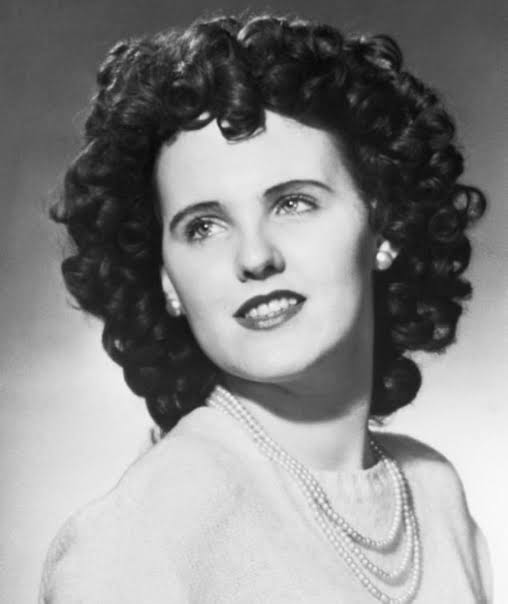
The 1947 murder of Elizabeth Short, known as the Black Dahlia, became one of Los Angeles’ most notorious unsolved crimes. Her body was discovered in a vacant lot, and the sensational coverage surrounding the case turned it into a permanent part of Hollywood’s darker mythology.
Studios Once Controlled Nearly Everything About Their Stars
During the studio era, actors could be locked into long contracts that gave studios enormous control over their careers. Studios could determine which movies performers made, how they were presented publicly, and even suspend them when they refused assignments.
The Hollywood Blacklist Destroyed Careers
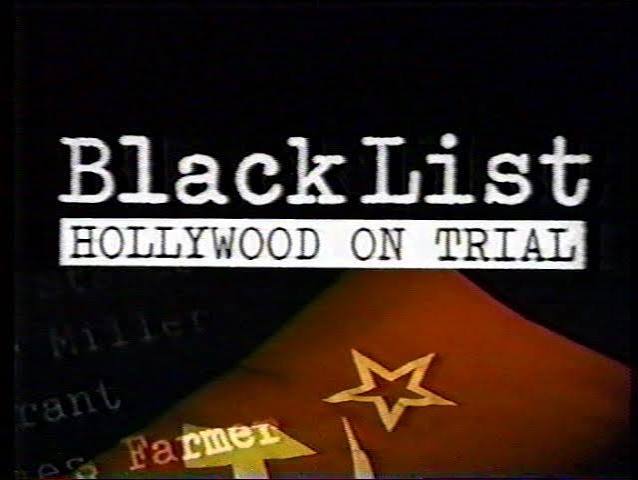
During the Red Scare, suspected communist sympathizers and alleged political radicals faced enormous pressure from the entertainment industry. The Hollywood blacklist prevented many writers, actors, directors, and other professionals from finding work, sometimes for years.
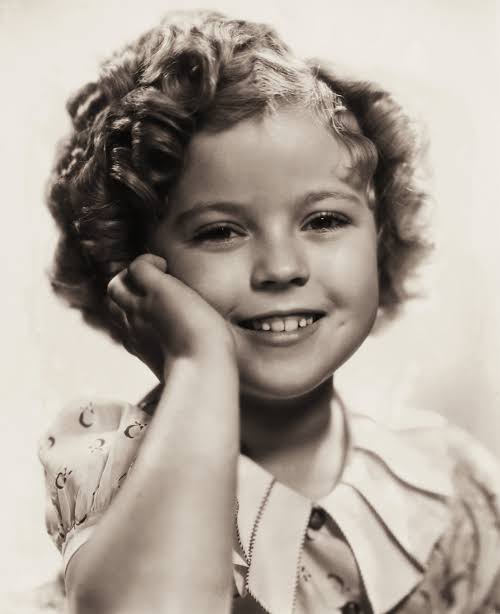
Child Stars Were Often Treated Like Studio Property
Young performers could face extraordinary pressure from studios, agents, and families while working long hours under intense scrutiny. The experiences of several former child stars later revealed how little protection existed for young performers during Hollywood’s earlier decades.
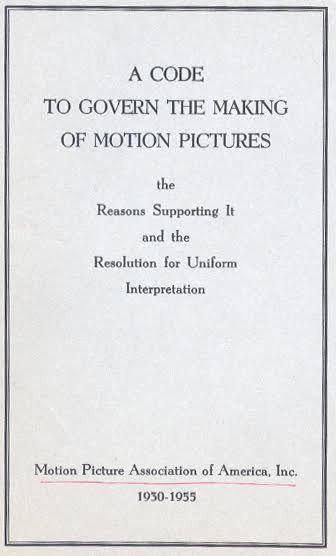
The Hays Code Controlled What Audiences Could See
Beginning in the 1930s, the Motion Picture Production Code imposed strict rules on what Hollywood movies could depict. Sexuality, crime, profanity, interracial relationships, and many other subjects were heavily restricted, forcing filmmakers to find creative ways around censorship.
The Studio System Used Fake Relationships for Publicity
Studios sometimes carefully managed the romantic images of their stars, including publicity relationships and carefully staged appearances. For some performers, maintaining a particular public image was considered part of their professional obligations.
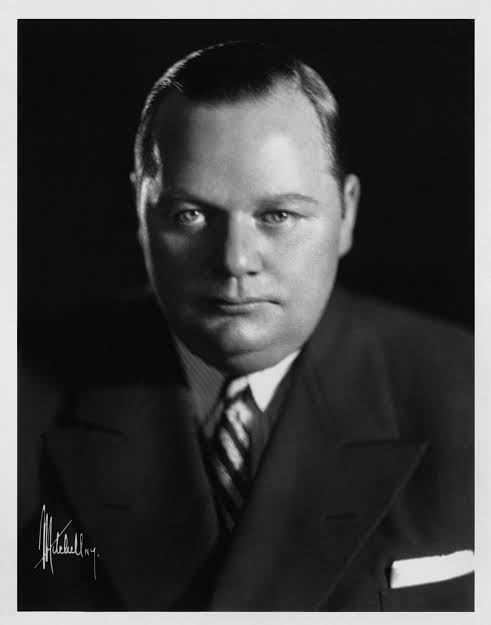
Fatty Arbuckle’s Career Was Nearly Destroyed by a Scandal
Comedian Roscoe “Fatty” Arbuckle became involved in one of Hollywood’s biggest scandals after actress Virginia Rappe became seriously ill following a party he attended in 1921. Arbuckle was tried three times and acquitted, but the scandal devastated his career despite the verdicts.
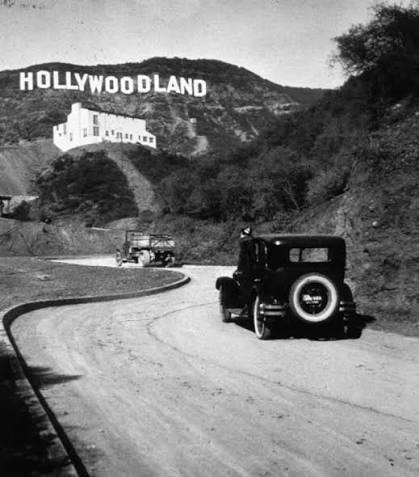
The Original Hollywood Sign Said Hollywoodland
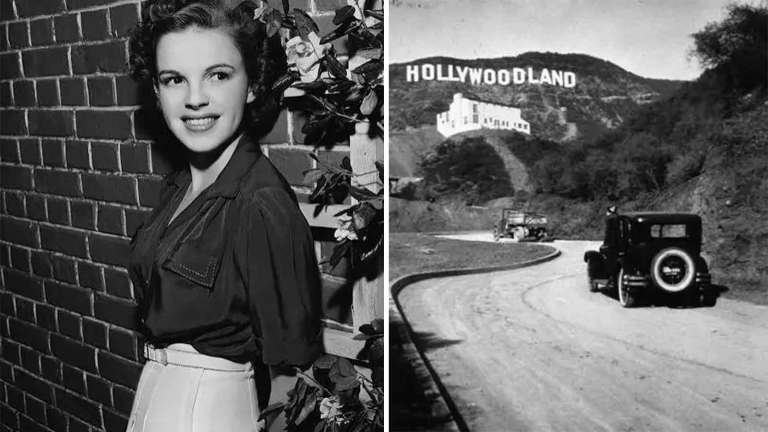
The famous Hollywood sign originally promoted a real estate development called Hollywoodland when it was erected in 1923. The final four letters were removed in 1949, leaving the shorter version that eventually became one of the world’s most recognizable landmarks.
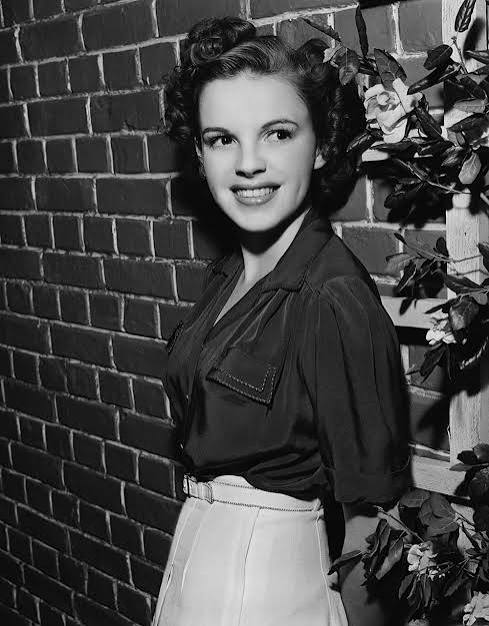
Judy Garland Was Given Stimulants and Sedatives by MGM
During her years as a young star, Judy Garland was subjected to studio controlled diets and drug regimens intended to keep her working and manage her weight and sleep. Her experience became one of the most disturbing examples of how studios treated young performers.
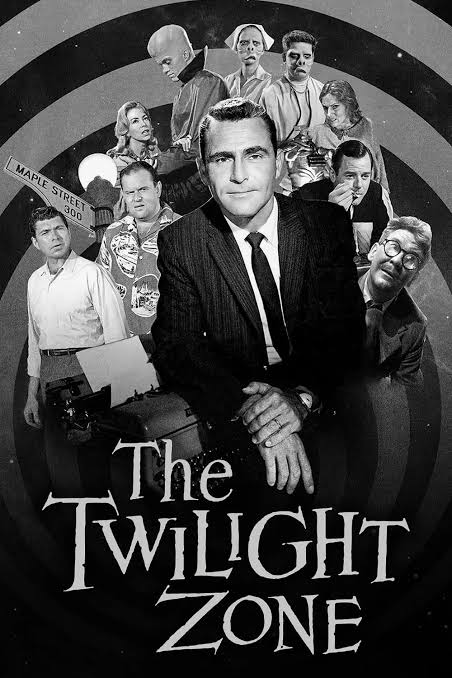
The Set of The Twilight Zone Movie Became the Site of a Fatal Accident
During production of Twilight Zone: The Movie (1983), actor Vic Morrow and two child actors were killed during a helicopter sequence. The tragedy led to major changes in safety practices and legal consequences for those involved.

Hollywood Once Used the Term “Casting Couch” Quite Literally
The entertainment industry developed a notorious culture in which aspiring performers could be pressured into sexual situations by people with professional power. The term “casting couch” became shorthand for a practice that has been documented throughout Hollywood history.
The Movie Industry Once Relied on Highly Dangerous Stunts
Before modern safety standards and specialized stunt departments became common, actors and stunt performers were sometimes exposed to genuinely hazardous conditions. Some productions used real fires, dangerous vehicles, animals, explosives, and other uncontrolled elements with far fewer safeguards than filmmakers would accept today.
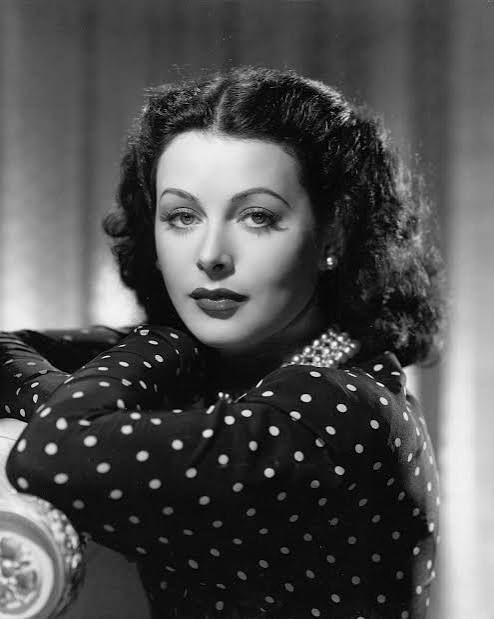
Hedy Lamarr Helped Develop Technology That Later Influenced Modern Communications
Hedy Lamarr was celebrated primarily as a movie star, but she also worked with composer George Antheil on a frequency hopping system intended to prevent radio guided torpedoes from being intercepted. Their work was eventually recognized as an important precursor to technologies used in modern wireless communication.
Hollywood’s Early History Was Built on Exploitative Working Conditions
Long hours, low bargaining power, restrictive contracts, and limited legal protections were common throughout the early entertainment industry. Performers and crew members often had little ability to challenge studios that controlled access to the most desirable jobs.
The Hollywood Sign Has Been Repeatedly Targeted by Pranksters
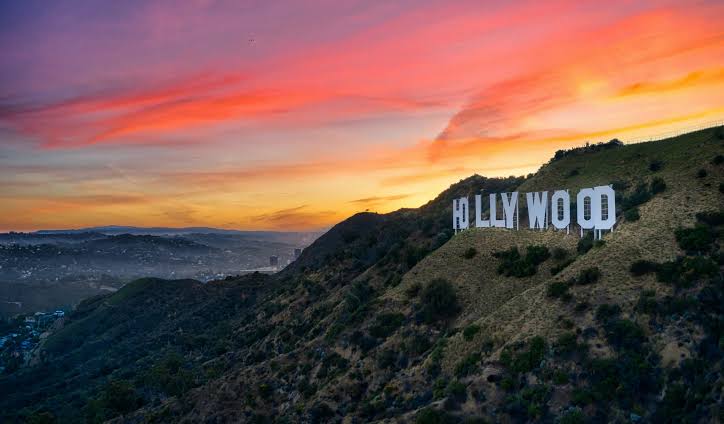
Because of its cultural importance, the Hollywood sign has repeatedly been altered or vandalized by people looking to make a statement or pull off a stunt. The landmark has been changed several times over the decades, turning one of Hollywood’s most recognizable symbols into an occasional target for elaborate pranks.