15 TV Episodes That Were Considered Too Weird to Air

Television has always had moments when a network executive looked at an episode and wondered what on earth the writers were thinking. Sometimes the problem was the subject matter, while other episodes pushed animation, storytelling, violence, surreal humor, or social commentary far beyond what audiences expected from the show. A few were delayed, edited, pulled from schedules, or only aired after serious arguments behind the scenes. Others technically made it to television but left viewers wondering how anyone managed to get them approved. These fifteen episodes earned unusual reputations for being too strange, uncomfortable, controversial, or simply bizarre for their time, proving that television has occasionally gone much further than anyone expected.
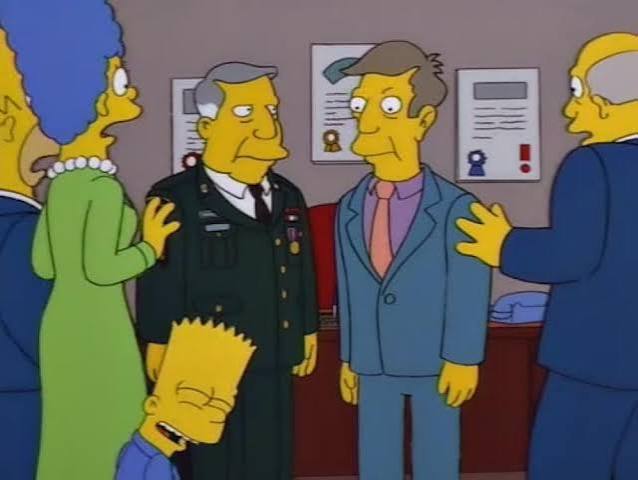
The Simpsons — “The Principal and the Pauper” (1997)
The episode revealed that Principal Skinner was actually an impostor who had stolen the real Skinner’s identity, a twist so unpopular with fans and critics that creator Matt Groening later said the episode should effectively be forgotten.
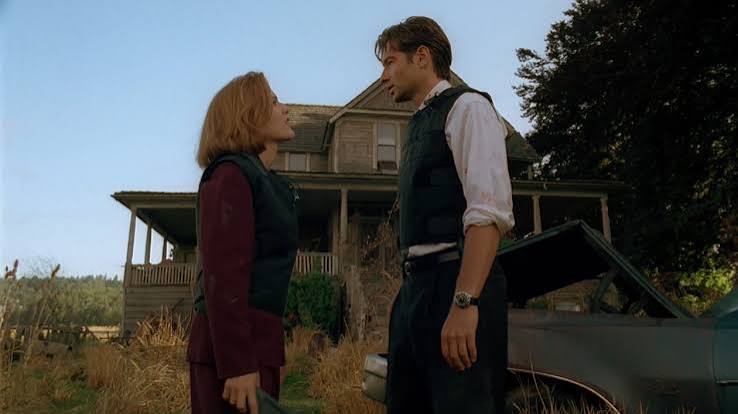
The X Files — “Home” (1996)
The episode followed Mulder and Scully investigating a disturbing family living in rural Pennsylvania, and its violence and subject matter were considered so extreme that Fox initially refused to air it again.
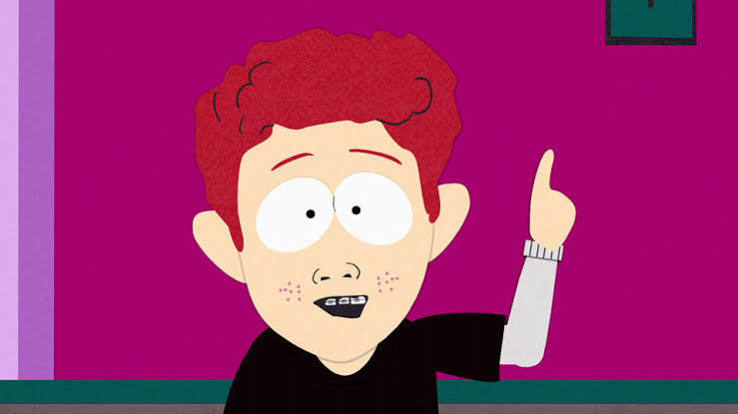
South Park — “Scott Tenorman Must Die” (2001)
Cartman decides to get revenge on a teenager who tricked him, eventually manipulating the boy into unknowingly eating his own parents, pushing the show’s usual cruelty into genuinely disturbing territory.
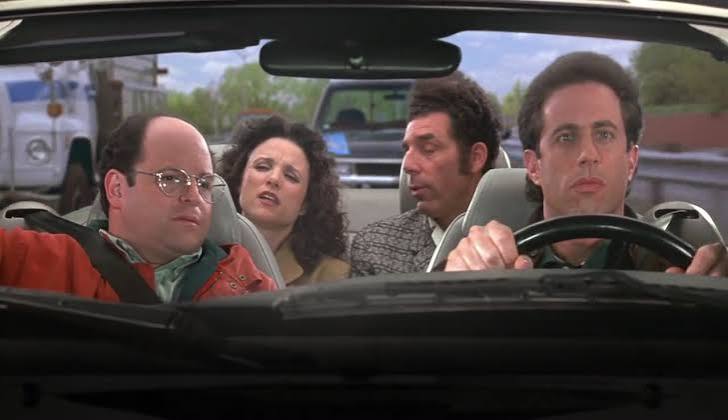
Seinfeld — “The Puerto Rican Day” (1998)
The episode’s storyline involving a Puerto Rican flag being accidentally burned led to protests and complaints, and NBC pulled it from reruns for years before eventually allowing it back into circulation.
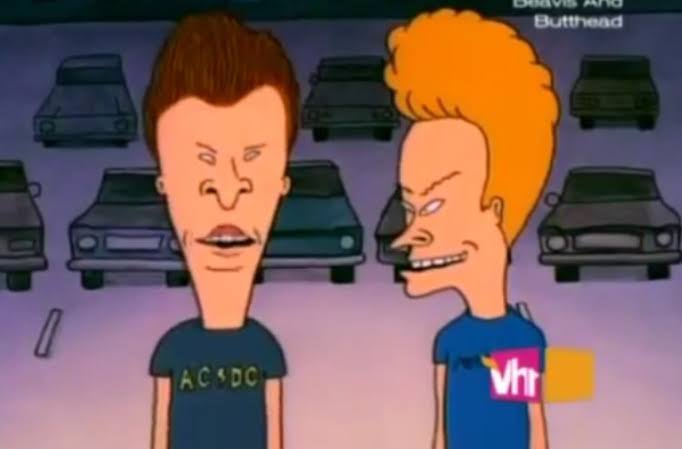
Beavis and B- Head — “Comedians”
An early episode was pulled after concerns about the characters’ behavior and the possibility that young viewers might imitate what they saw, contributing to MTV’s increasingly strict rules around the show.
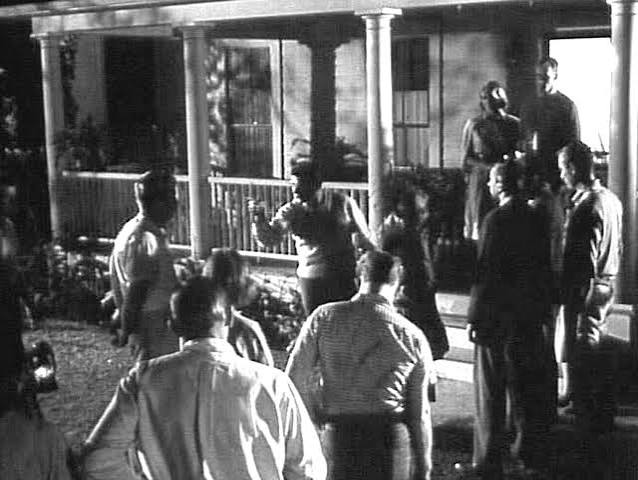
The Twilight Zone — “The Monsters Are Due on Maple Street” (1960)
The episode turned an ordinary suburban neighborhood into a paranoid nightmare where neighbors begin destroying one another because they believe an alien invasion is underway, making its Cold War allegory unusually direct for prime time.
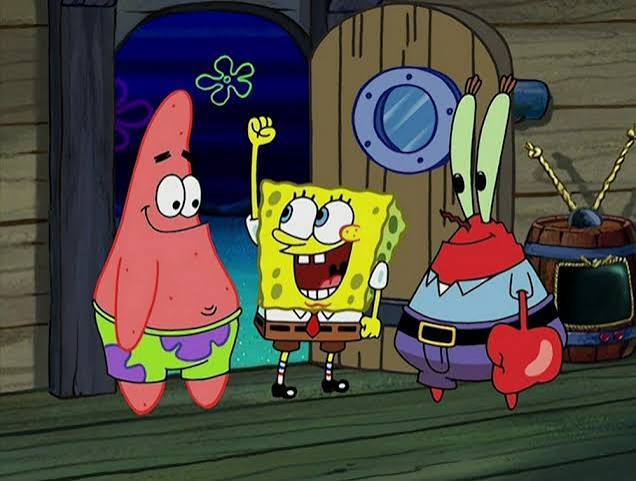
SpongeBob SquarePants — “Mid Life Crustacean” (2002)
The episode was eventually removed from circulation because of a sequence involving a prank at a grandmother’s house that Nickelodeon later considered inappropriate, despite having aired for years.
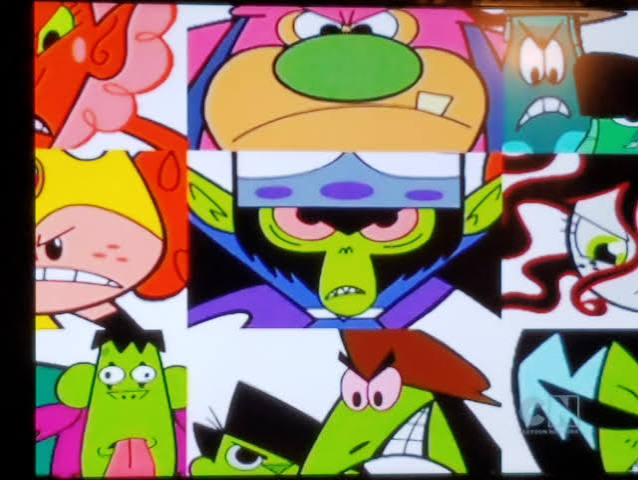
The Powerpuff Girls — “See Me, Feel Me, Gnomey” (2004)
The episode centered on a mysterious gnome who promises to solve Townsville’s problems if the girls give up their powers, while its unusually political imagery made it one of the show’s strangest productions.
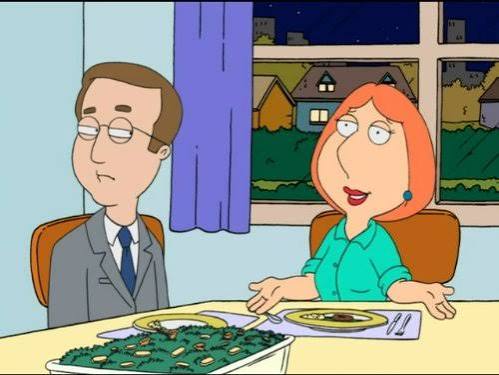
Family Guy — “When You Wish Upon a Weinstein” (2003)
The episode’s storyline about Peter trying to make Chris financially successful by converting him to Judaism was considered too controversial by Fox, which delayed its broadcast for years before finally airing it.
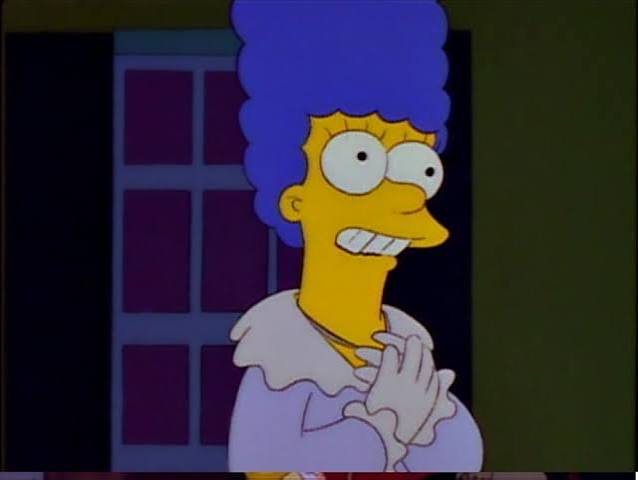
The Simpsons — “A Streetcar Named Marge” (1992)
The episode featured a musical version of A Streetcar Named Desire and a deliberately exaggerated portrayal of New Orleans, with Fox affiliates objecting strongly enough that the network faced complaints before and after broadcast.

The Ren & Stimpy Show — “Man’s Best Friend” (2003)
The episode showed Ren and Stimpy being adopted by George Liquor, who violently disciplines Ren, and Nickelodeon refused to air it during the show’s original run because of its disturbing material.
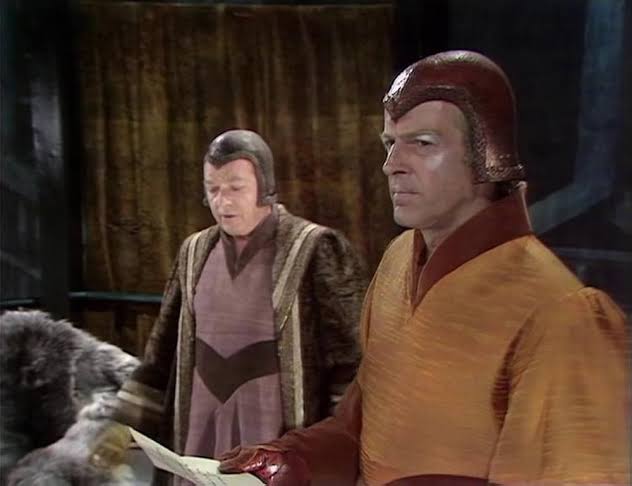
Doctor Who — “The Deadly Assassin” (1976)
The serial included unusually graphic violence, torture, and a surreal sequence involving the Doctor trapped inside a bizarre virtual reality, pushing the normally family oriented series into much darker territory.
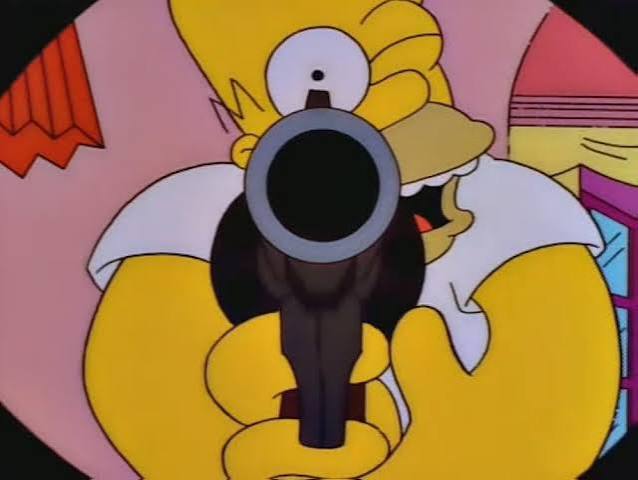
The Simpsons — “The Cartridge Family” (1997)
Homer buys a gun after becoming concerned about crime, and the episode openly examines gun ownership and American attitudes toward firearms, leading Fox executives to worry about the subject matter before broadcast.
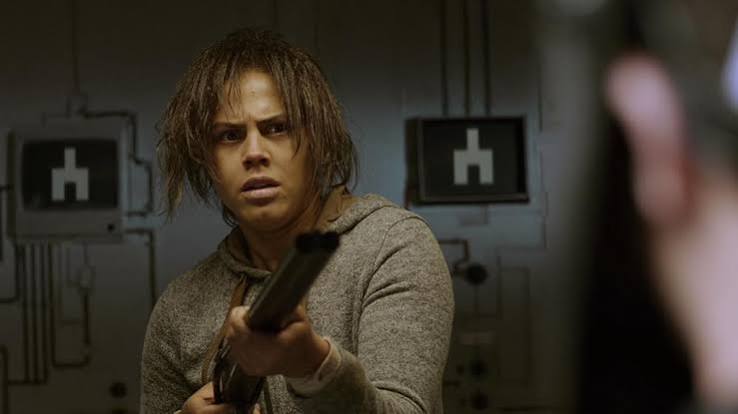
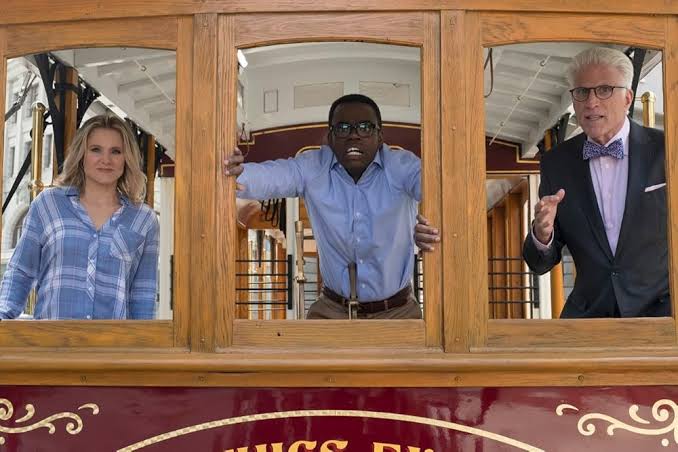
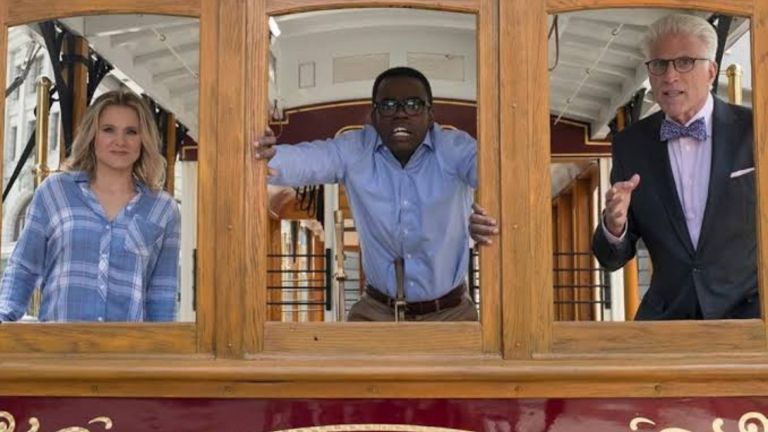
The Good Place — “The Trolley Problem” (2017)
Michael creates increasingly ridiculous versions of the philosophical trolley problem, including gruesome simulations and absurd ethical dilemmas, turning a serious philosophical thought experiment into one of television’s strangest comedy episodes.