15 Times Someone From History Made a Stupid Decision

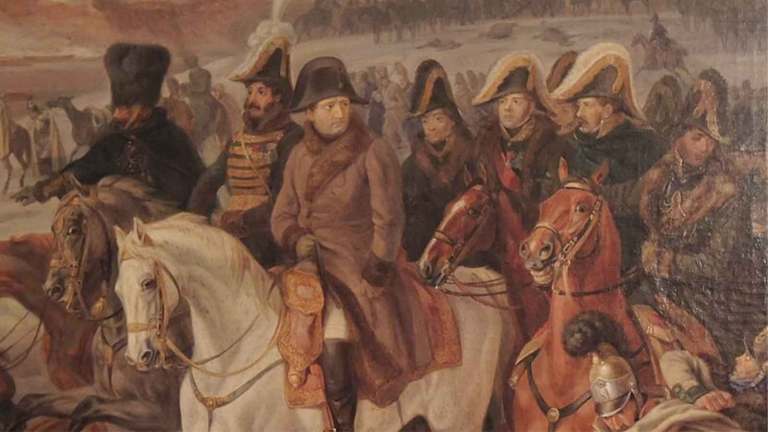
Everyone makes questionable decisions, but most of us are lucky enough to have ours forgotten eventually. History isn’t nearly as forgiving. Some people made choices that cost them fortunes, destroyed careers, or changed the course of entire countries. Others simply underestimated how badly an idea could go wrong. One businessman managed to damage his own company with a few jokes, while a famous inventor learned that being brilliant doesn’t necessarily make you a great investor. Looking back, it’s easy to wonder what these people were thinking, although they usually had reasons that made sense at the time. Here are 15 decisions that probably seemed much better before the consequences arrived.
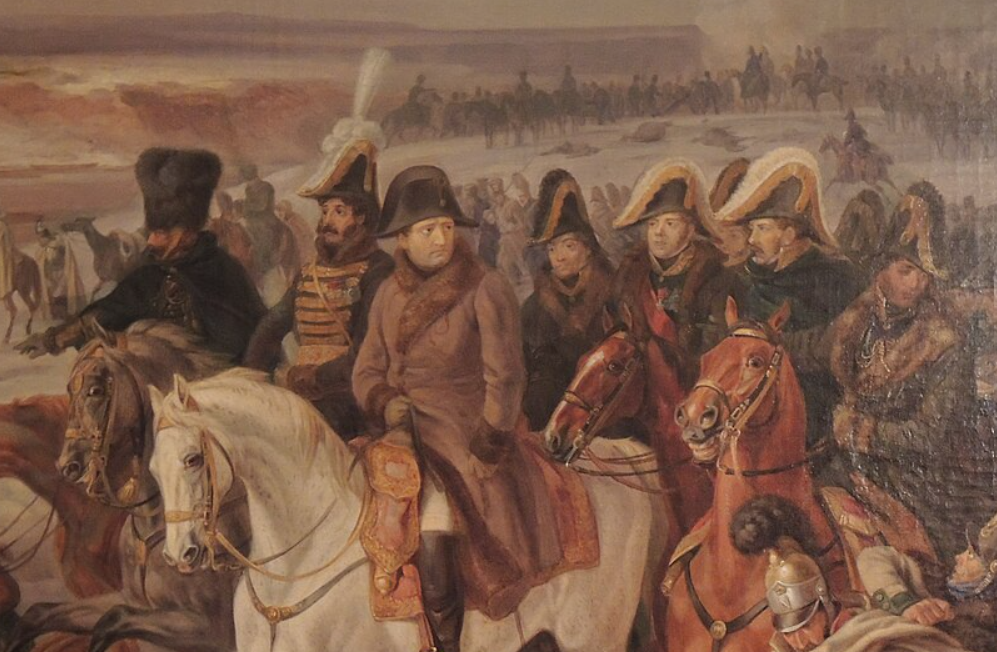
Napoleon Decided Invading Russia Was a Good Idea
In 1812, Napoleon marched his enormous army into Russia, expecting a successful campaign. Instead, supply problems, fierce resistance, and a disastrous retreat severely weakened his forces.
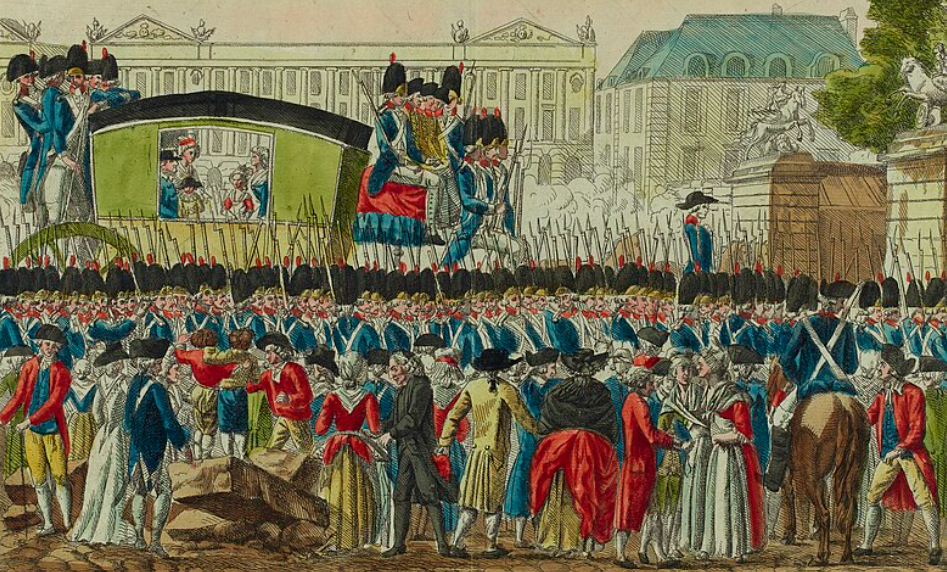
King Louis XVI Tried to Escape and Got Recognized
During the French Revolution, Louis XVI attempted to flee Paris with his family in 1791. The elaborate escape plan fell apart when he was recognized along the route and detained at Varennes.
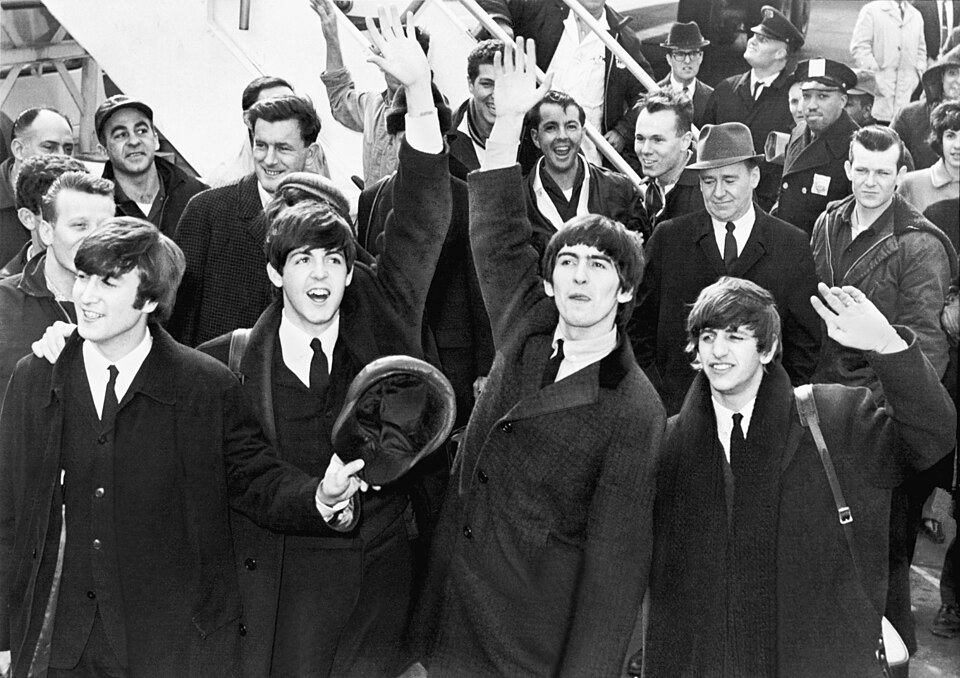
Decca Records Turned Down the Beatles
The Beatles auditioned for Decca Records on New Year’s Day in 1962, but the label chose not to sign them. The band went on to become one of the most successful acts in music history.
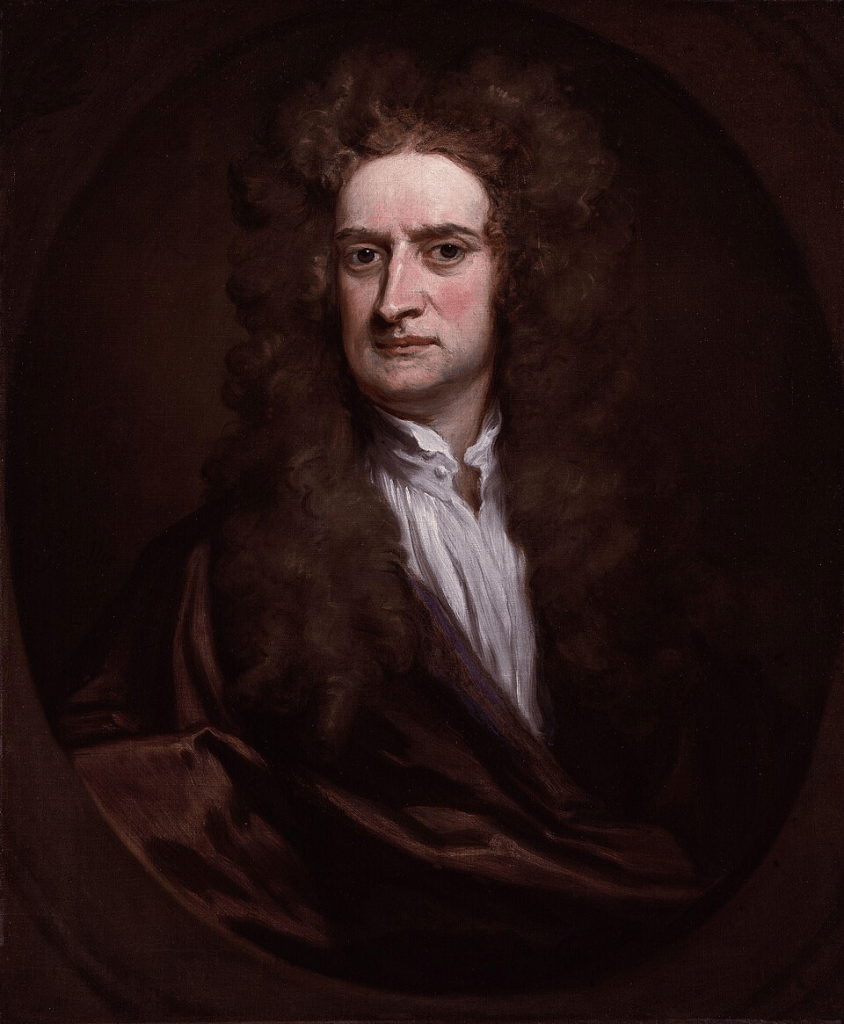
Even Isaac Newton Got Caught Up in a Financial Bubble
Isaac Newton invested in the South Sea Company during the financial frenzy of 1720. Historical accounts suggest he suffered substantial losses when the bubble burst, although the exact amount remains uncertain.
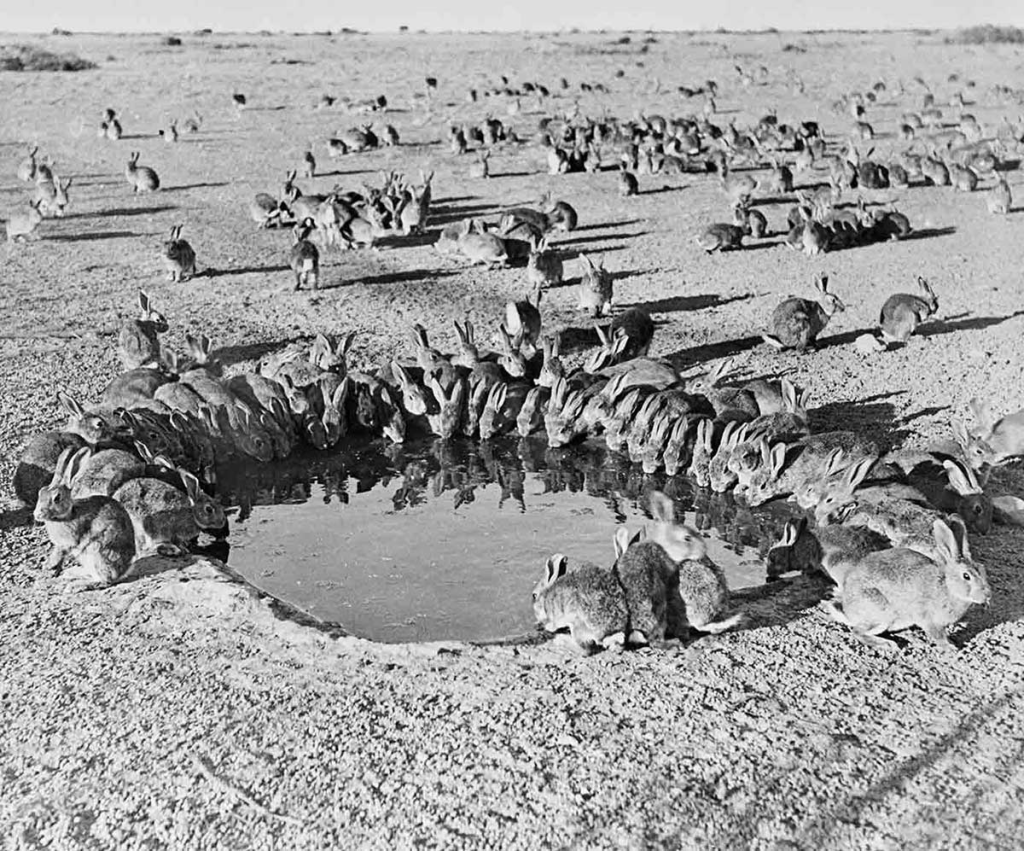
One Man Released Rabbits Into Australia for Fun
In 1859, Thomas Austin released European wild rabbits on his Australian property so he could hunt them. Their descendants spread rapidly, creating an invasive species problem that continues today.

New York Got an Unwanted Bird Population
In 1890, Eugene Schieffelin helped introduce European starlings to New York. The birds thrived, spreading across North America and becoming a troublesome invasive species.
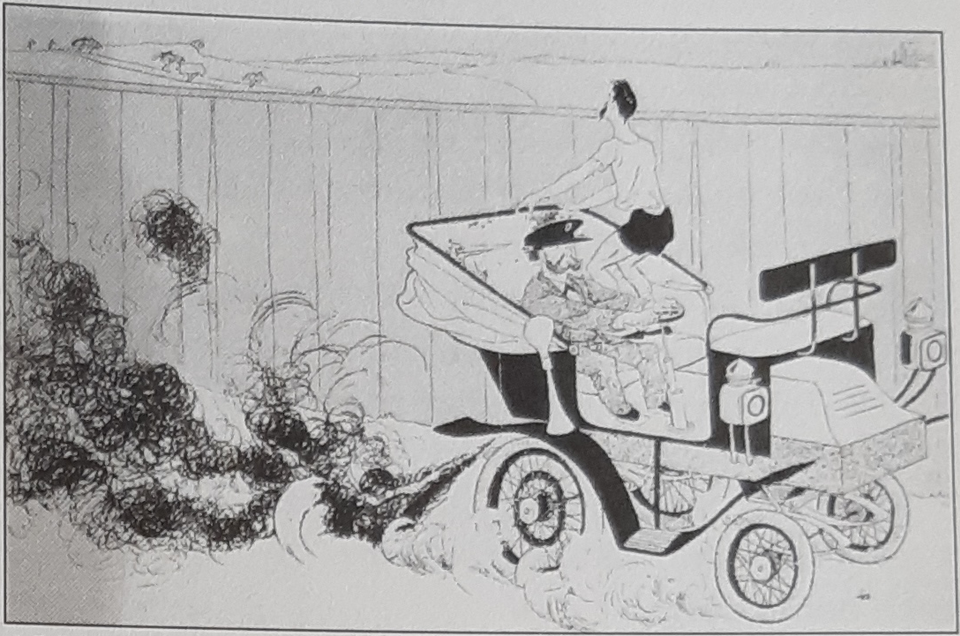
An Olympic Runner Took a Shortcut by Car
During the 1904 Olympic marathon, Fred Lorz covered part of the course in a car before running into the stadium ahead of everyone else. Officials discovered what happened and disqualified him.
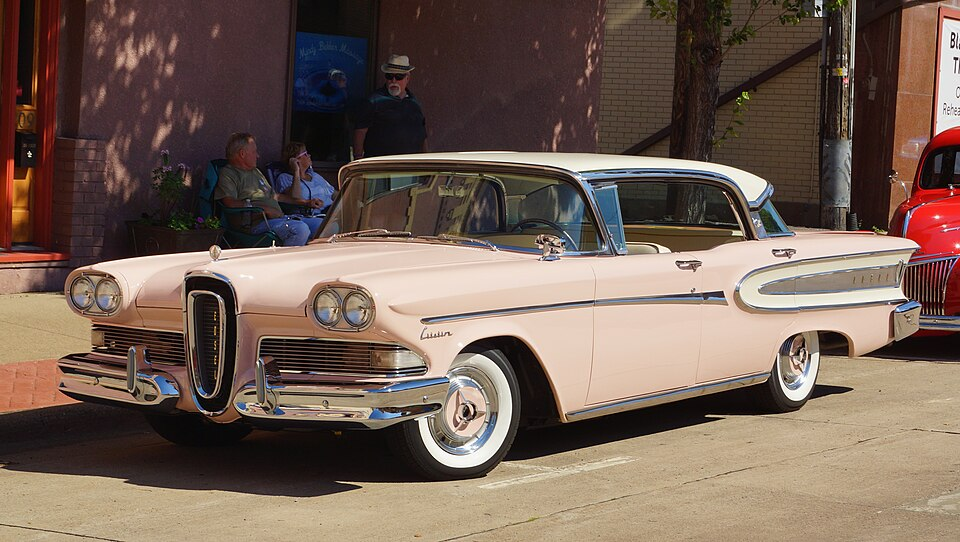
Ford Spent a Fortune on a Car Nobody Wanted
Launched in 1957, the Edsel was supposed to become Ford’s exciting new automobile brand. Buyers weren’t particularly interested, and the company discontinued the expensive project after just three model years.

Coca-Cola Decided Its Famous Recipe Needed Replacing
In 1985, Coca-Cola introduced a sweeter formula known as New Coke and discontinued its original version. Customers protested so loudly that the company brought back the classic recipe just 79 days later.

Atari Tried to Make a Hit Video Game in Five Weeks
Hoping to capitalize on the popularity of E.T. the Extra-Terrestrial, Atari rushed its movie tie-in game into production for Christmas 1982. The disappointing release became one of gaming’s most notorious commercial failures.

Apple’s Third Founder Sold His Stake for $800
Ronald Wayne helped establish Apple in 1976 but sold his 10% share just days later for $800. He had understandable concerns about financial risk, although the company’s later success made the decision famously expensive.

A Jewelry Executive Insulted His Own Products
In a 1991 speech, Gerald Ratner joked about the poor quality of merchandise sold by his jewelry chain. The remarks caused a public backlash, badly damaging the company’s reputation and value.
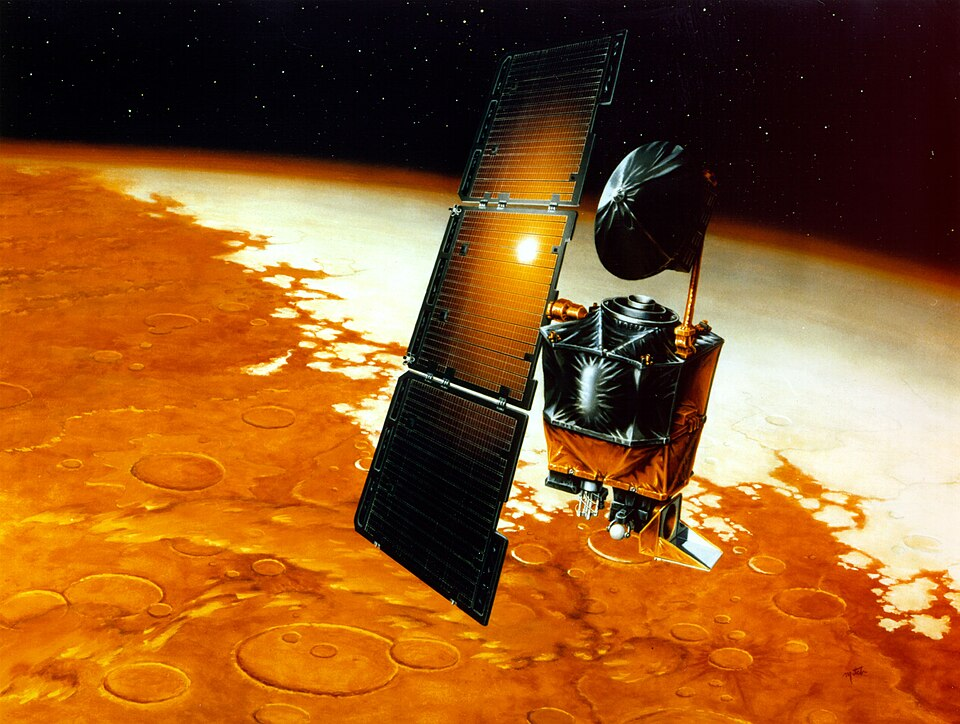
NASA Lost a Spacecraft Over a Measurement Mix-Up
The Mars Climate Orbiter was lost in 1999 after a failure to convert between English and metric units caused a navigation error. An expensive mission ended because the teams weren’t working with the same measurements.
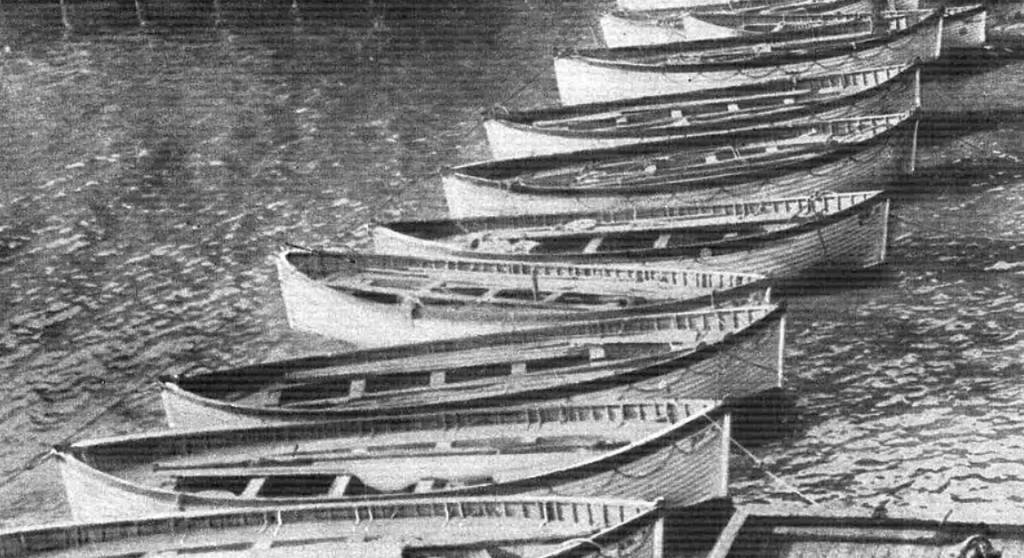
The Titanic Didn’t Have Enough Lifeboats for Everyone
When the Titanic sailed in 1912, its 20 lifeboats couldn’t accommodate everyone aboard, although the ship exceeded the legal requirements of the time.
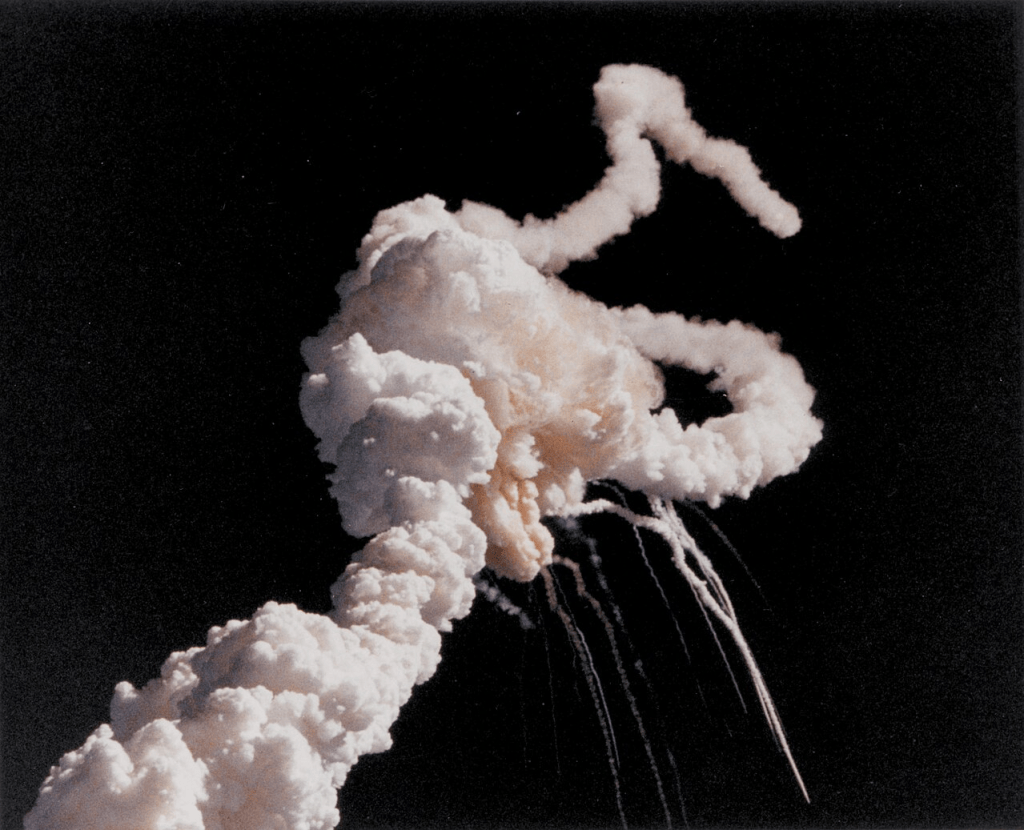
NASA Approved a Launch Despite Serious Safety Concerns
In 1986, the space shuttle Challenger launched in unusually cold conditions despite engineers’ concerns about critical seals. The resulting disaster killed seven crew members and exposed serious failures in the launch decision-making process.