15 Times Reality TV Got a Little Too Real


When we watch reality television, we’re promised hours of unscripted drama. It can happen, though, that the situations unfolding in front of the cameras become far more serious than anyone expected. These moments exposed the uncomfortable side of entertainment built around ordinary people.
Some became infamous because of what happened behind the scenes, while others captured genuine suffering that viewers couldn’t simply dismiss as another dramatic storyline. These are the times reality TV got a little too real, making us think twice if what we were watching was something we were comfortable with.

America’s Next Top Model
Tyra Banks’ infamous confrontation with Tiffany Richardson became one of reality TV’s most uncomfortable moments. After Tiffany was eliminated, Banks erupted at her for not appearing upset enough. What viewers saw as a dramatic outburst later became a symbol of how contestants could be humiliated in the name of entertainment.

Dance Moms
Dance Moms presented Abby Lee Miller’s harsh teaching methods as part of the competitive dance world, with former students later describing the emotional toll of growing up under that pressure. Some have spoken about trauma and burnout, making the treatment of the show’s young performers difficult to dismiss as harmless reality TV drama.
Survivor
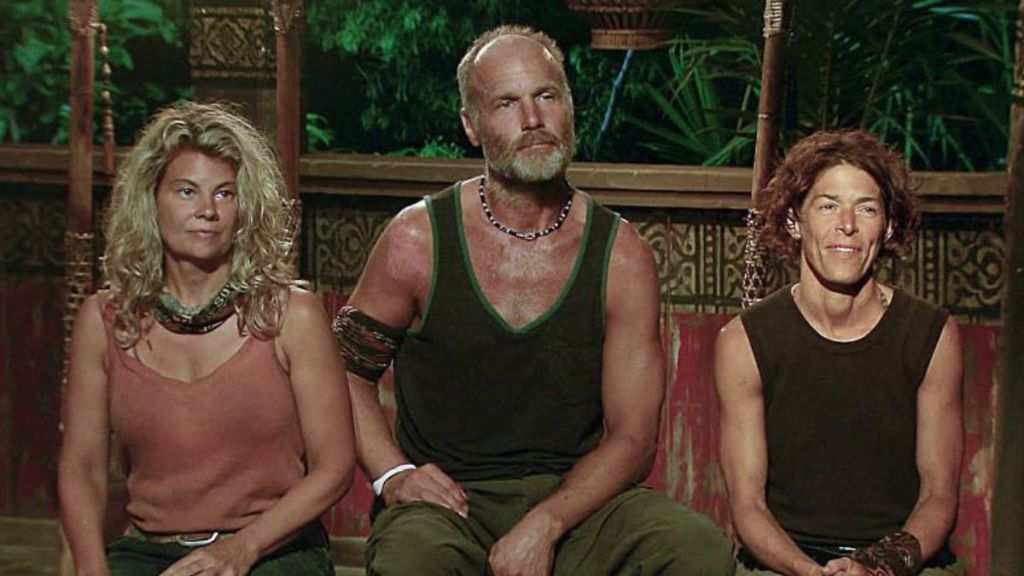
Season 39 of Survivor became uncomfortable viewing when contestant Kellee Kim raised concerns about Dan Spilo’s unwanted touching. The issue became entangled with the game’s strategy, and producers faced criticism over their response. Spilo was eventually removed after another reported incident involving a production staff member.

Bachelor in Paradise
The fourth season of Bachelor in Paradise was abruptly suspended in 2017 after allegations of misconduct involving contestants Corinne Olympios and DeMario Jackson. Warner Bros. investigated and said it found no misconduct, but the controversy exposed how vulnerable contestants could be when alcohol and romantic competition collided.
The Real Housewives of Beverly Hills
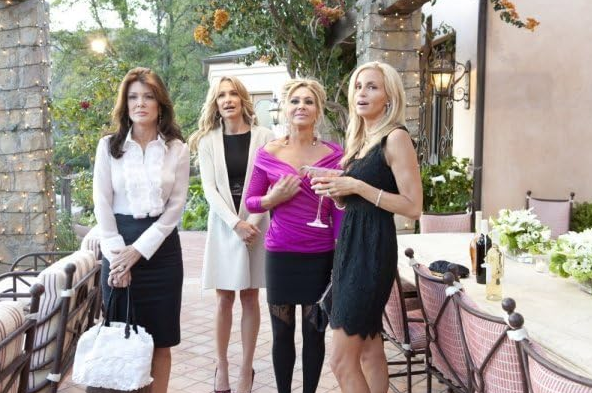
Taylor Armstrong’s troubled marriage became a major storyline on The Real Housewives of Beverly Hills. Then, in 2011, her estranged husband Russell died by self-inflicted wounds while the second season was preparing to air. Bravo re-edited episodes, and the show’s usual relationship drama suddenly carried devastating real-world consequences.
Intervention
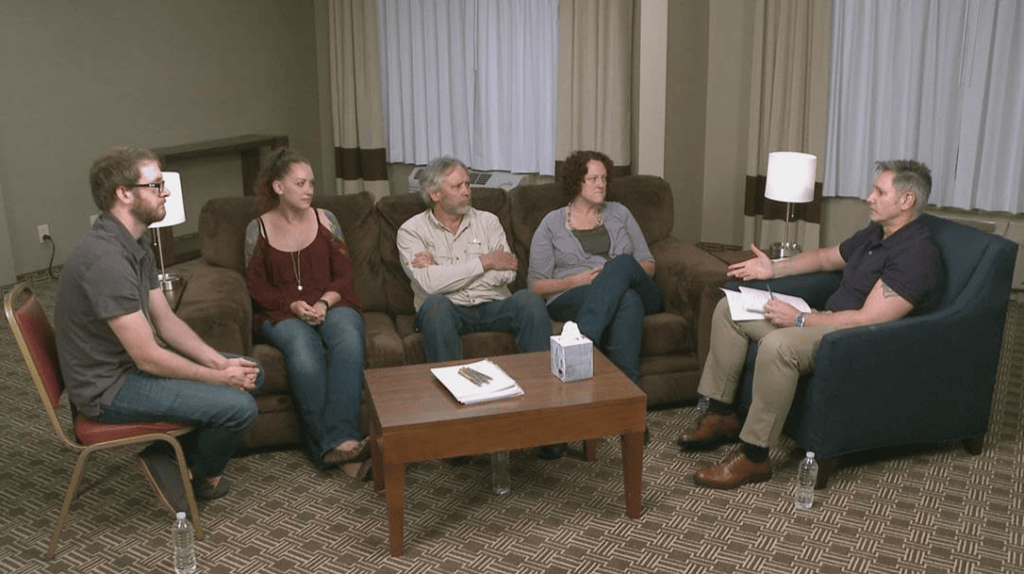
Intervention follows people struggling with addiction, often filming them during some of the lowest moments of their lives. While the show has been praised for connecting participants with treatment, its unfiltered footage of substance abuse and family breakdowns can make the boundary between documentary and exploitation uncomfortable.

Hoarders
Hoarders may look like a series about cleaning up extremely messy homes, but the reality is much more serious. Participants often face eviction, family separation, and severe emotional distress connected to compulsive hoarding. The most difficult episodes show that removing the clutter is only the beginning of recovery.
The Swan
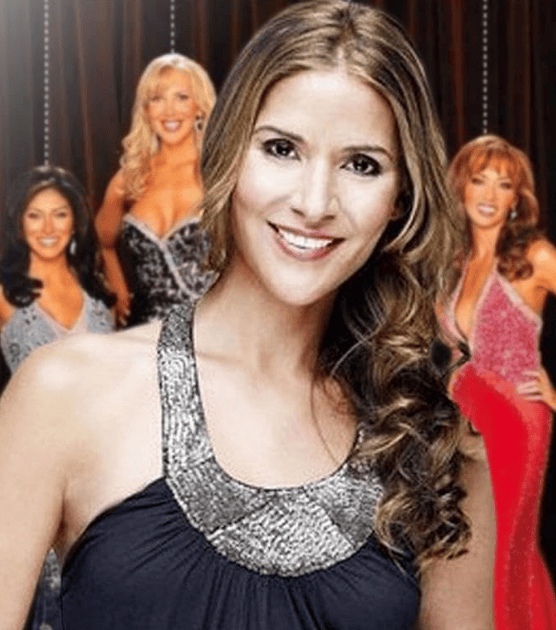
The Swan turned extensive cosmetic surgery into a televised makeover competition, asking contestants to undergo dramatic physical transformations before competing in a beauty pageant. Former participants have since described serious complications and lasting consequences, making the show’s premise look far more troubling than its original makeover spectacle suggested.
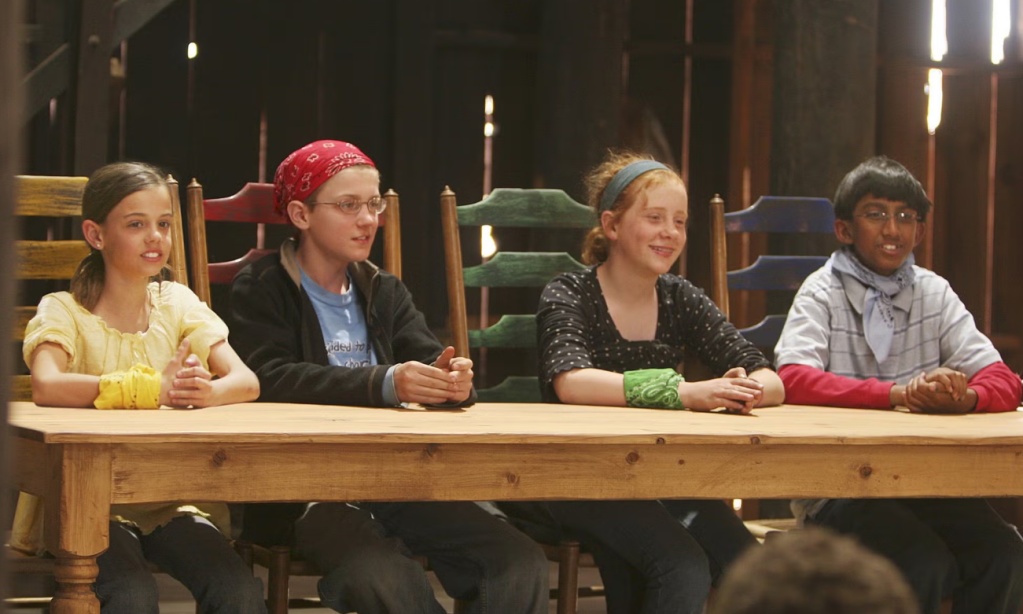
Kid Nation
Kid Nation sent 40 children, aged eight to fifteen, to a New Mexico ranch to build and govern their own society without ordinary adult supervision. The production raised questions about child labor, safety, and exploitation, especially after reports emerged of injuries and children accidentally drinking bleach.
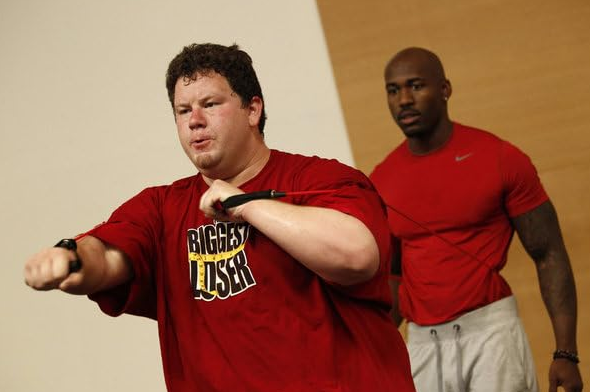
The Biggest Loser
The Biggest Loser turned extreme weight loss into a competition, with contestants pushed through intense exercise and dramatic weigh-ins. A scientific follow-up study found that participants experienced lasting metabolic changes years later, complicating the show’s message that rapid, dramatic weight loss was an uncomplicated success story.
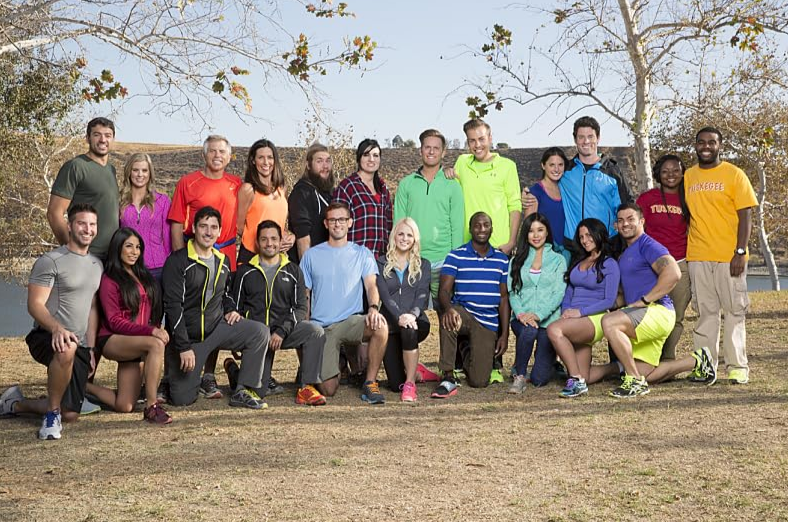
The Amazing Race
The first season of The Amazing Race premiered just days before the September 11 attacks. Although filming had already finished, the tragedy affected contestants and the production team during post-production and preparations for the next season. Suddenly, a travel competition was arriving in a world transformed by real events.
The Real World
The Real World: San Francisco introduced viewers to Pedro Zamora, an openly gay HIV-positive AIDS educator who used the show to challenge stigma and raise awareness. His death from AIDS came the day after the season finale aired in 1994, giving the series one of reality television’s most poignant real-life stories.
Jersey Shore
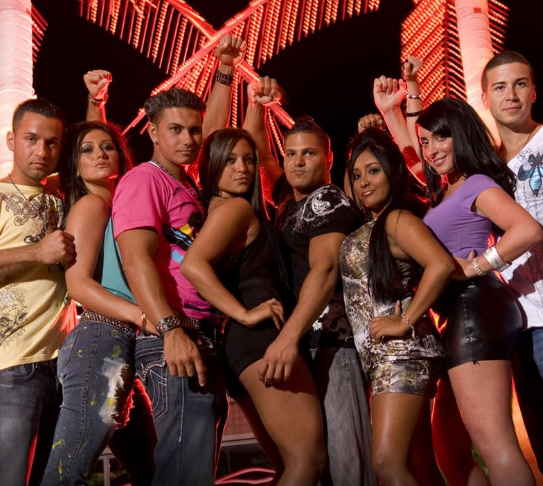
Jersey Shore became famous for drunken nights and bar fights, although one incident was far from harmless reality TV chaos. During filming in 2009, Nicole “Snooki” Polizzi was punched in the face by a man at a bar. MTV eventually removed the footage of the attack from the episode.

The Jeremy Kyle Show
The confrontational British talk show faced intense scrutiny after guest Steve Dymond died seven days after filming an episode in 2019. ITV canceled the programme amid the backlash and a wider debate about contestants’ welfare. A later inquest found no causal link between the show appearance and his death.
The Jerry Springer Show
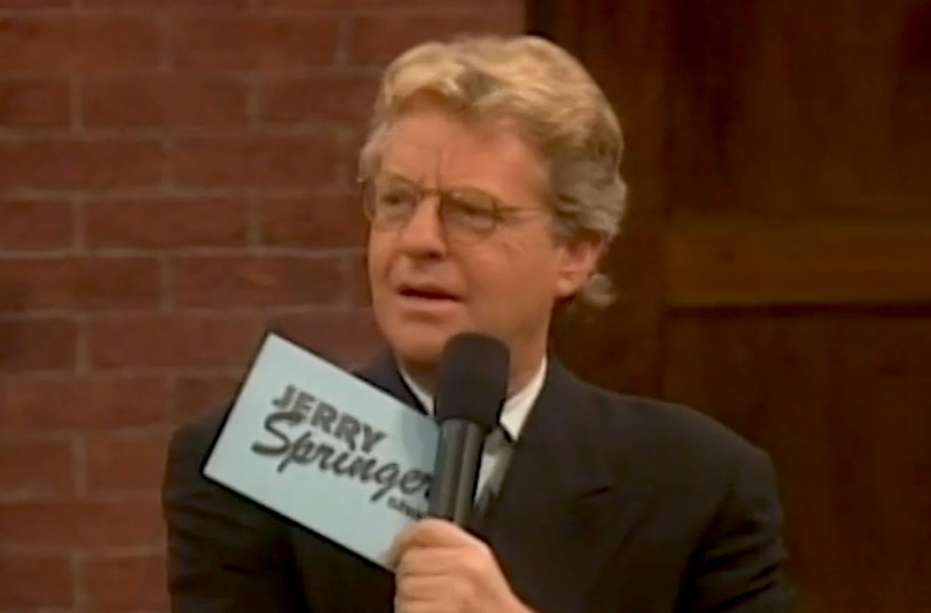
The Jerry Springer Show built its reputation on explosive confrontations. In 2014, Britain’s broadcasting regulator found that episodes shown on Sky featured repeated real fights, including punches and extended altercations, with the audience encouraged to cheer them on.