15 Times Hubris Got the Best of a Historical Figure

Success has a funny way of making the next terrible idea look completely reasonable. History is full of people who won so often, built something so impressive, or trusted their own judgment so completely that warning signs started to feel optional. Sometimes the result was a failed machine or a ruined business. Other times it was an expedition that should have been reconsidered long before anyone set off. The interesting part is that many of these people had already proved they were talented, which probably made backing down even harder. Their mistakes were not always caused by ego alone, but confidence clearly shaped some spectacularly bad decisions. Here are 15 times hubris got the best of a historical figure.
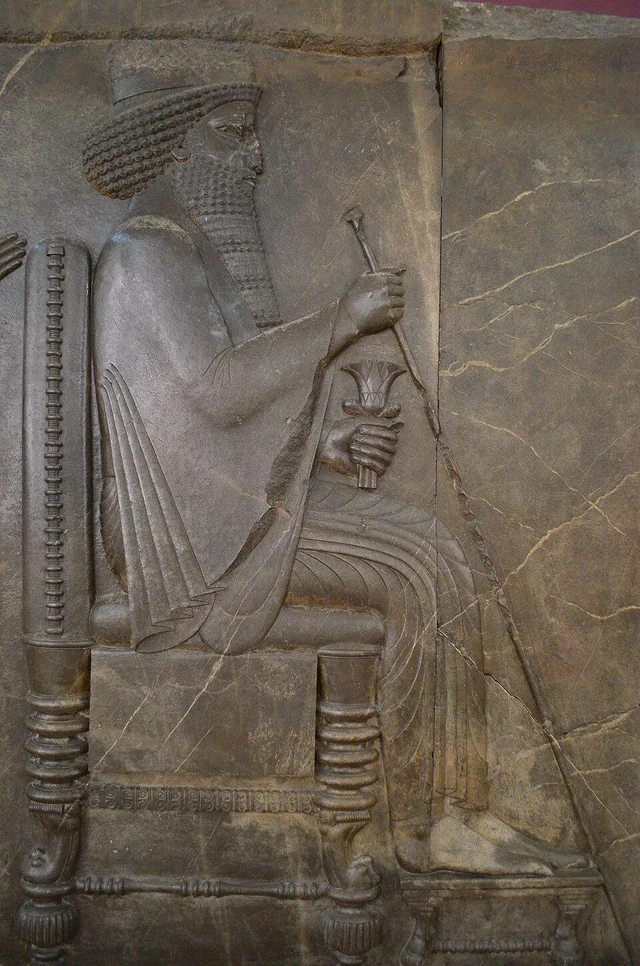
Xerxes Bet on Salamis
After sweeping through Greece, Xerxes committed his fleet to the narrow waters at Salamis. The Greek victory forced a major Persian withdrawal and changed the campaign.
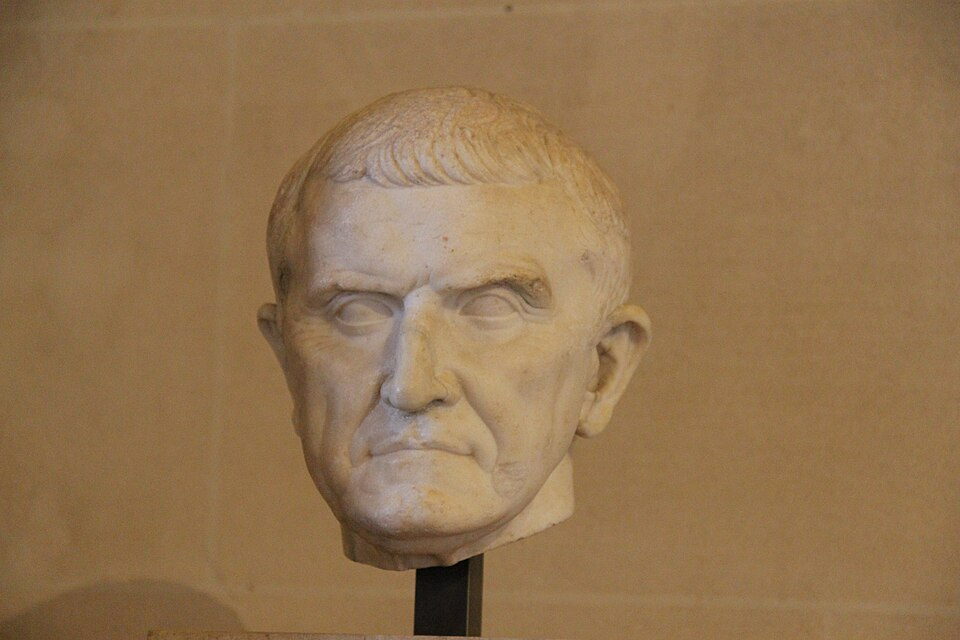
Crassus Wanted His Own Conquest
Already one of Rome’s richest and most powerful men, Crassus invaded Parthia chasing military success. Carrhae instead became one of Rome’s most humiliating defeats.
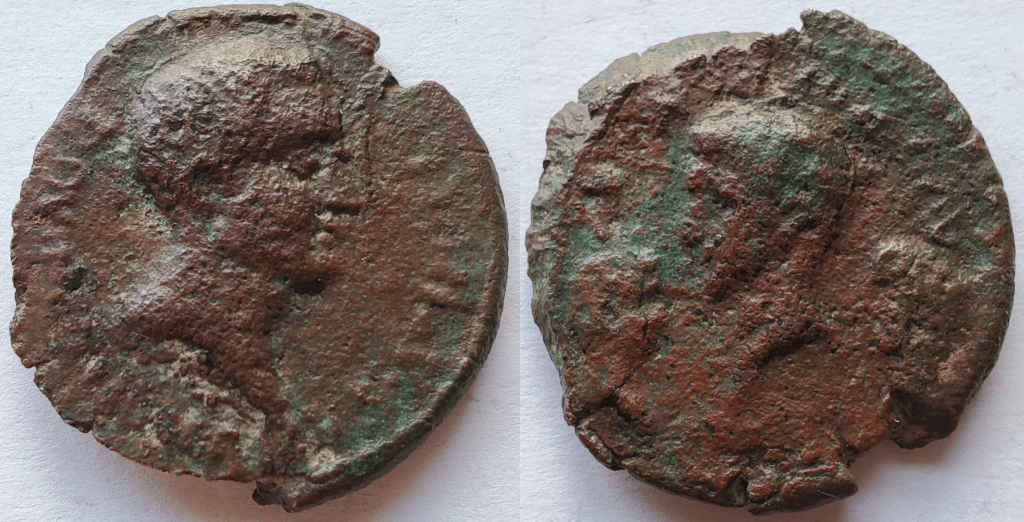
Varus Trusted the Wrong Man
Varus dismissed a warning about Arminius and followed him into difficult terrain. The resulting ambush destroyed three Roman legions in the Teutoburg Forest.
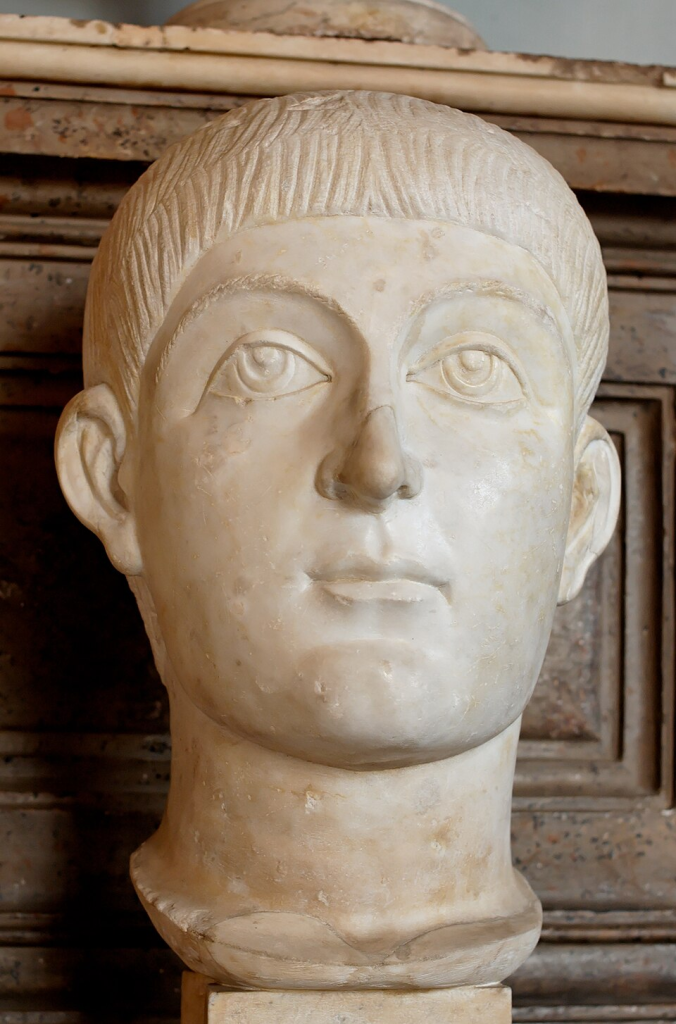
Valens Did Not Wait
Valens was urged to wait for reinforcements from Gratian, but attacked the Goths without them. Adrianople ended with a crushing Roman defeat and Valens’s death.
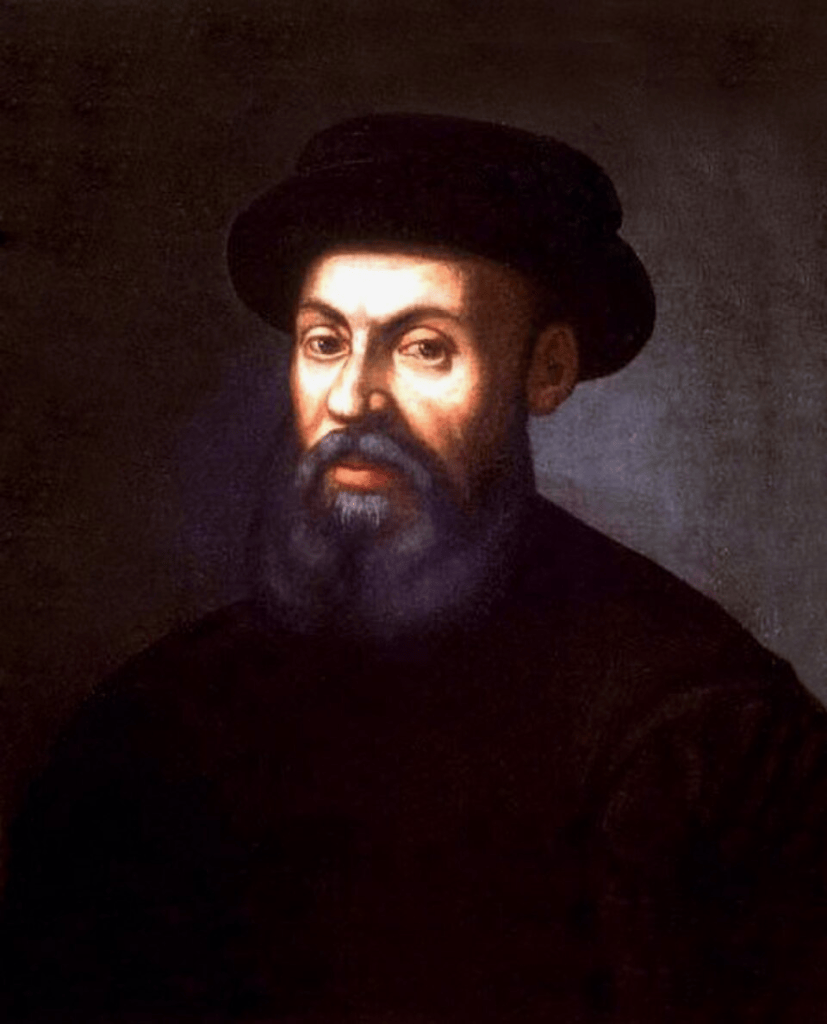
Magellan Picked One Fight Too Many
Magellan had already crossed much of the globe when he joined a local conflict on Mactan. The decision ended with the explorer killed before completing the voyage.
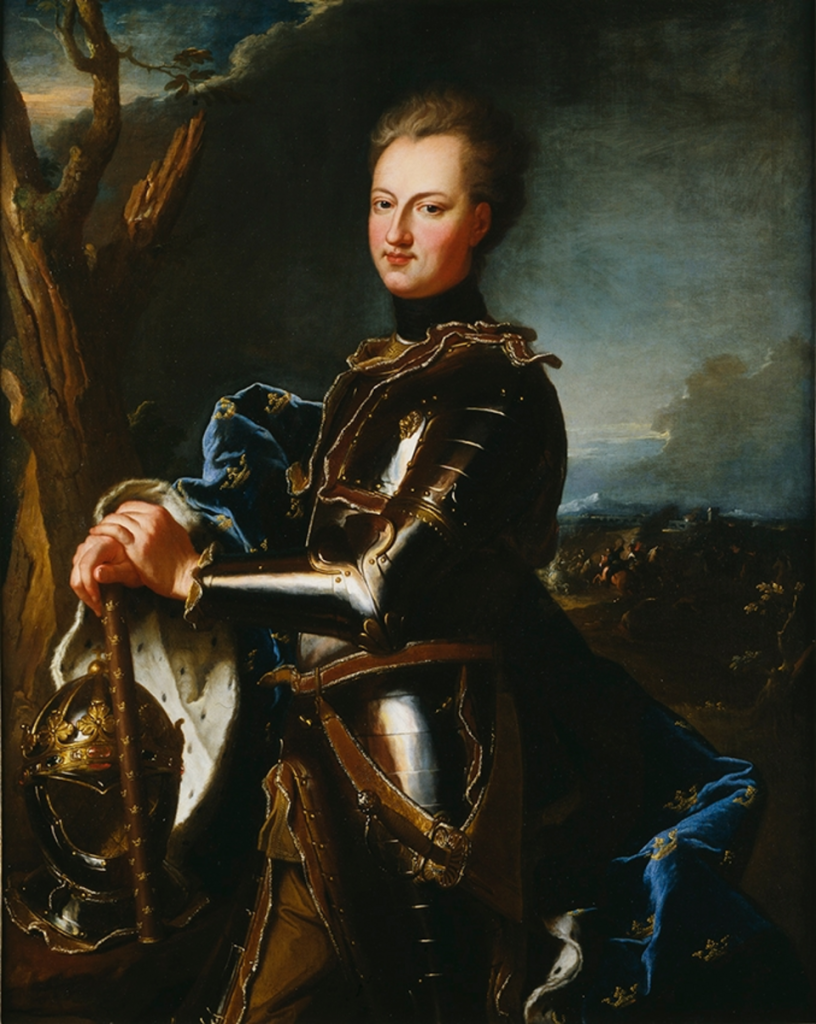
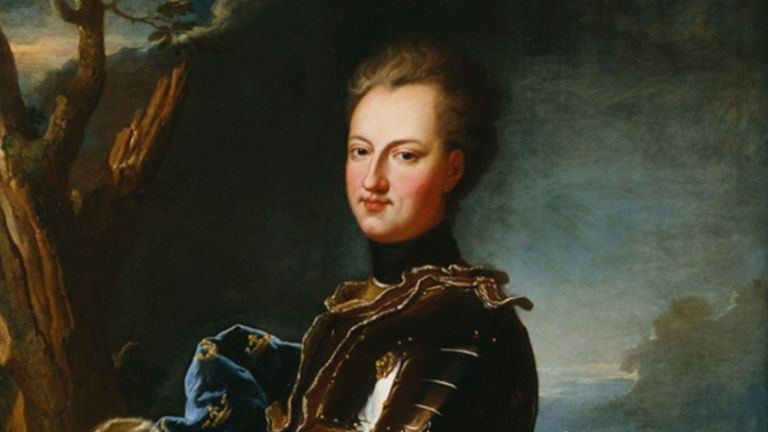
Charles XII Kept Marching East
After years of major victories, Charles XII pushed into Russia. Supply losses, extreme winter conditions, and the defeat at Poltava shattered Sweden’s offensive.
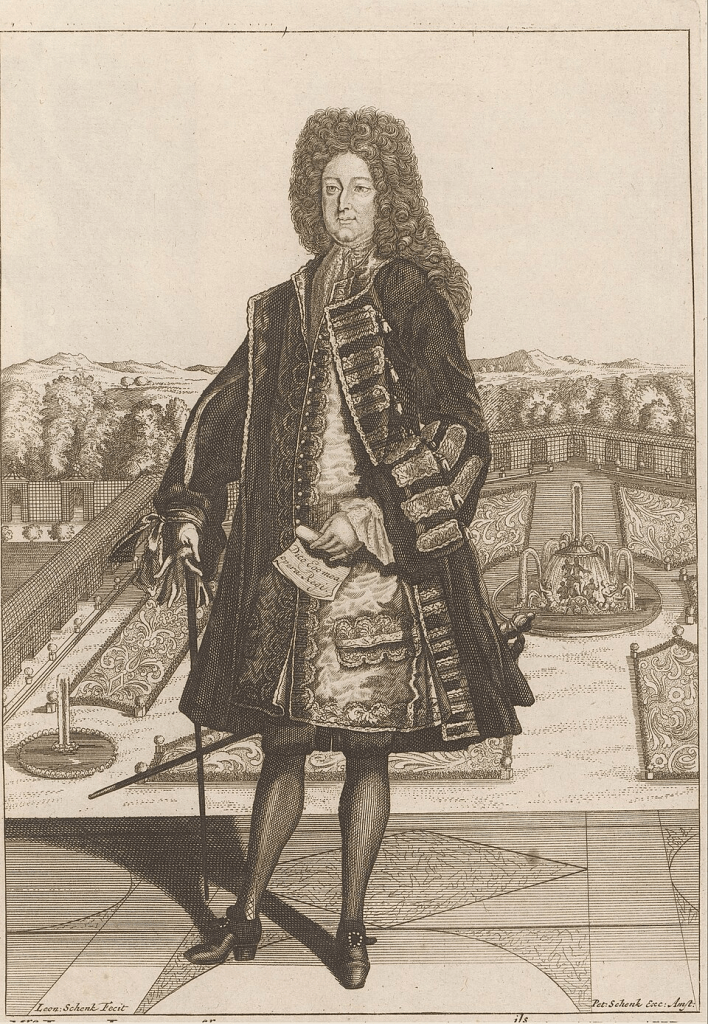
John Law Printed His Way Into Trouble
Law’s financial system sent Mississippi Company shares soaring while paper money multiplied. When confidence collapsed in 1720, the bubble burst and his financial experiment unraveled.

Napoleon Expected Moscow to End It
Napoleon entered Moscow expecting the campaign to force a settlement. Instead, he found an abandoned city and eventually ordered a retreat that devastated the Grande Armée.
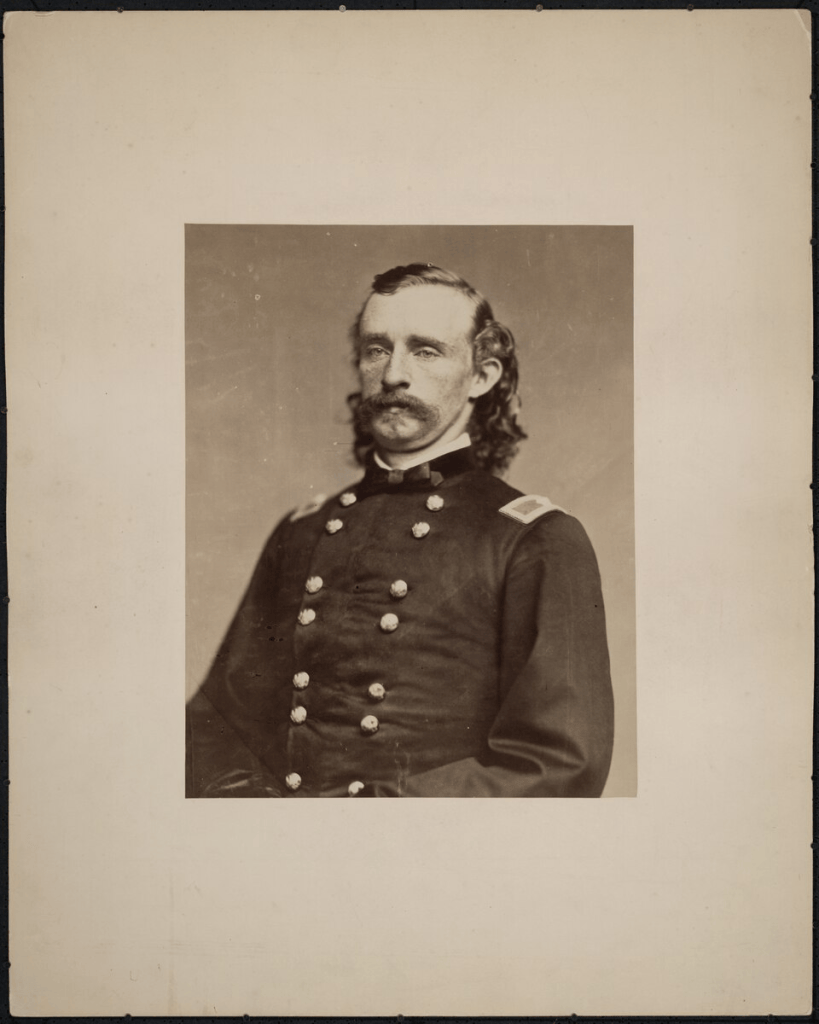
Custer Split the 7th Cavalry
Custer divided the 7th Cavalry before advancing on a village defended by an estimated 1,500 to 1,800 warriors. His battalion was surrounded and destroyed.
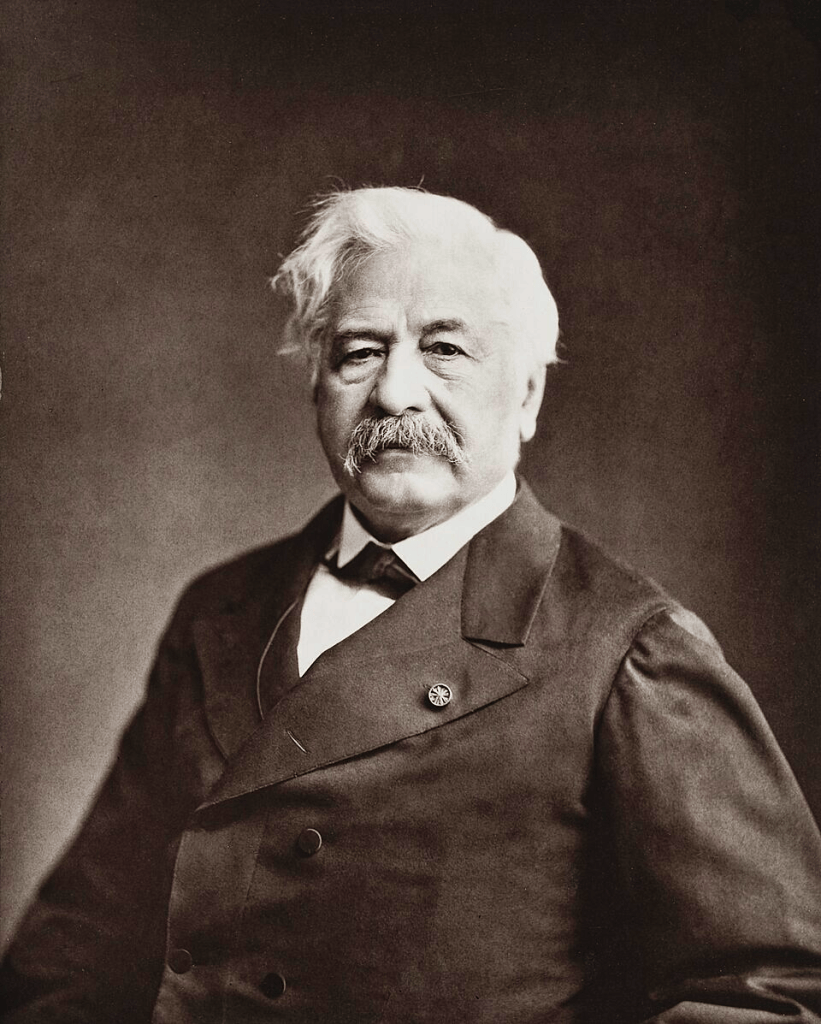
De Lesseps Tried Suez Again
Fresh from his Suez Canal triumph, de Lesseps tried to repeat the formula in Panama with a sea-level canal. Poor planning and engineering problems helped bankrupt the project.
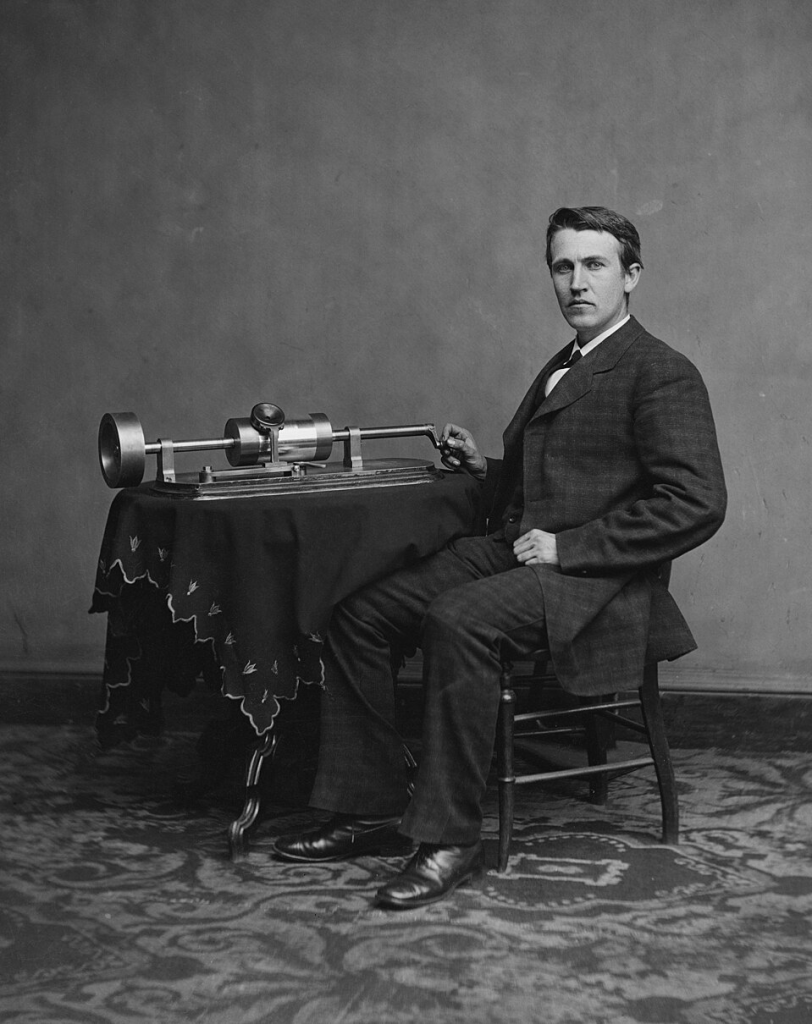
Edison Would Not Quit the Ore
Edison poured roughly $2 million of his own money into a system for processing low-grade iron ore. Cheaper high-grade ore made the decade-long venture commercially hopeless.
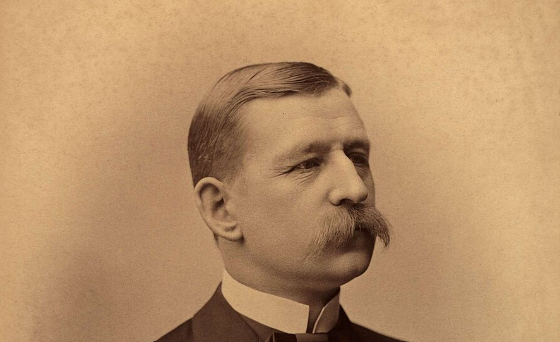
Andrée Took a Balloon to the Arctic
Andrée tried to reach the North Pole by balloon even after an earlier attempt failed to launch. The 1897 expedition came down on the ice and never returned.
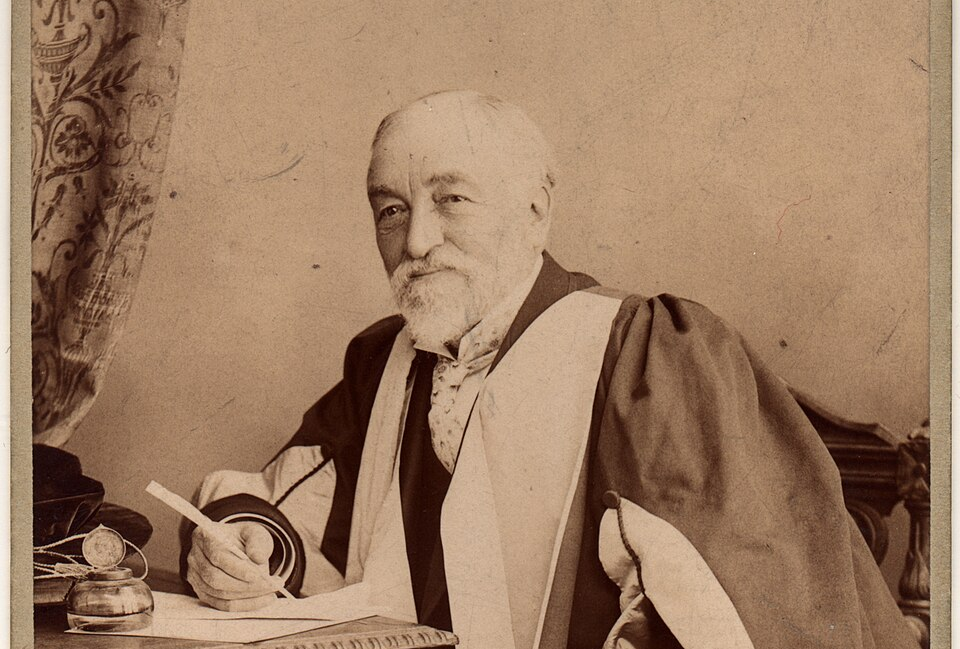
Langley Scaled Up Too Fast
Langley scaled up successful unmanned aircraft into a full-size machine, assuming the same basic design would work. It crashed twice in 1903 and ended his aviation experiments.
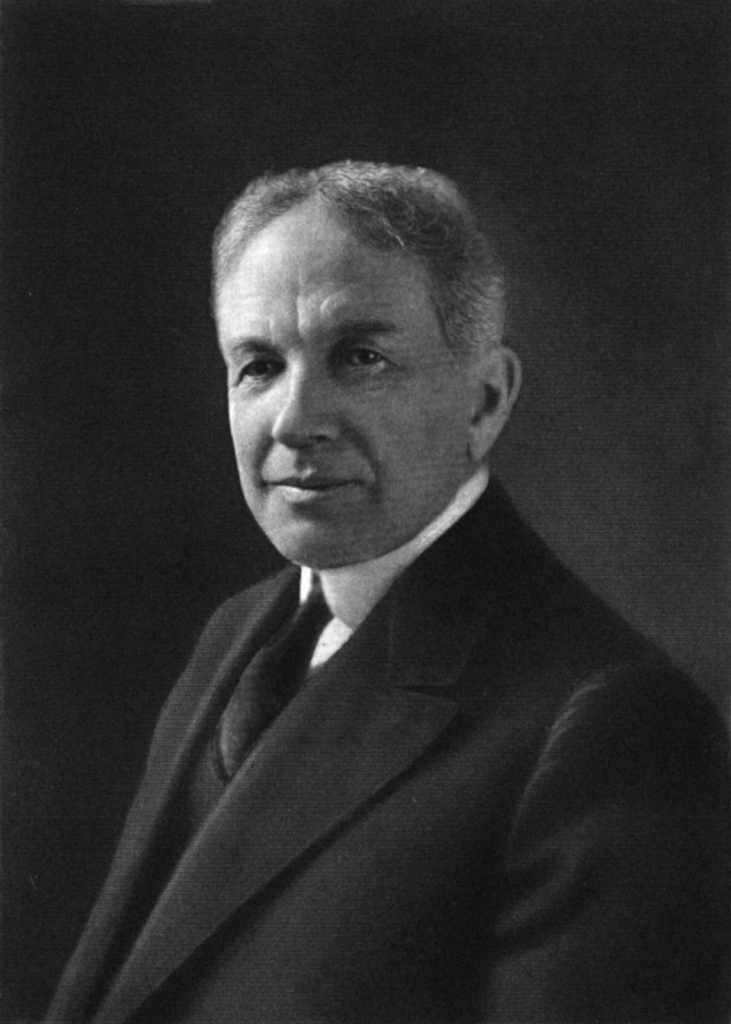
Durant Lost GM Twice
Durant built General Motors through rapid acquisitions, lost control once, won it back, then lost it again after risky stock buying wiped out his fortune.
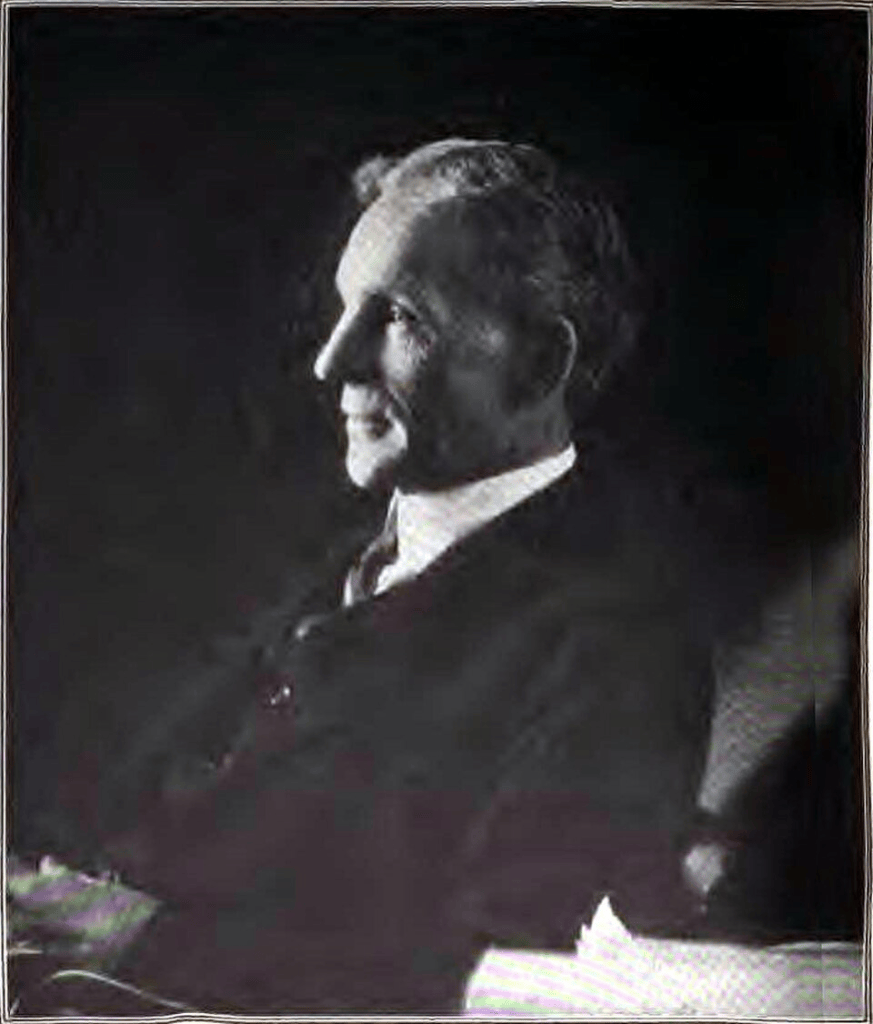
Ford Refused to Retire the Model T
Ford’s Model T had dominated the market so thoroughly that he resisted replacing it as sales slipped. By 1927, even Ford finally admitted customers wanted something new.