15 Things You Can Spot in Old Movies That Would Never Happen Today

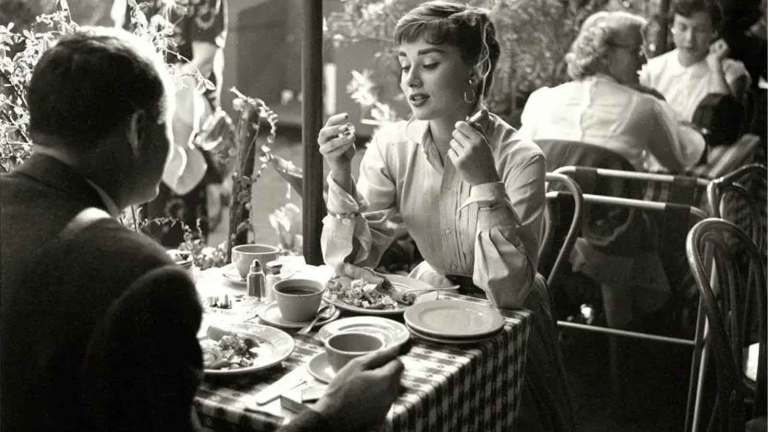
Watching an older movie can feel like opening a time capsule. Some details are obvious, like enormous phones, cigarette smoke everywhere, or people somehow making plans without texting each other. Others are much easier to miss because they were completely normal when the movie was made. A character can casually walk into a building without security checks, leave a message on an answering machine, or spend hours looking for someone without reaching for a phone. These little moments can be more fascinating than the main plot because they reveal how much ordinary life has changed. Once you start noticing them, old movies become surprisingly entertaining records of another everyday world.
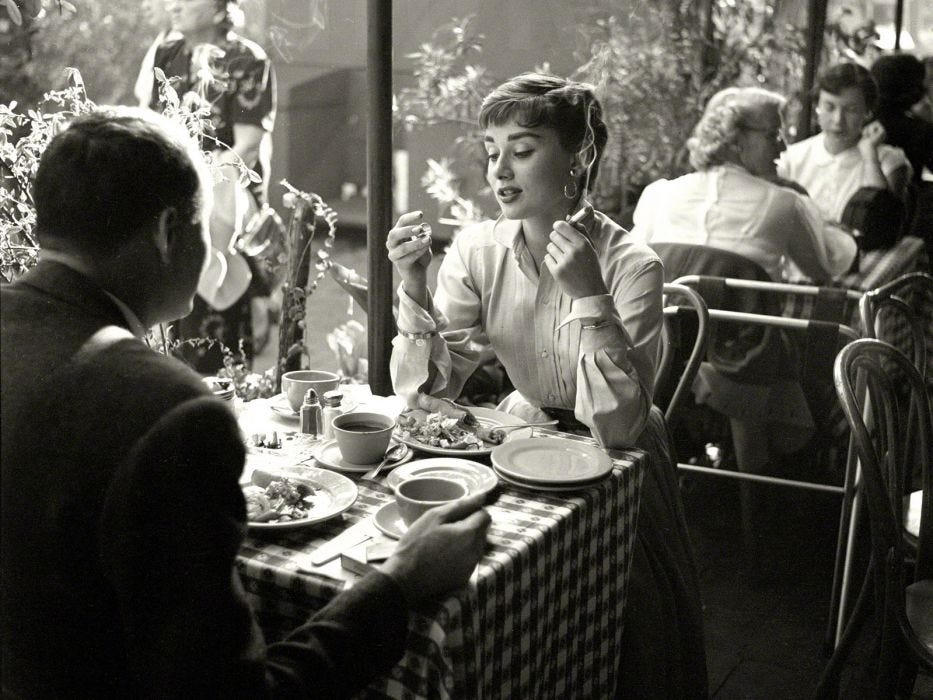
People Smoking Inside Restaurants
Old movies are packed with characters casually smoking at dinner tables, in offices, hotel rooms, and even hospital settings, a detail that now feels almost surreal in places where indoor smoking is heavily restricted
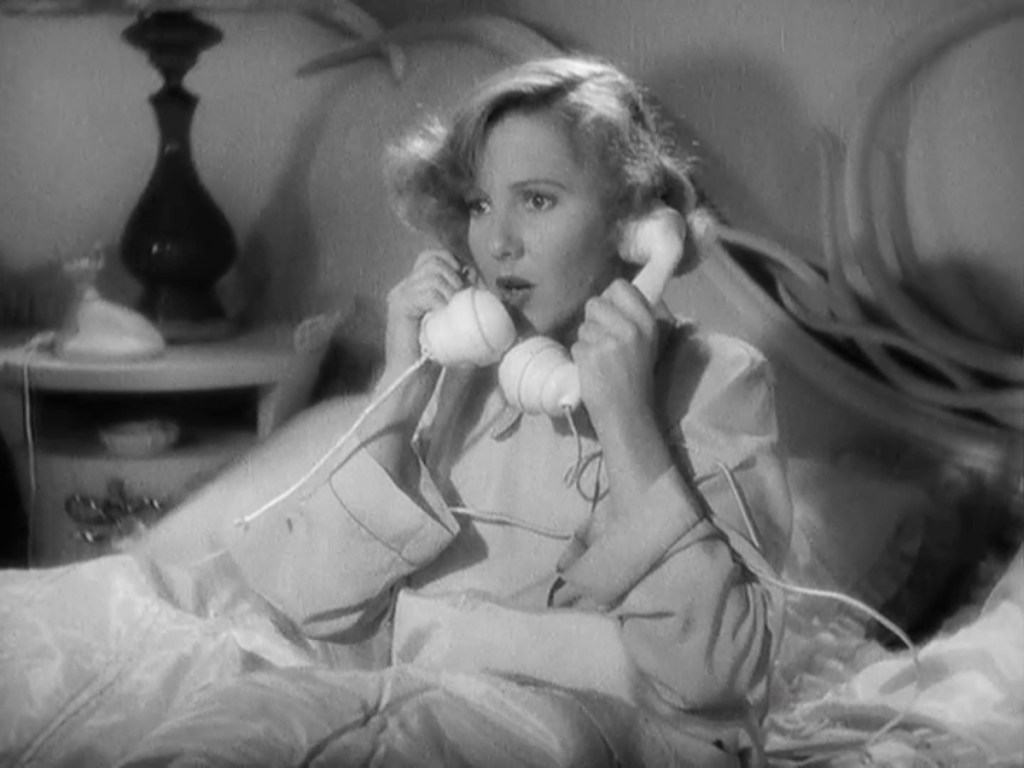
Everyone Has a Home Phone
Characters often share one landline with an entire household, meaning a private conversation requires finding a quiet corner or waiting until nobody else is using the phone
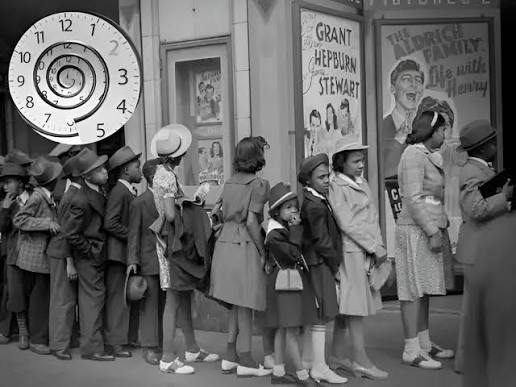
Nobody Carries a Cell Phone
A character can disappear for hours without anyone being able to reach them, and nobody immediately assumes something is wrong because being unreachable was simply part of everyday life
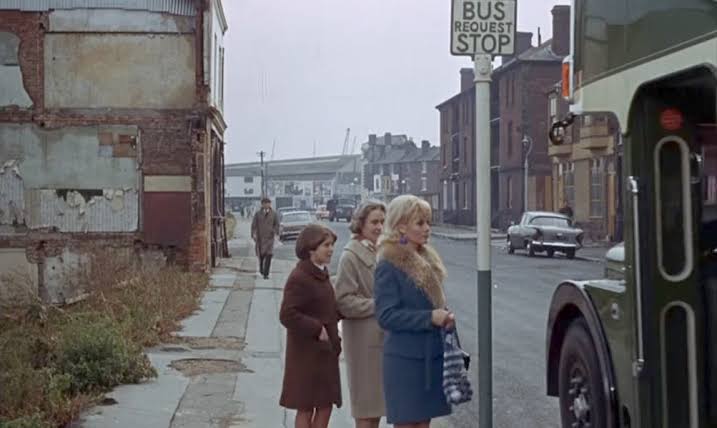
Getting Directions From a Stranger
Instead of opening a map, characters regularly stop someone on the street and ask how to get somewhere, often receiving complicated directions that somehow have to be remembered
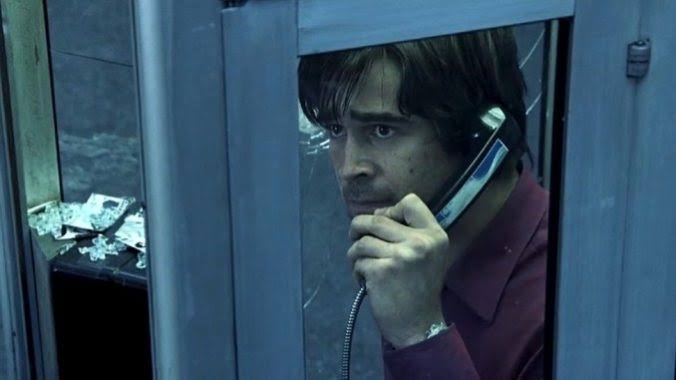
Using a Phone Booth
Phone booths appear naturally in older movies because they were genuinely part of the urban landscape, making scenes where characters rush to find one especially nostalgic today
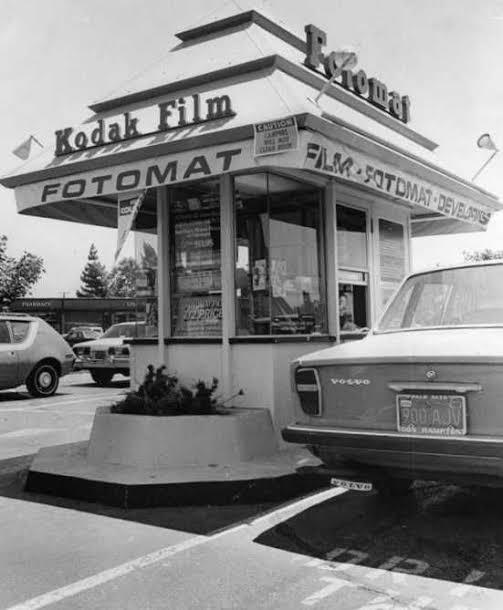
Waiting for Photos to Be Developed
Taking a picture was not the end of the process, and characters often had to take film to a shop and wait before discovering whether the photos actually turned out
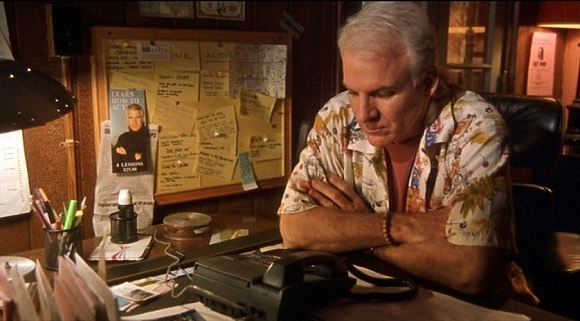
Leaving Messages on Answering Machines
People regularly call someone’s home, hear a recorded message, and leave a short explanation without knowing when the person will actually hear it
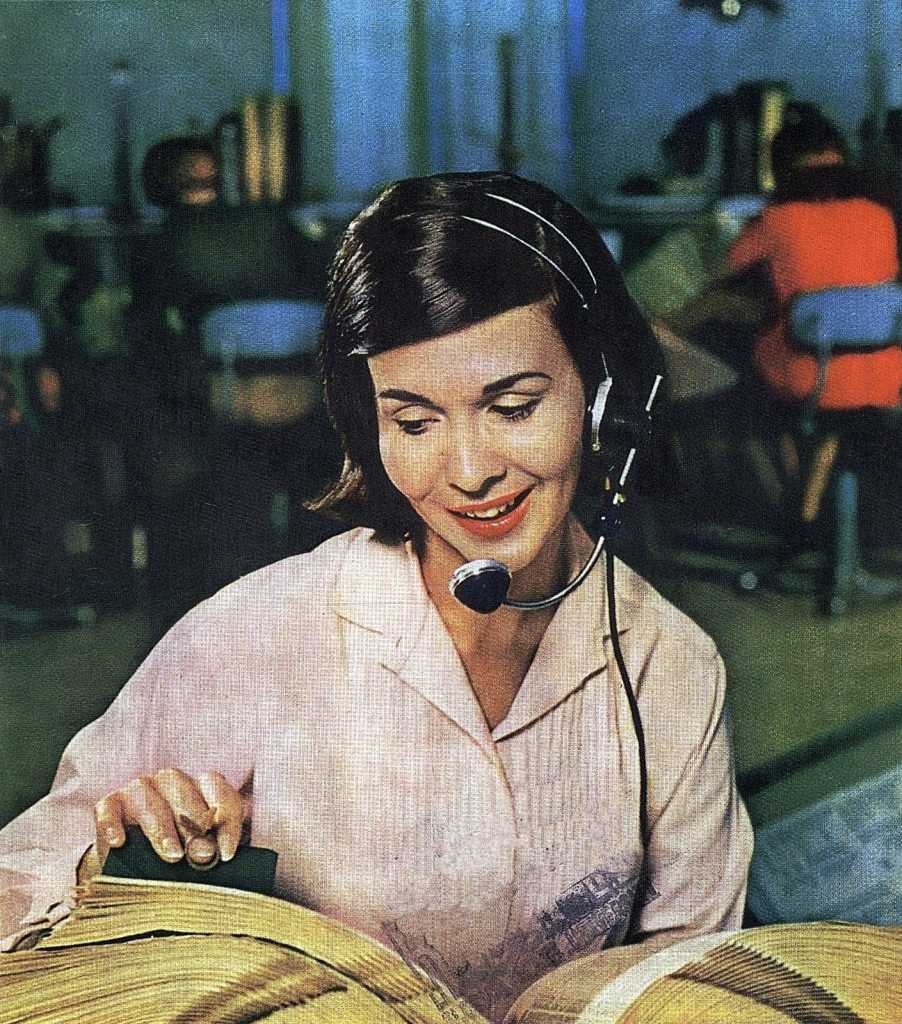
Looking Through a Phone Book
Finding someone’s number could involve physically searching through a huge printed directory, something that now feels almost absurdly inefficient
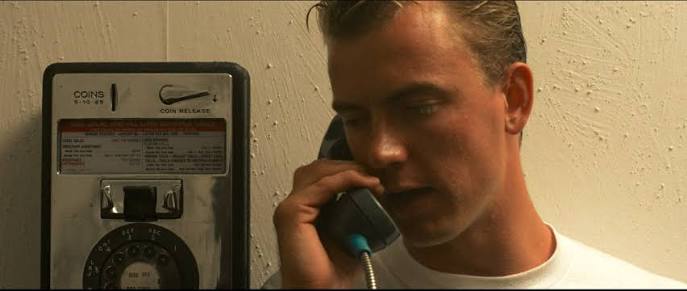
Using a Payphone With Coins
Characters often need loose change just to make a quick call, and running out of coins could genuinely end a conversation or create a small crisis

Waiting for Someone at the Airport Without Texting
People arrange to meet at airports and simply trust that everyone will show up at the agreed location, with no quick message available when a flight is delayed or plans change

Typing Everything on a Typewriter
Characters working in offices or writing novels often type directly onto paper, with mistakes requiring correction fluid, crossed out words, or starting the page again

Maps Spread Across the Car
Road trips frequently involve someone unfolding an enormous paper map across the passenger seat and trying to navigate while the driver keeps moving

Children Roaming Around Unsupervised
Old movies regularly show kids walking around town, riding bicycles, visiting friends, and staying out for hours without constant phone calls or location tracking from their parents

Cash for Almost Everything
Characters routinely carry wallets full of cash and pay for meals, taxis, shopping, and other everyday purchases without anyone expecting a card or phone to handle the transaction

Watching Whatever Was on TV
People sit down and simply watch whatever happens to be broadcasting at that moment, with no streaming library, pause button, or ability to instantly choose something else when nothing looks interesting