15 Things That Were Once Banned for Surprisingly Petty Reasons


Governments have banned plenty of things for understandable reasons. Then there are the rules that make you wonder what, exactly, everyone was so worried about. Over the years, authorities have gone after everything from pinball machines and Christmas celebrations to pointy shoes and coffee, sometimes because the latest trend was considered immoral, distracting, wasteful, or simply annoying. A few restrictions lasted decades. Others disappeared once people realized society was probably going to survive the menace of a particularly fancy hat. Looking back, the funniest part is how completely ordinary many of these forbidden things seem now. Here are 15 things that were once banned for surprisingly petty reasons.

Pinball Machines
New York City banned pinball in 1942 after officials associated the machines with gambling and juvenile delinquency. Mayor Fiorello La Guardia even participated in publicity photos showing confiscated machines being smashed.

Christmas
Puritan authorities in 17th-century Massachusetts banned Christmas celebrations, objecting to the holiday’s rowdy festivities and lack of biblical justification. For several years, openly celebrating could earn residents a fine.
Pointy Shoes
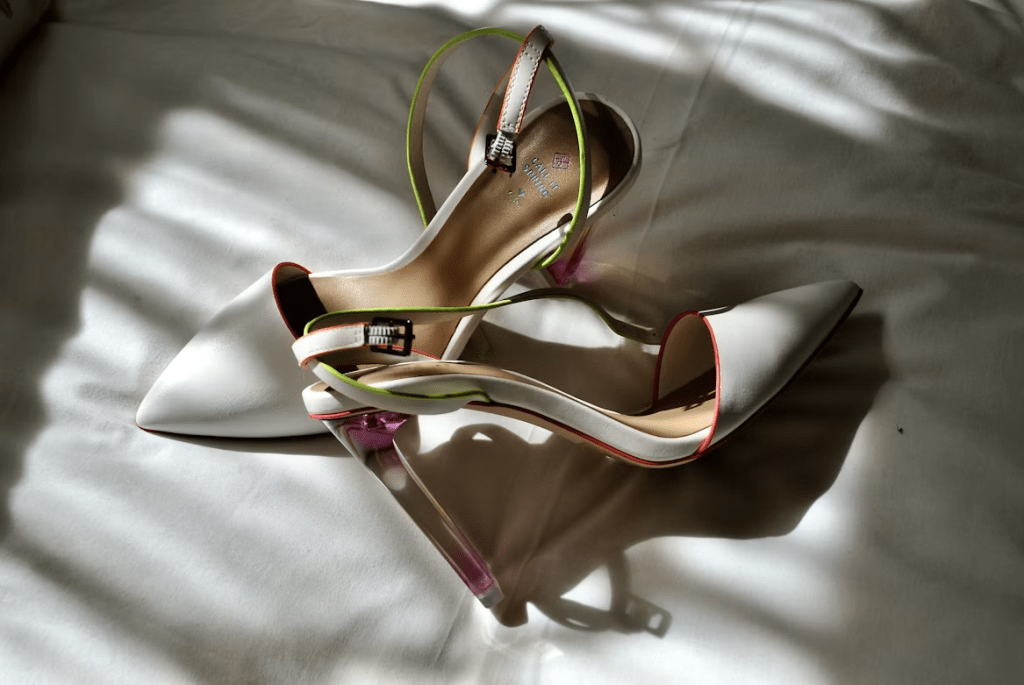
Medieval England apparently decided shoes could become too fashionable. In 1463, Edward IV’s government restricted excessively long pointed shoes, known as poulaines, with legislation limiting how far toes could extend.
Coffee
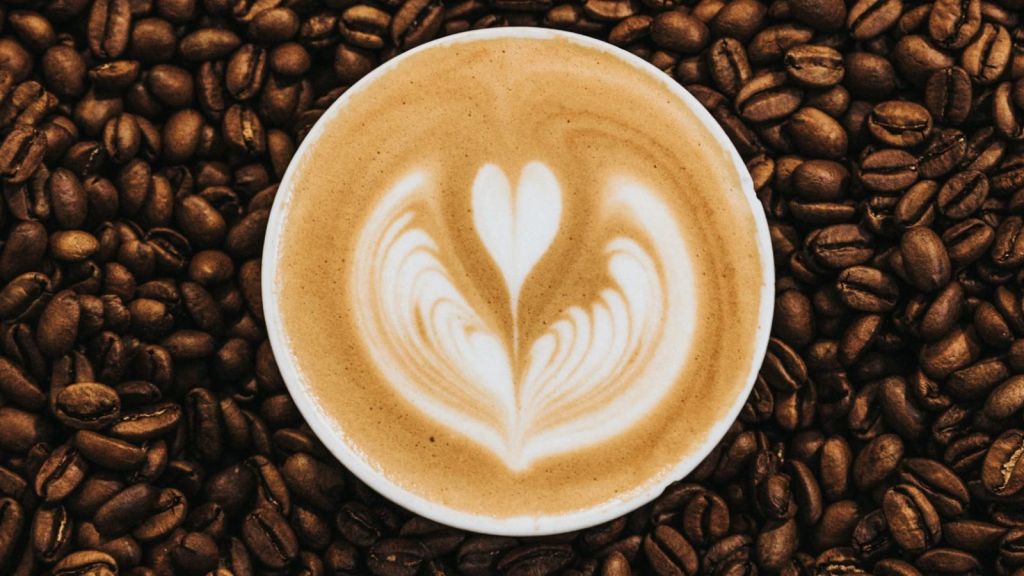
Coffeehouses became so popular in 17th-century England that Charles II tried to shut them down in 1675. The concern was less about caffeine than all those customers sitting around discussing politics and complaining about the government.
Women’s Hatpins
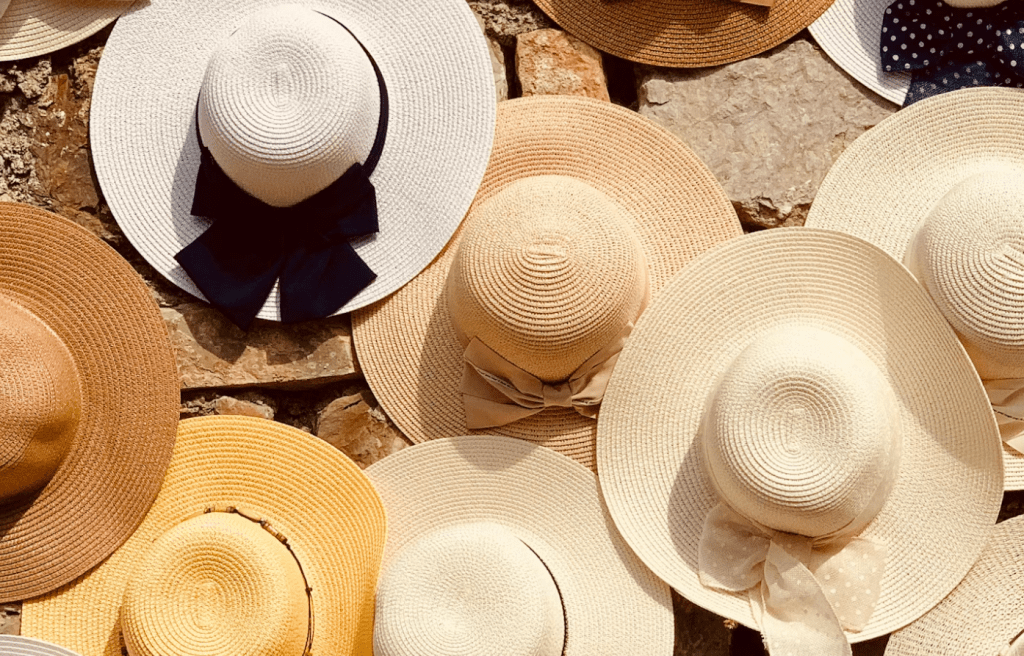
Oversized hatpins became fashionable around the turn of the 20th century, but cities began restricting their length. Officials worried the sharp accessories could injure people, although their usefulness as improvised self-defense also fueled plenty of public anxiety.

Chess
France’s King Louis IX reportedly prohibited chess in the 13th century as part of a broader effort against games he considered frivolous. Apparently moving tiny wooden pieces around a board was enough of a distraction to require royal intervention.

Margarine
Wisconsin’s powerful dairy industry spent decades making life difficult for margarine. The state prohibited selling yellow-colored margarine, helping ensure the cheaper butter substitute did not look quite so suspiciously like the real thing.

High Heels
In 17th-century Massachusetts, lawmakers targeted women accused of using certain clothing or footwear to deceive men into marriage. The often-repeated rule specifically mentions high-heeled shoes as one of the supposed tricks deserving punishment.

Bowling
Edward III reportedly restricted games including bowling because they distracted men from practicing archery. England needed trained archers, and apparently knocking things over for fun was getting in the way.
Comic Books
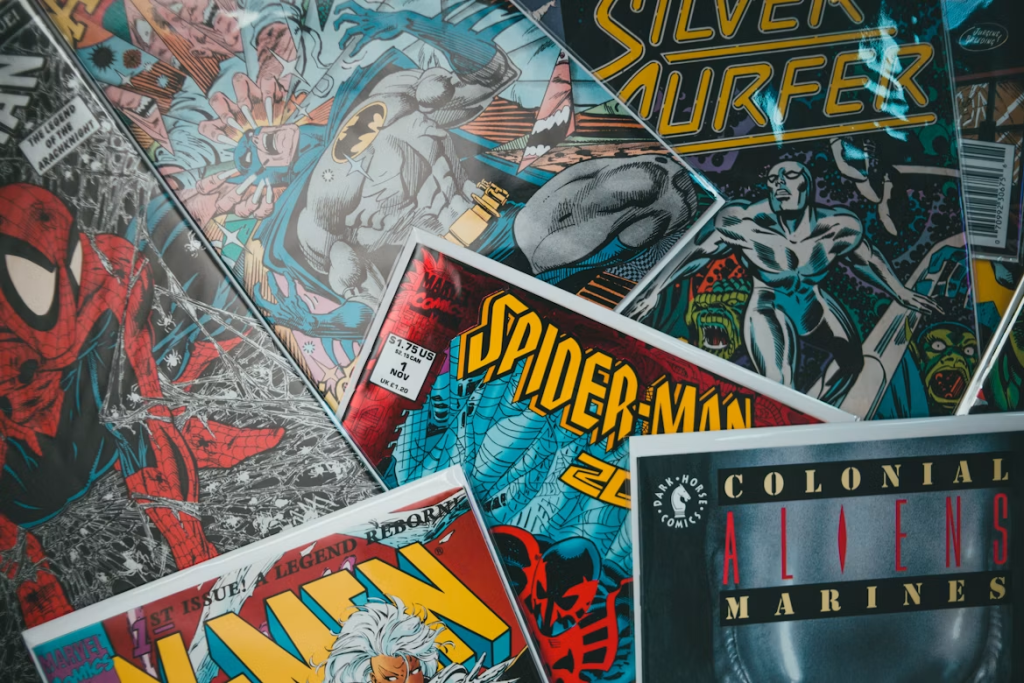
Canada effectively outlawed many crime comics in 1949 amid fears that violent stories were corrupting young readers. The law became known for targeting the supposedly dangerous influence of cheap comic-book entertainment.

Blue Jeans
Jeans became an unexpected political problem in parts of the Eastern Bloc during the Cold War. Western denim could be discouraged or difficult to obtain because it represented American culture and the kind of youthful fashion authorities viewed with suspicion.

Kites
Tokyo authorities periodically restricted kite flying during the Edo period when the hobby became too disruptive. Crowded skies, accidents, and people becoming a little too enthusiastic about kite battles could turn a children’s pastime into an official nuisance.

Long Hair
Singapore’s government launched a campaign against long hair on men in the 1960s and 1970s because it was associated with hippie culture. Long-haired male visitors could even find themselves receiving less-than-warm treatment at government offices.
©Unsplash
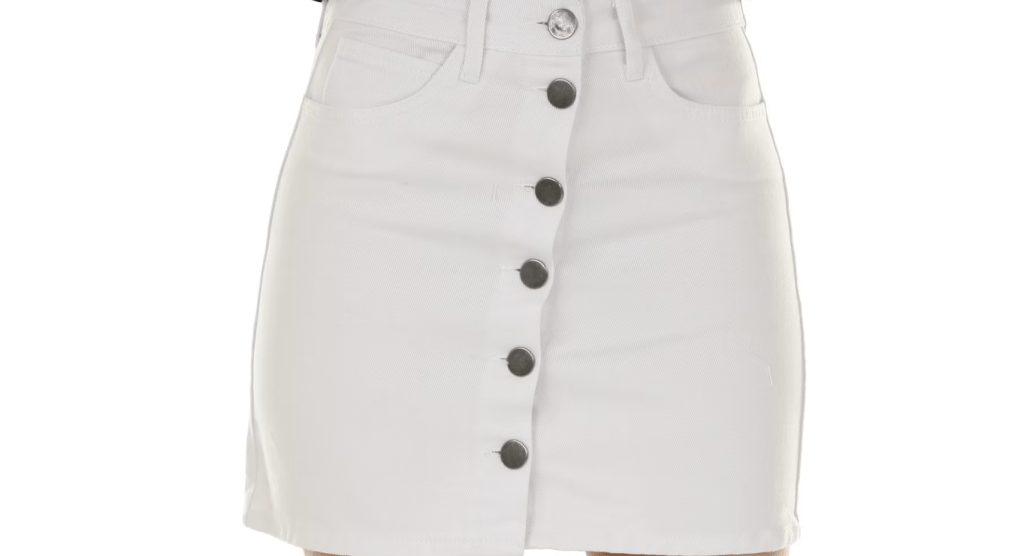
Miniskirts
Several governments and institutions tried to suppress miniskirts after they became fashionable in the 1960s. The tiny hemlines repeatedly became targets of officials convinced that young women’s clothing had somehow become a public morality problem.

Surfing
Surfing was periodically discouraged or restricted in Hawaii after Western missionaries arrived in the 19th century. The activity was tied to Hawaiian social traditions that missionaries considered incompatible with the culture and religious practices they were trying to impose.