15 Things That Were Considered Normal in Movies 30 Years Ago

Movies from the 1990s can feel surprisingly strange when you watch them today, not because the stories were necessarily unusual, but because everyday life looked different. Characters could disappear for hours without anyone worrying, casually use technology that has vanished, or move through public spaces with freedoms that now feel almost unfamiliar. Some details barely register until you realize how much the world has changed around you. These little habits, objects, and situations were once completely ordinary on screen because they reflected real life at the time. Looking back three decades later, they can feel like accidental time capsules, capturing a version of everyday life that has quietly disappeared.
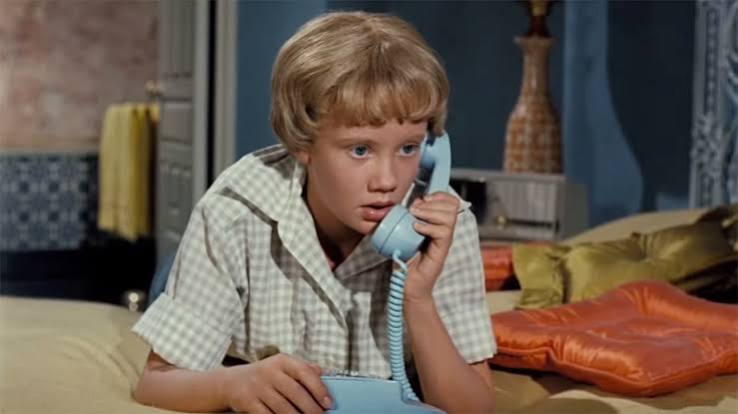
Everyone Had a Landline at Home
Characters routinely called each other on phones attached to the wall, often leaving messages on answering machines when nobody picked up.
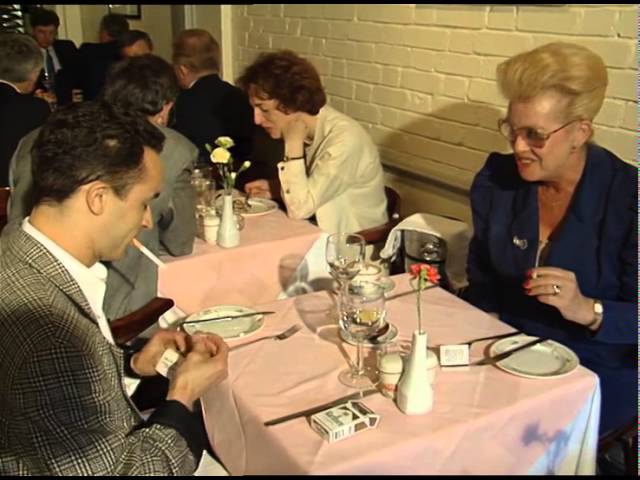
People Smoked Inside Restaurants
Cigarettes appeared in diners, bars, offices, and even some family restaurants, with characters lighting up without anyone treating it as unusual.
Nobody Had a Cell Phone
Being unreachable was completely normal, so characters could leave home without any way for friends or family to contact them.
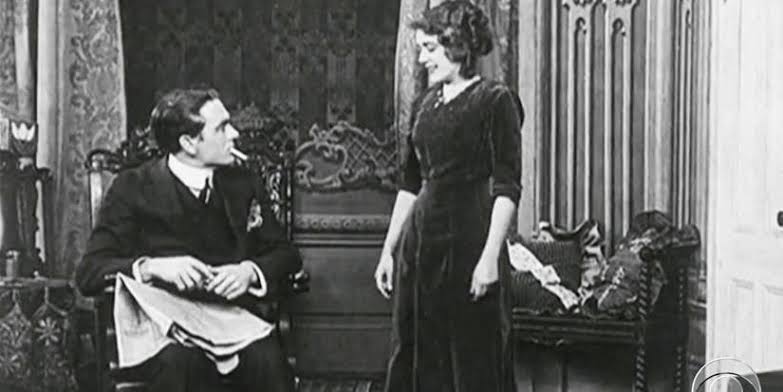
Getting Lost Was Actually Possible
Characters unfolded paper maps, stopped strangers for directions, or simply drove around hoping to find the right street.
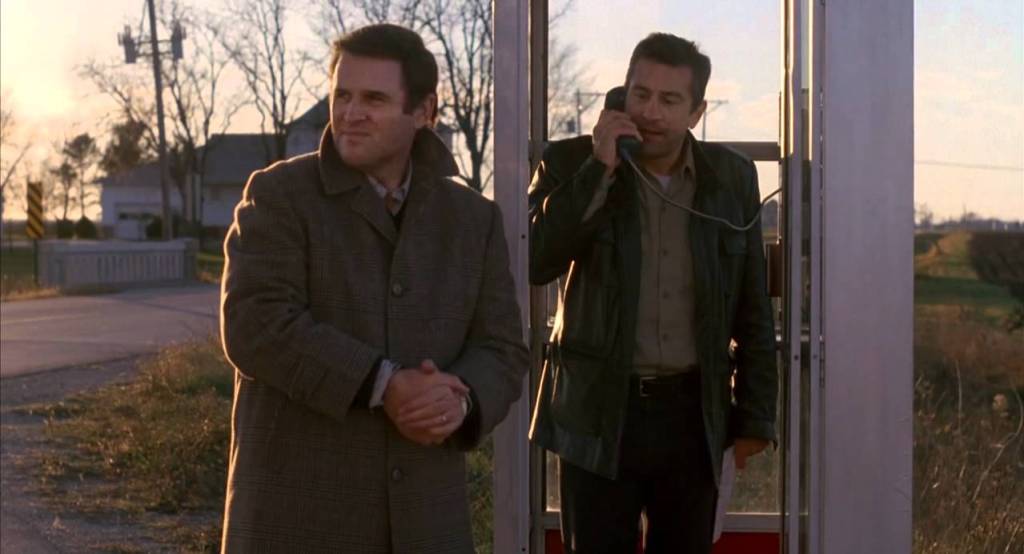
People Used Phone Booths Constantly
Public phones were an ordinary part of city life, especially for characters who needed to make a call while away from home.
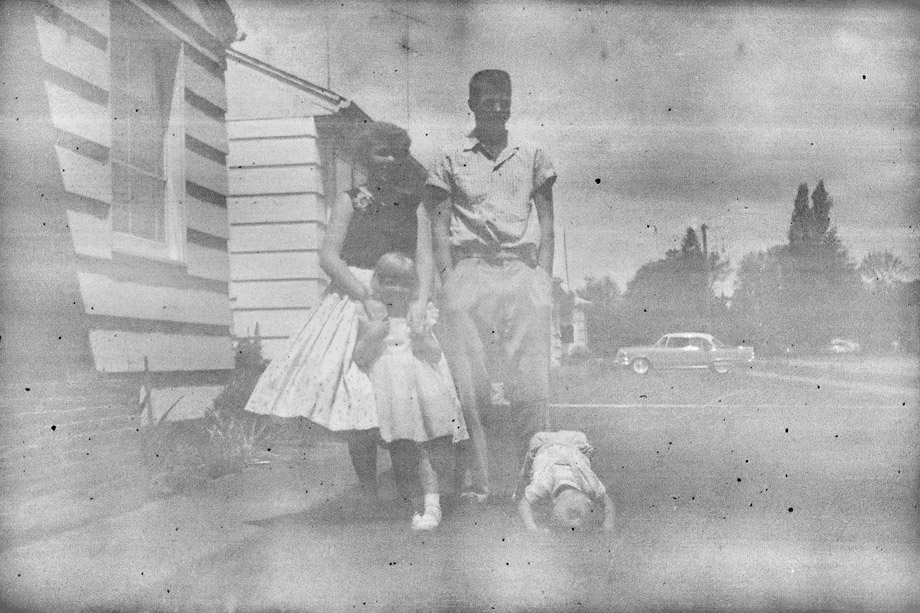
Photos Had to Be Developed
Characters used disposable cameras and film cameras, then waited to see what the pictures looked like instead of checking them immediately.
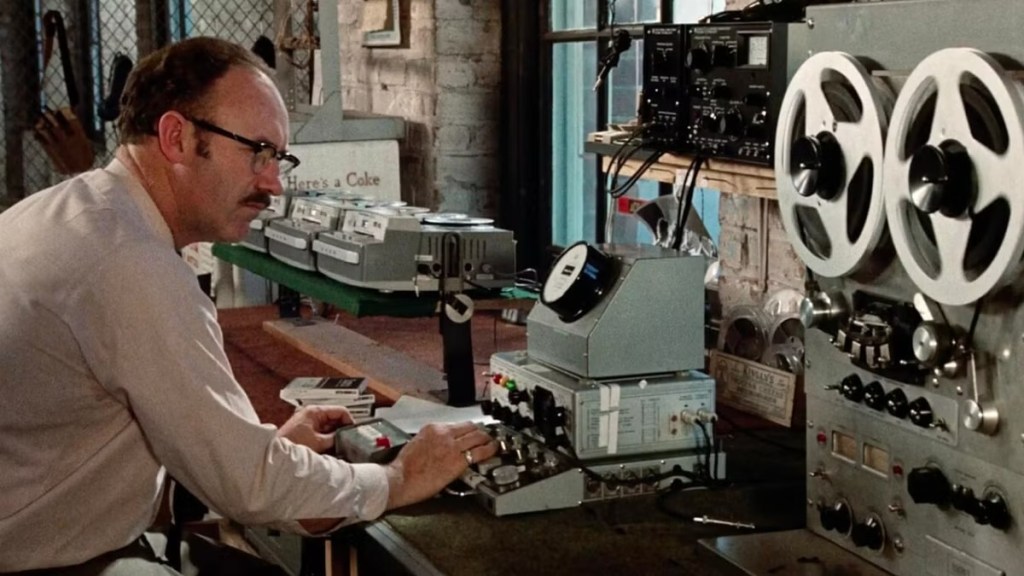
Nobody Questioned Answering Machines
Leaving long, personal messages on someone’s answering machine was a completely normal part of staying in touch.
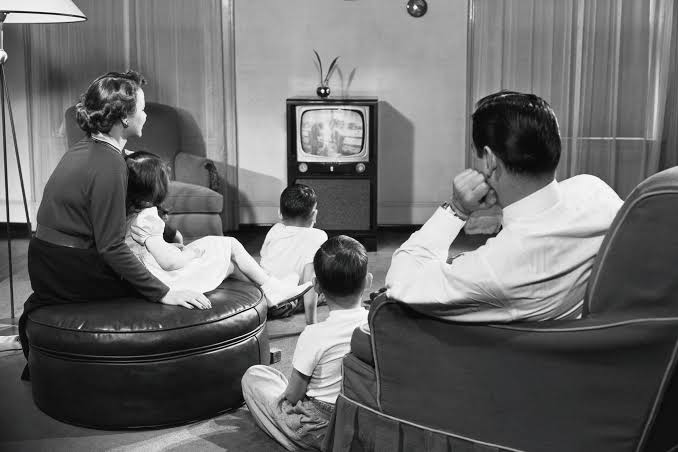
People Watched Whatever Was on TV
Characters could turn on the television and simply watch whatever happened to be broadcasting, with no streaming library waiting for them.
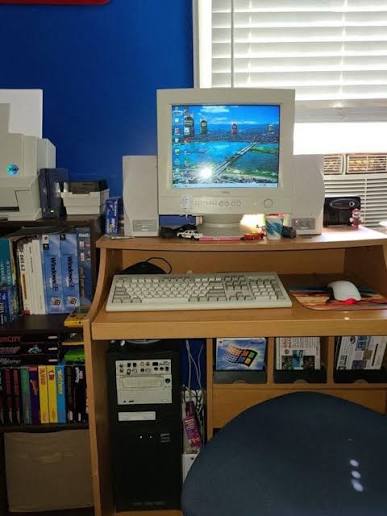
Computers Were Usually in One Room
Home computers were bulky machines sitting on desks, often in a study or bedroom, rather than devices everyone carried around.
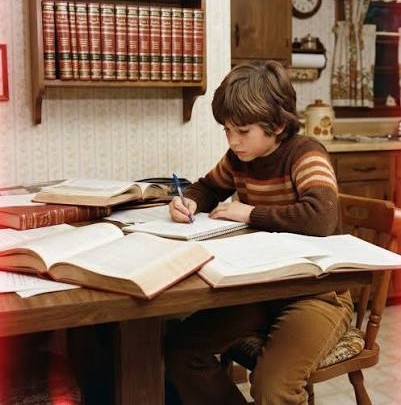
People Looked Things Up in Encyclopedias
Need information? Someone might reach for a reference book, visit a library, or call a person who supposedly knew the answer.
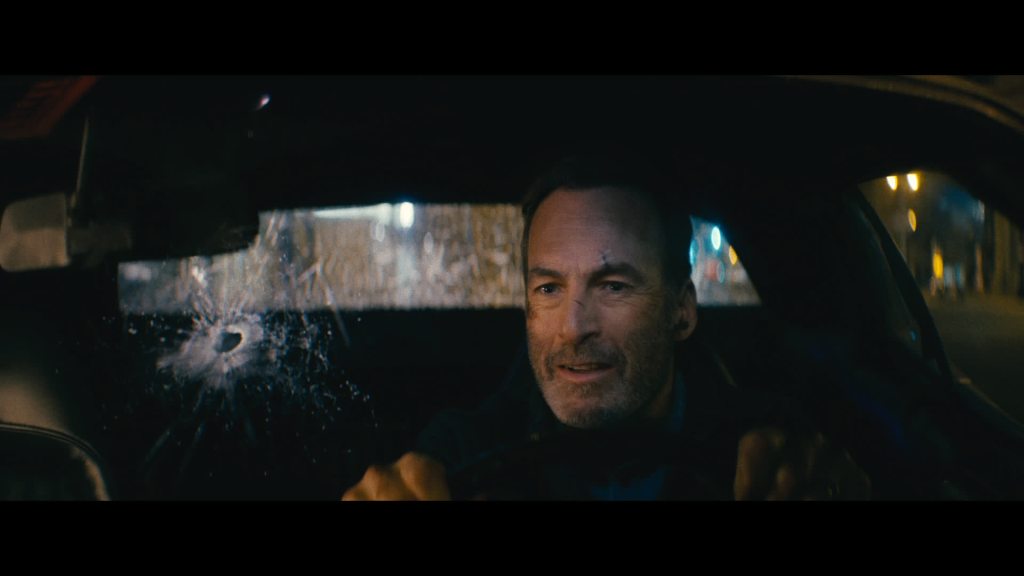
Nobody Expected Instant Replies
A character could leave a message and wait hours or even days without anyone assuming something terrible had happened.
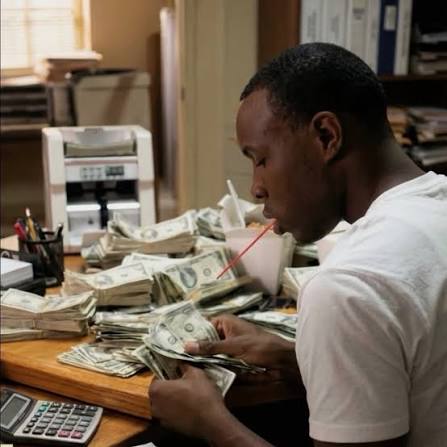
Cash Was the Default
Characters regularly paid for meals, taxis, shopping, and everyday purchases with bills and coins without mentioning cards or digital payments.
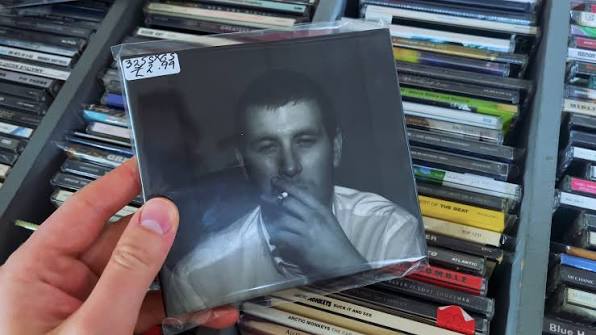
People Bought Music on Physical Media
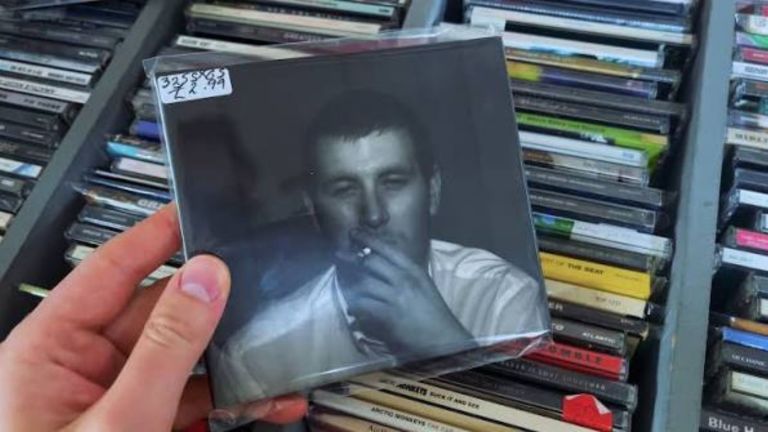
Record stores, CDs, cassette tapes, and huge music collections were normal parts of everyday life and often appeared naturally in bedrooms and cars.
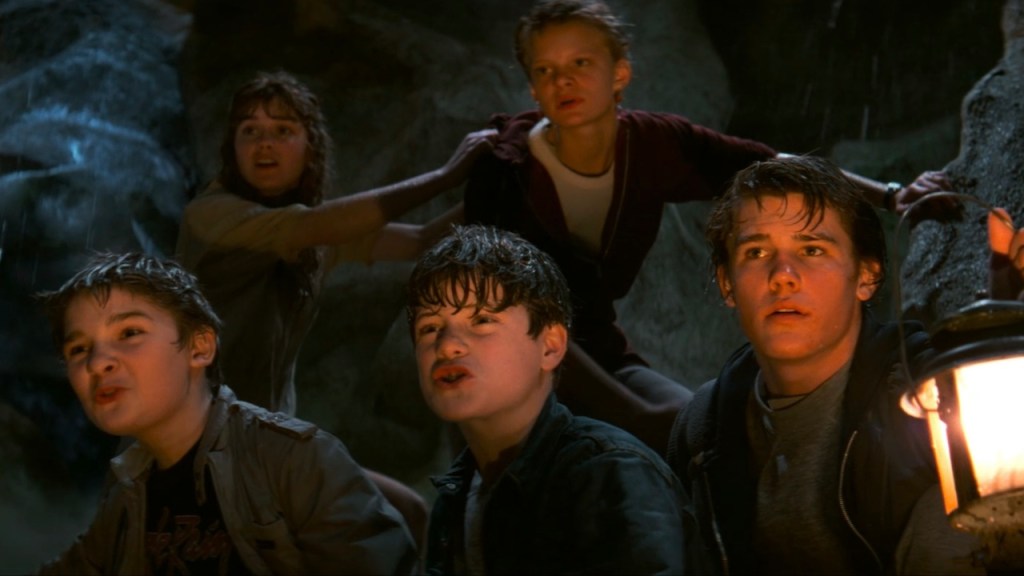
Kids Roamed Around Without Constant Contact
Children could spend an afternoon riding bikes, visiting friends, or wandering around the neighborhood without parents tracking their location.
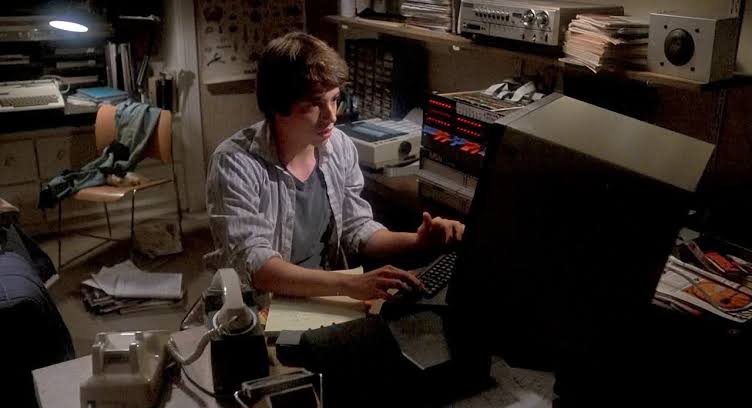
Nobody Thought Twice About Using a Public Computer
Characters might sit down at a library, school, workplace, or internet café computer to check information or send something, because personal internet access was still far from universal.