15 Terrible Product Designs That Crashed and Burned Right Off the Shelf

Innovation requires risk, trying new things and seeing if the market responds well, bad, or not at all. We tend to remember the success stories, where products and appliances transform into things that we use every day. But there are also failures, and a lot of them, that in hindsight seem like an obvious flop.
The companies behind them invested millions of dollars and years of development before discovering a painful truth: people simply didn’t want what they were selling. These infamous flops became cautionary tales about design, usability, and understanding what customers actually want.
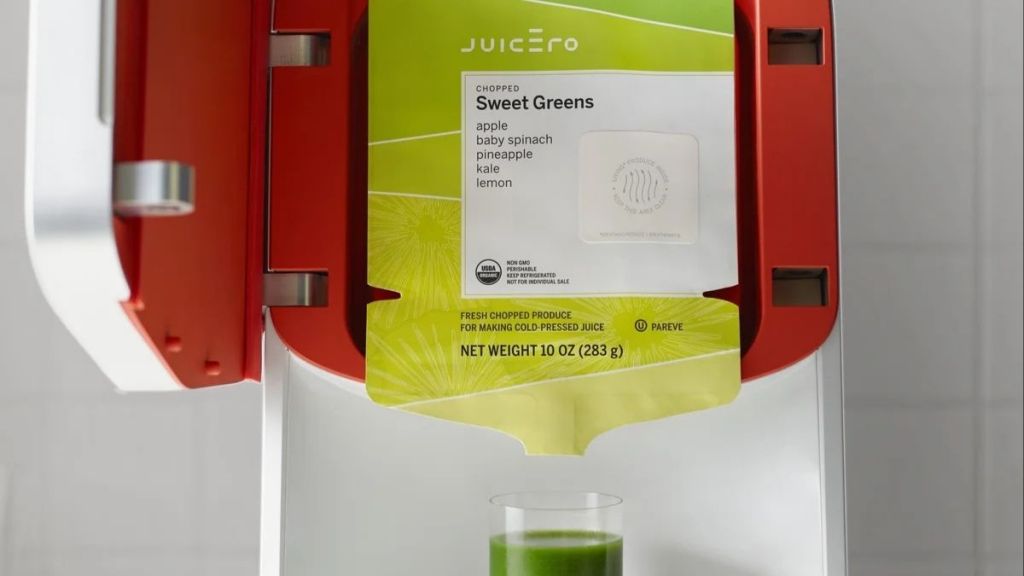
Juicero
Juicero promised to revolutionize juicing with a Wi-Fi-connected machine costing hundreds of dollars. Sadly for the machine, consumers quickly discovered they could squeeze the proprietary juice packets by hand and get nearly identical results.
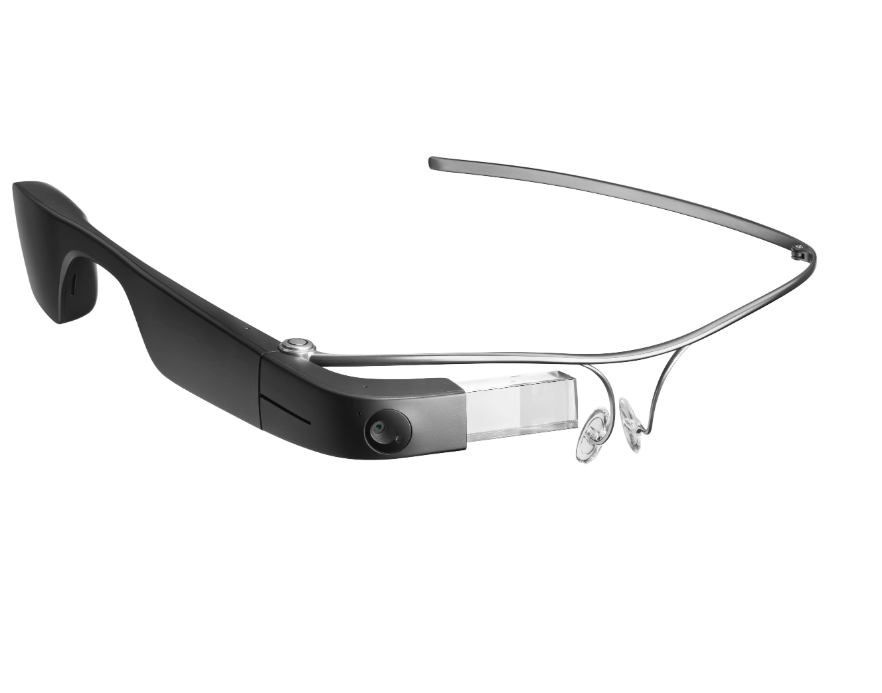
Google Glass
Google’s futuristic smart glasses generated enormous hype before launch. Once released, privacy concerns, social stigma, and a lack of practical everyday applications quickly overshadowed the technology’s potential.
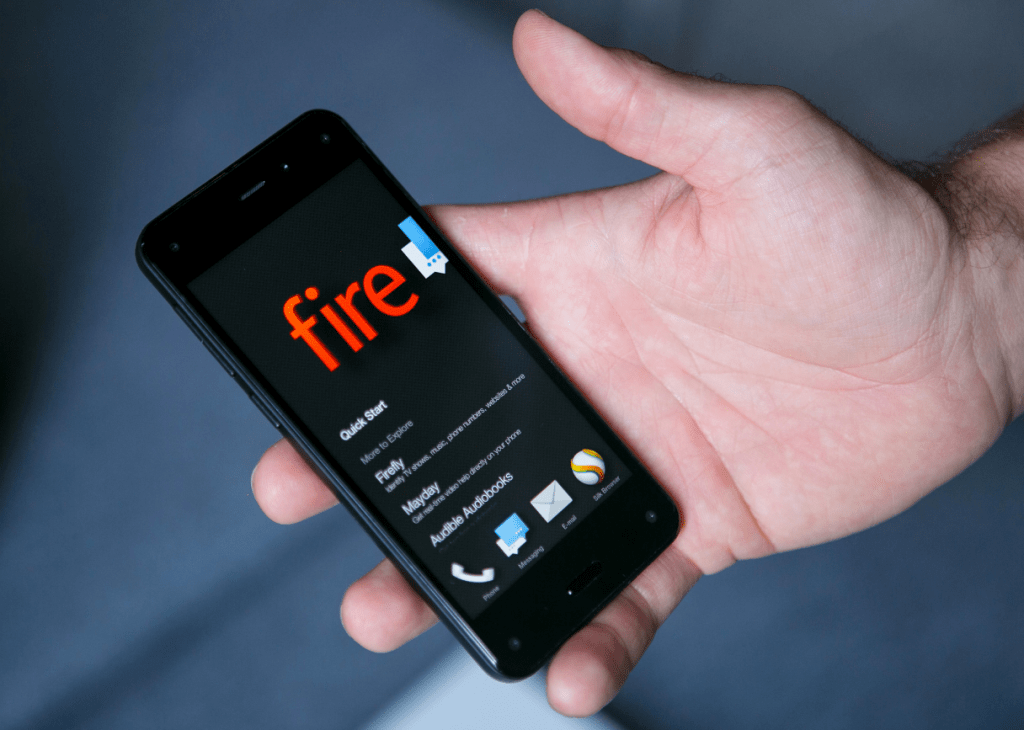
Amazon Fire Phone
Amazon entered the smartphone market with a device emphasizing 3D visual effects and shopping integration. Consumers saw little reason to abandon established competitors for features they rarely needed.
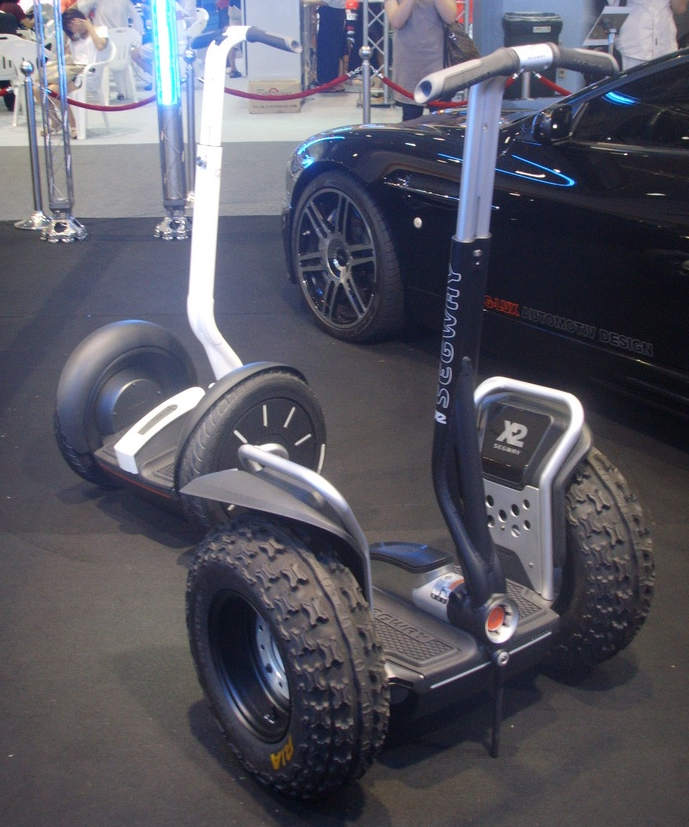
Segway
The Segway was introduced as a transportation breakthrough that would change cities forever. Instead, its high price, awkward regulations, and limited practicality kept it from becoming a mainstream success.
Colgate Kitchen Entrees
Colgate attempted to expand beyond oral hygiene with a line of frozen dinners. Consumers struggled to associate a toothpaste brand with appetizing meals, and the concept disappeared quickly.
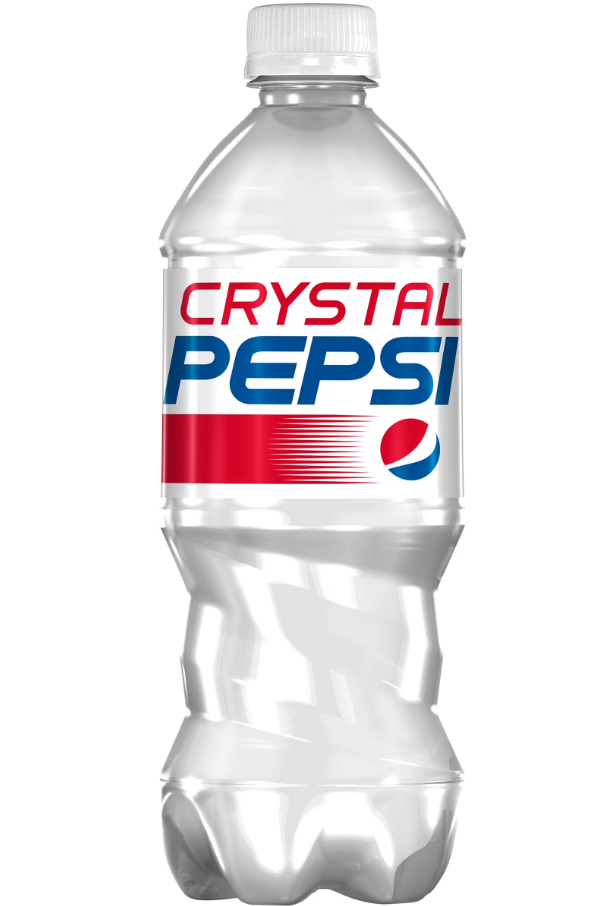
Crystal Pepsi
Pepsi’s clear cola was designed to appeal to health-conscious consumers during the early 1990s. Unfortunately, many people found the disconnect between its appearance and flavor strangely off-putting.
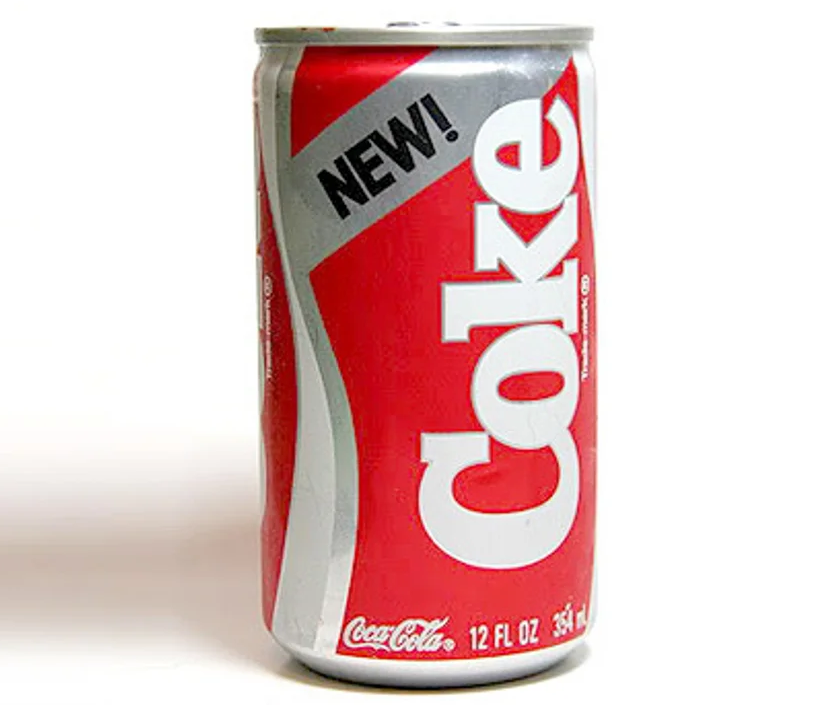
New Coke
Coca-Cola’s decision to replace its classic formula remains one of the most famous product missteps ever. Loyal customers rejected the change so strongly that the company quickly reversed course.
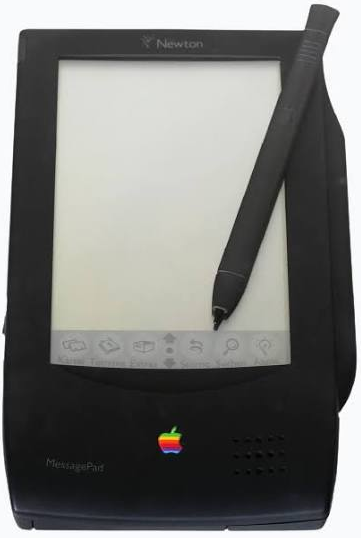
Apple Newton
The Newton anticipated many features of modern tablets and smartphones. Unfortunately, its handwriting recognition technology became notorious for mistakes, overshadowing an otherwise ambitious vision of the future.
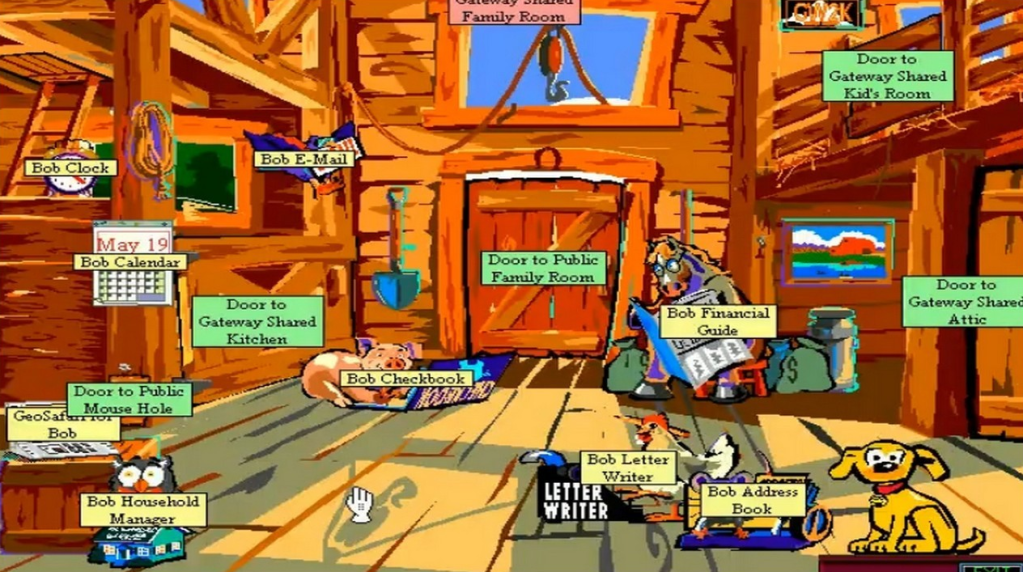
Microsoft Bob
Microsoft Bob attempted to make computing friendlier by presenting users with a virtual cartoon house. Many found the interface confusing, unnecessary, and far less useful than standard desktop navigation.
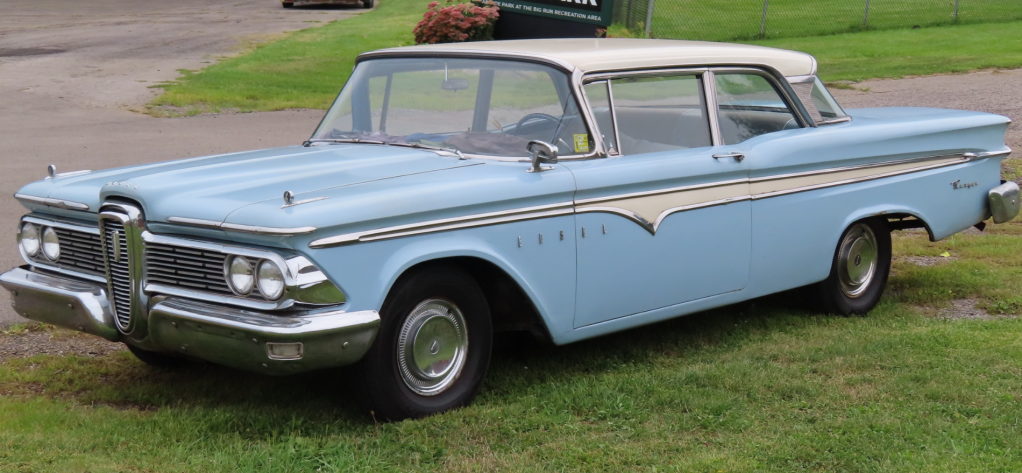
Ford Edsel
Ford invested heavily in the Edsel, expecting it to become a major success. Instead, unusual styling and marketing problems helped turn the car into a symbol of corporate miscalculation.
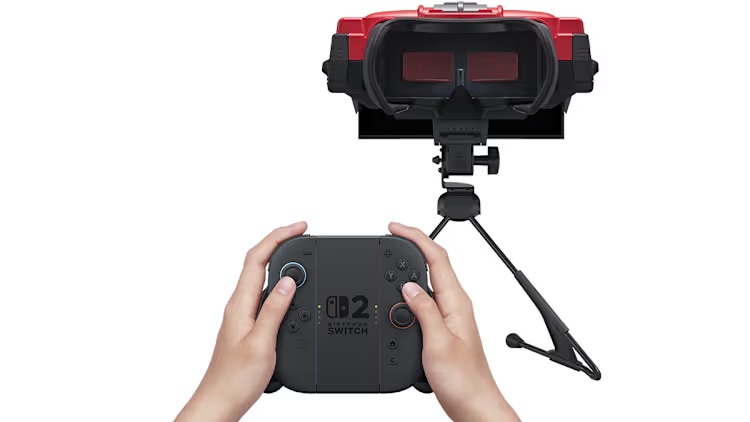
Nintendo Virtual Boy
Nintendo’s red-and-black headset promised immersive gaming before virtual reality became mainstream. Unfortunately, eye strain, headaches, and limited software support kept many players away. It’s now back for the Nintendo Switch 2, but only as a novelty.
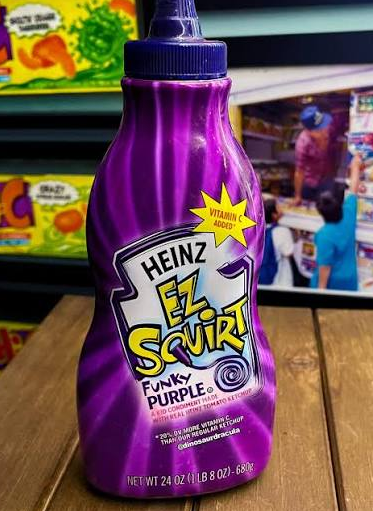
Heinz EZ Squirt Ketchup
Heinz introduced ketchup in bright colors like green and purple to attract children. Initial curiosity produced strong sales, but the novelty wore off once families actually tried eating it.
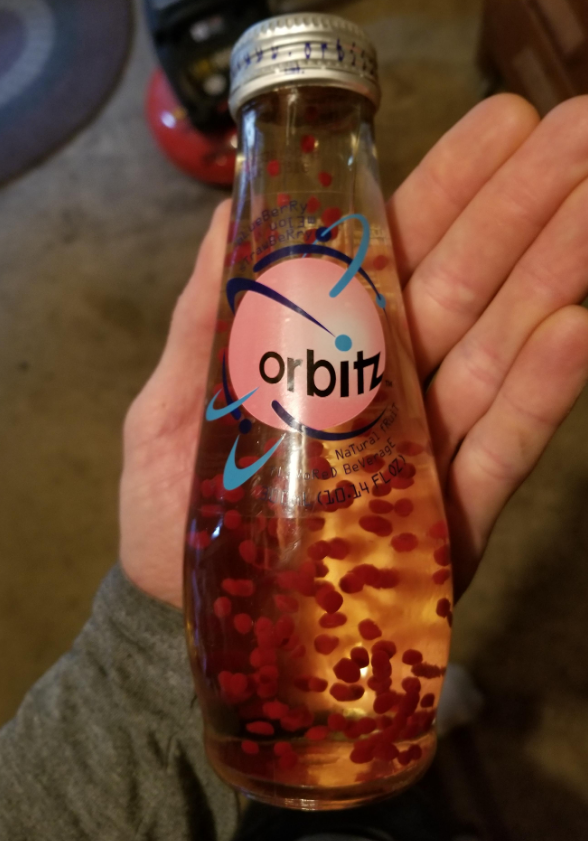
Orbitz Soda
Orbitz featured floating edible spheres suspended inside a clear beverage. While visually unique, many consumers found the unusual texture and appearance more confusing than appealing.
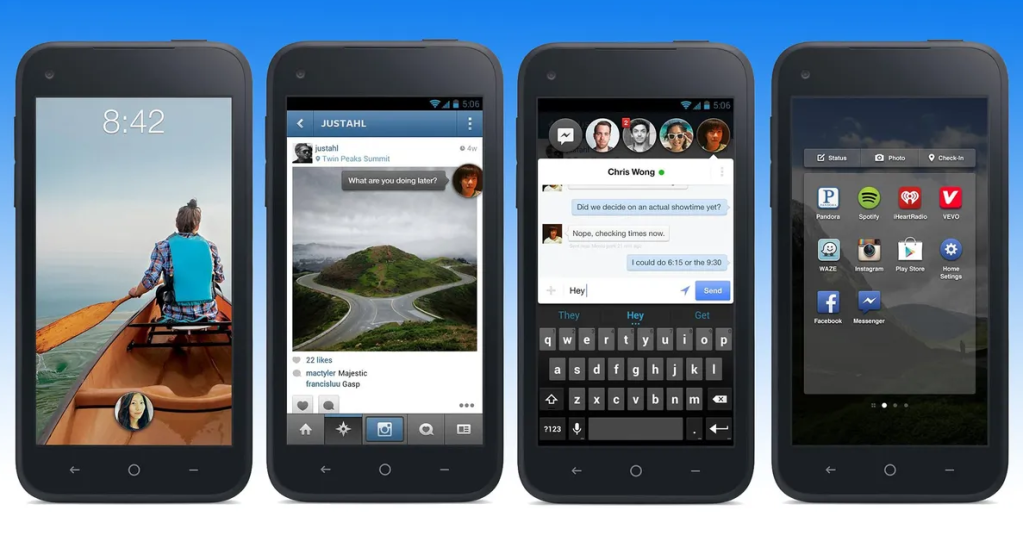
Facebook Home
Facebook Home transformed Android phones into devices centered almost entirely around social media activity. Users often viewed it as intrusive, and adoption remained far below expectations.
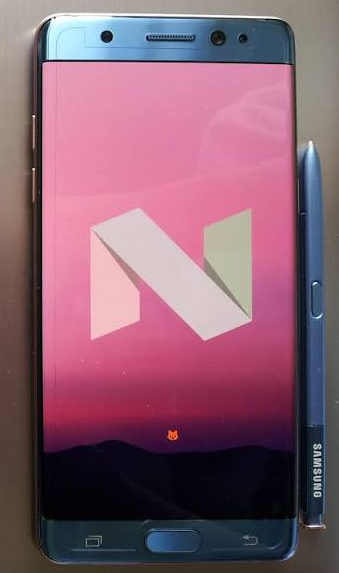
Samsung Galaxy Note 7
The Galaxy Note 7 appeared poised to be a major success until battery defects caused some devices to overheat and catch fire. Samsung ultimately recalled the phone and discontinued production.