15 Shows Where We Think People Did Some Fast-Forwading


Even a great TV show can test your patience if it sticks around long enough. A mystery that once had us desperate for answers starts adding mysteries to its mysteries, the same relationship falls apart for the fifth time, or a story that could have taken three episodes somehow needs twelve. That does not necessarily mean viewers stopped watching. Sometimes you are too invested to quit, which is exactly when the fast-forward button starts looking particularly useful. Plenty of popular shows had terrific seasons alongside stretches that felt much easier to skim, especially once they had been running for years. Here are 15 shows where we think people did some fast-forwarding.

The Walking Dead
The Walking Dead could be gripping when it moved quickly, but later seasons became increasingly fond of stretching conflicts across long batches of episodes. The war against Negan in particular made getting to the next major development feel like a journey of its own.

Grey’s Anatomy
More than two decades at Grey Sloan Memorial means viewers have sat through an extraordinary number of romances, breakups, disasters, and new doctors. Anyone still watching after all that time can probably be forgiven for occasionally speeding through a subplot that did not grab them.
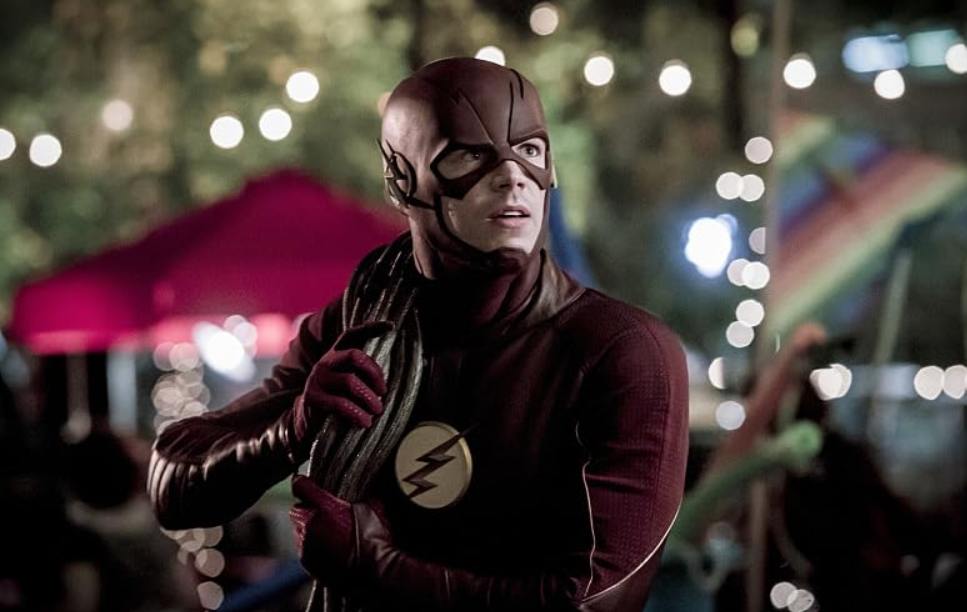
The Flash
The early seasons made Barry Allen’s adventures feel fast even when he was standing still. Later years increasingly recycled speedster threats, team disagreements, secret identities, and familiar lessons that made nine seasons feel considerably longer.
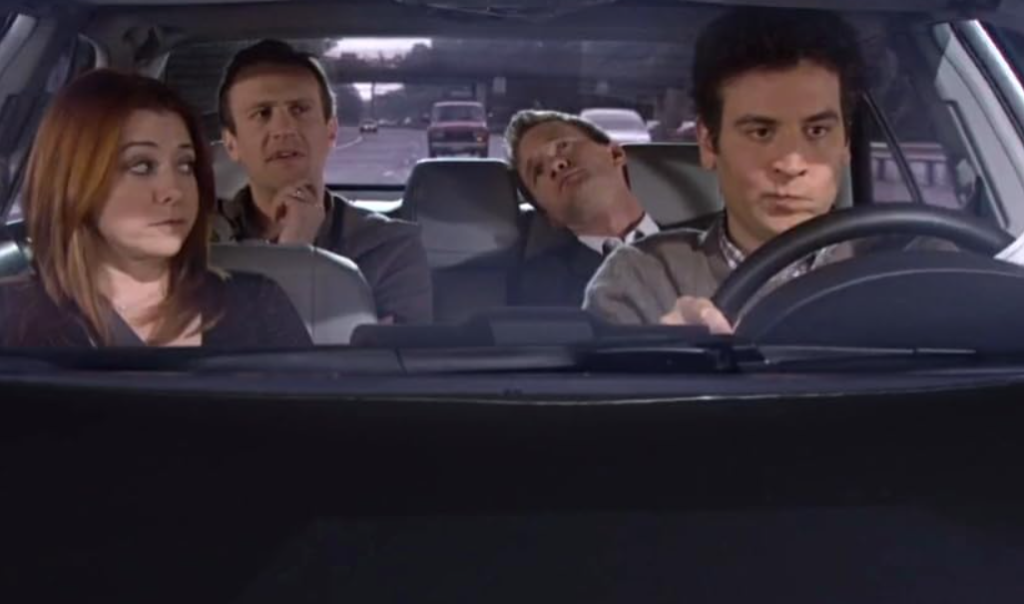
How I Met Your Mother
The title promised one answer, but the show understandably found plenty of ways to delay giving it. Stretching its final season across the few days surrounding Barney and Robin’s wedding made the wait feel especially noticeable.
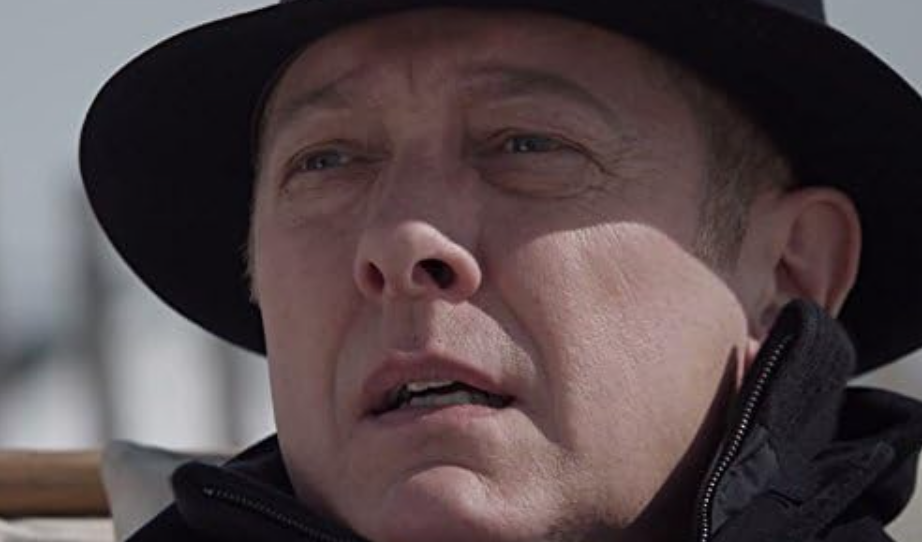
The Blacklist
Raymond Reddington’s true identity was once an irresistible mystery. After years of answers producing new questions, fake-outs, and increasingly tangled mythology, some viewers may have found themselves wishing the show would simply get to the point.
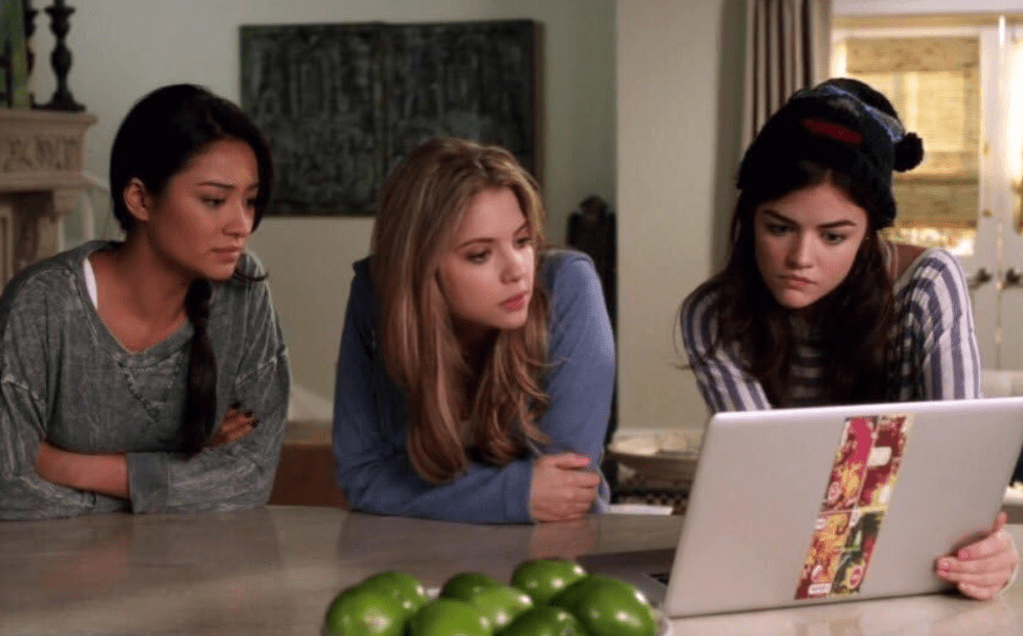
Pretty Little Liars
Finding out who “A” was should have solved everything, except Pretty Little Liars kept finding ways to make the mystery bigger. New suspects, new villains, and new secrets meant there was almost always another reveal waiting several episodes away.
Once Upon a Time
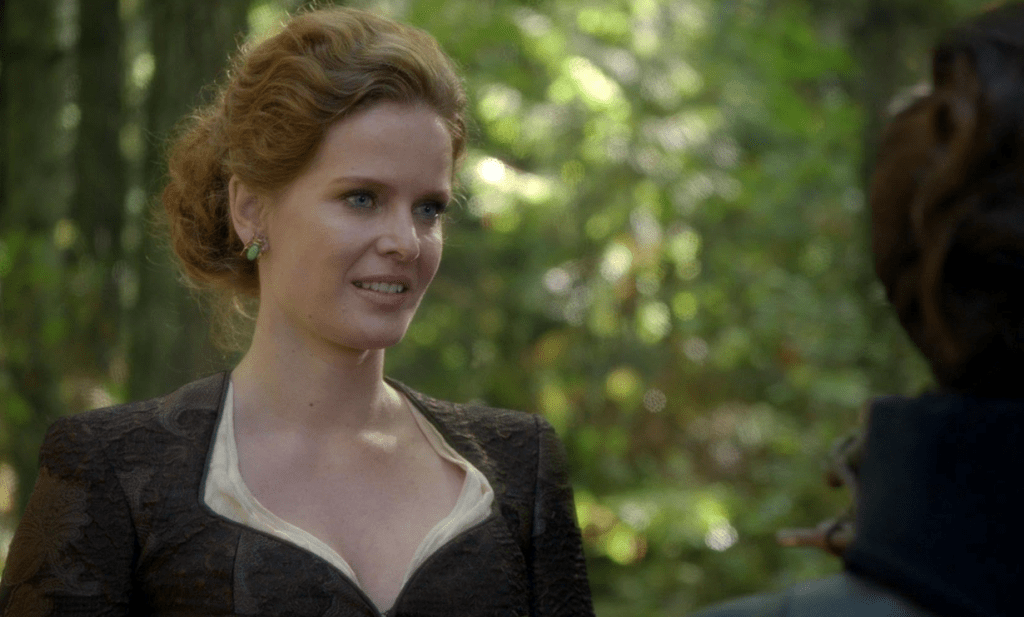
Storybrooke began with a wonderfully simple hook involving familiar fairy-tale characters trapped under a curse. Seven seasons of new realms, curses, identities, family connections, and magical resets eventually made the story considerably harder to follow.

Riverdale
Riverdale started with teenagers investigating a murder and somehow ended up involving superpowers, parallel universes, and time travel. Getting from one point to the other required sitting through plenty of storylines that even devoted viewers probably never saw coming.
Dexter
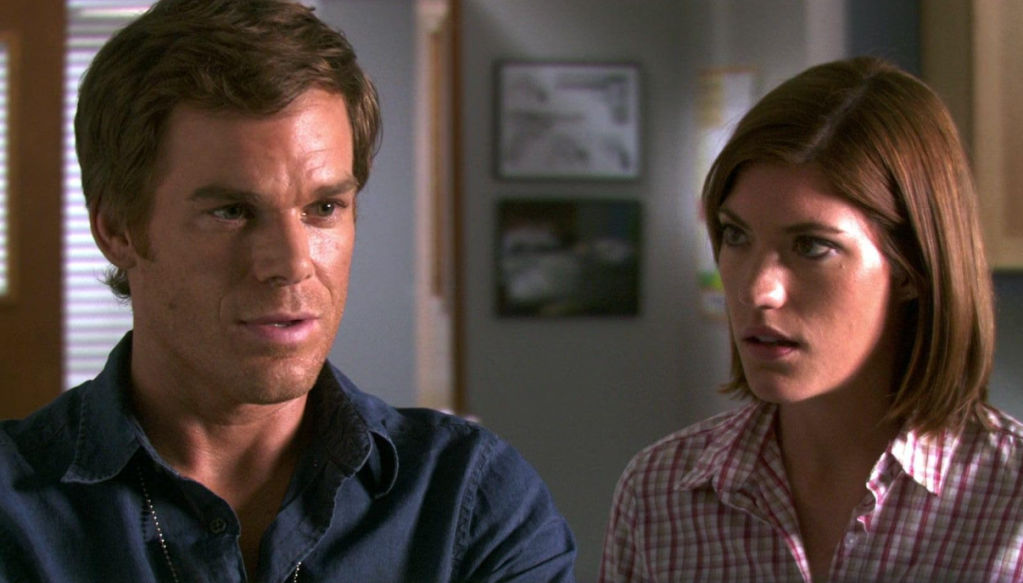
Dexter reached one of its creative peaks with the Trinity Killer in season four, but the series still had another four seasons ahead of it. Those later years varied considerably in quality, making the road to its controversial original finale a long one.
Suits
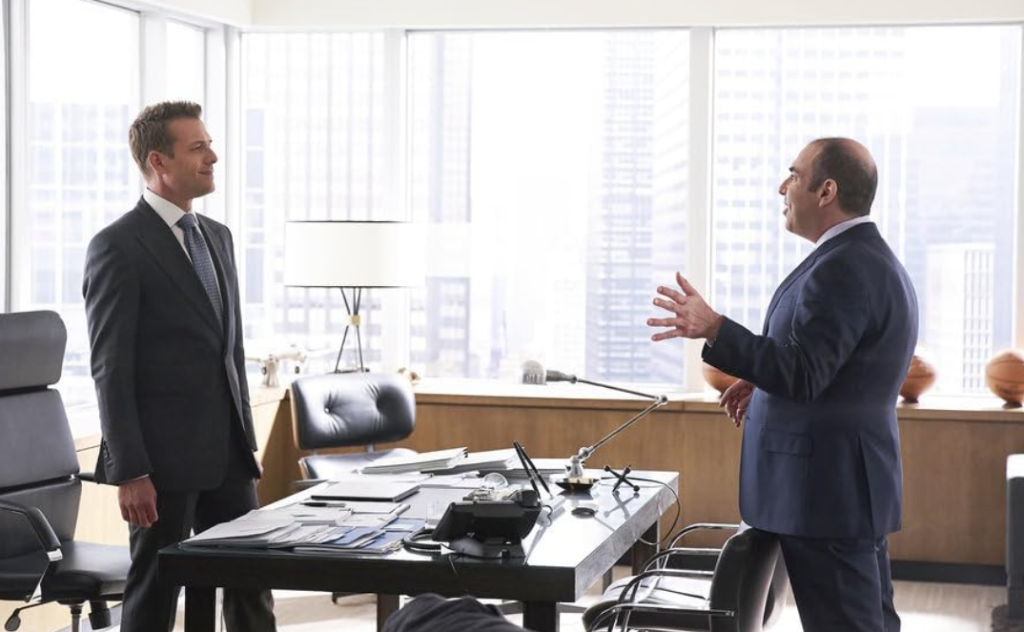
Mike Ross hiding the fact that he never attended law school gave the early seasons a built-in source of tension. Once that central secret was resolved and major characters began leaving, the show had to find new reasons to keep the legal drama going.

Glee
Graduation created an awkward problem for a show built around a high school club. Glee tried splitting its attention between familiar characters starting new lives and younger replacements back at McKinley, producing plenty of storylines competing for viewers’ attention.

True Blood
A show that began with vampires gradually found room for werewolves, witches, fairies, shapeshifters, and much more. By its later seasons, the sheer number of supernatural plots happening at once could make some of them feel considerably less essential than others.

Weeds
Nancy Botwin’s suburban drug business gave Weeds a wonderfully sharp original premise. After leaving Agrestic behind, however, the show repeatedly reinvented her circumstances across eight seasons, and not every detour felt equally necessary.

Heroes
The first season built an addictive mystery around ordinary people discovering extraordinary abilities. Later seasons piled on complicated timelines, shifting powers, new organizations, and repeated attempts to recapture that original momentum.

The Vampire Diaries
Eight seasons gave Mystic Falls an impressive collection of vampires, witches, doppelgängers, resurrections, and supernatural threats. Eventually, even death could start feeling less urgent when there was always a chance someone would find a way back.