15 Scientific Discoveries That Deserved More Excitement Than People Gave Them

Some scientific breakthroughs are easy to miss because they don’t come with a dramatic photograph or a rocket launch. Researchers can spend decades solving a problem, publish the results, and go right back to work while the rest of us barely notice. Reddit users recently discussed discoveries they thought deserved a much bigger reaction, and their answers included everything from new medical treatments to viruses nobody knew existed. A few of these advances have already changed millions of lives. Others are still being tested, with promising results and plenty of unanswered questions. Either way, they’re worth knowing about, even if you haven’t read a science textbook in years. Here are 15 discoveries that deserved a little more excitement.
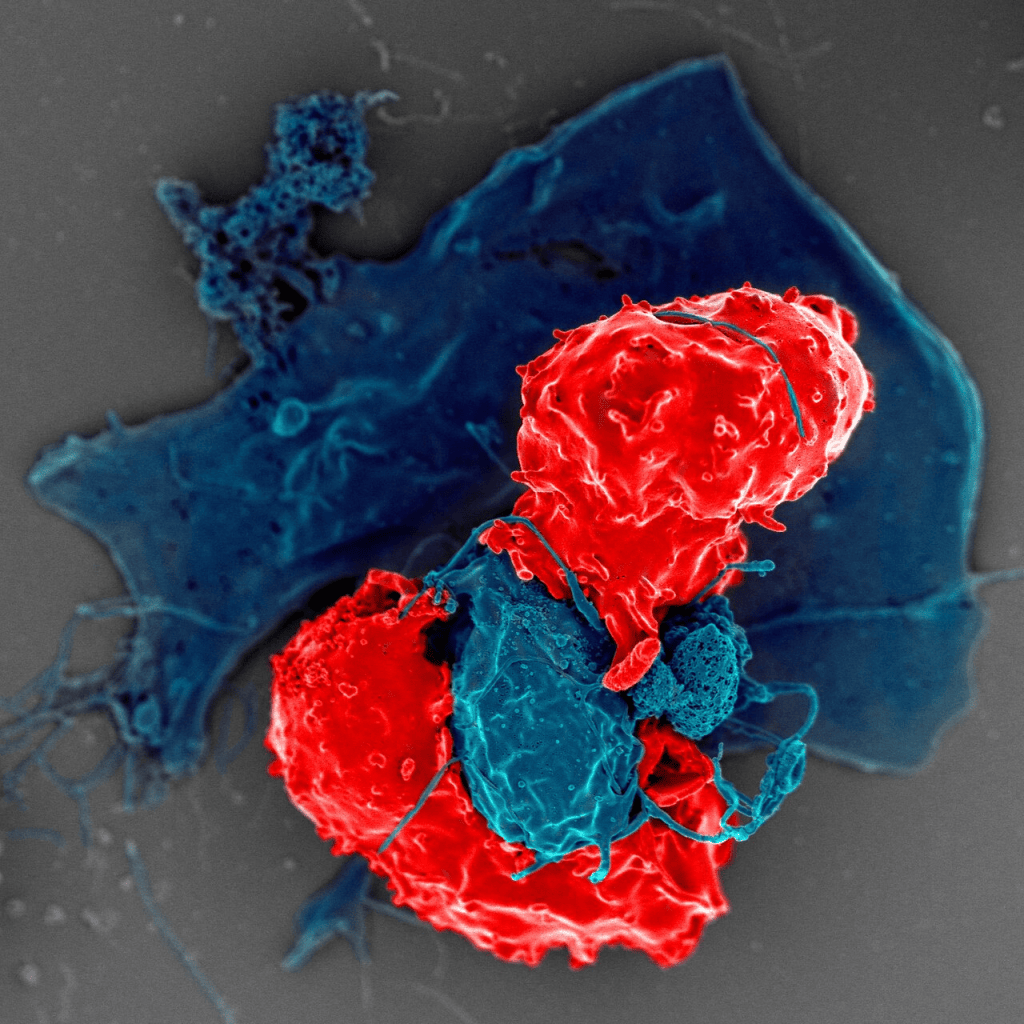
Scientists Figured Out How the Immune System Stops Attacking Us
The 2025 Nobel Prize in Medicine recognized discoveries about regulatory T cells, which help prevent autoimmune attacks. Researchers hope this knowledge will lead to more targeted treatments.
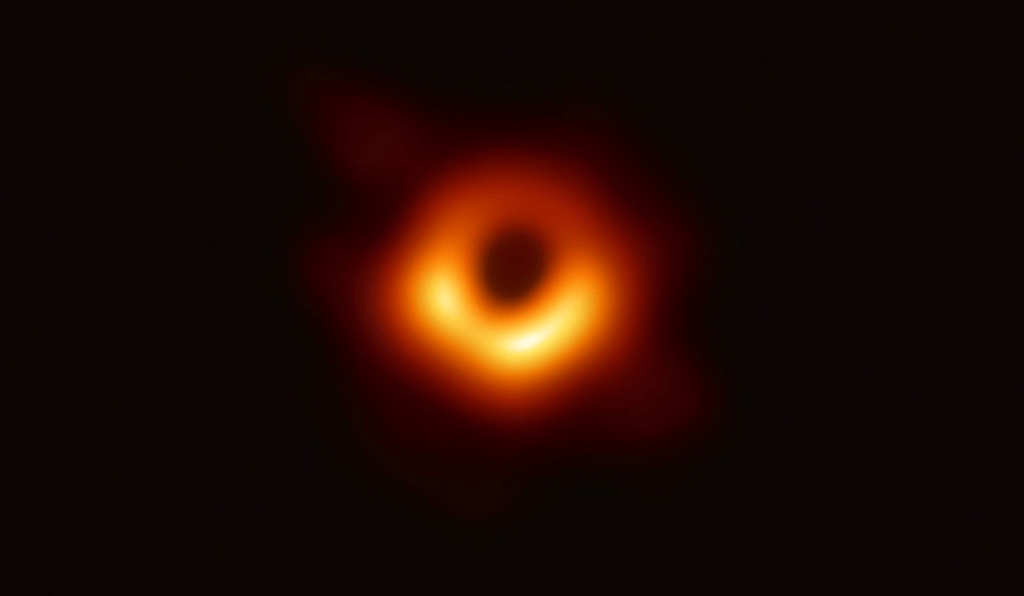
We Can Actually Photograph a Black Hole
In 2019, astronomers revealed the first image of a black hole’s shadow, captured using radio telescopes around the world. The object sits 55 million light-years away.
Gene Therapy Has Changed Spinal Muscular Atrophy Treatment
Spinal muscular atrophy once had devastating outcomes for many infants. Gene therapies now address its genetic cause, dramatically improving prospects for some patients, particularly when treatment begins early.
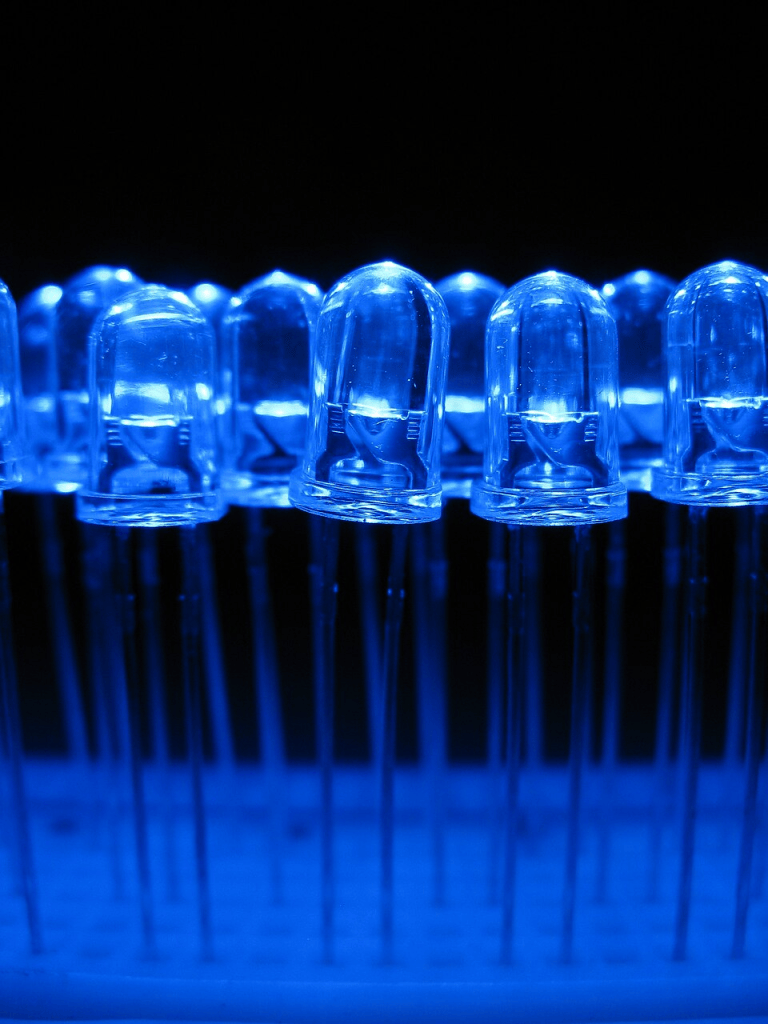
The Invention of Blue LEDs Changed Everyday Lighting
Efficient blue LEDs were a stubborn engineering problem until researchers cracked it in the 1990s. Their work made modern energy-saving white LED lighting possible.
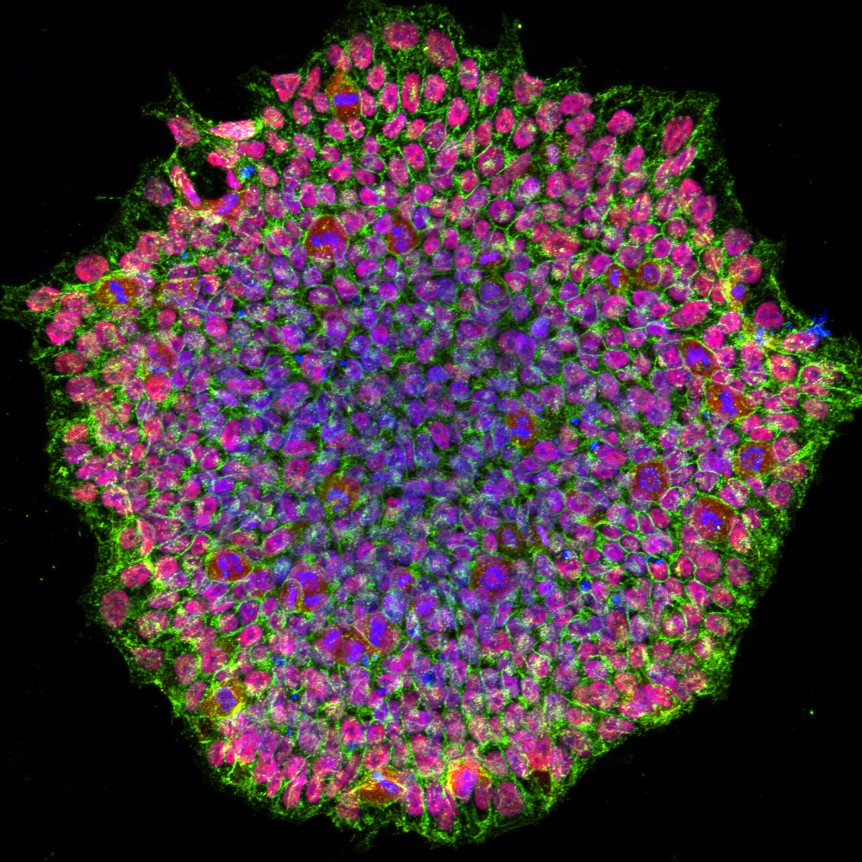
Scientists Can Turn Skin Cells Back Into Stem Cells
Researchers discovered how to reprogram mature cells into a stem-cell-like state. These cells can then develop into different cell types, opening new possibilities for studying diseases.
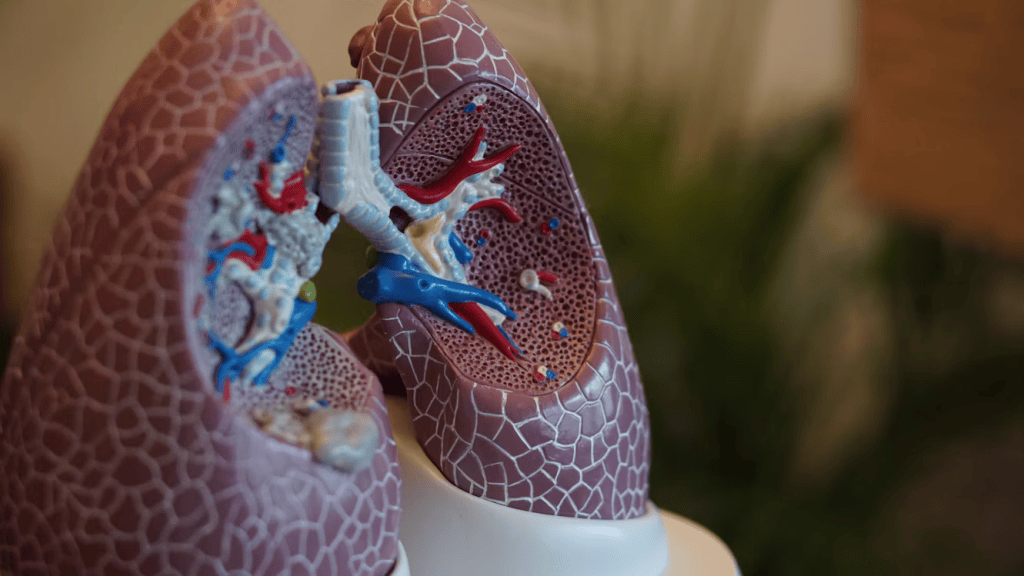
Cystic Fibrosis Treatments Have Changed Life Expectancy
New medicines called CFTR modulators have transformed cystic fibrosis care for eligible patients. Recent US registry estimates predict a median survival age of at least 65 for children born between 2020 and 2024.

AI Can Predict Millions of Protein Structures
AlphaFold helped scientists predict the three-dimensional shapes of proteins. Its public database expanded to more than 200 million predicted structures, giving researchers an extraordinary resource.
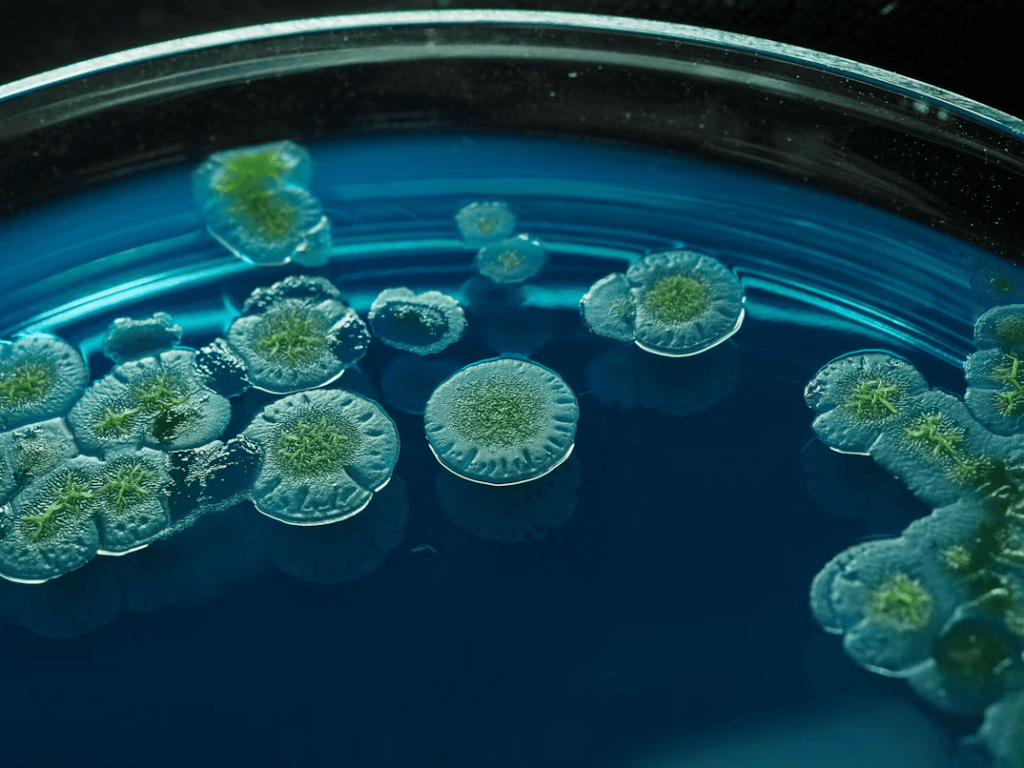
Some Viruses Are Bigger Than Bacteria
The discovery of giant viruses challenged the assumption that viruses must be extraordinarily tiny. Some have enormous genomes and can even be observed with ordinary light microscopes.
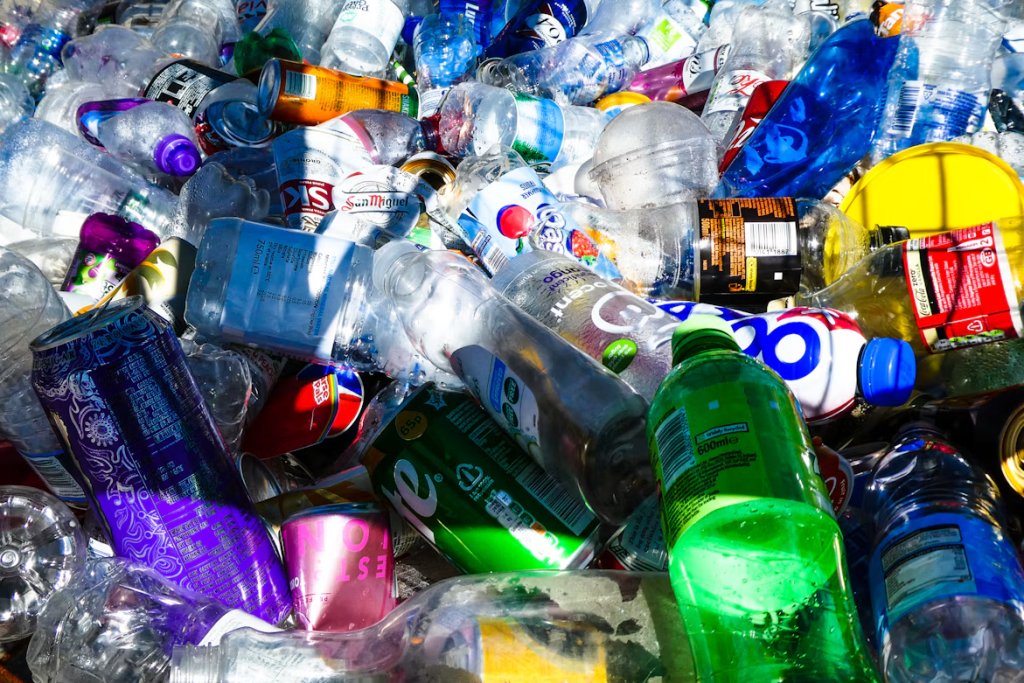
Scientists Are Developing Enzymes That Break Down Plastic
Researchers have identified and improved enzymes capable of breaking down PET plastic. The technology could help recycling, although making it economical on an industrial scale remains a challenge.
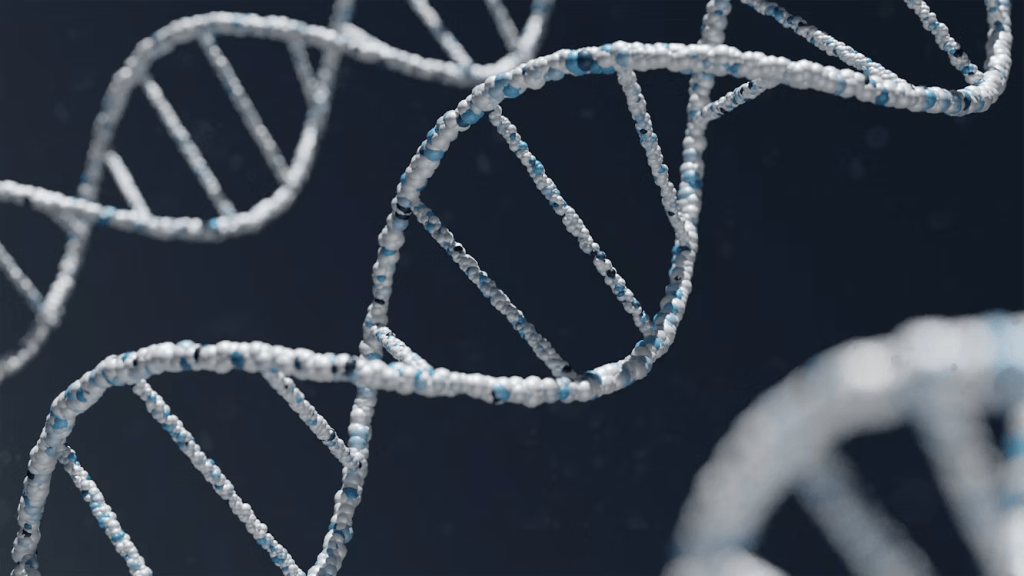
Ancient DNA Can Reveal Our Extinct Relatives
Scientists recovered genetic material from ancient human remains, eventually sequencing the Neanderthal genome. The work also helped identify Denisovans, an extinct group previously unknown to science.
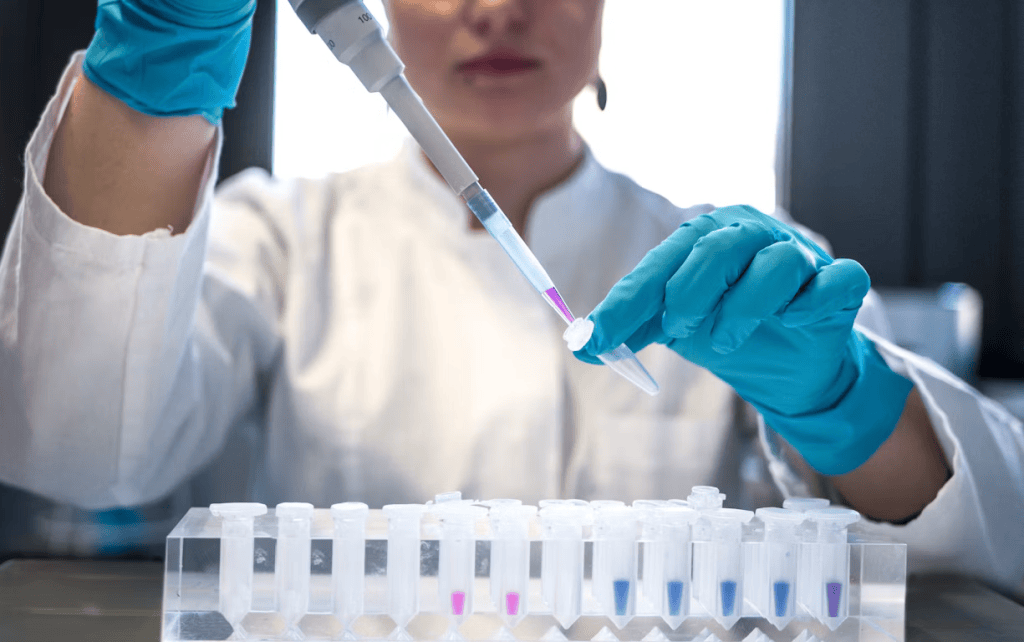
Gene Editing Has Already Reached Patients
CRISPR allows scientists to make targeted changes to DNA. In 2023, US regulators approved the first CRISPR-based treatment for sickle cell disease, bringing the technology into clinical use.
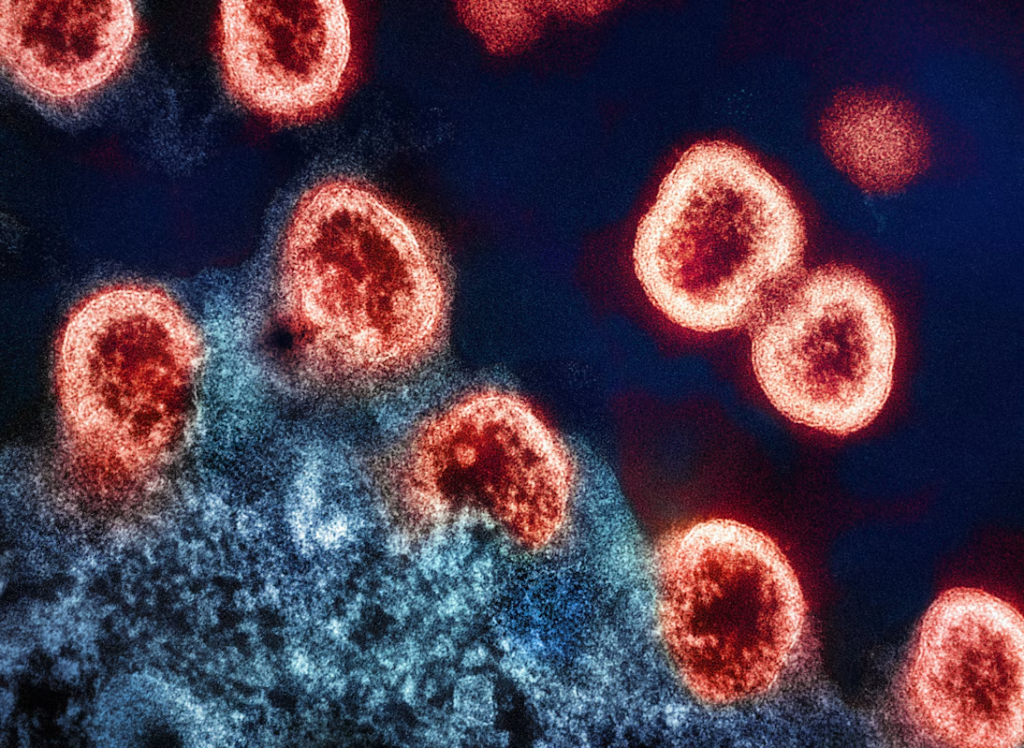
HIV Treatment Can Prevent Sexual Transmission
Modern antiretroviral treatment can reduce HIV to undetectable levels. People who maintain an undetectable viral load have zero risk of sexually transmitting the virus to their partners.
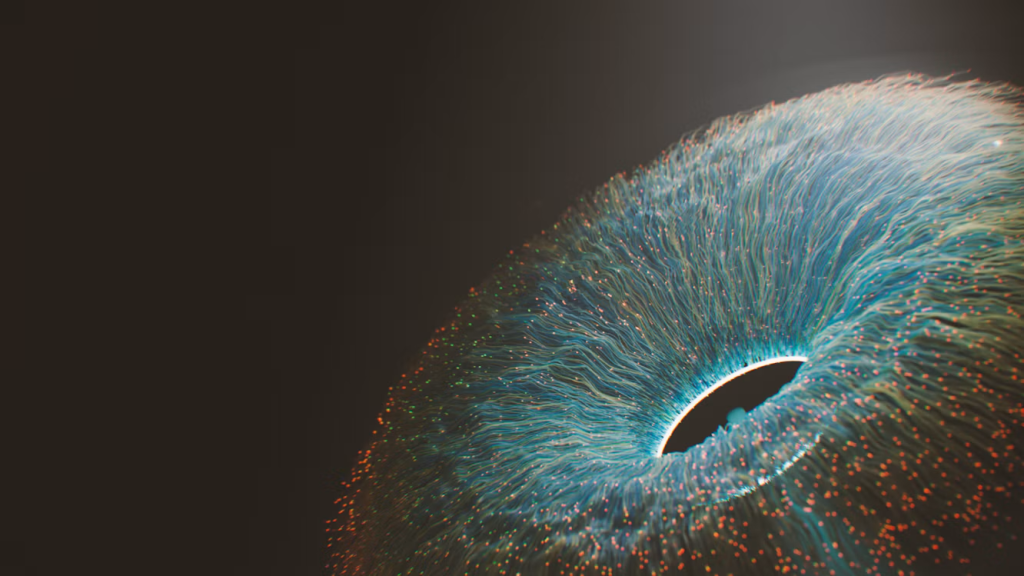
Researchers Are Printing Human Corneal Tissue
Scientists have used 3D bioprinting to create experimental corneal structures containing human cells. The research could eventually help address shortages of donor tissue for eye transplants.
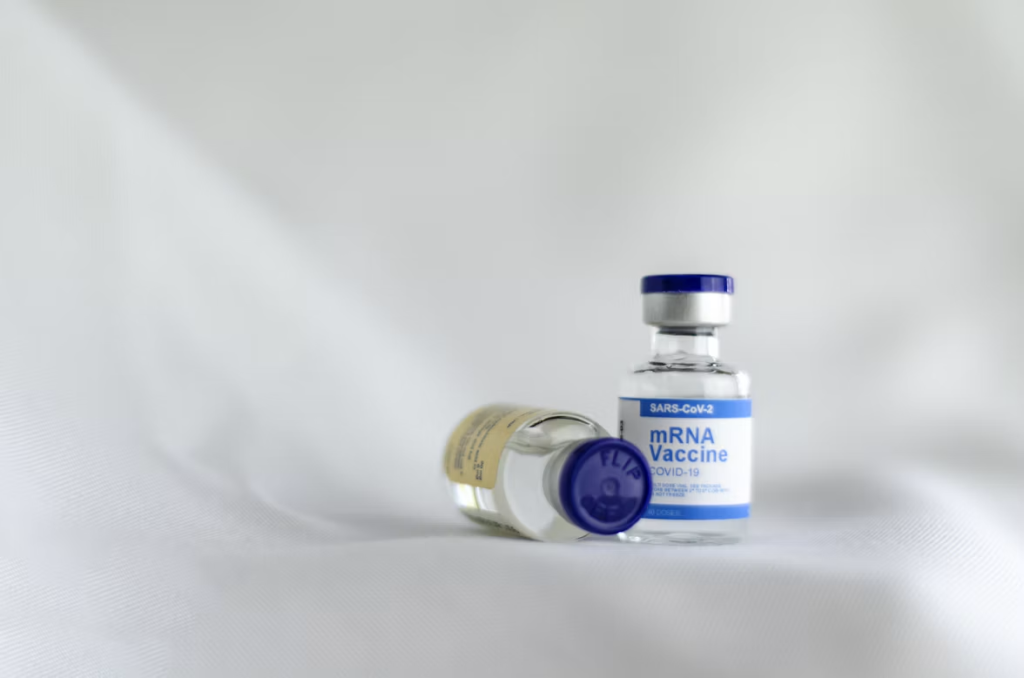
mRNA Research Made a New Kind of Vaccine Possible
Research into modified messenger RNA helped make effective COVID-19 vaccines possible. Katalin Karikó and Drew Weissman received the 2023 Nobel Prize in Medicine for the discoveries behind them.
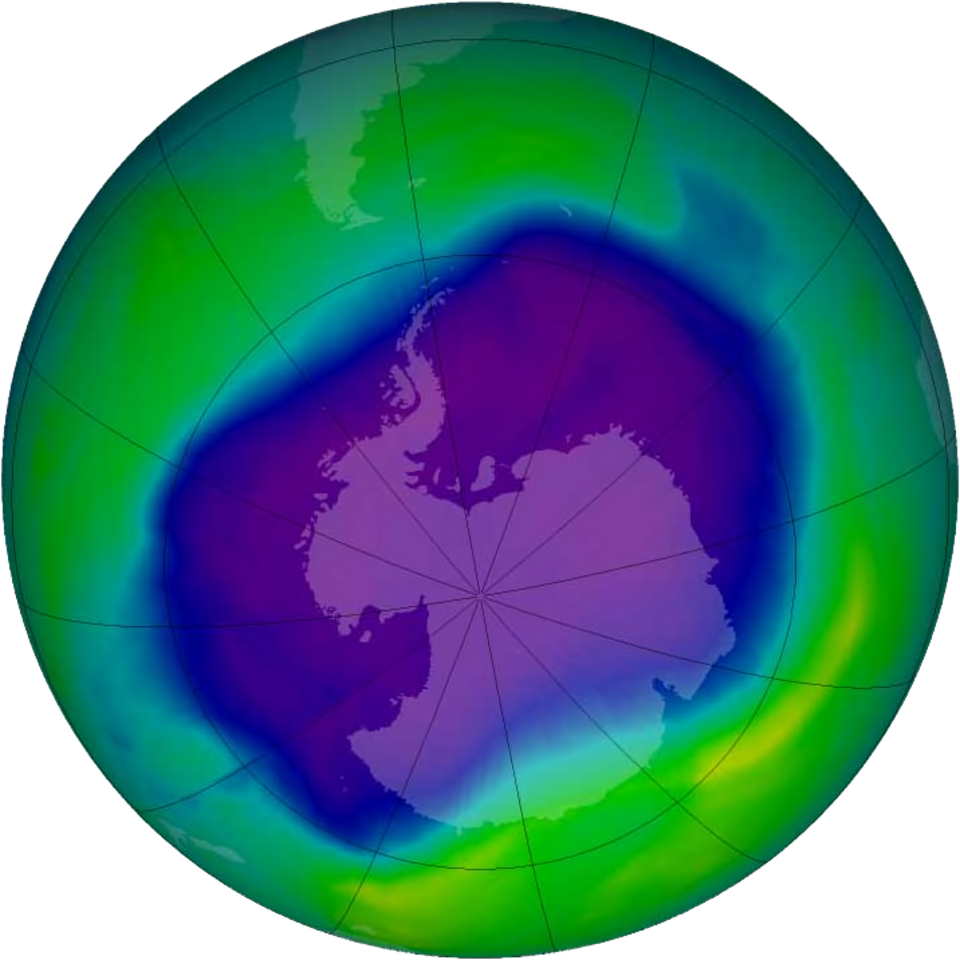
The Ozone Layer Is Recovering
Scientists have found evidence that the ozone layer is recovering following international restrictions on damaging chemicals. Current projections put a return to 1980 levels around 2040 for most of the globe.