15 Real Diseases That Sound Taken From A Horror Movie


Medical science has given names to thousands of diseases, and some of them sound more like supernatural curses than real diagnoses. With their strange qualities ranging from bizarre symptoms to horrifying conditions, these conditions could easily be mistaken for something dreamed up by a horror writer.
These diseases we’ve found are all, unfortunately, very real and well documented. From flesh-eating infections to fatal insomnia, these diseases remind us that reality can often be far more disturbing than fiction. After all, it is the real world that inspires the most chilling tales.

Fatal Familial Insomnia
This extremely rare inherited prion disease gradually destroys the brain’s ability to sleep. As insomnia worsens over months, patients develop hallucinations, dementia, and loss of motor control before the condition ultimately proves fatal.
Necrotizing Fasciitis
Often called the “flesh-eating disease,” necrotizing fasciitis is a rapidly spreading bacterial infection that destroys soft tissue. It requires immediate treatment, often including emergency surgery, to prevent life-threatening complications.

Kuru
Once found among the Fore people of Papua New Guinea, Kuru is a fatal prion disease spread through ritual cannibalism. Victims develop tremors, loss of coordination, uncontrolled laughter, and progressive neurological decline.

Fibrodysplasia Ossificans Progressiva
Known as FOP, this extraordinarily rare genetic disorder causes muscles, tendons, and ligaments to gradually turn into bone. Over time, the body forms a second skeleton that severely restricts movement.

Rabies
Few diseases are as terrifying as rabies once symptoms appear. The viral infection attacks the brain, causing agitation, hallucinations, paralysis, and the classic fear of water. Without treatment before symptoms begin, it is almost always fatal.

Creutzfeldt-Jakob Disease
This rapidly progressive prion disease destroys brain tissue, leading to memory loss, personality changes, involuntary movements, and severe dementia. Most patients die within a year after symptoms first become noticeable.

Noma
Noma is a devastating bacterial disease that primarily affects severely malnourished children. It rapidly destroys tissue in the mouth and face, leaving survivors with life-altering injuries if they receive treatment in time.

Epidermodysplasia Verruciformis
Sometimes nicknamed “tree man syndrome,” this rare genetic disorder makes patients unusually susceptible to certain strains of human papillomavirus. Extensive wart-like growths can resemble bark on the hands and feet.

Alice in Wonderland Syndrome
This rare neurological condition alters perception, causing people to temporarily see objects or even their own bodies as dramatically larger or smaller than they really are. It is often associated with migraines or viral infections.

Locked-In Syndrome
Patients with locked-in syndrome remain fully conscious but lose nearly all voluntary muscle control due to brainstem damage. Many can communicate only through eye movements despite retaining normal awareness and cognitive function.

Progeria
Hutchinson-Gilford Progeria Syndrome is a rare genetic condition that causes children to age rapidly. Although intelligence remains unaffected, the disease dramatically shortens life expectancy because of accelerated cardiovascular disease.

Sleeping Sickness
Human African trypanosomiasis, better known as sleeping sickness, is caused by parasites transmitted by tsetse flies. As the disease progresses, it disrupts sleep cycles, affects the brain, and becomes fatal without treatment.
Bubonic Plague
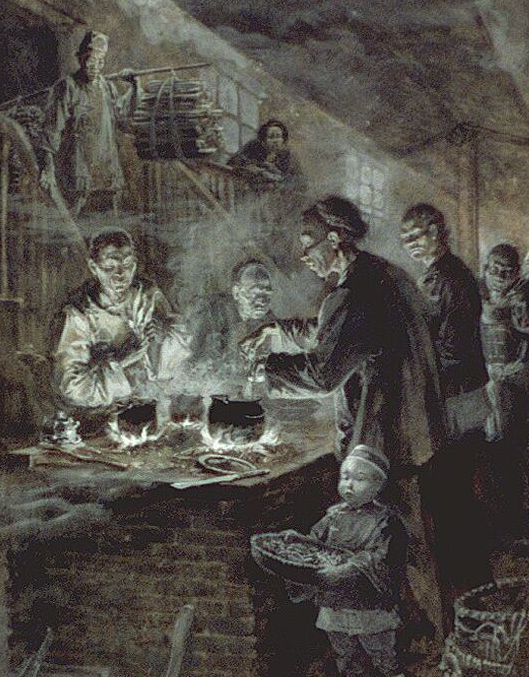
Caused by the bacterium Yersinia pestis, bubonic plague produces painful swollen lymph nodes called buboes. Although infamous for the Black Death, modern antibiotics make it treatable when diagnosed early.

Harlequin Ichthyosis
This rare genetic disorder causes babies to be born with thick, plate-like scales separated by deep cracks in the skin. Advances in neonatal care have greatly improved survival, though lifelong treatment remains necessary.

Naegleria fowleri Infection
Sometimes called the “brain-eating amoeba,” Naegleria fowleri can enter the body through the nose while swimming in warm freshwater. It causes primary amoebic meningoencephalitis, a rare infection with an extremely high fatality rate.