15 Random Photos That Hopefully Help You Learn Something

You can learn some pretty strange things just by looking at photographs. A rock in the desert might have moved hundreds of feet without anyone touching it. An ordinary-looking piece of bronze could turn out to be part of a 2,000-year-old machine. And somewhere underwater, an octopus is carrying around a shell in case it needs somewhere to hide. None of these things have much in common, which is probably the best part. There’s no particular subject to study here, and you don’t need to remember any of it afterward. But the next time someone mentions a weird animal or an unusual place, you might have something to add. Here are 15 random photos with something interesting behind them.
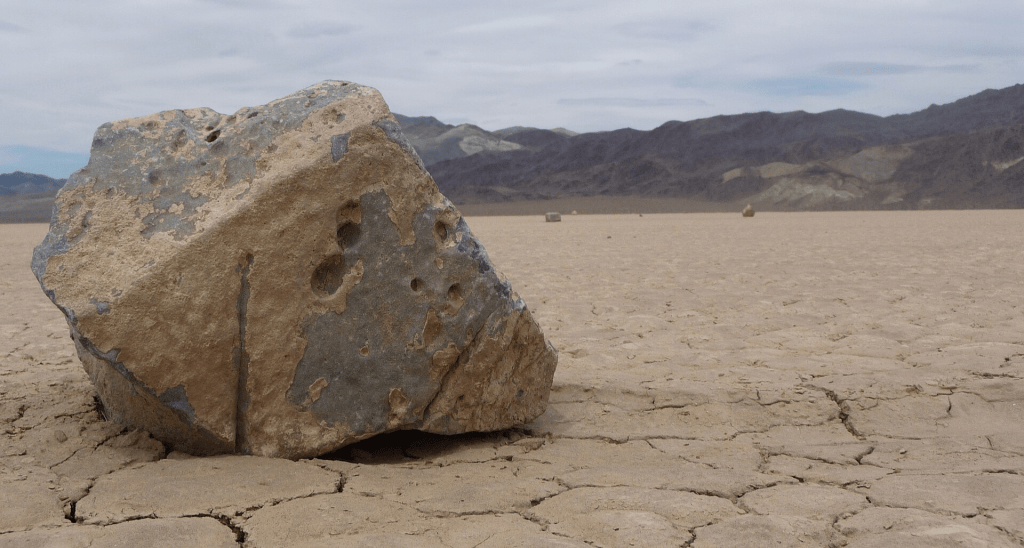
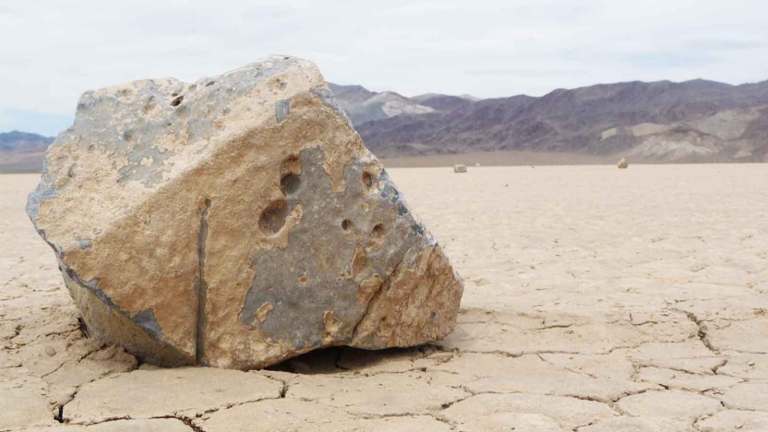
The Rocks That Move Across the Desert
Rocks at California’s Racetrack Playa leave long trails in the dry mud. Scientists discovered that thin sheets of ice, pushed by wind, can move them across the surface.
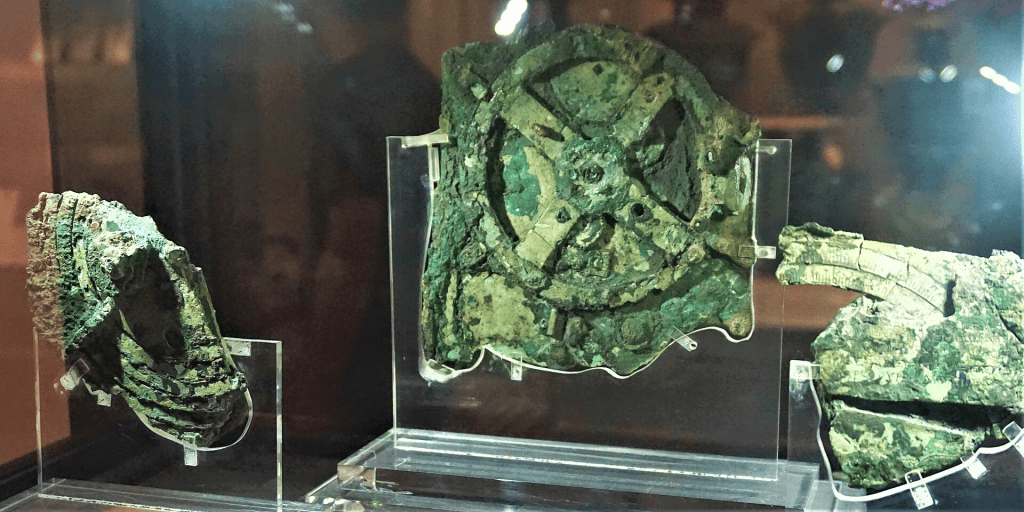
A 2,000-Year-Old Greek Computer
These corroded bronze fragments belong to the Antikythera mechanism, an ancient Greek device with interlocking gears used to calculate astronomical cycles and predict eclipses.
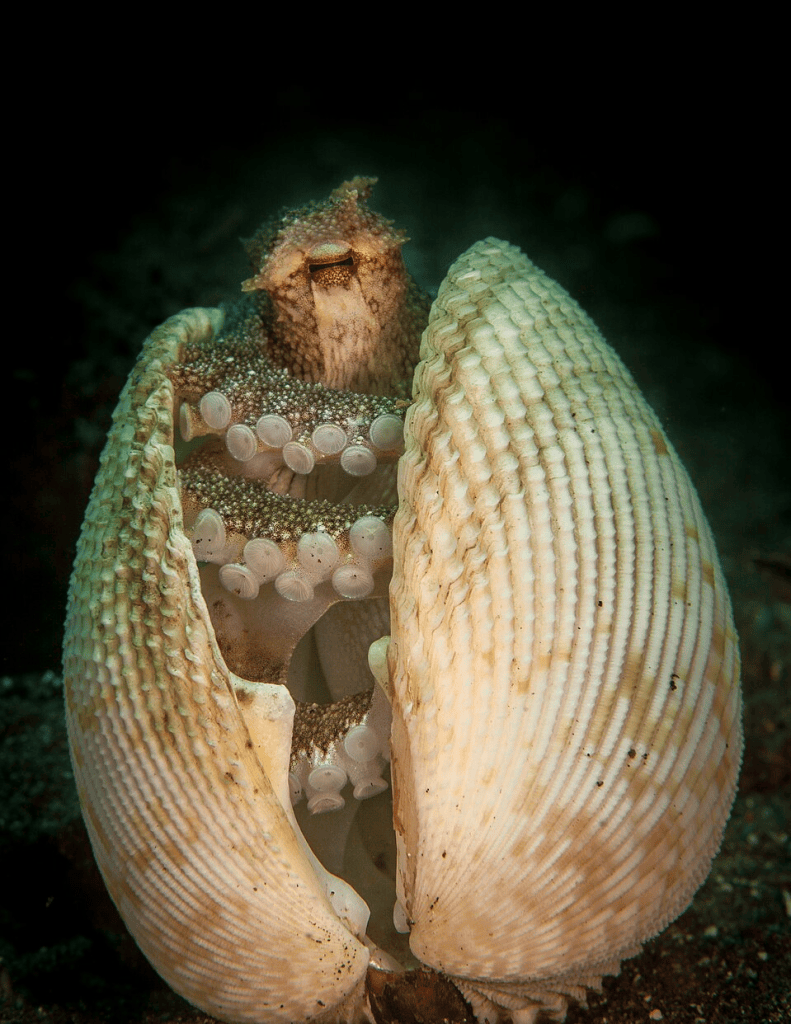
An Octopus With Its Own Portable Shelter
This coconut octopus is hiding inside a shell. The species is known for collecting shells and even carrying coconut halves across the seafloor to use as protection.
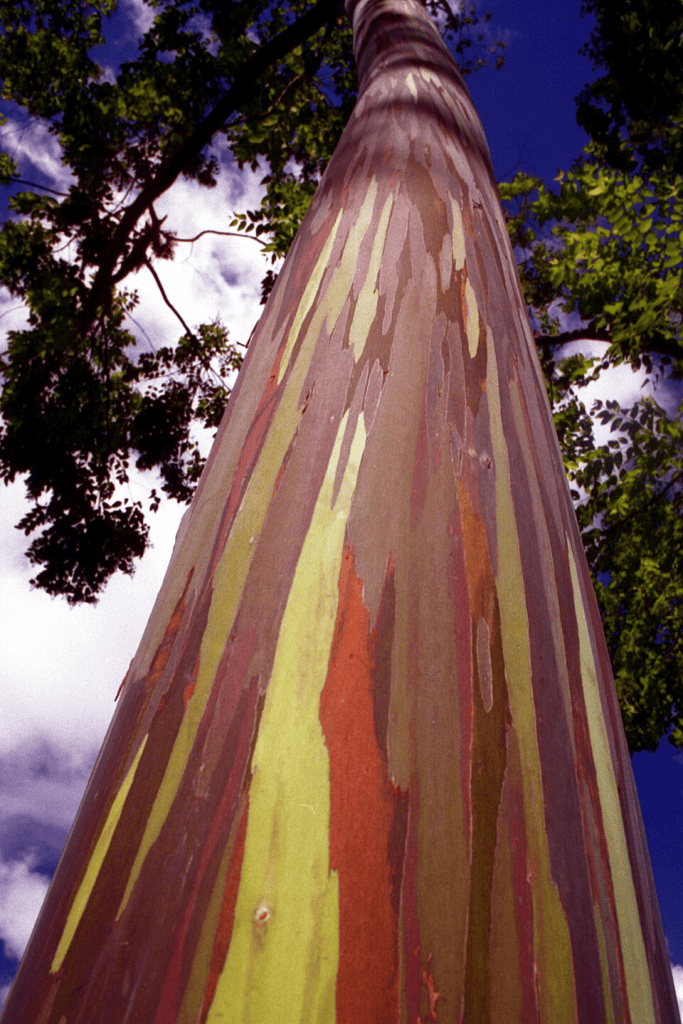
A Tree With Rainbow-Colored Bark
Rainbow eucalyptus trees develop colorful trunks as their outer bark peels away. Newly exposed sections start green, then change color as the bark ages.
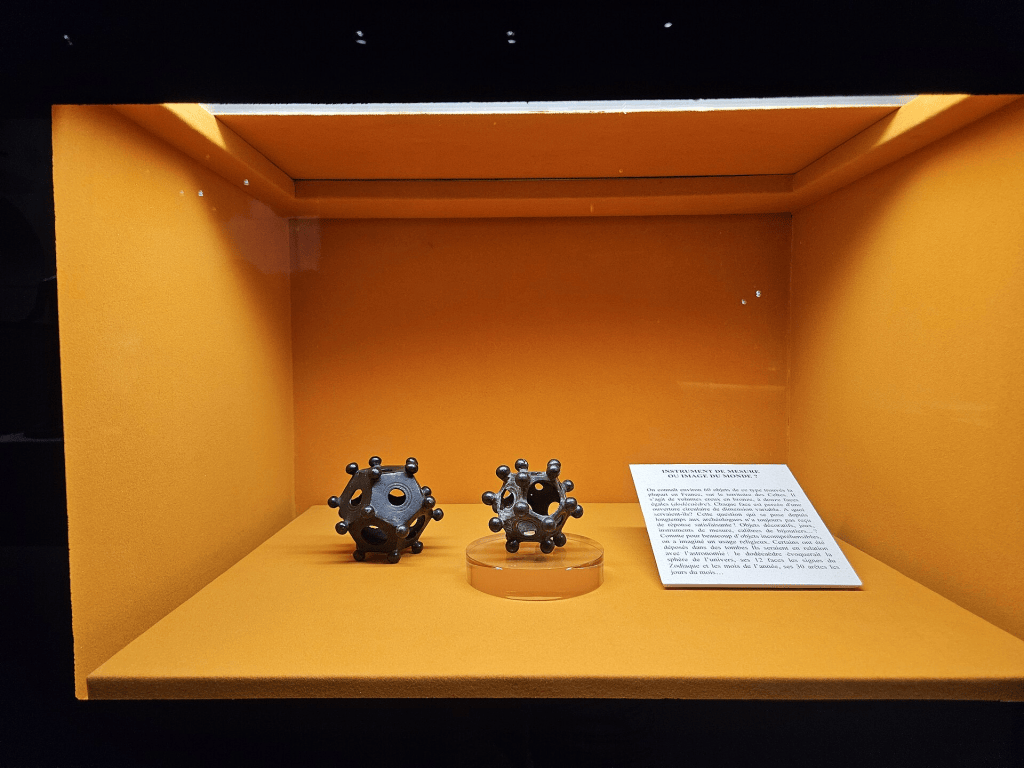
The Roman Object Nobody Can Explain
Roman dodecahedrons have twelve faces, circular openings, and small knobs at their corners. Archaeologists have found many examples, but their original purpose remains uncertain.
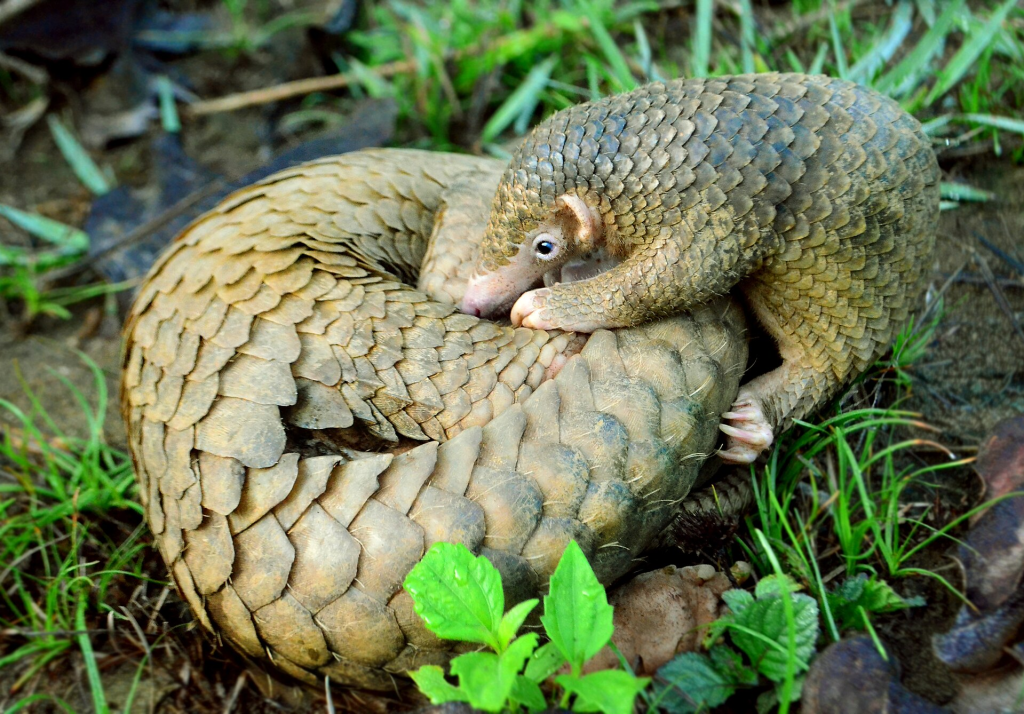
A Mother Pangolin Curled Into a Ball
A young Philippine pangolin nudges its mother, who has curled into a protective ball. Pangolins are mammals covered in keratin scales, the same protein found in human fingernails.
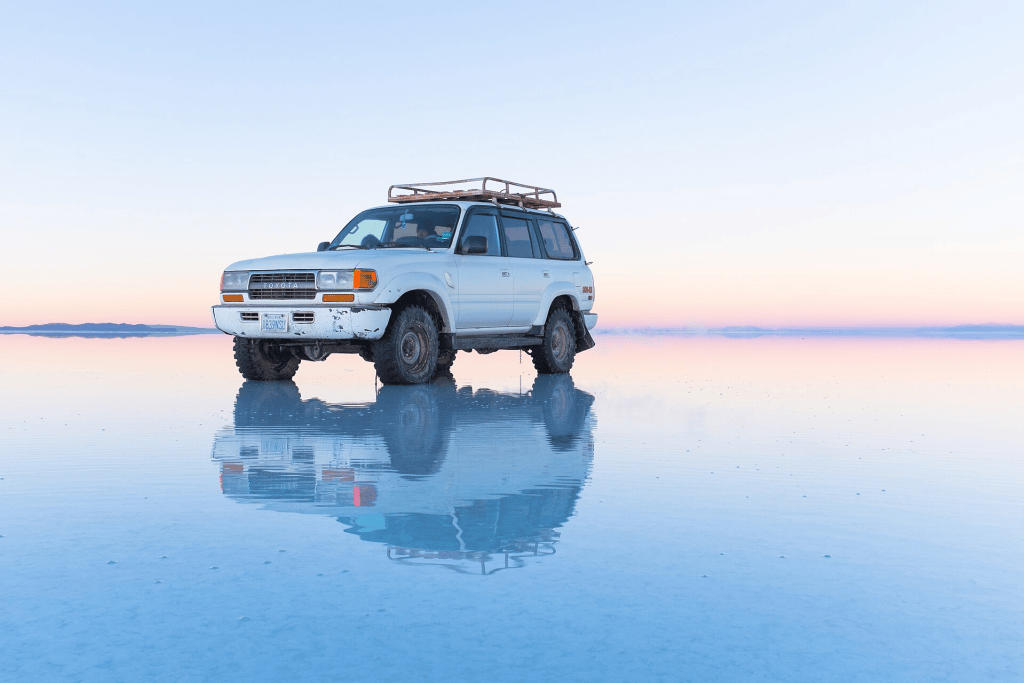
The Lake That Becomes a Giant Mirror
A thin layer of water turns Bolivia’s Salar de Uyuni into an enormous natural mirror. The reflected sky can make vehicles appear to be floating above the ground.
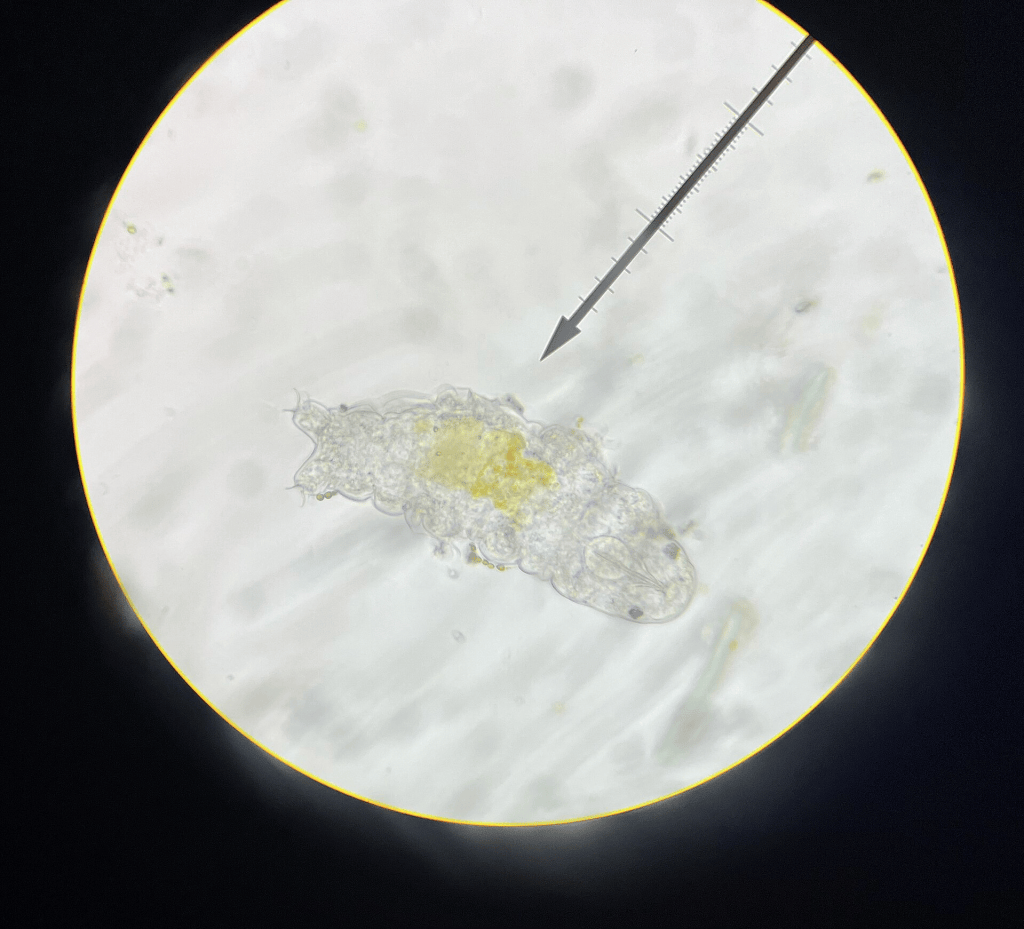
A Tiny Animal That Can Survive Extreme Conditions
This microscopic creature is a tardigrade, sometimes called a water bear. Some species can survive freezing, dehydration, and even exposure to the vacuum of space.
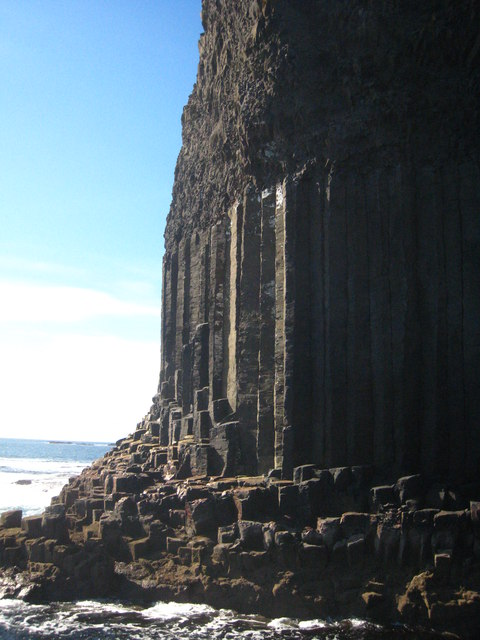
A Cave With Natural Stone Columns
Fingal’s Cave in Scotland has walls made of tall basalt columns. They formed as ancient lava cooled and contracted, cracking into remarkably regular geometric shapes.
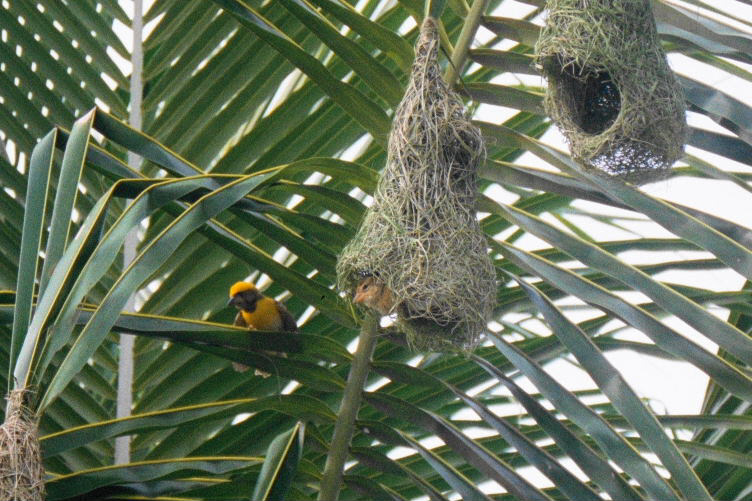
A Bird That Weaves Its Own House
A baya weaver sits beside its hanging nest, made from strips of grass. Male weavers build these elaborate structures, which females inspect before choosing a mate.
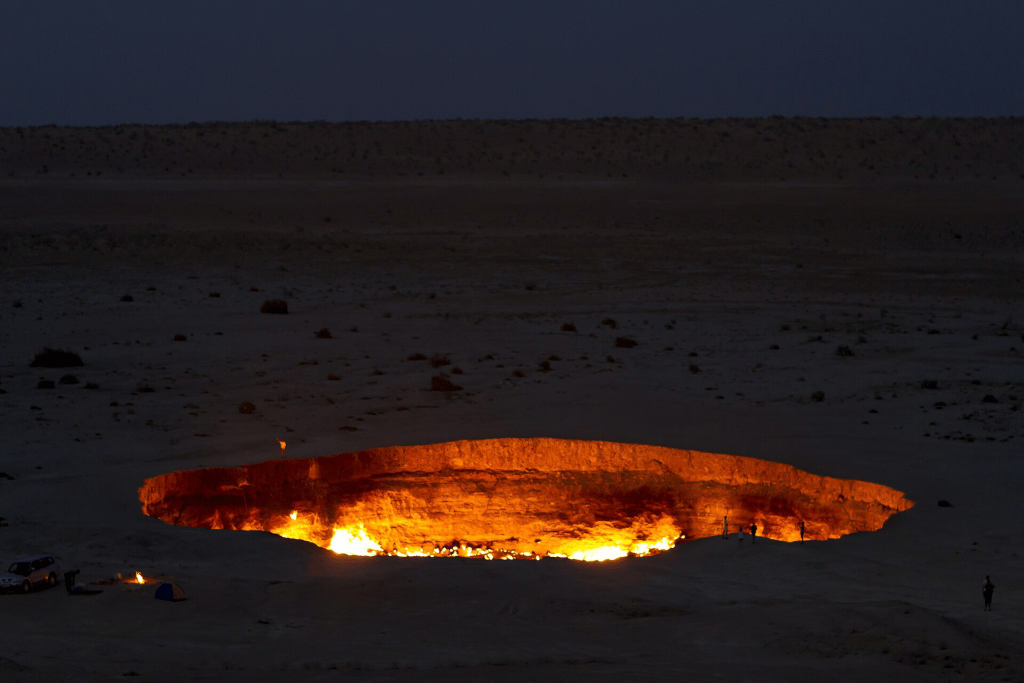
The Crater Nicknamed the Door to Hell
Turkmenistan’s Darvaza gas crater became famous for its burning natural gas. Photographs taken at night show flames illuminating the enormous hole in the desert.
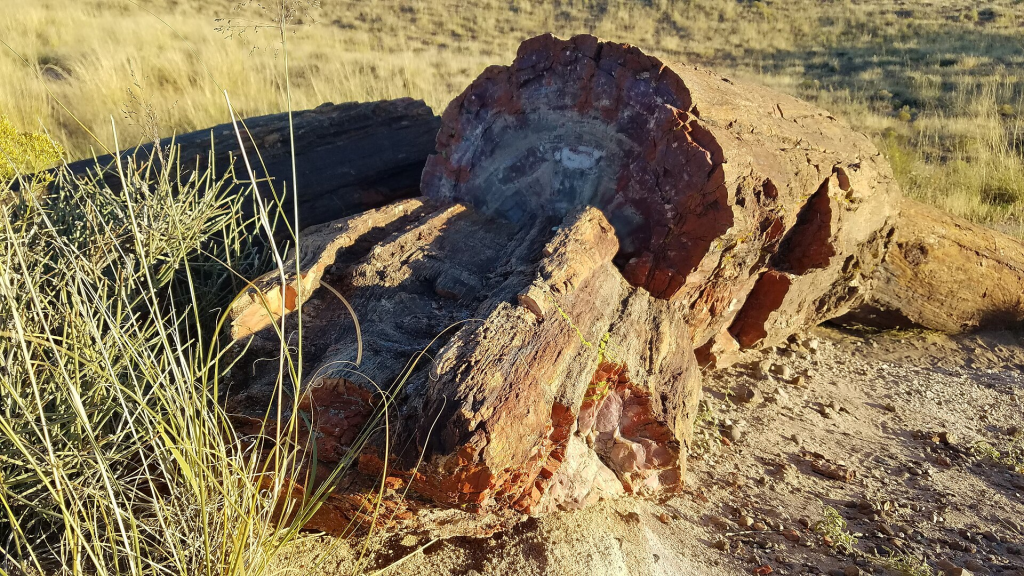
A Tree That Turned Into Stone
This log in Arizona’s Petrified Forest is actually fossilized wood. Minerals gradually replaced much of its original material, preserving the shape of a tree that lived millions of years ago.
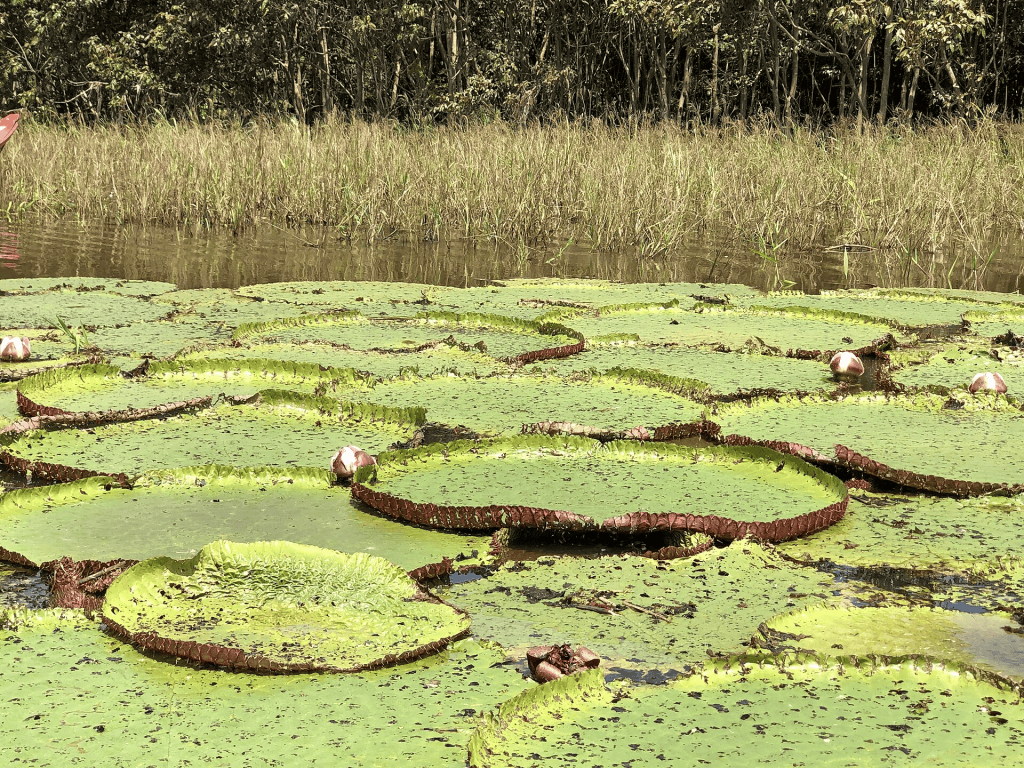
The Giant Lily Pads of the Amazon
These enormous floating leaves belong to the Amazon giant water lily. Mature leaves can reach several feet across, with raised edges that make them resemble shallow green trays.
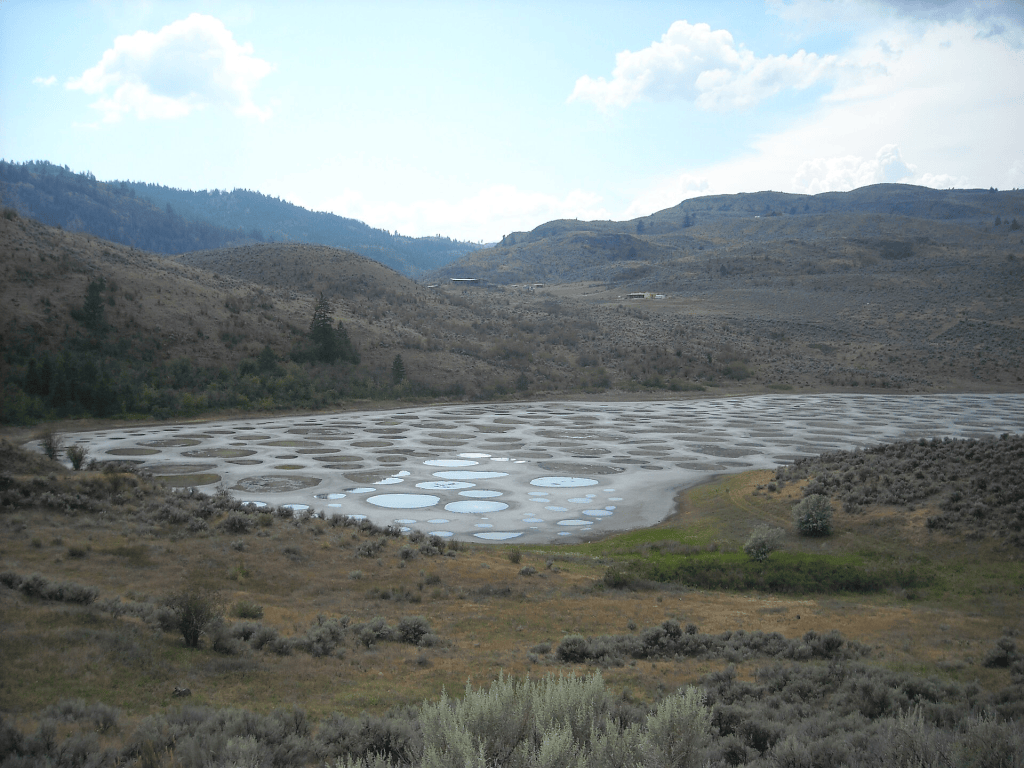
A Lake Covered in Strange Circles
Canada’s Spotted Lake develops colorful circular pools during the dry season. As water evaporates, concentrated minerals create the unusual pattern visible across its surface.
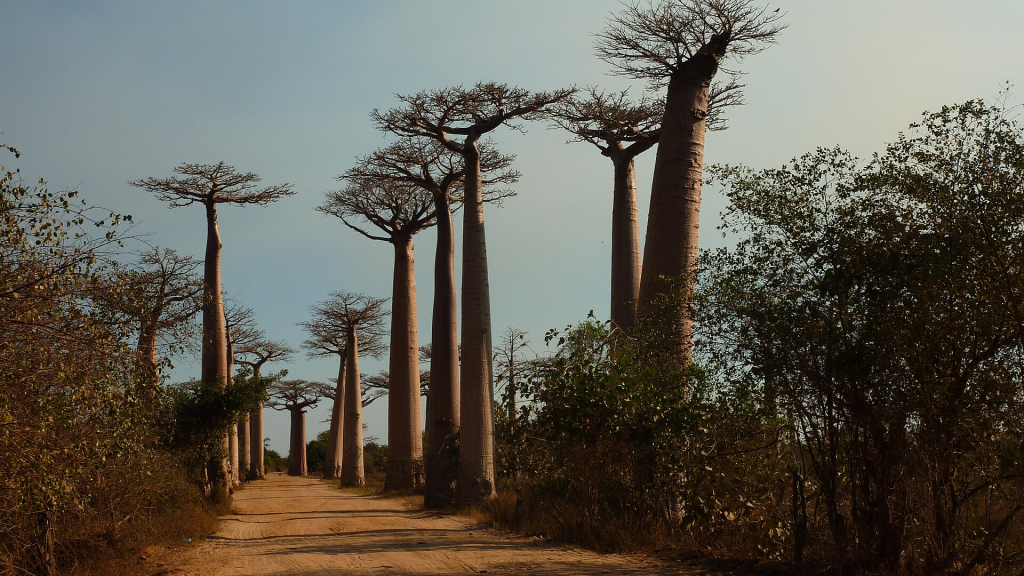
Madagascar’s Avenue of Giant Baobabs
These towering baobabs line a road near Morondava, Madagascar. Their enormous trunks store water, helping the trees survive long dry periods in their native environment.