15 Random Fun Facts to Put in Your Pot and Cook

Some facts are so strange that you have to stop for a second and wonder how nobody ever mentioned them before. The world is full of little details that sound made up, whether they involve animals, food, space, or the everyday objects sitting around your house. The best ones are easy to remember and even better to share when a conversation needs a little spark. You probably won’t need most of this information for anything practical, but that’s hardly the point. Think of these as fifteen curious little ingredients to toss into your mental pot and serve whenever the moment calls for them.
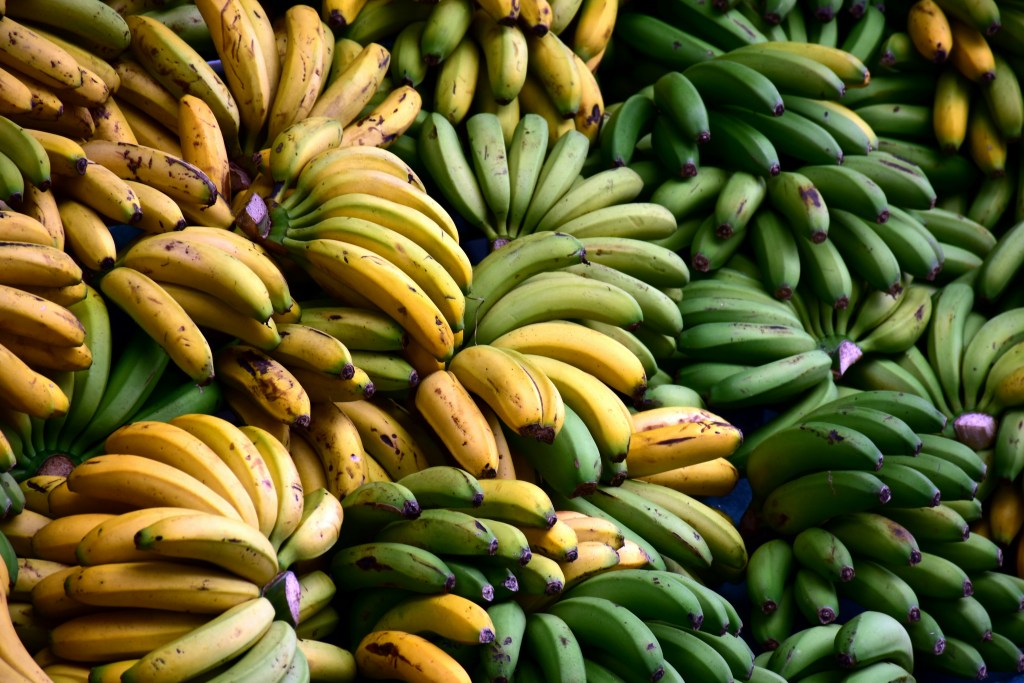
Bananas Are Berries, but Strawberries Aren’t
Botanically speaking, bananas qualify as berries because of how they develop from a flower’s ovary, while strawberries do not meet the botanical definition of a true berry.
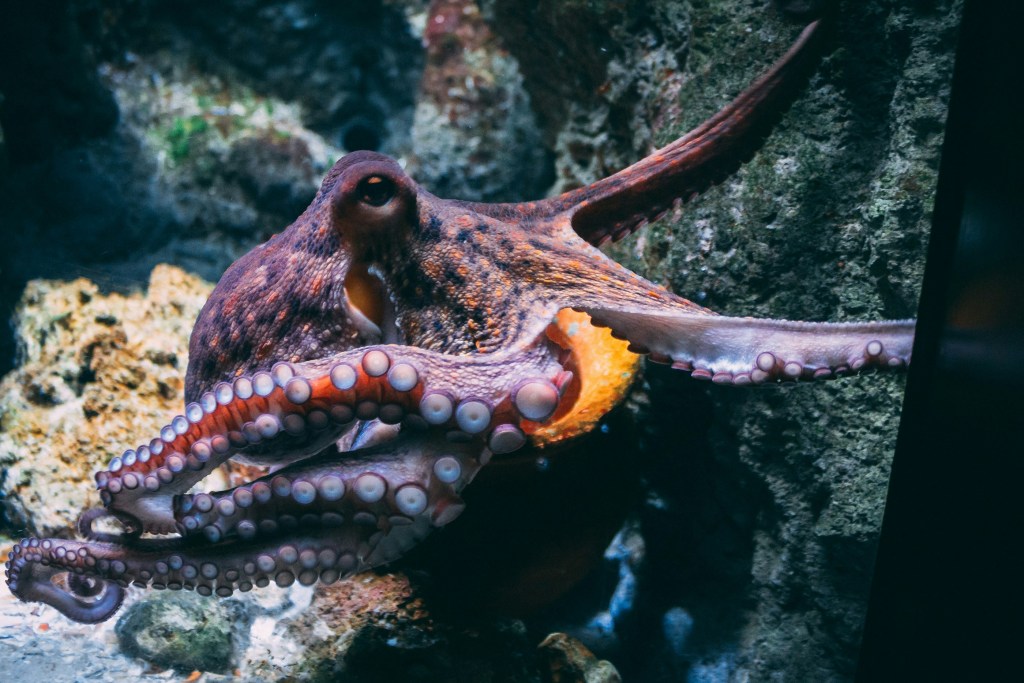
Octopuses Have Three Hearts
Two hearts pump blood toward the gills, while the third circulates it through the rest of the body, and the main systemic heart temporarily stops beating when an octopus swims.
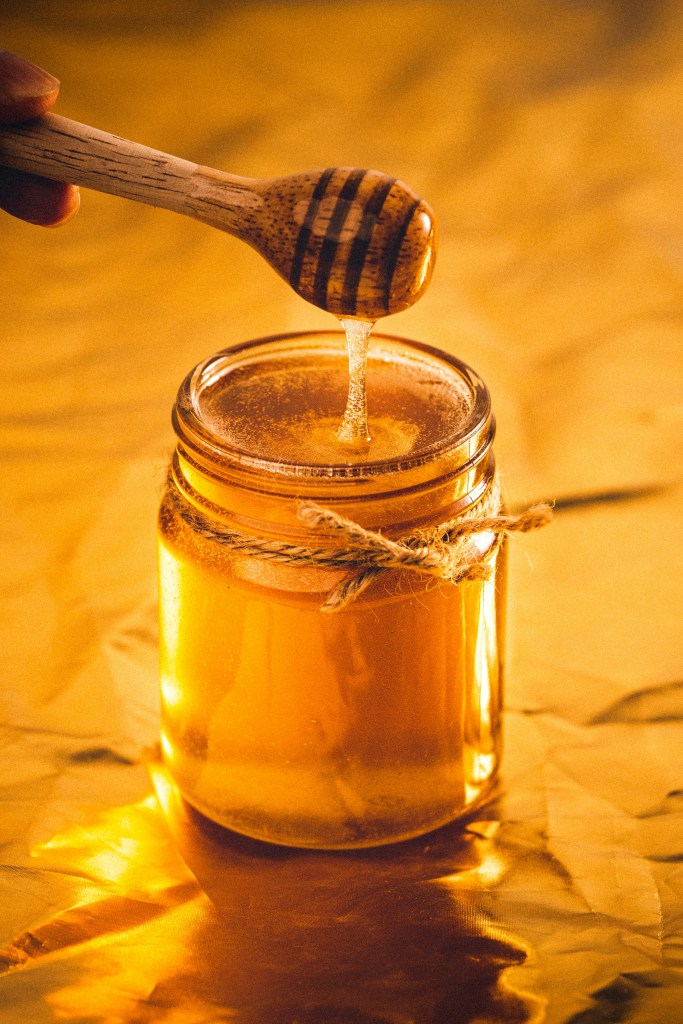
Honey Can Last for Thousands of Years
Archaeologists have discovered ancient honey in Egyptian tombs, and its low moisture content and acidity help prevent many microorganisms from growing when it is properly stored.
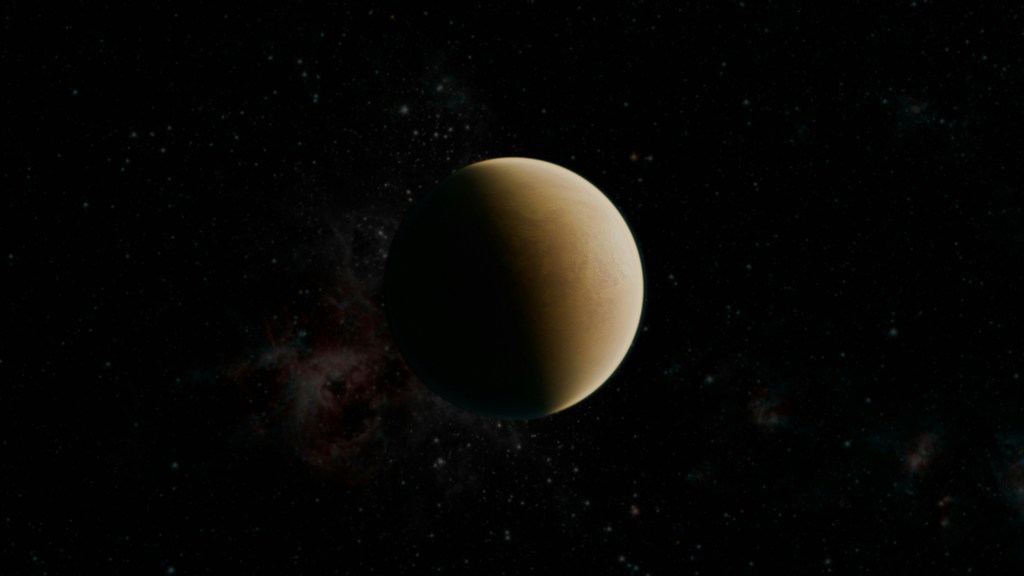
A Day on Venus Is Longer Than Its Year
Venus takes about 243 Earth days to rotate once on its axis, while it completes an orbit around the Sun in approximately 225 Earth days.
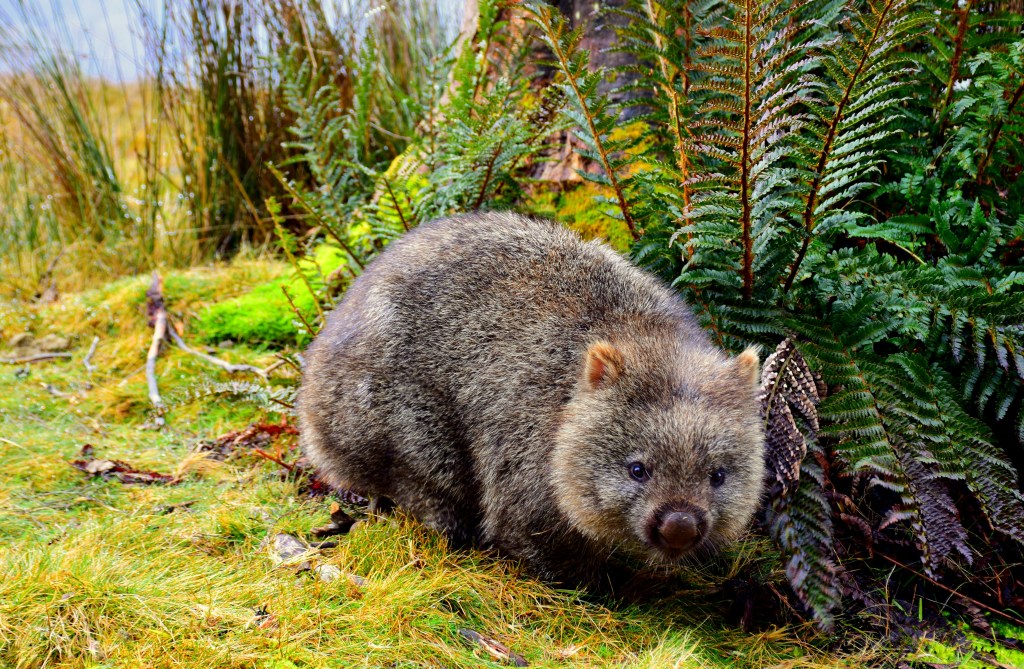
Wombats Produce Cube Shaped Poop
Wombats have unusually elastic sections of intestine that help shape their droppings into cubes, which can make the waste less likely to roll away when used to mark territory.
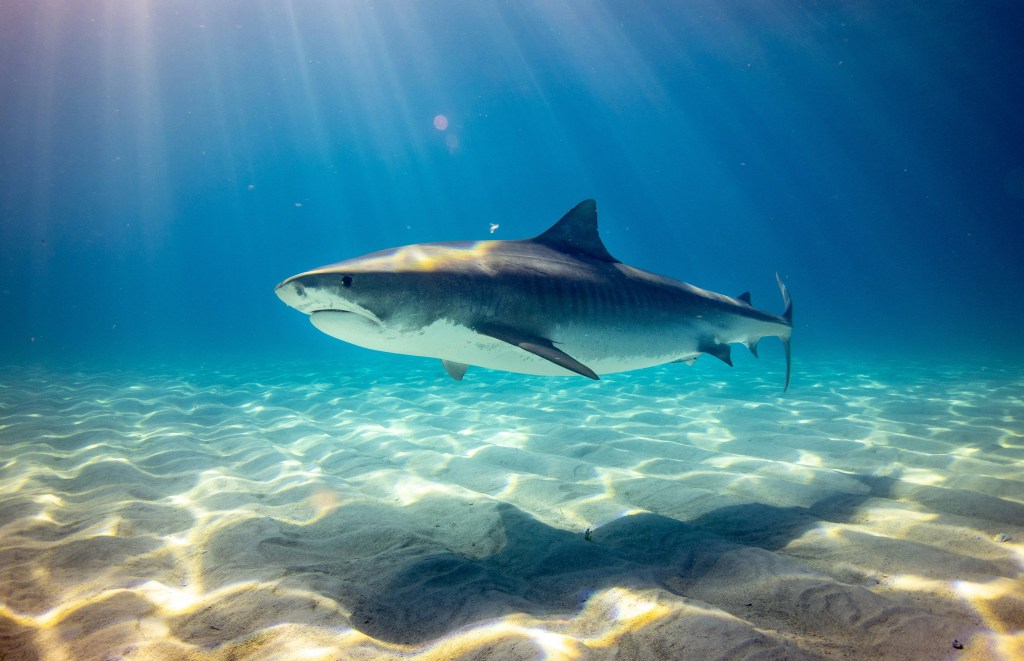
Sharks Existed Before Trees
Sharks have an evolutionary history stretching back more than 400 million years, while the earliest trees appeared roughly 385 million years ago.

The Eiffel Tower Gets Taller in Summer
The iron structure expands when temperatures rise, causing the tower to grow by several centimeters during hot weather and shrink again when it cools.
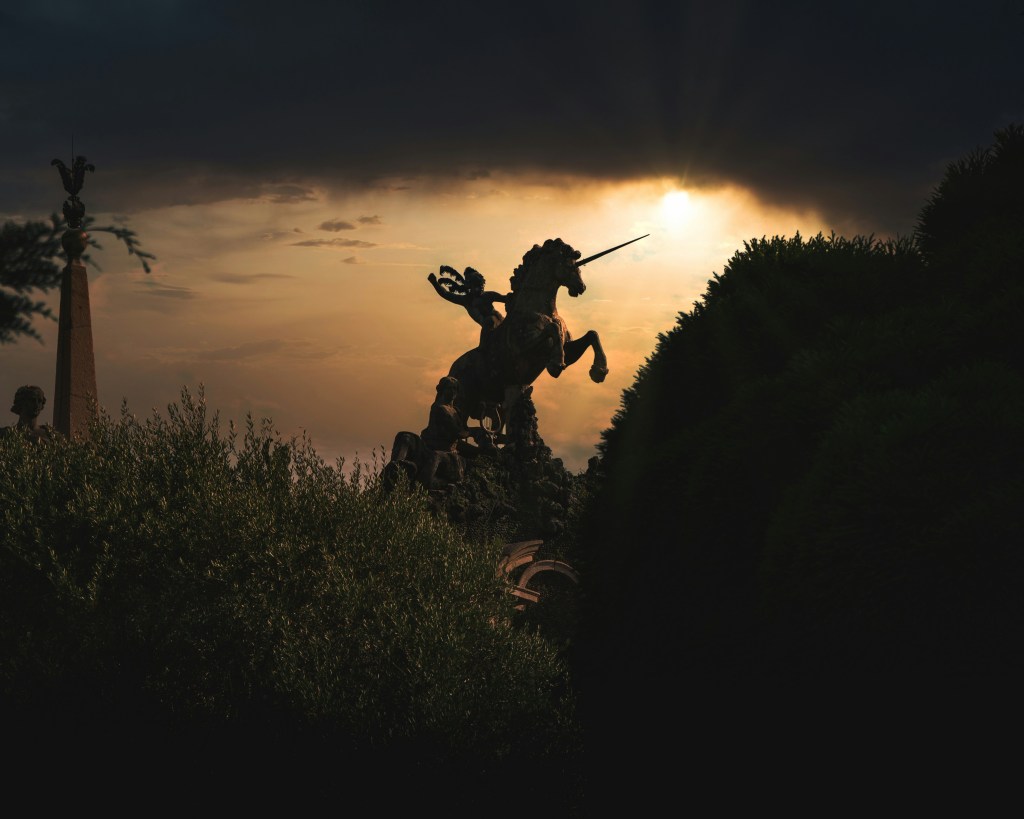
Scotland’s National Animal Is the Unicorn
The unicorn has appeared in Scottish heraldry for centuries and represents qualities such as strength, purity, and independence.
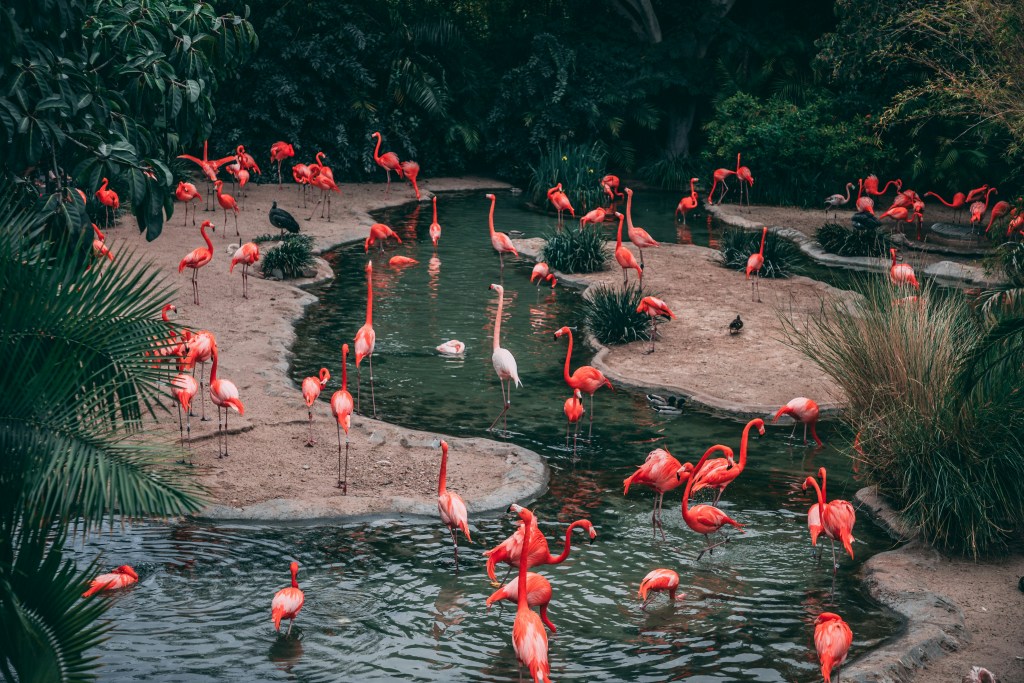
A Group of Flamingos Is Called a Flamboyance
The collective noun for flamingos is a flamboyance, a particularly fitting name for a group of bright pink birds gathered together.
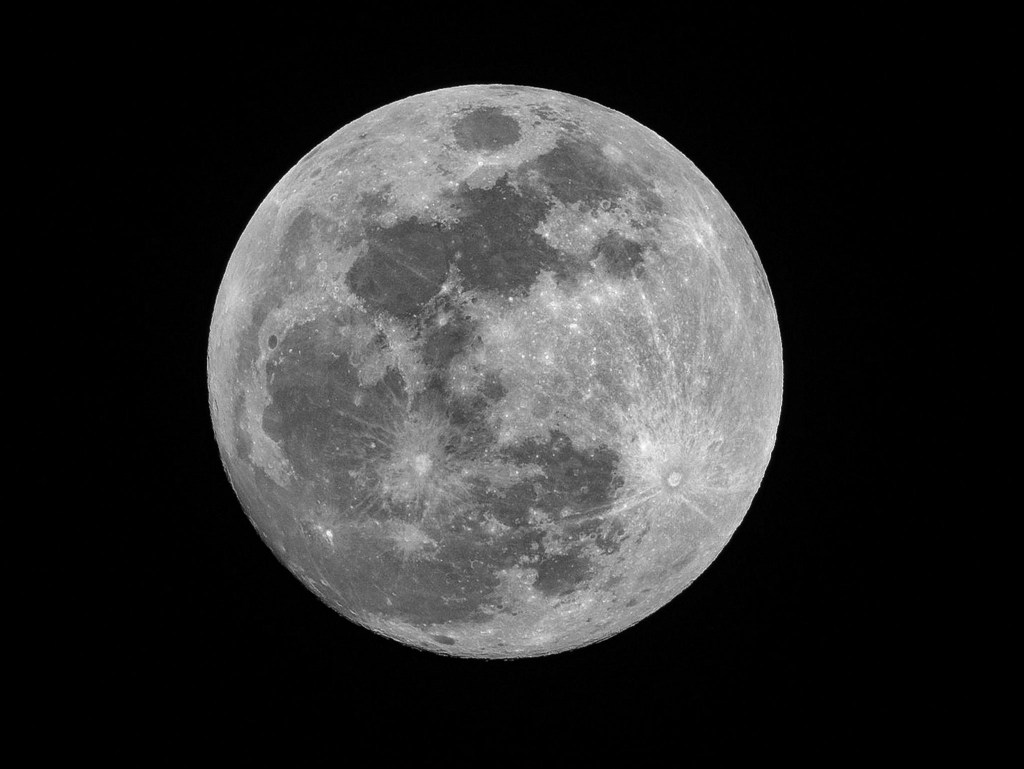
The Moon Is Drifting Away From Earth
The Moon moves approximately 3.8 centimeters farther from Earth each year because of gravitational interactions between the two bodies and the transfer of rotational energy.
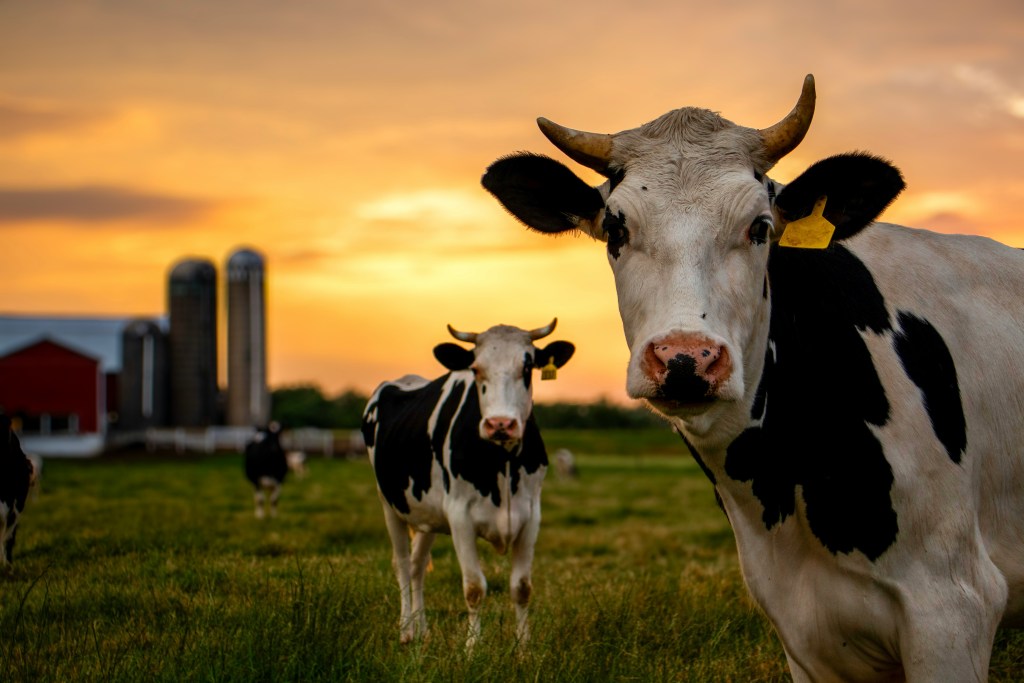
Cows Have Best Friends
Research has found that cows can form preferred social relationships and show lower signs of stress when paired with familiar companions.

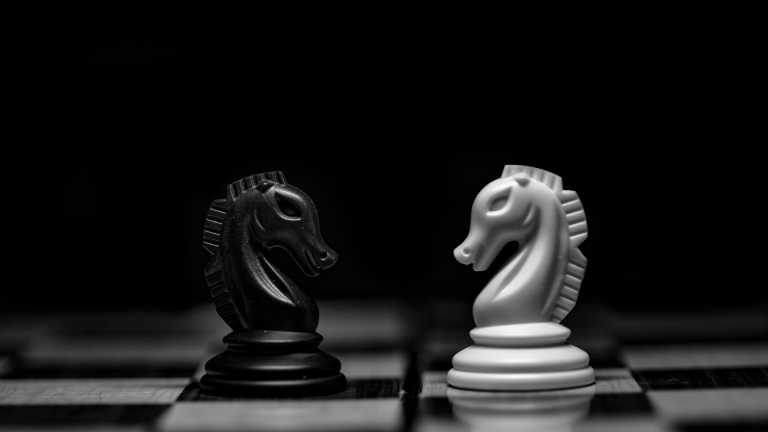
There Are More Possible Chess Games Than Atoms in the Observable Universe
The number of possible chess games is often estimated at around \(10^{120}\), a figure vastly greater than the estimated \(10^{80}\) atoms in the observable universe.

Your Stomach Gets a New Lining Regularly
The cells lining the stomach are continually renewed, helping protect the organ from its own acidic digestive environment.

A Cloud Can Weigh Hundreds of Tons
A typical cumulus cloud can contain hundreds of thousands of kilograms of water droplets spread throughout a huge volume of air, even though those droplets are individually tiny.
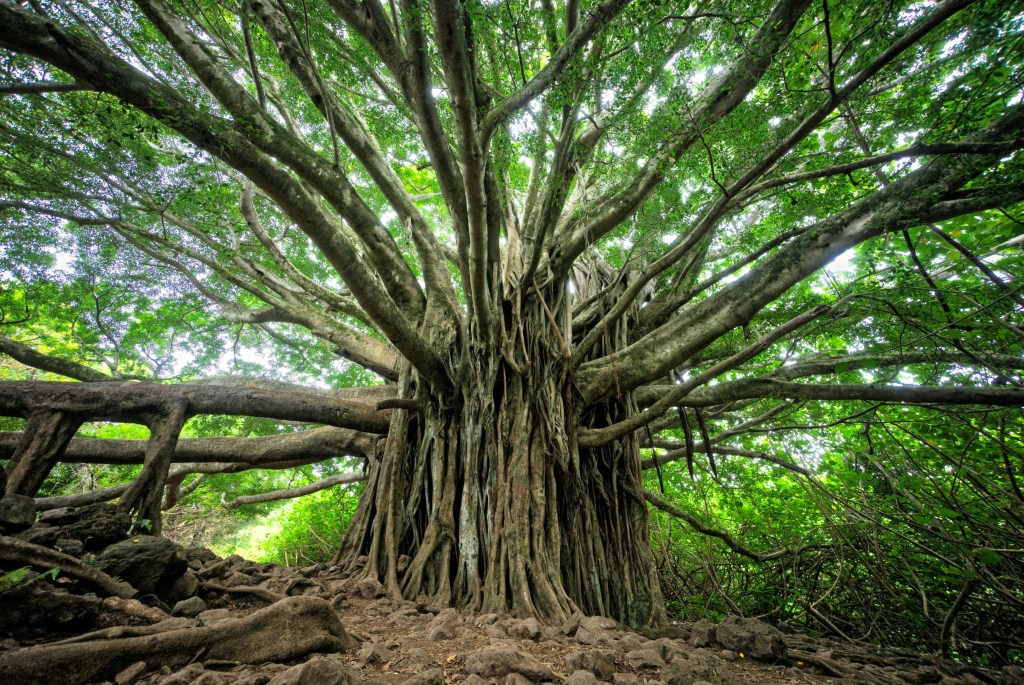
The World’s Oldest Known Living Tree Is Thousands of Years Old
A bristlecone pine named Methuselah, growing in California’s White Mountains, is more than 4,800 years old, making it one of the oldest known living nonclonal trees on Earth.