15 Places To Go For Vacation Before Climate Change Makes It Impossible


Vacation planning used to revolve around airline prices and hotel reviews. Nowadays, it also involves one uncomfortable question: will this place still look the same in a few decades? Climate change is already reshaping coastlines, bleaching coral reefs, melting glaciers, and making some destinations far hotter than travelers once expected.
That doesn’t mean these places are disappearing tomorrow, but scientists agree many are becoming more vulnerable every year. So consider this a slightly morbid travel bucket list: spectacular destinations worth seeing sooner rather than later, preferably while they’re still recognizable and above sea level.
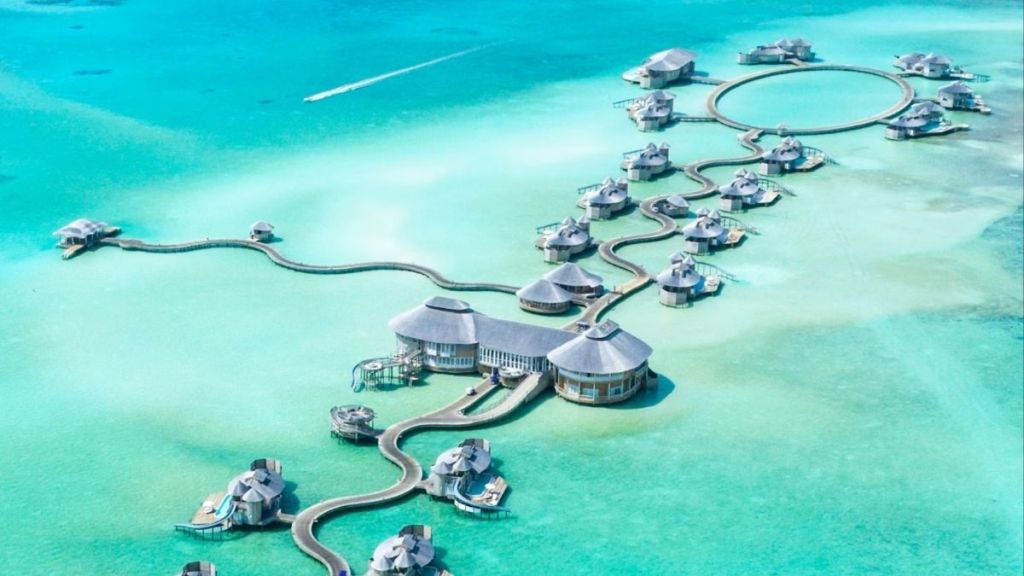
The Maldives
The Maldives’ famous white beaches and coral reefs are threatened by sea-level rise, coral bleaching, and coastal erosion. It’s still paradise today, but this island nation faces one of the world’s most uncertain climate futures.

Venice, Italy
Venice has spent centuries battling floods, but rising sea levels are making the city’s famous acqua alta events more frequent and severe. Visit while St. Mark’s Square is still mostly known for pigeons instead of flood barriers.
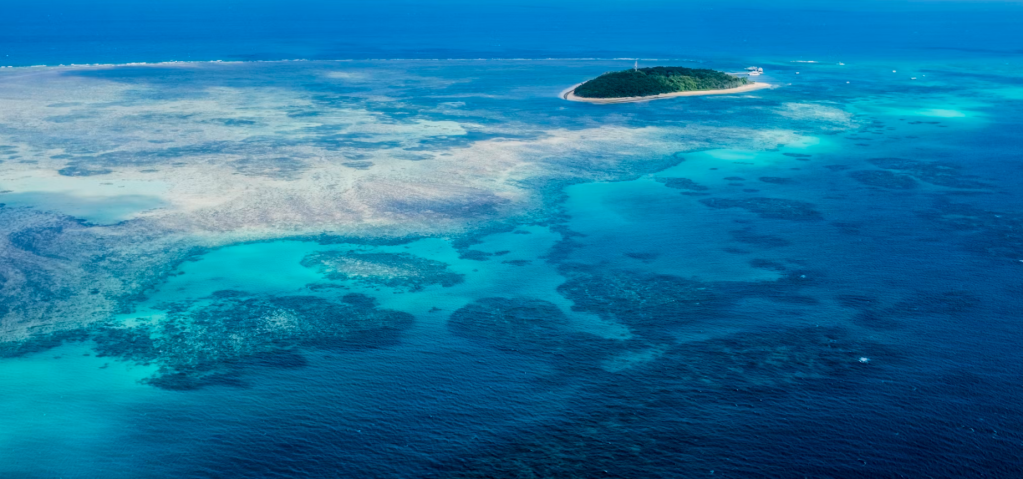
The Great Barrier Reef, Australia
The world’s largest coral reef system has endured repeated mass bleaching events caused by marine heatwaves. It remains spectacular, but scientists warn that warming oceans continue to threaten the reef’s long-term health.
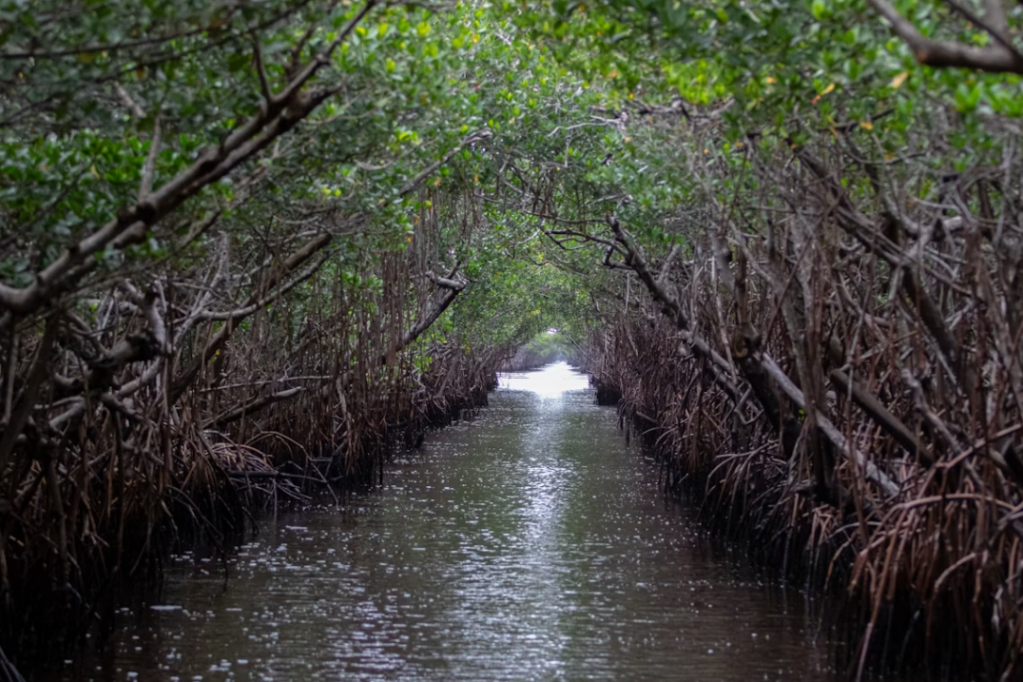
Everglades National Park, Florida
America’s largest subtropical wilderness is already experiencing saltwater intrusion and rising sea levels. The alligators will probably be fine, but the park’s delicate freshwater ecosystems are becoming increasingly difficult to preserve.
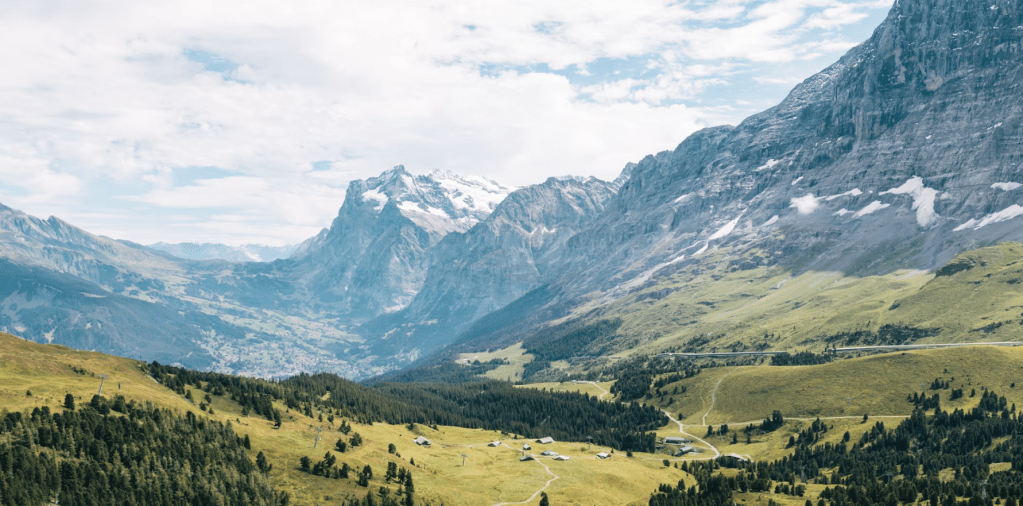
The Swiss Alps
Glaciers across the Alps are shrinking rapidly as temperatures rise. Besides changing the iconic scenery, disappearing ice is affecting hiking routes, ski resorts, and water supplies throughout one of Europe’s most famous mountain ranges.
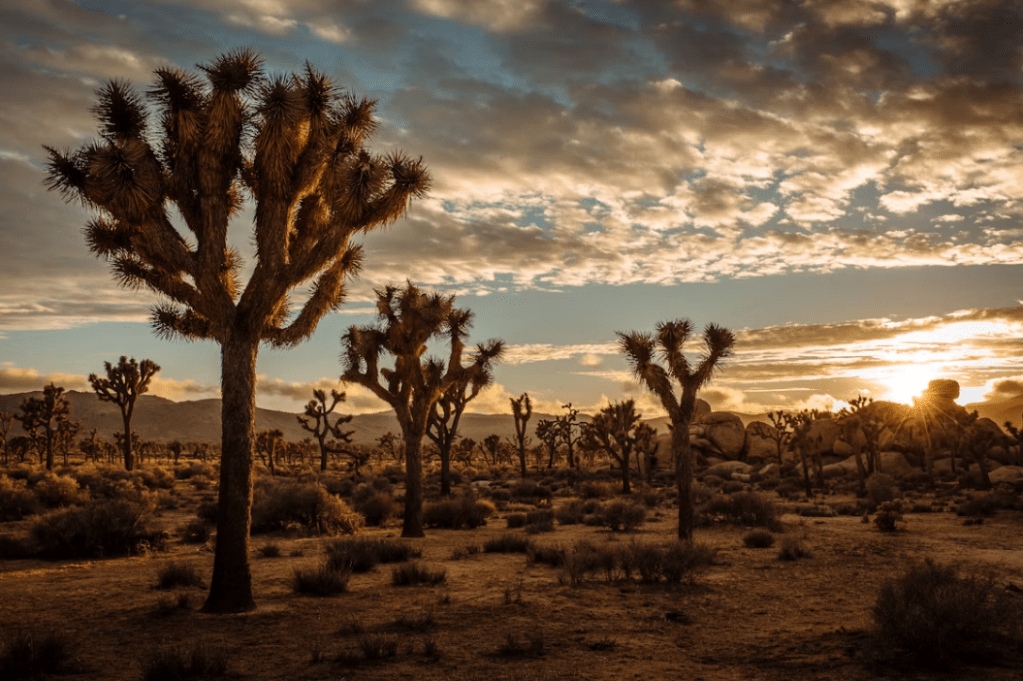
Joshua Tree National Park, California
The park’s namesake trees struggle under hotter temperatures and prolonged drought. Scientists expect suitable habitat for Joshua trees to shrink dramatically over time, making today’s desert landscape potentially unrecognizable to future visitors.
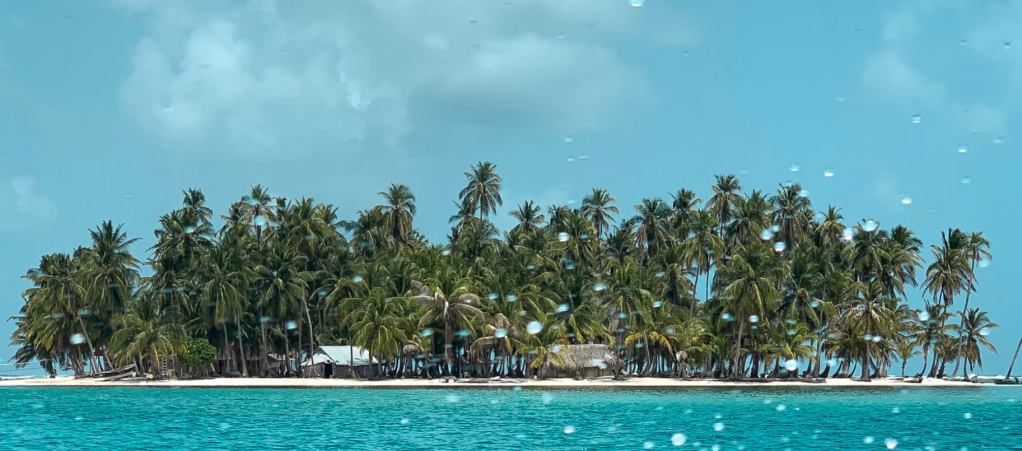
Tuvalu
This tiny Pacific nation sits only a few meters above sea level. Rising oceans, coastal flooding, and saltwater intrusion threaten both its communities and its tourism appeal, giving visitors an unfortunate sense of genuine urgency.
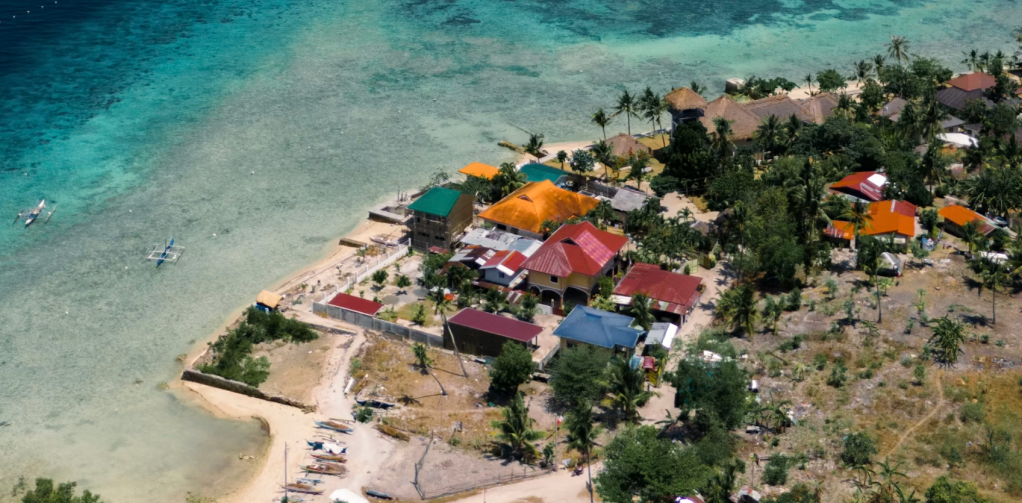
Kiribati
Kiribati has become one of the world’s most recognizable examples of climate vulnerability. The government has already explored long-term relocation strategies as sea-level rise increasingly threatens the nation’s low-lying atolls.
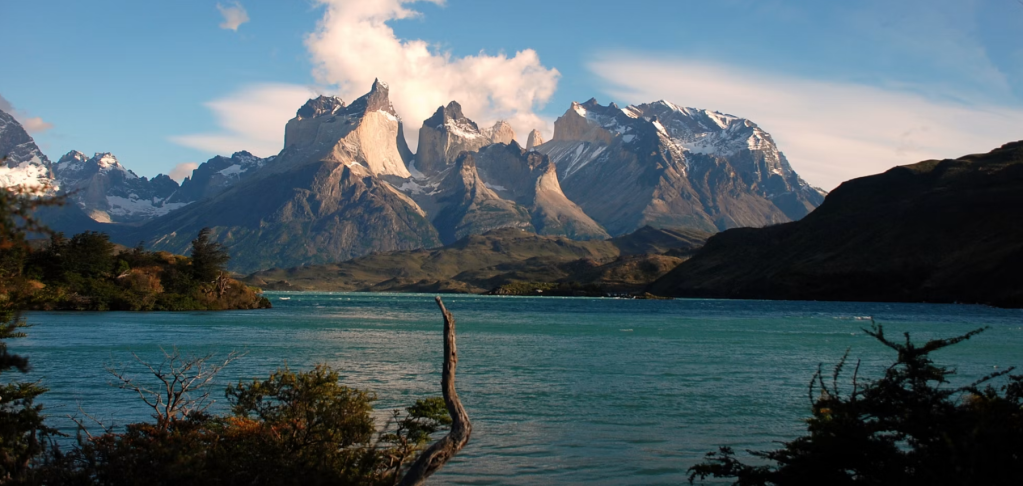
Patagonia, Argentina
The glaciers of southern Argentina remain breathtaking, but many have been retreating for decades. While Patagonia isn’t vanishing anytime soon, its frozen landscapes are steadily changing before visitors’ eyes.

The Mediterranean Coast of Spain
Summer vacations here are getting hotter, even dangerously so. Climate projections indicate that increasingly frequent and intense heatwaves could make peak tourist season far less comfortable than the postcards suggest.
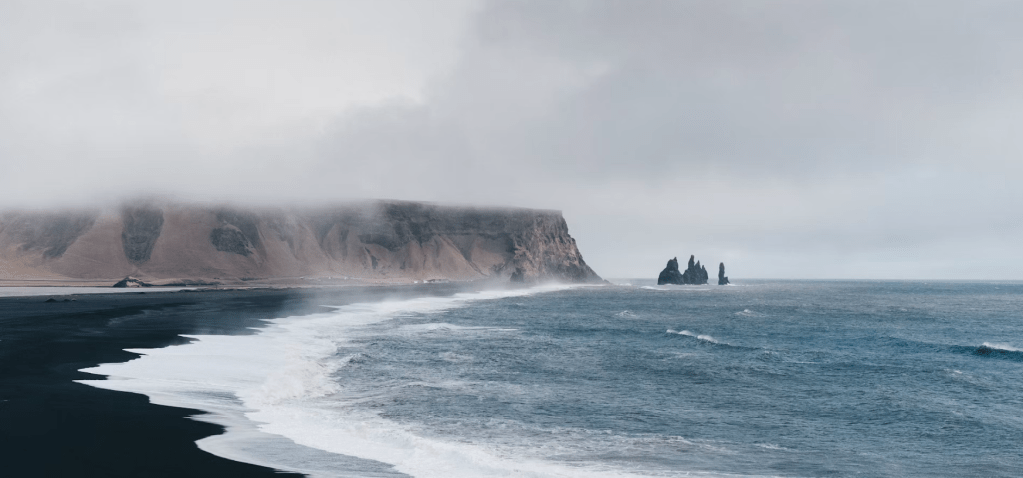
Iceland’s Glaciers
Iceland remains one of Earth’s most dramatic landscapes, yet many of its glaciers are retreating rapidly. Several ice formations have already disappeared, transforming scenery that has defined the country for thousands of years.
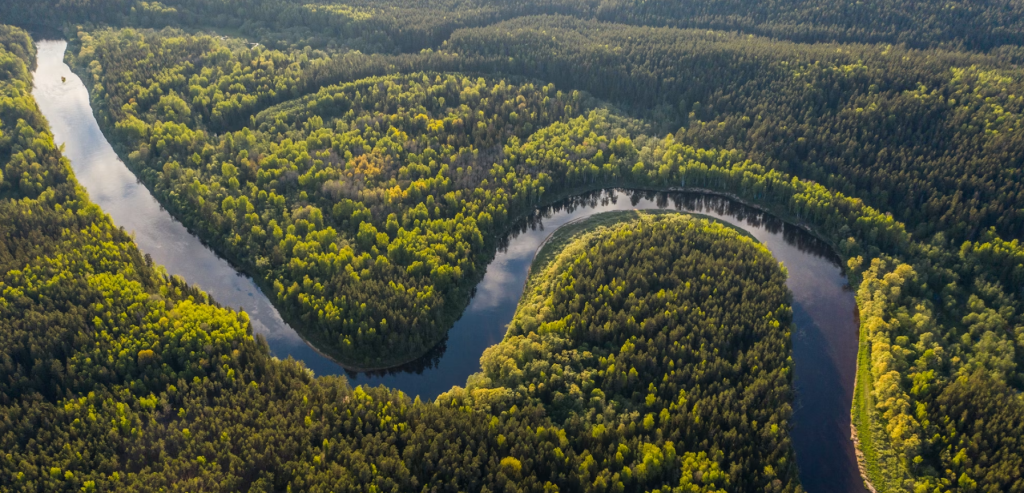
The Amazon Rainforest, Brazil
Deforestation and climate change together threaten the world’s largest rainforest. Scientists worry that continued warming could push large sections toward ecological changes that permanently alter one of Earth’s greatest natural wonders.
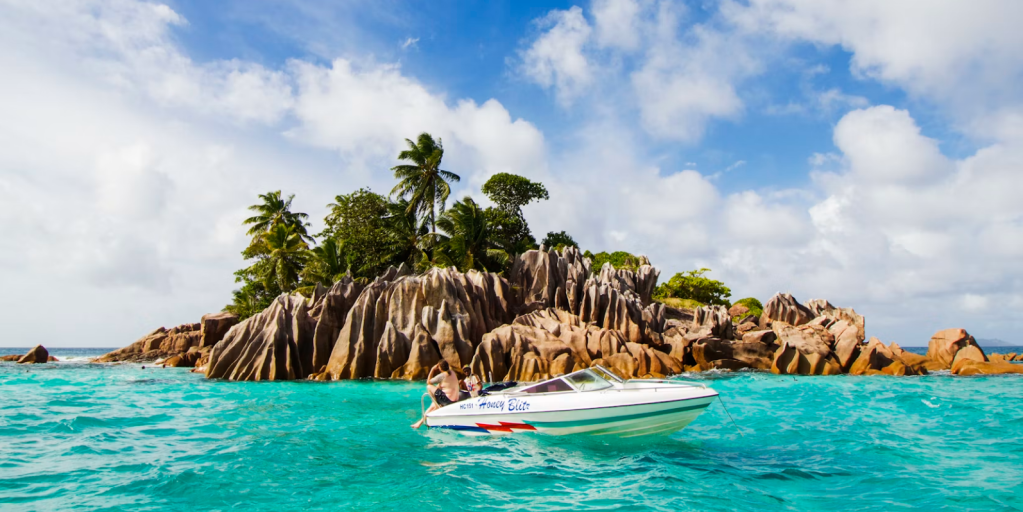
The Seychelles
These idyllic Indian Ocean islands face increasing coastal erosion and rising seas. Their beaches remain stunning today, but protecting them is becoming more challenging as climate-related impacts continue to intensify.

Glacier National Park, Montana
The park wasn’t named by accident, yet many of its glaciers have dramatically shrunk over the past century. While glaciers remain, their continued retreat means future visitors may experience a very different landscape.
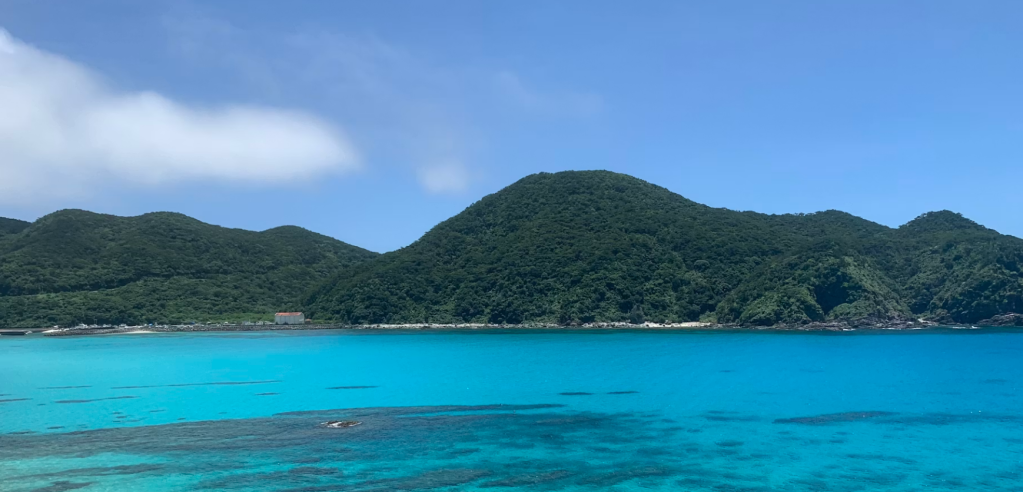
Japan’s Okinawa Islands
Okinawa’s beautiful coral reefs are increasingly affected by warmer oceans and bleaching events. Combined with stronger typhoons and rising sea levels, climate change is gradually reshaping one of Japan’s premier tropical destinations.