15 Places in the US With the Absolute Worst People

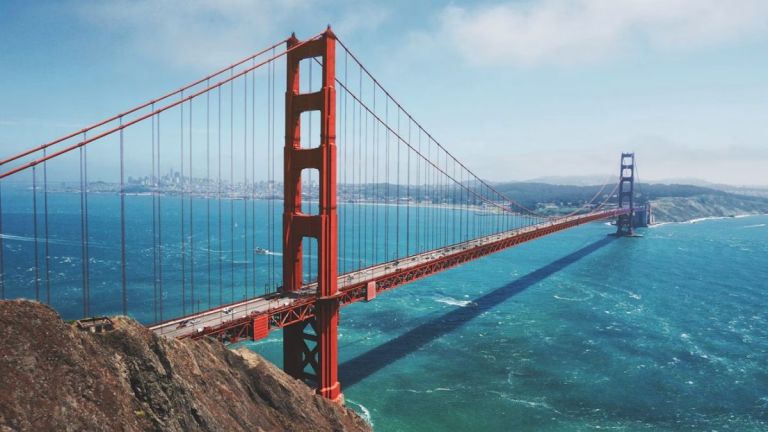
A beautiful destination can, sadly, still leave you dreading the locals. Across the United States, people have very different experiences of friendliness, from cities where strangers seem permanently irritated to small towns where newcomers struggle to feel welcome. These reputations often emerge from personal experiences, and no state or city is uniformly full of unpleasant people.
Still, certain places keep appearing in complaints about rudeness, entitlement, prejudice, or hostility toward outsiders. These accounts explore what people say made their experiences so miserable, while remembering that every place has exceptions and plenty of decent residents.
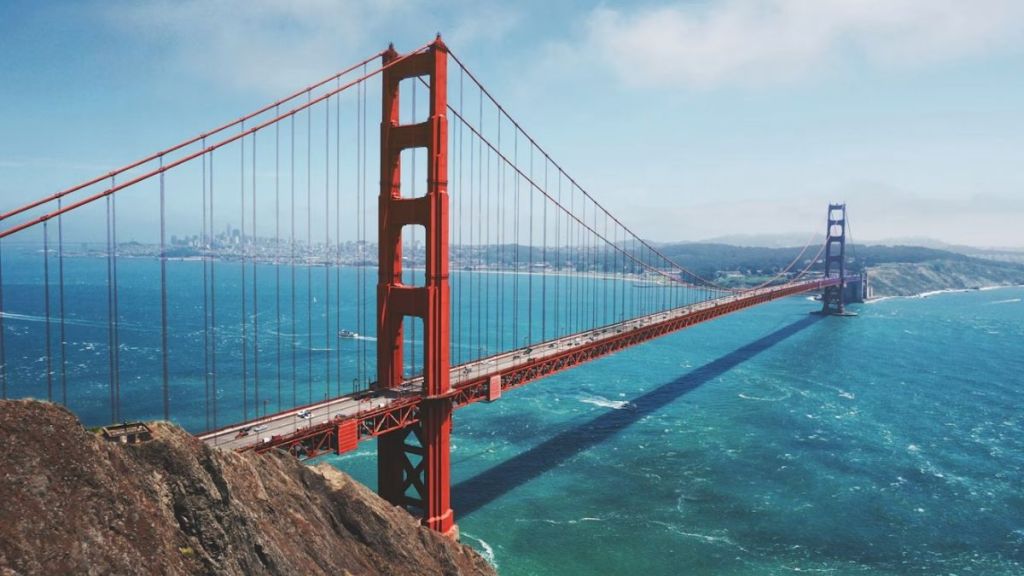
The Bay Area, California
Some newcomers describe the Bay Area as beautiful but socially chilly, with strangers avoiding small talk, eye contact, or basic courtesies. This reserve isn’t necessarily hostility, but it certainly feels that way.
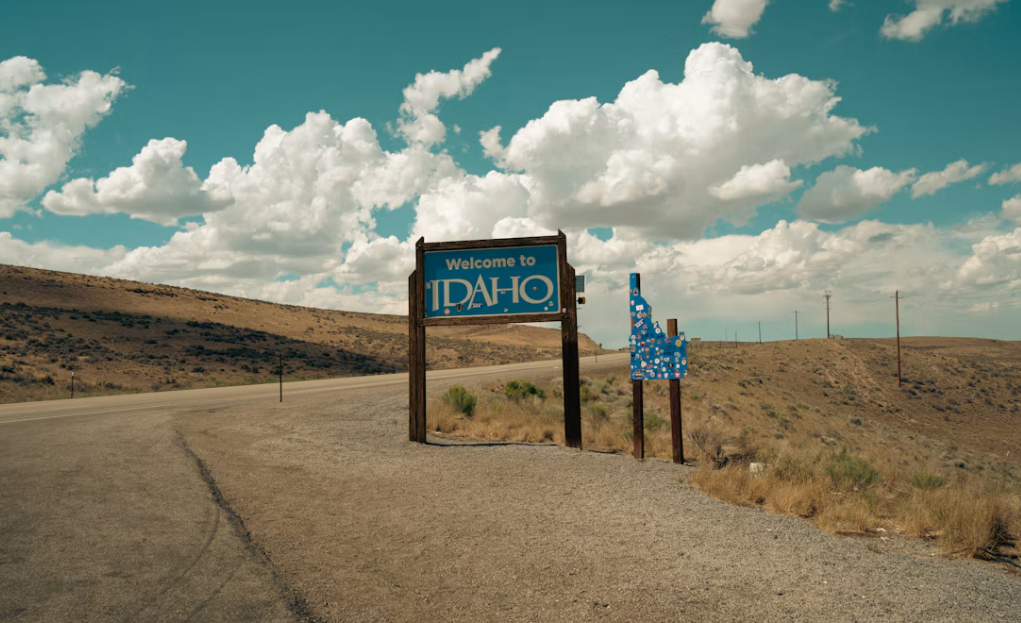
Idaho
One person’s experience of Idaho can differ dramatically from another’s, but some visitors and newcomers describe feeling unwelcome or unsafe despite the state’s spectacular scenery. The people that inhabit the place make all the difference.
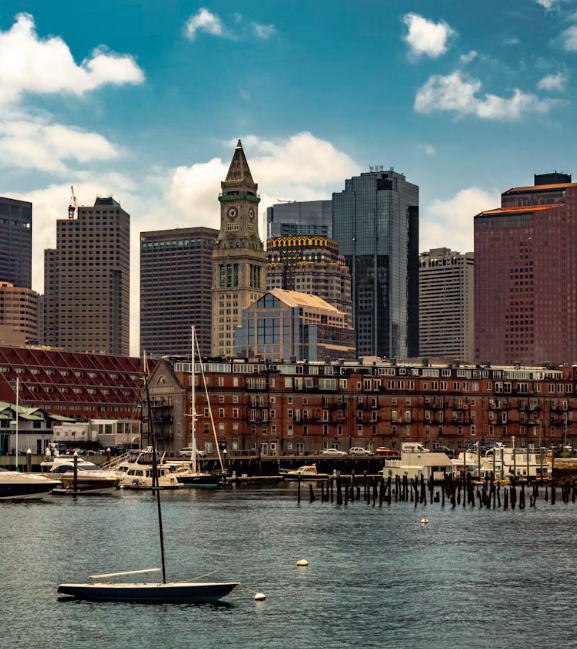
Boston, Massachusetts
Boston’s reputation for bluntness is well established. Even locals describe themselves as more kind than nice, with sarcasm and directness sometimes mistaken for outright rudeness.
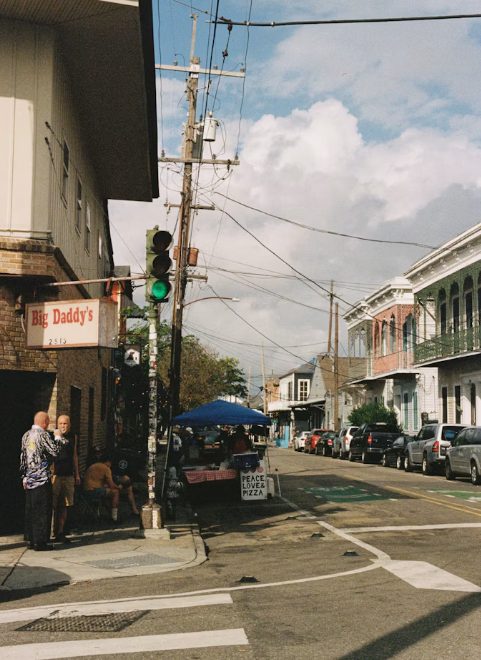
Small-Town Louisiana
Some newcomers to rural Louisiana talk of hearing casual racial slurs and encountering entrenched local networks. Those experiences can make outsiders feel unwelcome, especially in workplaces and tight-knit communities.
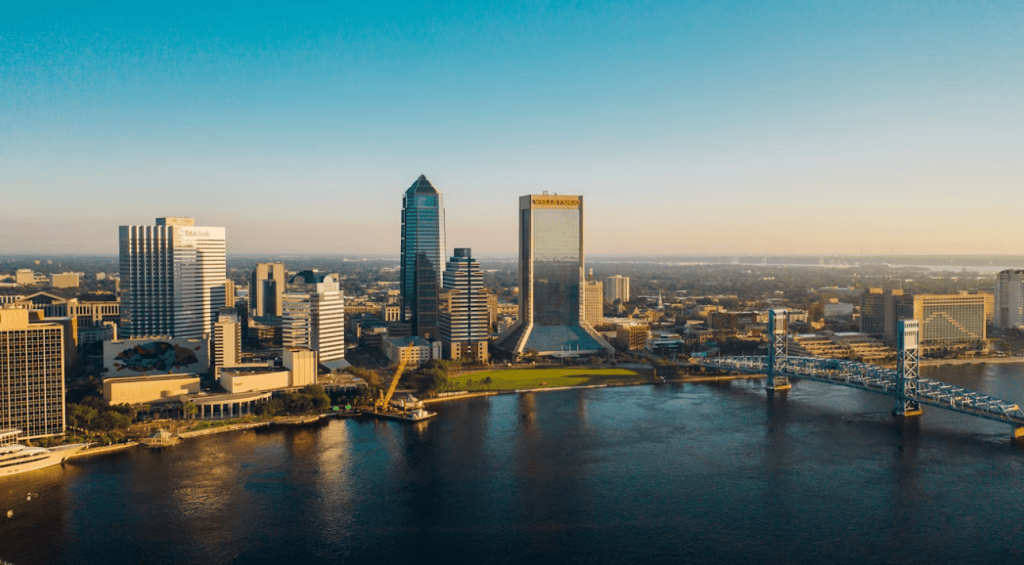
Florida
Complaints about Florida frequently describe angry customers, aggressive driving, and confrontational public encounters. The state’s size makes sweeping generalizations unfair, and if you travel a lot along it, you’re bound to find some unpleasant outliers.
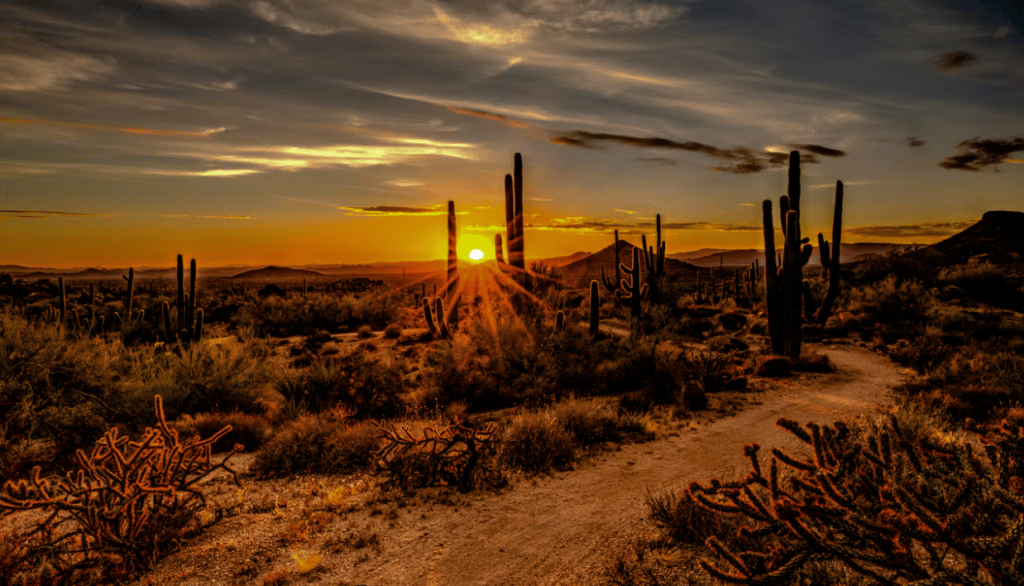
Arizona Retirement Communities
Residents complain about domineering homeowners’ associations and seasonal retirees who police neighbors’ behavior. The frustration is less about age than entitlement, especially when minor disputes become formal complaints.
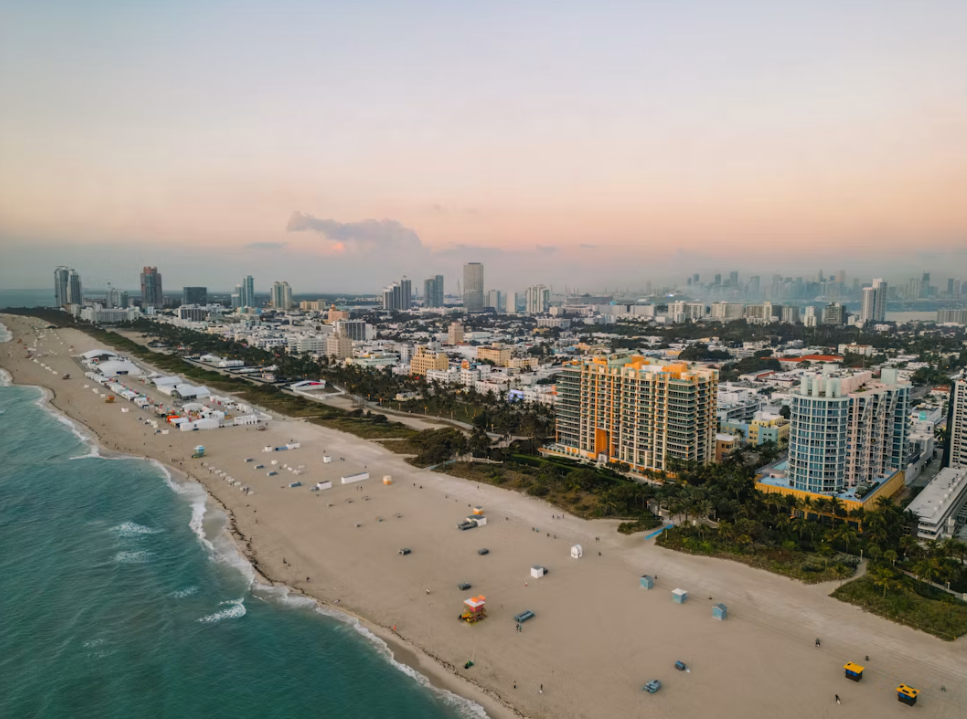
Miami
Many people describe Miami as cliquish and difficult to navigate socially, particularly when they don’t speak Spanish. Others complain about aggressive interactions, regardless of the language barrier each individual might face.
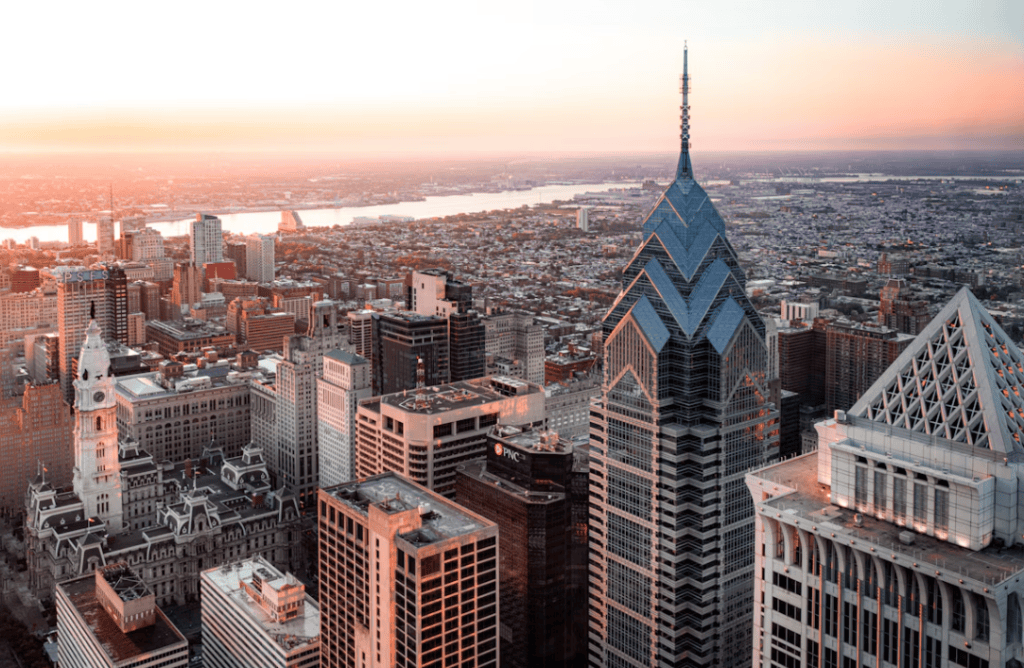
Central Pennsylvania
Central Pennsylvania has left some visitors feeling judged or unwelcome, particularly when they arrive from elsewhere. These impressions reflect a recurring frustration with perceived local insularity.
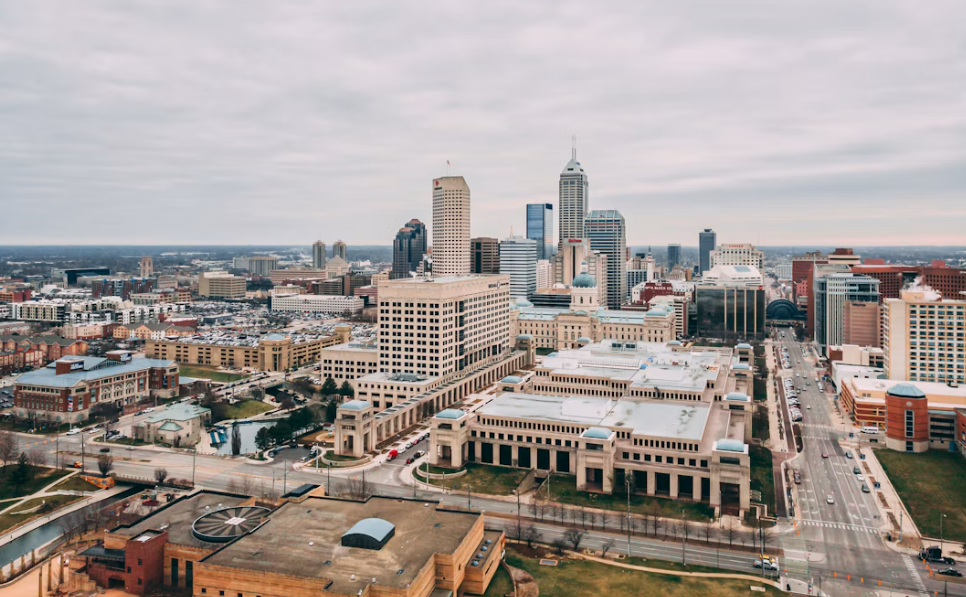
Northwest Indiana
Some residents report encountering open racism and people who seem proud of being antagonistic. Such accounts describe disturbing local experiences, an increasing attitude in Indiana communities.
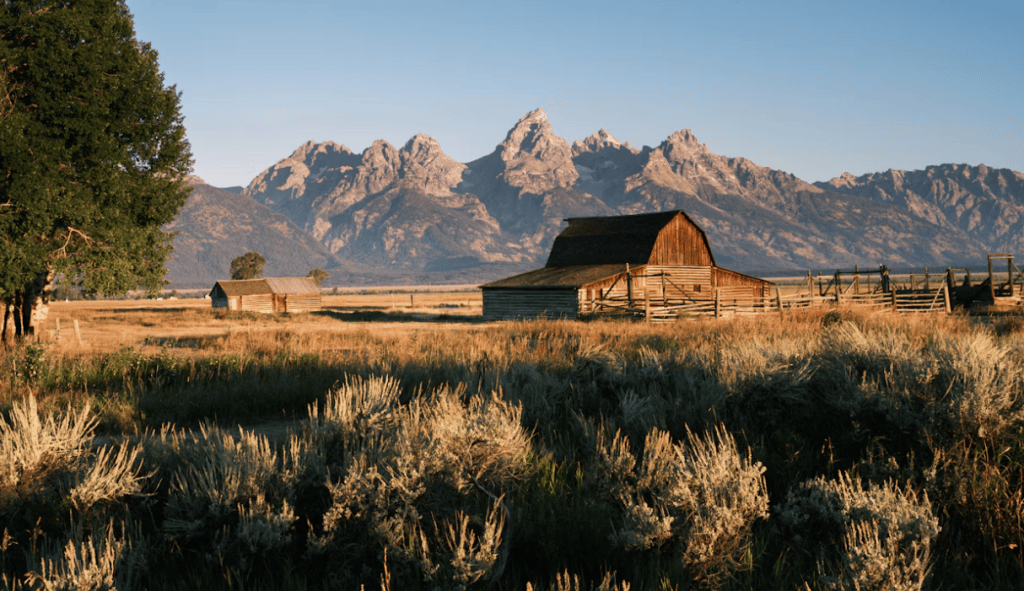
Wyoming
The wide-open landscapes can be breathtaking, as well as an almost inescapable social hostility toward outsiders. In isolated communities, long-standing local ties can make it harder to feel accepted.
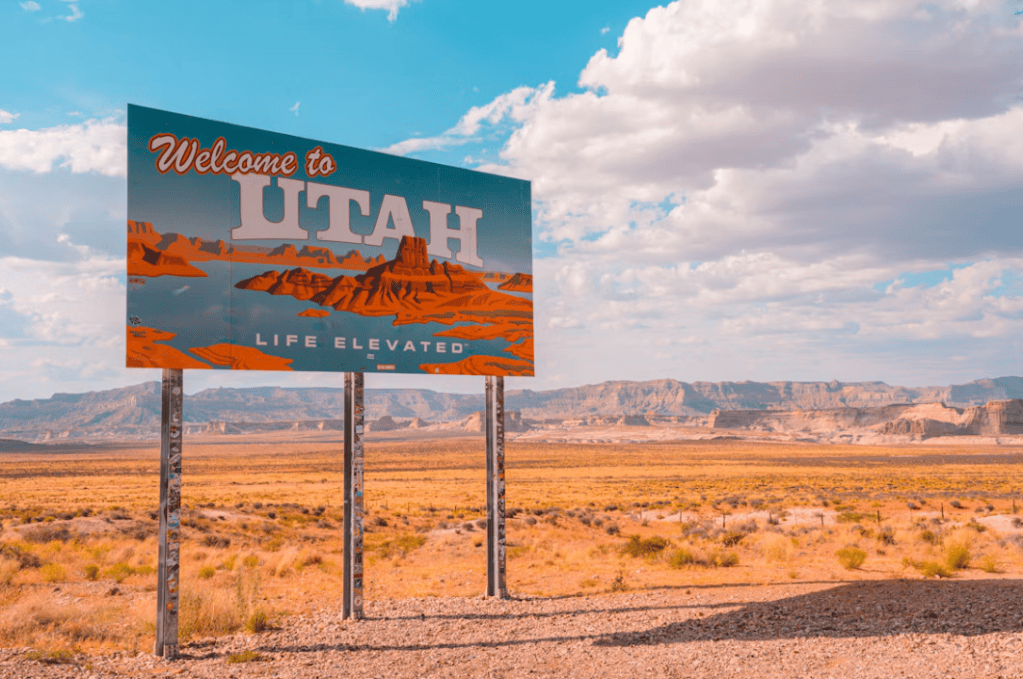
Small Towns in Southern Utah
Visitors to the isolated communities in southern Utah report being stared at, insulted, or treated with suspicion. Such experiences can make a short visit feel unexpectedly hostile.
Washington, D.C.
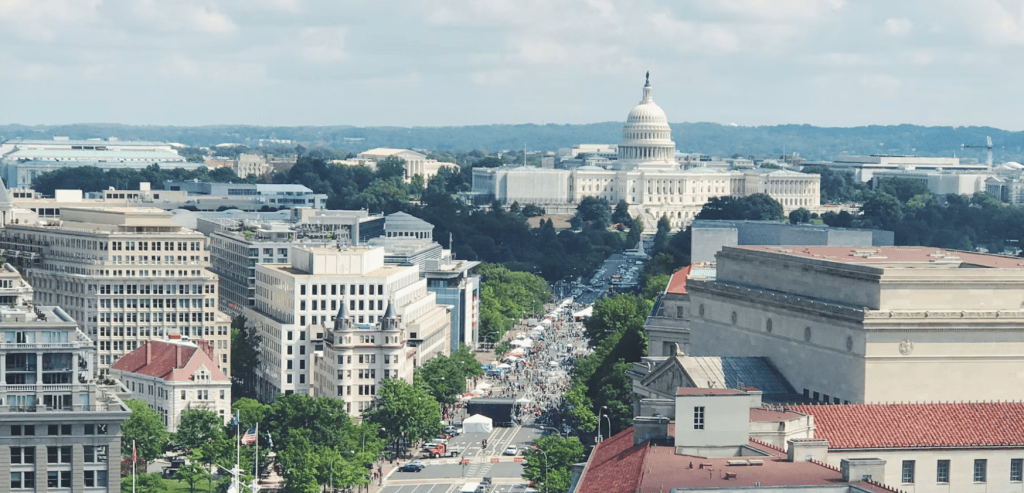
Washington can feel surprisingly unfriendly to visitors, even ones accustomed to New York’s bluntness. The city’s political intensity and professional atmosphere may contribute to impressions of aloofness, though experiences differ.
Small-Town Georgia
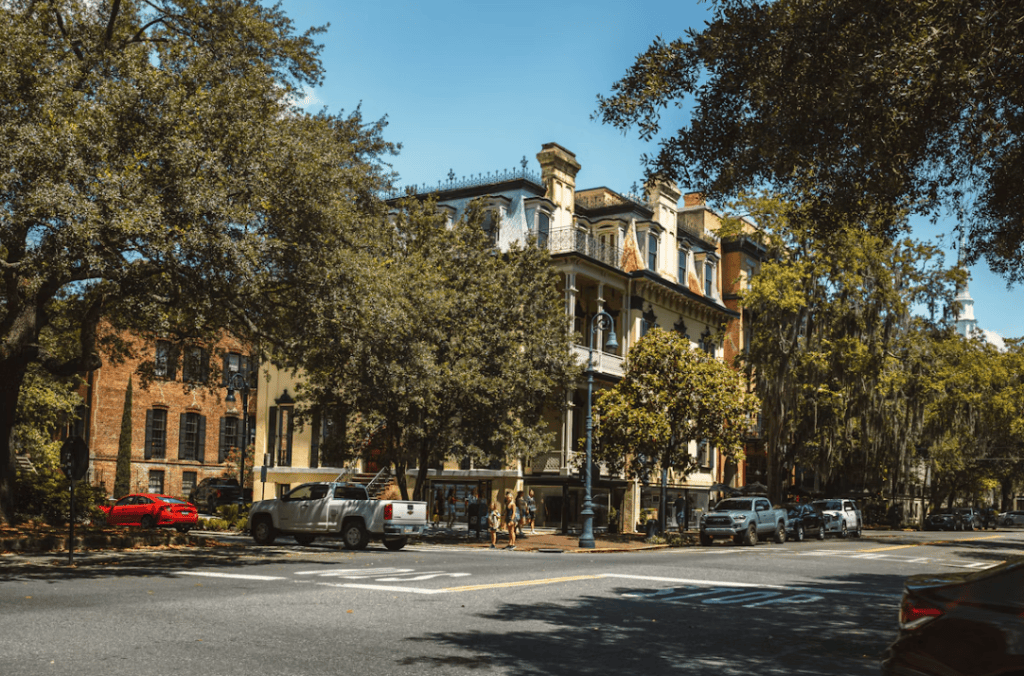
Georgia’s famous Southern hospitality feels conditional in small towns, particularly when a given visitor does not attend church or already belongs to an established community network.

Branson, Missouri
Branson markets itself as a family-friendly destination with strong Christian associations. Some people though, particularly temporary workers, describe deeply unpleasant experiences with locals, creating a painful contrast with the city’s welcoming image.
Arkansas
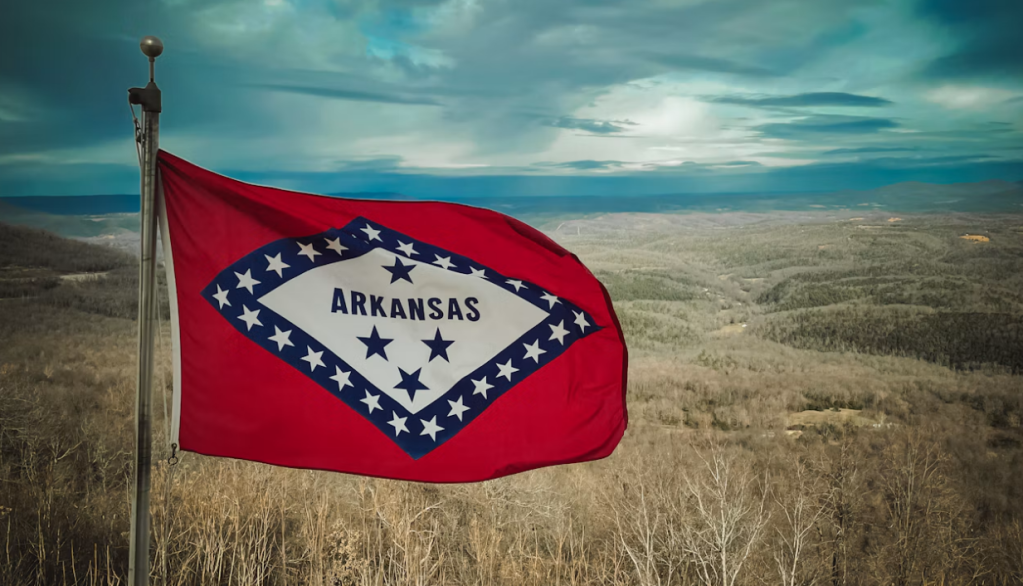
Some LGBTQ+ and transgender travelers report feeling unsafe or unwelcome in Arkansas. Their experiences highlight how local attitudes differ depending on your outlook, especially for someone visibly outside the community’s norms.