15 People Who Are Loved Now, But Could Be Seen as Villains in 100 Years

It’s funny how history can completely change someone’s reputation. People who were once celebrated as heroes have ended up looking considerably less admirable as new generations reconsidered their actions. And there’s no reason to think the famous figures we love today are immune to the same treatment. A century from now, people might have very different opinions about billionaires, beloved entertainers, political leaders, and even humanitarian icons. Some already have complicated histories, while others could be judged for things we currently consider perfectly normal. Nobody knows what future generations will value most, but these famous names could find their legacies looking a lot different in another hundred years.
Bill Gates
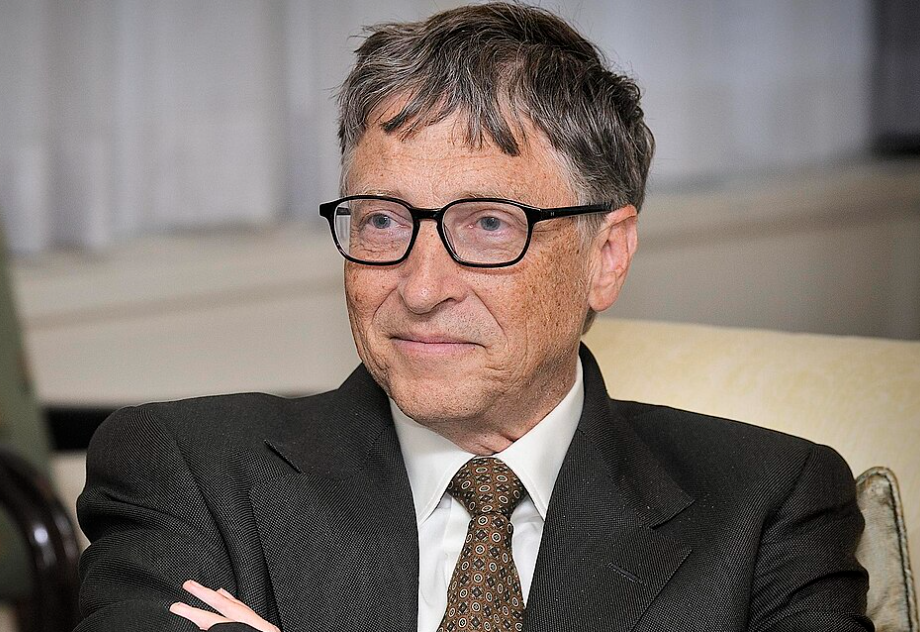
Gates is celebrated for his philanthropic work, although historians might eventually focus more on Microsoft’s antitrust history and the enormous influence wealthy private individuals have over public health priorities.
Barack Obama
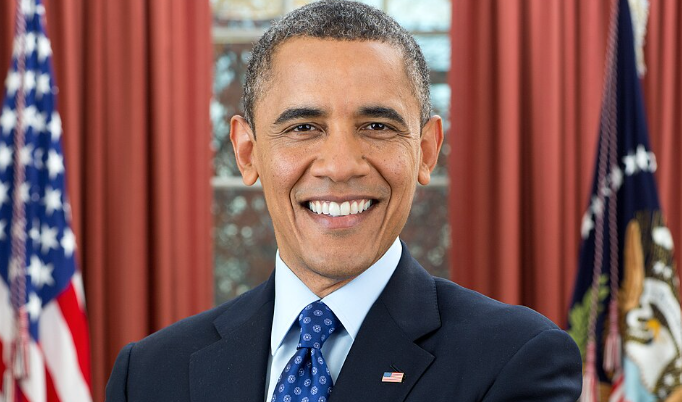
Obama’s presidency made history, but future accounts might place greater emphasis on his administration’s drone warfare program and its consequences for civilians in countries far from the United States.
Steve Jobs
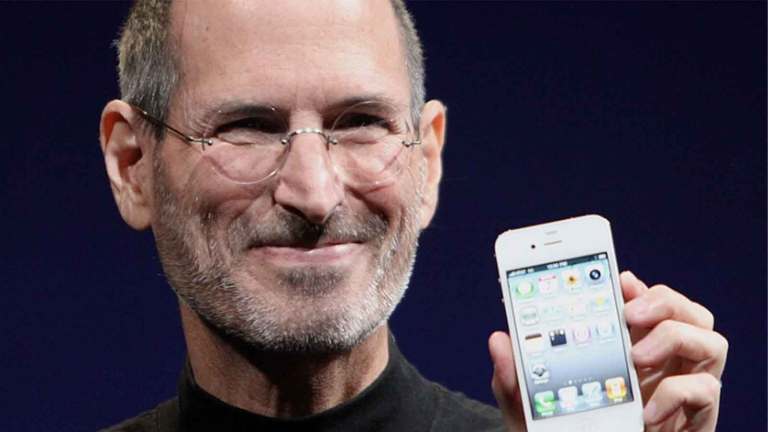
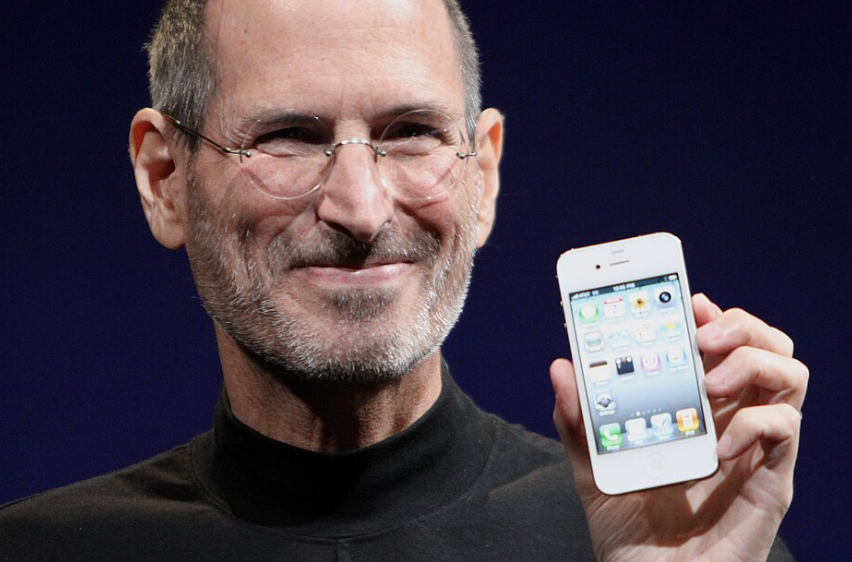
Jobs helped make personal technology part of everyday life, yet future generations might view his celebrated business model differently when considering global electronics manufacturing, labor conditions, and consumer culture.
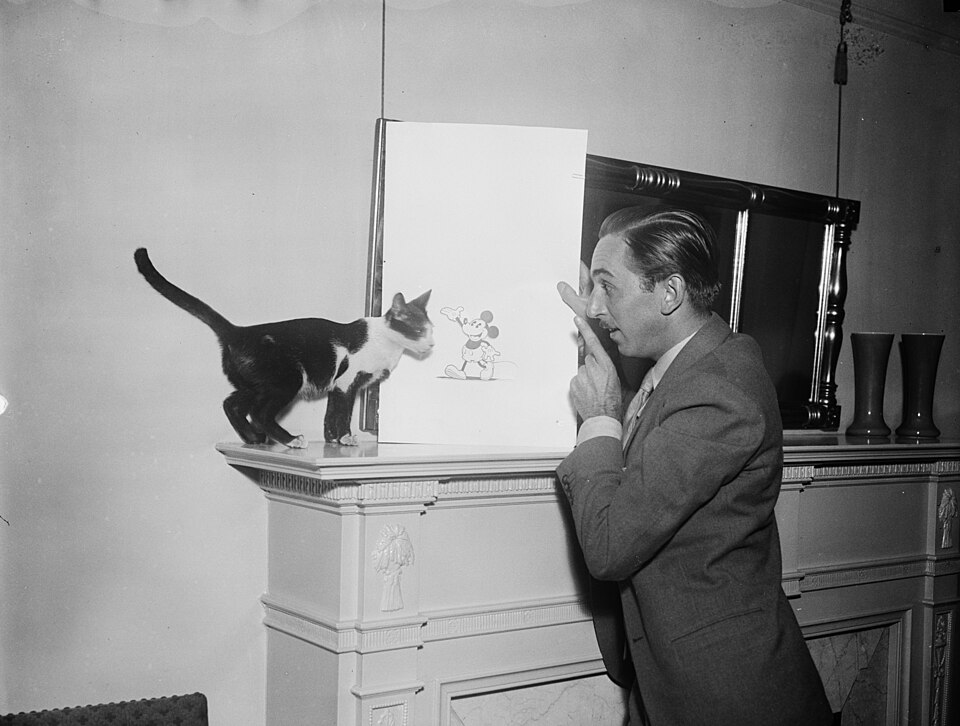
Walt Disney
Disney’s creations have entertained generations of families, although his legacy could face greater scrutiny over the racial stereotypes in some early productions and his contentious relationship with organized labor.
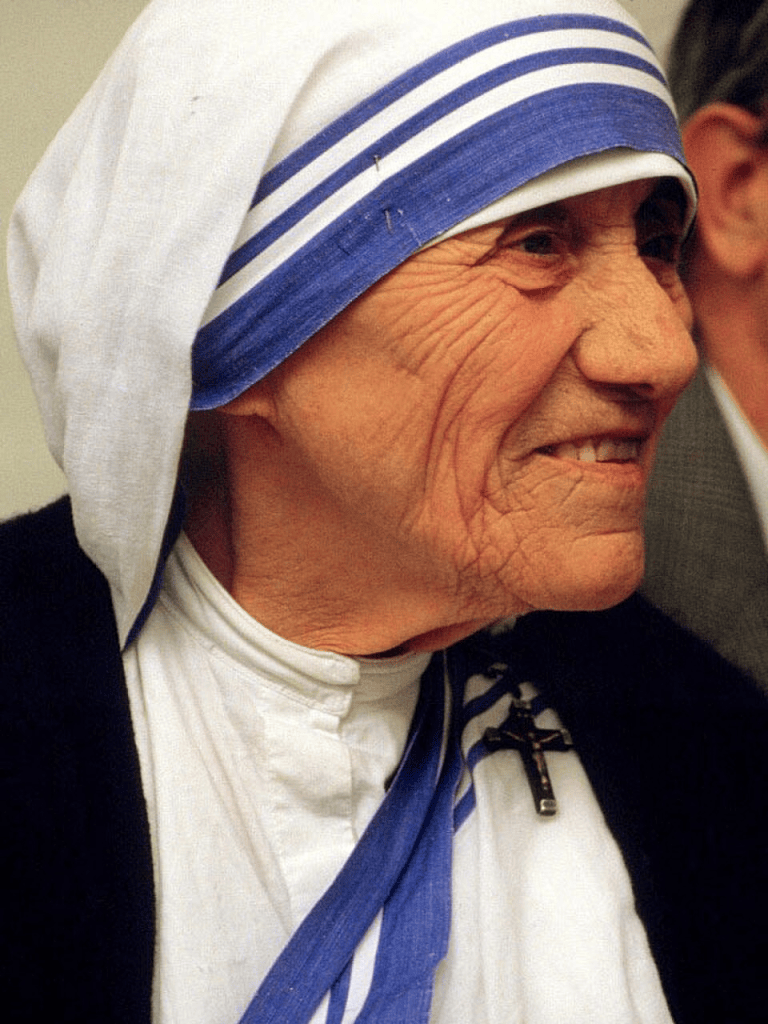
Mother Teresa
Mother Teresa is remembered for helping people living in poverty, but critics have questioned medical standards in some of her organization’s facilities and her religious understanding of suffering.
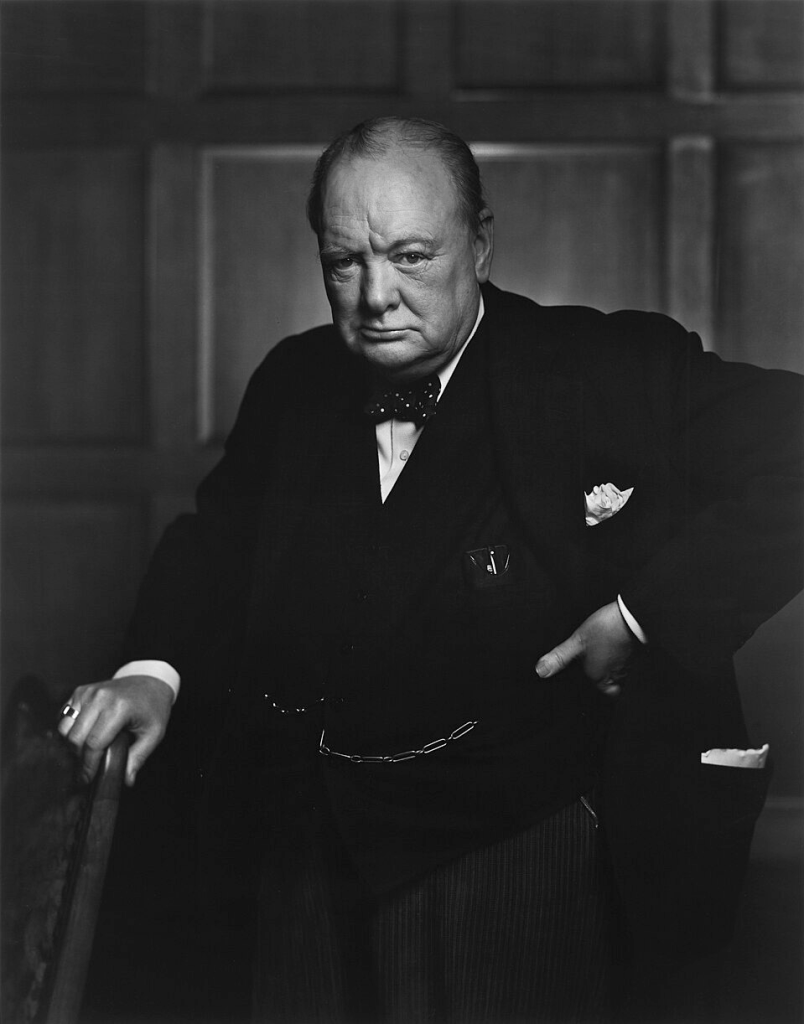
Winston Churchill
Churchill’s leadership during World War II remains widely admired, although future historians might give greater weight to his imperial views and the decisions of his government during the Bengal famine.
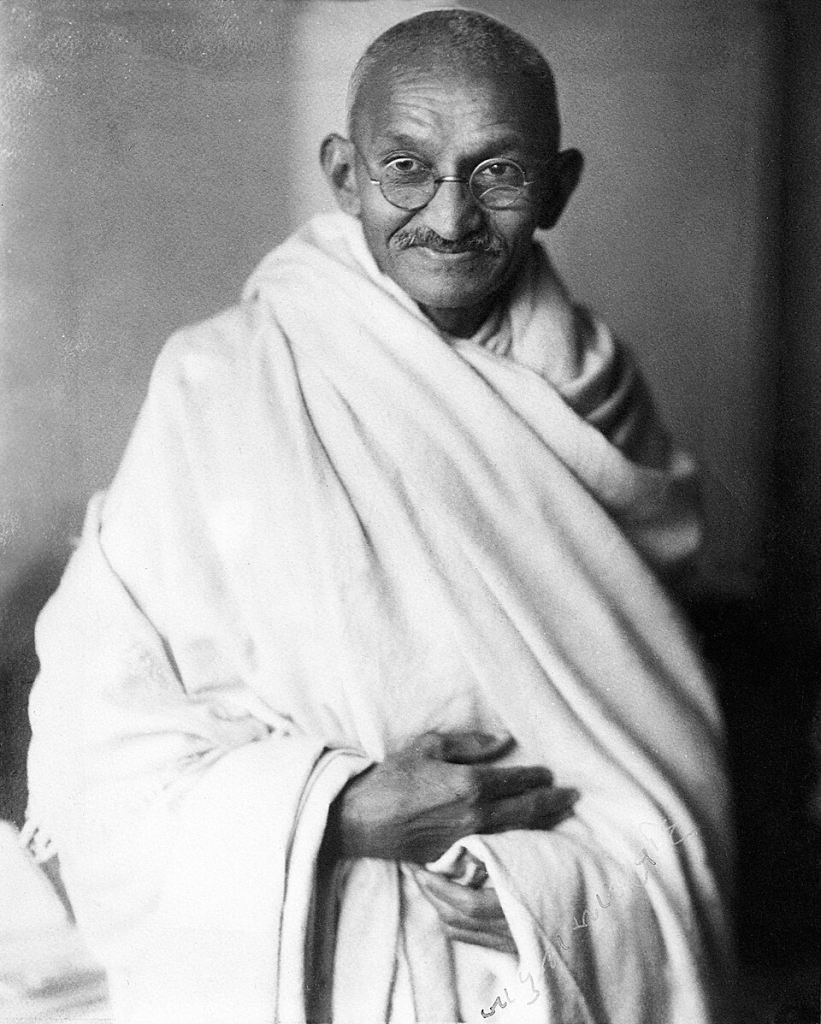
Mahatma Gandhi
Gandhi’s commitment to nonviolent resistance changed history, but his earlier racial prejudices in South Africa and controversial personal experiments could become a larger part of how he is remembered.
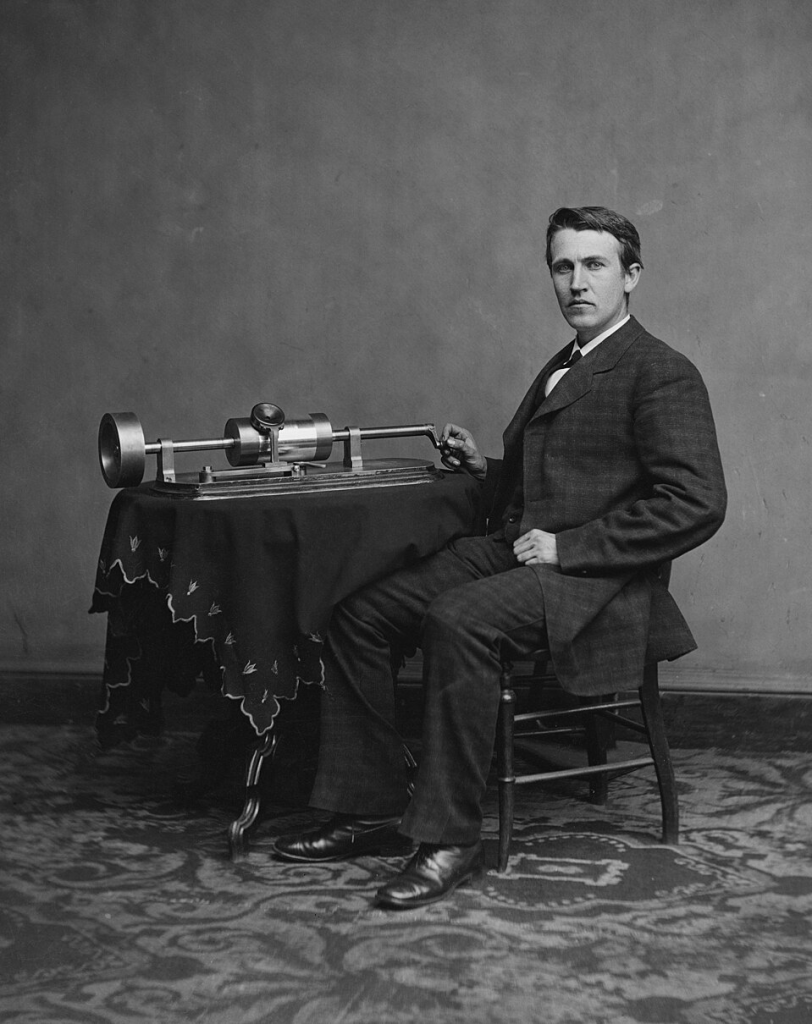
Thomas Edison
Edison is still celebrated as a brilliant inventor, but his aggressive business practices and involvement in the commercial battles surrounding electrical technology could eventually overshadow some of his achievements.
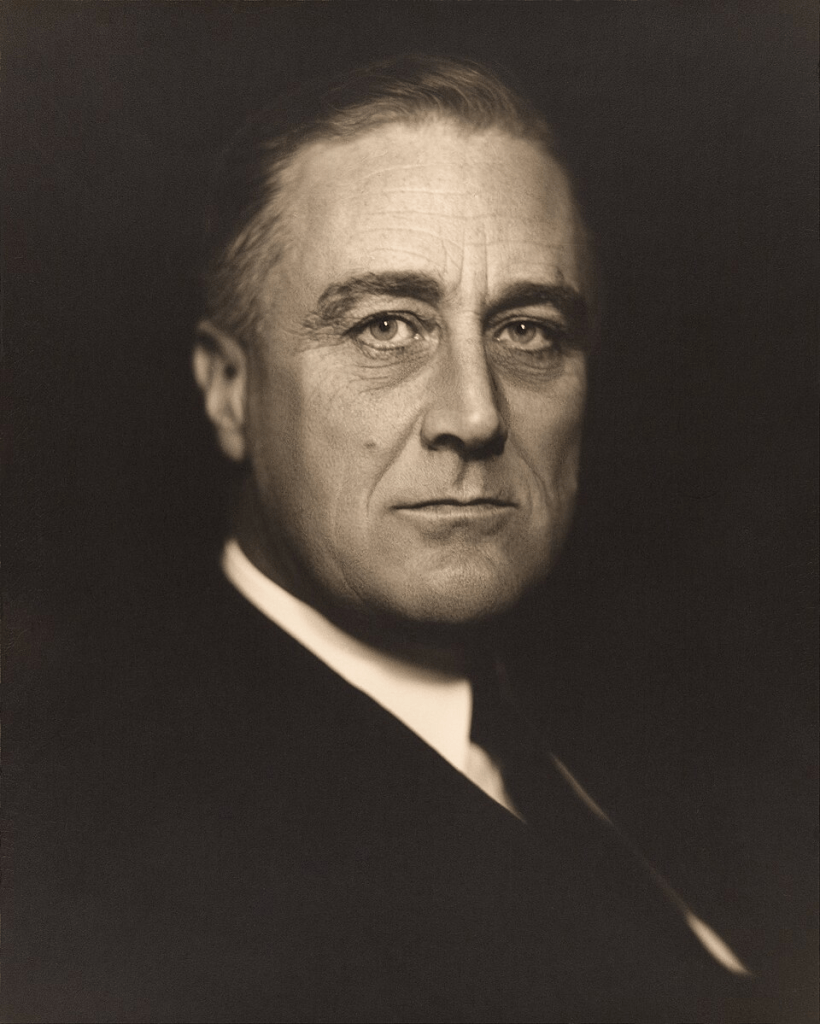
Franklin D. Roosevelt
Roosevelt is remembered for leading the United States through the Great Depression and World War II, yet his authorization of Japanese American incarceration remains a serious part of his historical record.
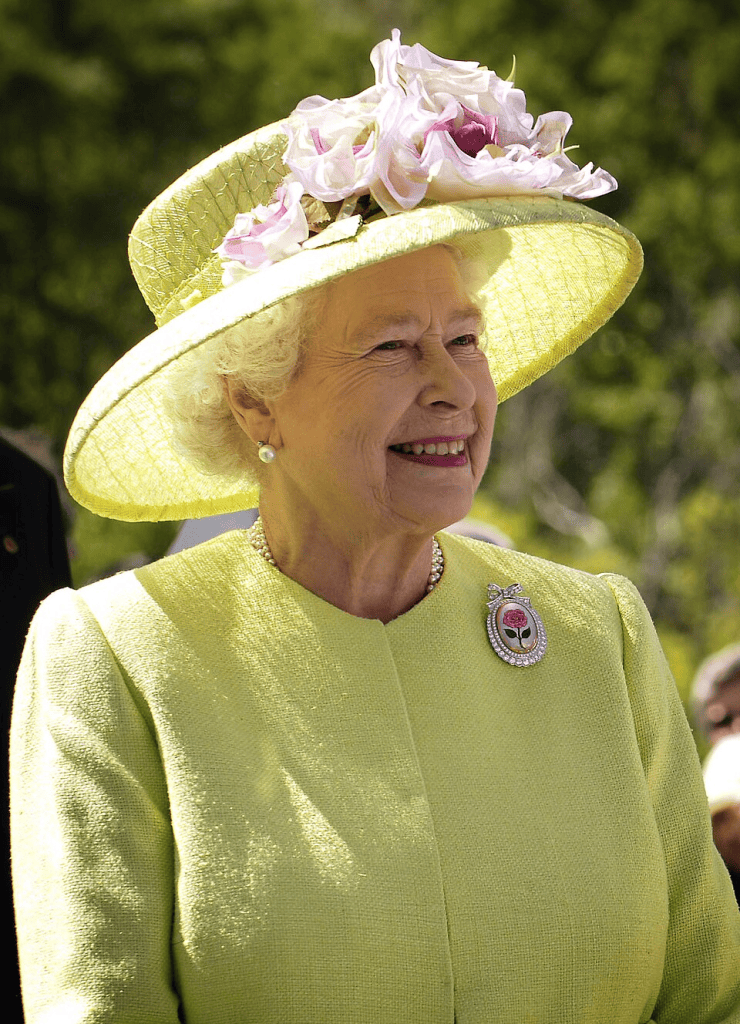
Queen Elizabeth II
Elizabeth II became a symbol of continuity and public service, but future generations could view her reign primarily through debates about monarchy, inherited privilege, and Britain’s colonial legacy.
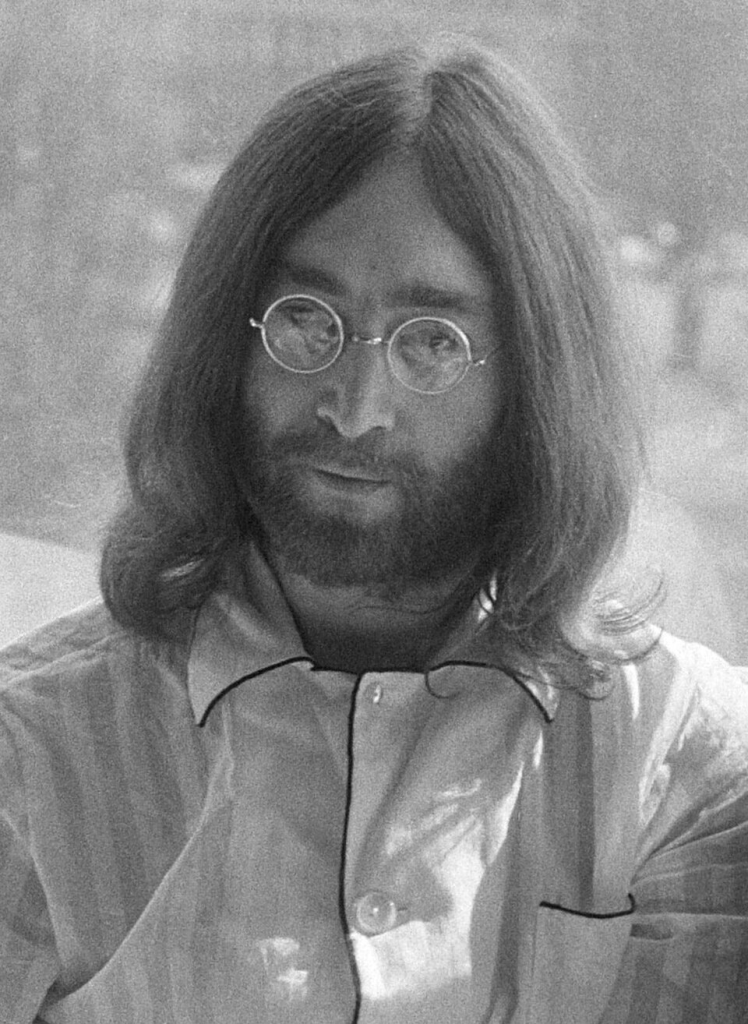
John Lennon
Lennon’s music and messages of peace continue to inspire fans, although his own admissions about violence in relationships could become more central to discussions of his legacy.
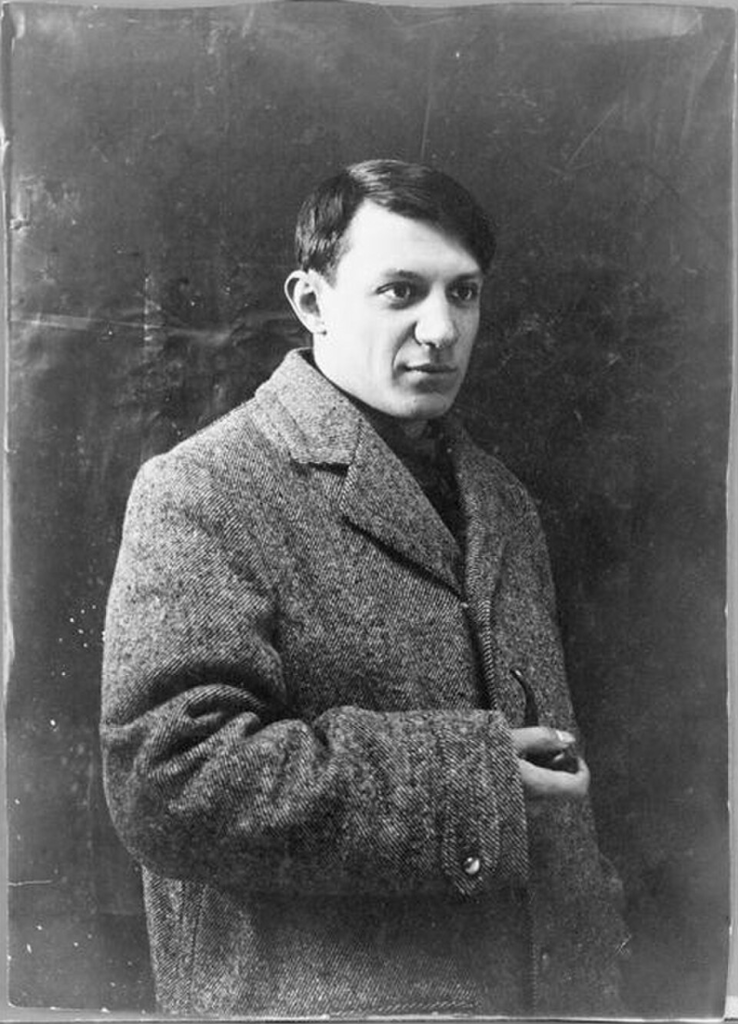
Pablo Picasso
Picasso is considered one of the most influential artists of the 20th century, but the accounts of women in his life and his treatment of romantic partners have complicated his reputation.

MrBeast
Jimmy Donaldson turned elaborate YouTube challenges and expensive giveaways into an entertainment empire, but future audiences might question the ethics of turning generosity, financial need, and extreme competition into viral content.