15 of the Worst Special Effects From Recent Movies

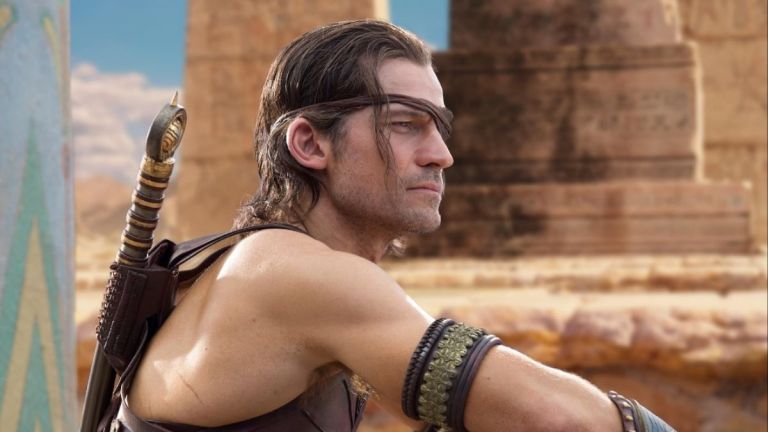
We all know plenty of movies with special effects that will last forever, made by cutting edge technologies and techniques that pushed the industry forward. We also know movies deemed like little more than trash, released rather recently, with effects that make them seem from many decades ago. We’re not here to celebrate the former, but to mock the latter.
This has become particularly noticeable in recent blockbusters, where enormous CGI-heavy sequences can expose rushed production schedules and overloaded visual-effects teams. From superhero disasters to ambitious science fiction, these recent movies show that throwing more money at a screen doesn’t necessarily make the pixels look better.
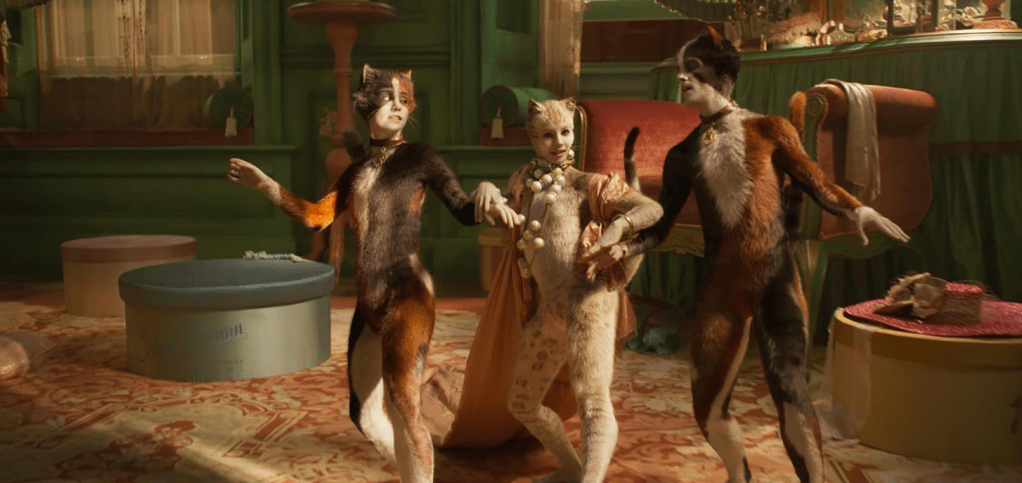
Cats
The 2019 adaptation became infamous before release when its first trailer revealed the unsettling digital fur and human-cat hybrids. Universal even issued an updated version with improved visual effects after the film’s initial premiere.
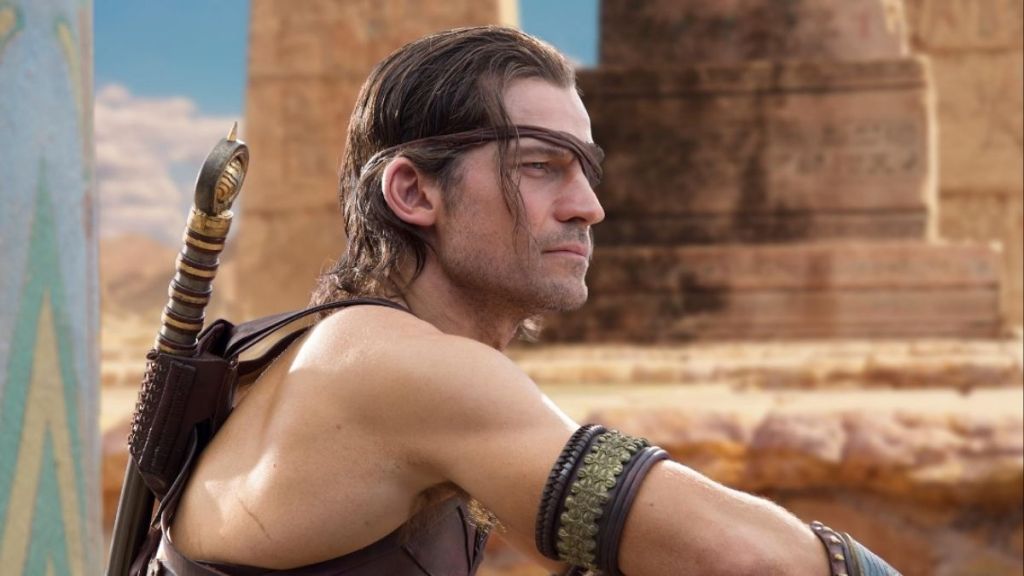
Gods of Egypt
Gods of Egypt relied heavily on computer-generated environments and transforming gods, but critics repeatedly found the effects unconvincing. TheWrap described the film as featuring “unconvincing visual effects,” while Roger Ebert’s review called its CGI clearly behind contemporary standards.
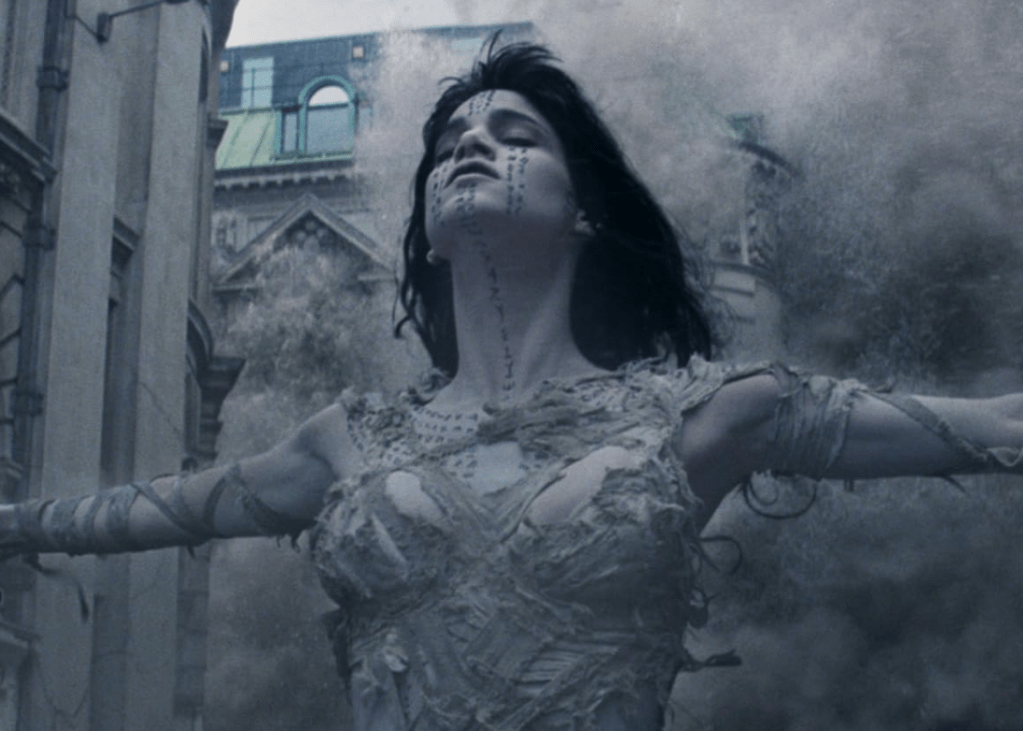
The Mummy
Tom Cruise’s 2017 Mummy reboot had a huge studio budget but was criticized for ropey CGI throughout its supernatural action sequences. Reviews particularly noted the green-screen-heavy spectacle and effects that failed to match the scale of the production.
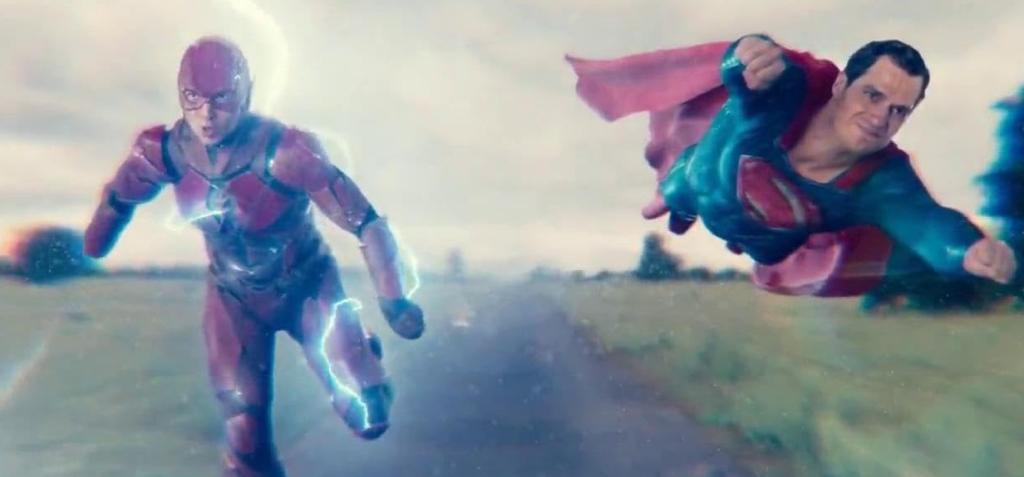
Justice League
Justice League became an especially notorious VFX example thanks partly to Henry Cavill’s digitally removed mustache. But critics also criticized Steppenwolf, Cyborg, green-screen work, and muddy action effects, making the mustache merely the most memorable symptom.
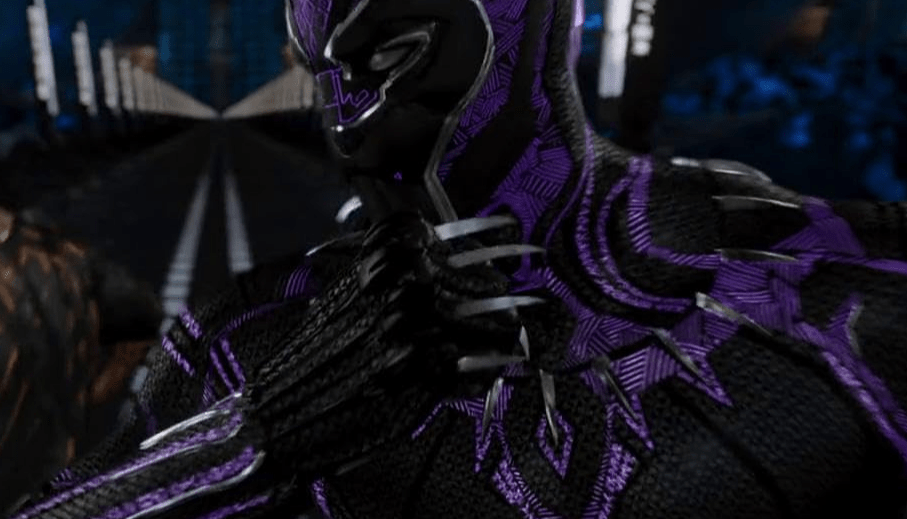
Black Panther
Black Panther remains highly regarded overall, but its climactic CGI-heavy battle drew criticism for weightless digital characters. The film also became part of wider conversations about overworked VFX studios and the increasing difficulty of producing blockbuster effects.

Wonder Woman 1984
Wonder Woman 1984 contains plenty of impressive effects, but its weaker shots became conspicuous during the action sequences. Cheetah’s transformation was particularly criticized for muddy CGI, strange movement, and an unfortunate descent into the uncanny valley.
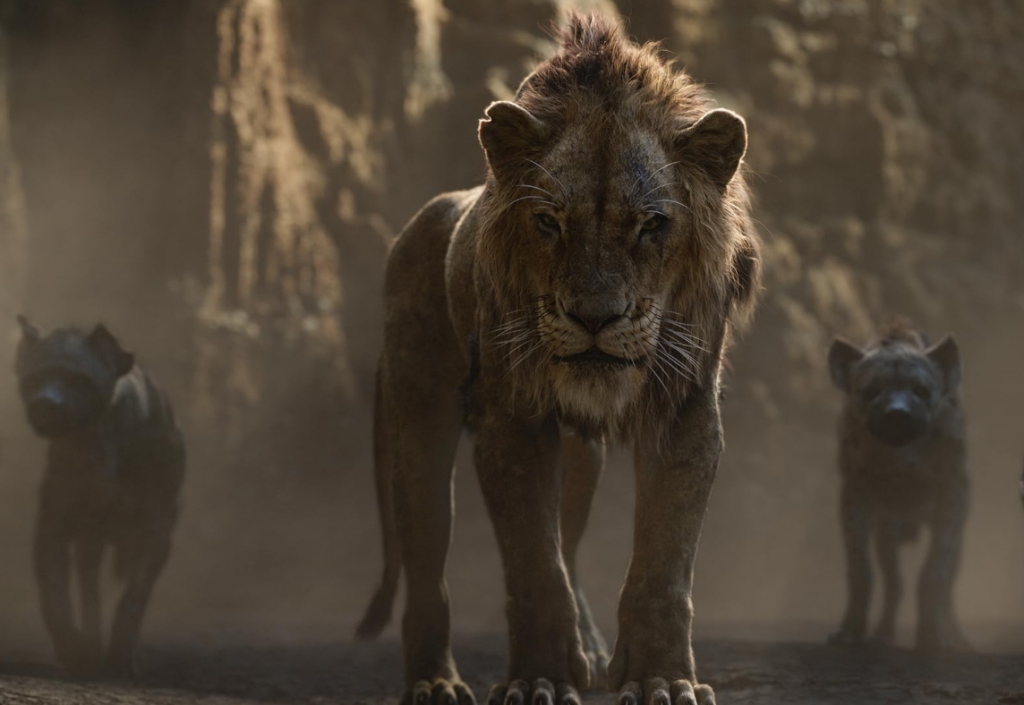
The Lion King
The Lion King’s photorealistic animals were technically extraordinary, but that realism created an unexpected problem. Their limited facial expressions and awkwardly realistic mouths made singing and speaking animals feel strangely artificial, undermining some otherwise spectacular visual work.
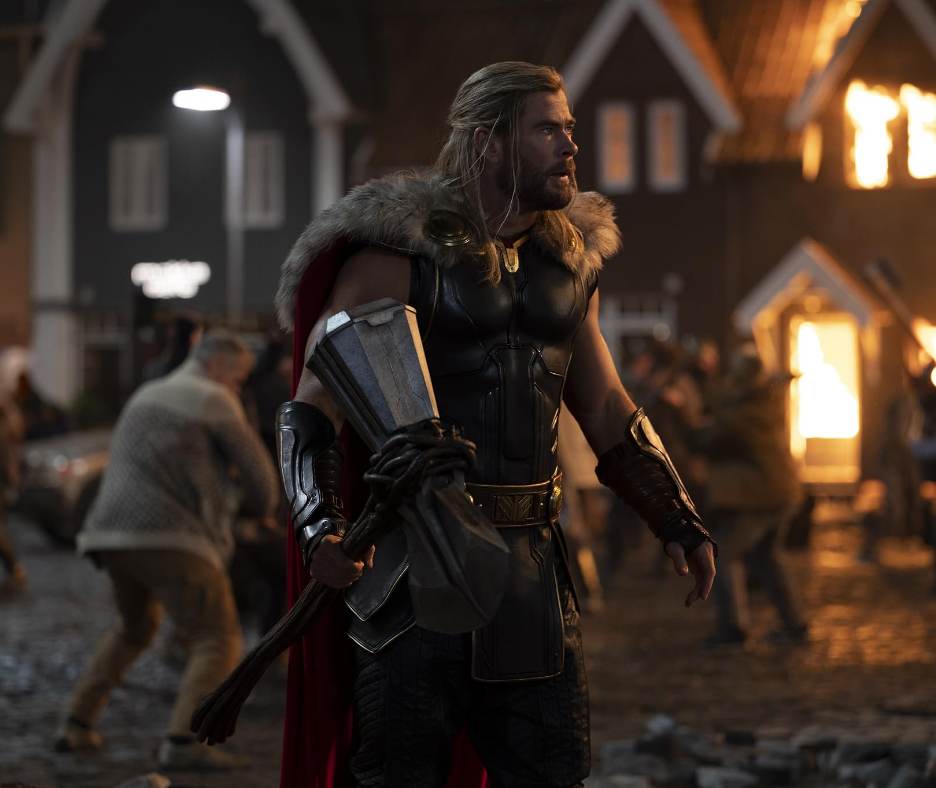
Thor: Love and Thunder
Thor: Love and Thunder’s enormous CGI-heavy sequences were criticized for contributing to the increasingly artificial appearance of Marvel’s cosmic action. The film’s effects were particularly noticeable because so much of its spectacle depended upon digital environments.
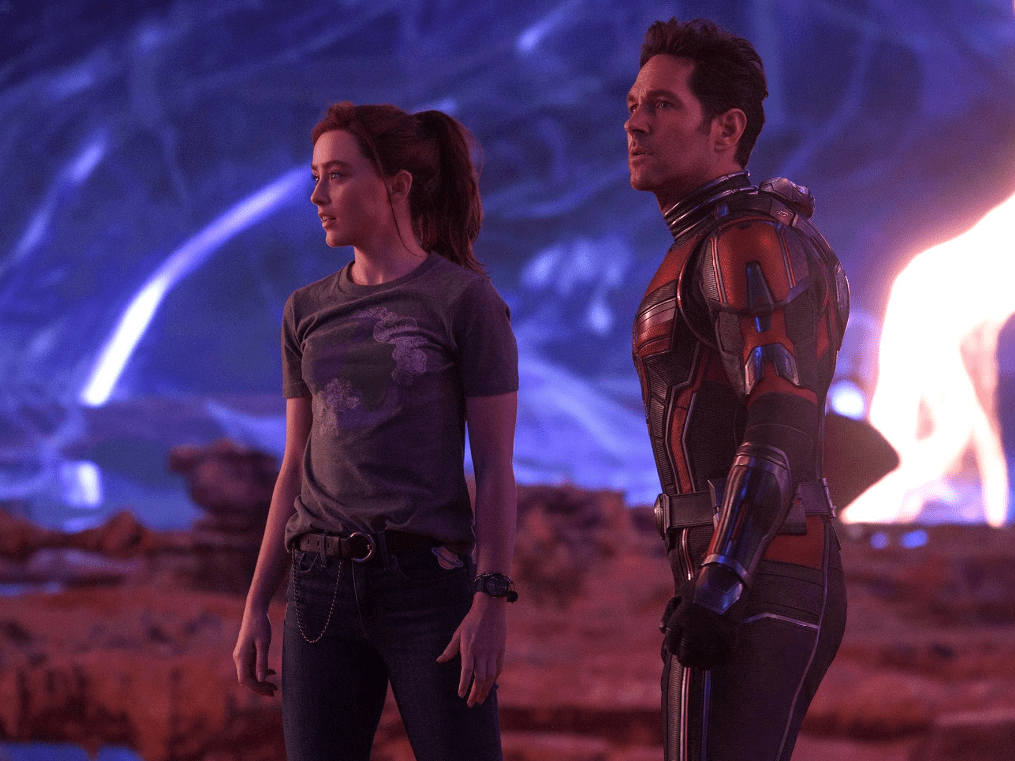
Ant-Man and the Wasp: Quantumania
Quantumania became one of Marvel’s most frequently cited recent VFX disappointments. Its entire Quantum Realm was digitally constructed, and critics complained about rubbery-looking imagery, artificial environments, and effects that made the enormous production feel surprisingly cheap.
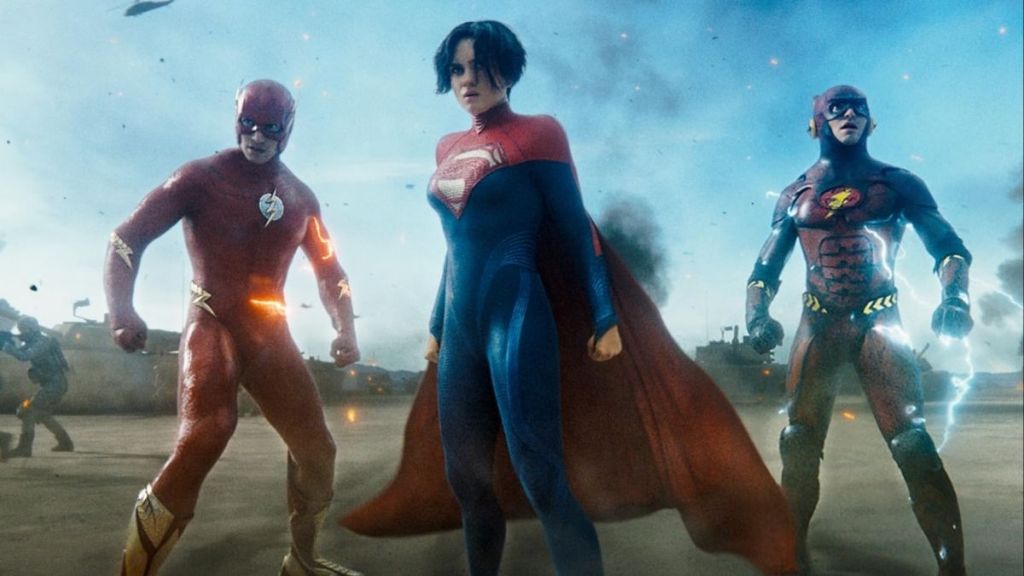
The Flash
The Flash’s visual effects attracted unusual criticism even before considering its story. Some sequences looked unfinished or strangely stylized, while the film’s digitally recreated characters and chaotic finale reinforced the impression that its effects simply weren’t ready for a major blockbuster.
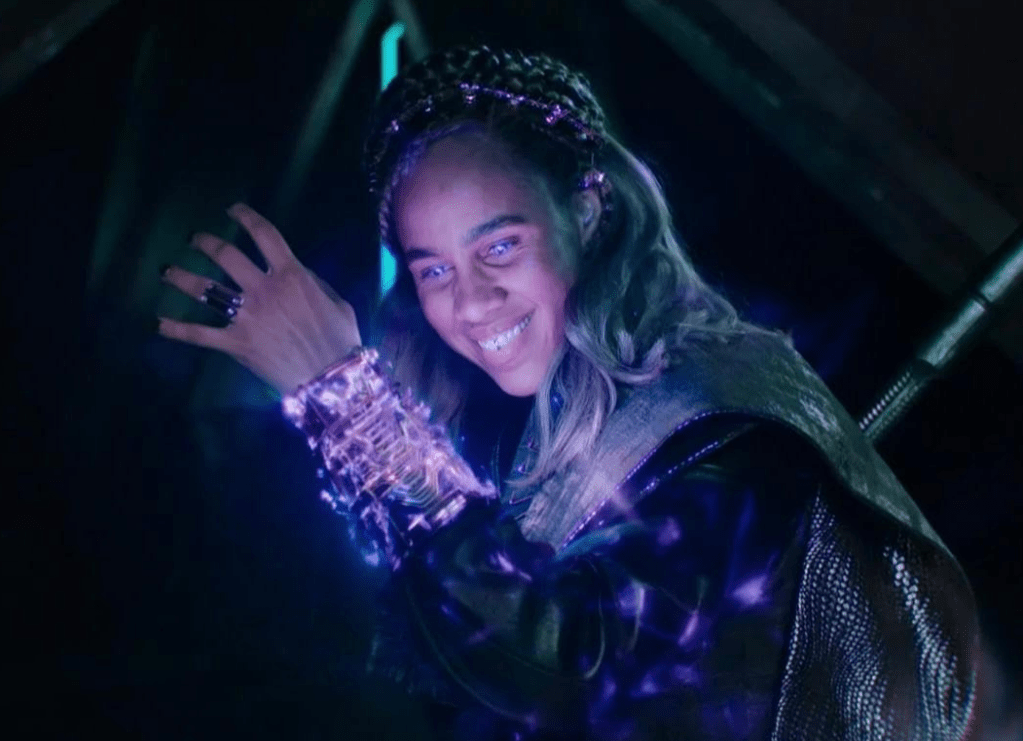
The Marvels
The Marvels had plenty of attractive visual work, but several effects-heavy sequences were noticeably less polished. Critics specifically singled out its digital spaceships, flying sequences, and green-screen environments as falling below expectations for a modern Marvel production.

Rebel Moon
Rebel Moon’s enormous science-fiction ambitions came with an equally enormous reliance on digital effects. Critics described the finished movie as CGI-jammed, while some of its environments and action sequences were criticized for looking more like digital imagery than convincing physical worlds.

Argylle
Argylle combines elaborate spy spectacle with increasingly ridiculous digital action, but critics weren’t impressed by the execution. The Guardian specifically described its special effects as “shoddy and unfinished,” contributing to the film’s strangely synthetic overall appearance.
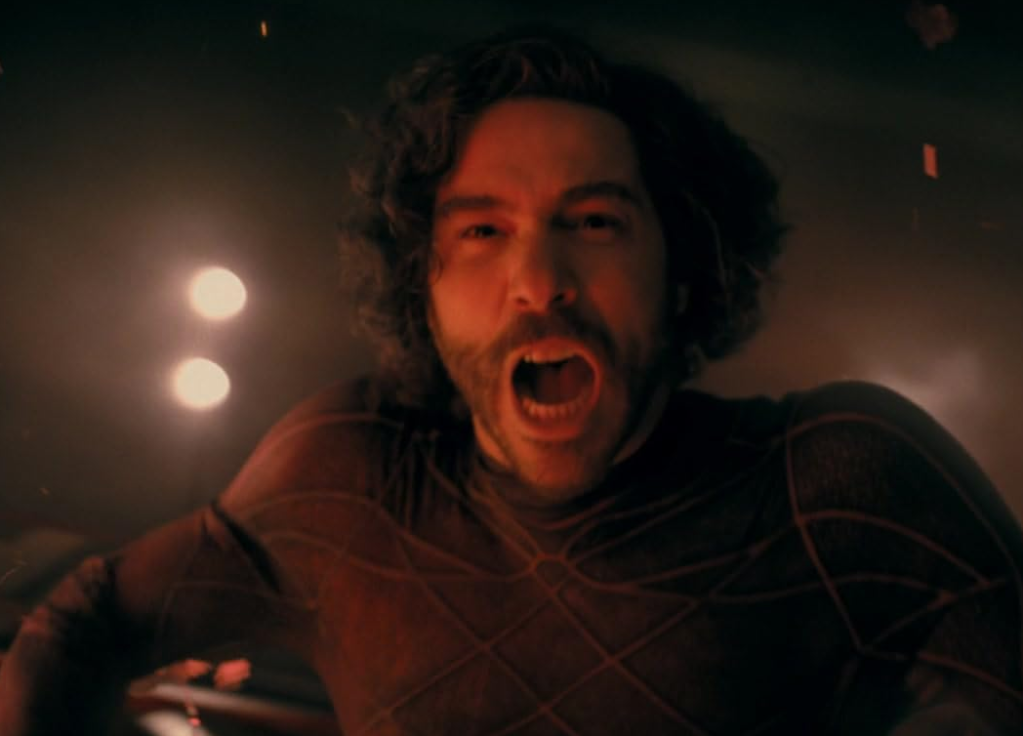
Madame Web
Madame Web’s effects were hardly its only problem, but they certainly didn’t help. Reviews criticized its rubbery digital villain, awkward action, and generally unconvincing effects work, particularly during sequences that were supposed to establish the film’s superhero credentials.
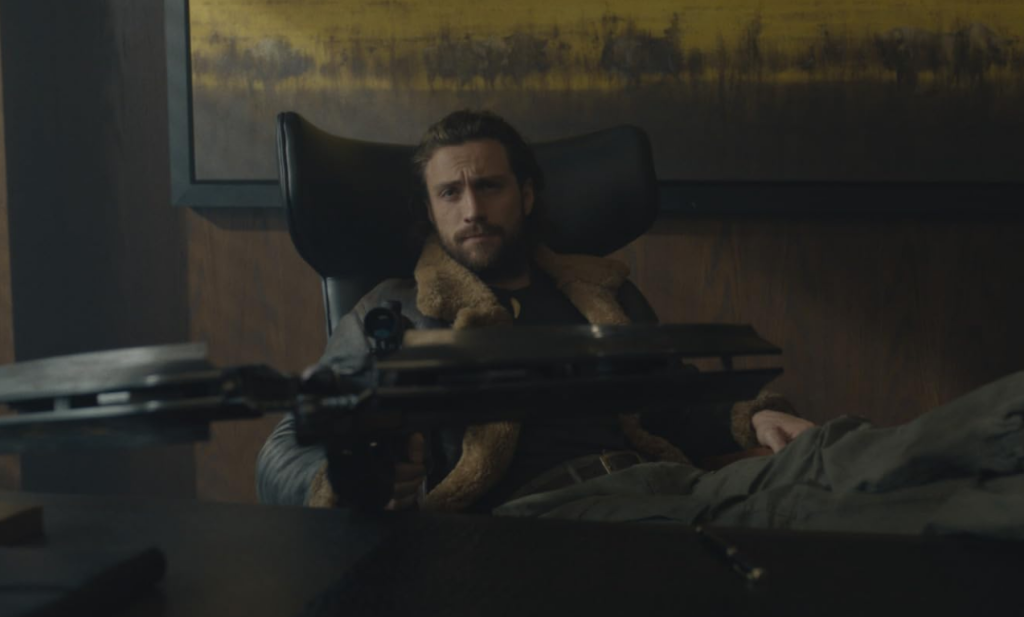
Kraven the Hunter
Kraven the Hunter arrived with a $130 million-plus budget but was criticized for dodgy CGI animals, obvious green-screen work, and increasingly unconvincing digital action. The Rhino transformation was particularly singled out as the point where its effects became noticeably worse.