15 of the Worst Decisions in Human History

History is full of decisions that seemed reasonable, necessary, or even brilliant at the time. It’s hard to imagine anyone involved could foresee the catastrophic consequences they would develop into. Underestimations, disastrous policies and ignored warnings make most of the blunders we have here today.
Not every defeat was caused by one foolish individual, of course; history is usually more complicated than that. Still, each of these cases involved a tactical, political, military, or policy decision whose consequences were spectacularly bad. Here are just a few historical bad decisions that demonstrate just how expensive poor judgment can become.
Napoleon Invades Russia
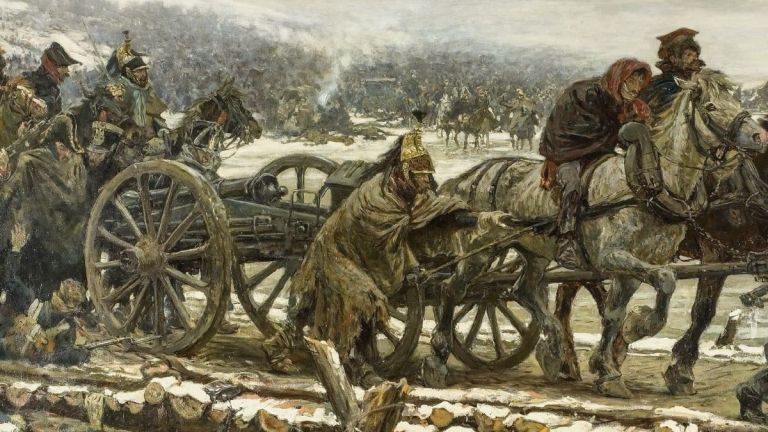
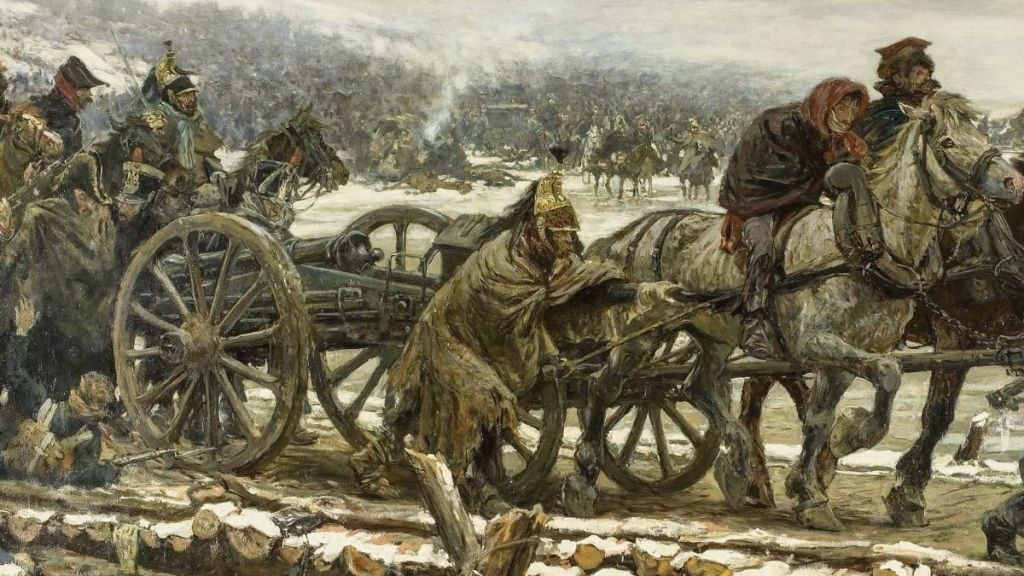
In 1812, Napoleon invaded Russia with an enormous army expecting a decisive campaign. Russian forces withdrew, stretched French supply lines, and destroyed resources. The disastrous retreat devastated Napoleon’s Grande Armée and severely weakened his empire.
Hitler Invades the Soviet Union
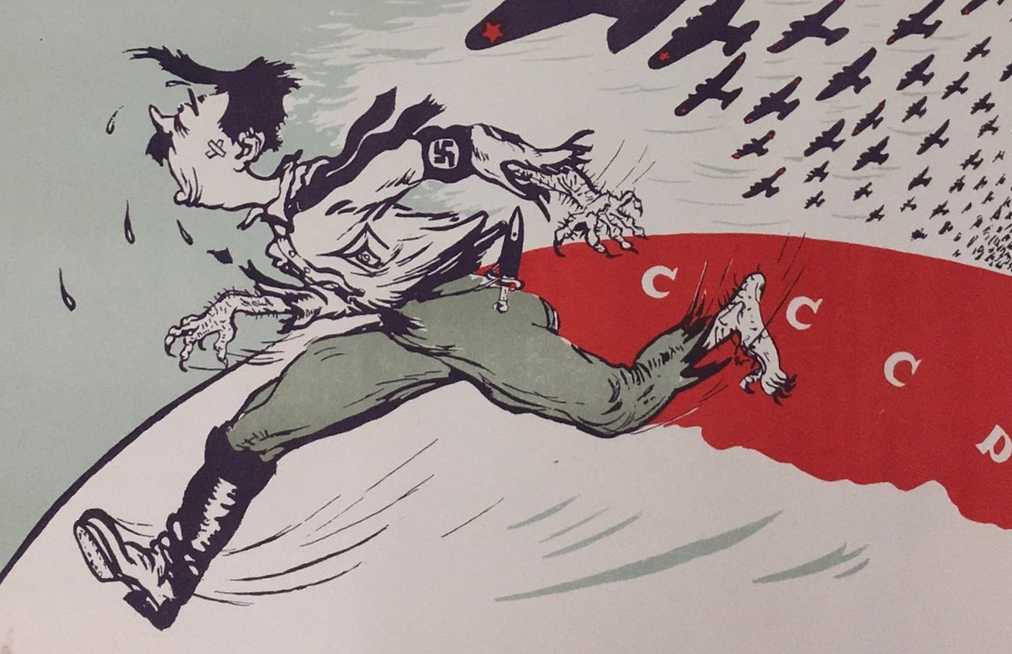
Operation Barbarossa opened a massive eastern front in 1941 despite Germany already being at war with Britain. Germany underestimated Soviet resistance and struggled with distance, logistics, and winter, eventually suffering a catastrophic strategic reversal.
The Charge of the Light Brigade
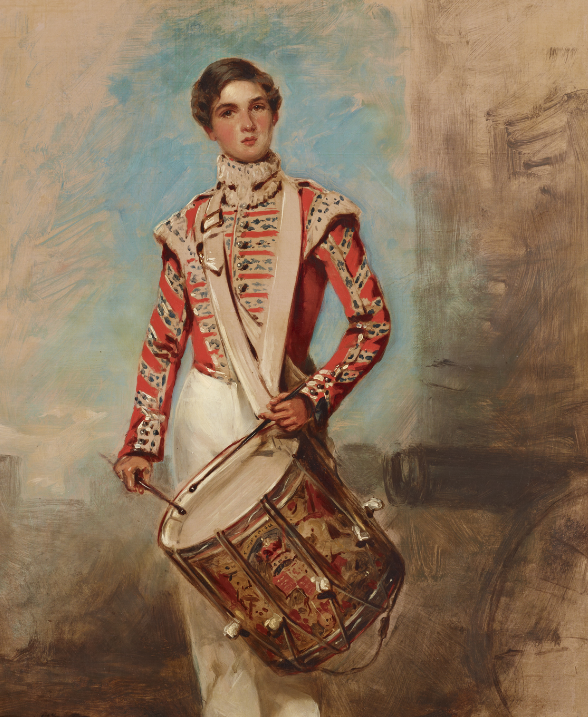
During the Battle of Balaclava in 1854, a confused British command led the Light Brigade to charge directly toward Russian artillery. Roughly 670 cavalrymen entered the exposed valley, suffering devastating casualties in history’s most famous military blunders.
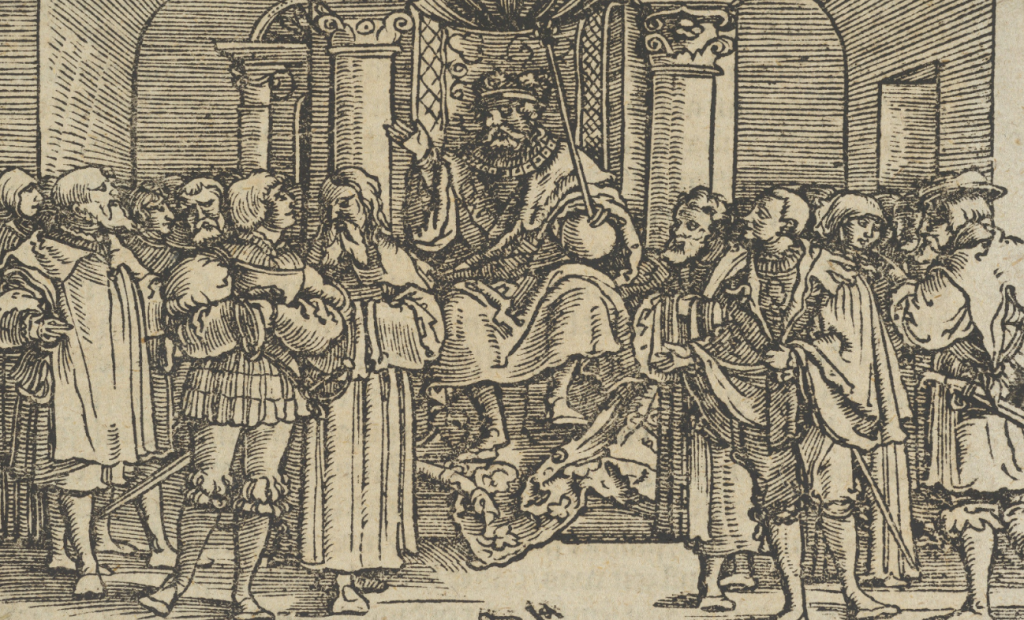
The Sicilian Expedition
Athens launched a huge expedition against Sicily during the Peloponnesian War, hoping to conquer Syracuse. The campaign ended catastrophically, destroying much of Athens’ expeditionary force and severely weakening the city-state against Sparta.
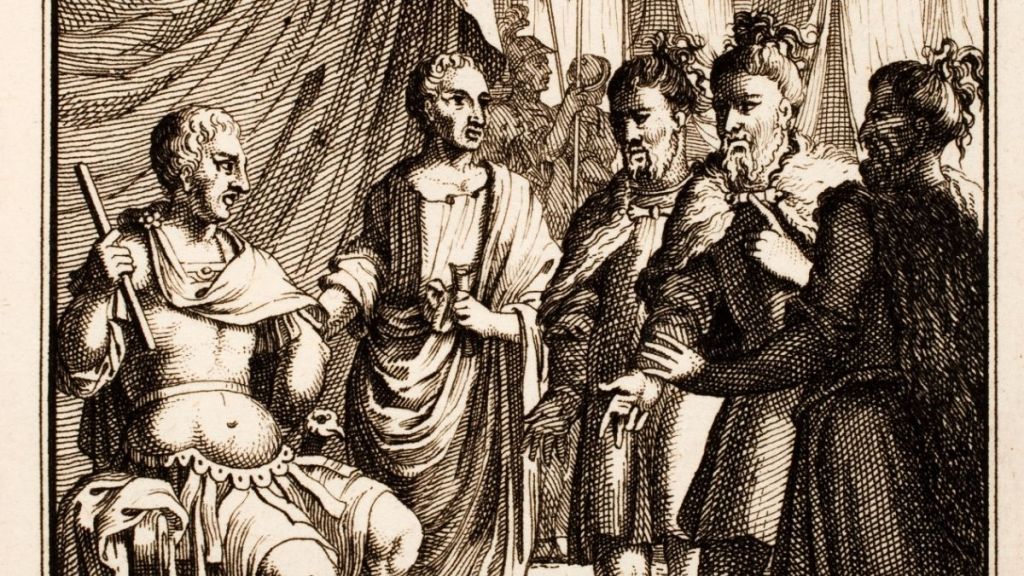
Varus Trusts Arminius
Roman commander Publius Quinctilius Varus ignored warnings and followed Arminius into difficult terrain in Germania. In 9 CE, three Roman legions were ambushed and destroyed, abruptly ending Rome’s ambitions to expand beyond the Rhine.
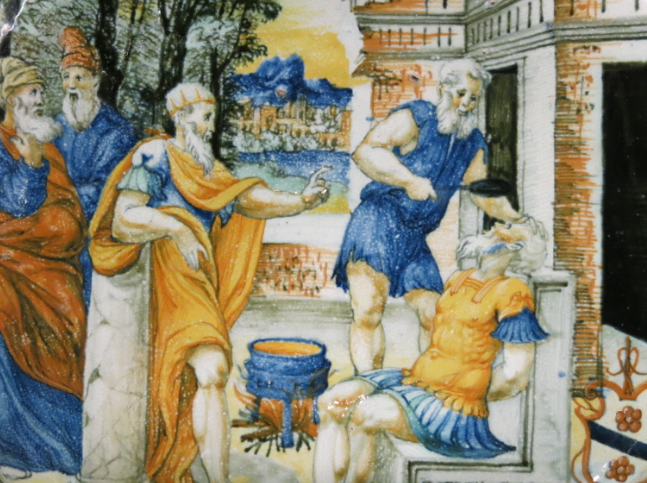
Crassus Invades Parthia
Marcus Licinius Crassus sought military glory by invading Parthia in 53 BCE. He ignored more cautious advice, marched into hostile territory, and suffered a devastating defeat at Carrhae that killed him and destroyed his army.
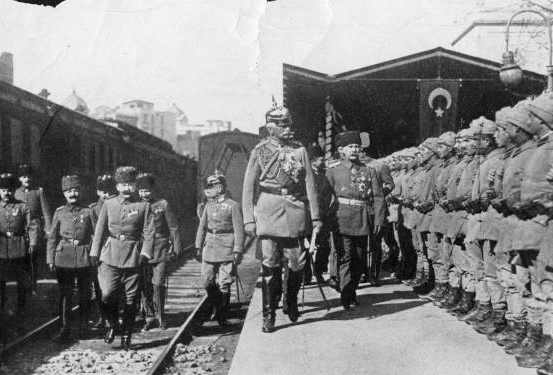
The Gallipoli Campaign
Allied leaders hoped an attack through the Dardanelles would knock the Ottoman Empire out of World War I. Poor planning and determined Ottoman resistance produced a costly stalemate, followed by evacuation after enormous casualties.
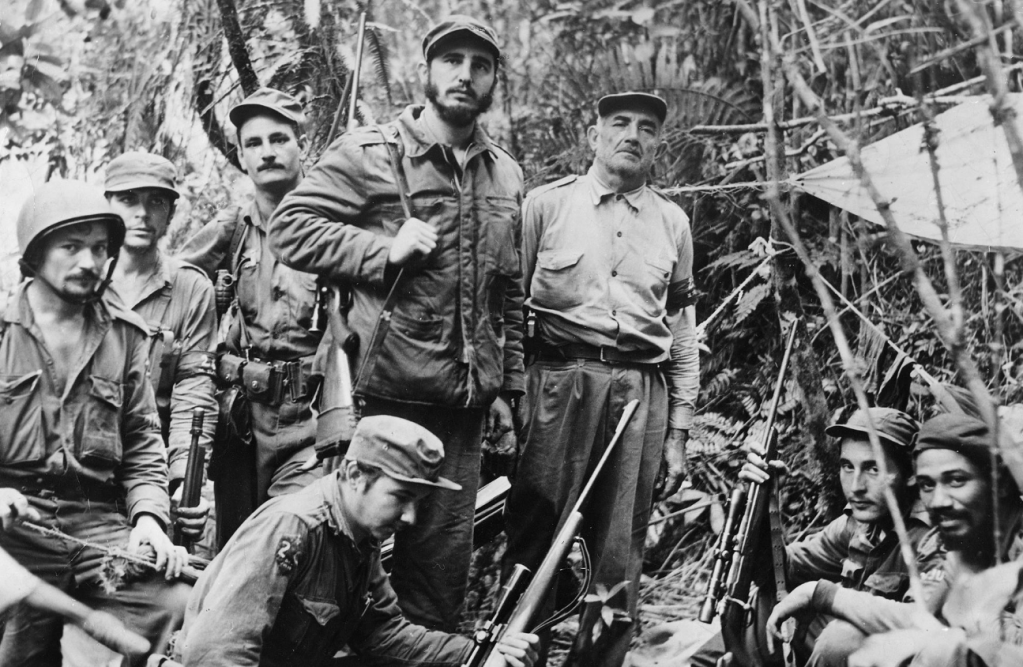
The Bay of Pigs Invasion
In 1961, CIA-backed Cuban exiles landed at the Bay of Pigs expecting to overthrow Fidel Castro. The invasion quickly collapsed, leaving 140 invaders dead and nearly 1,200 captured while strengthening Castro politically.
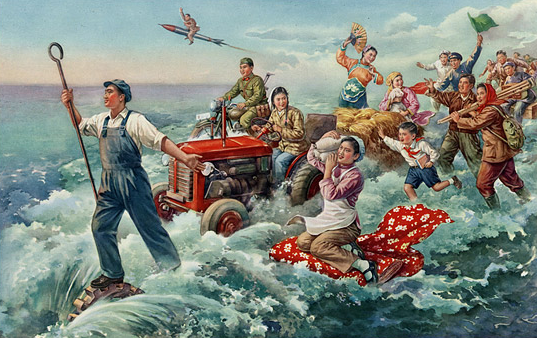
The Great Leap Forward
Mao Zedong’s Great Leap Forward attempted to rapidly transform China through collectivization and industrialization. Unrealistic production targets and disastrous policies contributed to a catastrophic famine, making the campaign one of history’s worst policy failures.
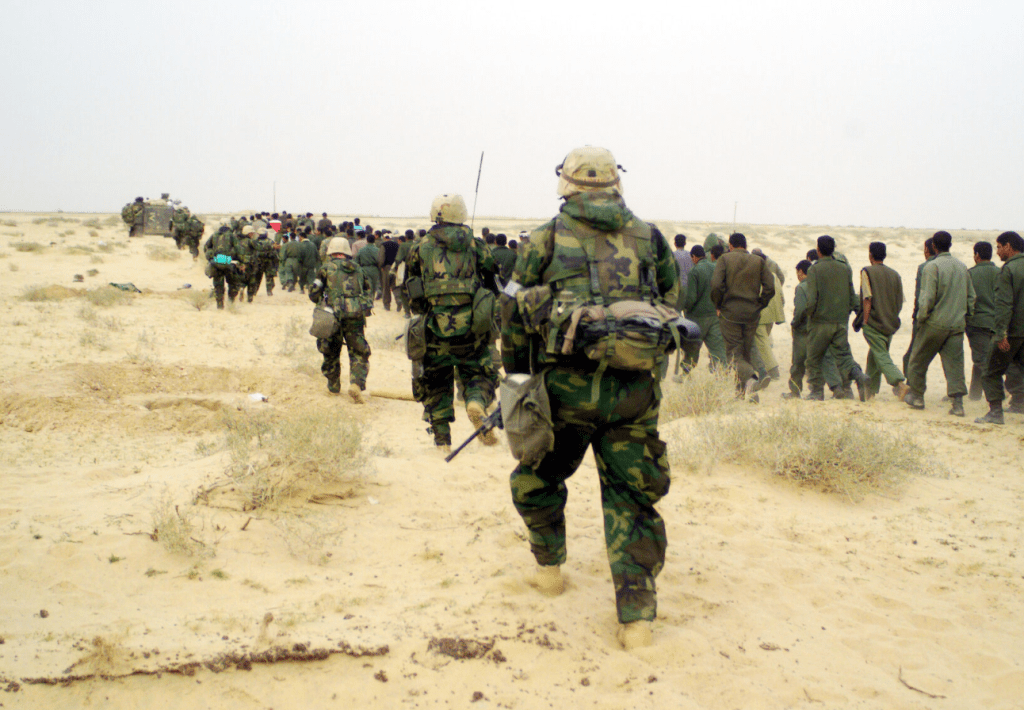
Invading Iraq in 2003
The U.S.-led invasion quickly removed Saddam Hussein but failed to anticipate the consequences of dismantling Iraq’s existing political and security structures. The occupation faced a major insurgency, sectarian violence, and prolonged regional instability.
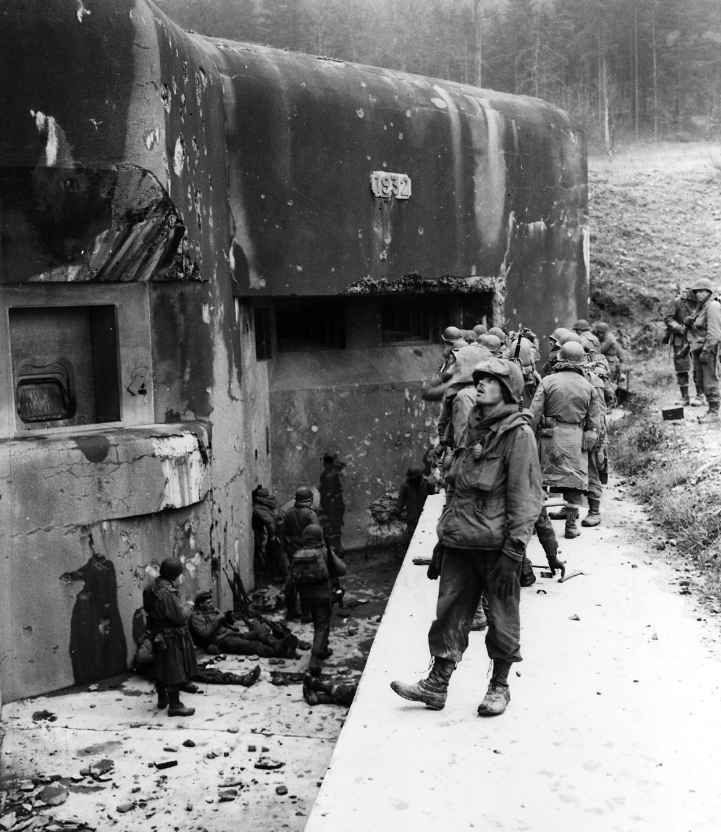
France Relies on the Maginot Line
France built the Maginot Line to strengthen its defenses against Germany but left the Ardennes comparatively vulnerable. In 1940, German forces advanced through that region and outflanked Allied defenses, contributing to France’s rapid defeat.
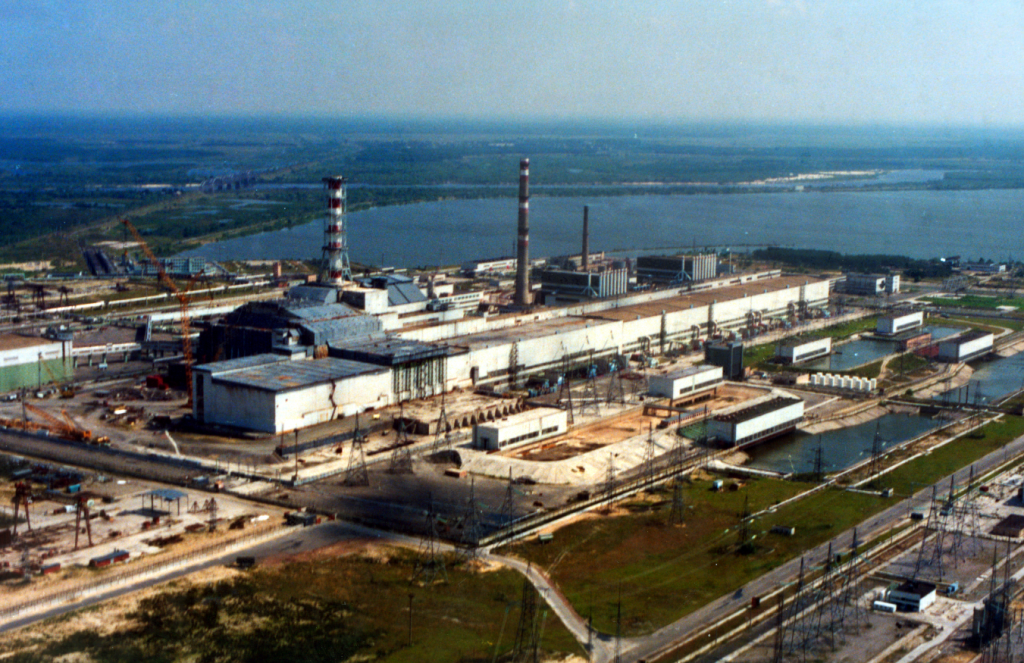
The Chernobyl Safety Test
During a 1986 safety test, operators at Chernobyl violated procedures while running an unstable reactor at dangerously low power. Combined with reactor design flaws, the experiment triggered explosions and the world’s worst nuclear power accident.
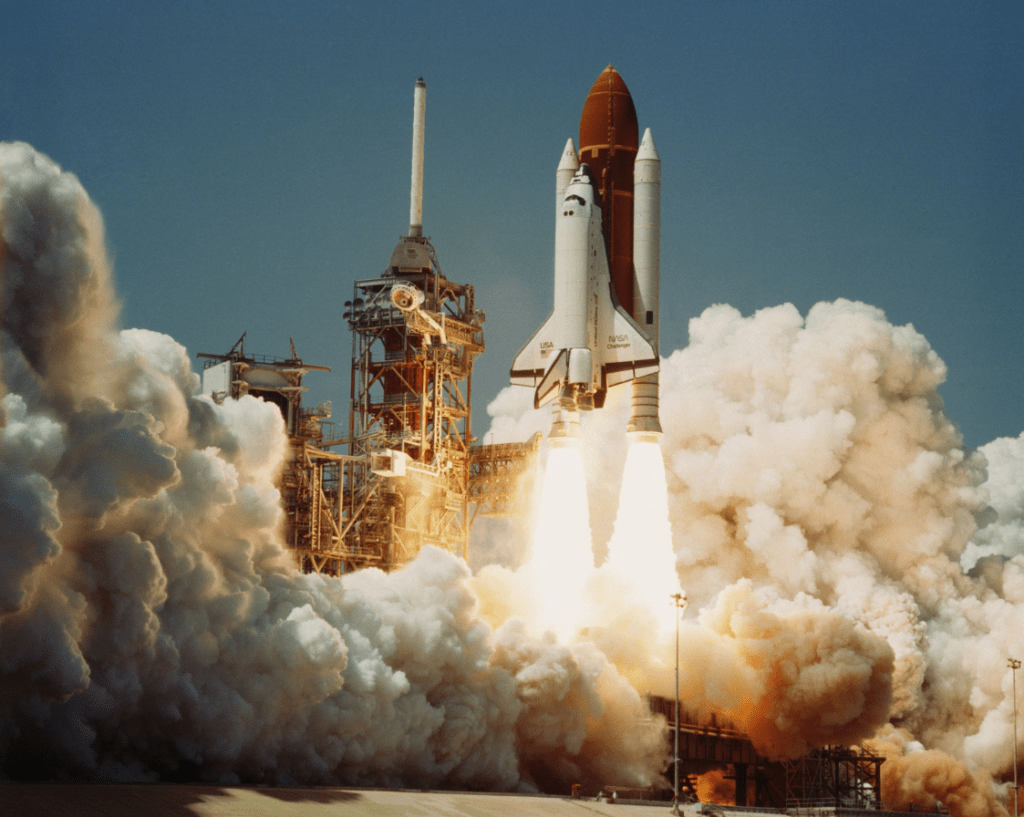
The Challenger Launch Decision
NASA launched the Space Shuttle Challenger on January 28, 1986, despite concerns about how unusually cold temperatures could affect its O-rings. Seventy-three seconds after liftoff, the shuttle broke apart, killing all seven astronauts.
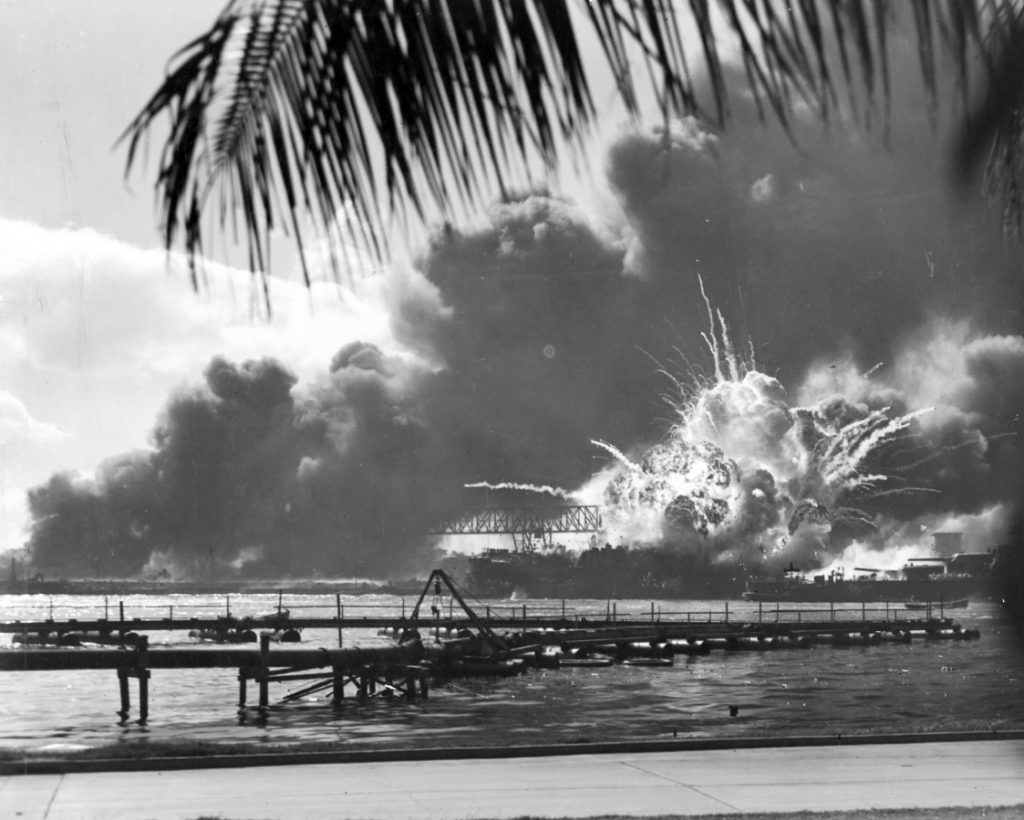
Japan Attacks Pearl Harbor
Japan’s 1941 attack on Pearl Harbor achieved tactical surprise but failed strategically to remove America’s ability to wage war. Instead, the attack unified American public opinion and brought the United States directly into World War II.
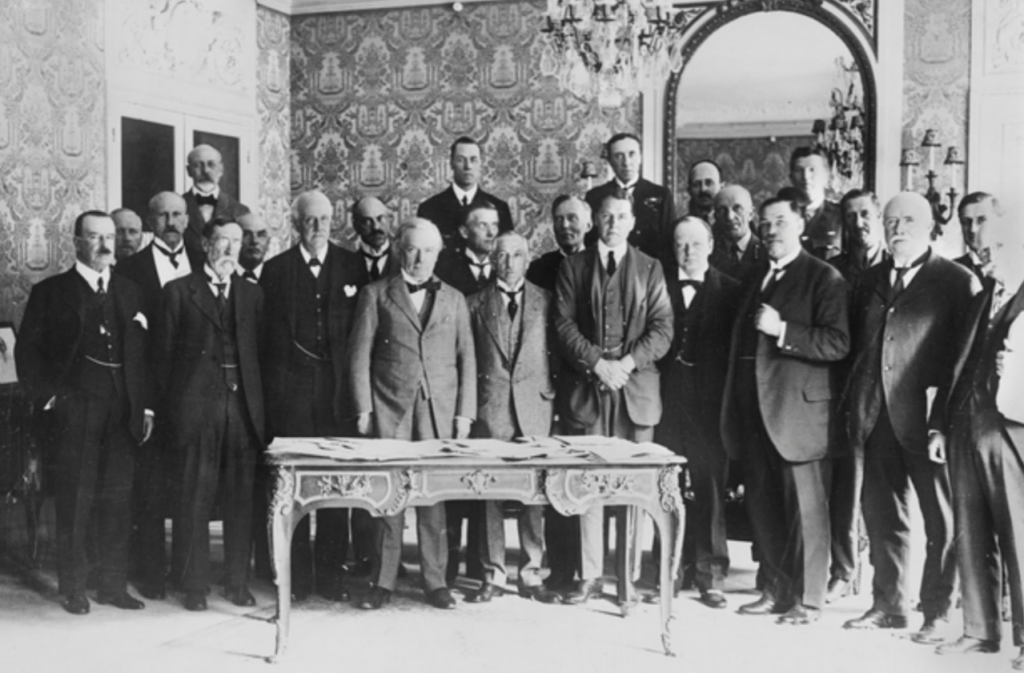
The Treaty of Versailles
The Treaty of Versailles ended World War I but imposed harsh terms on defeated Germany while leaving significant political tensions unresolved. Its legacy became a major source of grievance and instability during the turbulent years that followed