15 of the Strangest Words From The 1990s

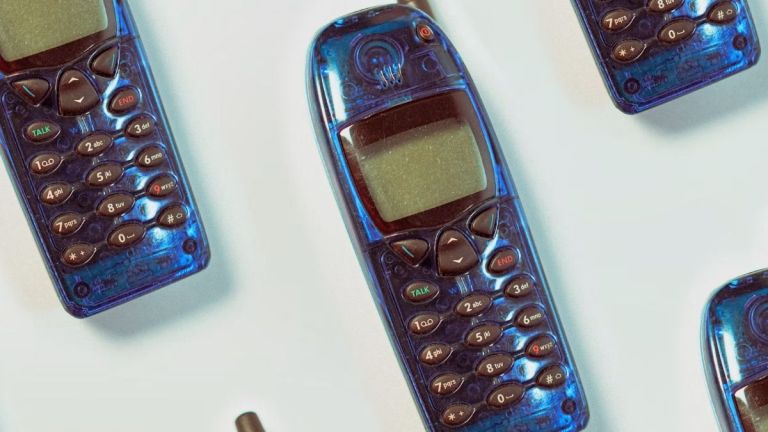
Every single decade produces slang that could make perfect sense to anyone who lived through it, and sound completely unhinged to everyone else. The 90s, however, were arguably the start of the strangest slang, or at least the most wide-spread thanks to the early internet years.
Today, many of these strange words survive mostly as nostalgic references and memes, mostly understood by the teens that used them back then, or the parents that had to suffer them. Between calling something “phat” and dismissing someone with an outstretched palm, these expressions capture a decade that was never afraid to sound ridiculous.
Radical
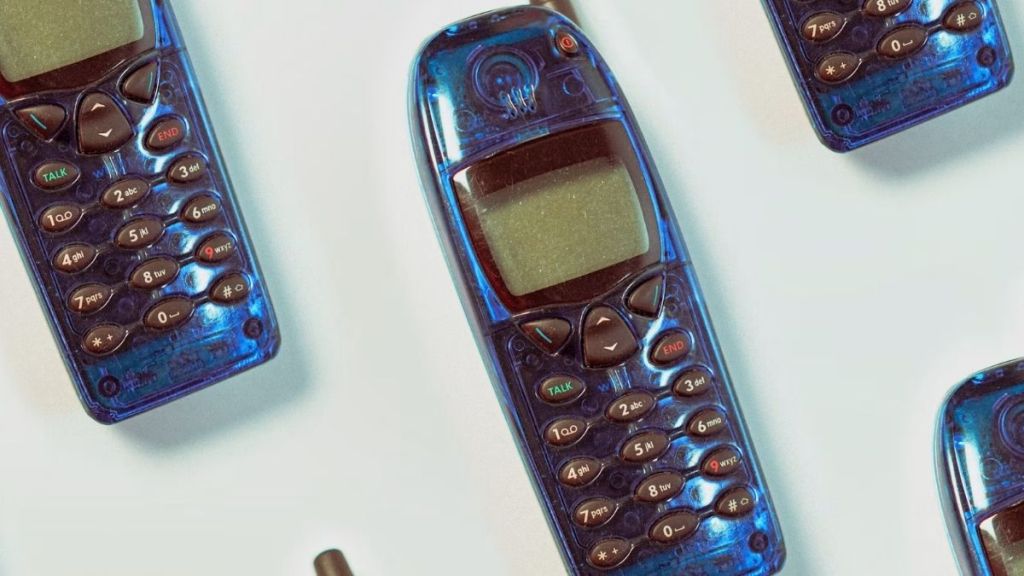
“Radical” existed long before the 1990s, but youth culture turned it into an enthusiastic way to describe something excellent. Its exaggerated surfer-dude associations have since made it a popular shorthand for hilariously outdated coolness.
Phat
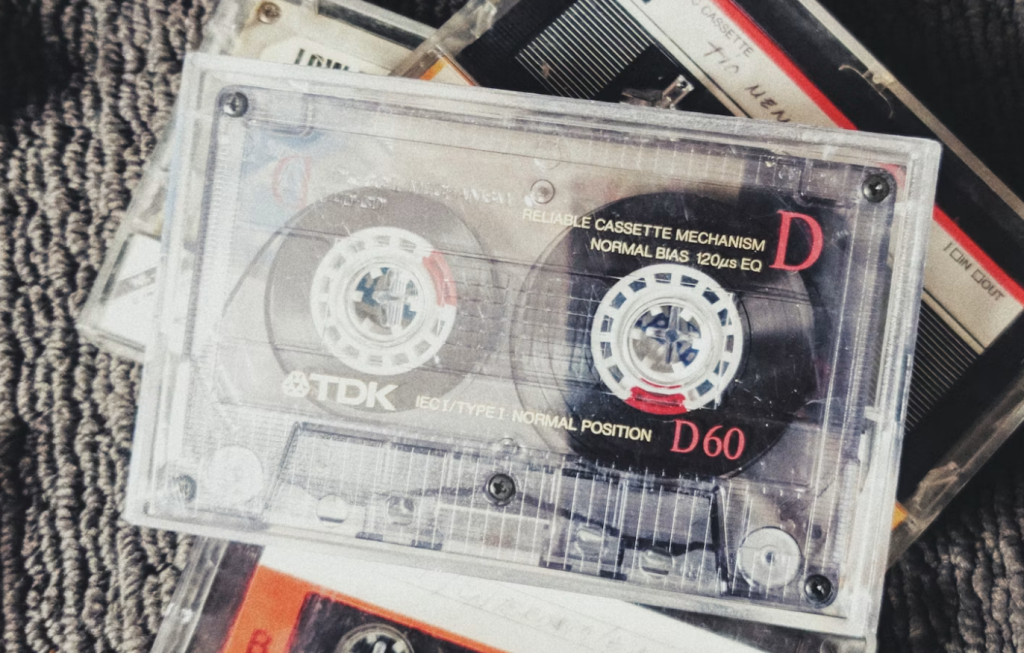
“Phat” became a distinctly different compliment from ordinary “fat,” meaning something excellent, attractive, or impressive. The spelling helped make the word feel like insider slang, and it became strongly associated with 1990s music and youth culture.

Da Bomb
If something was “da bomb,” it was exceptionally good rather than disastrous. Dictionary.com notes that a 1993 Kris Kross song helped popularize the phrase, demonstrating how 1990s slang could turn even explosions into compliments.
Talk to the Hand
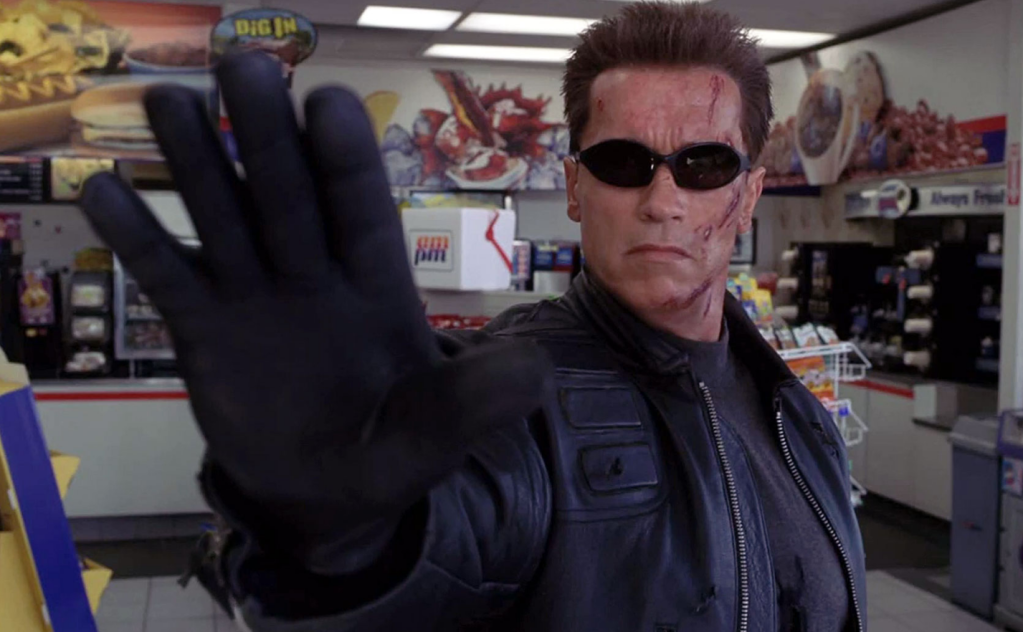
“Talk to the hand” was the ultimate theatrical dismissal, usually delivered alongside an upraised palm. The phrase became strongly associated with 1990s television and was often expanded into “Talk to the hand, because the face ain’t listening.”
All That
Calling someone or something “all that” meant they were especially impressive or desirable. The phrase exploded during the 1990s, eventually producing the wonderfully excessive variation “all that and a bag of chips.”

As If!
“As if!” became one of the decade’s most recognizable sarcastic dismissals after Alicia Silverstone delivered it repeatedly as Cher Horowitz in Clueless. The phrase perfectly captured the exaggerated confidence and sarcasm associated with 1990s teen culture.
Booyah
“Booyah!” was an enthusiastic cry of celebration, particularly associated with sports. Its mainstream popularity is frequently connected to ESPN personality Stuart Scott, whose energetic use of the expression helped turn it into a schoolyard-ready celebration.
My Bad
“My bad” offered a remarkably casual way to admit responsibility for a mistake. Rather than delivering a formal apology, someone could simply say two words and move on, making it one of the decade’s most durable contributions to everyday slang.

Psych!
“Psych!” was the verbal equivalent of pulling the rug out from under someone. After making a statement designed to create expectations, the speaker would shout “Psych!” to reveal it was a joke and enjoy the victim’s disappointment.

Whatever
“Whatever” was not invented during the 1990s, but the decade transformed it into a weaponized expression of indifference. Delivered with the proper eye roll and tone, it became one of the simplest and most irritating dismissals imaginable.

Buggin’
If someone was “buggin’,” they were acting irrationally, strangely, or excessively upset. The flexible slang could describe paranoia, annoyance, or simply someone behaving in a way that made everybody else wonder what was wrong.

Jiggy
“Jiggy” became closely associated with the late 1990s thanks to Will Smith’s “Gettin’ Jiggy wit It.” The word suggested having fun or looking stylish, though its exact meaning often seemed less important than sounding confident.
Fly
Calling something “fly” meant it was stylish, attractive, or generally excellent. The term predates the 1990s, but remained heavily embedded in the decade’s slang, particularly through hip-hop and the enormous influence of urban youth culture.

Noob
“Noob” emerged from the world of online gaming and early internet culture as a label for an inexperienced newcomer. Unlike many 1990s expressions, it survived the decade and remains recognizable in gaming communities today.
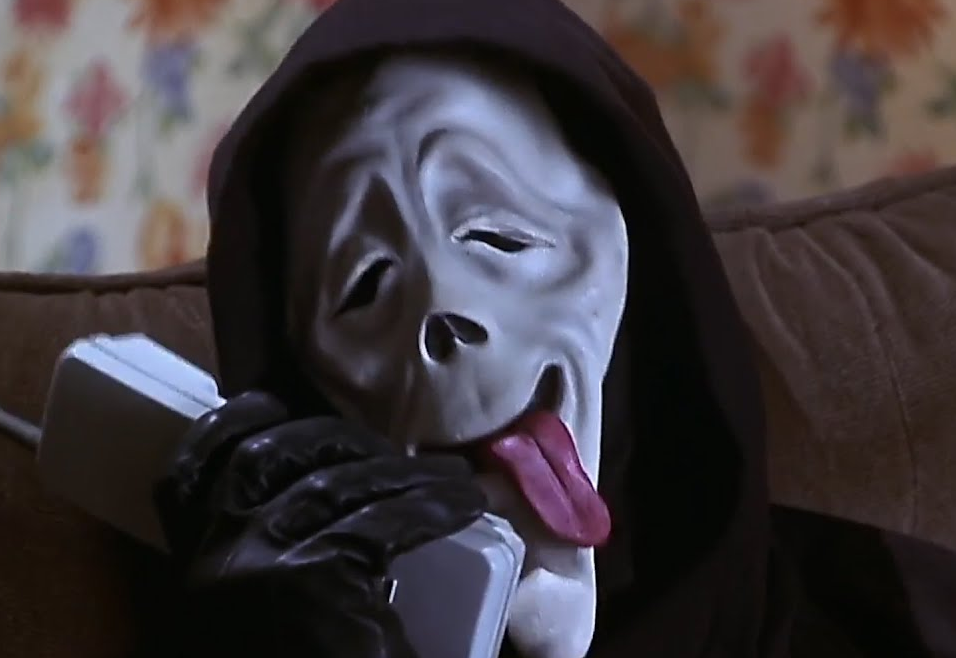
Whassup?
“Whassup?” turned an ordinary greeting into an absurdly drawn-out pop-culture phenomenon. Budweiser’s advertising campaign launched in late 1999 and turned the exaggerated pronunciation of “What’s up?” into an internationally recognizable catchphrase.