15 of the Best Movie and TV Monologues Ever Written

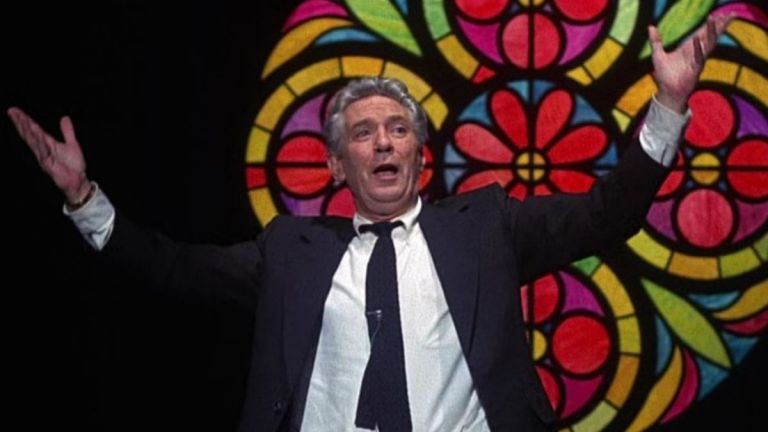
Oftentimes, a monologue can be seen as a bad thing; a single character in a movie or a show stealing the spotlight for far too long. When done right, however, they elevate the themes of the medium, stopping the action for a moment and focusing on the details that are often left unsaid.
When done right, they never feel like speeches inserted simply because writers wanted something quotable. These monologues we’ve gathered here belong exactly where they appear, and their power comes from the combination of exceptional writing, performances, characters, and context.
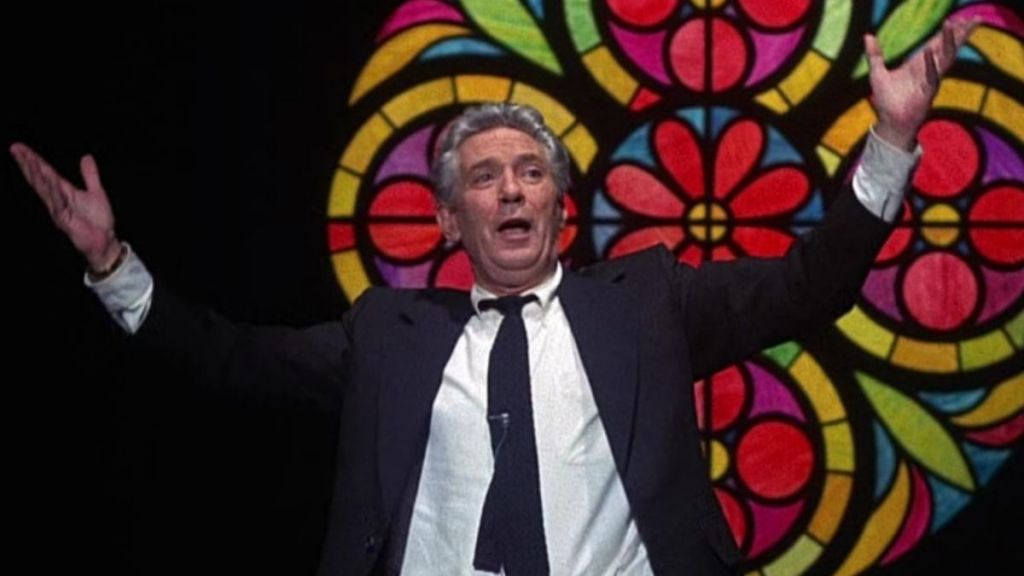
Network, Howard Beale’s “Mad as Hell”
Peter Finch’s Howard Beale turns personal despair into a public eruption. Paddy Chayefsky’s writing makes the speech simultaneously character-driven and socially observant, while Finch’s escalating delivery transforms Beale’s breakdown into something audiences can recognize and remember.
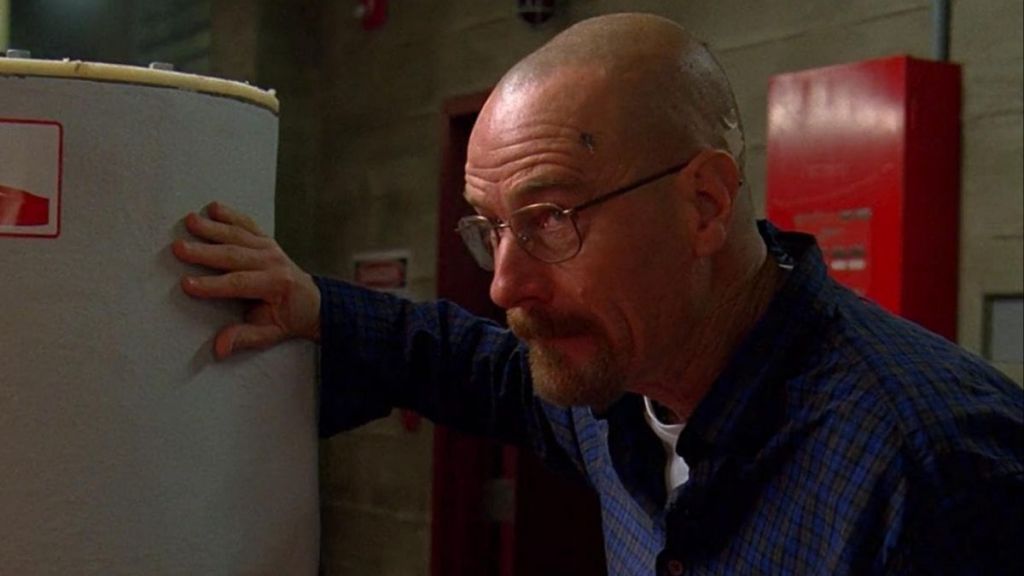
Breaking Bad, Walter White’s “Ozymandias”
Walter White’s final conversation with Skyler works because it strips away his excuses. After seasons of rationalization, Bryan Cranston delivers a devastatingly direct admission, giving the character’s complicated transformation an emotional clarity that the series had carefully withheld.
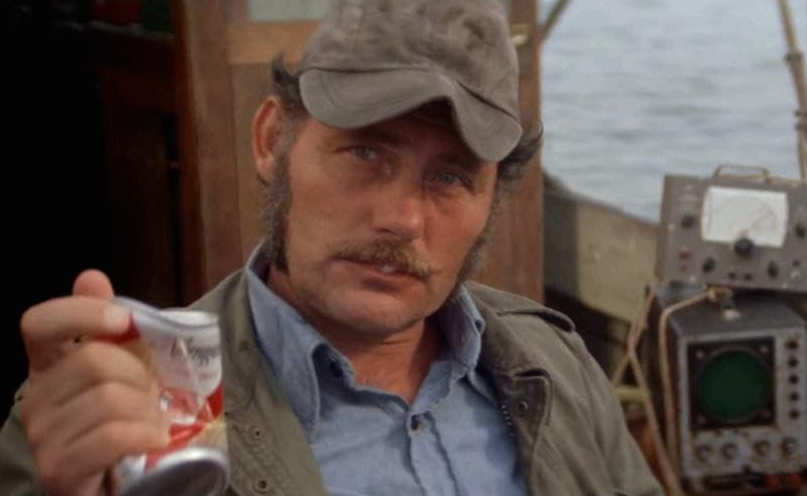
Jaws, Quint’s Indianapolis Story
Robert Shaw’s Indianapolis speech is remarkable because Spielberg temporarily removes the movie’s central monster and replaces it with something worse: memory. The understated storytelling, mounting detail, and Shaw’s haunted performance turn exposition into genuine psychological horror.
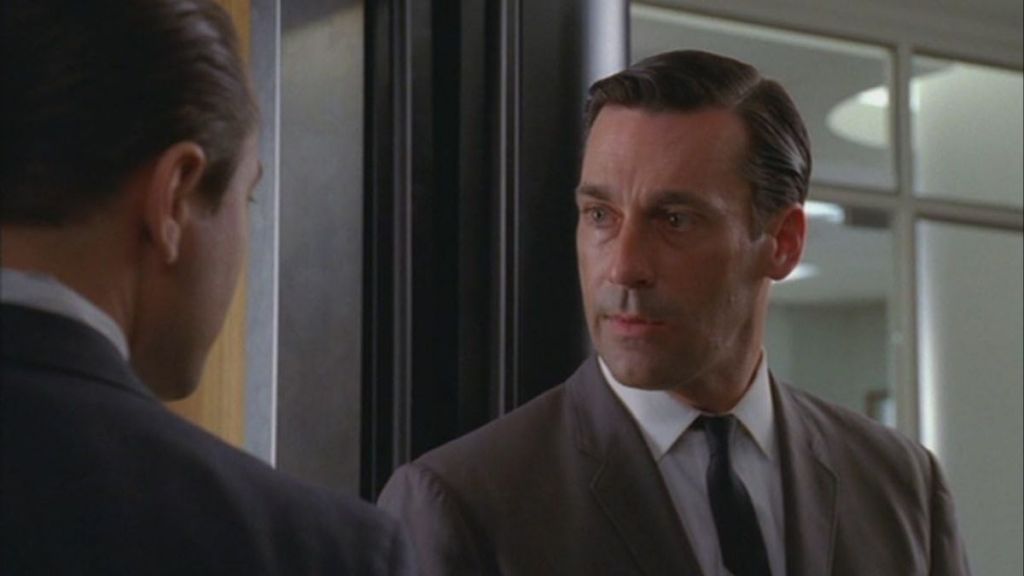
Mad Men, Don Draper’s Carousel Pitch
Don Draper’s Kodak pitch is brilliant because it disguises emotional manipulation as nostalgia. Matthew Weiner’s writing allows Don to sell a product while accidentally revealing his own loneliness, with Jon Hamm’s performance making every polished word feel increasingly personal.
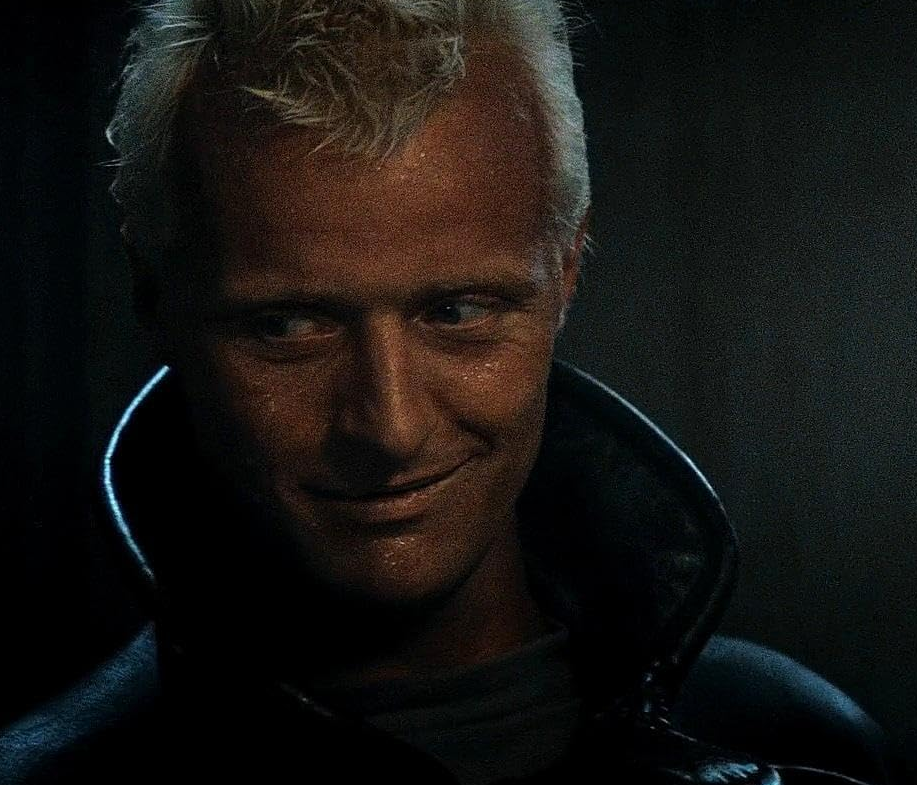
Blade Runner, Roy Batty’s “Tears in Rain”
Rutger Hauer’s final speech gives a dying replicant extraordinary humanity. Its simple language, fleeting memories, and rain-soaked setting transform Batty from an apparent villain into a tragic figure contemplating mortality, making the scene far more profound than its minimal dialogue suggests.
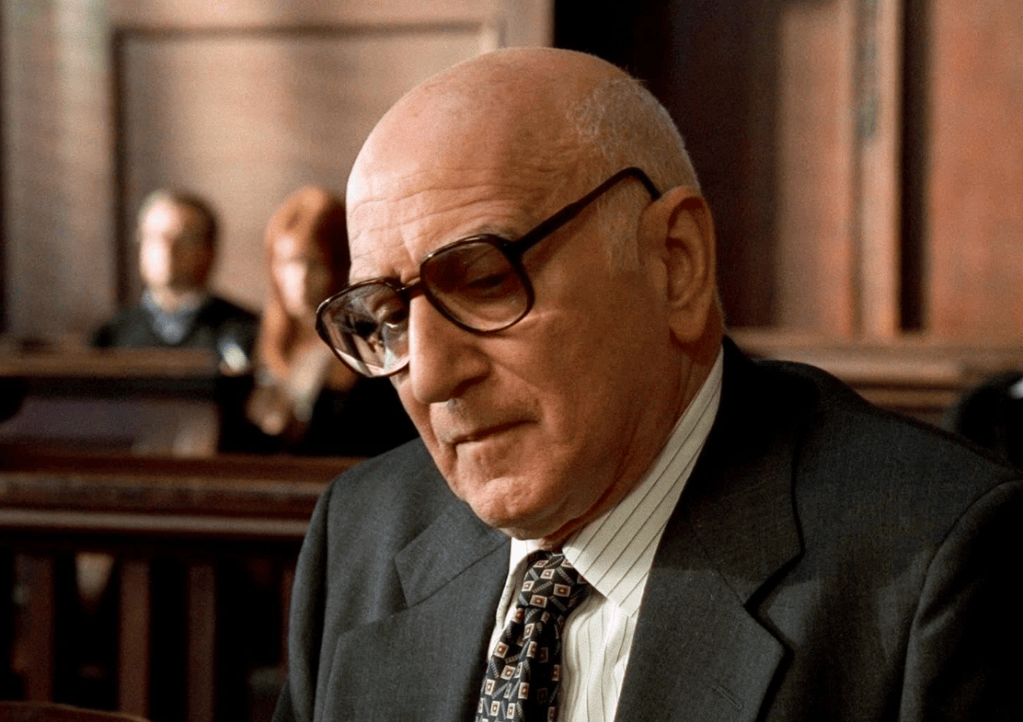
The Sopranos, Junior’s “We’re Soldiers”
Junior’s explanation of what soldiers do perfectly captures The Sopranos’ ability to make criminal philosophy sound strangely ordinary. The monologue reveals how deeply these characters have constructed identities around loyalty, masculinity, violence, and duty.
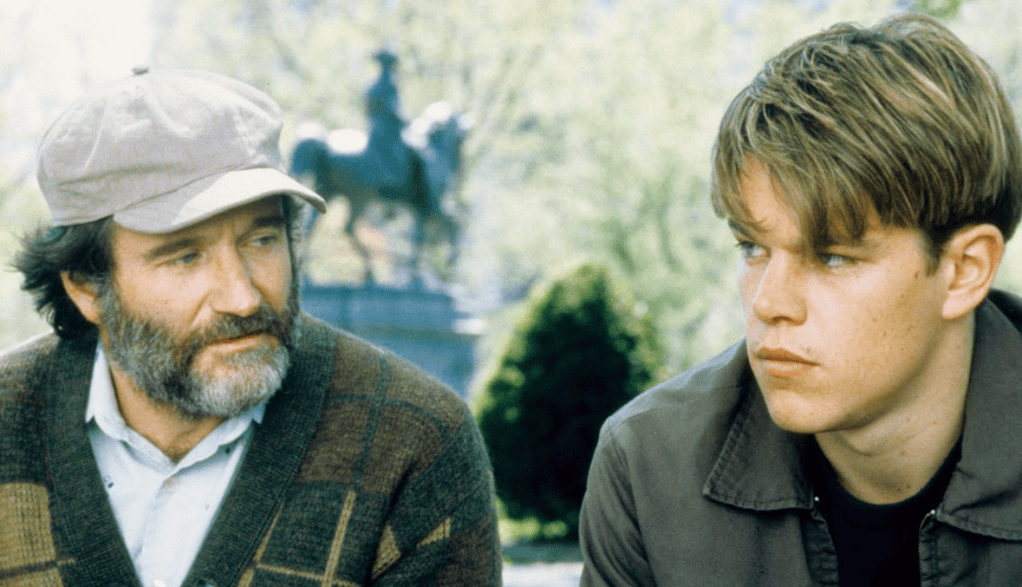
Good Will Hunting, Sean’s “It’s Not Your Fault”
Robin Williams turns repetition into emotional excavation. Sean’s increasingly gentle insistence that Will isn’t responsible for his childhood trauma slowly breaks through years of defensive sarcasm, making the monologue powerful precisely because its simple words carry enormous emotional history.
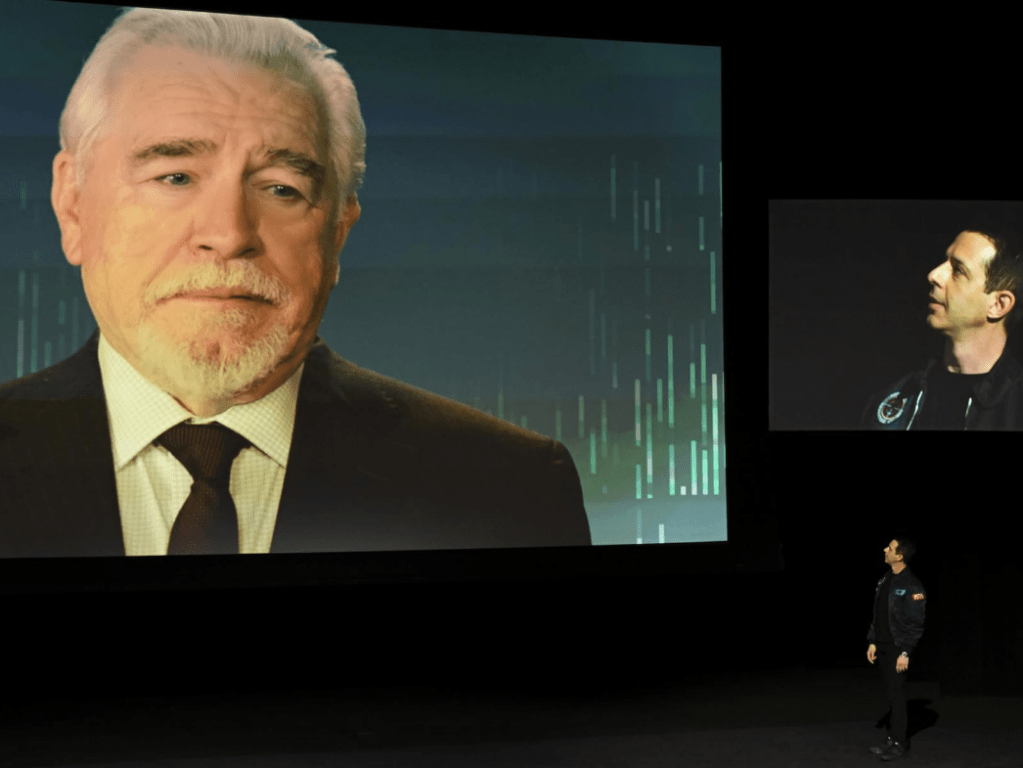
Succession, Logan Roy’s Eulogy
Kendall’s eulogy for Logan succeeds because it refuses to simplify their relationship. The speech moves between resentment, admiration, fear, and genuine grief, while Jeremy Strong’s performance captures someone desperately trying to understand the father he could never fully please.
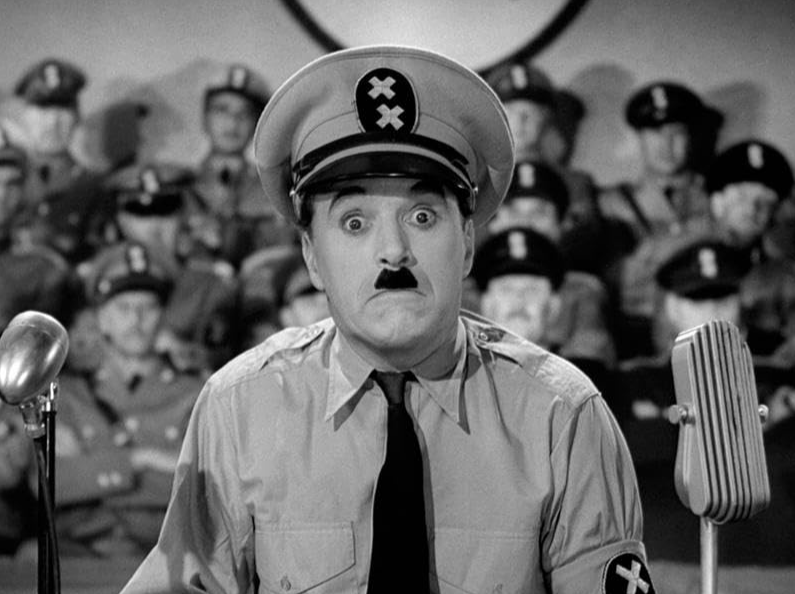
The Great Dictator, The Final Speech
Charlie Chaplin uses his closing speech to abruptly abandon satire for a direct plea against fascism and hatred. Its sincerity is what makes it endure: the simplicity of the language lets the emotional and political message overwhelm the comedy surrounding it.
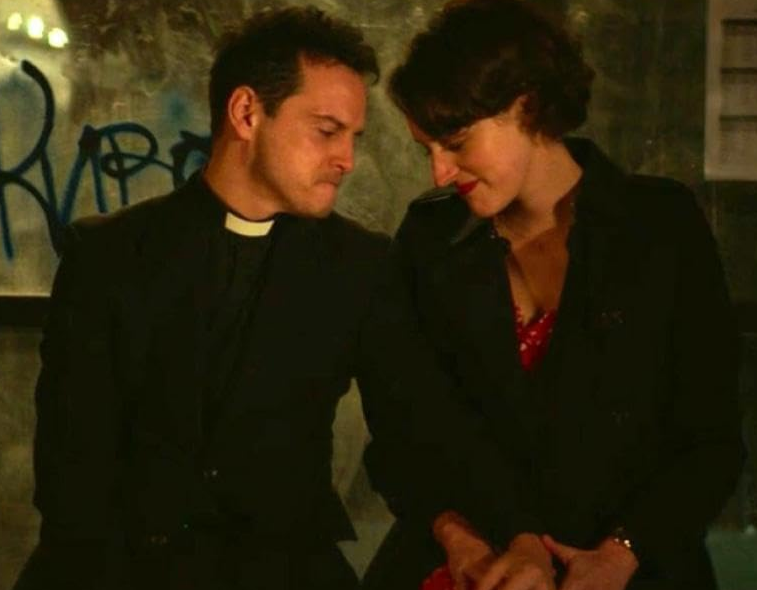
Fleabag, The Priest’s “It Will Pass”
The Priest’s response to Fleabag’s confession works because it recognizes something she desperately wants without pretending to solve it. Andrew Scott’s restrained performance and Phoebe Waller-Bridge’s writing create intimacy through uncertainty rather than grand declarations.
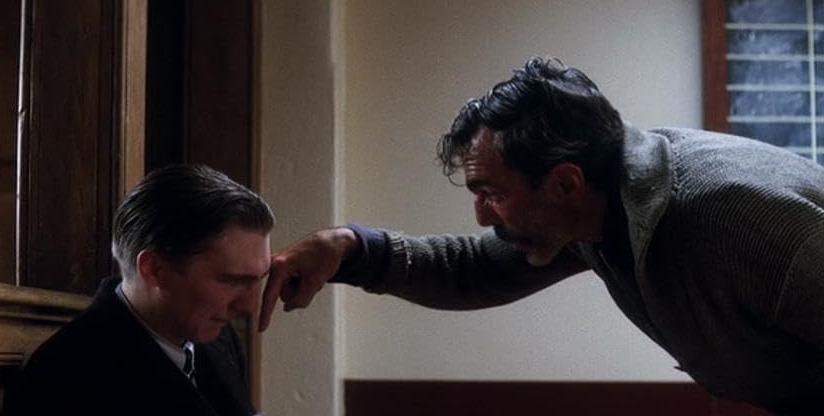
There Will Be Blood, “I Drink Your Milkshake”
Daniel Plainview’s climactic speech works because Daniel Day-Lewis turns absurdly specific language into a terrifying declaration of dominance. The monologue isn’t merely threatening; it completes the character’s evolution into someone who measures every human relationship through victory and humiliation.
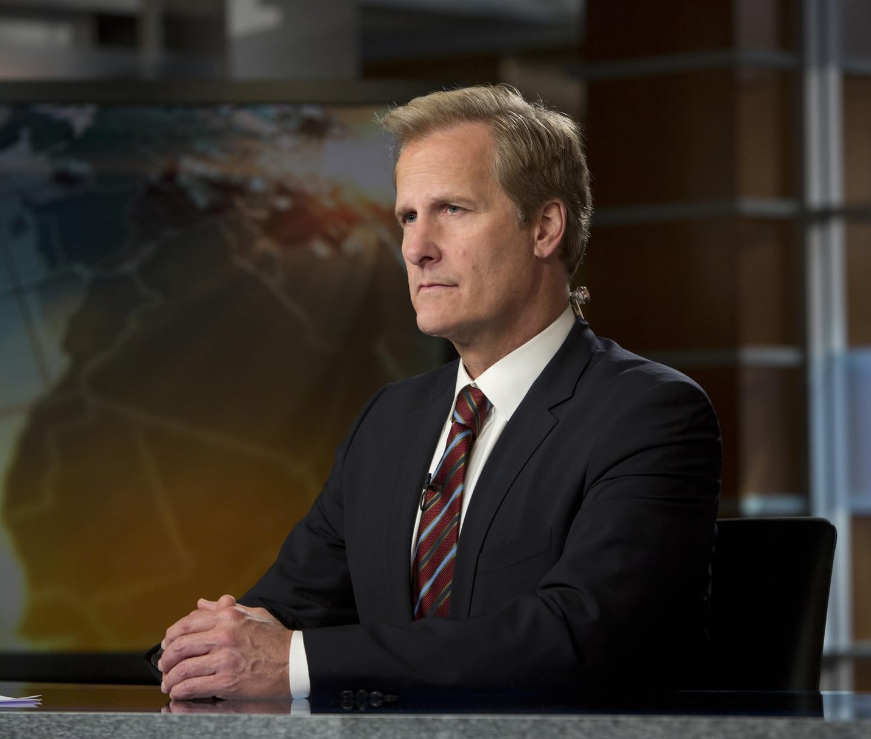
The Newsroom, Will McAvoy’s Opening Rant
Will McAvoy’s famous answer about America’s greatness functions as both character introduction and ideological manifesto. Aaron Sorkin gives Jeff Daniels rapid-fire dialogue, but the scene works because Will’s anger exposes the frustration beneath his polished television persona.
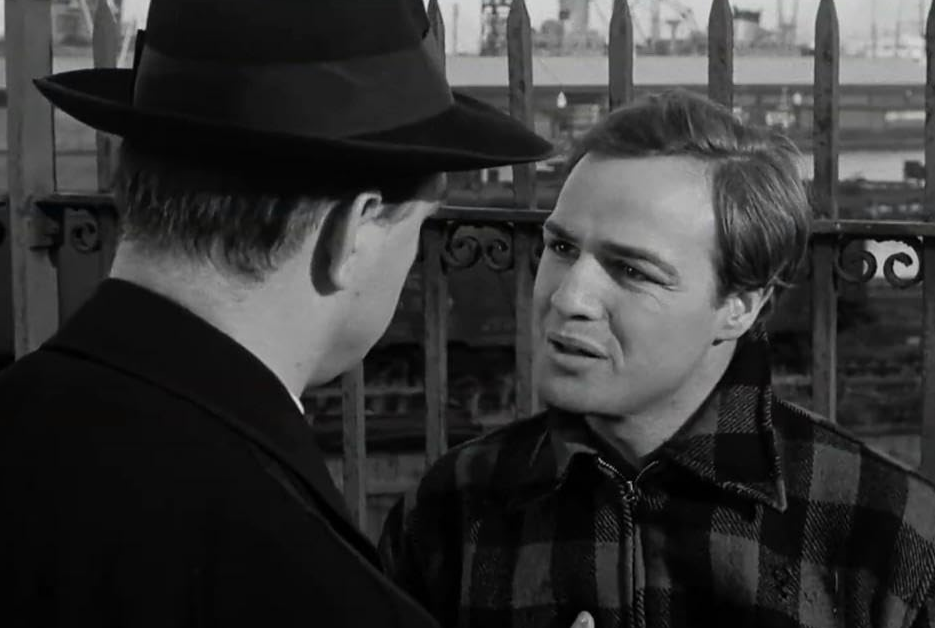
On the Waterfront, “I Coulda Been a Contender”
Marlon Brando’s confrontation with Charlie is devastating because Terry’s anger is inseparable from regret. The dialogue exposes years of betrayal and unrealized potential, while Brando’s performance makes the character’s vulnerability feel spontaneous rather than theatrically constructed.

The Bear, Carmy’s Breakdown
Carmy Berzatto’s emotional breakdown works because The Bear has spent years showing how ambition, trauma, perfectionism, and family history have fused together. Jeremy Allen White’s performance turns accumulated pressure into something painfully immediate rather than melodramatic.
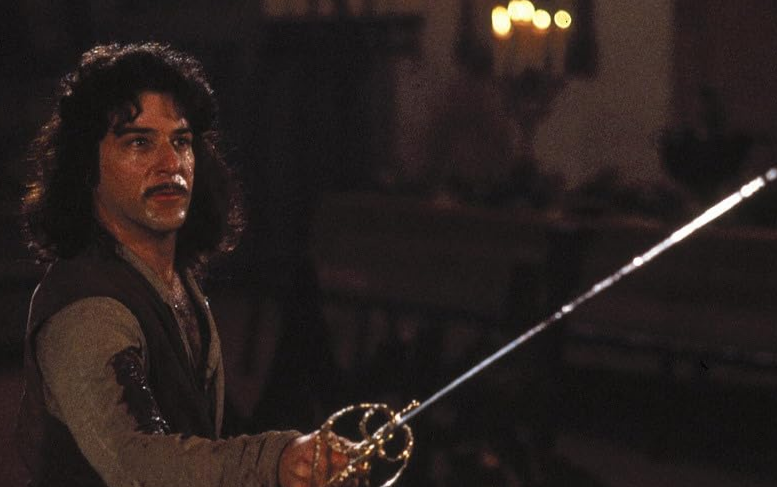
The Princess Bride, Inigo Montoya’s Introduction
Inigo’s repeated declaration of his name and purpose works because the writing turns exposition into character. Every repetition reflects years of obsession, while Mandy Patinkin’s controlled delivery makes a potentially silly revenge speech genuinely intimidating and unforgettable.