15 Movies You Could Never Make Again, and That’s a Shame

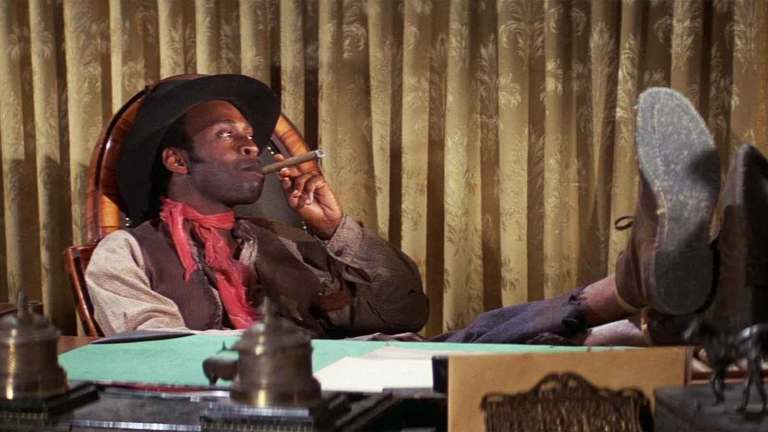
Hollywood used to take some pretty wild risks. Studios released movies with outrageous premises, uncomfortable social commentary, questionable jokes, and scenes that would probably trigger endless debates if they premiered today. Some of these films pushed boundaries in ways that feel refreshing, while others reflected attitudes that have aged terribly. Either way, they came from an era when filmmakers could get away with things that would be much harder to approve, finance, or market now. Whether you love them or think they went too far, these movies capture a kind of filmmaking Hollywood may never fully bring back.
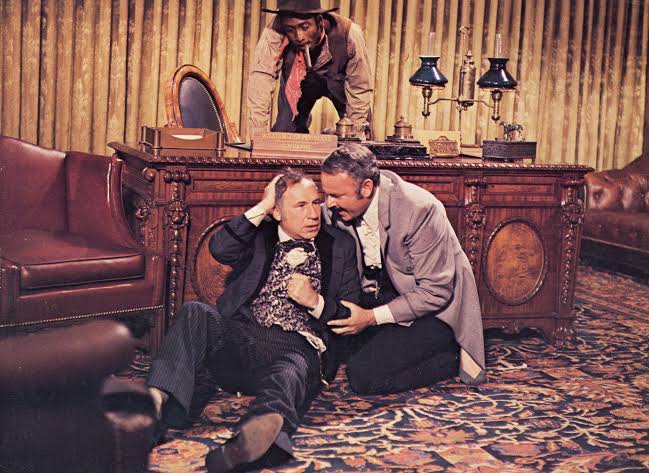
Blazing Saddles (1974)
Mel Brooks’ Western comedy relentlessly mocks racism, using deliberately outrageous language and absurd humor to expose bigotry.
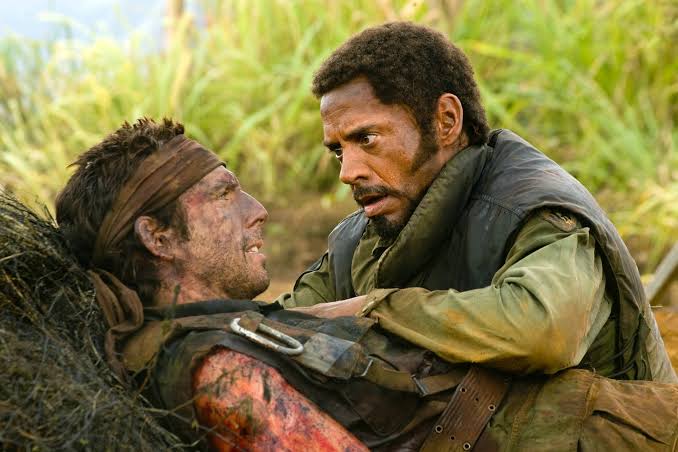
Tropic Thunder (2008)
This Hollywood satire features blackface, controversial disability humor, and an industry full of egotistical actors. Getting the same combination approved today would be a major challenge.
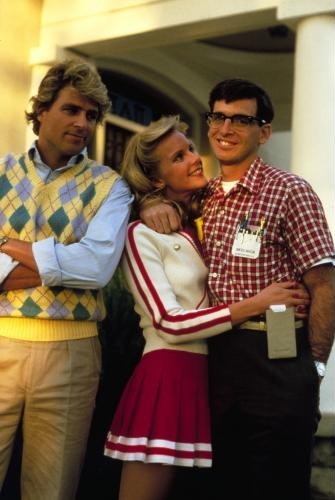
Revenge of the Nerds (1984)
The college comedy includes sexual assault played for laughs, making several of its most famous scenes difficult to imagine being presented the same way today.
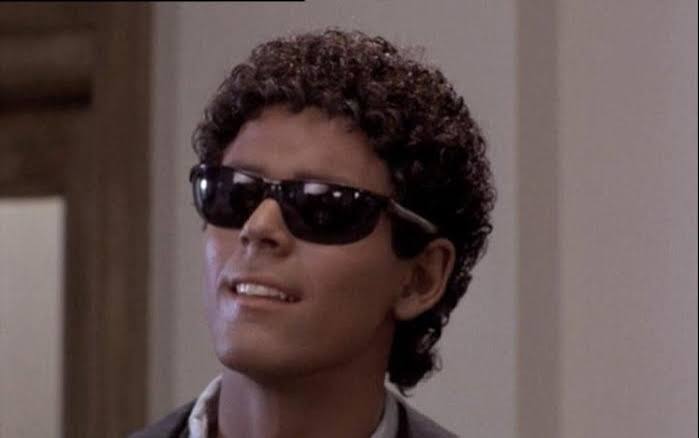
Soul Man (1986)
A white student darkens his skin to qualify for a scholarship intended for Black students, a premise that would face enormous criticism today.
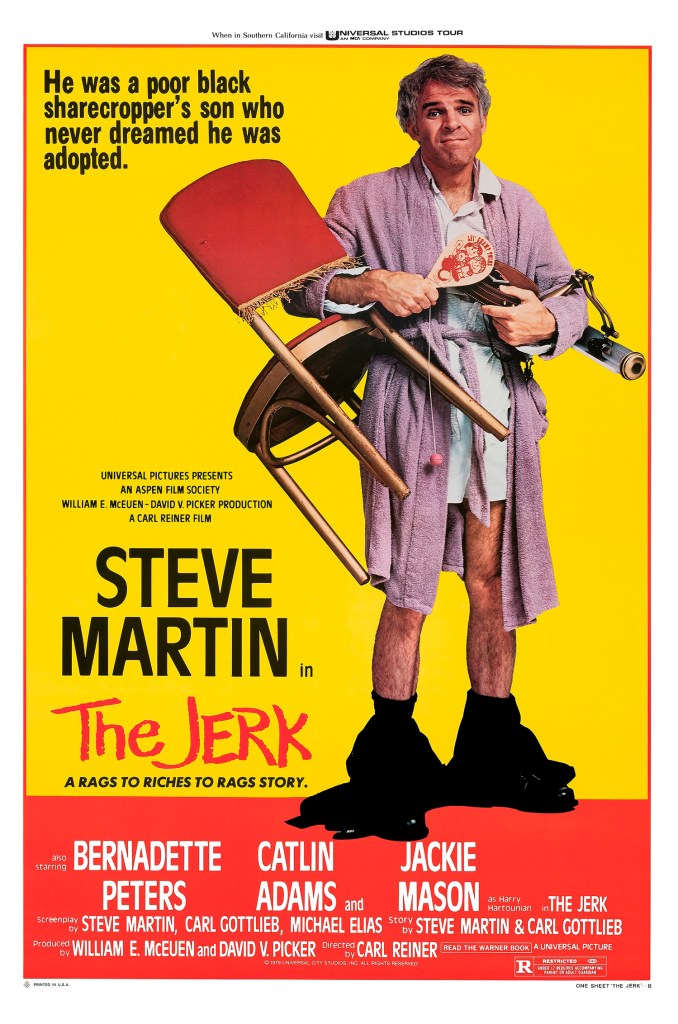
The Jerk (1979)
Steve Martin’s absurdist comedy features jokes and character portrayals rooted in stereotypes that modern studios would likely scrutinize much more closely.
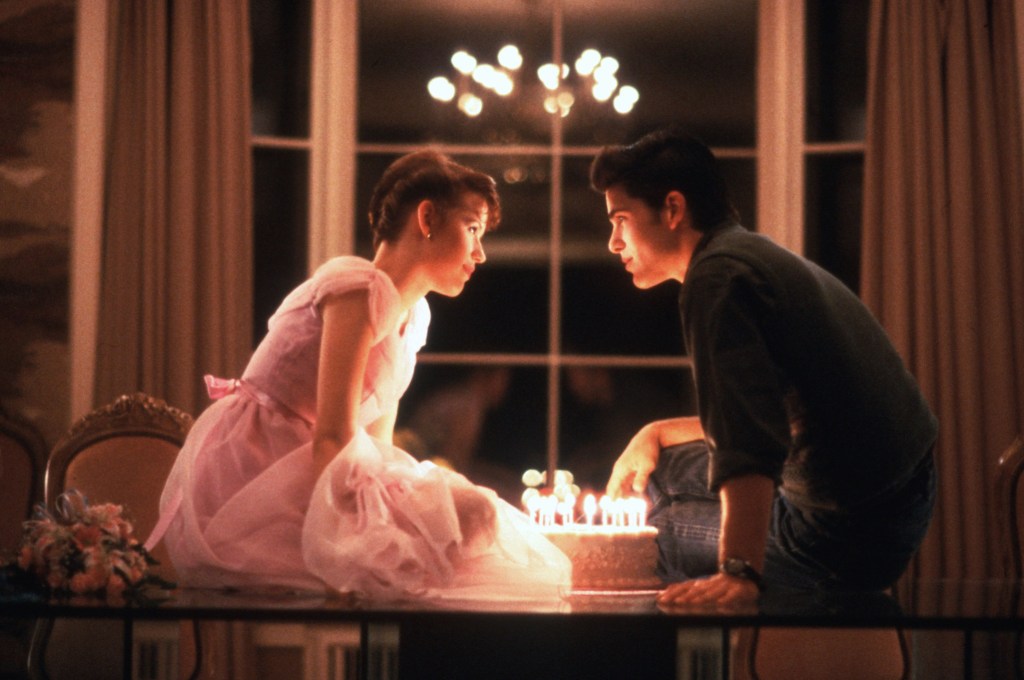
Sixteen Candles (1984)
John Hughes’ teen classic includes racist caricatures, sexual misconduct played as comedy, and jokes about consent that have aged particularly poorly.
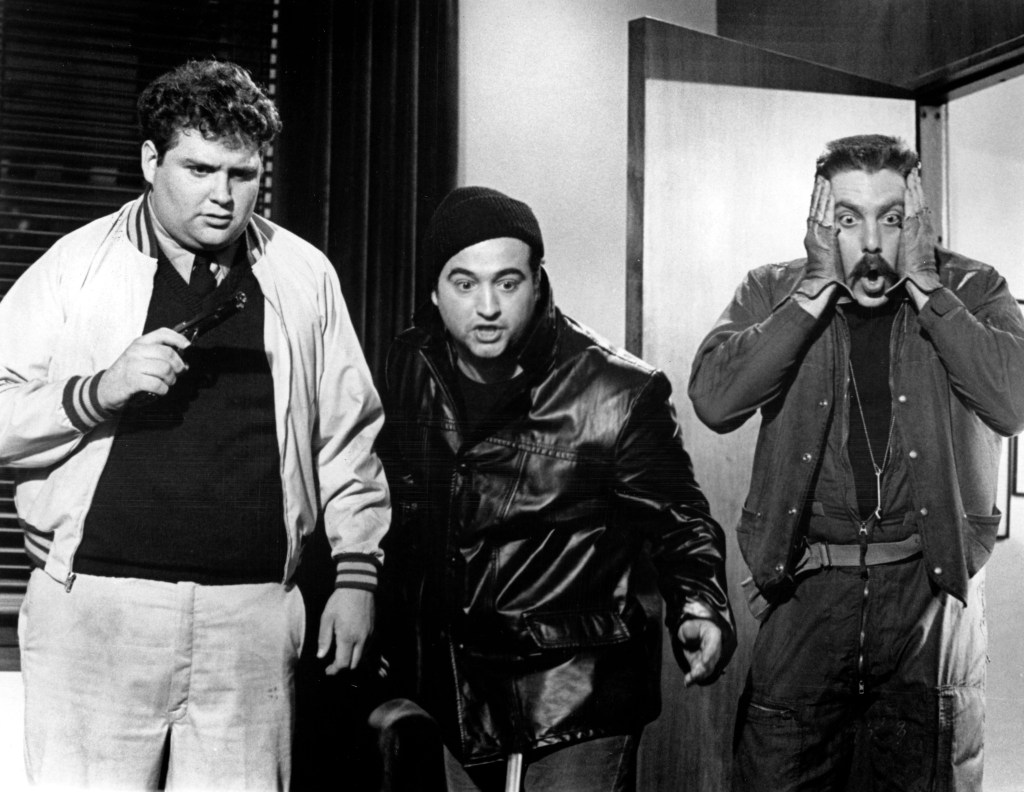
Animal House (1978)
The rowdy college comedy celebrates outrageous fraternity behavior, including harassment and sexual misconduct, with very few consequences for its characters.
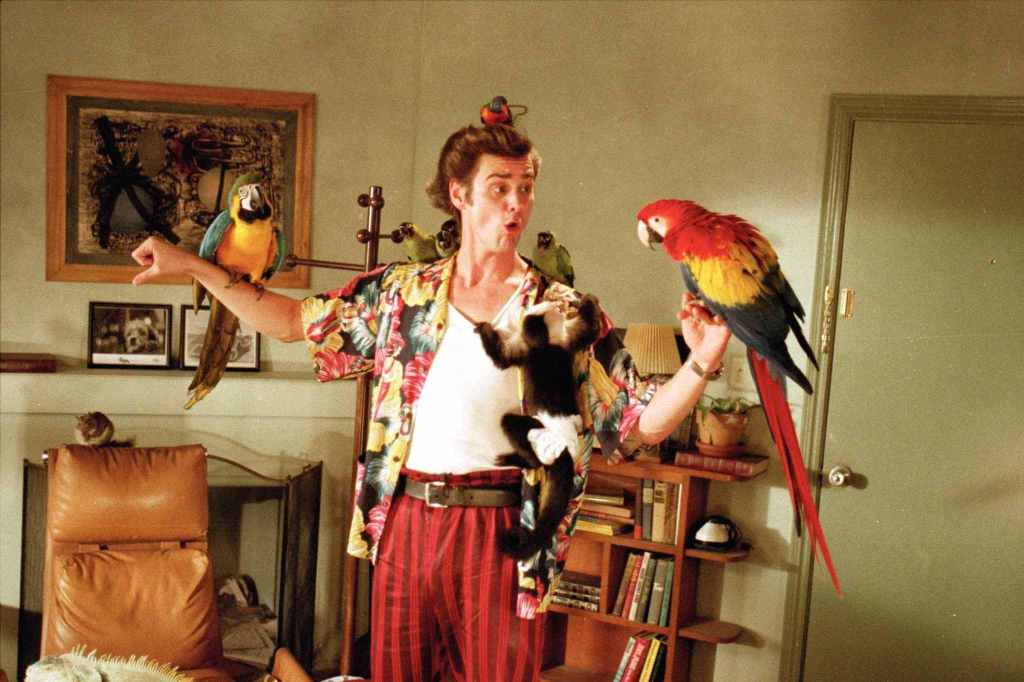
Ace Ventura: Pet Detective (1994)
The film’s climactic joke relies on disgust toward a transgender character, a scene that has become one of its most criticized elements.
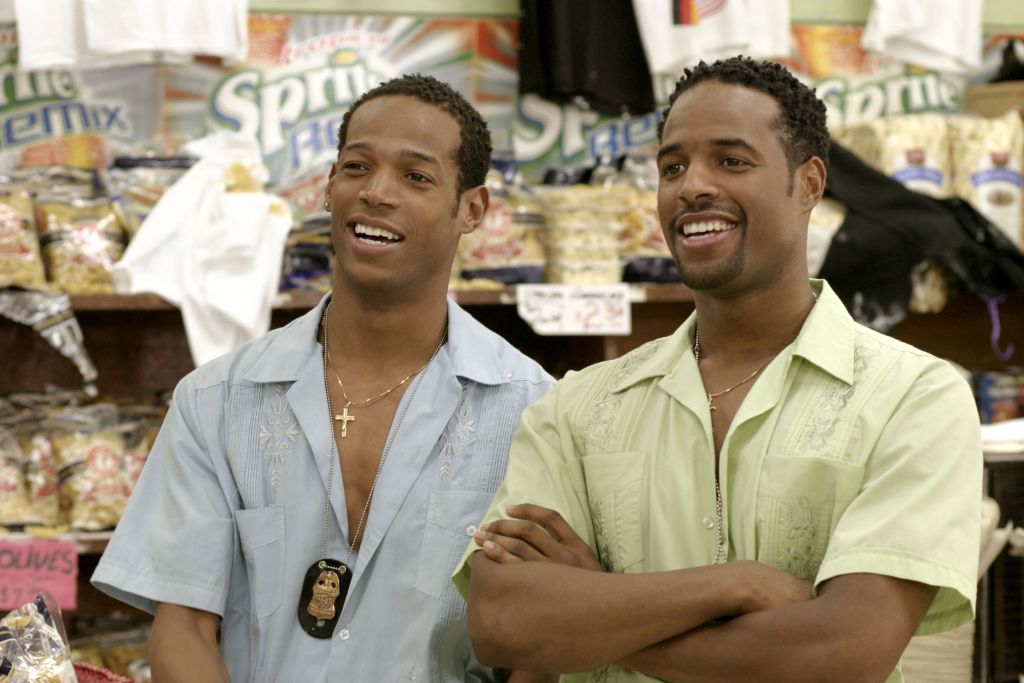
White Chicks (2004)
The Wayans brothers’ comedy involves two Black FBI agents disguising themselves as white women, with humor built around racial and gender stereotypes.
The Party (1968)
Peter Sellers plays an Indian actor using an exaggerated accent and mannerisms, a performance that is now frequently criticized as a racial caricature.
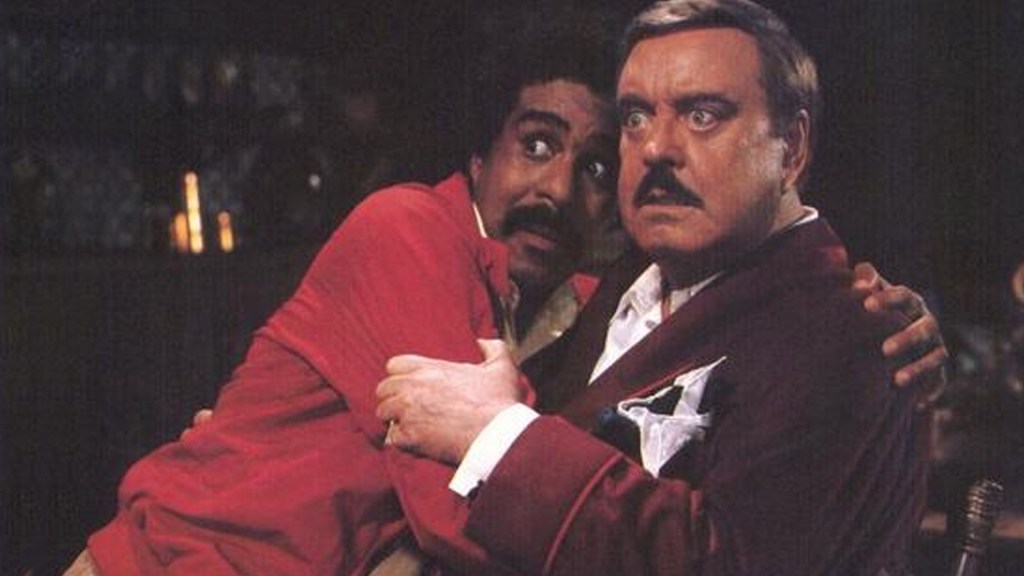
The Toy (1982)
Richard Pryor stars as a man hired as a plaything for a wealthy white child, a premise that revisits racial and class dynamics in deeply uncomfortable ways.
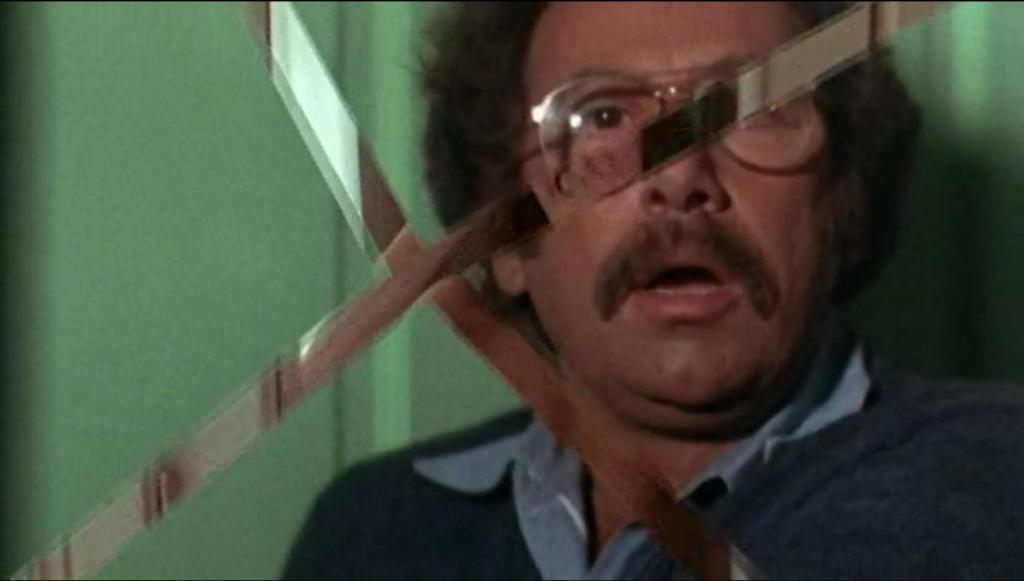
Kentucky Fried Movie (1977)
This sketch comedy pushes sexual humor, offensive stereotypes, and deliberately tasteless jokes to extremes that would make modern studio executives nervous.
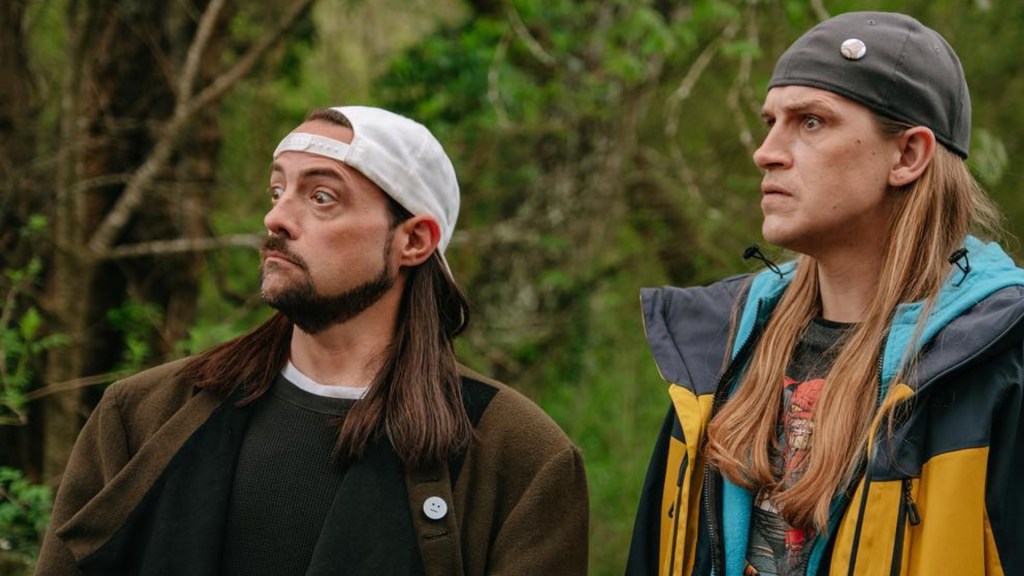
Dogma (1999)
Kevin Smith’s irreverent religious satire provoked controversy for its portrayal of Catholic beliefs and institutions. A similarly provocative mainstream release could still attract fierce backlash.
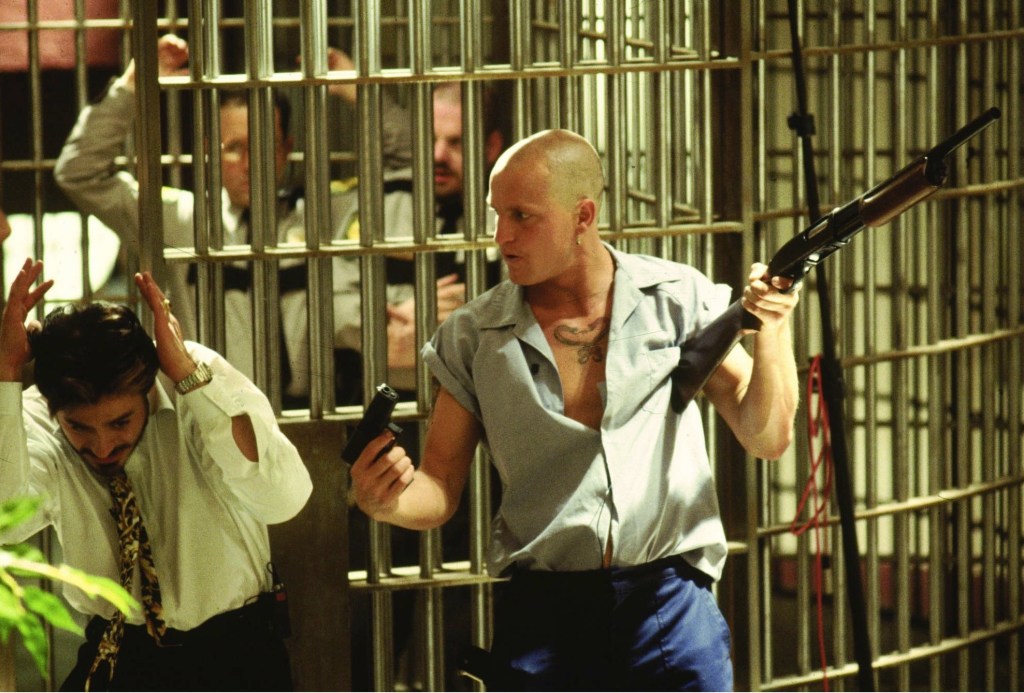
Natural Born Killers (1994)
Oliver Stone’s violent, visually aggressive satire attacks sensationalist media culture, but its graphic violence and disturbing subject matter would make a modern studio release a difficult sell.
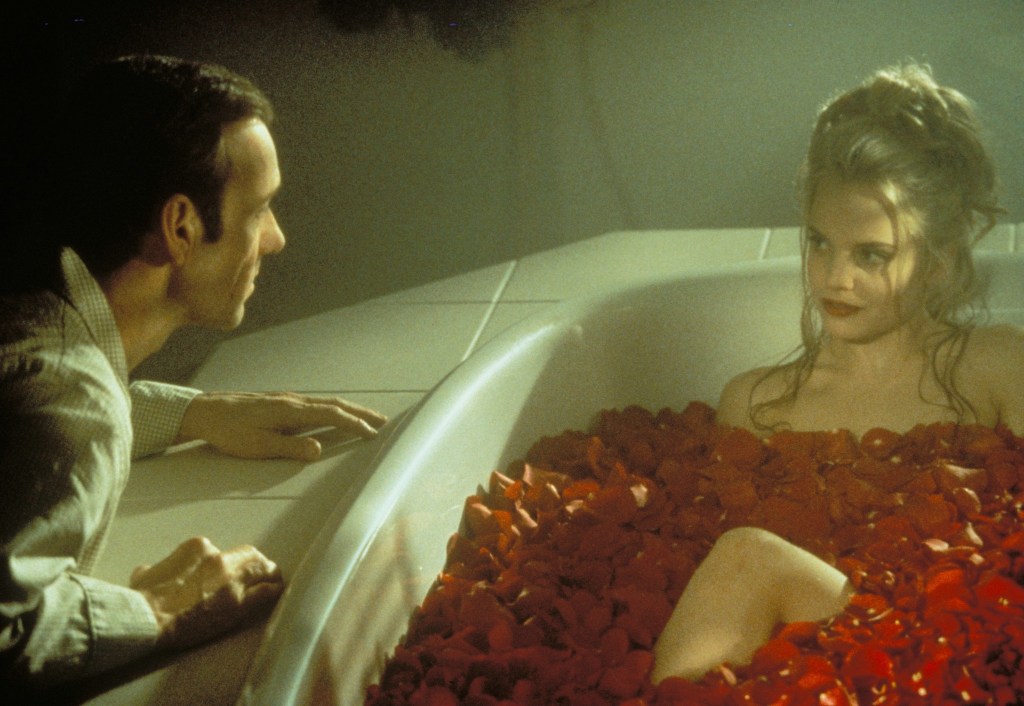
American Beauty (1999)
The Oscar-winning drama explores obsession, sexuality, and suburban dysfunction through a middle-aged man’s attraction to his teenage daughter’s friend, a storyline that would face much more intense scrutiny today.