15 Movies That Only Get Better With Age, Theirs and Yours

There are movies you outgrow, and then there are the ones that somehow keep growing with you. You watch them as a teenager and remember the jokes, the romance, or the big dramatic moments. Years later, you put them on again and suddenly you’re paying attention to the parents, the compromises, the money problems, or the parts of adulthood that barely registered the first time. The movie hasn’t changed, but somehow it feels different anyway. Sometimes that’s because the writing was always better than you realized. Sometimes it’s because life finally gave you the context you were missing. These 15 movies have a habit of getting richer, funnier, sadder, or just more interesting every time you come back to them.
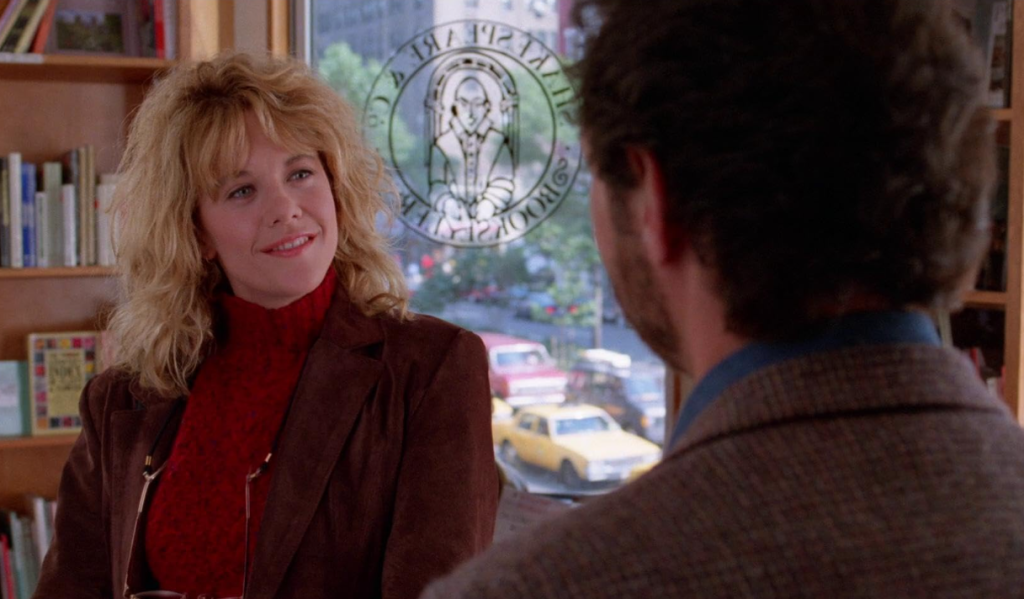
When Harry Met Sally… (1989)
At first it’s easy to focus on whether Harry and Sally will finally get together; later, the years of friendship, loneliness, timing, and missed chances start feeling like the real story.
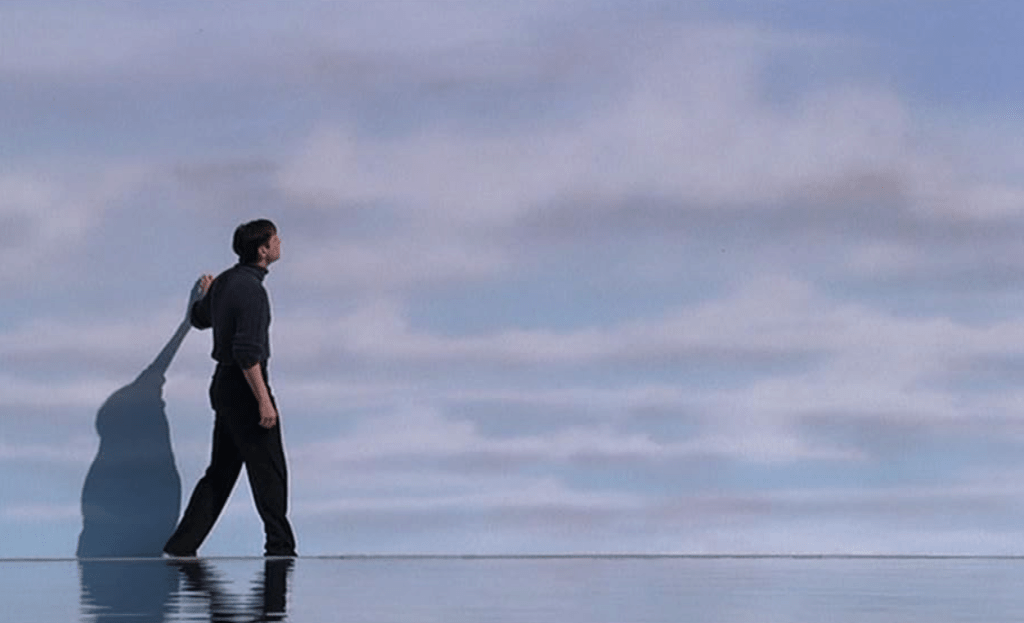
The Truman Show (1998)
What once played like a strange high-concept comedy can feel much darker now, especially after reality TV, social media, and the idea of constantly performing your life for an audience became normal.

Mrs. Doubtfire (1993)
As a kid, it’s Robin Williams in disguises. As an adult, it’s much harder to ignore that Miranda has some extremely reasonable complaints about the man she’s divorcing.
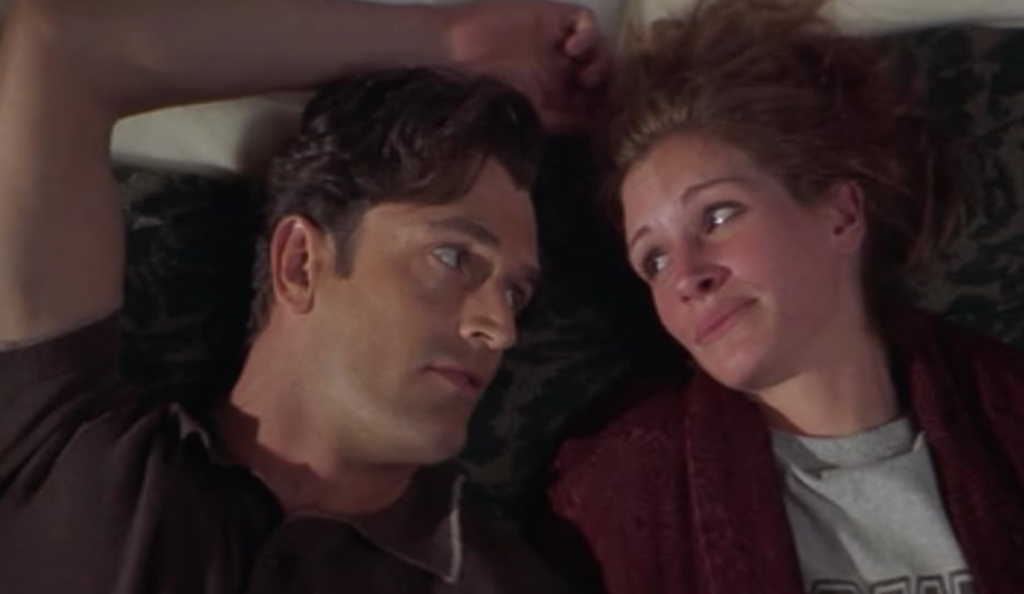
My Best Friend’s Wedding (1997)
Julia Roberts’ character may feel like the romantic heroine when you’re younger, but adulthood makes it increasingly obvious that she’s actually the person causing most of the problems.
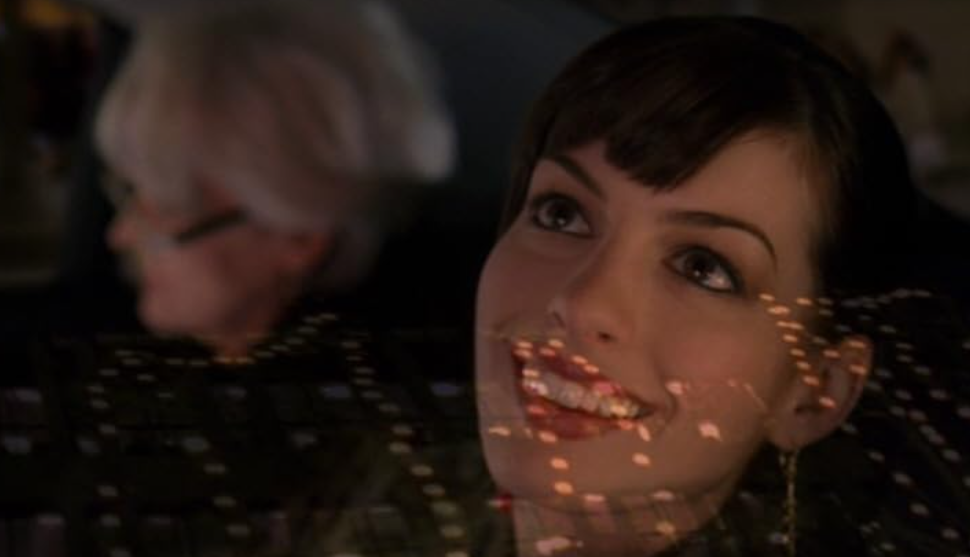
The Devil Wears Prada (2006)
Andy quitting once seemed like the obvious victory. Rewatching it later can turn the movie into a much messier story about ambition, boundaries, work, and how much of yourself you’re willing to trade for a career.
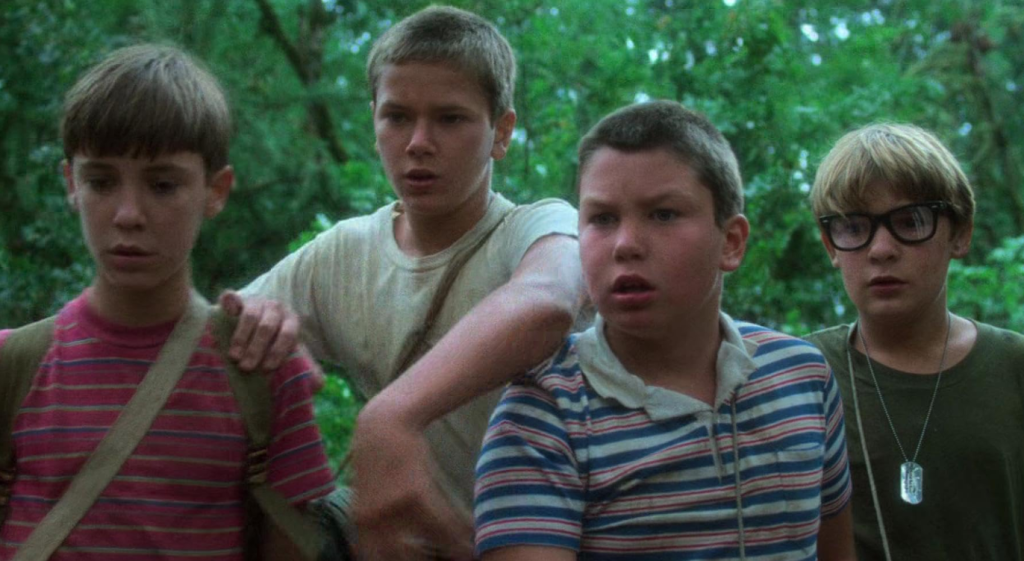
Stand by Me (1986)
The adventure is what grabs you when you’re young; the narrator’s memories of friendships that quietly disappeared with age are what tend to hurt later.

Lost in Translation (2003)
Its long silences and vague dissatisfaction can feel almost uneventful at first. With a little more life behind you, the loneliness and strange temporary intimacy start making much more sense.
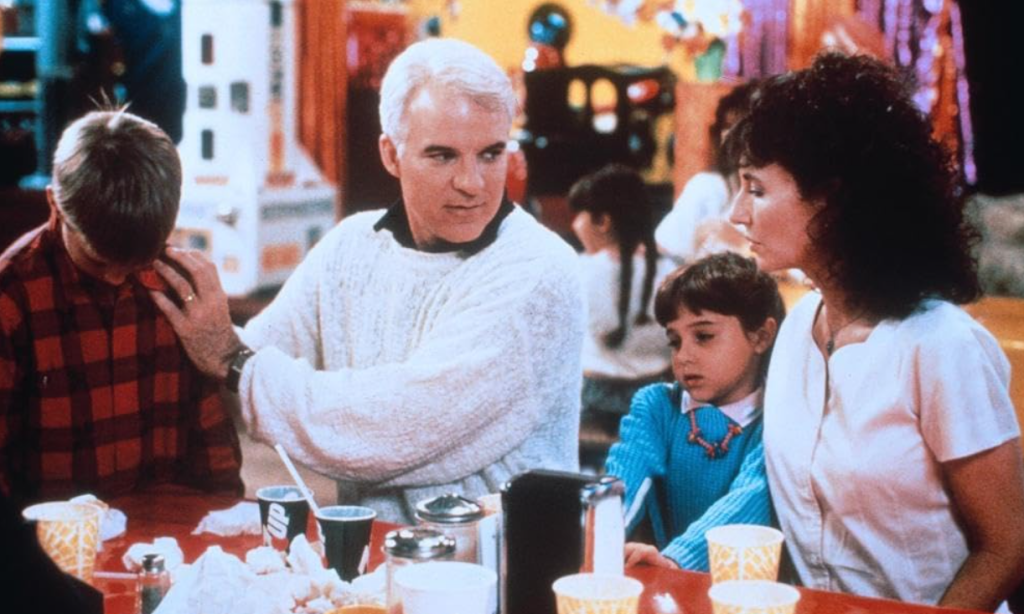
Parenthood (1989)
Different characters become relatable depending on when you watch it. One viewing is about the kids, another is about the parents, and eventually you may understand why every adult in this family looks exhausted.
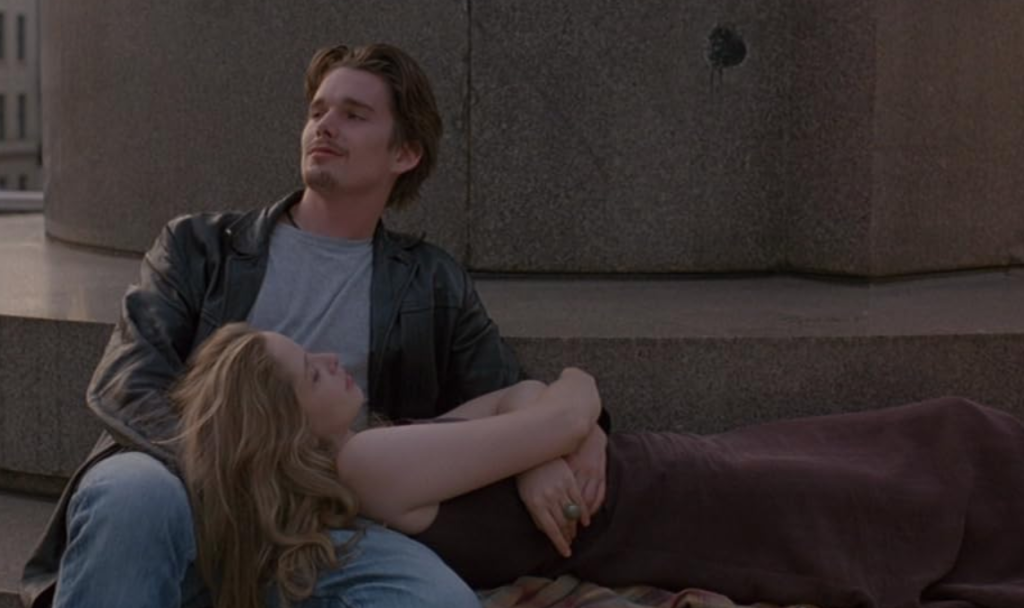
Before Sunrise (1995)
Jesse and Céline’s endless conversation feels incredibly romantic when you’re young. Knowing how quickly years disappear makes their single night together feel even more fragile later.
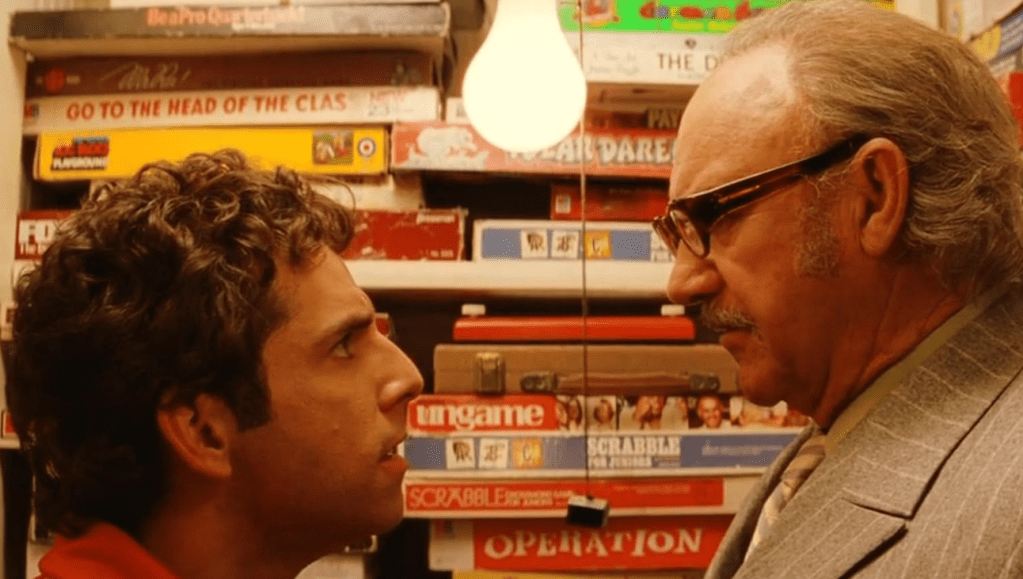
The Royal Tenenbaums (2001)
The eccentric clothes and deadpan humor stand out immediately, but repeat viewings make the family’s resentment, disappointment, and desperate attempts to reconnect much harder to miss.
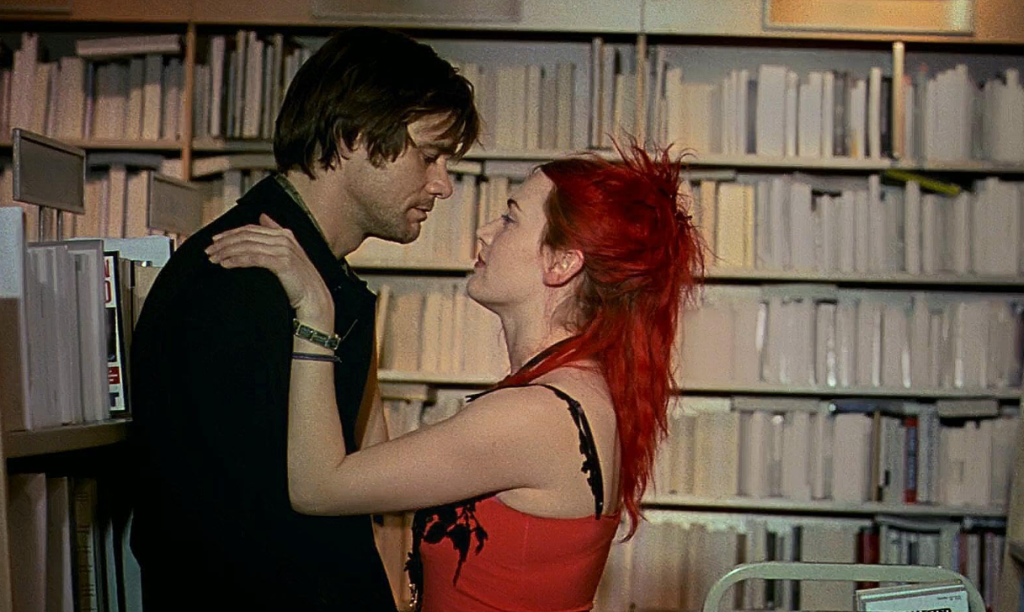
Eternal Sunshine of the Spotless Mind (2004)
The idea of erasing heartbreak may seem irresistibly romantic at first. With age, the movie’s willingness to accept that love can be meaningful even when it fails becomes the part that sticks.
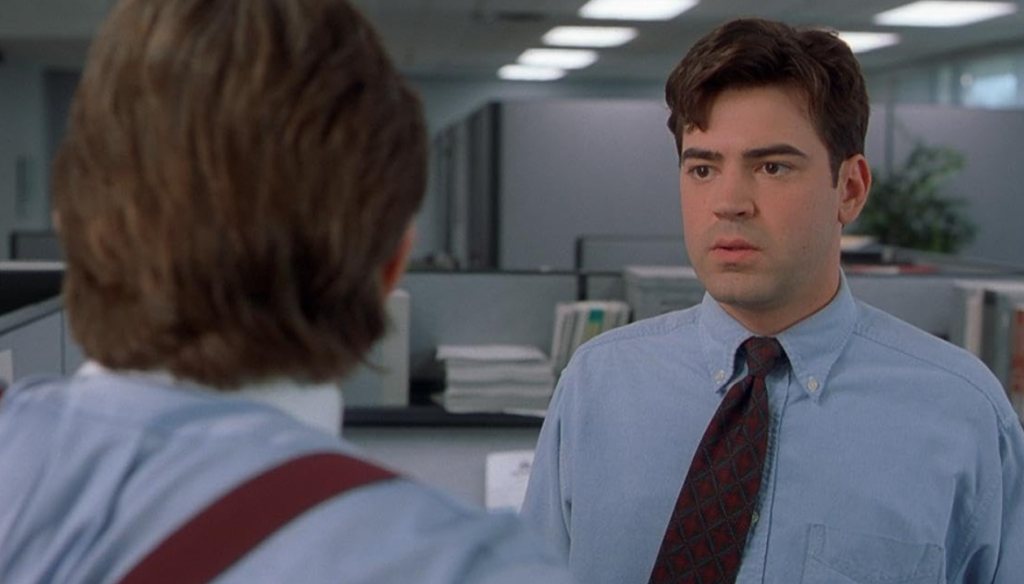
Office Space (1999)
You don’t really need an office job to find it funny, but sitting through enough pointless meetings, printer problems, and corporate jargon turns it into something dangerously close to a documentary.
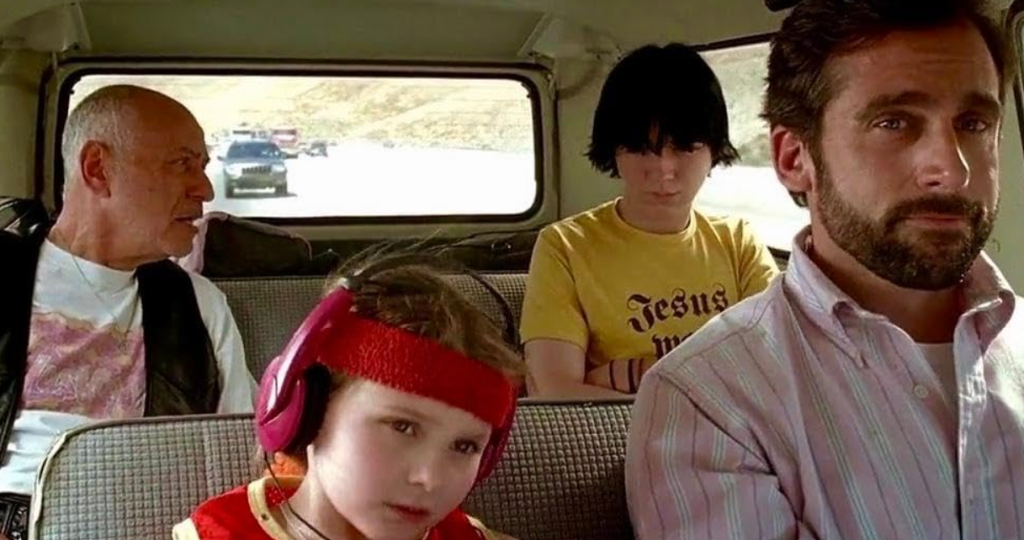
Little Miss Sunshine (2006)
The road-trip chaos is funny at any age, but the movie’s obsession with failure, disappointment, and loving people who aren’t remotely succeeding at life becomes increasingly moving.
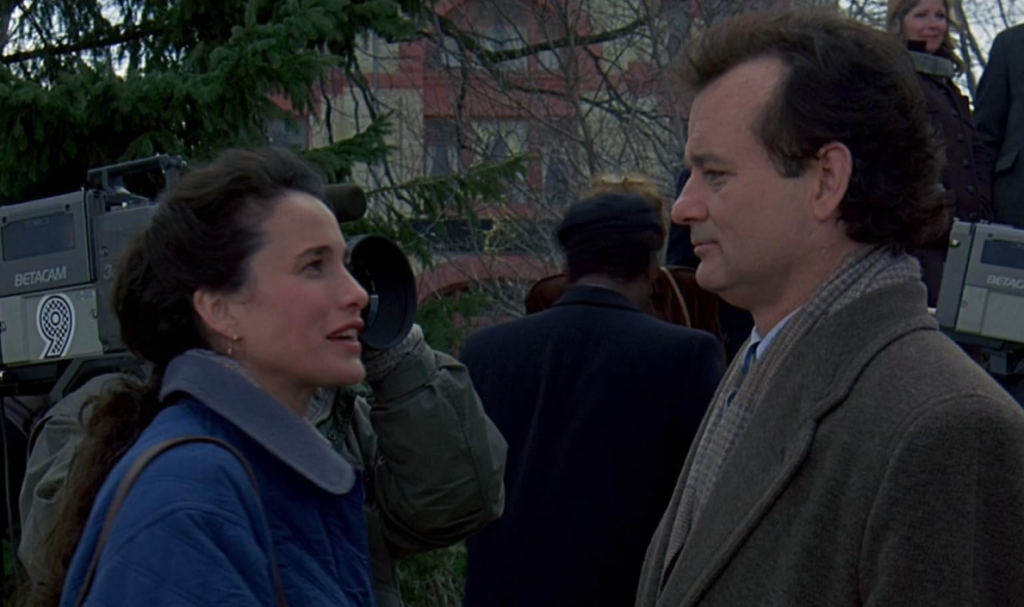
Groundhog Day (1993)
It works perfectly well as a comedy about a man trapped in the same day. Later, the idea that a better life might come from changing yourself rather than your circumstances starts landing differently.
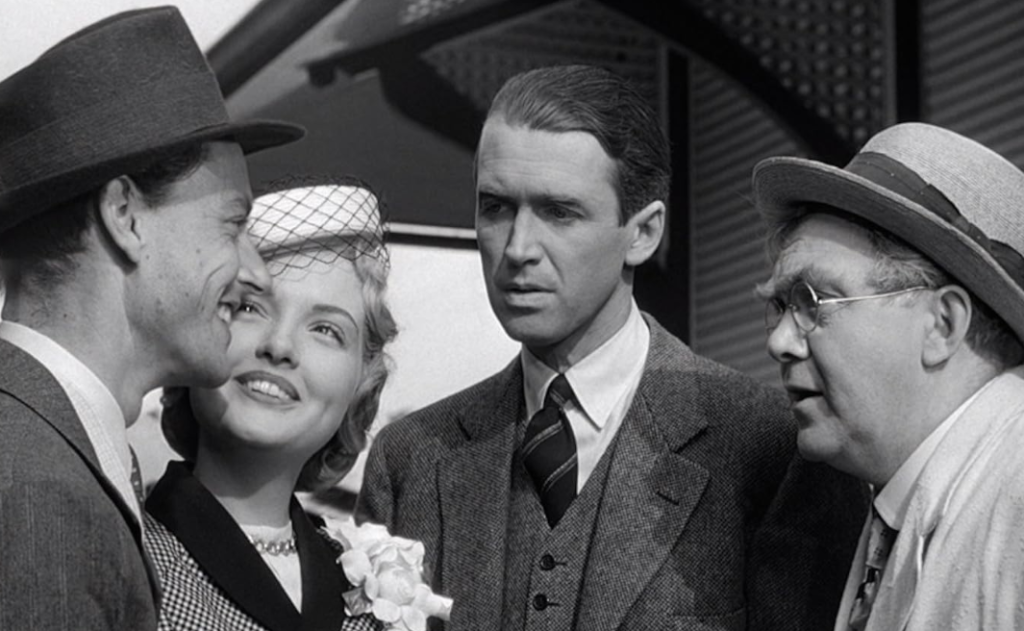
It’s a Wonderful Life (1946)
As a kid, George Bailey can just seem miserable for most of the movie. As an adult, the weight of abandoned dreams, financial pressure, family responsibility, and wondering what your life amounted to makes the ending hit much harder.