15 Movies That Barely Resemble the Books They Were Based On

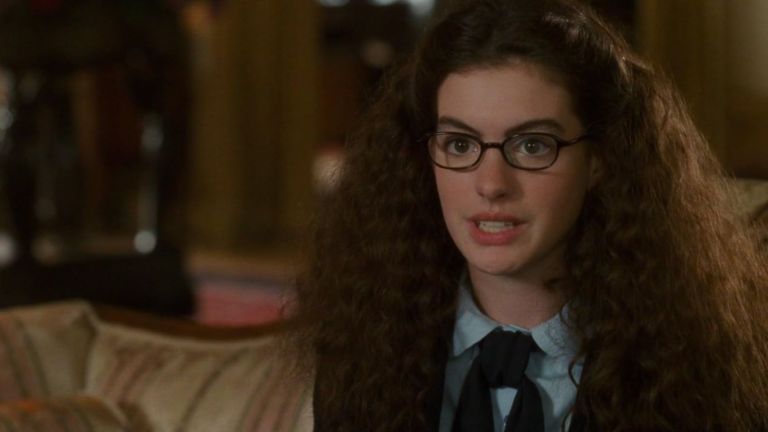
People love seeing their favorite books adapted into movies, but not every film sticks closely to the original story. Sometimes entire characters disappear, endings get rewritten, or major plot points are changed to fit a different audience. A few adaptations became classics in their own right, even though they only loosely resemble the novels that inspired them. Whether the changes improved the story or frustrated longtime readers, these movies took plenty of creative liberties.
Here are 15 movies that barely resemble the books they were based on.
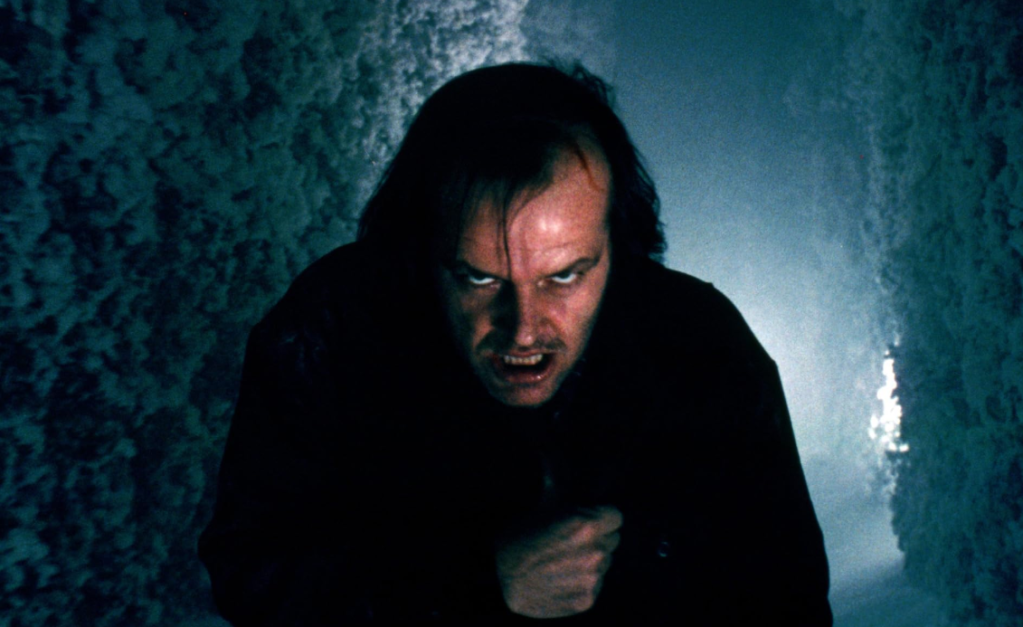
The Shining (1980)
Stanley Kubrick dramatically changed Stephen King’s novel, including the ending, Jack Torrance’s character arc, and many supernatural elements.
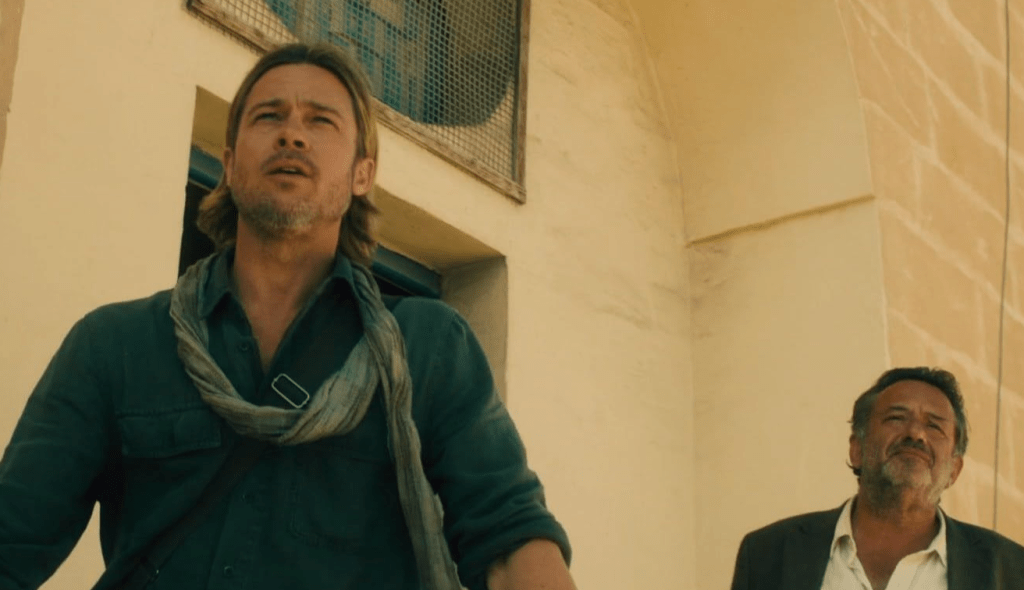
World War Z (2013)
Aside from the title and zombies, the movie shares very little with Max Brooks’ oral-history style novel.
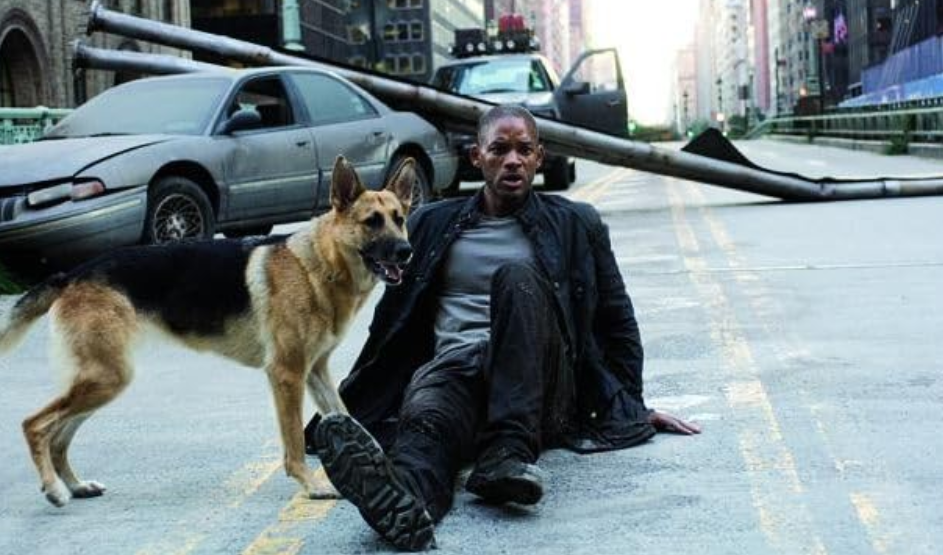
I Am Legend (2007)
The film completely changes the meaning of Richard Matheson’s ending and even the identity of the “legend” itself.
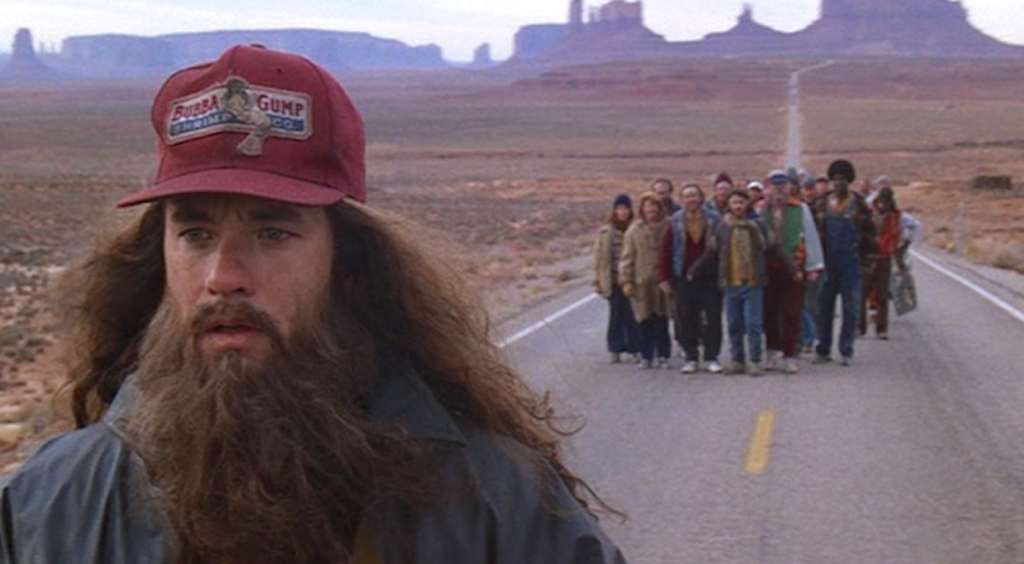
Forrest Gump (1994)
The novel is much stranger, featuring bizarre adventures that never made it into the Oscar-winning film.
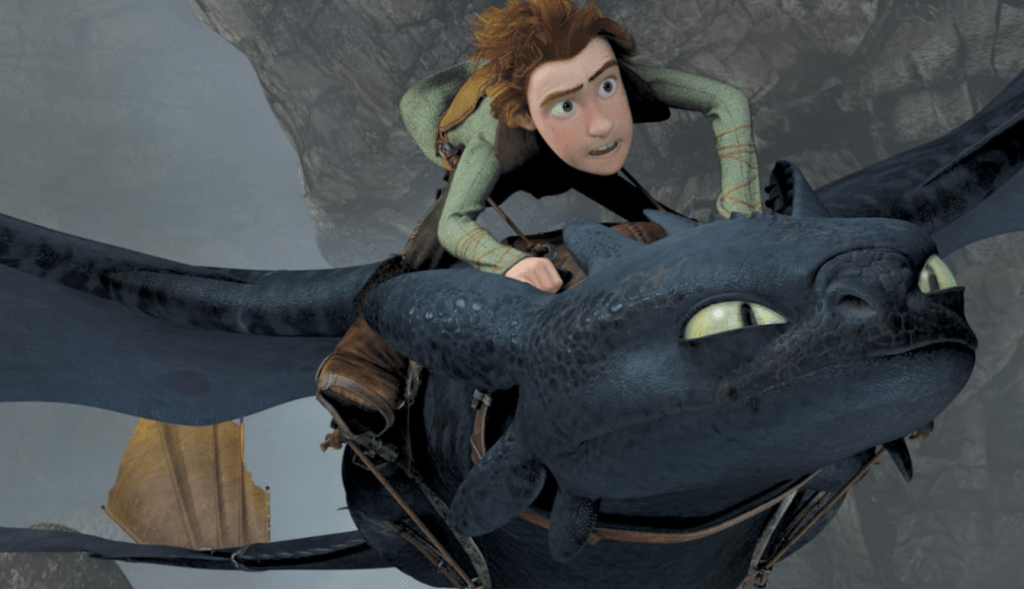
How to Train Your Dragon (2010)
The animated movie keeps the names of a few characters but tells a completely different story from Cressida Cowell’s books.
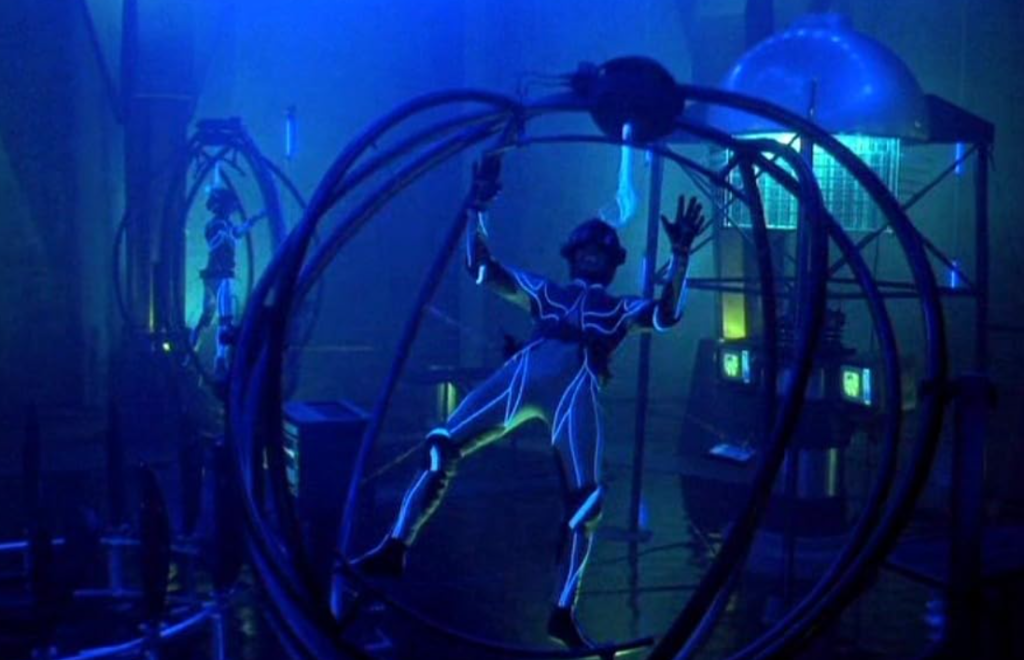
The Lawnmower Man (1992)
Stephen King’s short story has almost nothing in common with the film beyond the title, and King successfully sued to have his name removed from marketing.
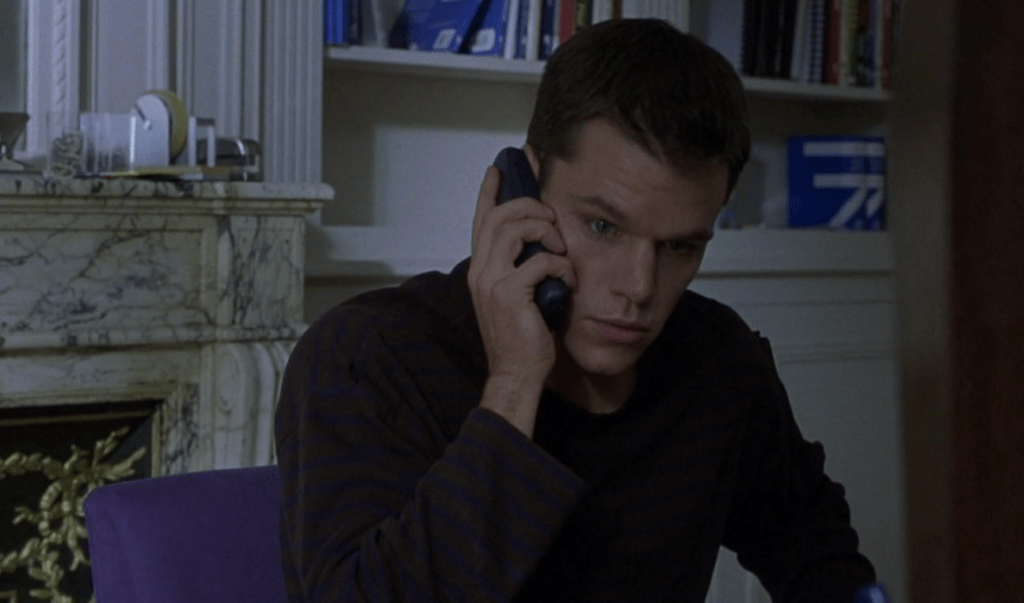
The Bourne Identity (2002)
The basic premise survives, but the movie changes Jason Bourne’s personality, his enemies, and much of the plot.
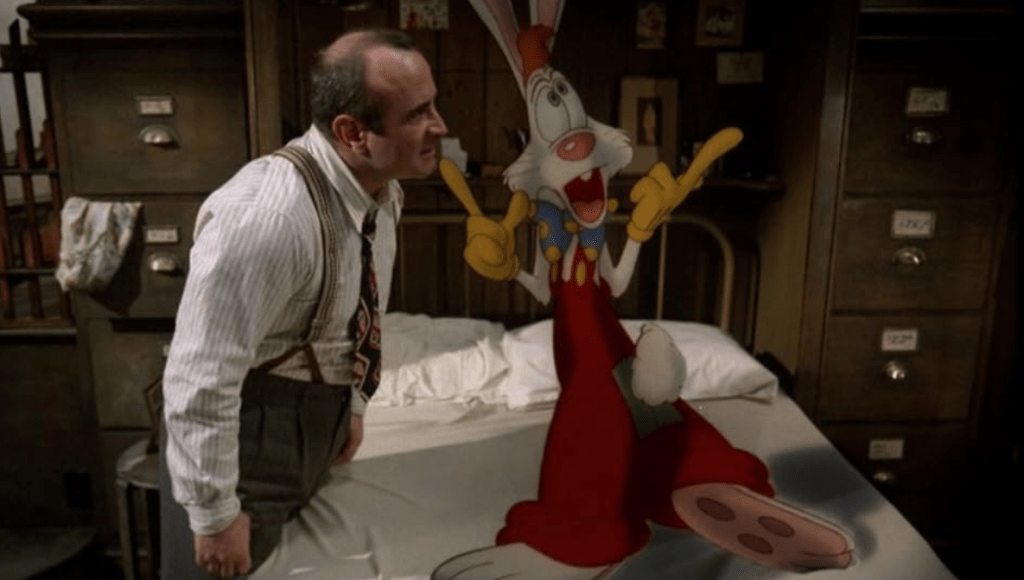
Who Framed Roger Rabbit (1988)
The film borrows the central idea from the novel but invents an almost entirely new mystery and cast of characters.
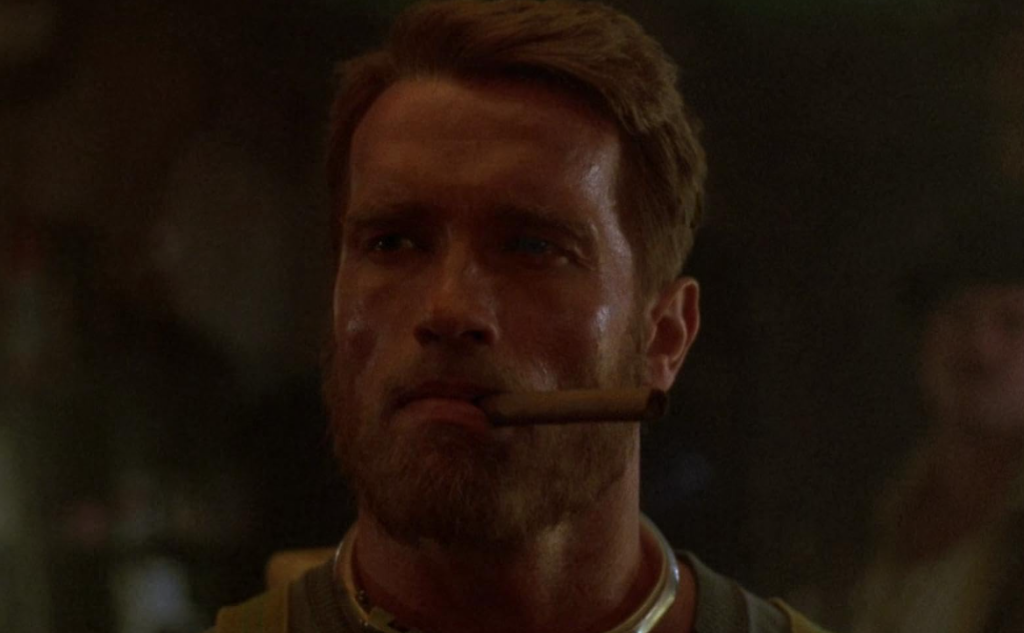
The Running Man (1987)
Stephen King’s novel is much darker and follows a desperate cross-country survival story rather than a gladiator-style game show.
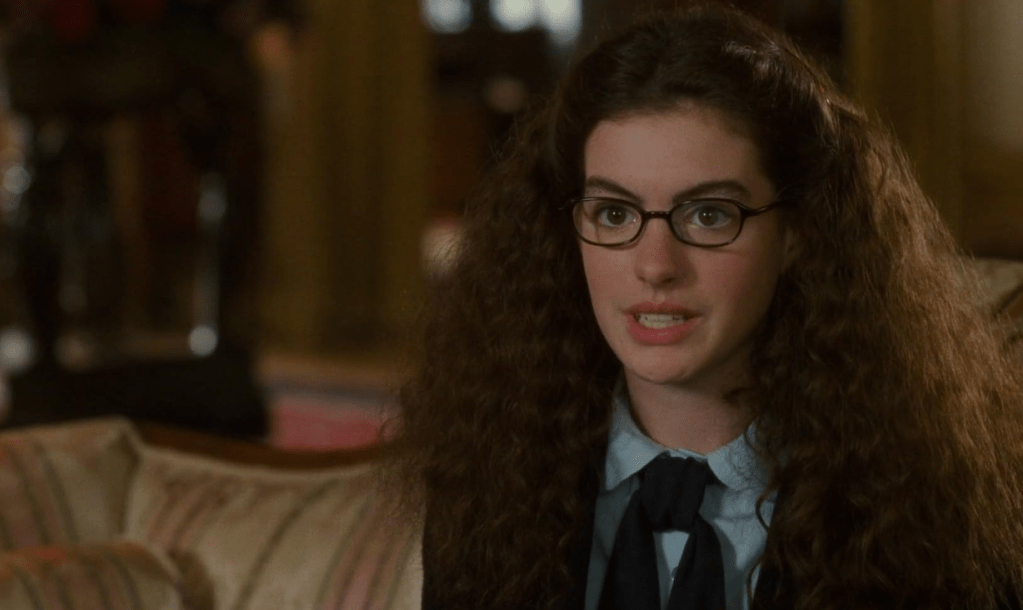
The Princess Diaries (2001)
Disney turned Meg Cabot’s teen novel into a much lighter family comedy with several major story changes.
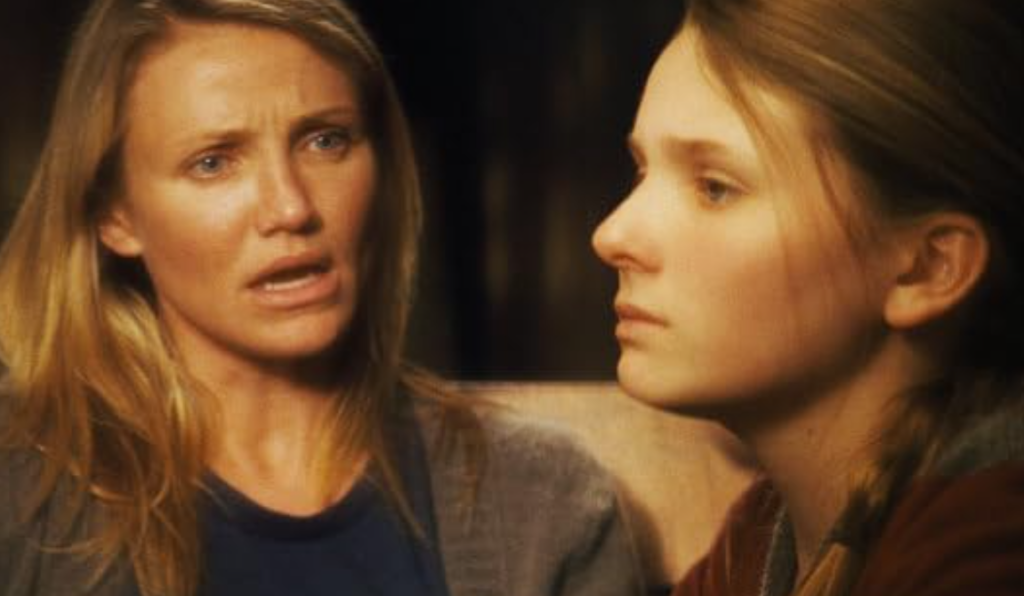
My Sister’s Keeper (2009)
The movie abandons Jodi Picoult’s shocking ending in favor of a completely different conclusion.
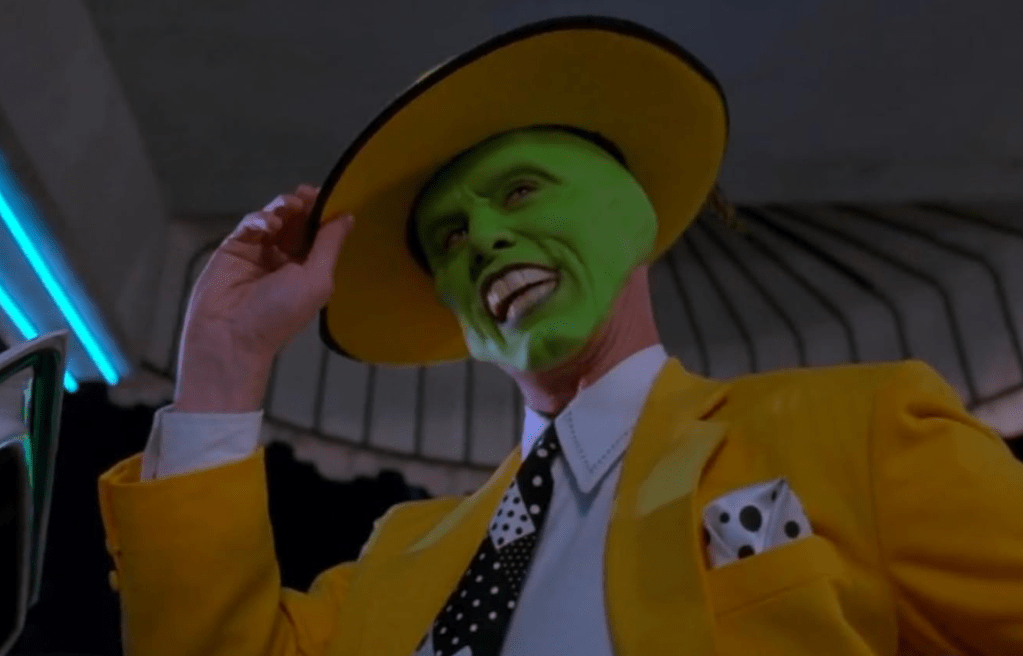
The Mask (1994)
The comic book is a violent horror-comedy, while the movie became a colorful family-friendly showcase for Jim Carrey.
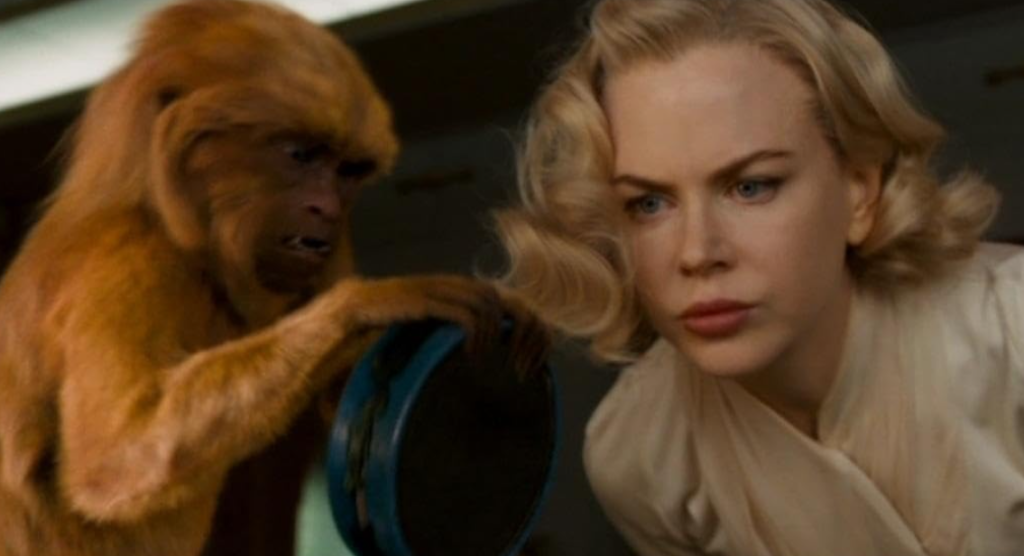
The Golden Compass (2007)
The adaptation removes much of Philip Pullman’s religious themes and stops before the novel’s controversial ending.
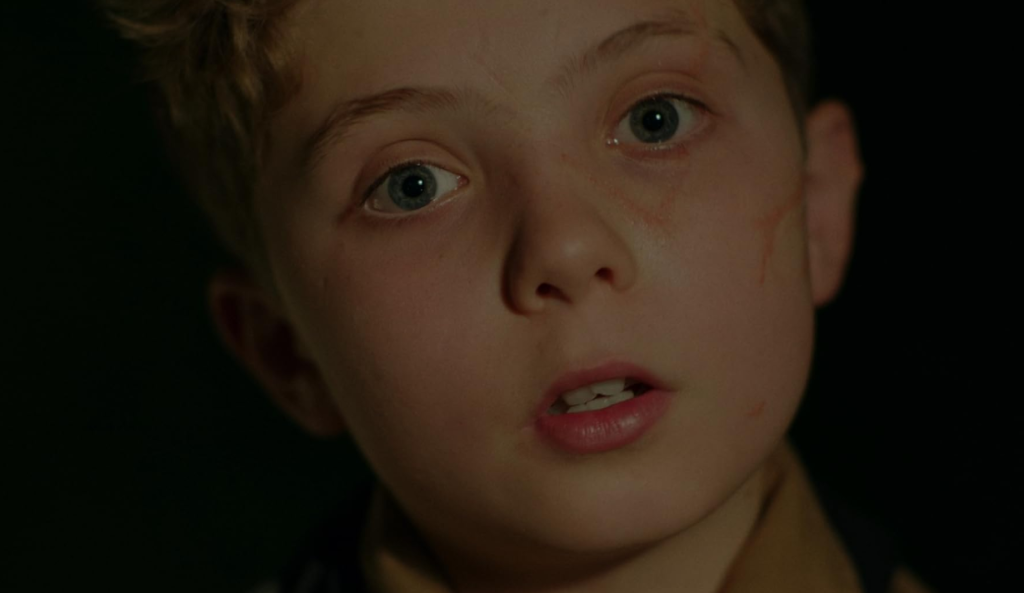
Jojo Rabbit (2019)
Taika Waititi used Christine Leunens’ novel Caging Skies as a starting point but transformed its tone, characters, and message into something entirely different.
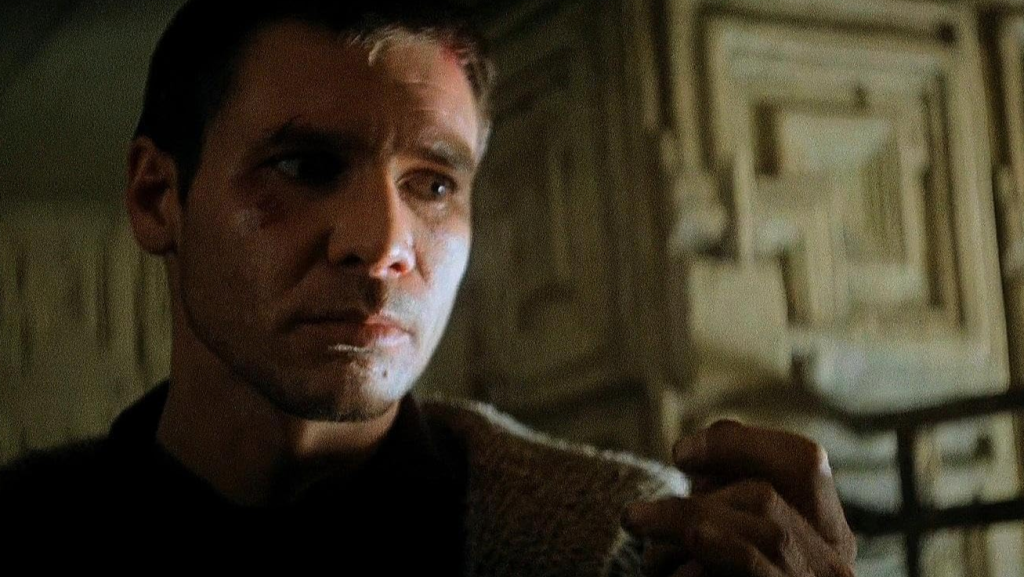
Blade Runner (1982)
While inspired by Philip K. Dick’s Do Androids Dream of Electric Sheep?, the film changes much of the plot, themes, and world-building.