15 Impressive Historical Photos of People Carrying Absurdly Oversized Objects

“Portable” has always been a flexible word. Today it usually means something slips into a pocket or laptop bag. A few decades ago, it could mean carrying a 25-pound computer by a handle and being grateful it was not bolted to a desk. Cameras needed tripods, radios came with backpack-sized hardware, and bringing music outside could involve equipment that looked suspiciously like luggage. None of these objects were oversized as a joke. They were genuine tools, gadgets, and pieces of technology people were expected to move around and actually use. That makes the old photos considerably better. Here are 15 historical images proving that portability once required a little more upper-body strength.
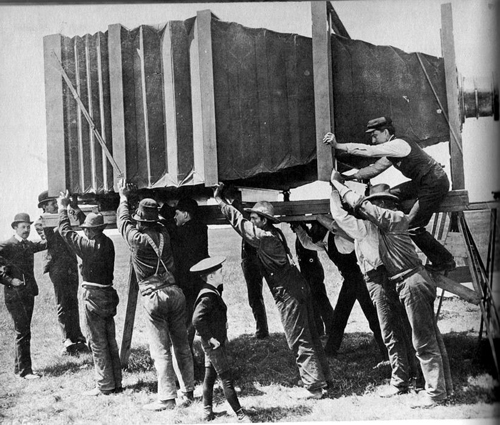
Taking a Picture Used to Require a Climb
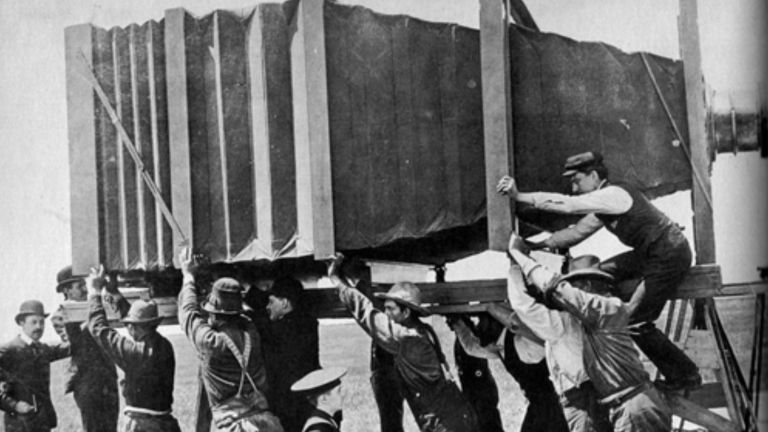
The 1900 Mammoth Camera was so enormous that photographers needed a small ladder just to operate it, making modern point-and-shoot cameras look almost absurdly convenient.
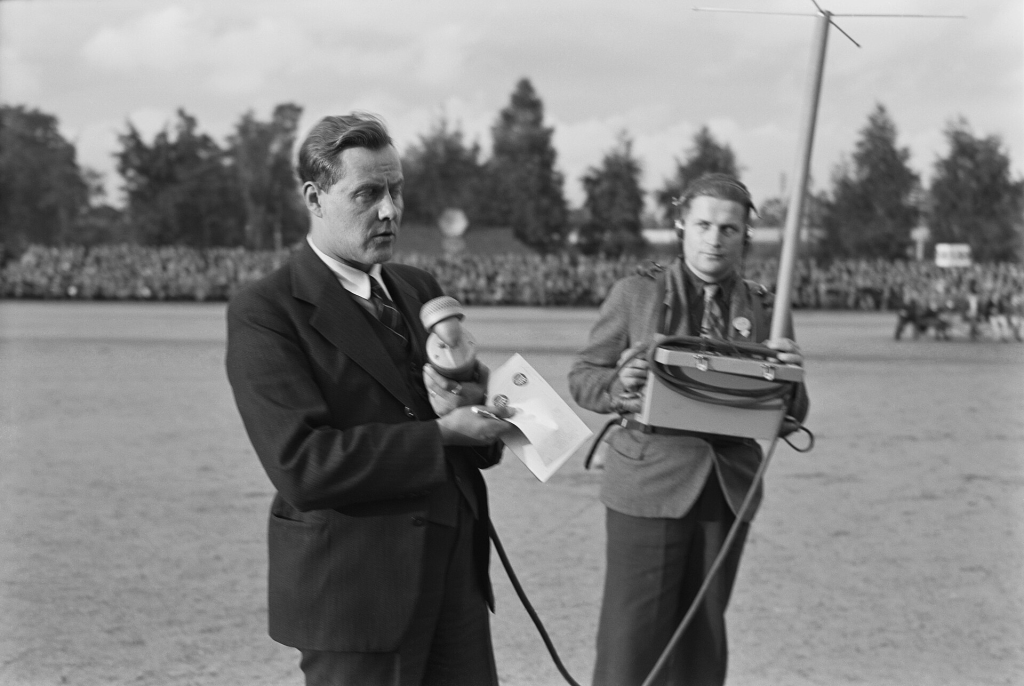
This Radio Needed a Second Person
A 1930s sports broadcast relied on an assistant carrying a portable transmitter and tall antenna while commentator Martti Jukola handled the microphone, making remote reporting a genuine team effort.
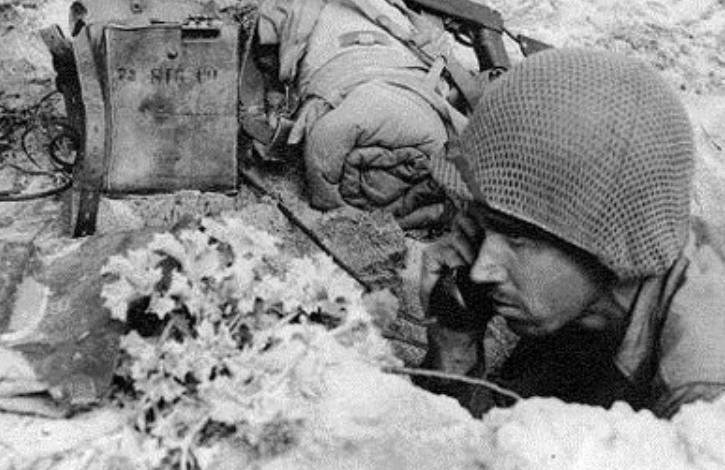
The Telephone Came in a Bag
An EE-8 field telephone paired a handset with a separate carrying case, turning a phone into something closer to a piece of luggage.

The Projector Was Basically a Suitcase
This portable 35mm projector is large enough to dominate the table, a reminder that “portable cinema” once involved considerably more hardware than opening a laptop.
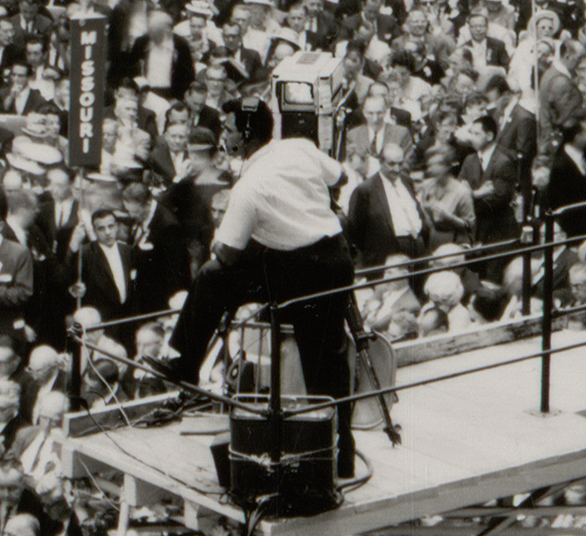
Television Cameras Were Basically Machines
A television camera at the 1960 Democratic National Convention was so large it needed a substantial support rig, making modern handheld cameras look almost toy-sized by comparison.
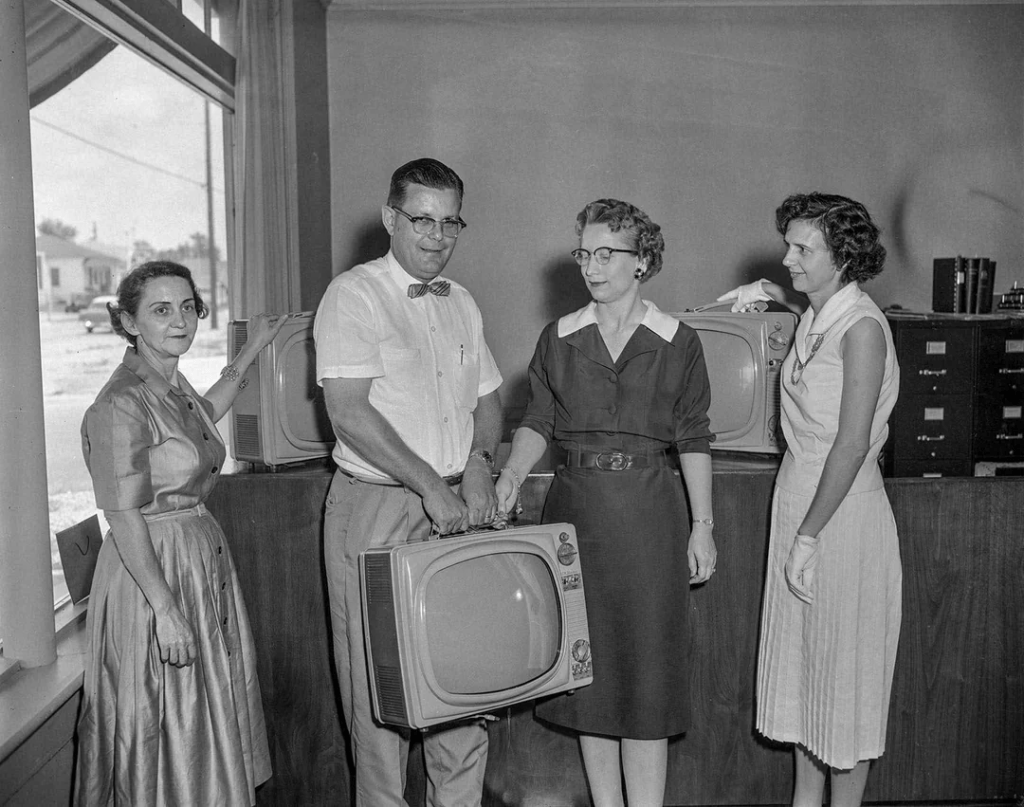
“Portable TV” Was Doing a Lot of Work
A 1960 photo of shoppers with a portable television shows just how generous manufacturers once were with that word: adding a handle apparently settled the matter.
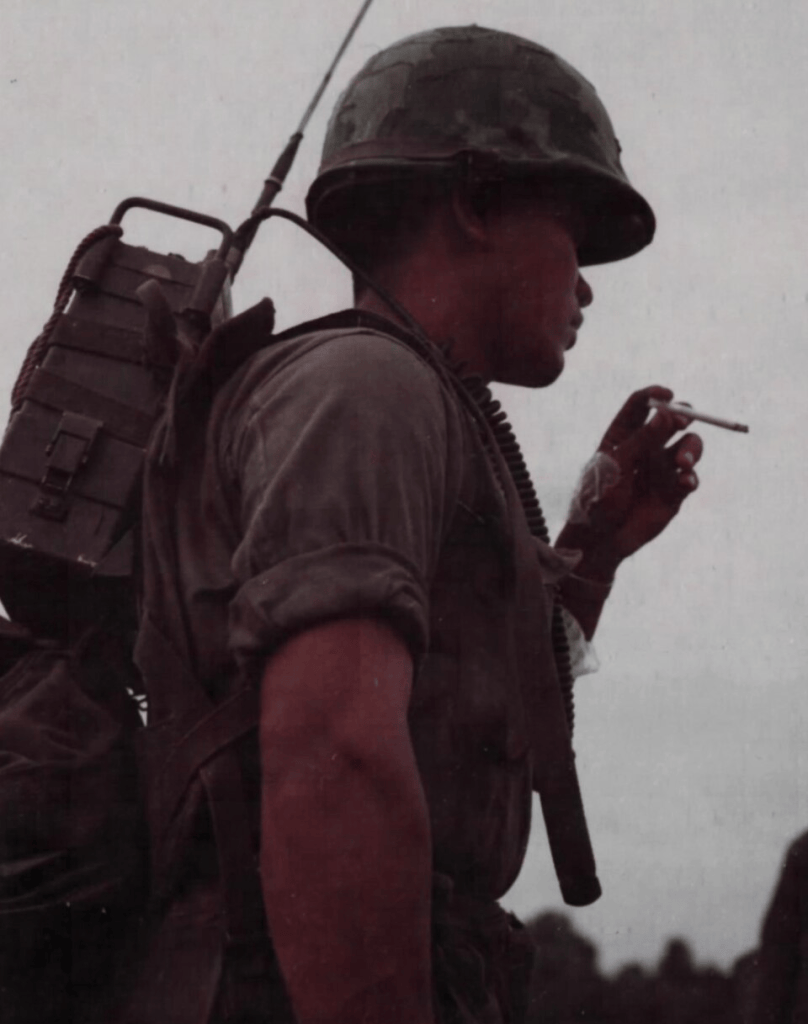
This Soldier Carried the Radio on His Back
A 1967 radio operator wore a full communications setup as a backpack, antenna included, showing just how much hardware once traveled with a single conversation.
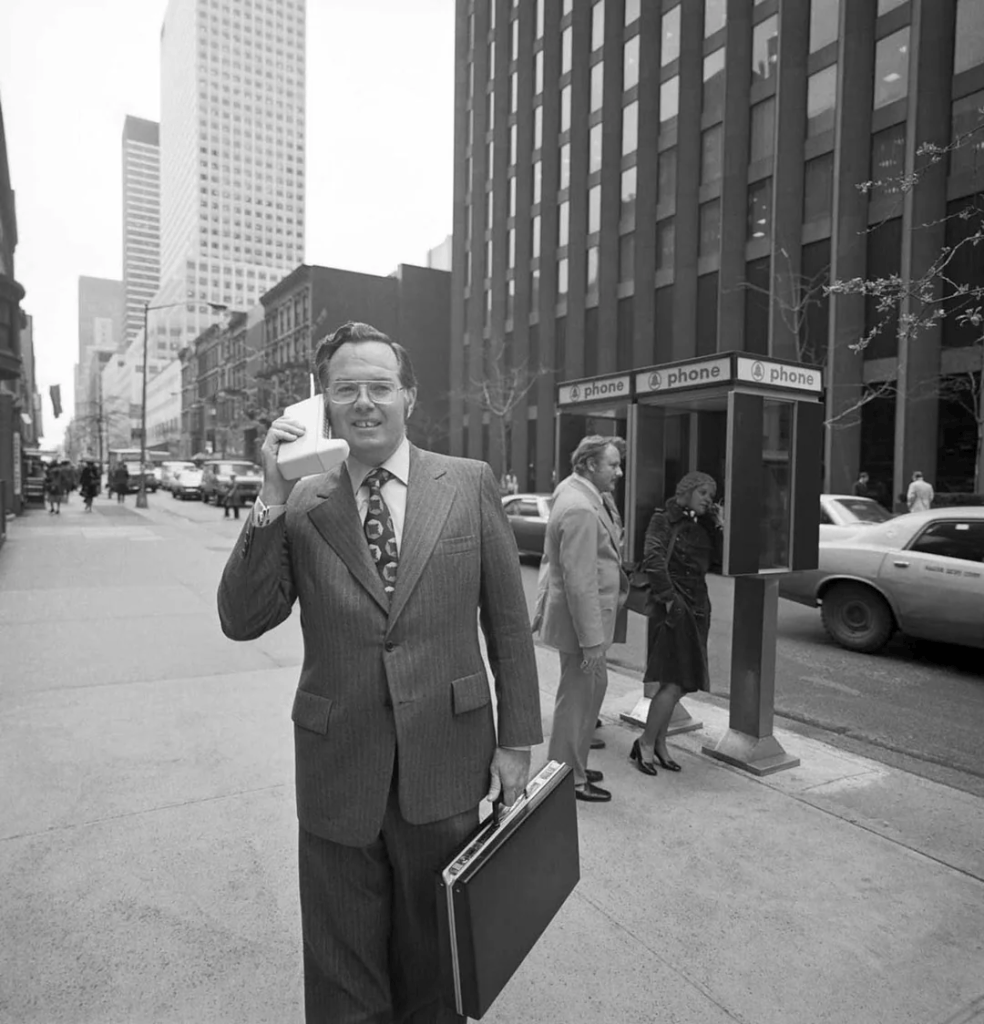
The First Cellphone Was a Brick for a Reason
Motorola engineer Martin Cooper demonstrated the company’s handheld DynaTAC prototype in 1973, back when putting a telephone in one hand still looked remarkably futuristic.
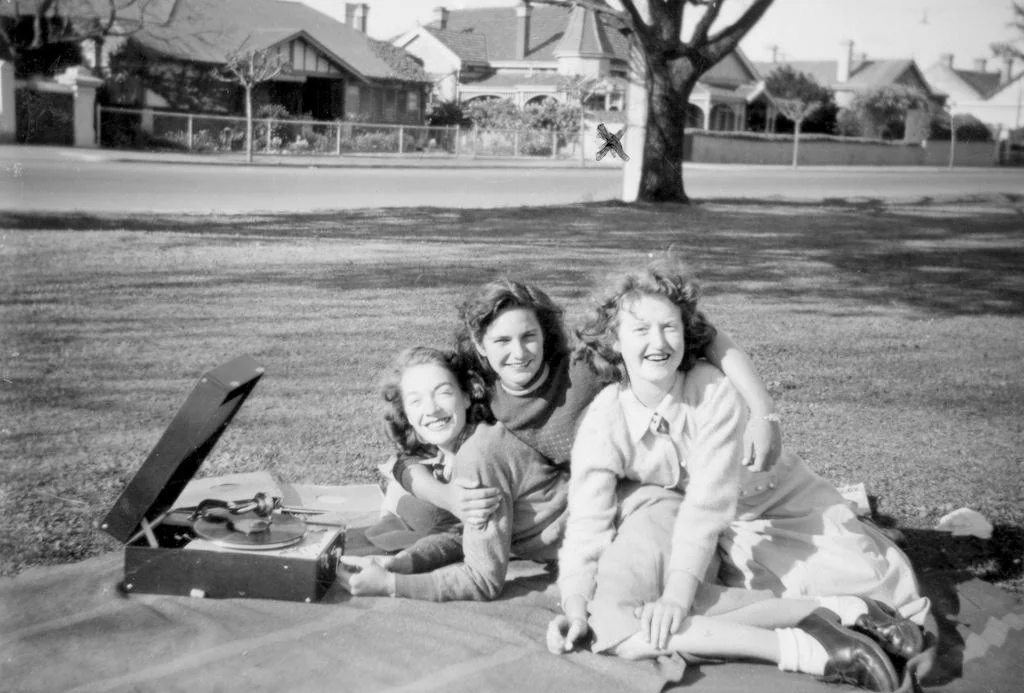
Portable Music Still Required Luggage
A 1952 photo from Adelaide shows friends using a portable record player outdoors, when bringing music to the park meant carrying an actual turntable with you.
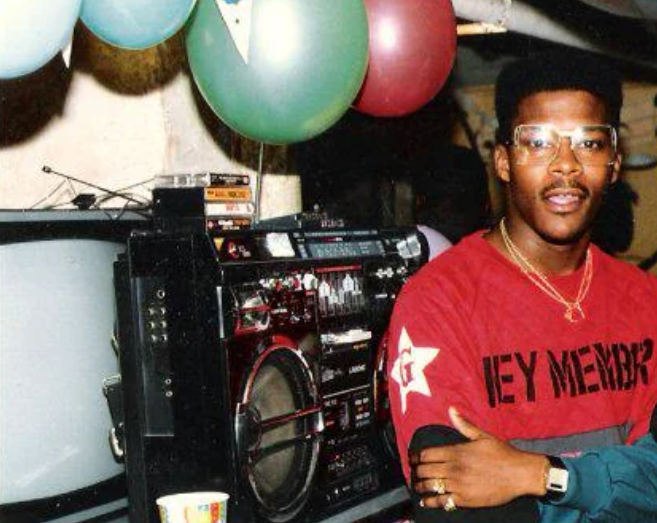
The Boombox Was a Shoulder Workout
An early-1980s photo shows a man carrying a large boombox the traditional way, perched on one shoulder like personal audio equipment had briefly become gym equipment.
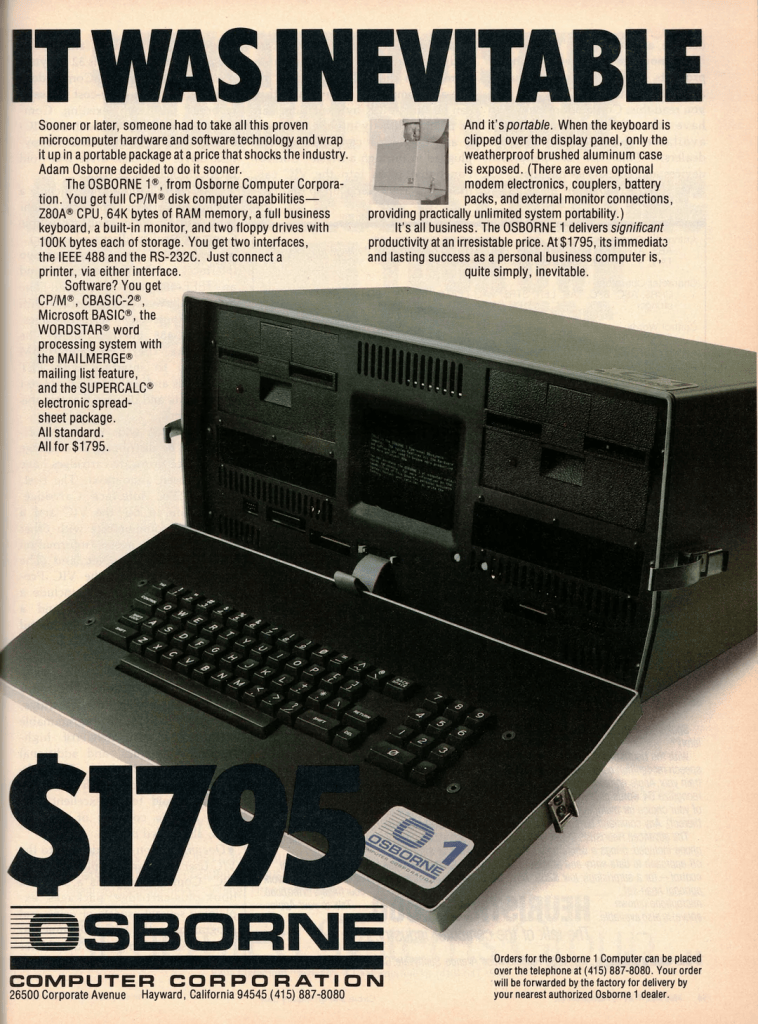
This Computer Was Technically Portable
The Osborne 1 arrived in 1981 as a portable personal computer, but at roughly 24.5 pounds, users quickly found that “luggable” was probably the more accurate description.
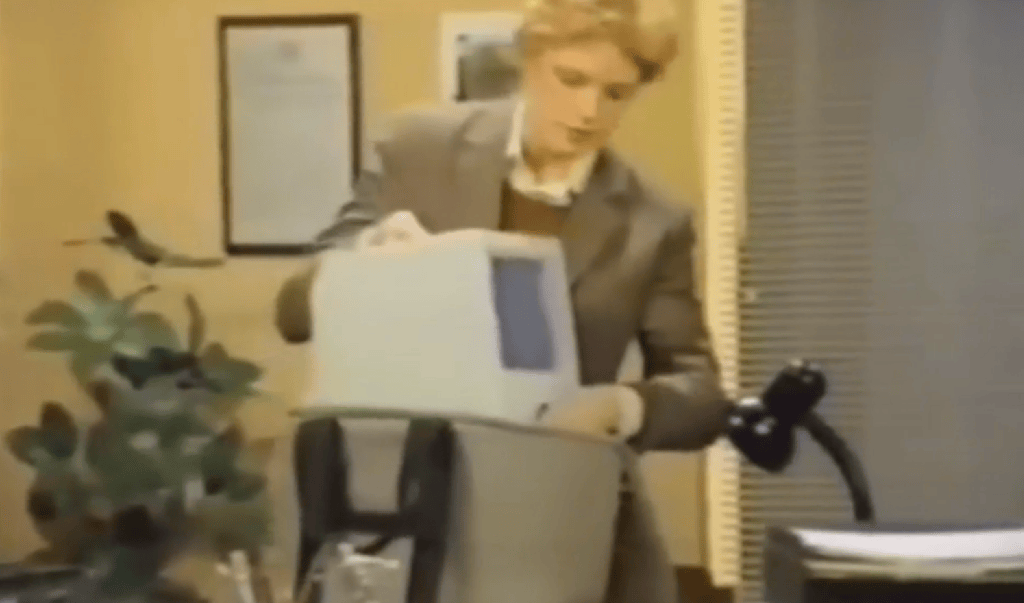
Apple Put a Desktop in a Bag
A 1984 Macintosh ad demonstrated portability by placing the entire computer in a large carrying case, monitor and all, which makes a modern laptop sleeve look almost insulting.
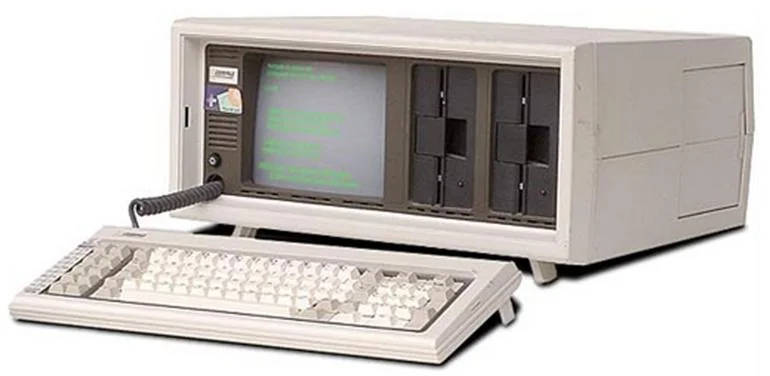
The Compaq Portable Was 28 Pounds
The Compaq Portable offered PC users mobility in the 1980s, provided they were comfortable hauling roughly 28 pounds of computer wherever they went.
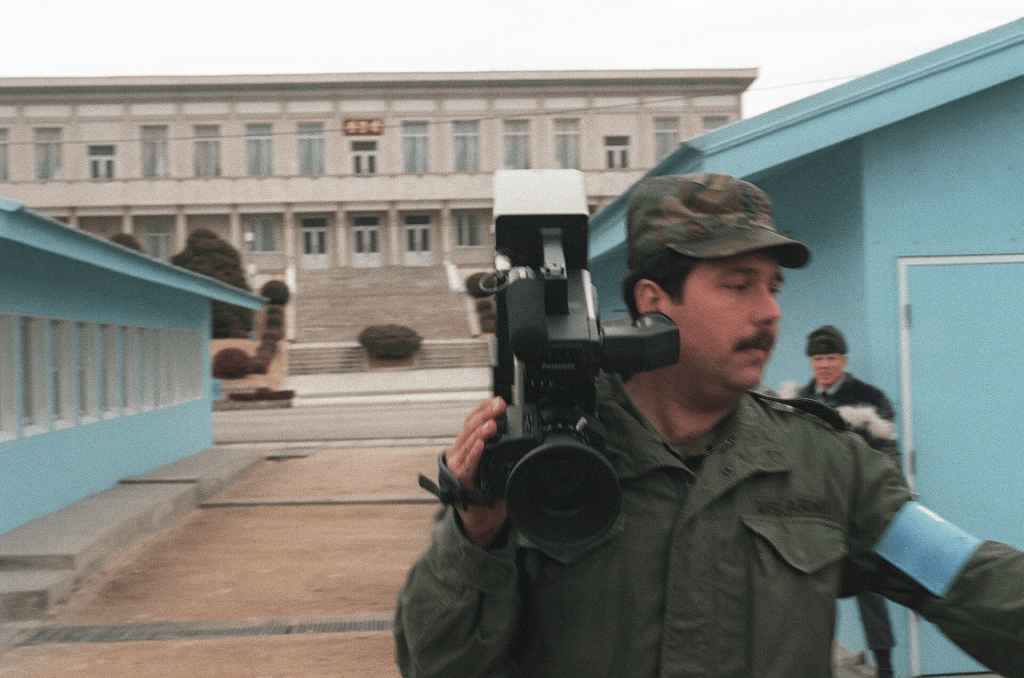
Video Cameras Took Up an Entire Shoulder
A full-size 1980s video camera practically covered the operator’s shoulder, back when recording on the go still meant hauling around a serious piece of machinery.
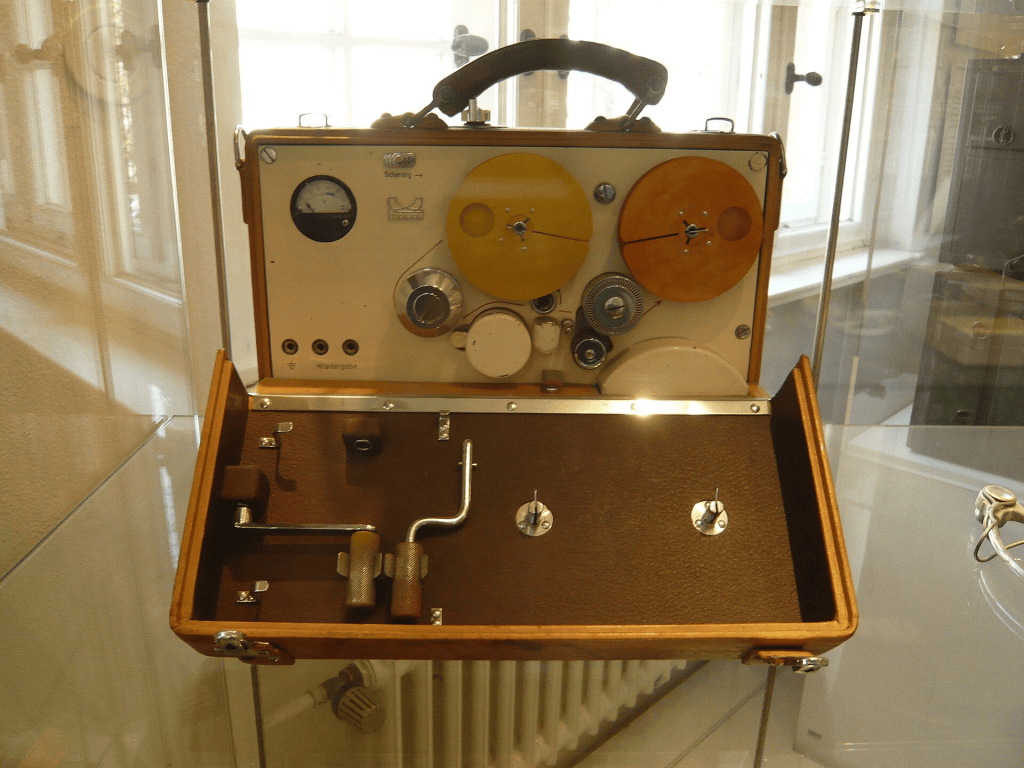
Even “Portable” Recording Gear Had Handles for a Reason
The 1950s Maihak Reportofon packed reel-to-reel recording equipment into a case weighing about 7.5 kilograms, which made “portable” feel like a fairly optimistic description.