Horror Movies Where We Don’t Feel Bad for the Victim

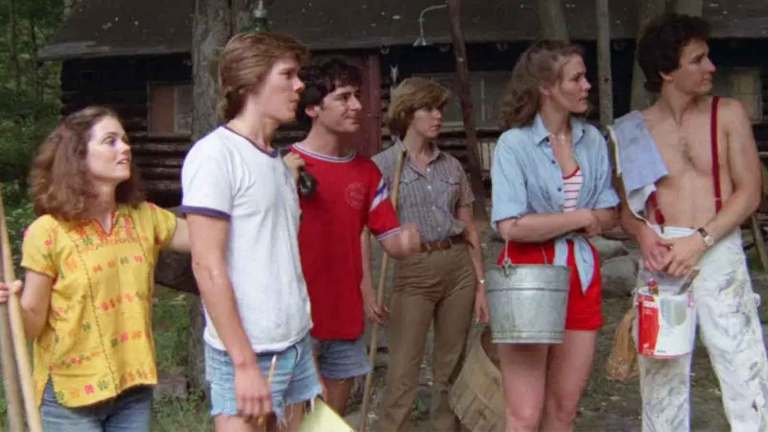
Horror movies often ask us to root for the people trying to survive, but every so often a character makes that almost impossible. Some ignore obvious warnings, treat everyone around them terribly, or create the very nightmare that eventually catches up with them. Their fate may still be shocking, brutal, or unforgettable, yet it rarely feels unfair. In many cases, audiences spend more time waiting for their downfall than hoping they escape. These films prove that a victim does not automatically earn sympathy and that a terrible decision or attitude can completely change how we experience the scares.
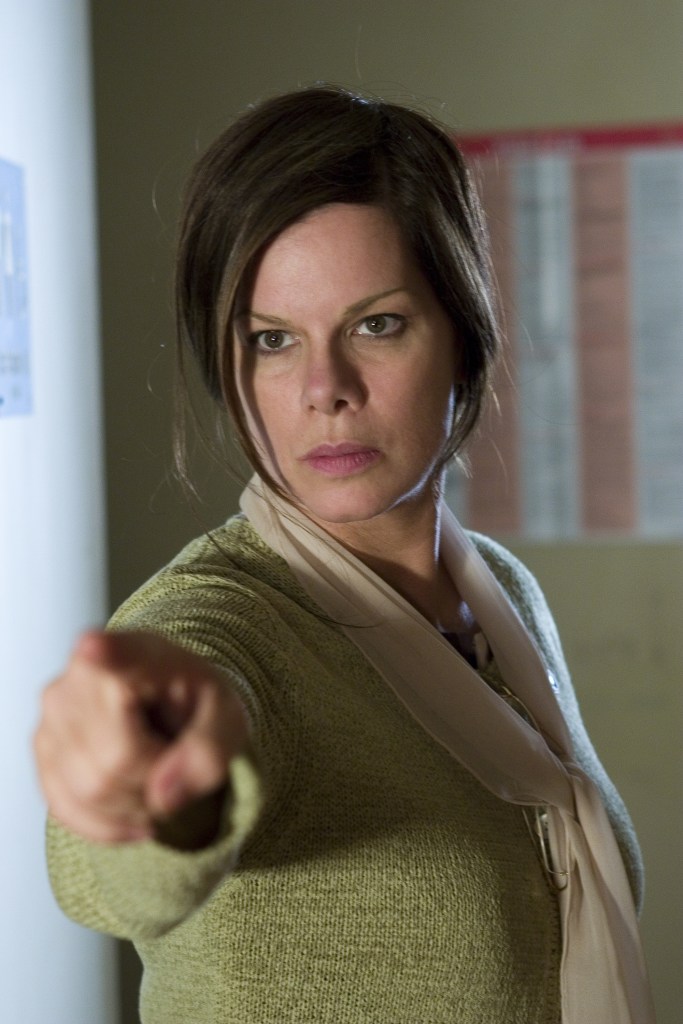
The Mist (2007) – Mrs. Carmody
Mrs. Carmody turns a frightened community into a dangerous cult through manipulation and fear, making her one of the least sympathetic characters in the film long before violence reaches her.
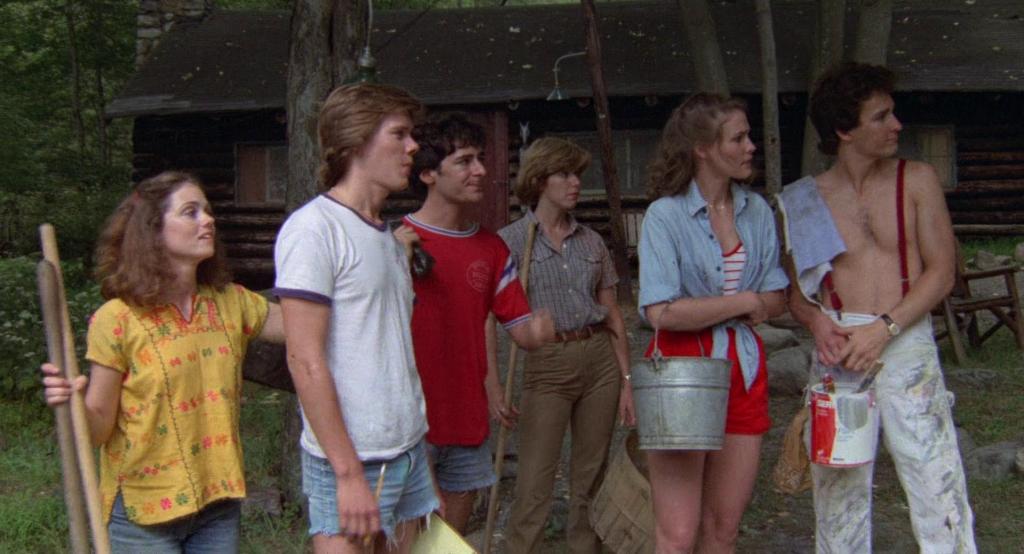
Friday the 13th (1980) – Jack
Jack ignores the obvious danger surrounding Camp Crystal Lake and spends more time sneaking away for fun than paying attention to the growing threat, making his death feel inevitable rather than tragic.
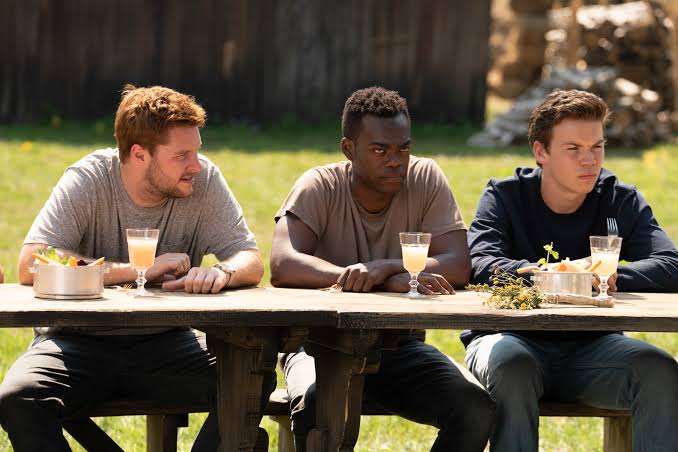
Midsommar (2019) – Mark
Mark spends the entire trip insulting local customs, acting disrespectfully, and ignoring repeated warnings, making it difficult to feel much sympathy when the consequences finally catch up with him.

The Descent (2005) – Juno
Juno hides a devastating secret from her friends, pushes everyone into unnecessary danger, and repeatedly makes selfish decisions that leave the group in an even worse situation.
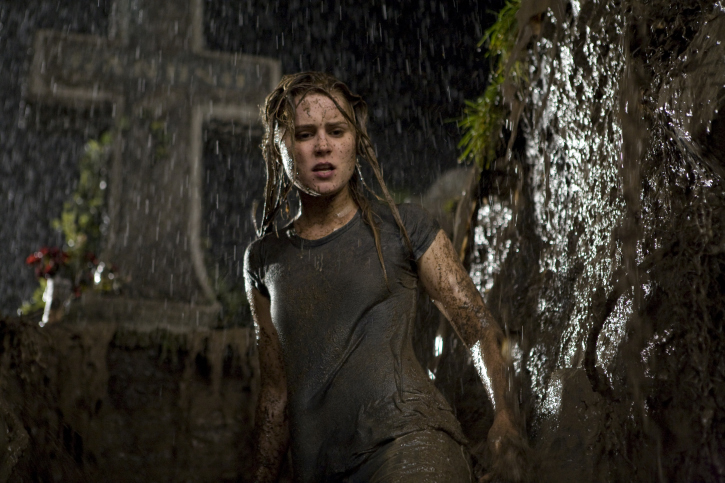
Drag Me to Hell (2009) – Christine Brown
Christine’s attempt to protect her career by refusing an elderly woman’s request triggers the curse that follows her, leaving audiences divided over how much compassion she truly deserves.
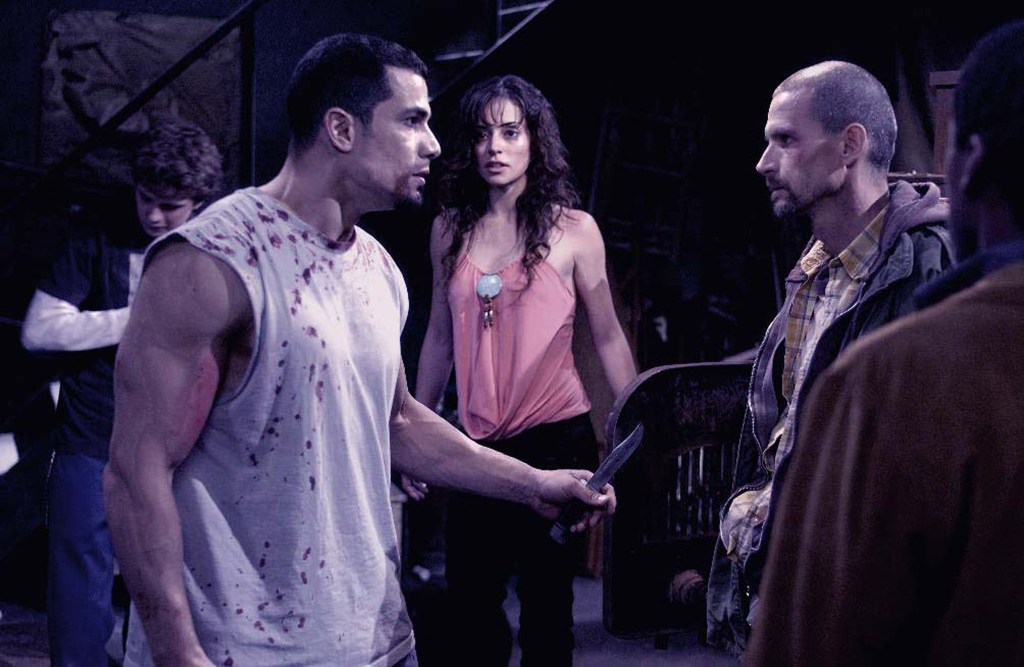
Saw II (2005) – Xavier
Xavier spends the entire game threatening, attacking, and exploiting the other survivors instead of working with them, making his downfall one of the movie’s most satisfying moments.
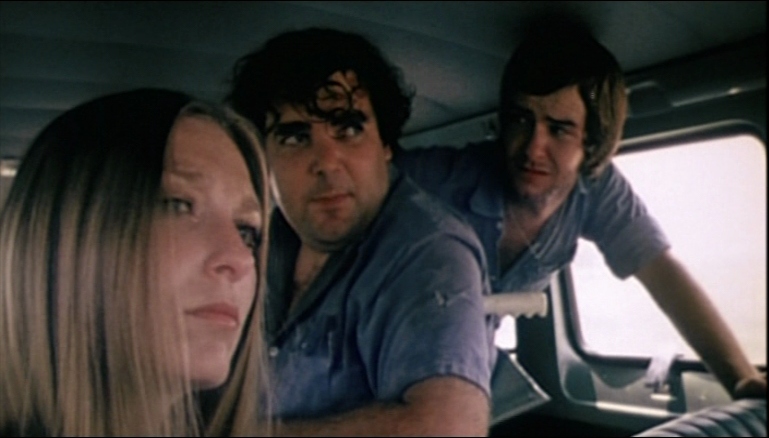
The Texas Chain Saw Massacre (1974) – Franklin
Franklin constantly complains, argues with his friends, and creates tension throughout the trip, making him one of the rare victims whose death is remembered with mixed reactions from viewers.
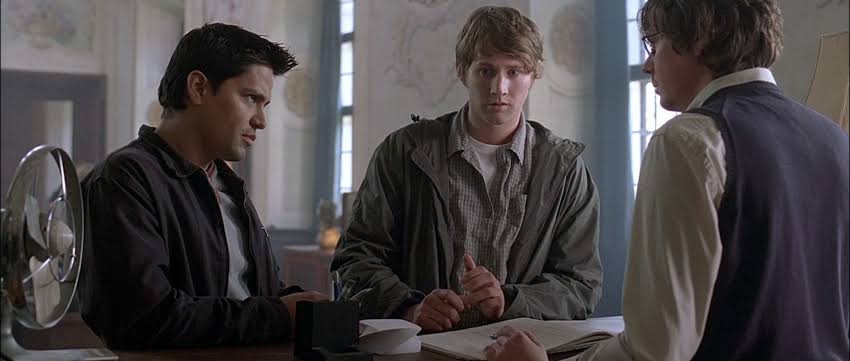
Hostel (2005) – Josh
Josh willingly travels in search of reckless thrills despite repeated warnings and spends much of the trip making questionable choices that place him directly in harm’s way.
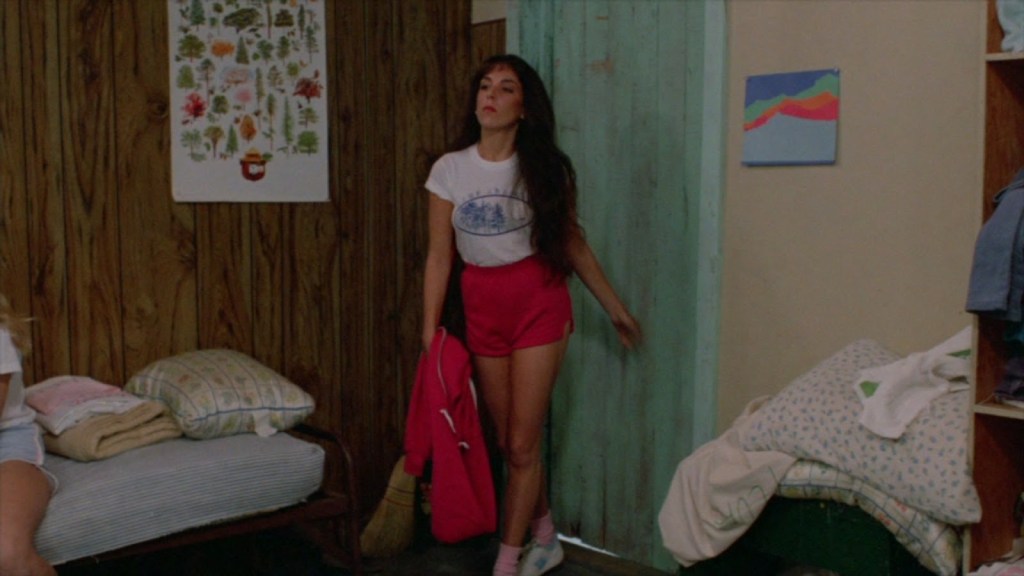
Sleepaway Camp (1983) – Judy
Judy relentlessly bullies Angela from the moment camp begins, showing cruelty without remorse and making her eventual fate feel like poetic justice to many horror fans.
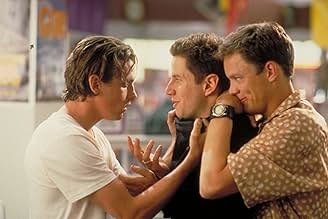
Scream (1996) – Billy Loomis
Although Billy ultimately becomes one of the killers, he technically dies as a victim in the final act after everything he orchestrates, leaving almost nobody mourning his fate.
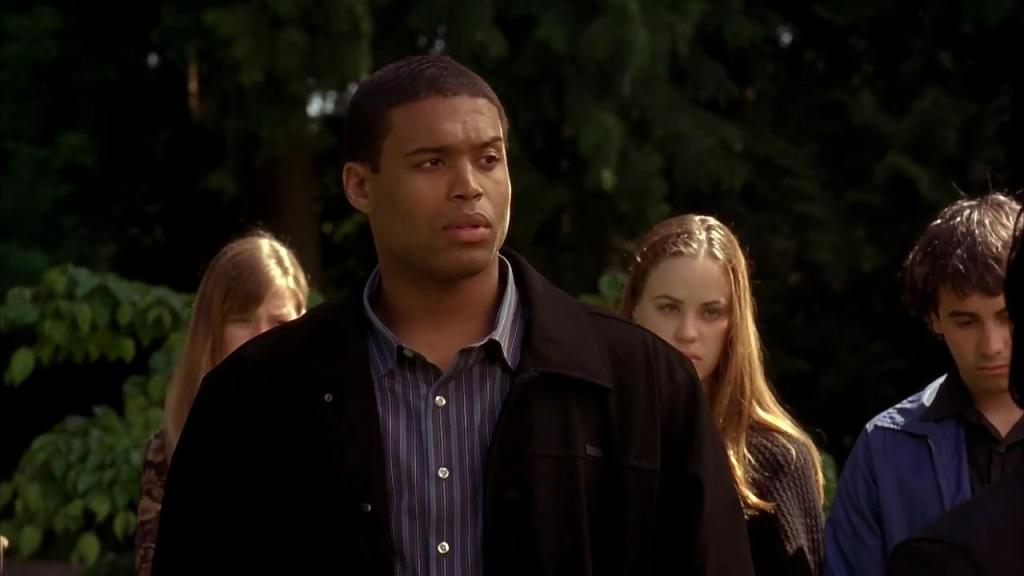
Final Destination 3 (2006) – Lewis Romero
Lewis laughs at every warning, mocks the idea that death could be following him, and refuses to take anything seriously until it is far too late.
Carrie (1976) – Chris Hargensen
Chris never stops tormenting Carrie and even escalates her cruelty after being punished, making her violent end one of the few moments audiences openly cheer.
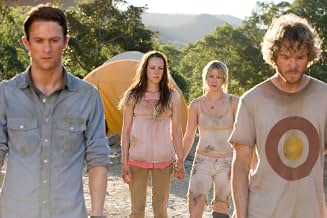
The Ruins (2008) – Eric
Eric ignores obvious warning signs and repeatedly makes impulsive decisions that worsen an already hopeless situation for everyone trapped on the ruins.
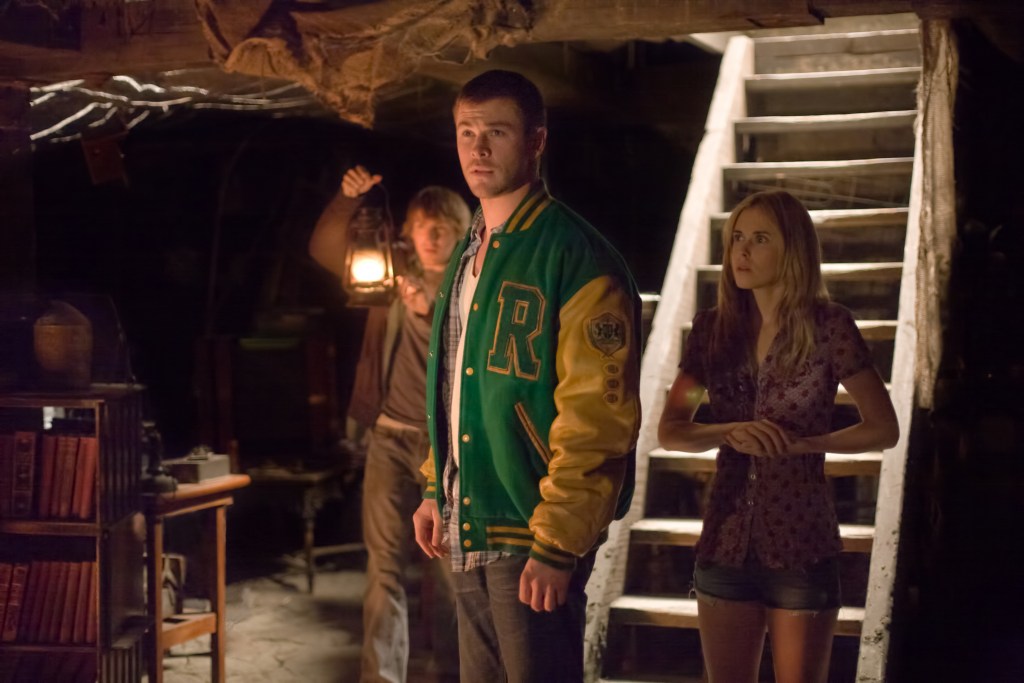
The Cabin in the Woods (2012) – Hadley
Hadley is not one of the main victims but becomes one by the finale after treating countless deaths as entertainment, making his own end feel like fitting karma rather than tragedy.