15 Horror Genres That Need More Representation


Horror movies are great, and at least for us, one of our favourite genres. A seeming weakness of it, though, is that the same tropes are repeated over and over. You’ve got your ghost stories, your slasher flicks, and your zombie apocalypses, and they’re great! But horror is a massive sandbox with so many creepy corners left unexplored.
There are entire subgenres that rarely get the big-budget treatment they deserve, like the unsettling rituals of folk horror or the deep-sea dread of aquatic horror. Join us as we explore what else can be done to chill us to the bone.
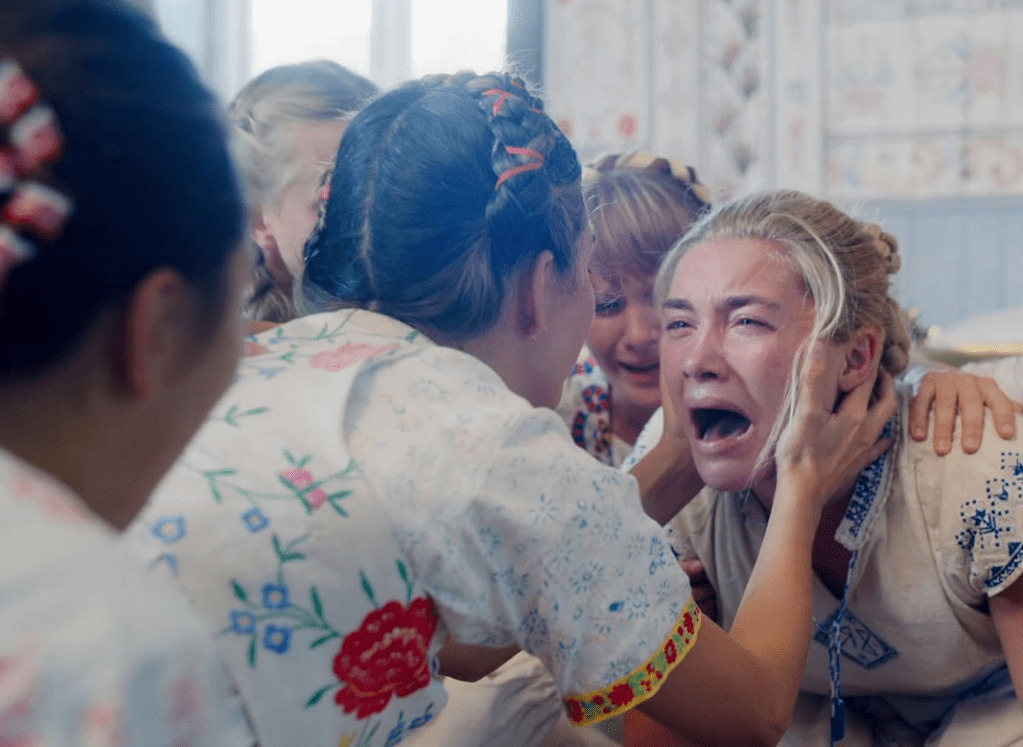
Folk Horror
This genre taps into ancient folklore, mythology, and rural traditions to create a unique sense of dread. With modern hits like Midsommar and cult classics like The Wicker Man, it proves that old fears are often the most powerful.
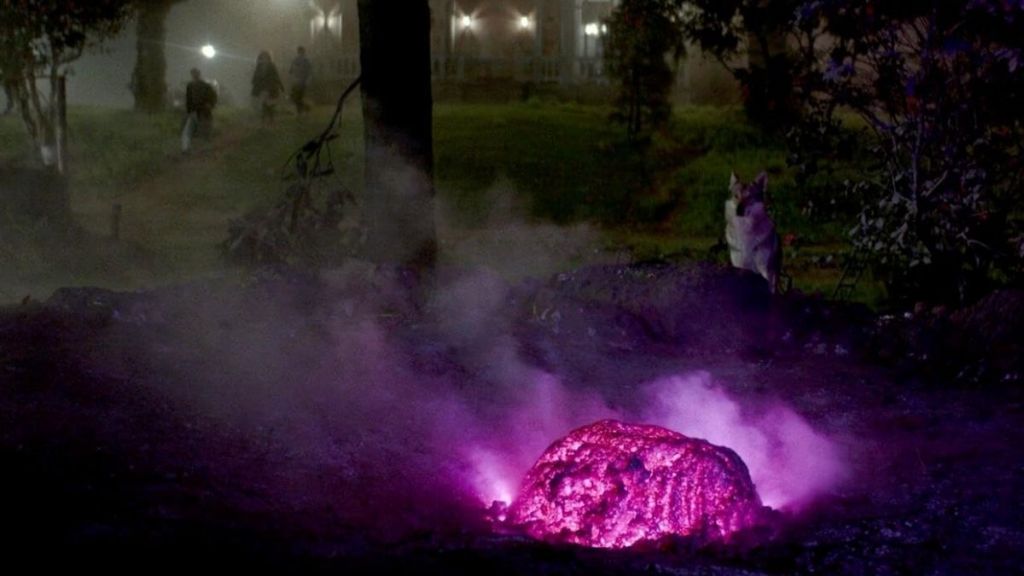
Cosmic Horror
Inspired by authors like H.P. Lovecraft, this genre is all about incomprehensible, abstract dread from beyond the stars. Fans often feel that movies fail to capture its true essence, but films like The Mist come very close.
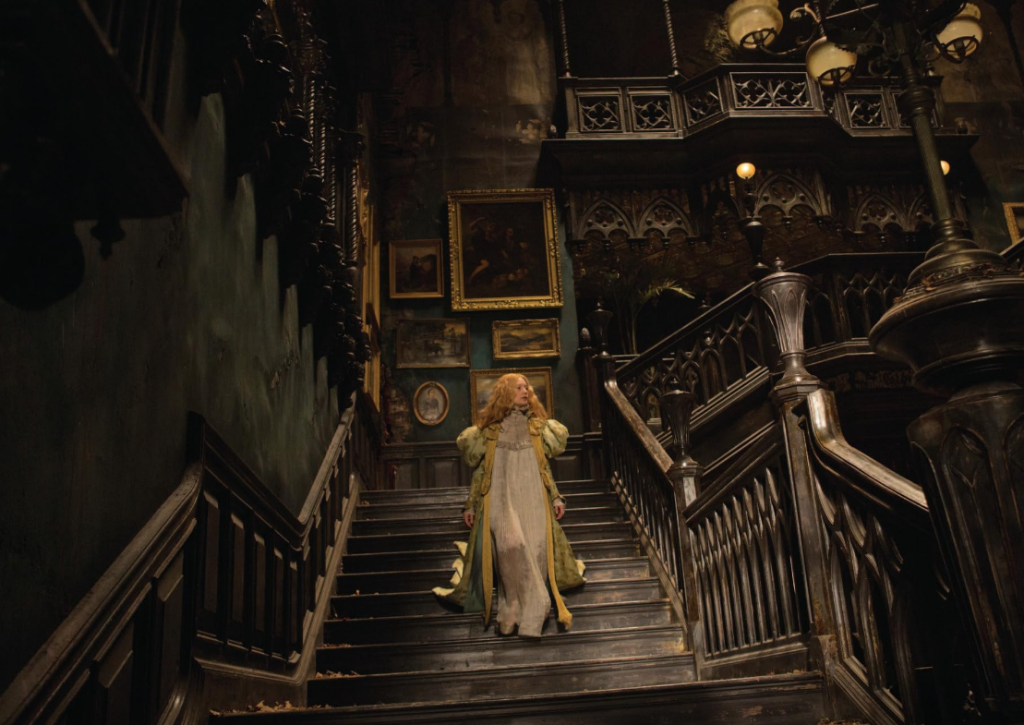
Gothic Horror
With its decaying mansions, supernatural romance, and deep sense of atmosphere, gothic horror is a classic. Films like Crimson Peak and Bram Stoker’s Dracula prove there’s still life in these haunting old castles.
Aquatic Horror
What may lie lurking in the deep? This subgenre explores the terror of the unknown in our oceans and lakes. For a planet that’s mostly water, it’s surprising how little the horror genre has explored the crushing darkness of the depths.
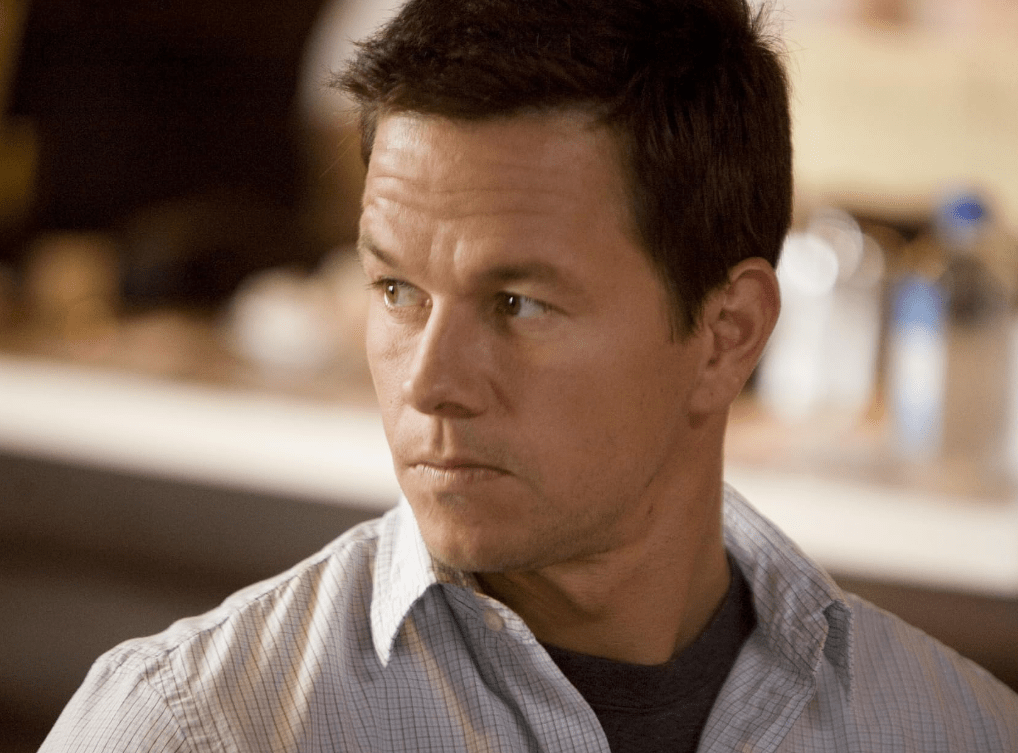
Eco-Horror
This genre pits humanity against a vengeful Mother Nature. Explored in films like The Happening, it’s clear there’s an appetite for stories where the environment finally fights back against us in terrifying ways.
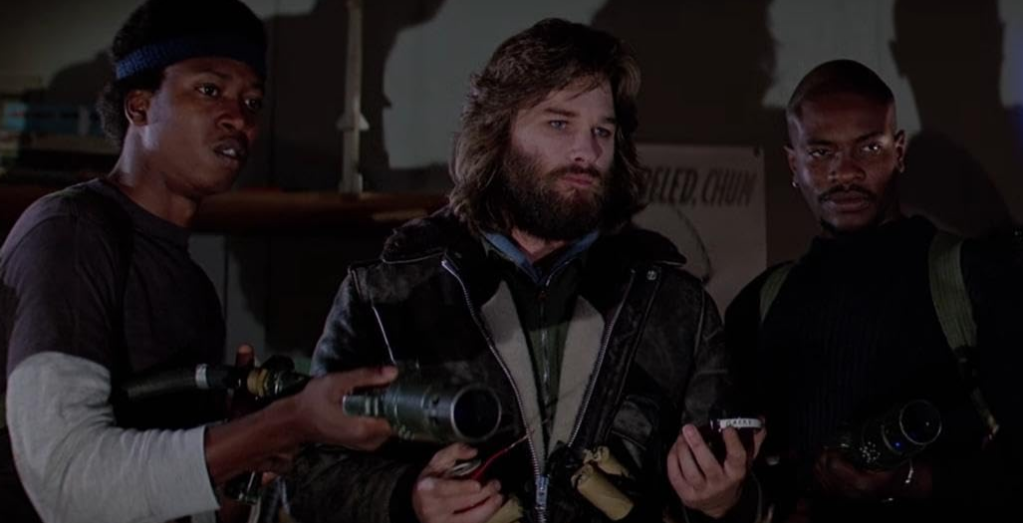
Sci-Fi Horror
This genre mixes terrifying horror elements with science fiction concepts. Whether it’s aliens in Alien or experiments gone wrong in The Thing, it explores our deepest fears about technology and the unknown universe.
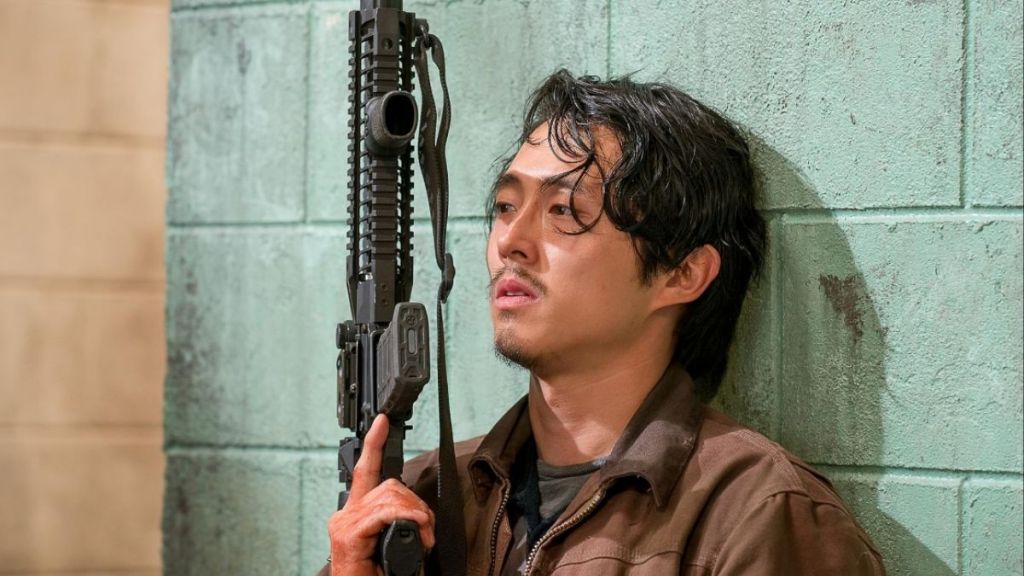
Apocalyptic Horror
This genre, found in everything from Young Adult novels to the Warhammer 40,000 universe, throws characters into a ‘grimdark’ fight for survival against impossible odds. Seen in shows like The Walking Dead, it turns other survivors into the real enemy.
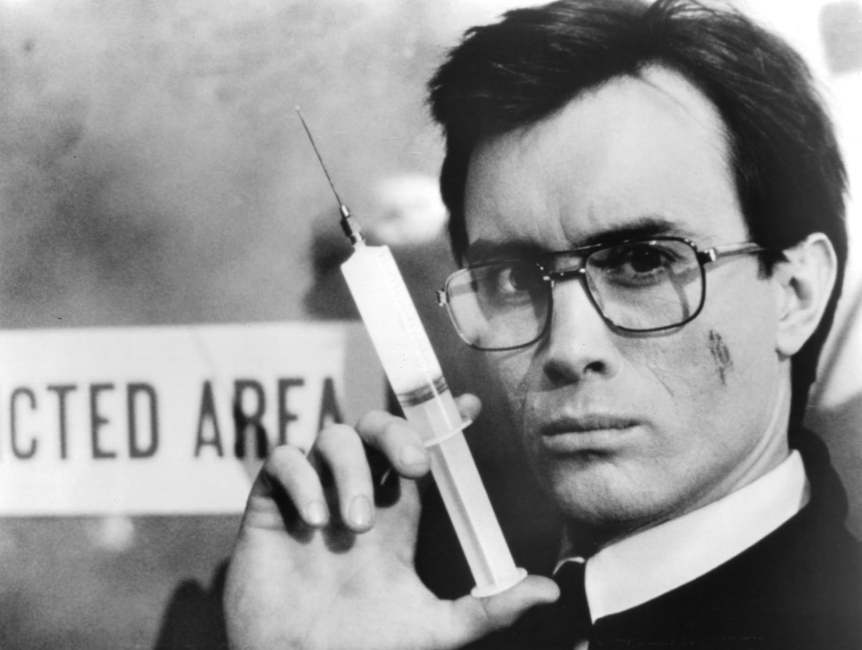
Medical Horror
This genre preys on our fears of hospitals, procedures, and what can go wrong with our own bodies. It’s related to body horror, but focuses on the clinical dread of disease, decay, and the loss of bodily autonomy.

Historical Horror
Taking a real moment from the past and adding a supernatural twist can be incredibly effective. Author Alma Katsu is known for this, adding a terrifying new layer to the story of the Donner Party in “The Hunger.”
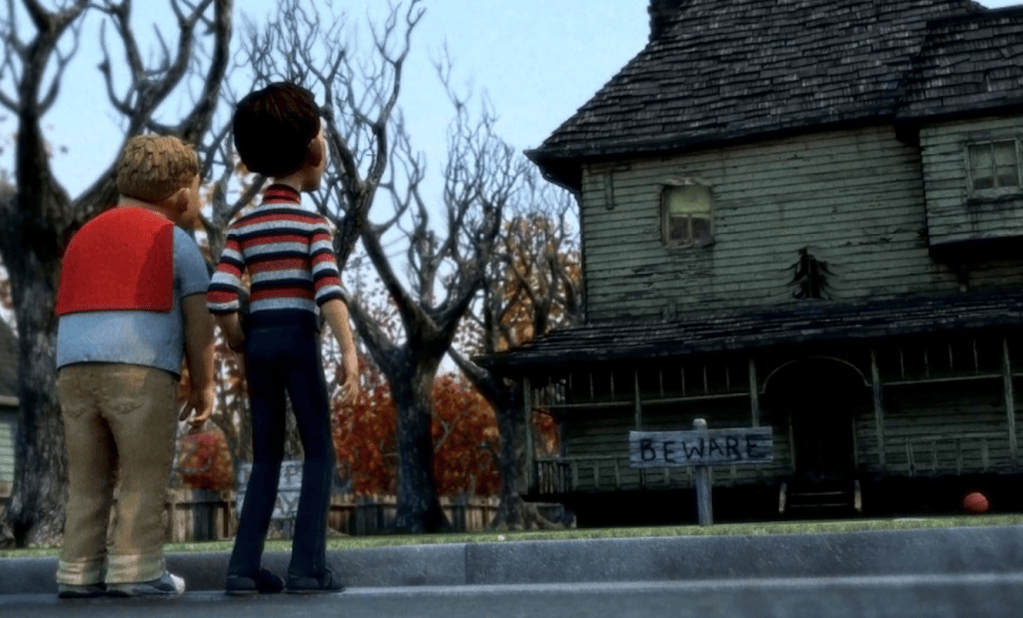
Animated Horror
Animation isn’t just for kids, and it can be a powerful medium for horror. Fans often discuss wanting more, pointing to shows like the Filipino series Trese or imagining what a sequel to Monster House could look like.
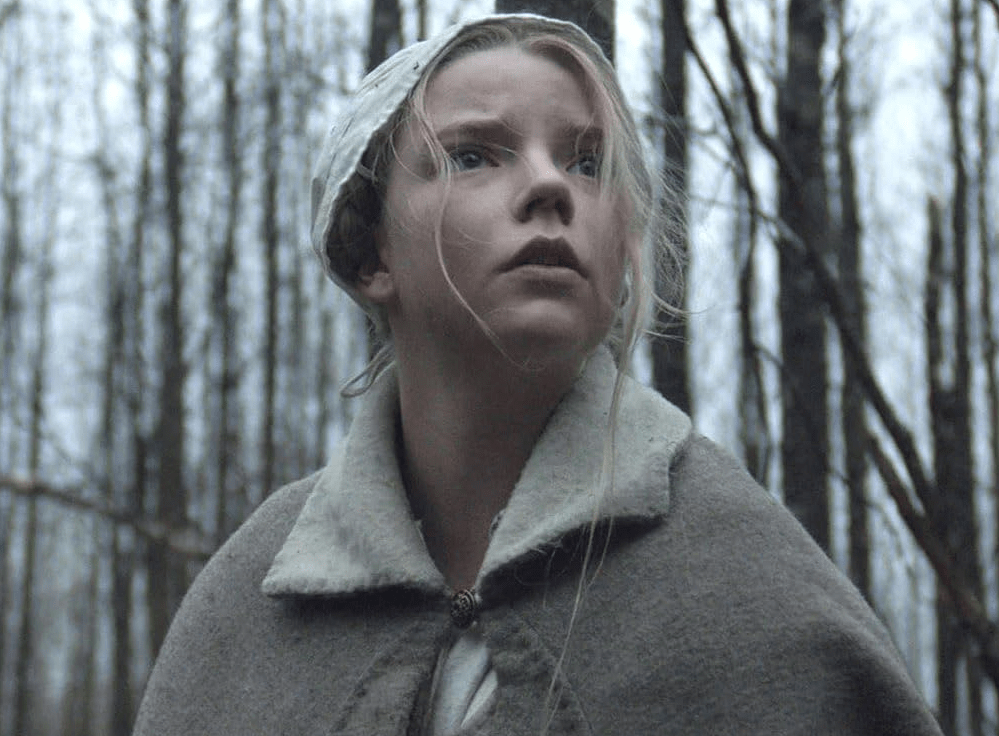
Non-Christian Religious Horror
There’s a whole world of mythology and folklore to draw from outside of the usual religious tropes. Fans are eager to see more horror based on things like Jewish mysticism or Native American legends, as long as it’s done respectfully.
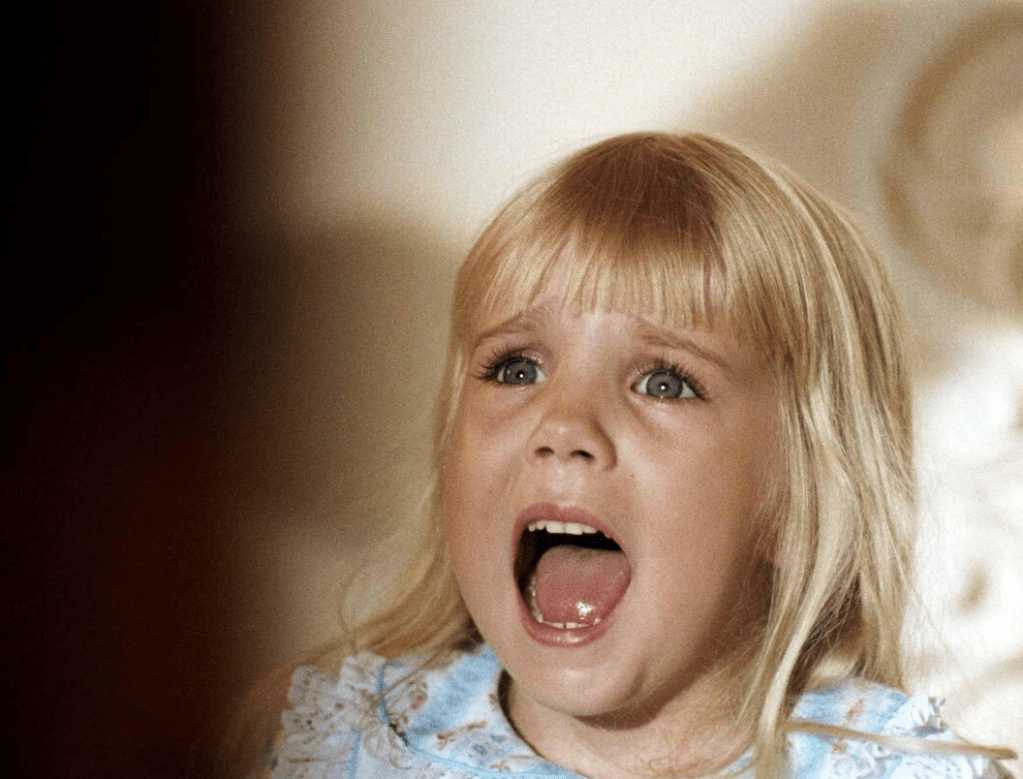
Suburban Gothic
The horror is coming from inside the neighborhood. This genre finds terror in the supposed safety of the suburbs, with films like Poltergeist and A Nightmare on Elm Street showing the darkness behind the white picket fences.
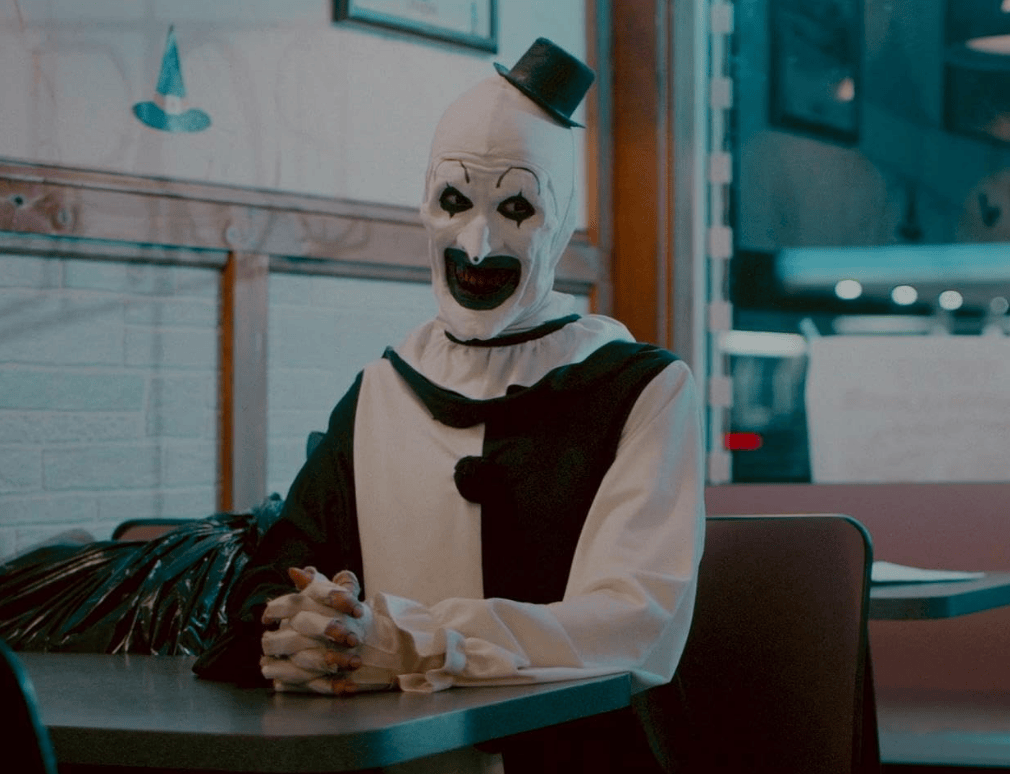
Splatter Film
This one is not for the faint of heart. Splatter films prioritize graphic, over-the-top gore and shocking effects above all else. For some it’s pure spectacle, while for others, it can feel like shock value without a story.
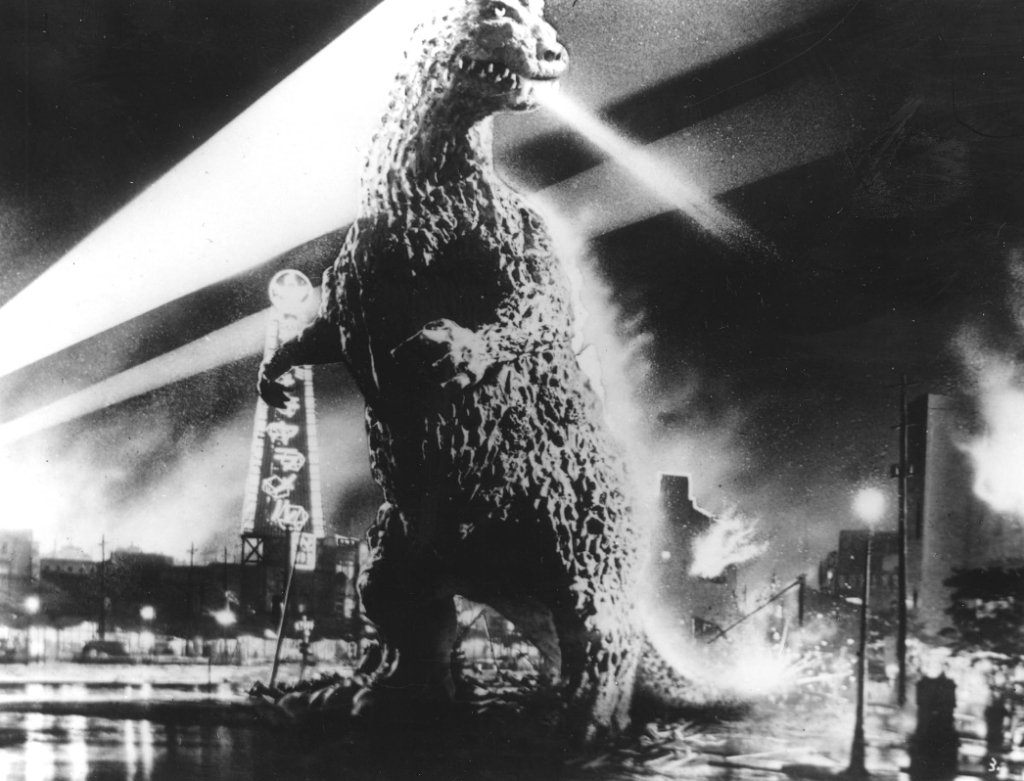
Creature Feature
Whether it’s a man-sized beast like the Creature from the Black Lagoon or a giant like Godzilla, these films are built around a central antagonist that is often the result of human folly. This is often taken to the action route, when so much more can be explored horror-wise.