15 Hollywood Facts from its Troubled History

Hollywood is often remembered for glamour, fame, and larger-than-life storytelling, but its history also includes controversy, conflict, and darker turning points. Behind the polished image of the film industry are stories of censorship battles, labour strikes, studio power struggles, scandals, and systemic changes that reshaped how movies are made and distributed. Many of the rules, protections, and creative freedoms in today’s industry exist because of turbulent moments in the past. These facts highlight some of the more complicated chapters in Hollywood’s evolution, showing how its history is as dramatic off-screen as it is on-screen.
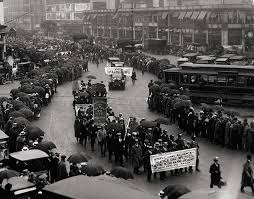
Actors’ Equity strikes
Early union actions that helped establish labor rights for performers in stage and film productions.
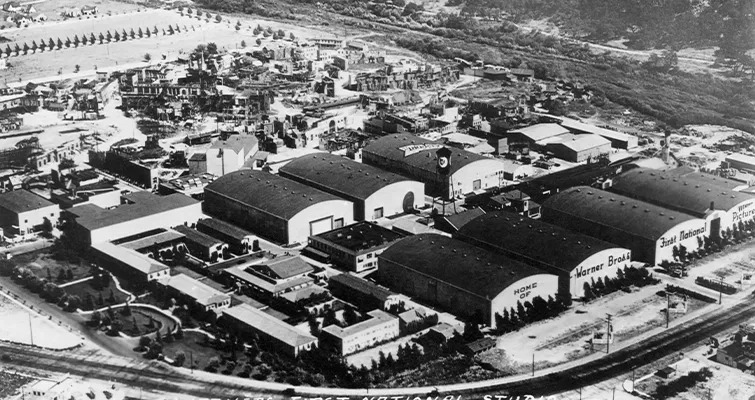
Golden Age studio system
A tightly controlled era where studios held near-total power over actors, contracts, and production pipelines.
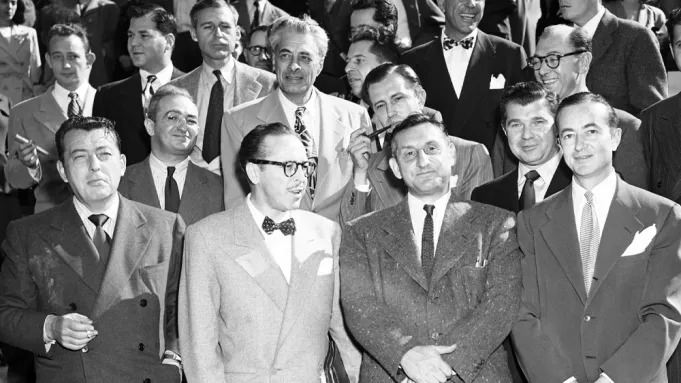
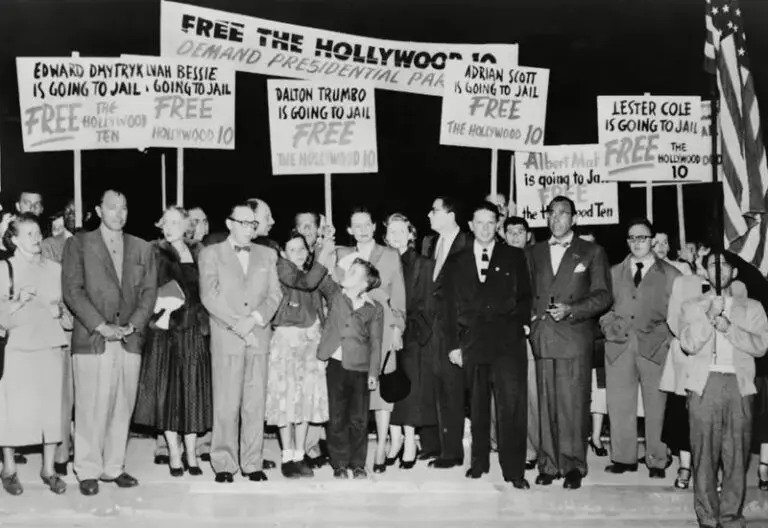
Hollywood Blacklist
During the Cold War era, many actors, writers, and directors were banned from working due to alleged communist ties, reshaping careers and creative output.
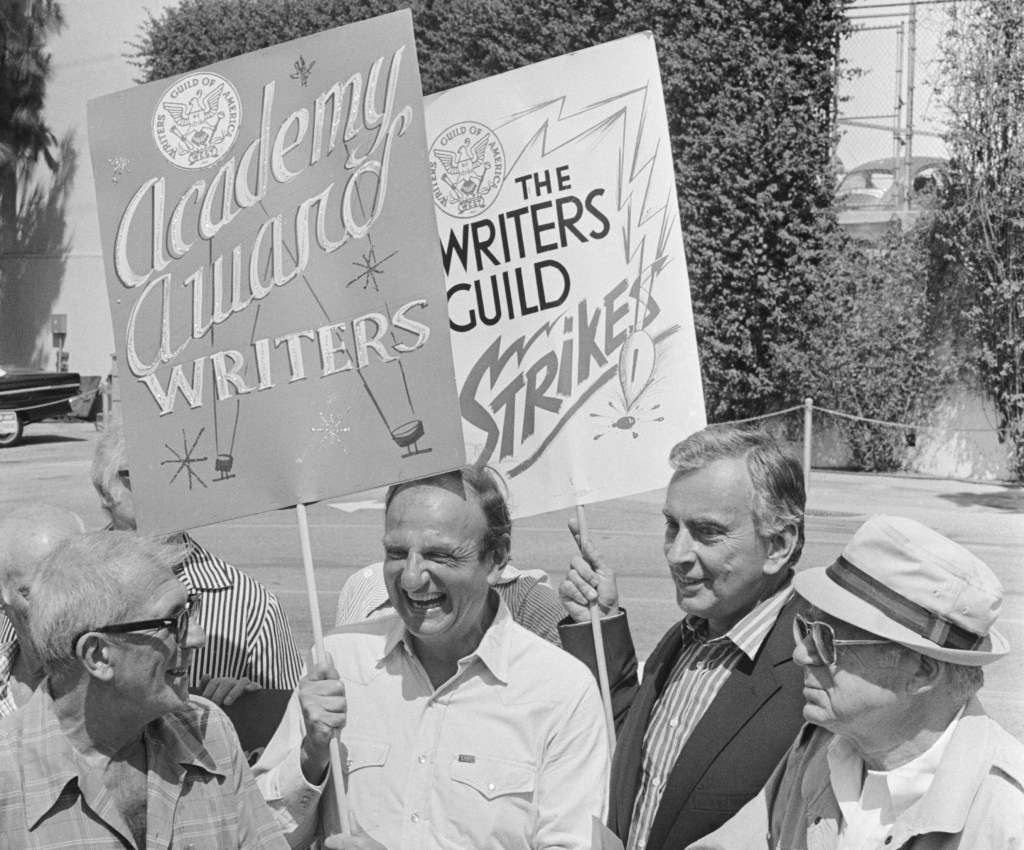
Hollywood labor movement formation
The early formation of unions and guilds fundamentally changed working conditions and power dynamics in the industry.
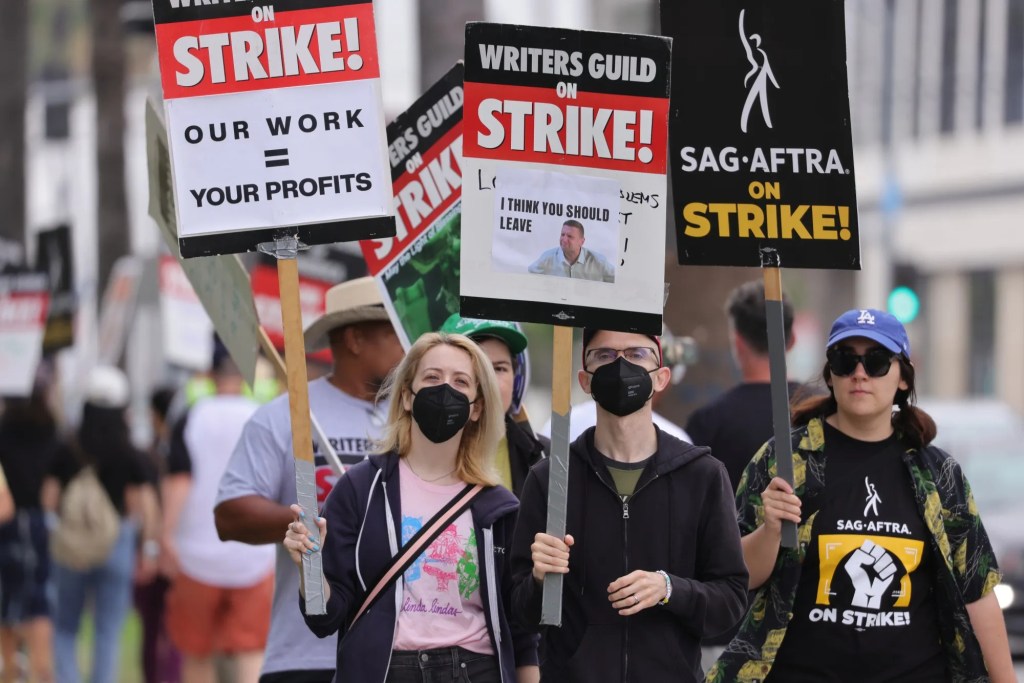
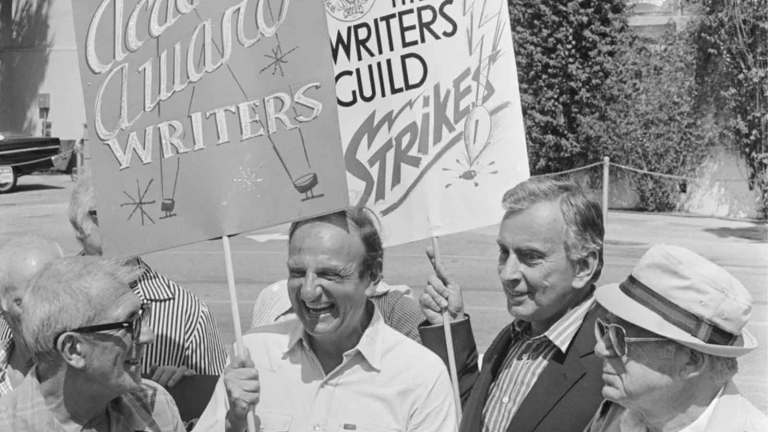
Hollywood labor strikes
Repeated strikes by actors, writers, and crews have periodically shut down productions and exposed industry-wide inequality issues.
Hollywood sex scandal era
Multiple waves of high-profile scandals have repeatedly forced cultural and structural reckonings in the industry.

Hollywood studio fires era
Multiple early studio fires destroyed archives and films, contributing to the loss of silent-era cinema history.
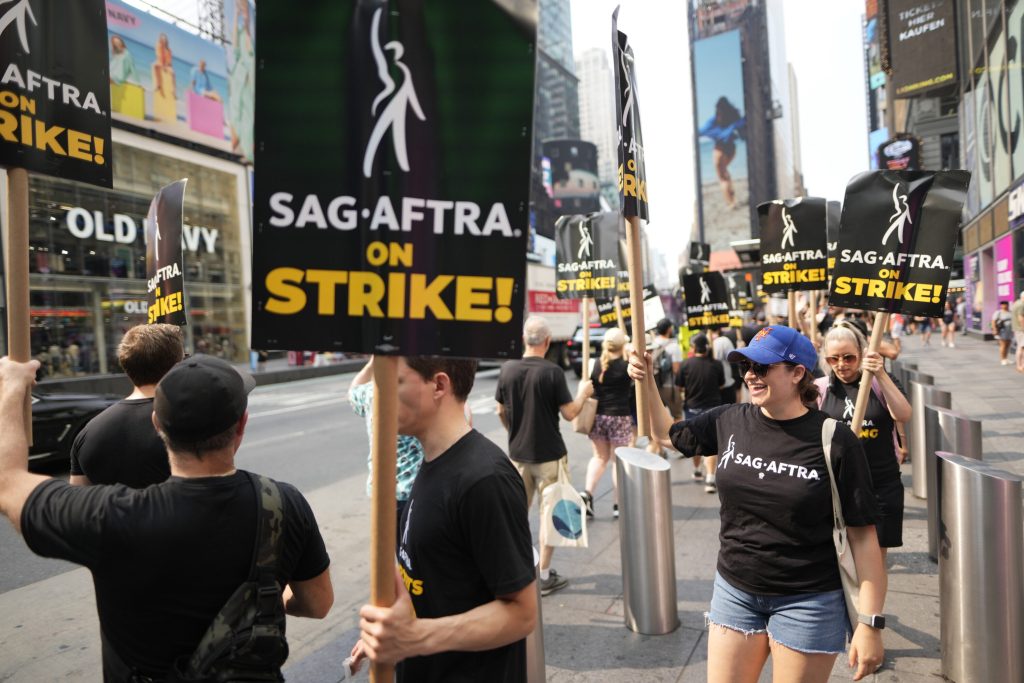
Hollywood wage disputes
Longstanding conflicts over pay equity and residuals have repeatedly shaped negotiations between talent and studios.
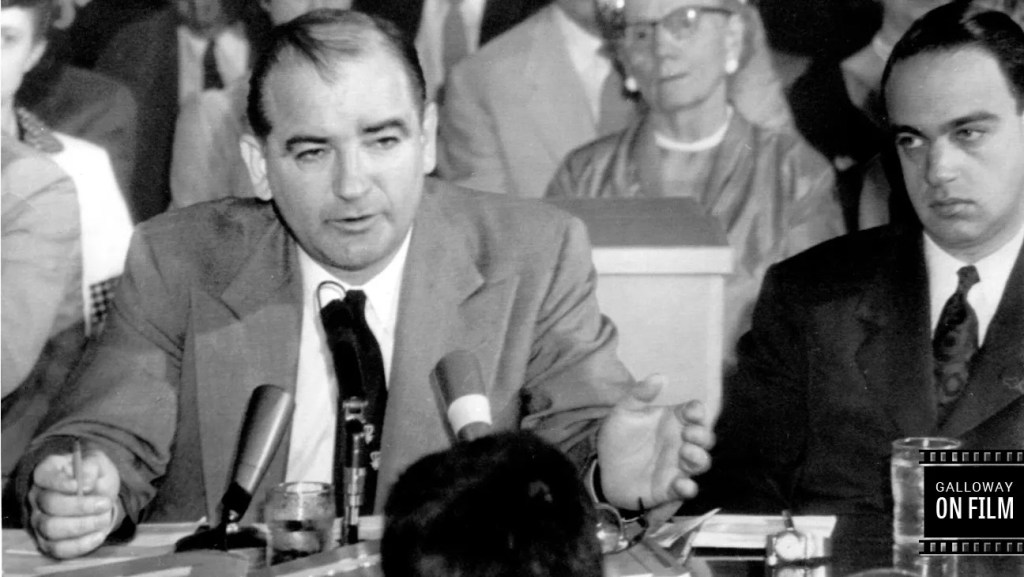
McCarthyism in Hollywood
A political climate that led to investigations, blacklists, and widespread fear across the entertainment industry.
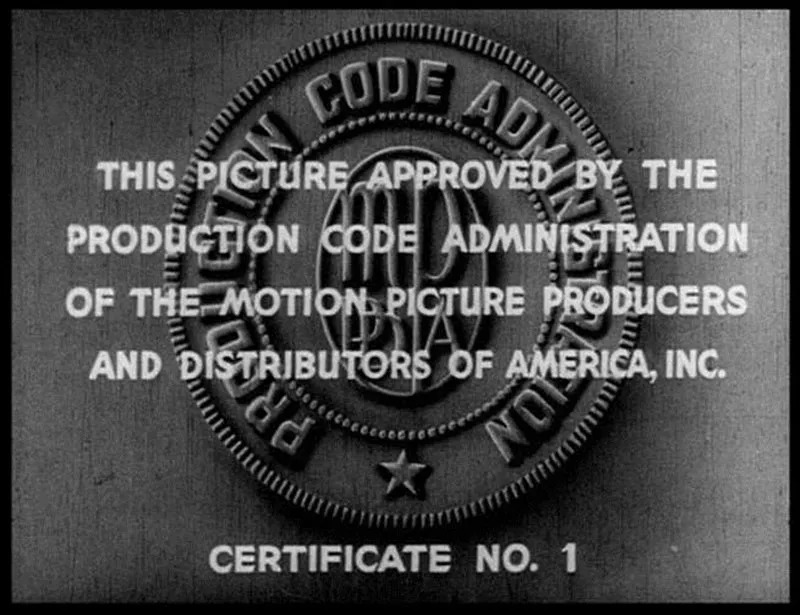
Motion Picture Production Code
Also known as the Hays Code, it imposed strict censorship rules on films for decades, limiting what could be shown on screen.
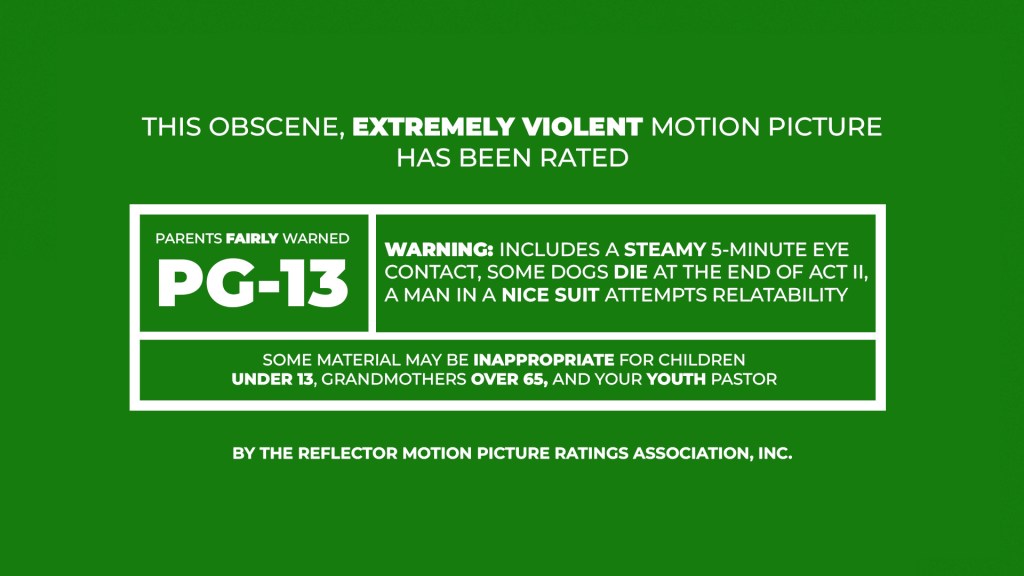
Motion picture rating system creation
The introduction of the MPAA ratings system changed how films were classified and what audiences could access.
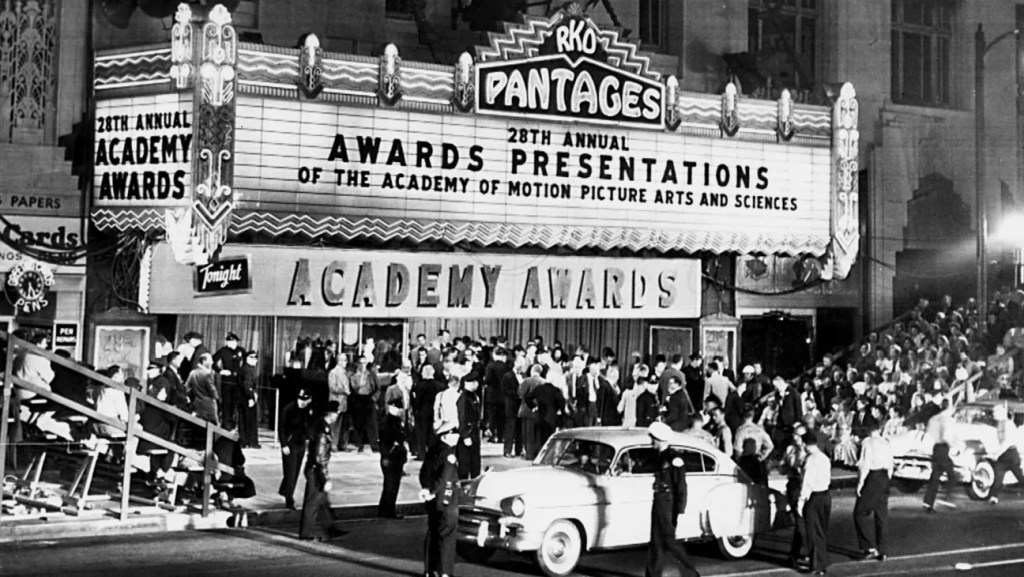
Paramount Decree
A landmark antitrust case that forced studios to divest their theater chains, fundamentally changing Hollywood’s business model.
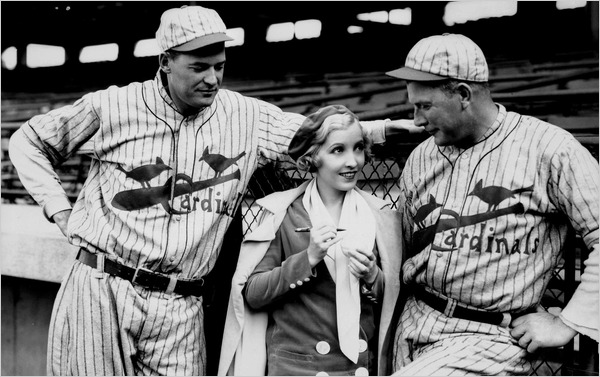
Silent to sound transition in Hollywood
The introduction of sound films disrupted careers and forced a complete industry restructuring.
Studio system collapse
The gradual breakdown of vertically integrated studios that once controlled production, distribution, and exhibition.

Technicolor transition conflict
The shift to color filmmaking created economic and technical resistance across studios and productions.