15 Historical Figures Who Were Into Some Weird Stuff

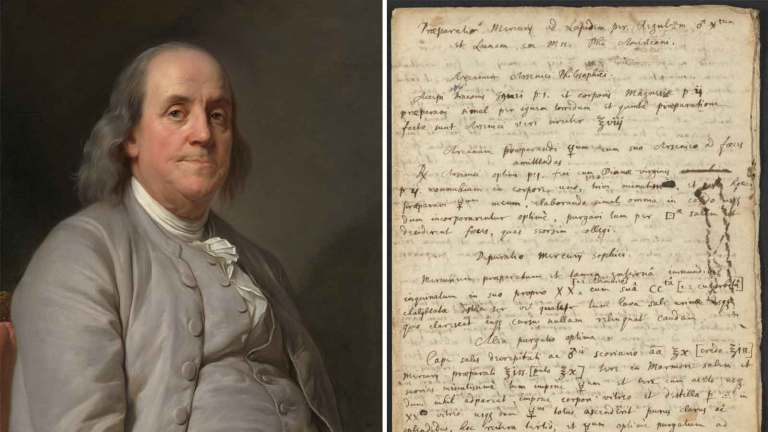
History books tend to focus on what famous people accomplished, leaving out the strange things they did in their spare time. Isaac Newton spent years studying alchemy, Charles Darwin conducted experiments on earthworms, and one Russian emperor developed a rather alarming interest in dentistry. Some of these hobbies were harmless ways to pass the time, while others involved elaborate routines that would probably confuse anyone watching. Even the greatest minds had their peculiar habits, and a few took their personal interests almost as seriously as their life’s work. Here are 15 historical figures whose unusual pastimes deserve a little more attention.
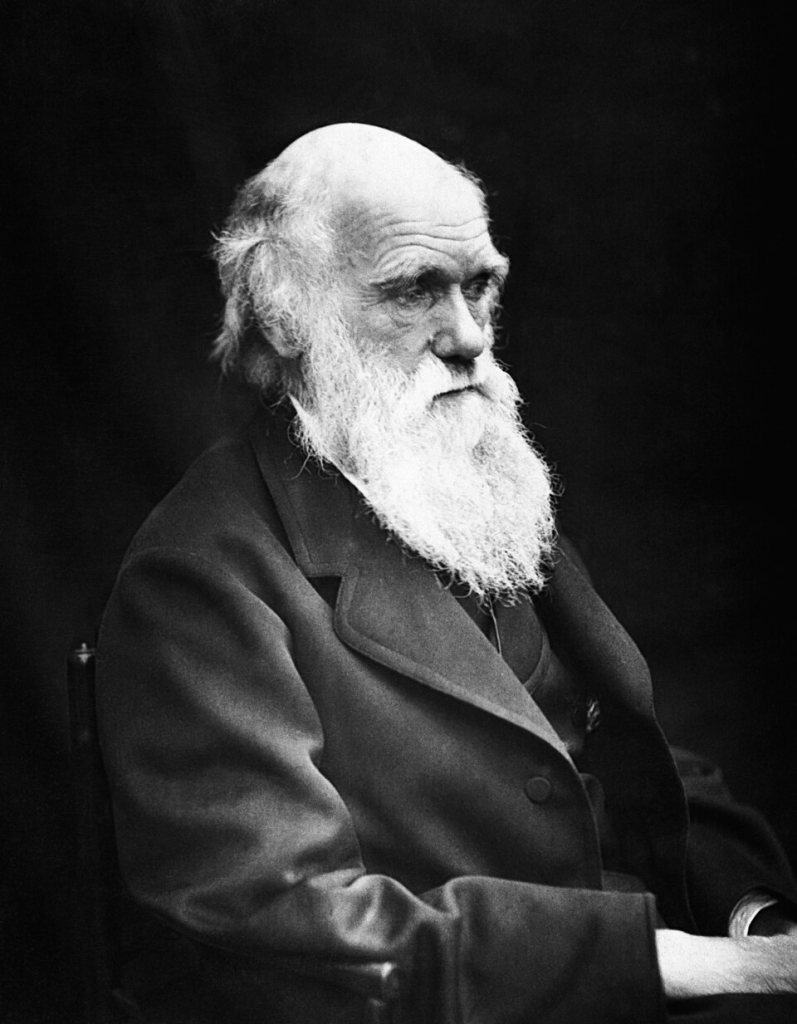
Charles Darwin Played Music for Earthworms
Darwin tested whether earthworms could hear by exposing them to musical instruments, including a bassoon played by his son, and found they responded to vibrations rather than sound.
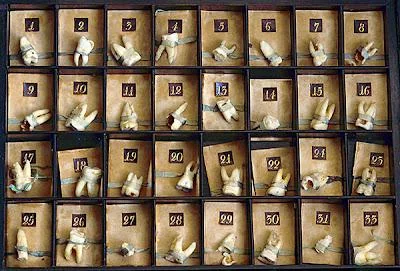
Peter the Great Had an Unsettling Interest in Dentistry
Russia’s Peter the Great learned how to extract teeth during his travels and became so enthusiastic about it that he left behind a collection of teeth he had pulled.
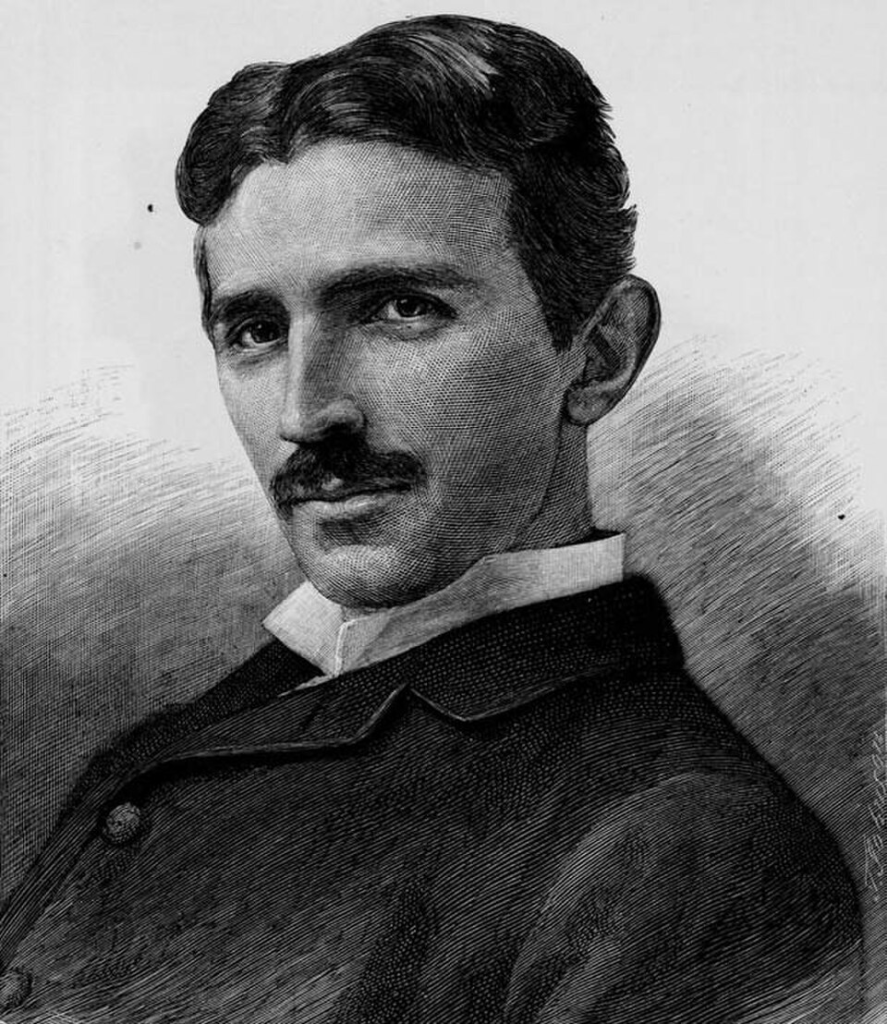
Nikola Tesla Was Extremely Fond of Pigeons
Tesla regularly fed pigeons around New York and became especially attached to one white bird he later described in deeply emotional terms.
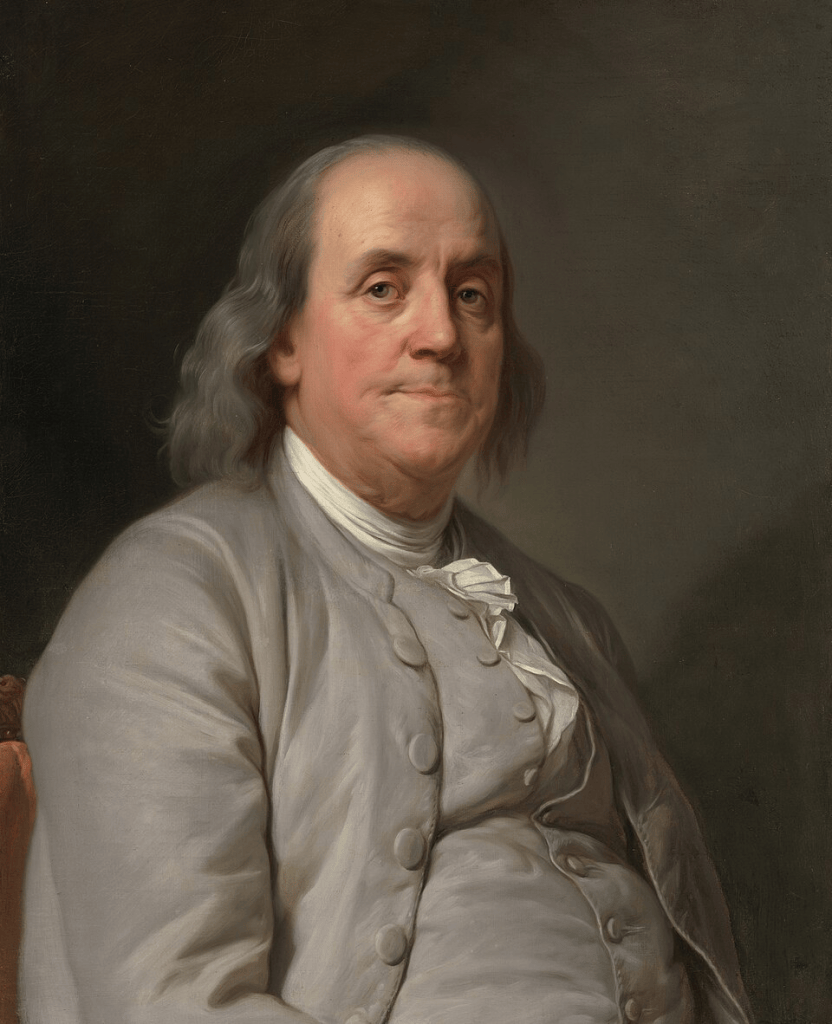
Benjamin Franklin Preferred an Air Bath
Franklin liked to sit in his room without clothes while reading or writing, believing that fresh air was one of the best things a person could give their body.
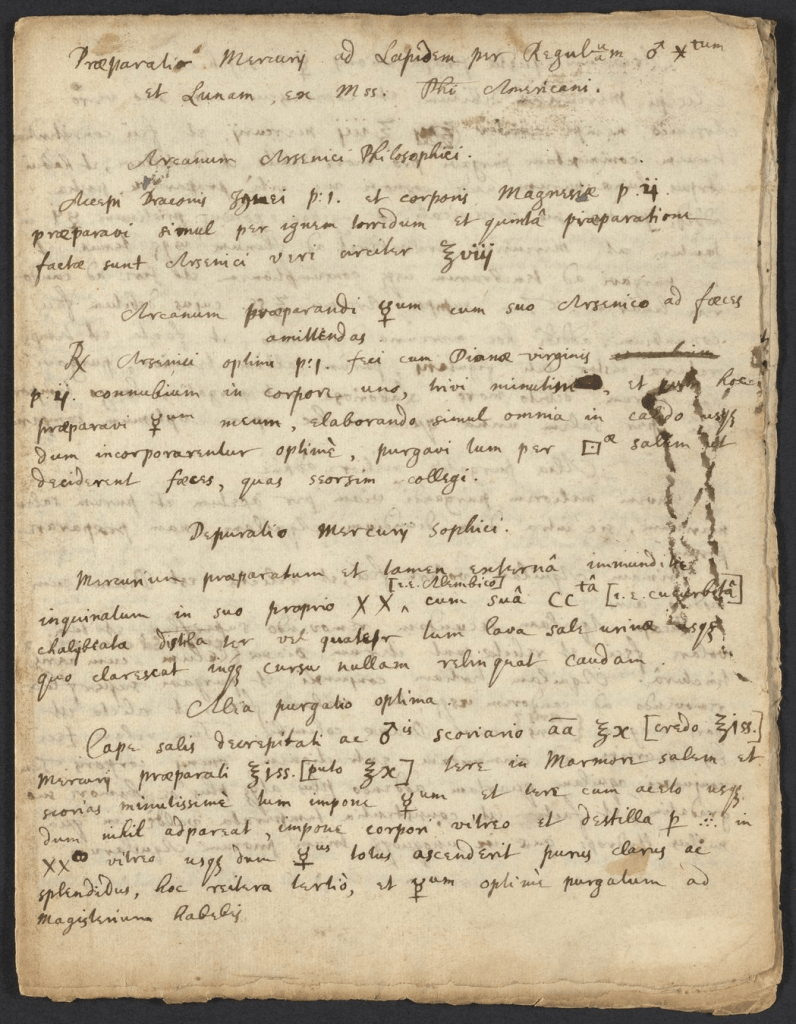
Isaac Newton Was Fascinated by Alchemy
Alongside his work in physics and mathematics, Newton spent years studying alchemy and filling notebooks with theories about hidden substances and transformations.
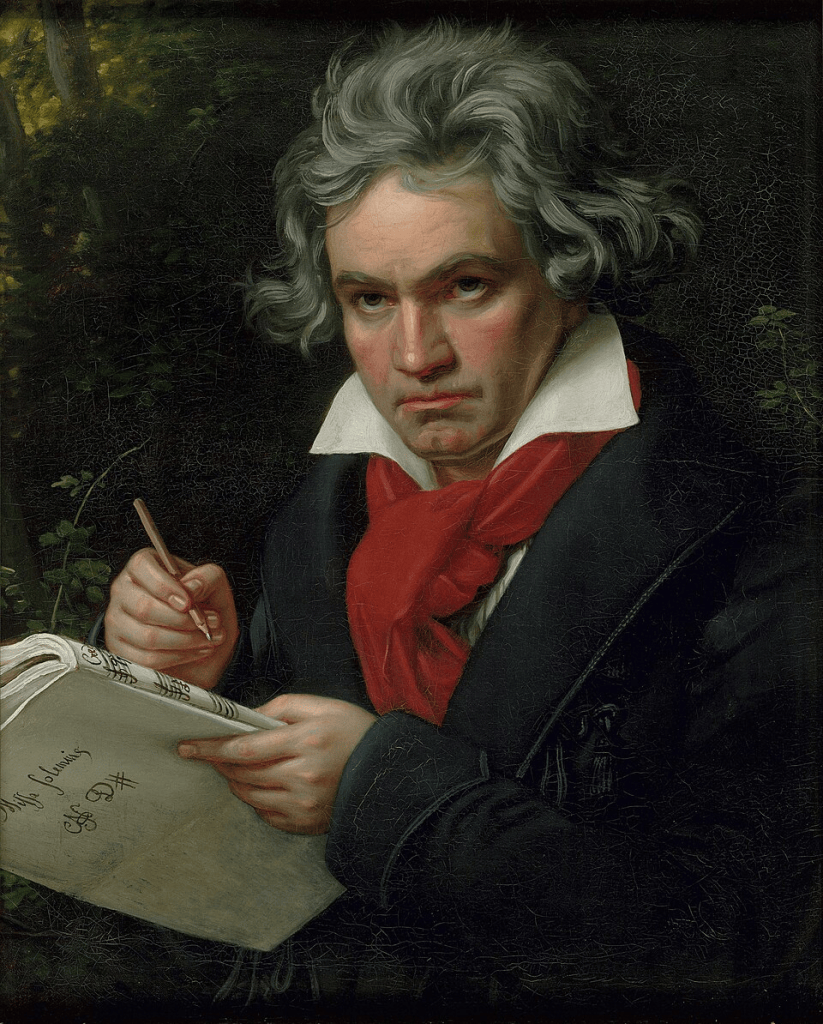
Beethoven Apparently Counted His Coffee Beans
Accounts of Beethoven’s daily routine claim he insisted on counting out exactly 60 coffee beans for each cup.
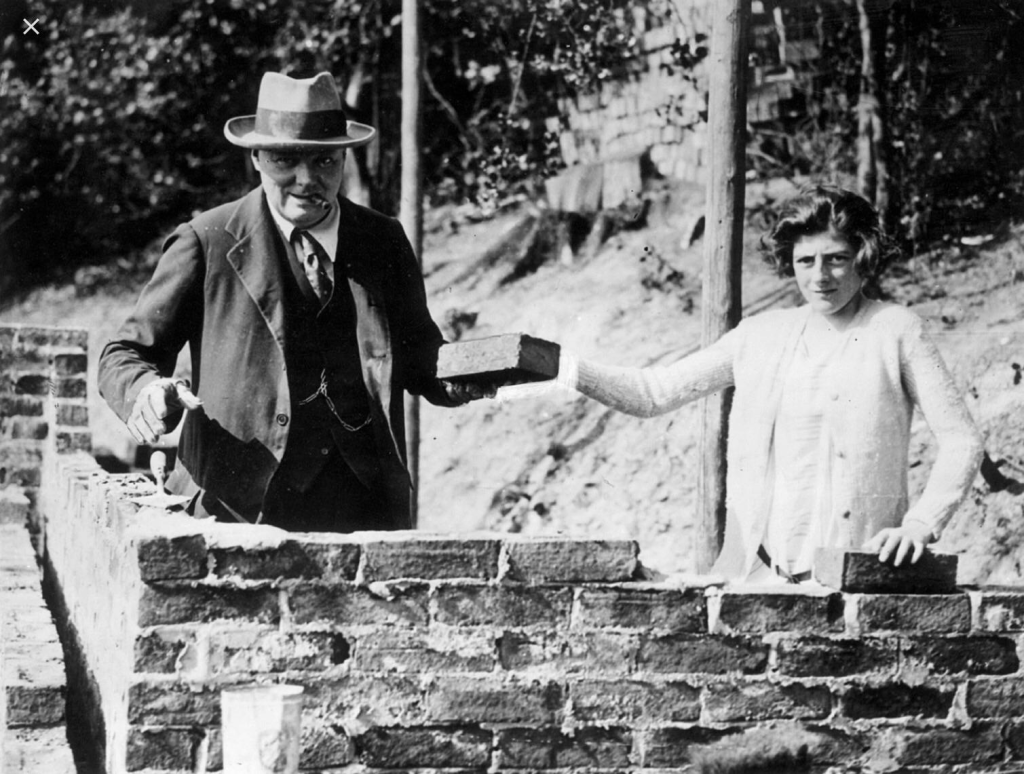
Winston Churchill Built Brick Walls for Fun
When he needed a break from politics, Churchill enjoyed laying bricks at his country home, treating masonry like a perfectly normal leisure activity.
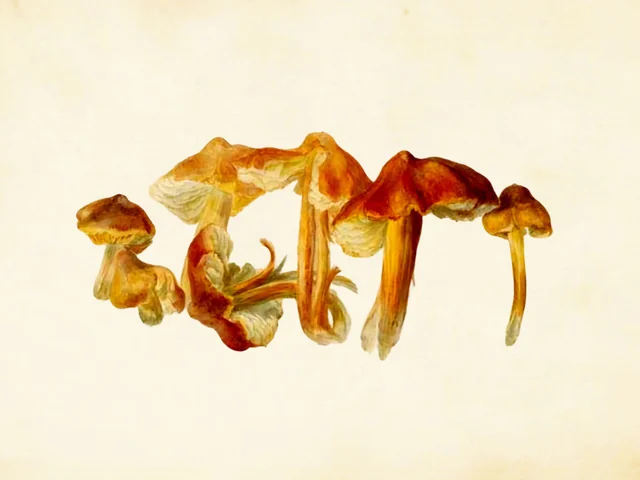
Beatrix Potter Was Obsessed With Mushrooms
Long before Peter Rabbit, Potter carefully studied fungi, made detailed drawings of mushrooms, and took the subject seriously enough to pursue scientific research.
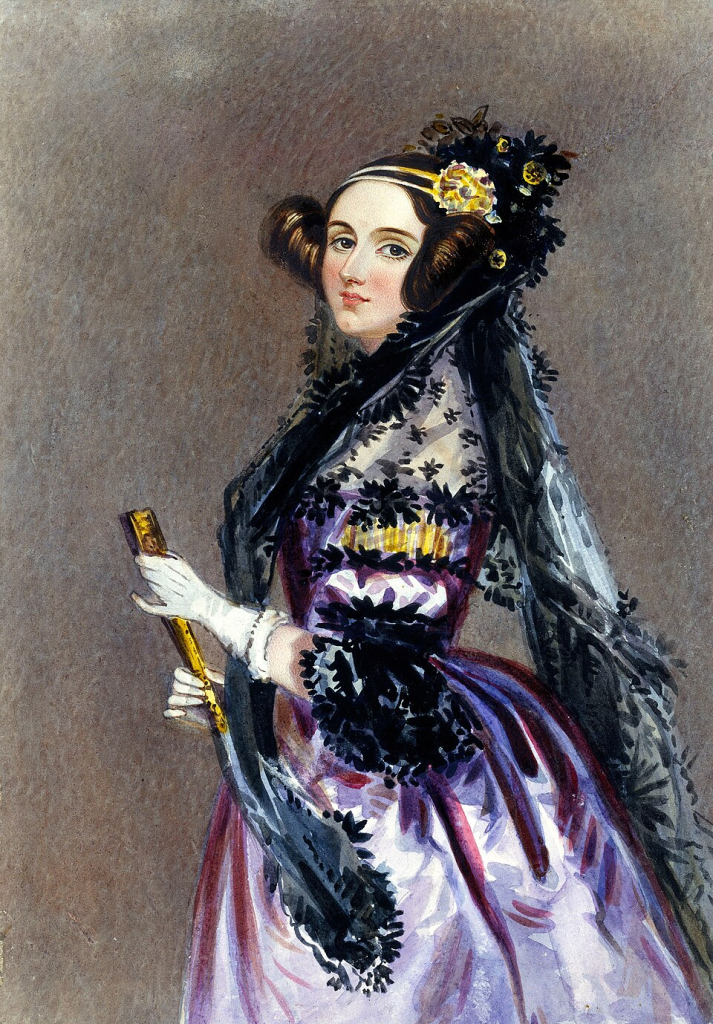
Ada Lovelace Tried to Beat Horse Racing With Math
Lovelace once became convinced she could use mathematics to predict race results, an experiment that reportedly left her with substantial gambling debts.
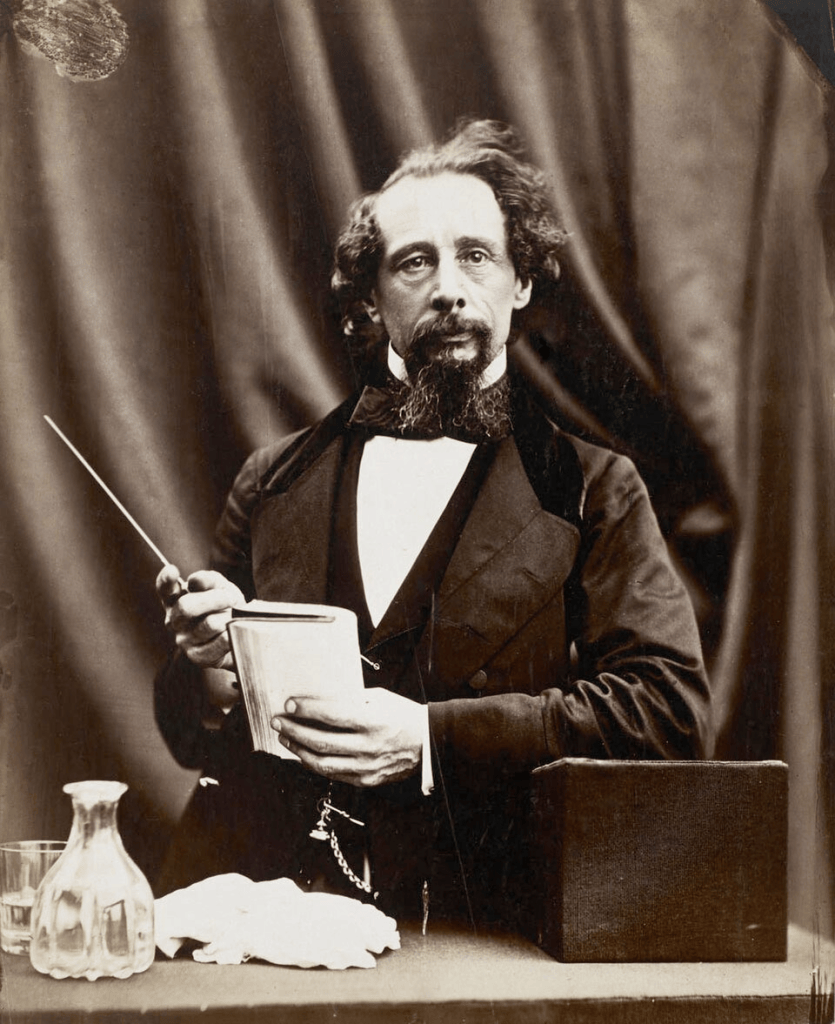
Charles Dickens Had Very Specific Sleeping Rules
Dickens believed he slept better when his head pointed north and sometimes carried a compass to make sure the bed was aligned properly.
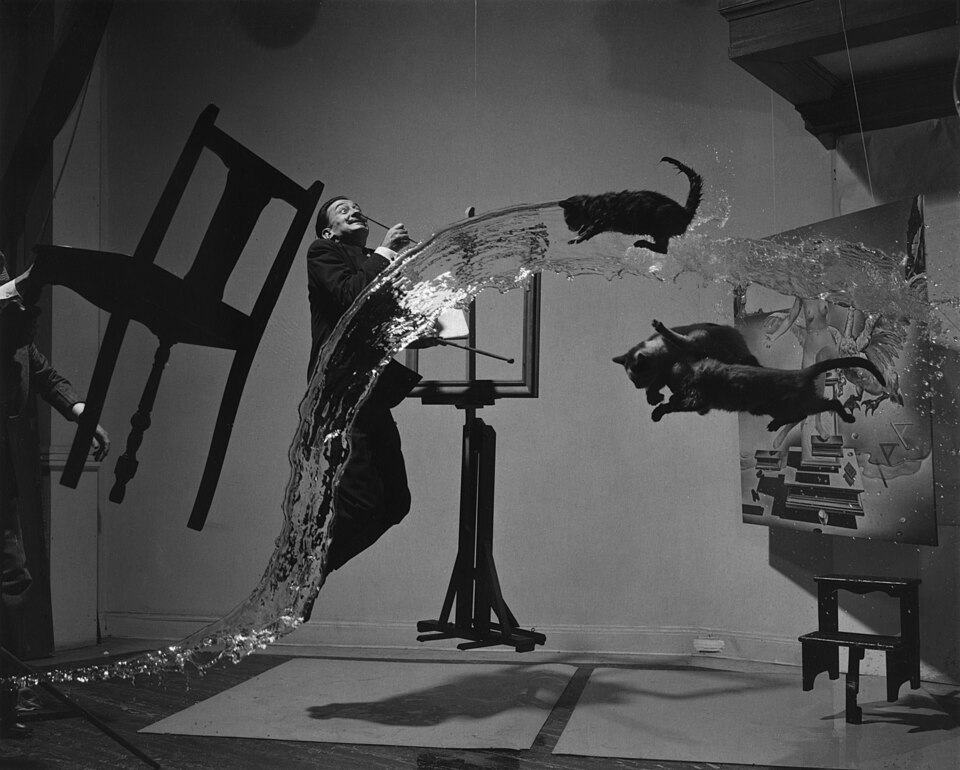
Wikimedia Commons
Salvador Dalí Had a Strange Way of Taking Naps
Dalí reportedly held a metal key over a plate while dozing off so the crashing sound would wake him the moment he slipped into deeper sleep.
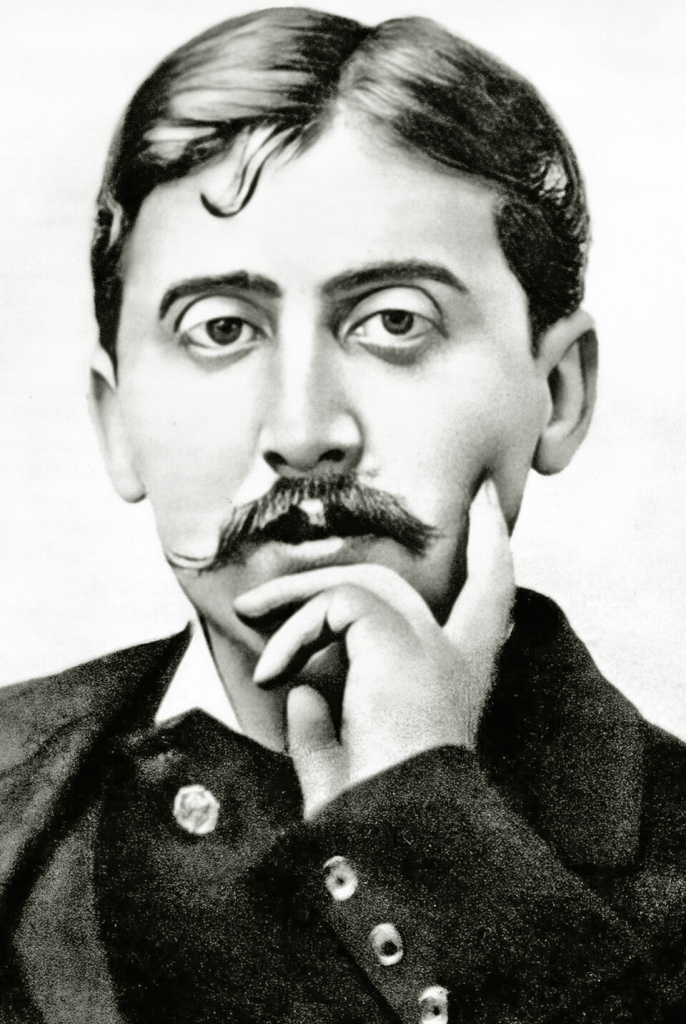
Marcel Proust Practically Lived in His Bed
Proust spent much of his writing life in bed, working in a cork-lined room and keeping hours that made ordinary daily schedules look optional.
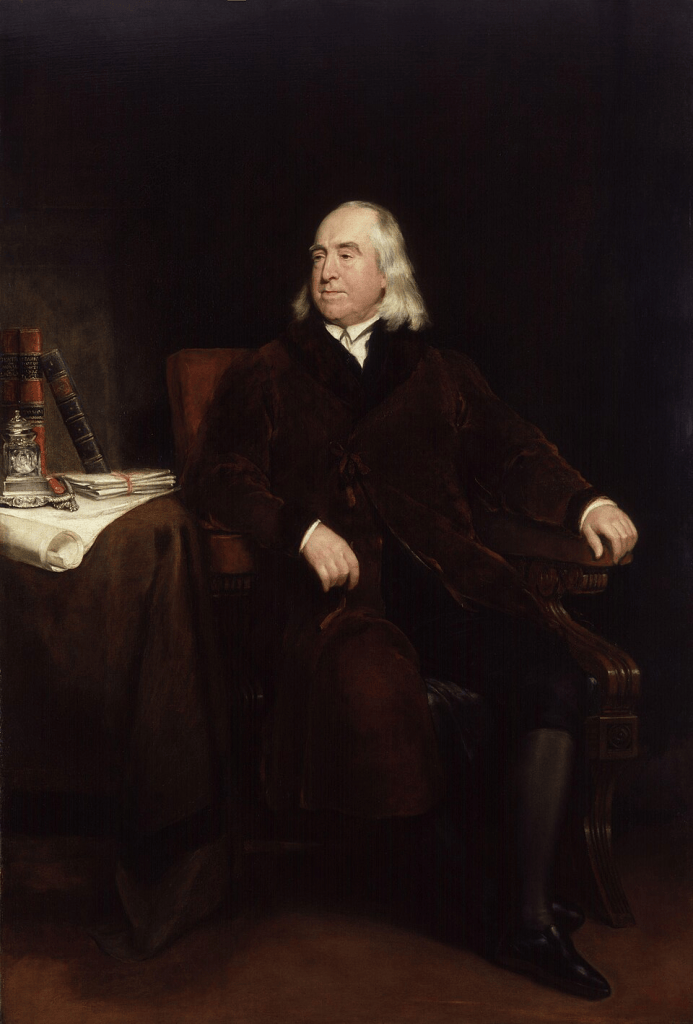
Jeremy Bentham Wanted His Body Put on Display
Bentham requested that his preserved skeleton, dressed in his own clothes, be displayed after death, creating the unusual figure still known as his Auto-Icon.
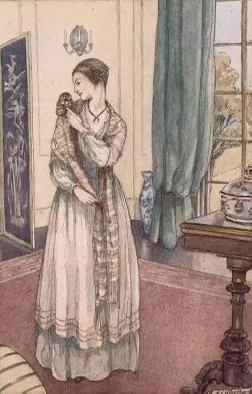
Florence Nightingale Kept a Pet Owl
Nightingale cared for a pet owl named Athena, adding a surprisingly quirky detail to the life of one of history’s most famous nurses.
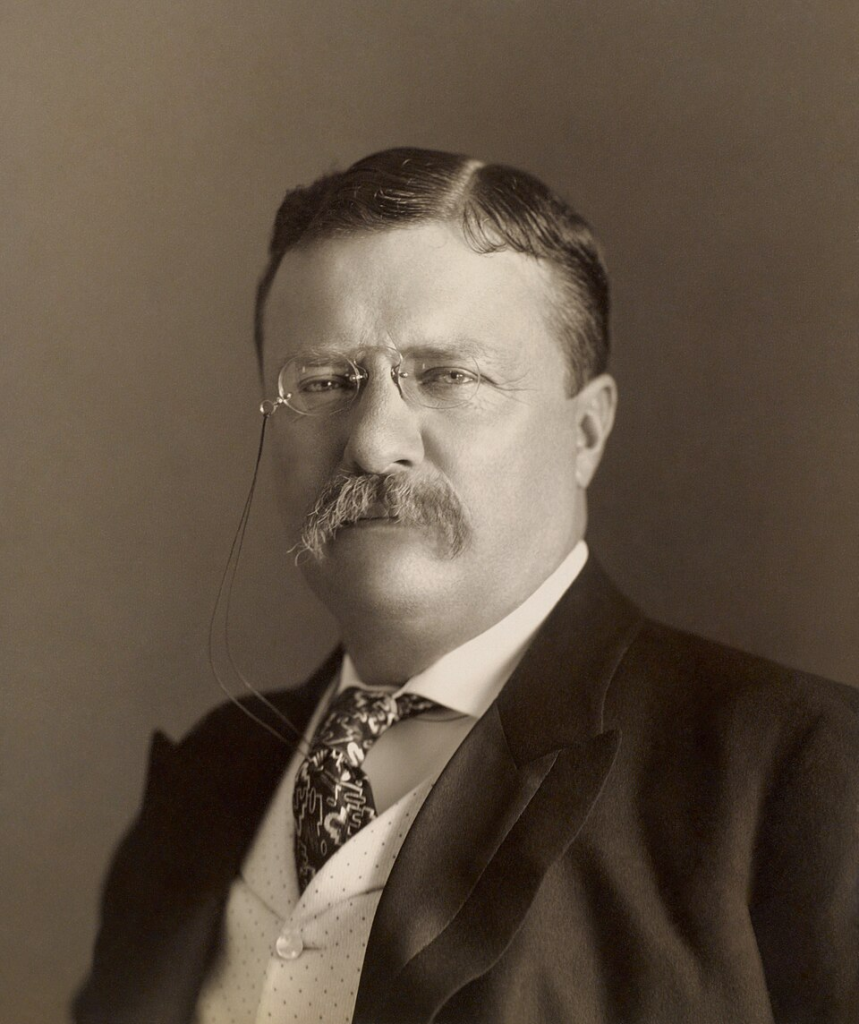
Theodore Roosevelt Turned the White House Into a Boxing Gym
Roosevelt loved boxing so much that he kept sparring even during his presidency, sometimes stepping into the ring with visitors.