15 Historical Facts the Nerds Just Can’t Stop Bringing Up

History can feel like a stuffy collection of dates and names we were forced to memorize in school. And yet the real story is so much weirder, funnier, and more interesting than we were led to believe. It’s full of moments that sound completely made up, and supposed facts that everyone knows, which end up being totally wrong.
What we’ve gathered here today is a collection of our favorite historical facts, all so you can go on with your day feeling like you learned something. Or at the very least, with a little factoid you can share with your colleagues at a coming gathering.

The Time Tulips Were Worth More Than Houses
During the Dutch “Tulip Mania” of the 1630s, speculation drove the price of tulip bulbs to insane heights. At the peak, a single rare bulb could be traded for a house before the market spectacularly crashed in February 1637.
Ancient Roman Concrete That Actually Heals Itself
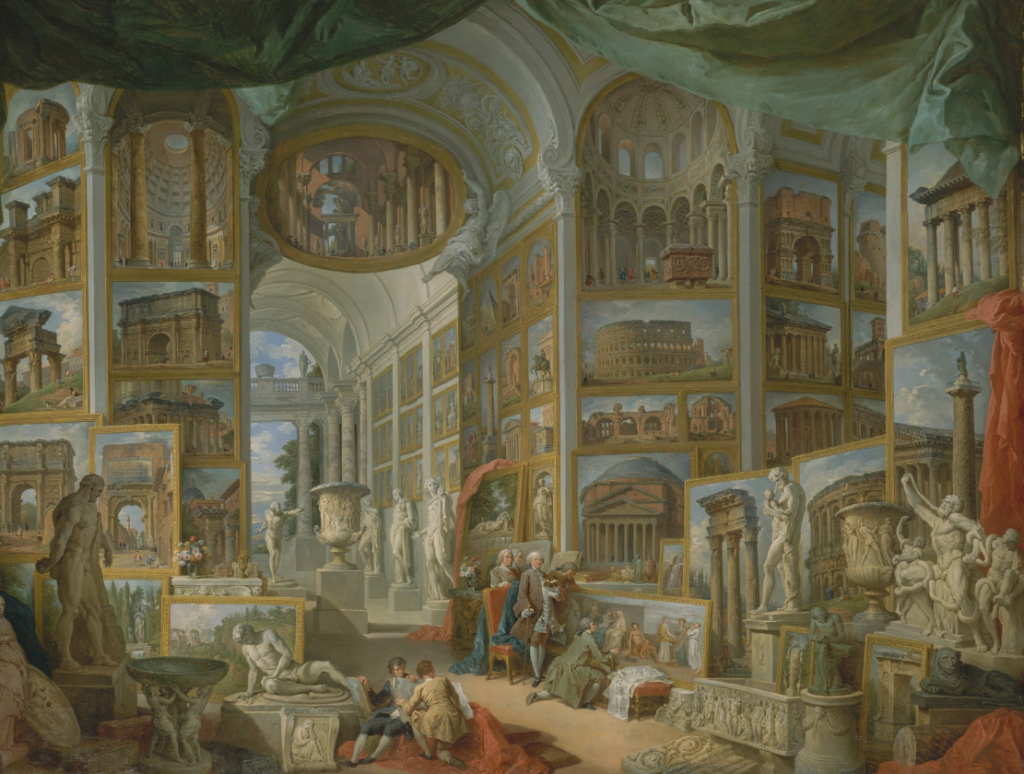
You’re not imagining it: Roman structures have lasted for millennia because their concrete was just better. It included volcanic ash called pozzolana, which helped the material seal its own cracks over time, making it more durable than modern concrete.
The Library of Alexandria Didn’t Burn Down Once
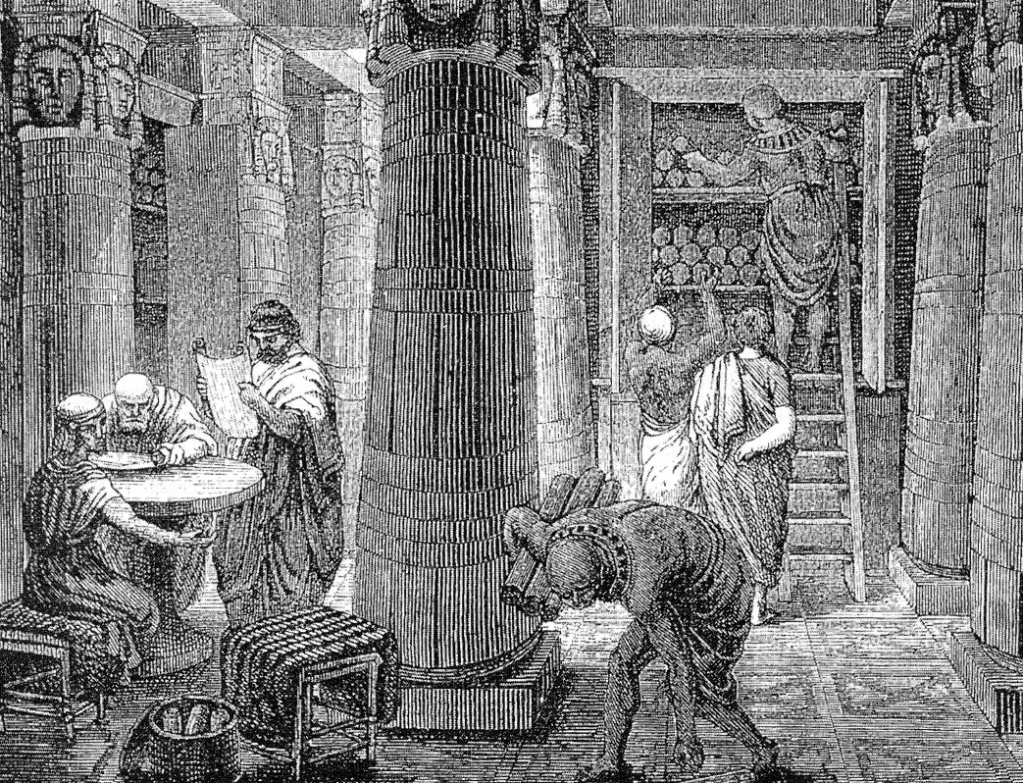
The famous library wasn’t destroyed in one single event. It suffered a gradual decline, with damage from Julius Caesar’s fire in 48 BCE and the destruction of its ‘daughter library’ by a mob in 391 CE contributing to its eventual demise.
Napoleon Bonaparte Wasn’t Actually That Short
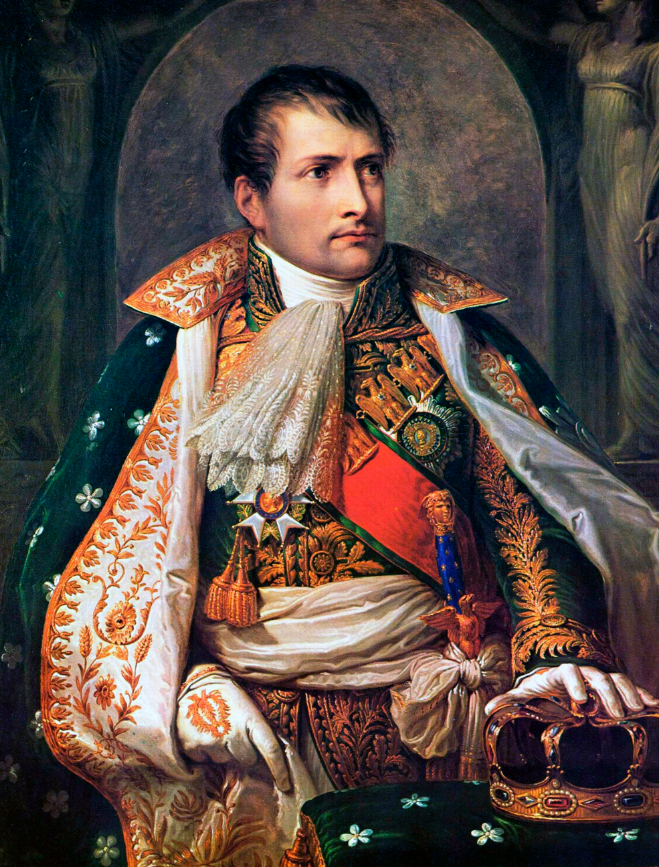
Napoleon was about 5 feet 7 inches, which was average or even slightly tall for a Frenchman in his era. The myth of his short stature was mostly British wartime propaganda, pushed by cartoonists to make him seem less intimidating.
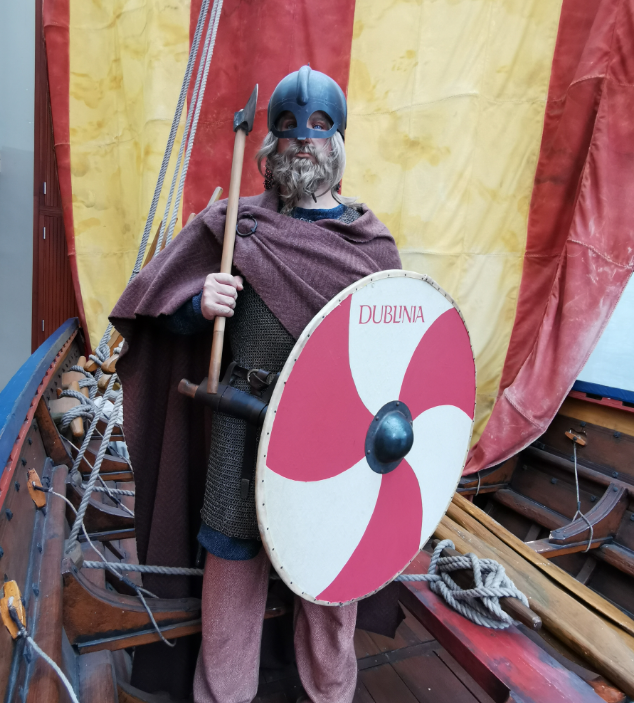
Vikings Never Actually Wore Horned Helmets
That iconic look comes from 19th-century costume design for an 1876 Wagner opera, not history. Real Viking helmets were horn-free, typically simple iron caps that were much more practical for actual fighting. Nothing to get horny about.
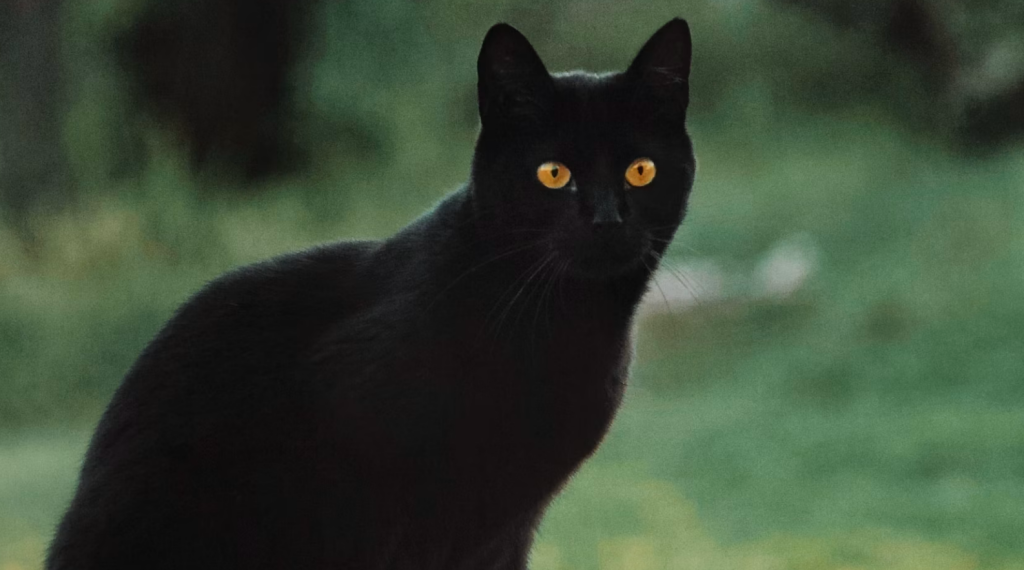
The Pope Who Essentially Declared War on Cats
In 1233, Pope Gregory IX issued a papal bull called ‘Vox in Rama’ condemning a German cult. The document directly associated black cats with satanic rituals, which definitely contributed to the persecution of cats throughout Europe.

The Year an Eruption Stole Summer
Known as the “Year Without a Summer,” 1816 saw snow in June. The bizarre weather was caused by the 1815 eruption of Mount Tambora in Indonesia, which spewed so much ash that it cooled the entire globe.
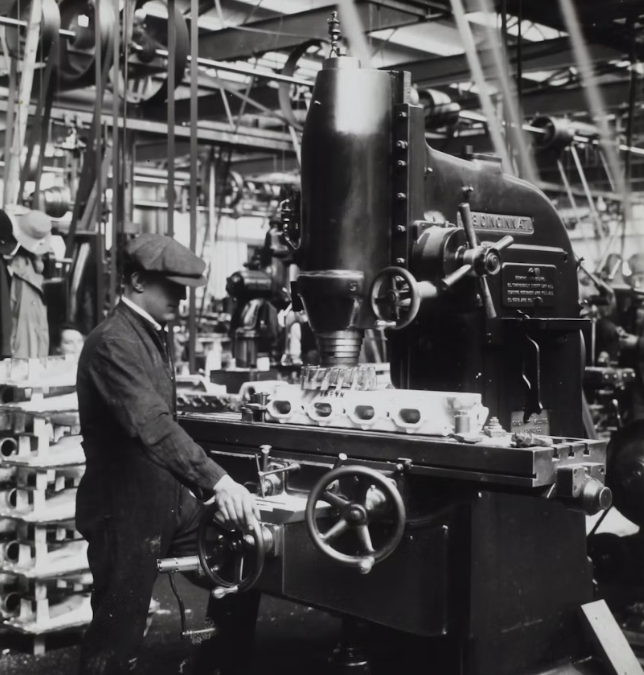
The Ancient Greek Who Invented a Steam Engine
In the 1st century CE, Hero of Alexandria created the ‘aeolipile,’ a metal sphere that spun when heated, powered by steam jets. It was treated more as a fascinating novelty than a machine to do actual work.
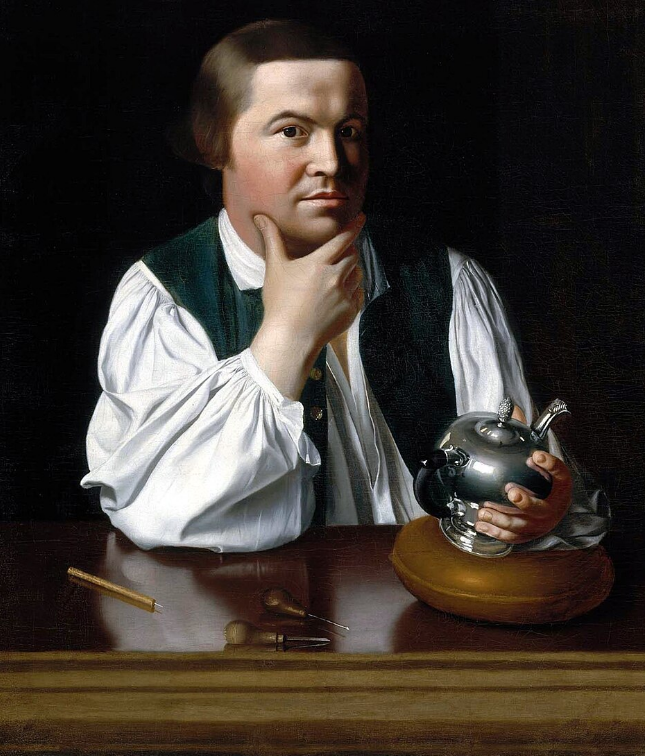
Paul Revere Didn’t Actually Ride Alone
Paul Revere was part of a team. On that famous night in 1775, William Dawes and Samuel Prescott also rode to warn the colonists. In fact, Revere was captured, and it was Prescott who made it to Concord.
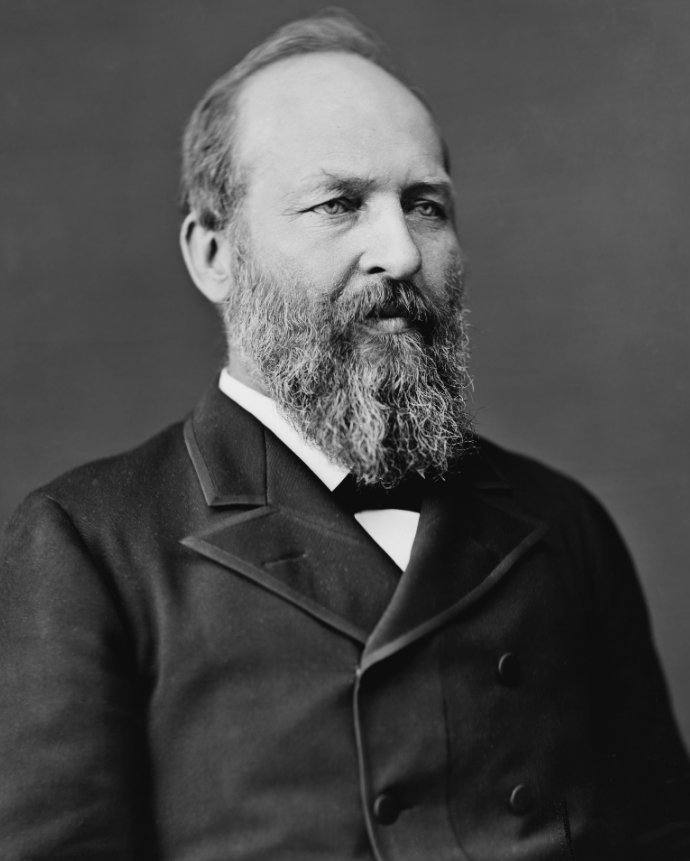
The President Who Died From Unclean Hands
President James A. Garfield didn’t die from a bullet in 1881. He lingered for 79 days while doctors repeatedly probed the wound with unsterilized fingers and tools, leading to a fatal infection. Germ theory was still a new idea.

Why Purple Was the Color of Royalty
Tyrian purple dye was outrageously expensive in the ancient world because it was made by crushing thousands of murex sea snails. The high cost meant only the super-rich, like emperors and senators, could afford to wear it.

The First Vending Machine Was in Ancient Greece
The first vending machine was designed by Hero of Alexandria in the 1st century CE to dispense holy water in temples. A coin’s weight would hit a lever, opening a valve to release a small, controlled amount of water.
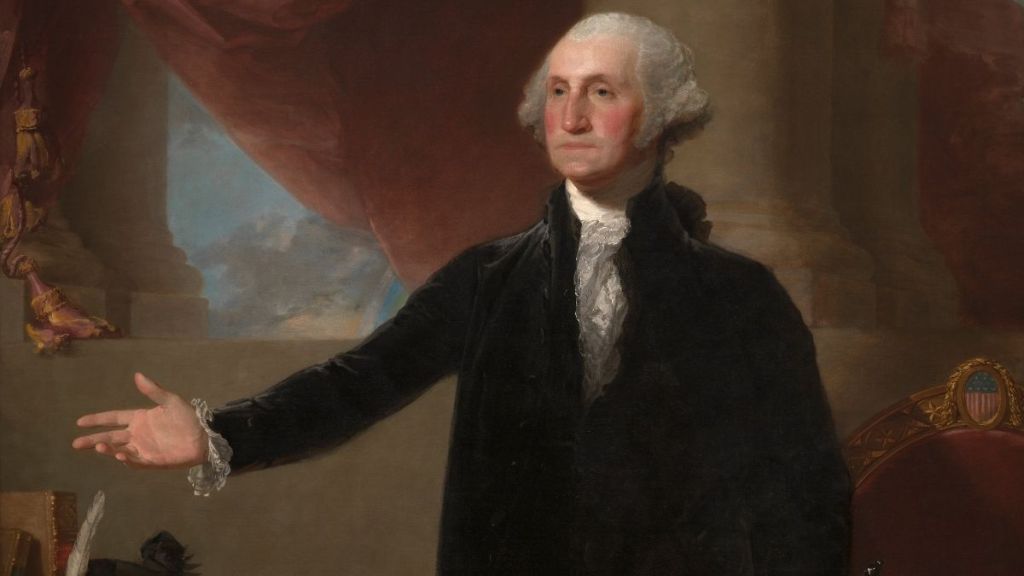
George Washington’s Teeth Weren’t Made of Wood
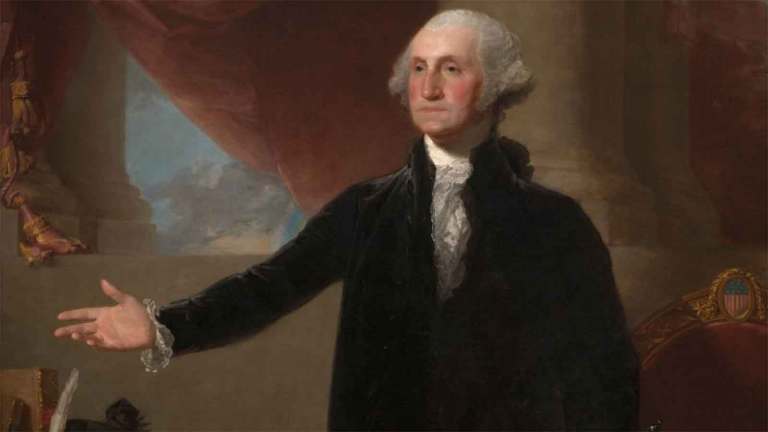
It’s a persistent myth, but Washington’s false teeth were never wooden. His dentures were crafted from a grim mix of ivory, lead, and human and animal teeth. The ivory likely stained over time, giving it a wood-like appearance.

The Accidental Invention of the High Five
The gesture is widely credited to two L.A. Dodgers players, Glenn Burke and Dusty Baker, on October 2, 1977. When Baker hit a home run, Burke raised his hand over his head, and Baker smacked it in celebration.
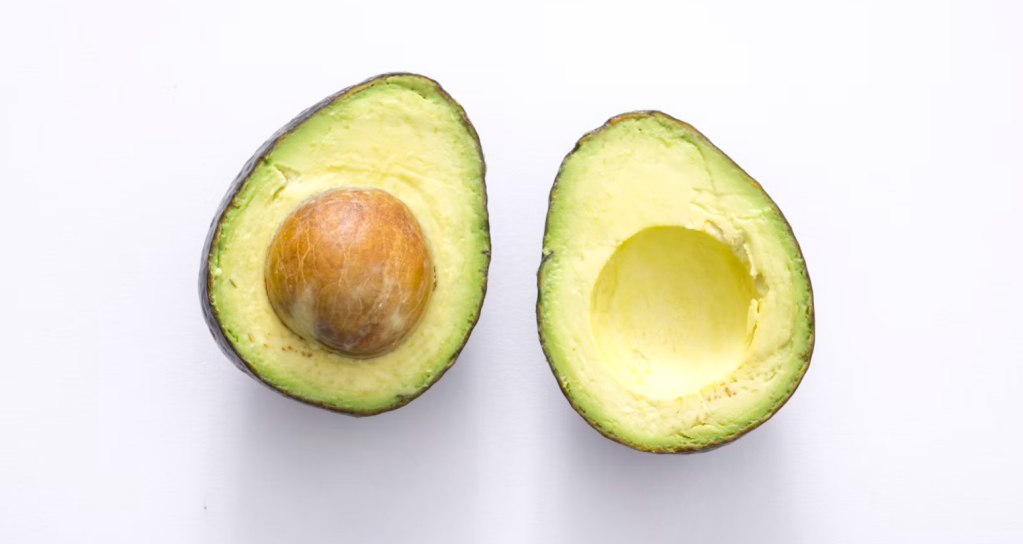
The Awkward Origin of the Word ‘Avocado’
The word comes from the Spanish ‘aguacate,’ which is a version of the Nahuatl word ‘ahuacatl.’ In that original language, the word meant both ‘avocado’ and, due to the fruit’s shape, a particular part of the male anatomy.