15 Historical Decisions That Heavily Backfired

History is full of decisions that seemed perfectly reasonable to the people making them, at least at the time. Some were driven by political ambition, others by military strategy, economic pressure, or simply a desire to solve an annoying problem. The trouble is that leaders don’t always understand what their actions will set in motion. A plan to eliminate pests can create an ecological disaster, a military victory can turn into a national catastrophe, and a political compromise can put the wrong person in power. Looking back, some of these decisions are almost unbelievable in how badly they went wrong.
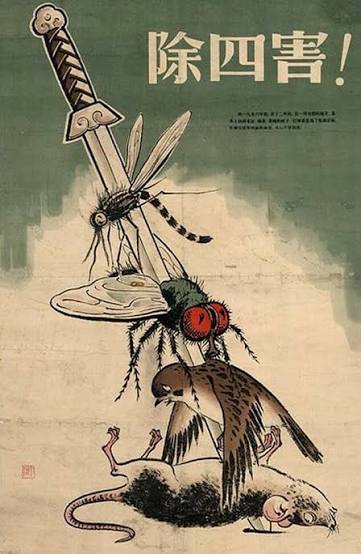
Mao’s Decision to Eliminate Sparrows (1958)
As part of China’s Four Pests Campaign, Mao Zedong ordered the extermination of sparrows because they ate grain seeds, but their disappearance allowed insect populations, particularly locusts, to grow and damage crops during the Great Leap Forward.

The British Cobra Bounty in India
British colonial authorities offered rewards for every dead cobra brought in to reduce the snake population in Delhi, but people began breeding cobras to collect the payments, and releasing them when the program was canceled.
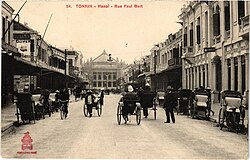
The French Rat Bounty in Hanoi (1902)
French officials offered payments for rat tails to eliminate an infestation, only to discover that residents were breeding rats and cutting off their tails while leaving the animals alive to reproduce.
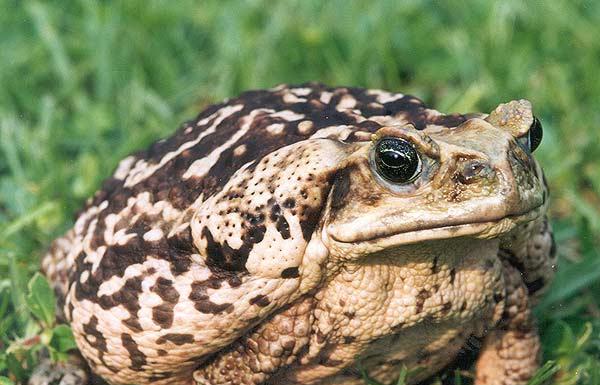
Introducing Cane Toads to Australia (1935)
Australian authorities released thousands of cane toads to protect sugar crops from beetles, but the toads couldn’t effectively reach their target pests and instead multiplied into an invasive species that poisoned native wildlife
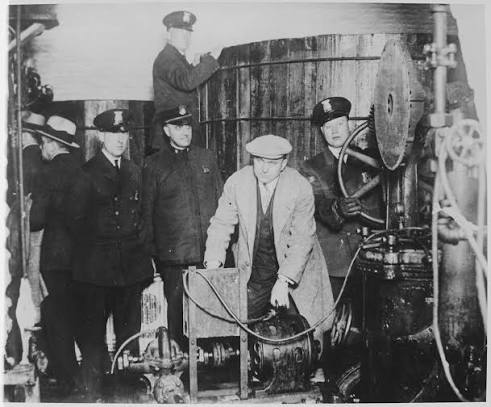
Banning Alcohol During Prohibition (1920)
The United States introduced Prohibition to reduce alcohol consumption and improve public morality, but the ban created a massive illegal liquor market that helped organized crime groups and gangsters such as Al Capone become incredibly powerful.
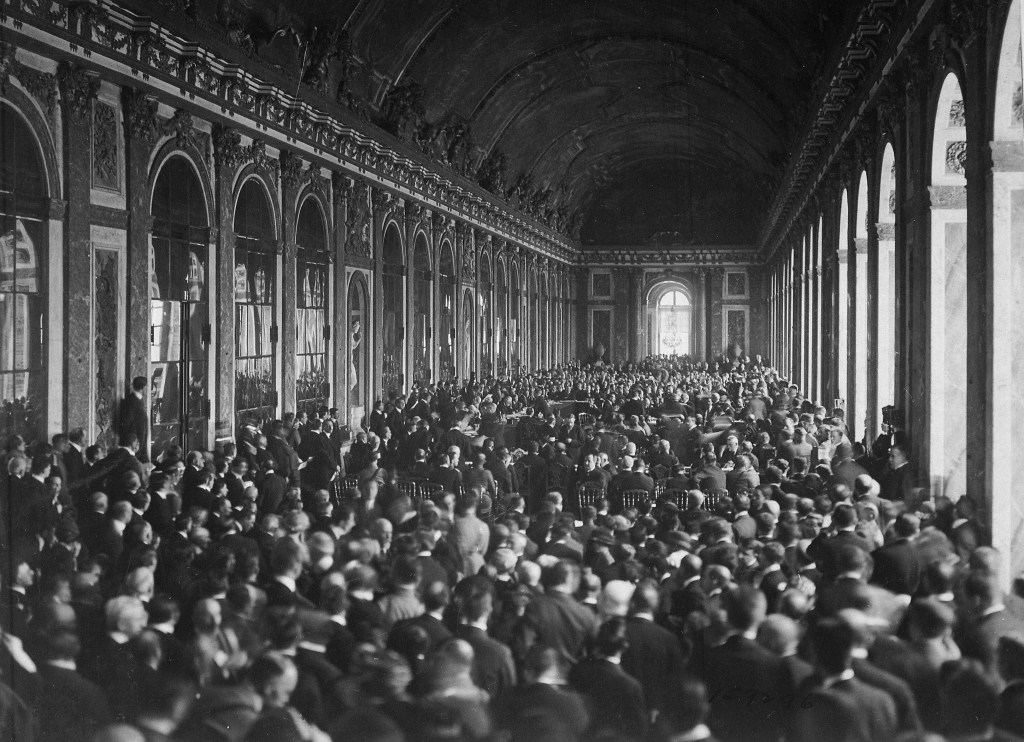
Signing the Treaty of Versailles (1919)
The victorious Allied powers imposed severe reparations, territorial losses, and military restrictions on Germany to prevent another European war, but the treaty fueled resentment and gave extremist movements, including the Nazis, powerful propaganda material.
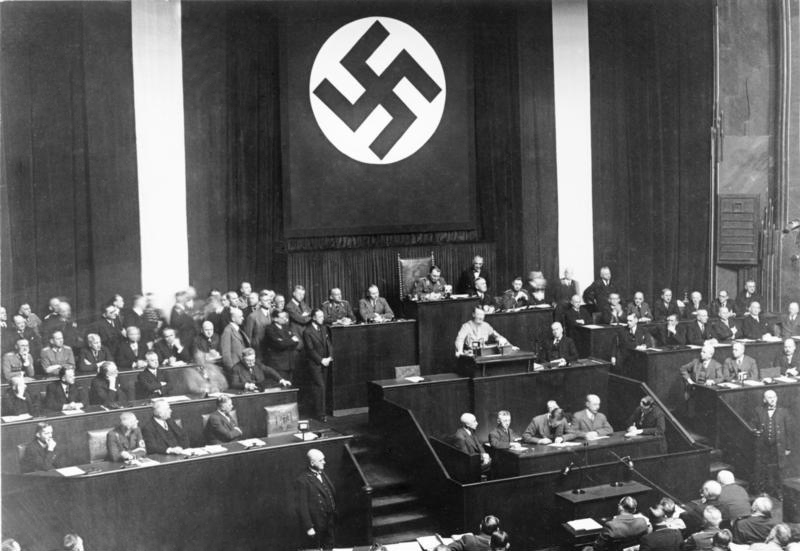
Appointing Hitler as Chancellor of Germany (1933)
President Paul von Hindenburg and conservative politicians believed they could use Hitler’s popularity while keeping him under control, but their decision handed him the political position he needed to dismantle German democracy and establish a dictatorship.
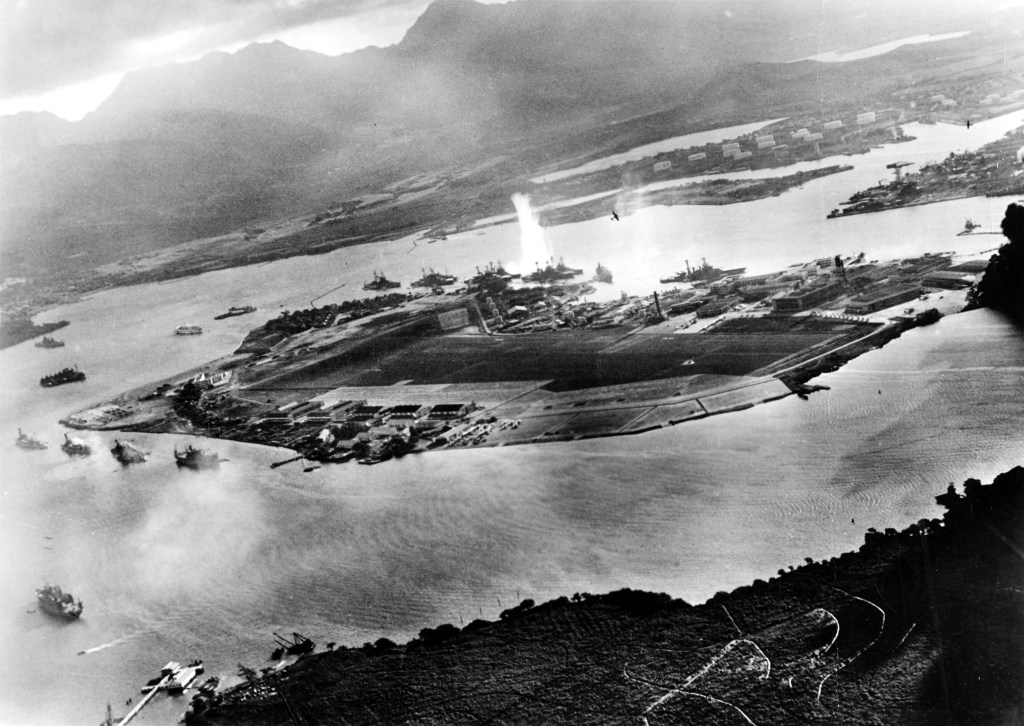
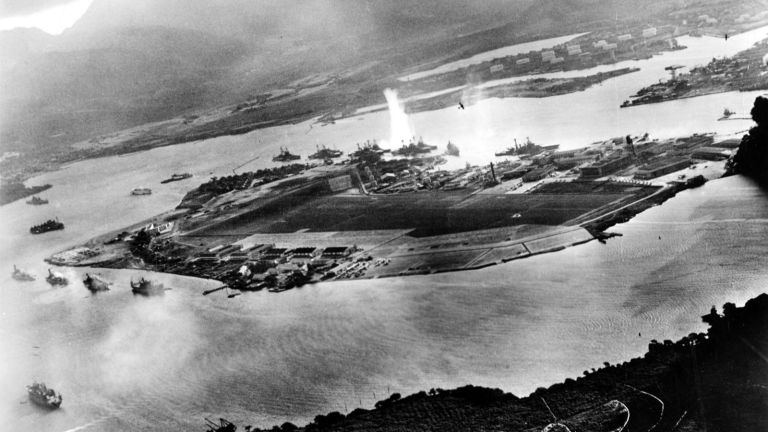
Japan’s Attack on Pearl Harbor (1941)
Japanese military leaders hoped that destroying the American Pacific Fleet would weaken US involvement in the Pacific, but the attack united American public opinion behind entering World War II and brought the United States fully into the conflict.
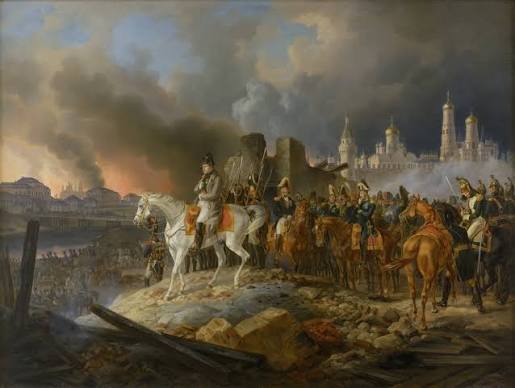
Napoleon’s Invasion of Russia (1812)
Napoleon invaded Russia hoping to force Tsar Alexander I back into compliance with his continental blockade, but the disastrous campaign destroyed much of his army and triggered a European uprising that eventually brought down his empire.
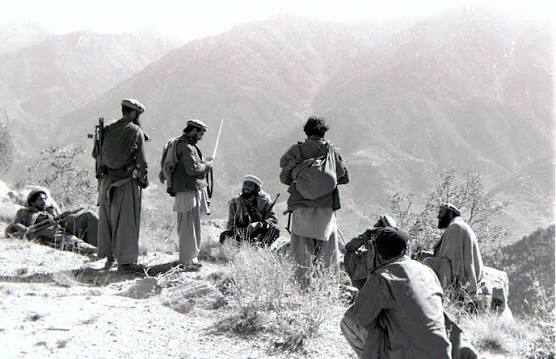
The Soviet Invasion of Afghanistan (1979)
Soviet leaders sent troops into Afghanistan to preserve a friendly government and protect their regional influence, but the intervention dragged on for nearly a decade, cost enormous amounts of money and lives, and contributed to the weakening of the Soviet Union.
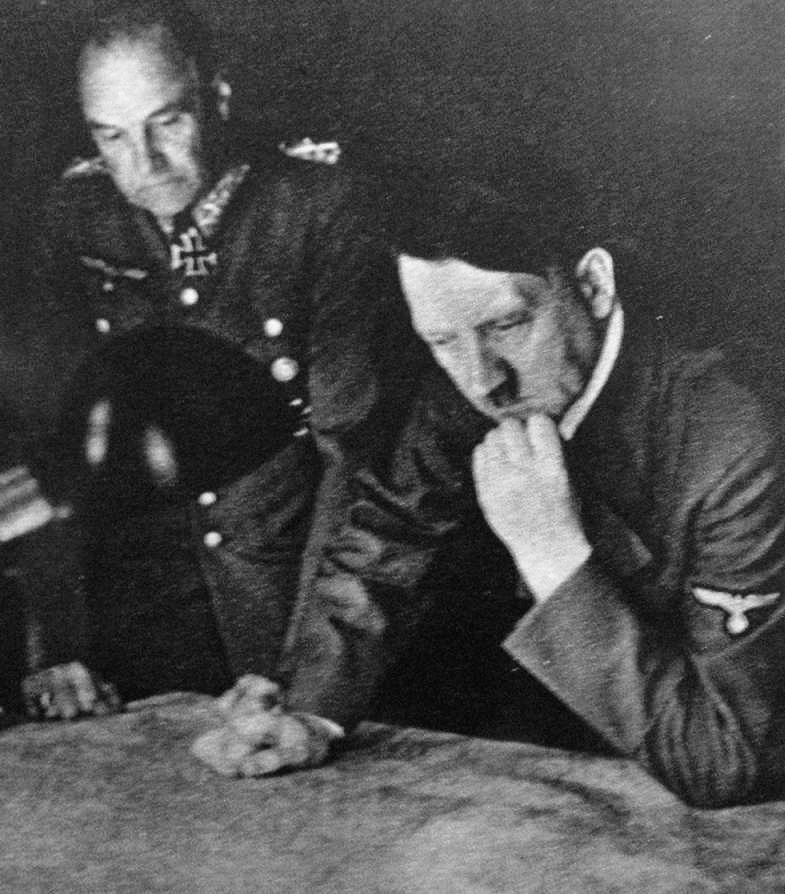
Hitler’s Decision to Invade the Soviet Union (1941)
Hitler launched Operation Barbarossa expecting a quick victory over the Soviet Union, but fierce resistance, enormous casualties, supply problems, and the country’s vast territory turned the invasion into a devastating war of attrition for Germany
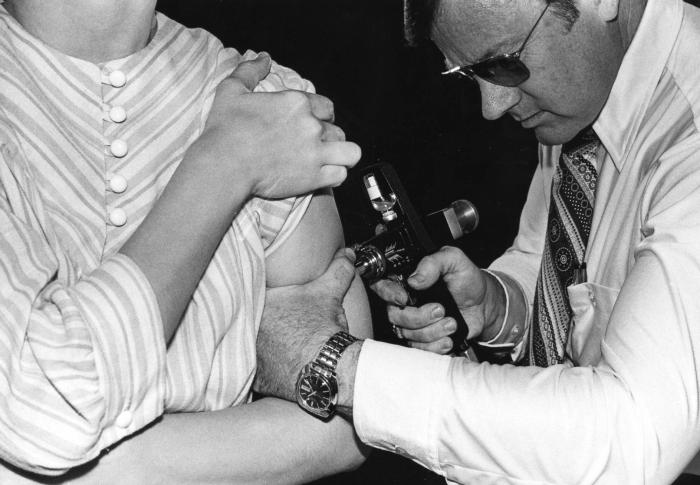
Launching the 1976 Swine Flu Vaccination Program
President Gerald Ford approved a nationwide vaccination campaign after fears of a new influenza pandemic, but the predicted outbreak never materialized, while reports of a small increased risk of Guillain-Barré syndrome led to the program being suspended after more than 40 million Americans had been vaccinated.
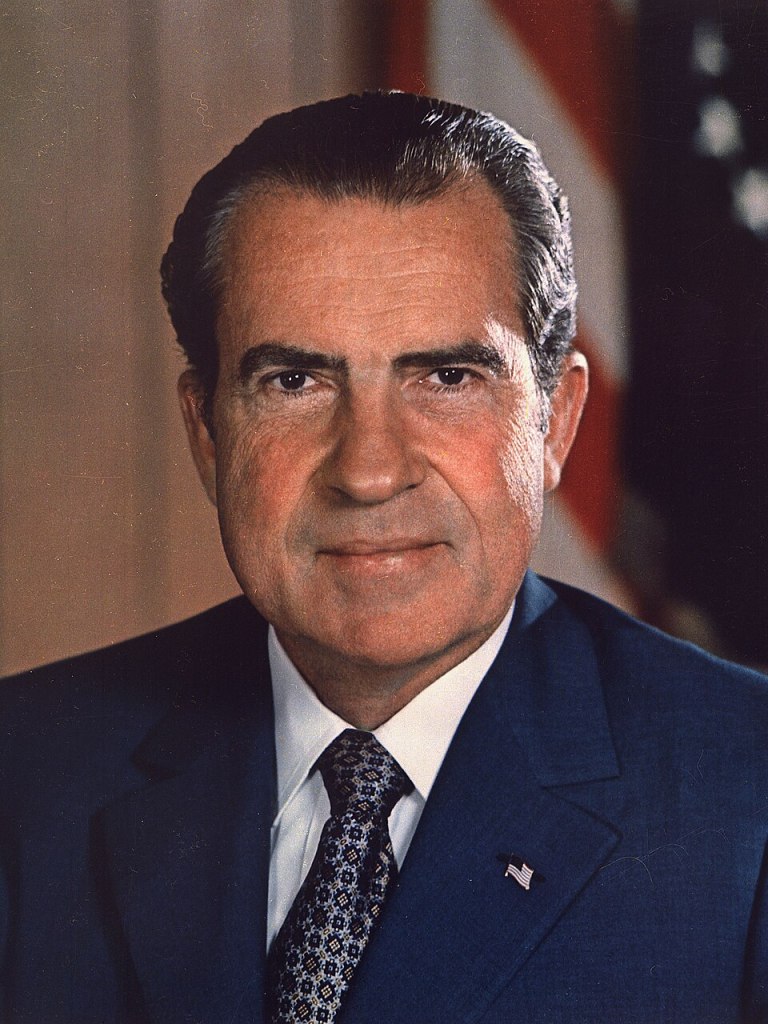
Nixon’s 1973 Price Freeze
Richard Nixon introduced price controls to fight inflation, but rising feed costs made livestock production unprofitable, prompting some American farmers to destroy millions of baby chicks and send animals to slaughter, contributing to food supply concerns.
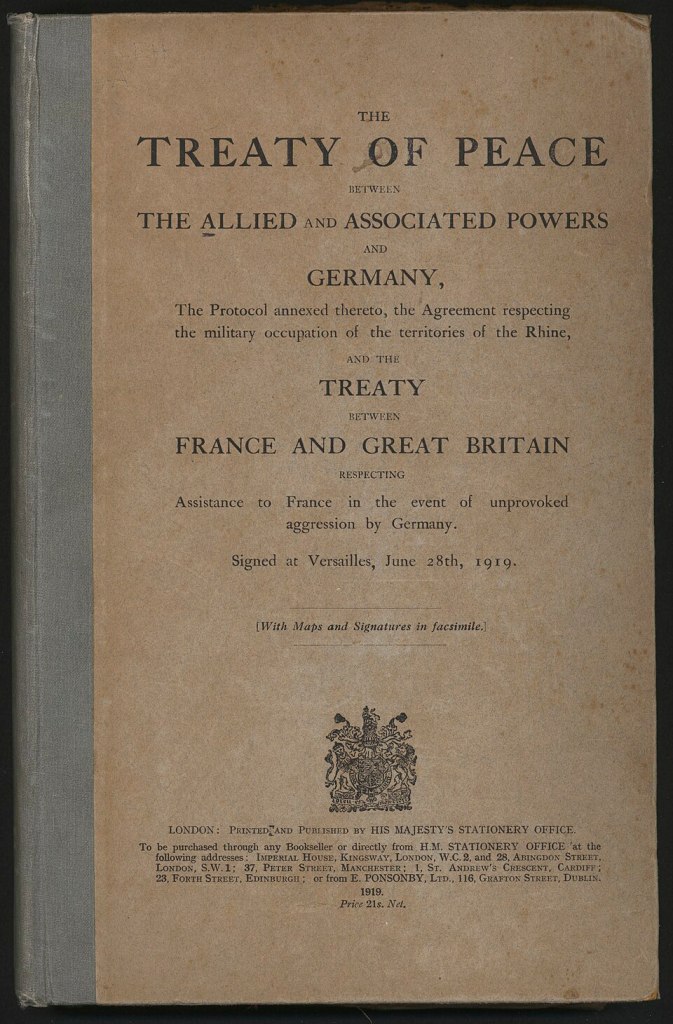
The United States Rejecting the Treaty of Versailles (1920)
The US Senate refused to ratify the treaty that ended World War I, meaning the country never joined the League of Nations, the international organization created to help prevent future conflicts.
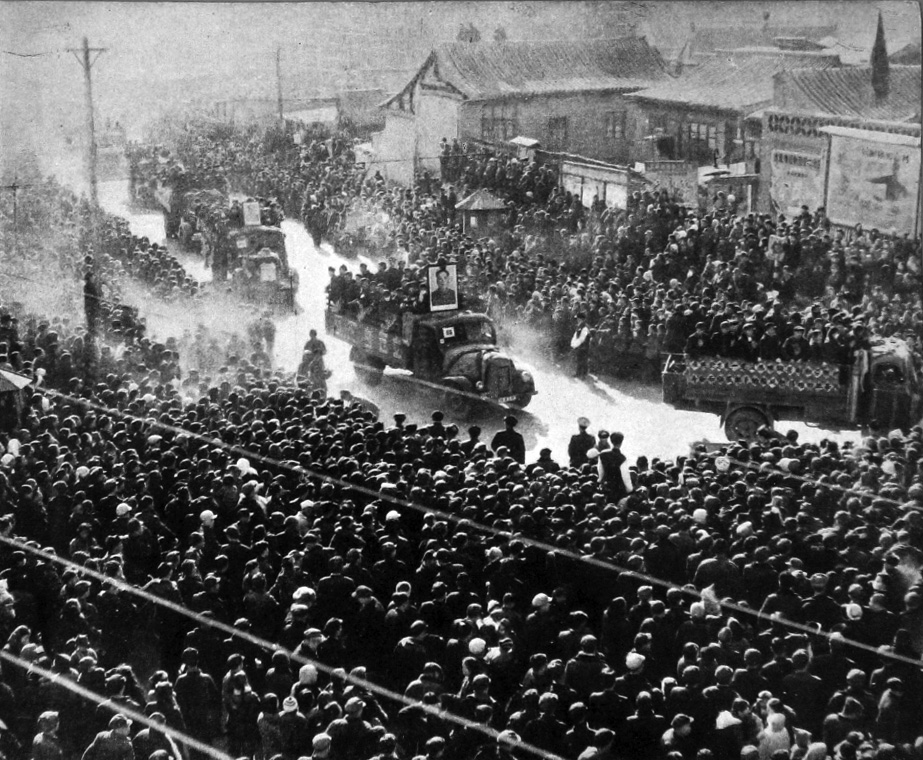
The Great Leap Forward (1958)
Mao’s government pushed an ambitious campaign to rapidly industrialize China through mass collectivization and backyard steel production, diverting agricultural labor and disrupting food production while contributing to a catastrophic famine that killed tens of millions.