15 Games That Should’ve Been Movies

Video games are a medium with unique strengths and weaknesses when it comes to telling stories, and that’s perfectly fine. They aren’t meant to replace films or books after all. However, when ‘playing’ certain games, it feels like the designers would’ve rather be making a movie instead of something with any interactivity.
That is not necessarily a bad thing; some of these games are genuinely fantastic. But when the most memorable parts happen while you are simply watching, it is fair to wonder whether the story might have worked better on a cinema screen. These are the games that make the strongest cases for putting down the controller and letting a filmmaker take over.
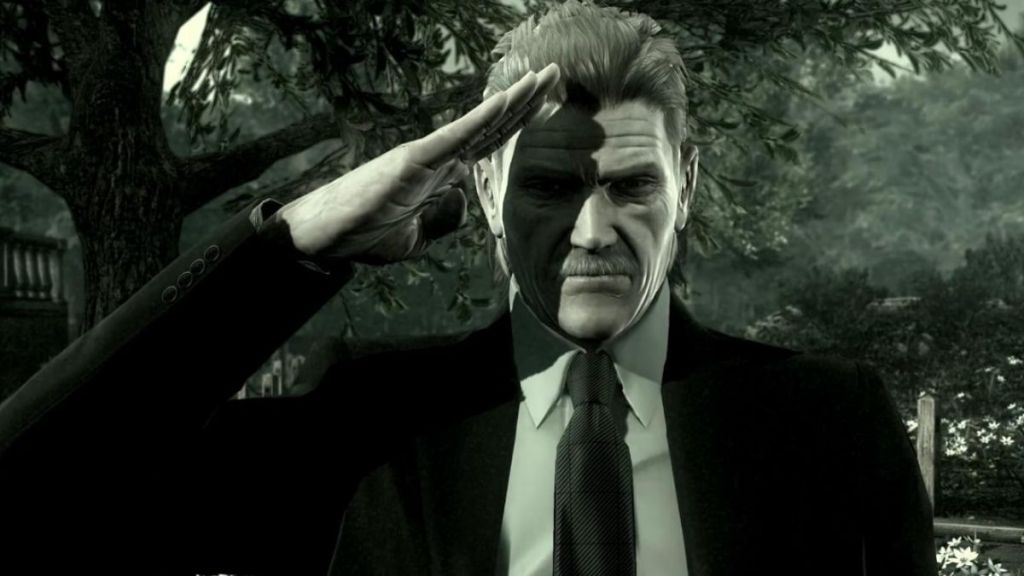
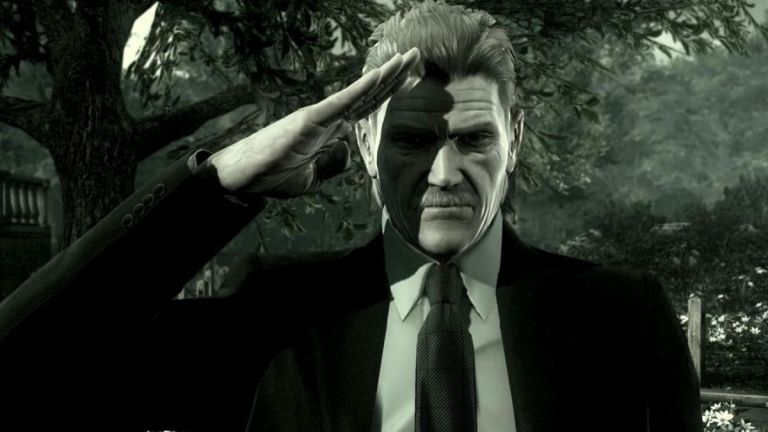
Metal Gear Solid 4: Guns of the Patriots
Metal Gear Solid 4 is practically the poster child for this concept. IGN’s analysis found approximately 7 1⁄2 hours of cinematics in an 18 1⁄2-hour playthrough, with roughly 40% of the game spent watching rather than playing.
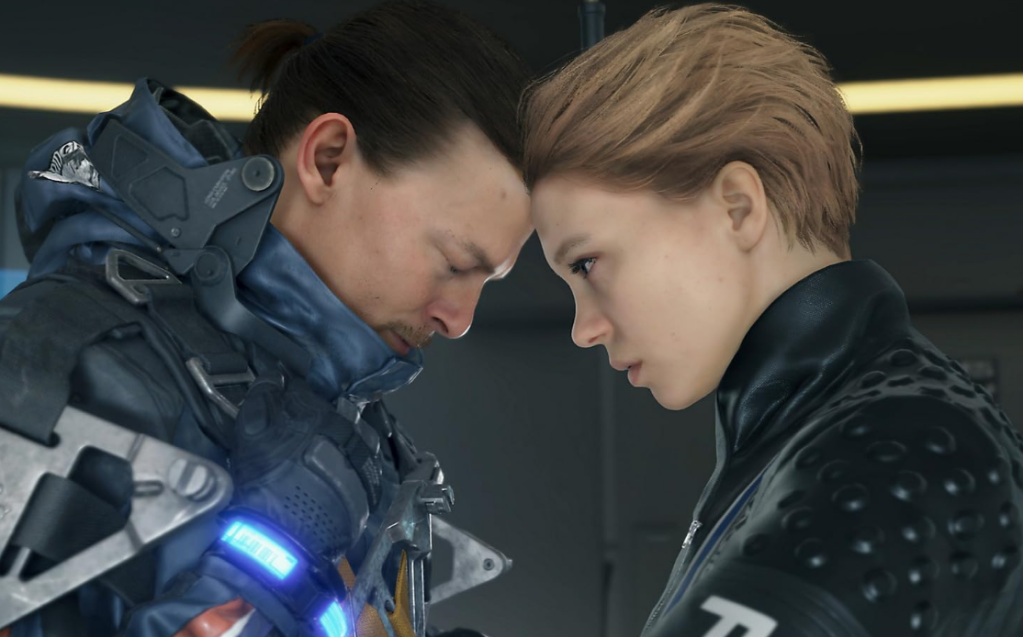
Death Stranding
Death Stranding certainly has gameplay, but its lengthy story sequences and deliberately slow traversal make it an unusually cinematic experience. There are more than six hours of cinematics, while the game’s deliberately patient pacing leaves plenty of room for Kojima’s sprawling narrative.
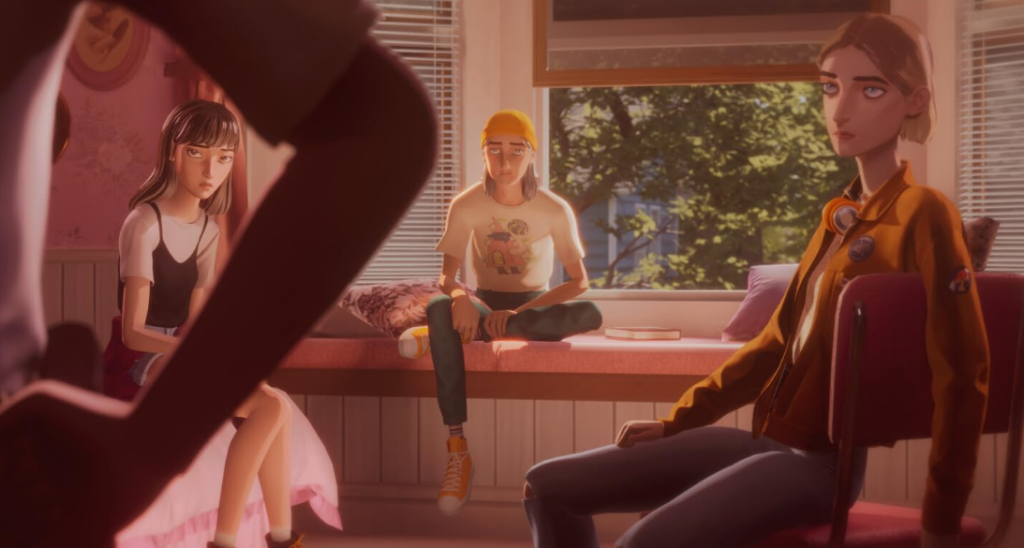
Mixtape
Mixtape takes only three to four hours to complete, and much of that time is spent watching characters, exploring, or participating in extremely simple minigames, many of which can be won without the press of a button. Multiple reviews have specifically questioned whether its cinematic coming-of-age story needed to be interactive.
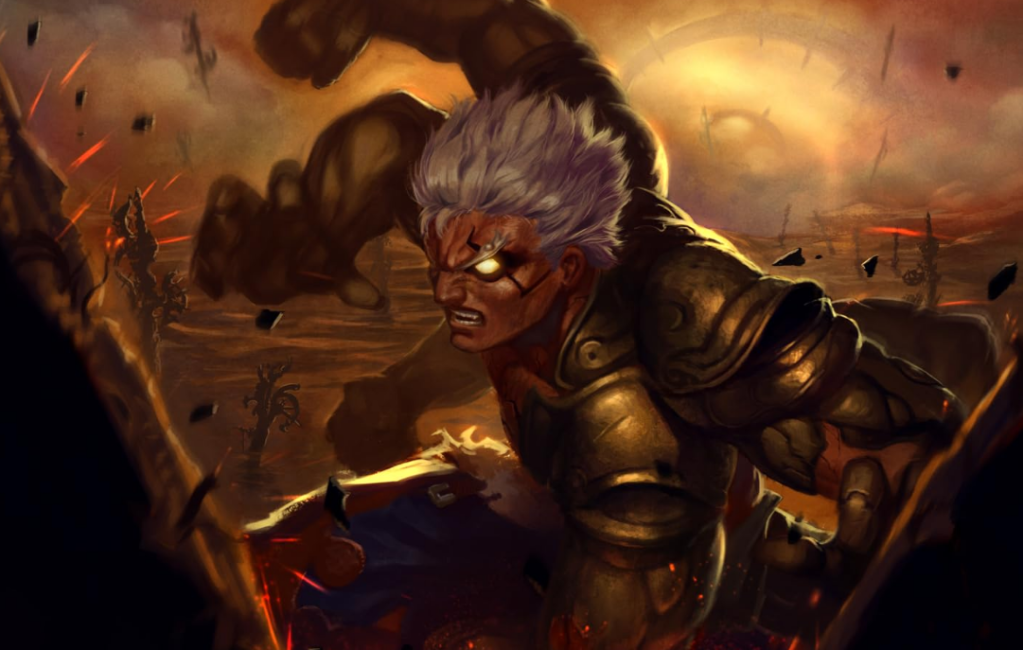
Asura’s Wrath
Asura’s Wrath is barely pretending to be a conventional game. Its chapters resemble anime episodes, complete with credits and previews. Individual episodes typically contain fewer than ten minutes of non-cutscene gameplay, practically begging for an animated adaptation.
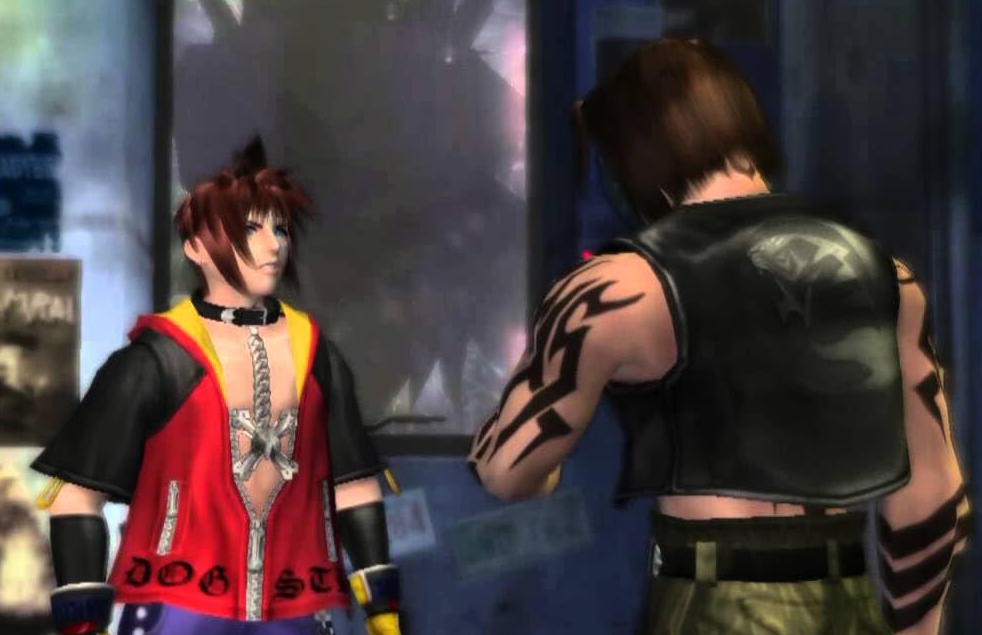
The Bouncer
The Bouncer was literally marketed as “Play the action movie,” and the comparison was remarkably accurate. Its short fighting segments are repeatedly interrupted by lengthy cinematics, with the result working as more like an occasionally interactive movie than a traditional game.
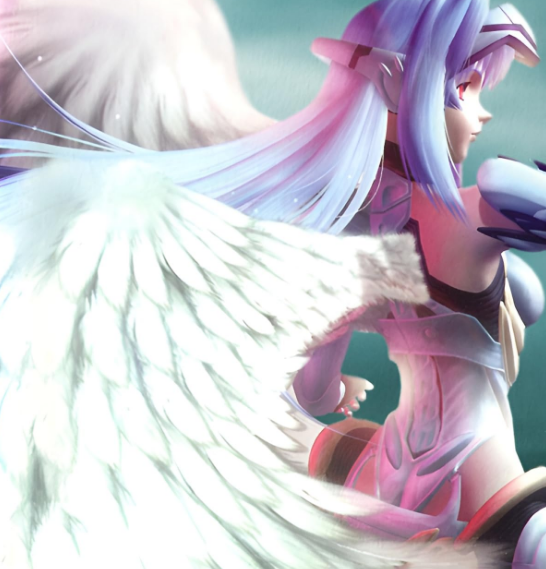
Xenosaga Episode I: Der Wille zur Macht
Xenosaga Episode I is essentially a sprawling science-fiction anime interrupted by RPG battles. It contains hours of noninteractive 3D cinematics, including sequences exceeding thirty minutes, while describing the story as the game’s primary attraction.
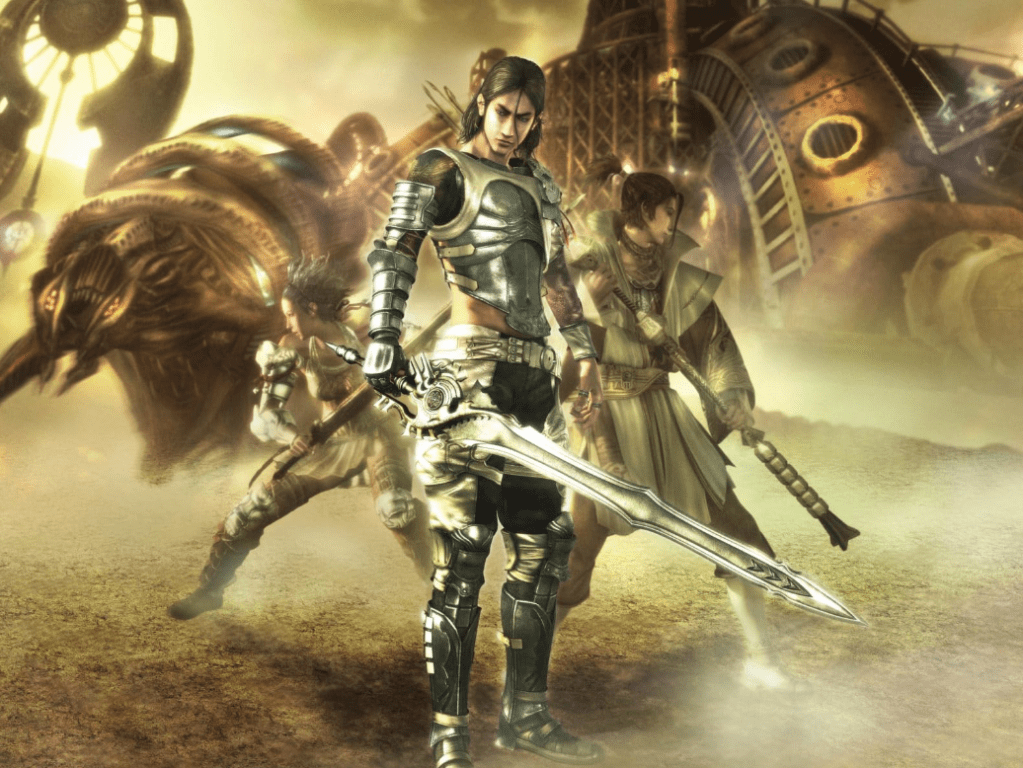
Lost Odyssey
Lost Odyssey is a full-scale RPG, but its opening reportedly contains roughly two hours of cutscenes mixed with minimal interaction. It’s been criticized for its abundance of long, sometimes back-to-back cinematics, making the ambitious story occasionally feel more like a novel than a game.
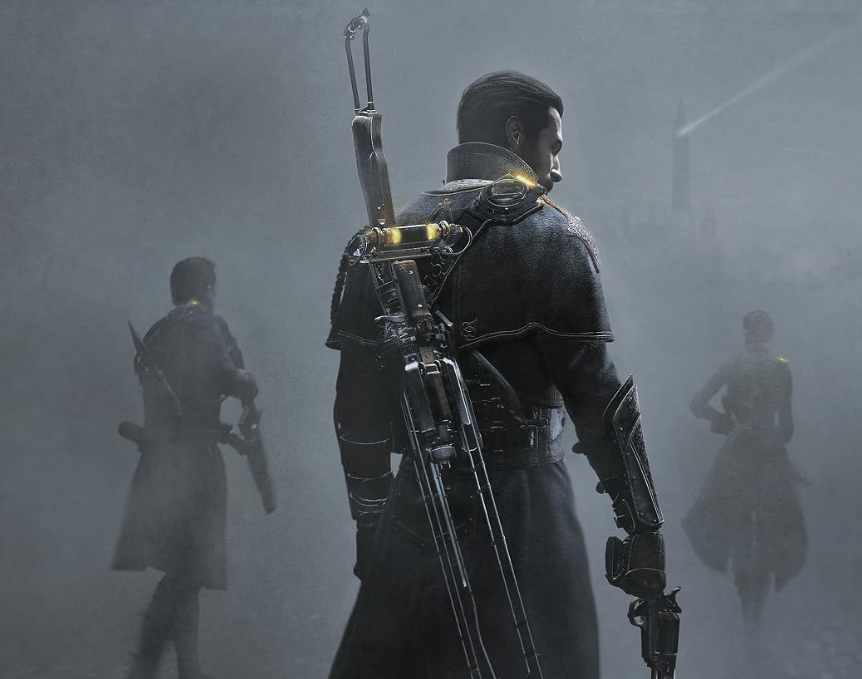
The Order: 1886
The Order: 1886 famously looks like a blockbuster movie, and its short campaign reinforces that impression. A measured playthrough took roughly six hours, with around a third devoted to cutscenes, while the remaining gameplay frequently consists of walking, shooting, and quick-time events.
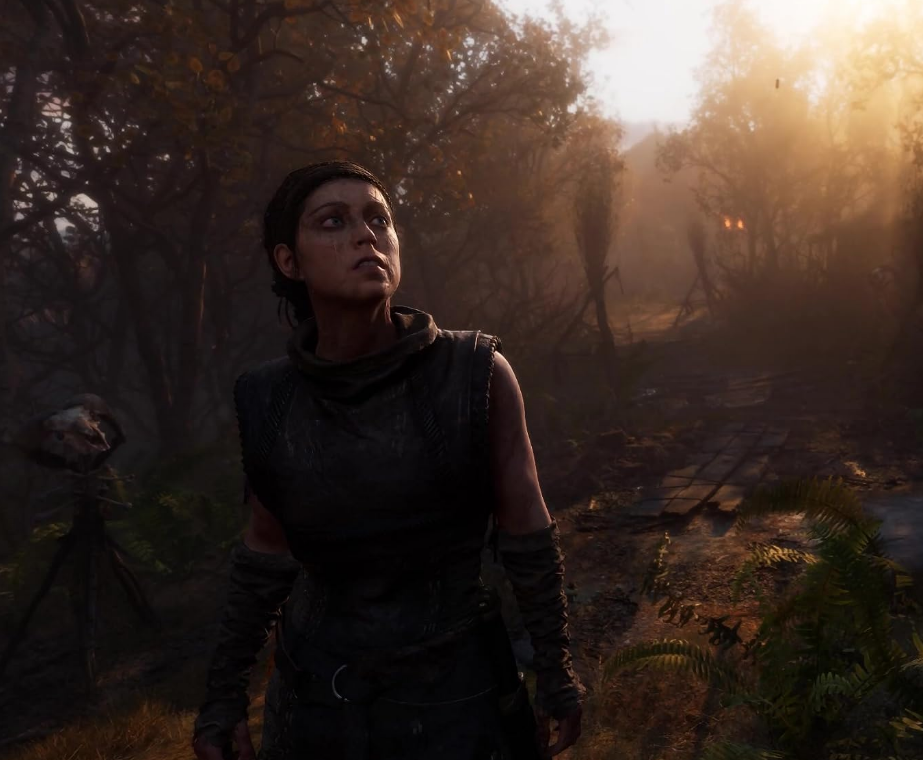
Senua’s Saga: Hellblade II
Hellblade II is extraordinarily cinematic, but its stripped-down gameplay sometimes feels secondary to the presentation. Reviews repeatedly highlighted its short length, linear exploration, simplistic combat, and movie-like structure, making it one of the clearest modern examples of a playable cinematic experience.
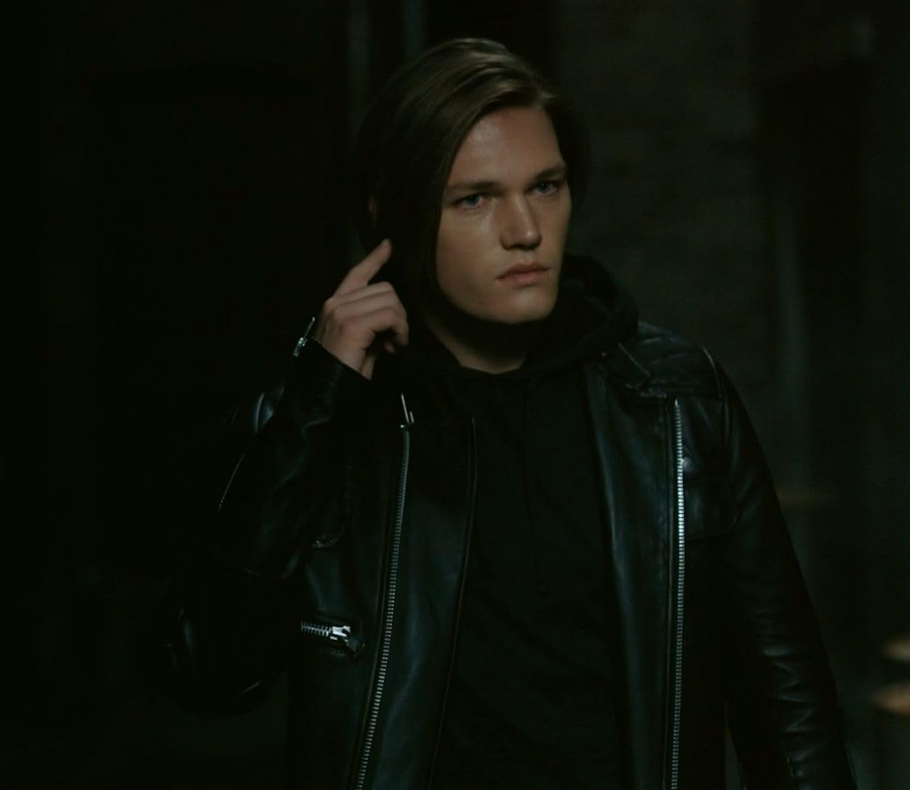
The Quiet Man
The Quiet Man lasts roughly three hours, with much of that time devoted to live-action and in-game cinematics. Some scenes run for ten minutes or more, leaving surprisingly little actual gameplay and making the whole thing feel like a badly disguised movie.
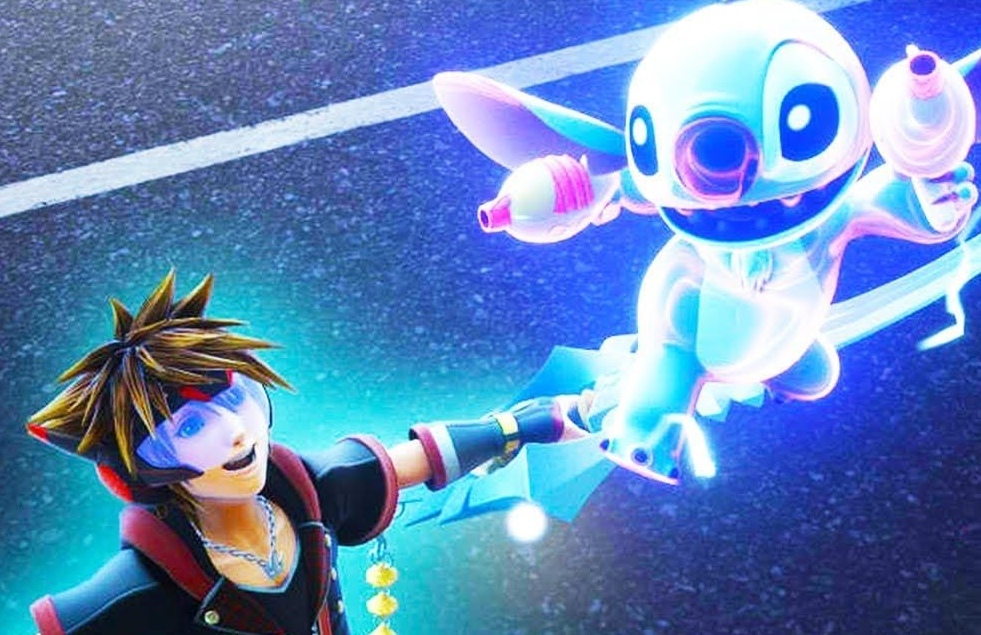
Kingdom Hearts III
Kingdom Hearts III takes roughly 28 hours to complete, but one review estimated that about a third of that time consists of cutscenes. The beginning and ending are particularly cinematic, making the Disney-heavy RPG occasionally feel like a very long animated feature.
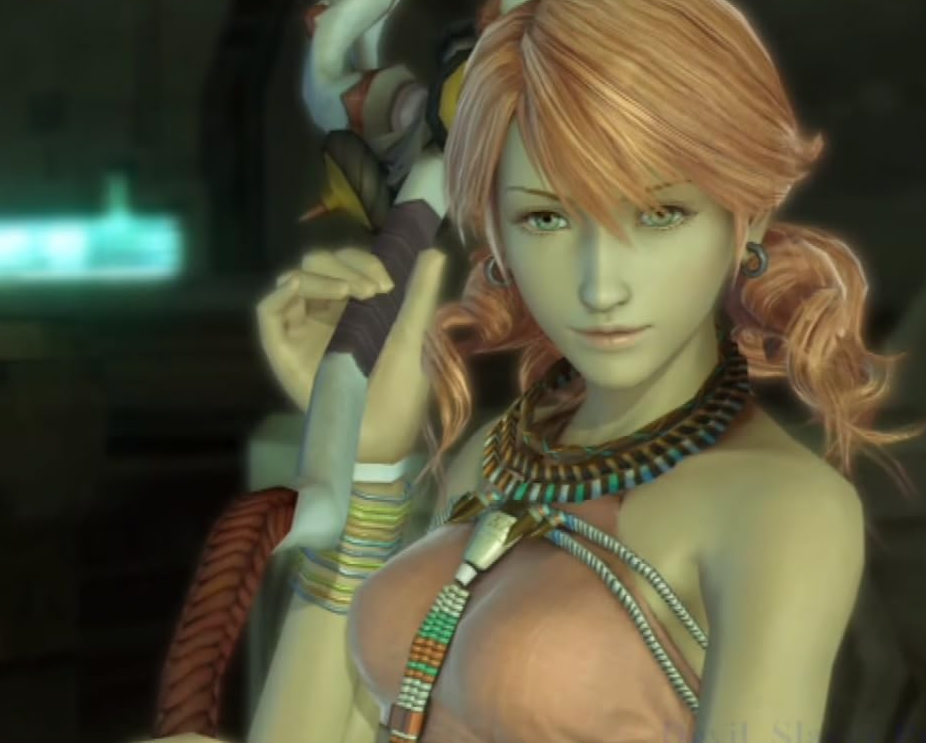
Final Fantasy XIII
Final Fantasy XIII is a conventional RPG underneath its enormous cinematic ambitions, but its storytelling can overwhelm the actual adventure. Players face approximately ten hours of cutscenes across a lengthy campaign, while the game famously spends its first twenty hours before fully opening up.
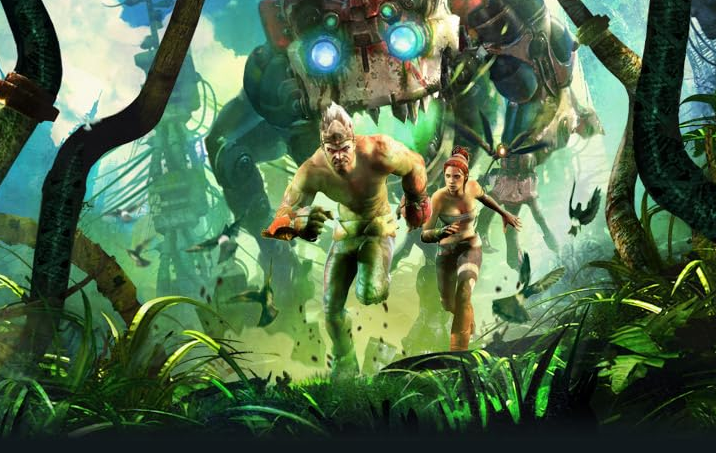
Enslaved: Odyssey to the West
Enslaved has considerably more gameplay than some entries here, but its tightly directed ten-to-fourteen-hour campaign constantly blends combat, traversal, and story cinematics. Co-written by Alex Garland, it already has the structure and character-focused storytelling of a surprisingly polished science-fiction movie.
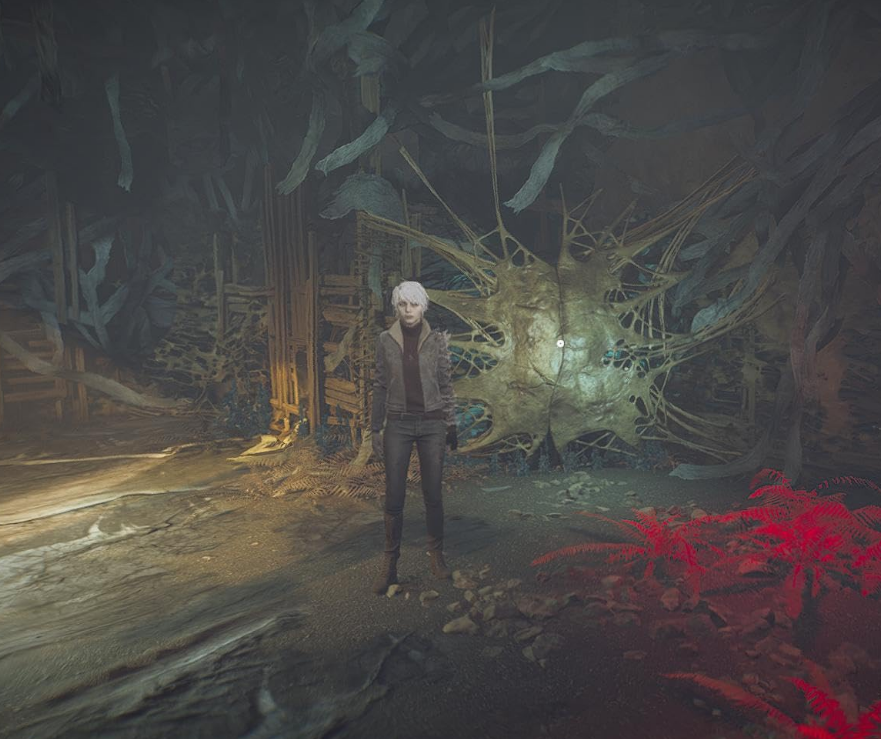
The Medium
The Medium builds its entire experience around atmosphere, exploration, puzzles, and a supernatural mystery, with the story doing much of the heavy lifting. Its fixed cinematic camera, elaborate cutscenes, and relatively simple gameplay make it feel closer to interactive horror cinema.
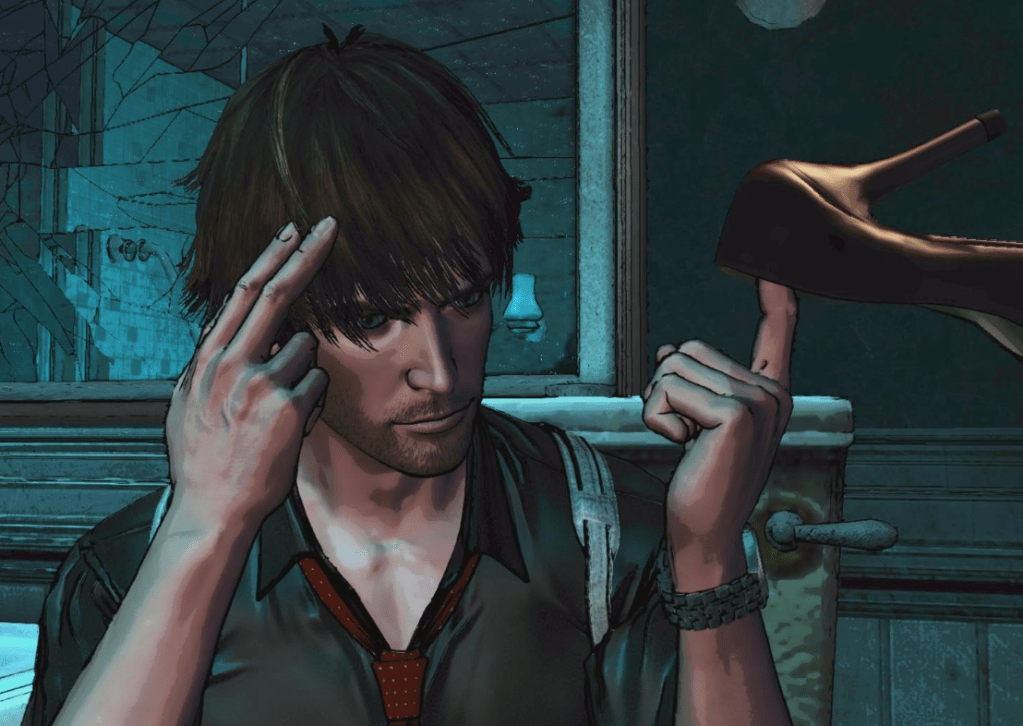
D4: Dark Dreams Don’t Die
D4 is an unusual adventure built around a bizarre murder mystery, but its interaction is remarkably limited. Reviewers have described the experience as a “short ride,” with simple actions such as grabbing, pushing, and looking doing most of the interactive work.