15 Fun Historical Facts About Spies and Espionage

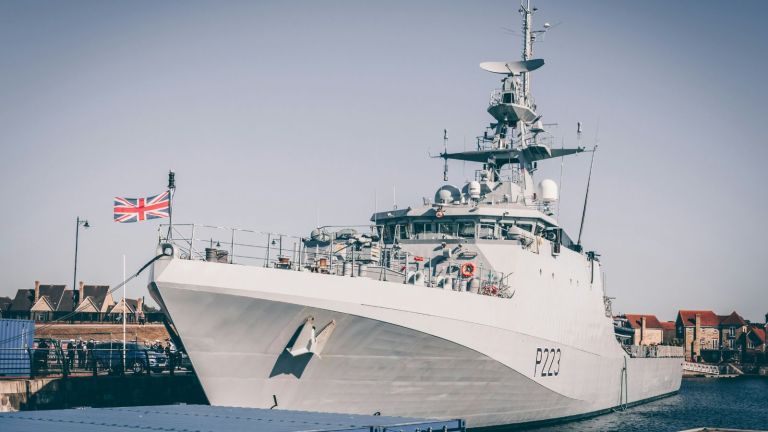
Espionage history is full of operations that sound like rejected movie plots, except the people involved were working with real secrets, real danger, and consequences that reached far beyond their own lives. Some agents built entire networks out of imaginary people, while others relied on pigeons, cats, or devices hidden inside diplomatic gifts. There were also writers who helped plan covert missions before creating fictional spies of their own. The strangest details often come from practical problems intelligence officers had to solve, and their solutions could be every bit as inventive as they were bizarre. Some were downright funny, too.
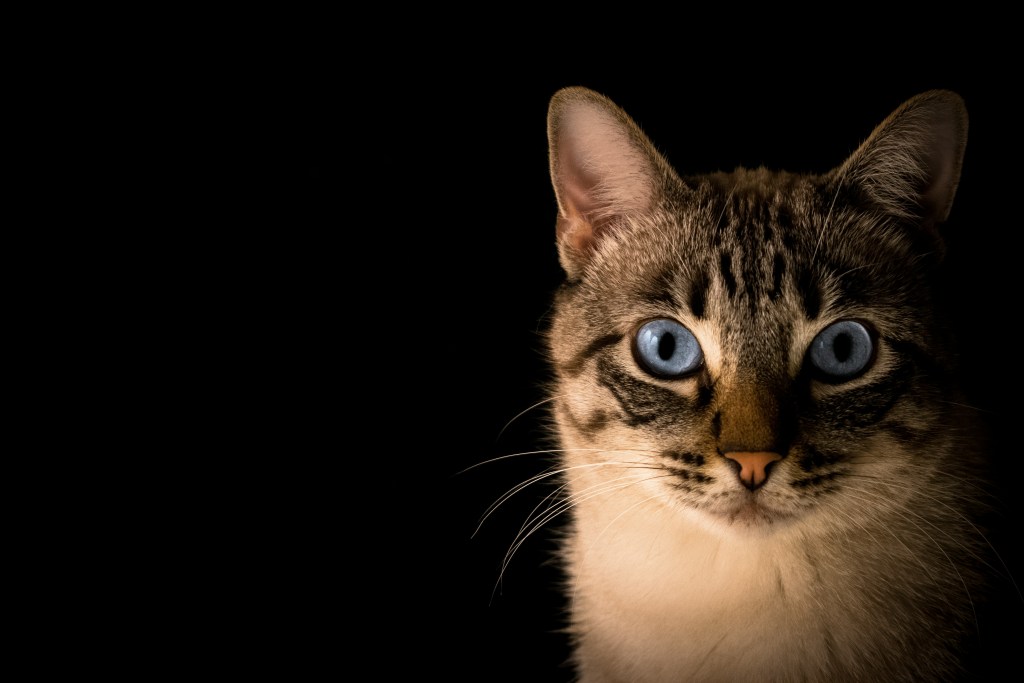
The CIA Once Tried to Turn a Cat Into a Spy
During the 1960s, the CIA developed a project called Acoustic Kitty, which involved implanting a microphone in a cat’s ear and a transmitter under its skin to pick up conversations.
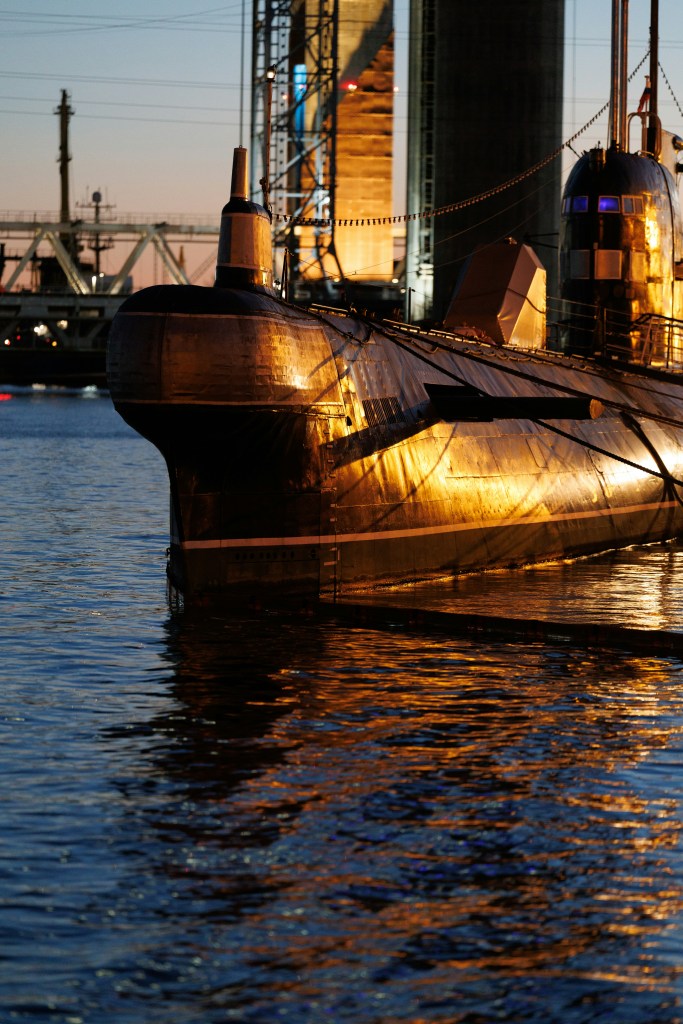
The CIA Secretly Tried to Steal an Entire Soviet Submarine
In 1974, the CIA launched Project Azorian, an operation to recover a sunken Soviet submarine from the Pacific Ocean using an enormous mechanical claw attached to a specially built ship.
The Phrase “Neither Confirm Nor Deny” Came From a Spy Operation
The famous expression known as the Glomar response originated when journalists and investigators tried to obtain information about Project Azorian. When asked about the classified submarine recovery mission, the CIA refused to confirm or deny the existence of relevant records.
British Intelligence Used a Dead Body to Fool Hitler
Operation Mincemeat was a real World War II deception plan in which British intelligence dressed a deceased man as a Royal Marines officer, gave him a fake identity, love letters, and misleading military documents, then placed his body off the Spanish coast.
A Spanish Spy Invented an Entire Network of Agents Who Didn’t Exist
Juan Pujol García, known by his codename Agent Garbo, worked as a double agent for British intelligence during World War II while pretending to spy for Germany. He invented an elaborate network of imaginary informants across Britain, sending the Germans convincing reports based on public information and fabricated sources.
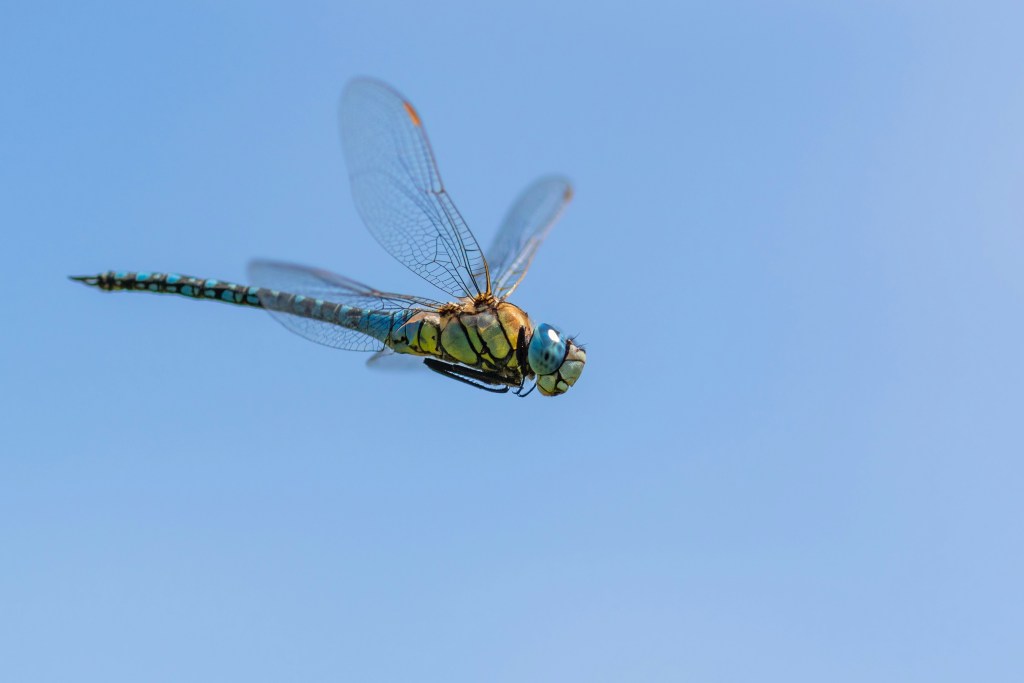
The CIA Also Built a Robotic Dragonfly
In the 1970s, the CIA developed the Insectothopter, a miniature flying machine designed to look like a real dragonfly and carry listening equipment.
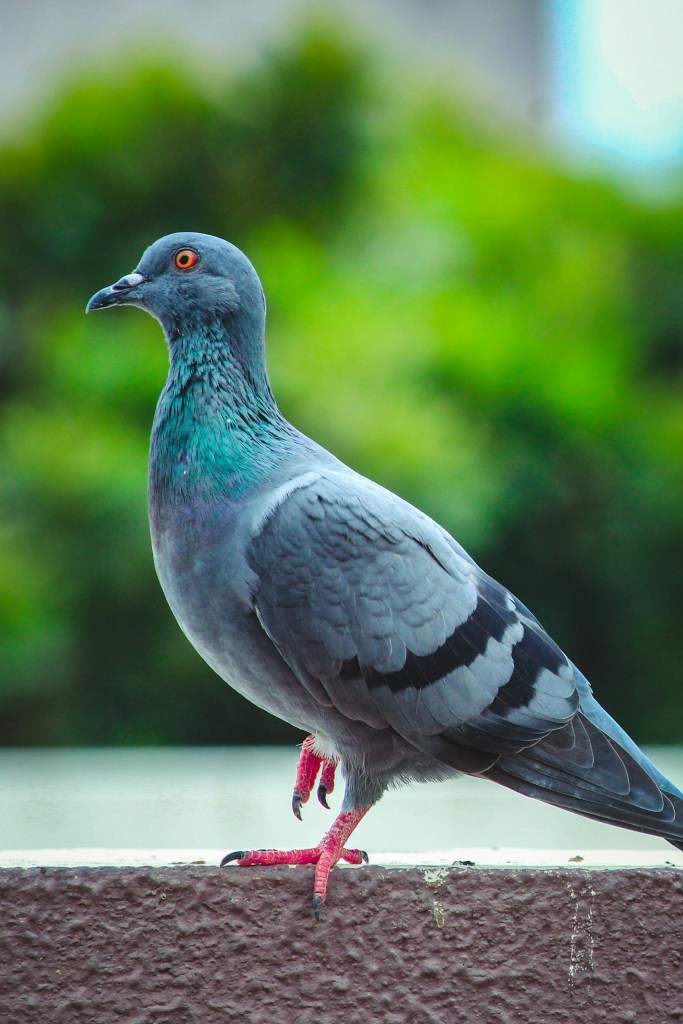
The CIA Used Pigeons to Photograph Secret Locations
During the Cold War, the CIA equipped ordinary pigeons with tiny cameras strapped to their chests and released them over locations of interest.
One of the Most Successful WWII Spies Had a Wooden Leg
Virginia Hall was an American intelligence operative who worked behind enemy lines in occupied France despite having a prosthetic leg. Known to the Gestapo as the “Limping Lady,” she organized resistance networks, helped Allied airmen escape, coordinated sabotage missions.

Julia Child Worked for American Intelligence Before Becoming a Celebrity Chef
Before becoming famous for her cooking shows, Julia Child worked for the Office of Strategic Services (OSS), the predecessor to the CIA, during World War II.
A Real British Intelligence Officer Was Named James Bond
In 1964, a British official named James Albert Bond was sent to Warsaw, Poland, where he worked as a secretary and archivist at the British Embassy while gathering information about military facilities.

James Bond’s Creator Actually Worked in Naval Intelligence
Ian Fleming, the author who created James Bond, served as an intelligence officer in the British Royal Navy during World War II.
Some German Intelligence Officers Secretly Worked Against Hitler
Admiral Wilhelm Canaris, head of Germany’s military intelligence service, the Abwehr, became involved in resistance efforts against the Nazi regime.
Two German Spies Were Caught in Maine Because of Their Footprints
During World War II, two German agents arrived by submarine on the coast of Maine as part of Operation Elster. Their appearance immediately raised suspicion because they were dressed in city clothes and walked along a snowy dirt road without hats.
The British Secret Service Gave One of Its Best Agents an Unusual Codename
Juan Pujol García the codename Garbo because his handlers considered him an extraordinary actor. The name referenced actress Greta Garbo, and his ability to maintain an elaborate fictional identity made him one of World War II’s most valuable double agents.
The British Double Agent Committee Had a Clever Name
During World War II, British intelligence operated a committee responsible for managing double agents and using them to feed false information to Nazi Germany. It was called the Twenty Committee, or XX Committee.