15 Famous Inventions That Were Originally Created for a Totally Different Reason


We tend to think inventions begin with someone identifying a problem and then creating exactly the thing needed to solve it. History is considerably messier than that. Some of the products we use every day started life with a completely different job, while others emerged from experiments that technically failed at what they were supposed to accomplish. A children’s toy once cleaned dirty wallpaper, packaging material began as an attempt at home decor, and one of the world’s most recognizable household sprays started out in the aerospace industry. Sometimes inventors spotted a better use for something they’d already made. Other times, consumers did it for them. Either way, these familiar inventions ended up very far from where they started.
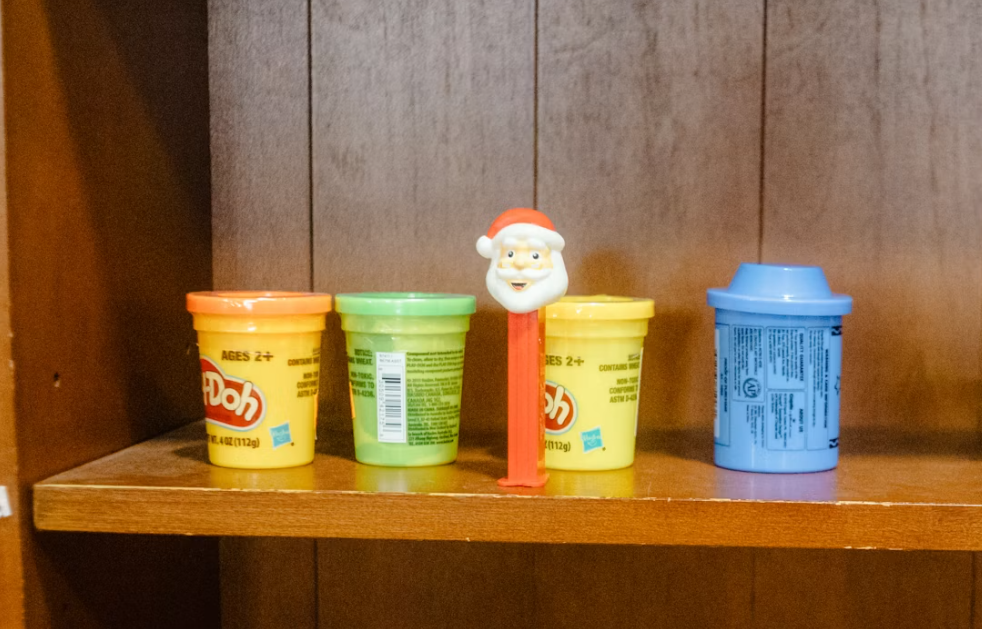
Play-Doh Was Wallpaper Cleaner
Before kids started making colorful spaghetti with it, the putty was sold for removing soot left by coal heating from wallpaper. When cleaner heating made that job obsolete, its potential as a children’s modeling compound gave it an entirely new life.

Bubble Wrap Was Supposed to Go on Your Walls
In 1957, Alfred Fielding and Marc Chavannes sealed two plastic shower curtains together while trying to create textured wallpaper. The decorating idea flopped, but their bubbly plastic eventually became extremely useful for protecting packages.

Kleenex Wasn’t Made for Blowing Your Nose
When Kleenex arrived in 1924, it was advertised as a disposable way to remove cold cream and cosmetics. Customers started using the tissues as disposable handkerchiefs instead, and the company eventually changed its marketing to match.
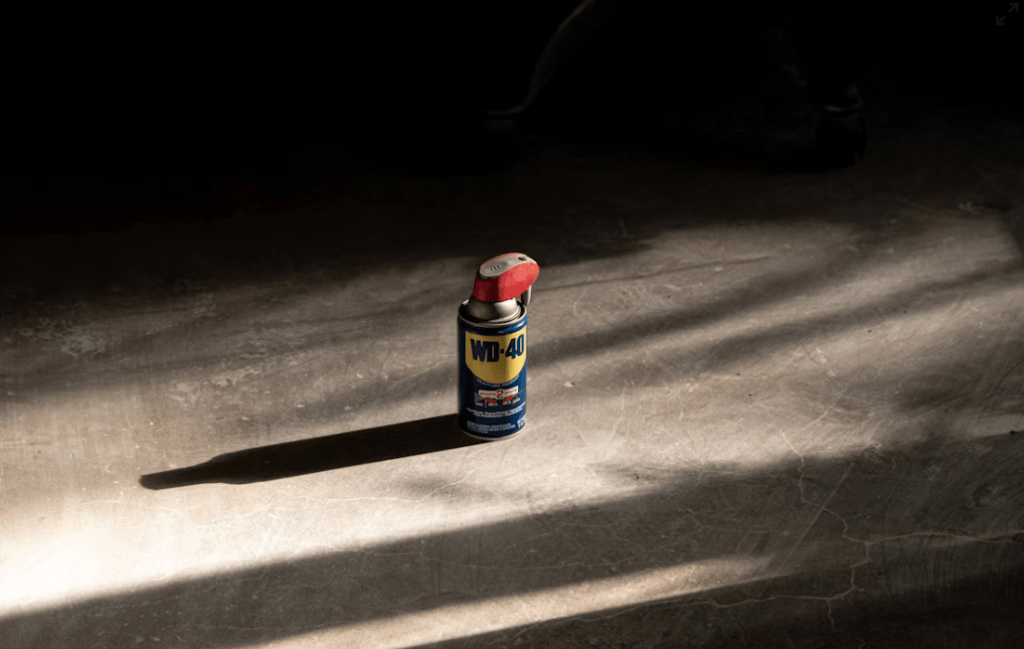
WD-40 Started Out in the Aerospace Industry
WD-40 wasn’t originally developed with squeaky household hinges in mind. Its creators were working on rust-prevention products for aerospace applications, and contractor Convair first used it to protect Atlas missile components from corrosion.

Post-it Notes Came From a Failed Super-Strong Glue
3M scientist Spencer Silver was trying to develop a powerful adhesive in 1968 and instead created one that could easily be pulled apart. Years later, colleague Art Fry realized that supposedly unsuccessful glue was perfect for removable paper notes.
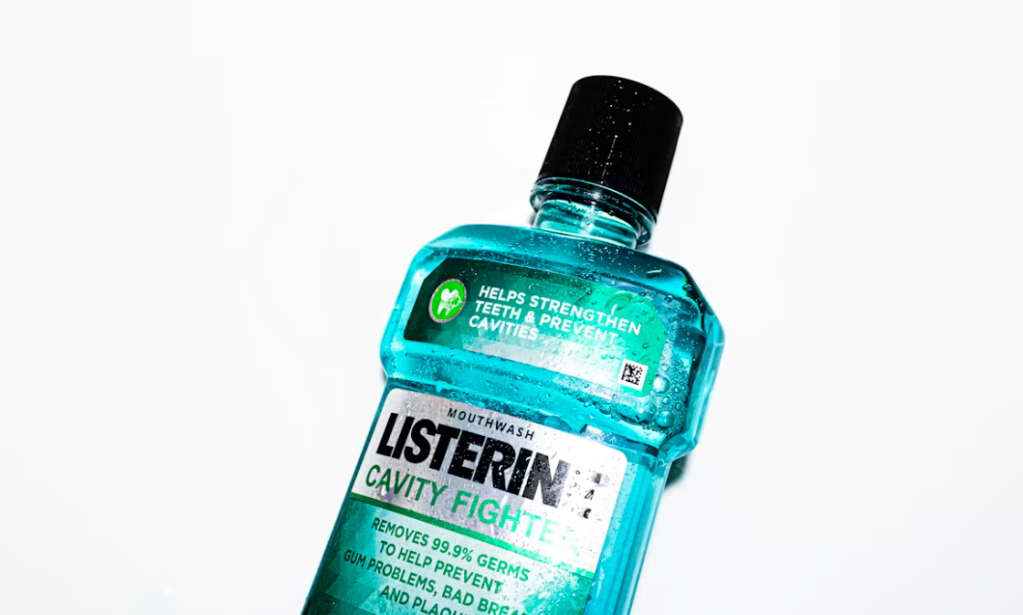
Listerine Started as a Surgical Antiseptic
Long before anyone was swishing it around for fresh breath, Listerine was developed in 1879 as an antiseptic for surgical use. It wasn’t sold directly to consumers as the familiar antiseptic product until decades later.

The Slinky Started With Naval Engineering
Engineer Richard James was working with springs designed to help stabilize sensitive equipment aboard ships when he noticed how one moved after falling. That behavior ultimately inspired a toy whose main purpose became walking down stairs.
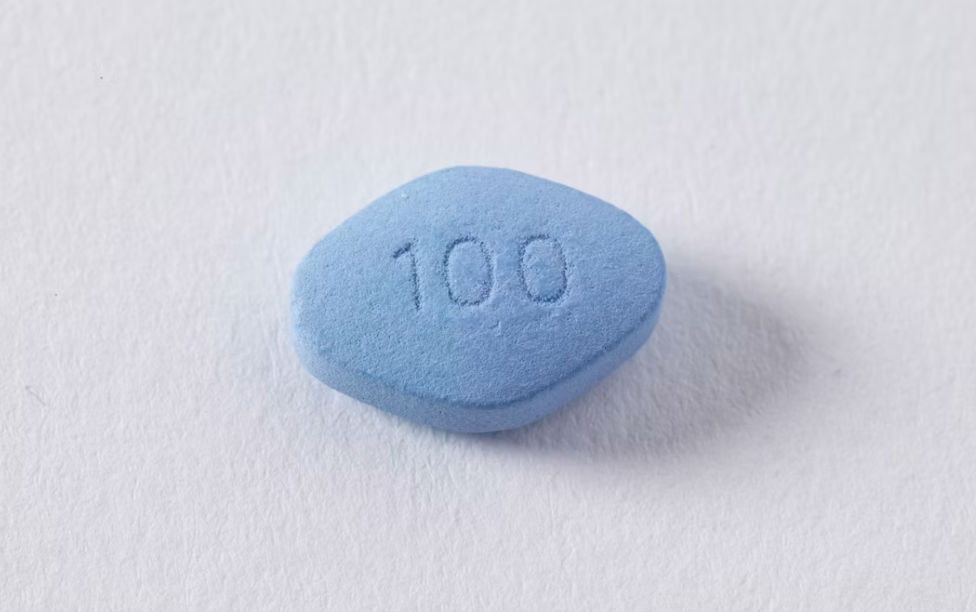
Viag[ruh] Was Being Studied for Angina
Sildenafil wasn’t originally destined for the bedroom. Pfizer initially studied the compound as a possible treatment for angina before its unexpected effects sent researchers down a very different pharmaceutical path.

The Treadmill Was Once a Punishment
Long before voluntarily running nowhere became a workout, treadwheel machines were introduced into British prisons in the 19th century. Prisoners powered the exhausting devices through hours of repetitive stepping, sometimes to grind grain.
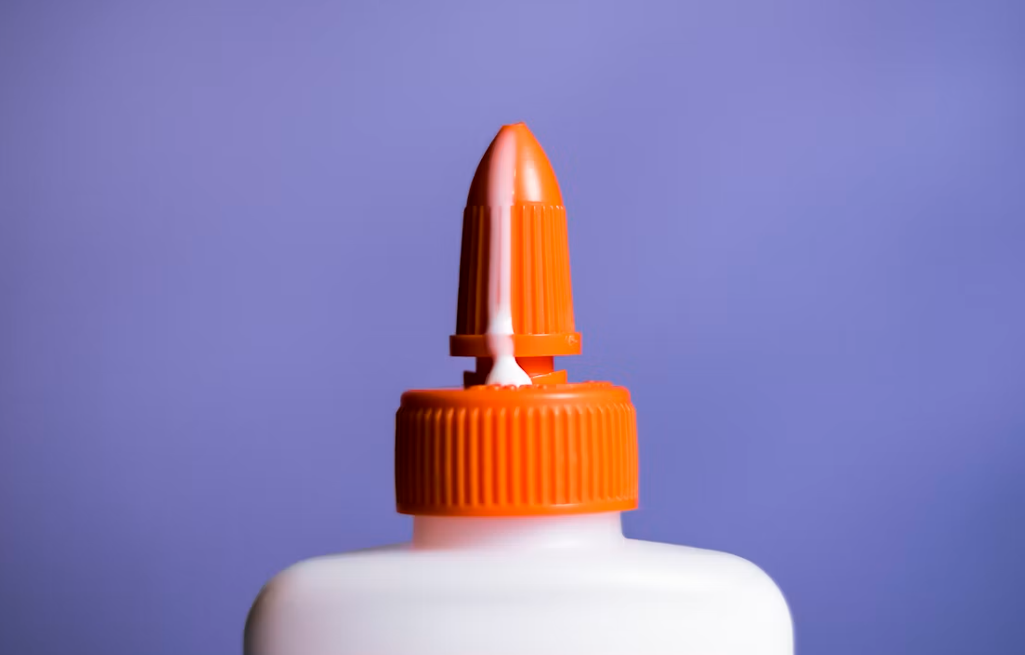
Super Glue Wasn’t Supposed to Be Glue
Chemist Harry Coover encountered cyanoacrylates while researching materials for optical applications during World War II, but they were frustratingly sticky. Years later, he recognized that the annoying property was actually the valuable invention.

The Chainsaw Has a Surprisingly Medical Ancestor
The ancestor of today’s chainsaw wasn’t designed for lumberjacks. Small hand-cranked chain-cutting instruments were developed for surgery, including procedures involving bone, long before much larger versions started cutting trees.
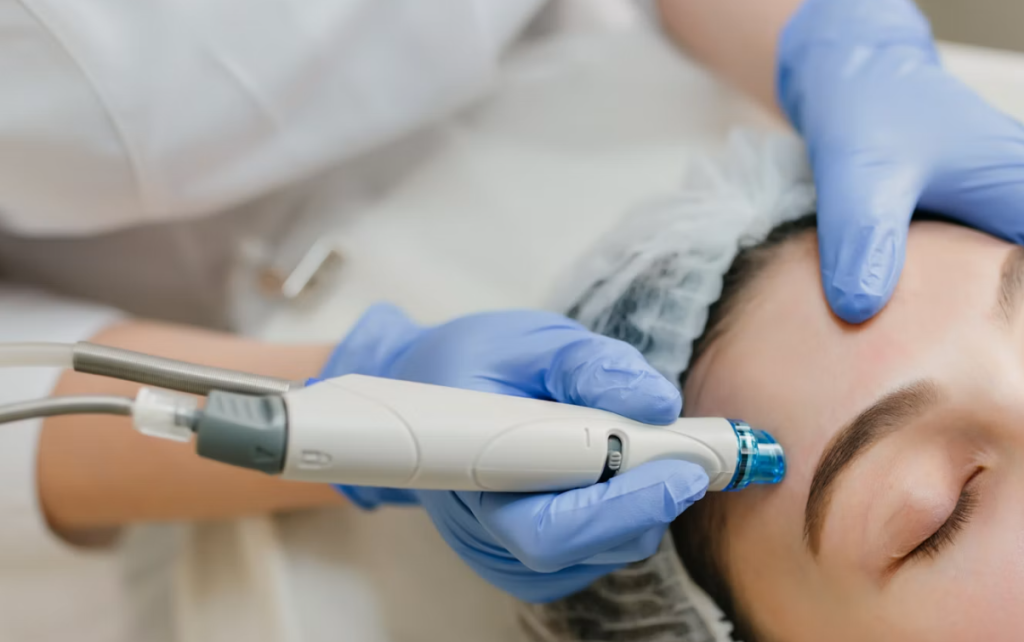
Botox Was Treating Eye Problems First
Botulinum toxin’s medical career predates its association with smoother foreheads. Doctors used it to treat conditions involving involuntary muscle contractions, including crossed eyes, before its cosmetic possibilities became apparent.

Minoxidil Was a Blood Pressure Drug
The active ingredient now associated with hair-loss treatments was originally developed as an oral medication for severe high blood pressure. Excessive hair growth turned out to be a side effect worth investigating.
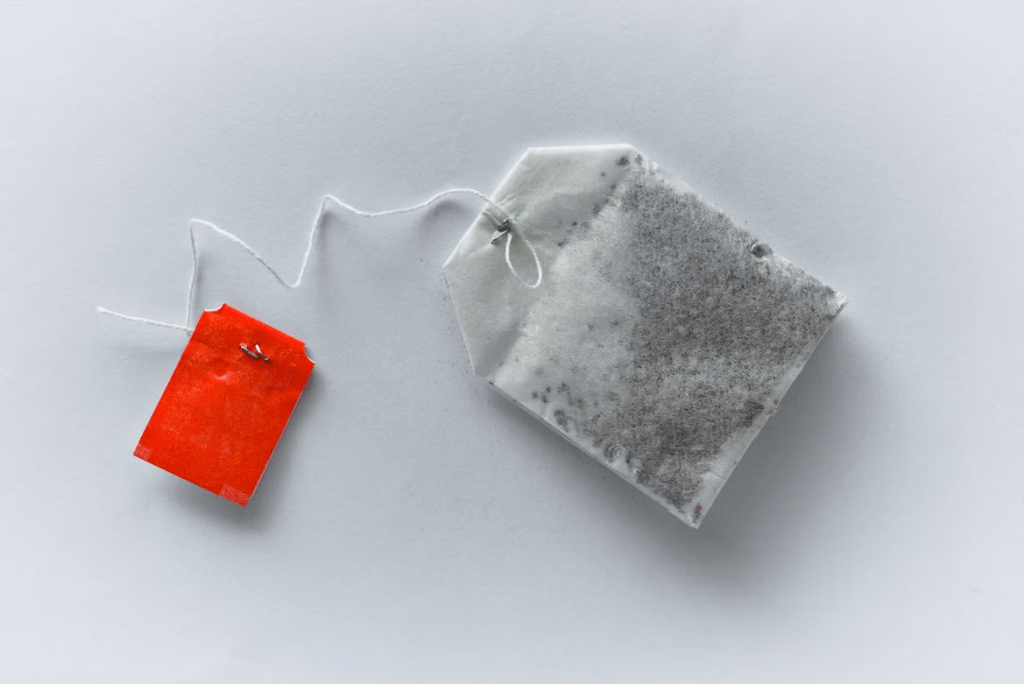
Tea Bags Were Supposed to Be Convenient Samples
Tea merchant Thomas Sullivan sent customers small portions of tea in silk bags in the early 1900s. According to the popular account, some recipients put the entire packet into hot water rather than removing the leaves, helping inspire the modern tea bag.
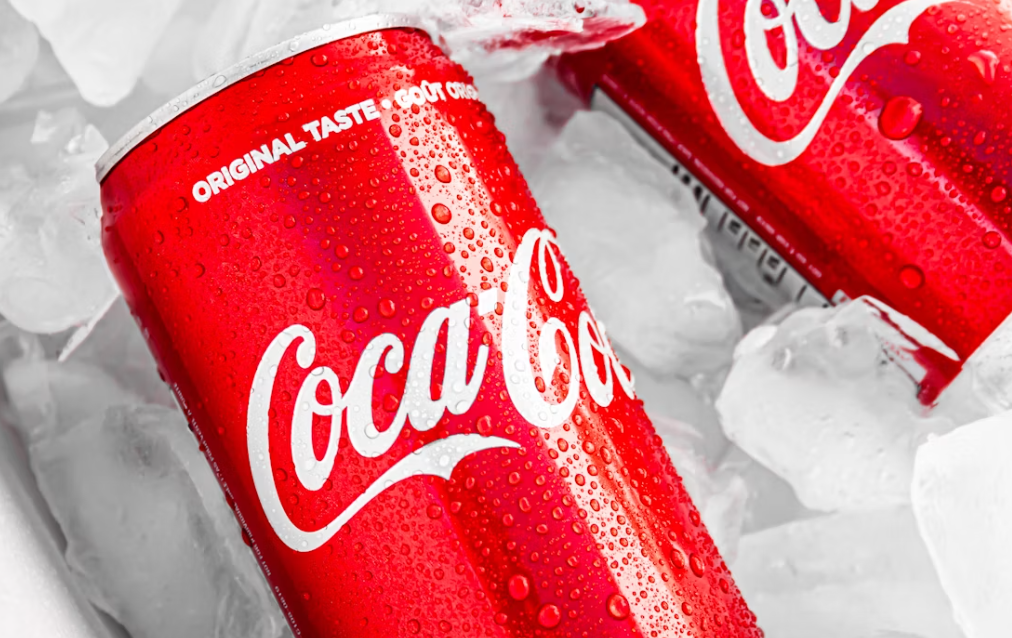
Coca-Cola Started Out as a Patent Medicine
John Pemberton created the original Coca-Cola formula in the late 19th century and promoted the drink with medicinal claims rather than simply as a refreshing soda. The pharmacy concoction eventually became one of the world’s most recognizable soft drinks.