14 Facts from Hollywood’s Less Buttoned-Up Era

Hollywood has never been quite as polished behind the scenes as it looked on screen. During the studio era, the people making movies lived in a world filled with strict contracts, powerful studios, unusual rules, scandalous behavior, and plenty of secrets that were carefully kept away from audiences. The glamorous image was part of the business, but the reality could be considerably messier. Actors were controlled by studios, careers could change overnight, and personal lives were often treated as something producers had a right to manage. Some stories sound unbelievable now, yet they were simply part of how the industry operated. These facts offer a glimpse at the wilder side of old Hollywood.
Studios Could Keep Actors Under Contract for Years
During Hollywood’s studio era, actors commonly signed exclusive contracts lasting four to seven years, meaning a studio could control where they worked and which projects they appeared in.
Actors Could Be Suspended for Refusing a Role
Refusing a movie was not always an option for a contract player, with studios sometimes suspending actors who turned down assignments, as Warner Bros. did with Bette Davis.
Studios Could Loan Their Stars to Other Studios
An actor technically belonged to one studio but could be loaned out for another production, a practice that allowed studios to trade talent while keeping their contract system intact.
Hollywood Had Its Own Fixers
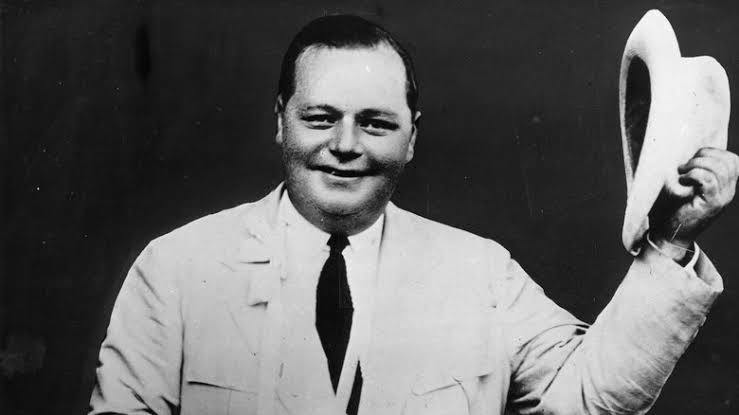
Major studios employed people whose job included dealing with embarrassing incidents involving their stars, from drunken behavior to unwanted publicity, helping keep scandals away from newspapers and audiences.
One Studio Once Faked a Star’s Death
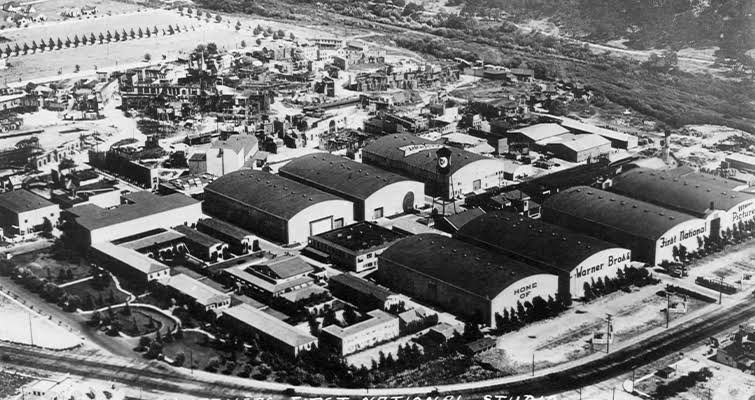
In 1909, Carl Laemmle spread a false report that actress Florence Lawrence had died in a streetcar accident, then used the resulting publicity to reveal that she was alive and promote her new movies.
The Hays Code Controlled What Movies Could Show
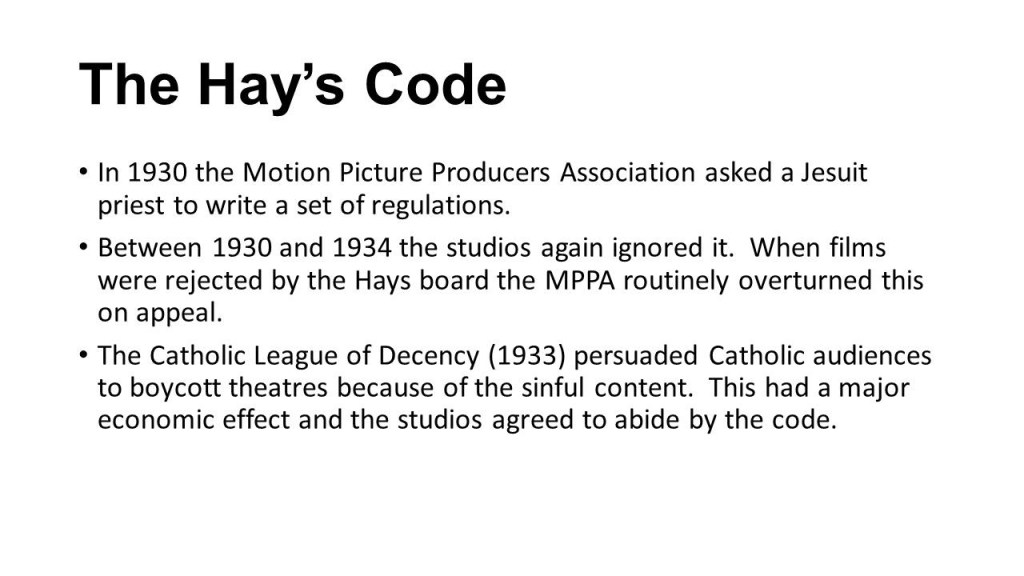
Beginning in the 1930s, Hollywood’s Production Code restricted subjects and behavior that could appear on screen, with filmmakers having to navigate rules surrounding sex, crime, language, religion, and other supposedly objectionable material.
Studios Owned Their Own Movie Theaters
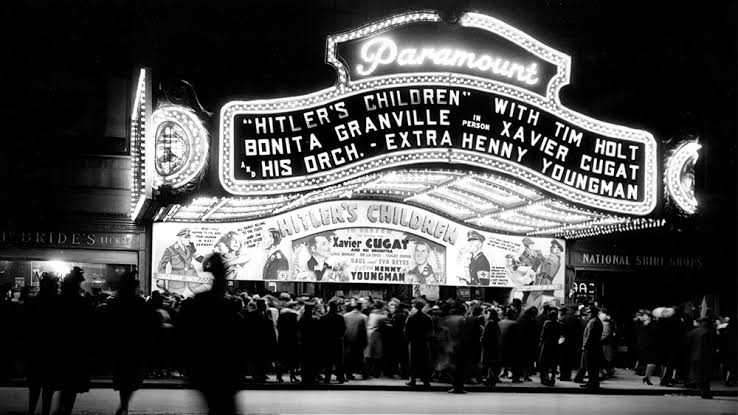
The major studios did not simply make movies, they also controlled distribution and owned large theater chains, giving them enormous influence over which films audiences actually got to see.
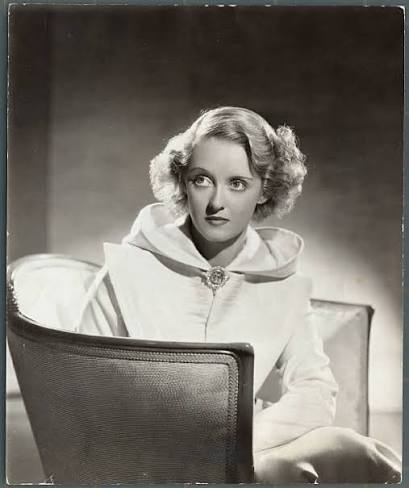
Actors Were Essentially Studio Employees
Under the contract system, stars were not independent freelancers choosing projects one at a time, they were tied to a particular studio and generally could not work elsewhere without permission.
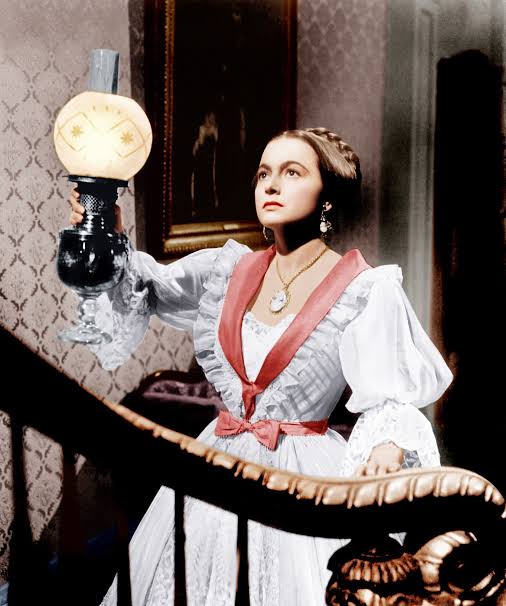
Olivia de Havilland Took Her Studio to Court
Olivia de Havilland challenged Warner Bros. over its ability to extend her contract through periods of suspension, and a 1944 California court ruling helped weaken the studios’ ability to keep actors locked into long term agreements.

The Big Studios Operated Almost Like Factories
At the height of the studio system, major companies could have hundreds of actors under contract at once, allowing them to maintain enormous pools of talent ready for their productions.
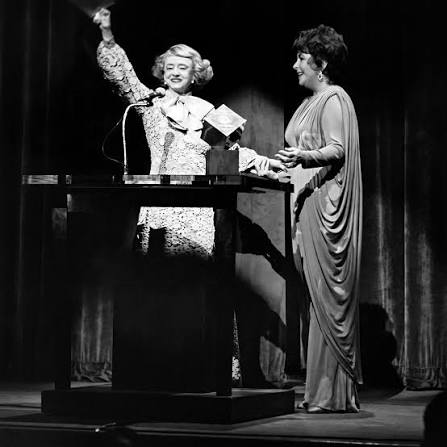
Bette Davis Fought Warner Bros. Too
Bette Davis tried to escape her Warner Bros. contract by taking legal action, although she lost her case, and her battle became part of the growing resistance to the studio system.
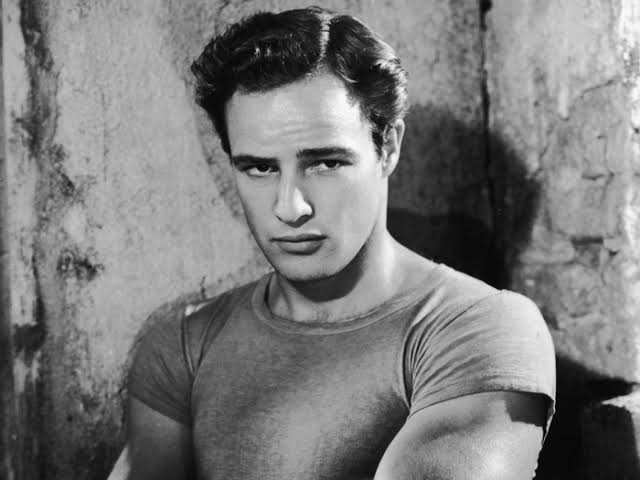
Stars Could Be Given Completely Different Screen Identities
Studios carefully shaped the public image of their performers, controlling everything from publicity to the roles they received, because an actor’s carefully constructed persona was considered part of the product being sold.
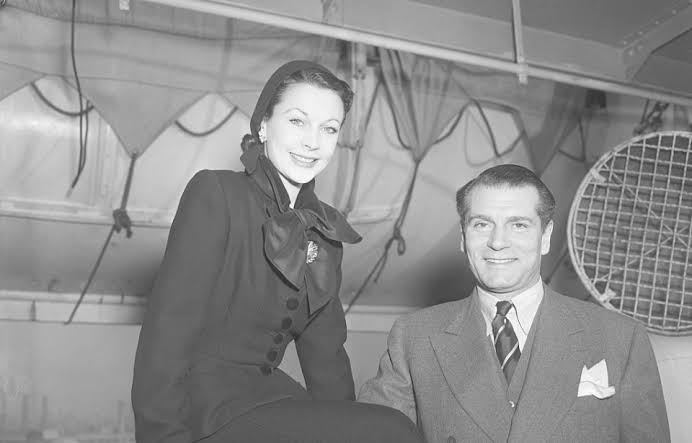
Hollywood’s Biggest Stars Could Be Traded Around
Studios sometimes negotiated talent swaps and loans involving major stars, treating performers almost like valuable pieces in a much larger business arrangement.
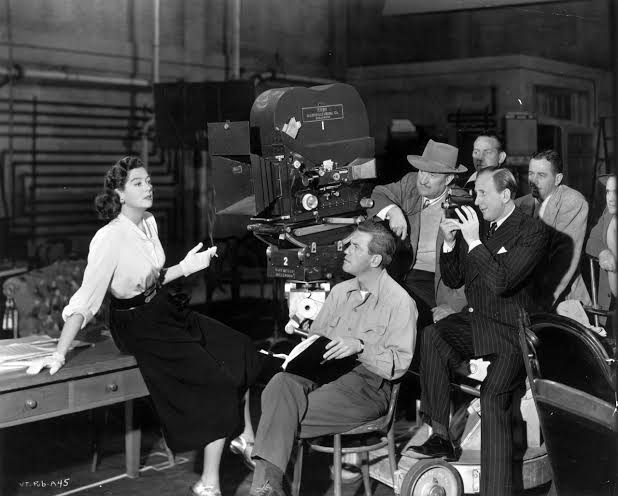
The Studio System Eventually Had to Give Way
The system began breaking down after a major 1948 Supreme Court decision forced studios to separate their movie production businesses from their theater operations, helping open the door for independent producers and greater freedom for filmmakers.