15 Everyday Things That Used to Be Status Symbols

It is easy to forget that plenty of things we barely notice today once came with serious bragging rights. Before mass production made technology and household conveniences widely affordable, owning the newest gadget or appliance could immediately say something about your income. Even objects as ordinary as a pen, a refrigerator, or a pair of sunglasses have spent time on the luxury side of the equation. Some were expensive because they were brand-new inventions, while others required resources or craftsmanship that most people simply could not afford. A few eventually became so commonplace that their former prestige now seems almost ridiculous. Here are 15 everyday things that used to be status symbols.

Refrigerators
Before electric refrigerators became standard household appliances, keeping food reliably cold was far less convenient. Early models were expensive enough that having one in the kitchen signaled both money and a thoroughly modern home.
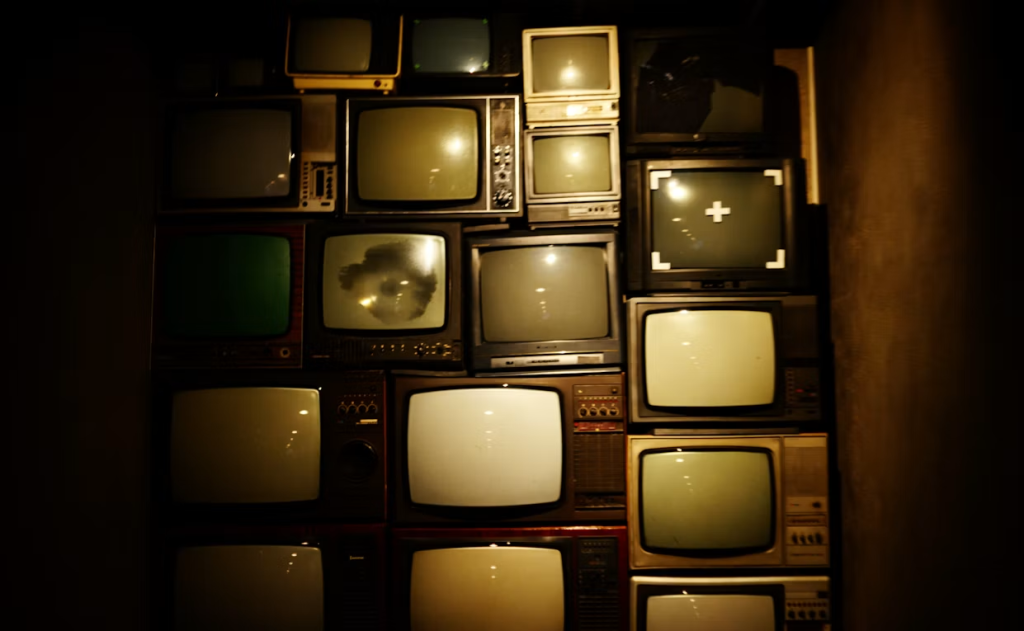
Color Televisions
Watching television in color once came at a considerable premium. Early color sets cost hundreds of dollars in the 1950s, making them something families might proudly show off to neighbors who were still watching everything in black and white.
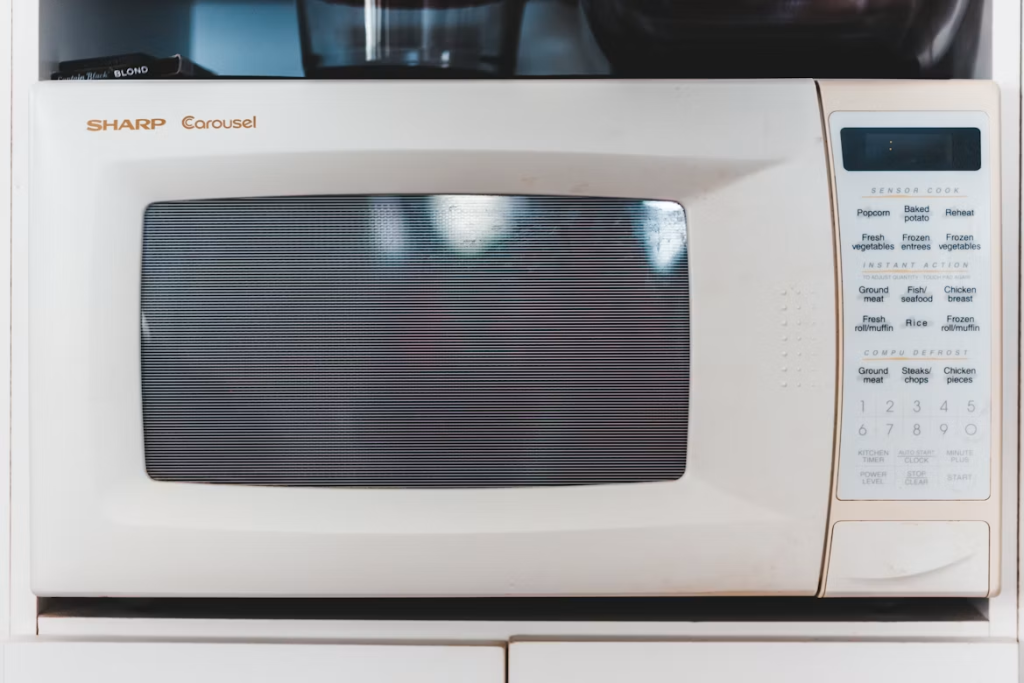
Microwave Ovens
Today’s microwave might be the least glamorous appliance in the kitchen, but early home versions were expensive novelties. Owning one suggested that your household had both disposable income and access to the latest technology.
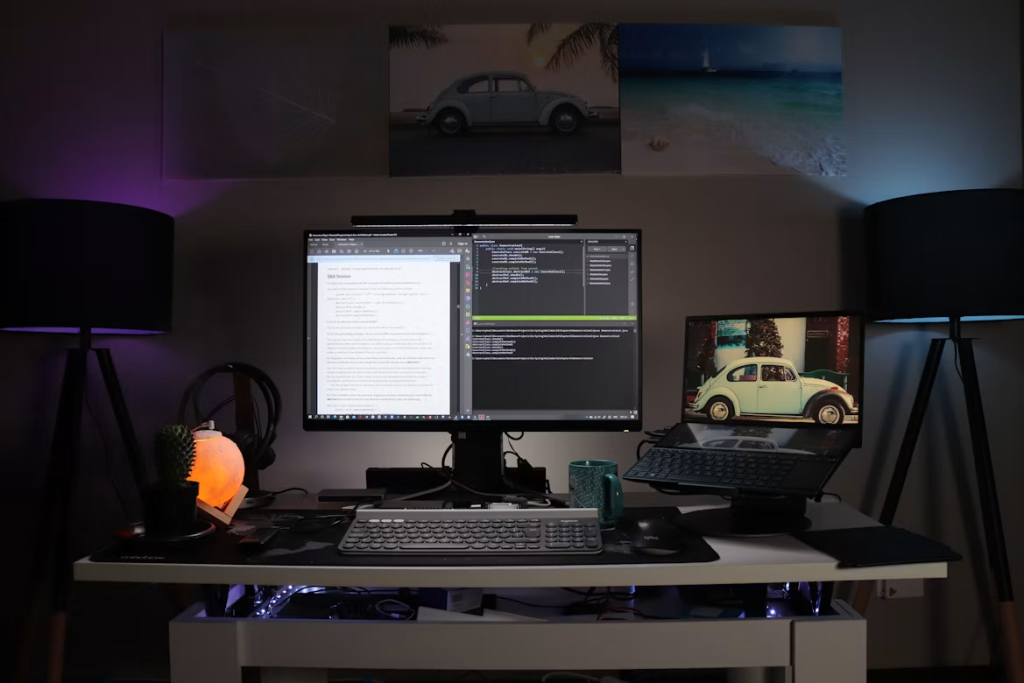
Home Computers
Long before nearly everyone carried a powerful computer in their pocket, having one at home was a much bigger deal. During the early personal-computer era, the machines could cost thousands of dollars and instantly made a household look technologically ahead of the curve.
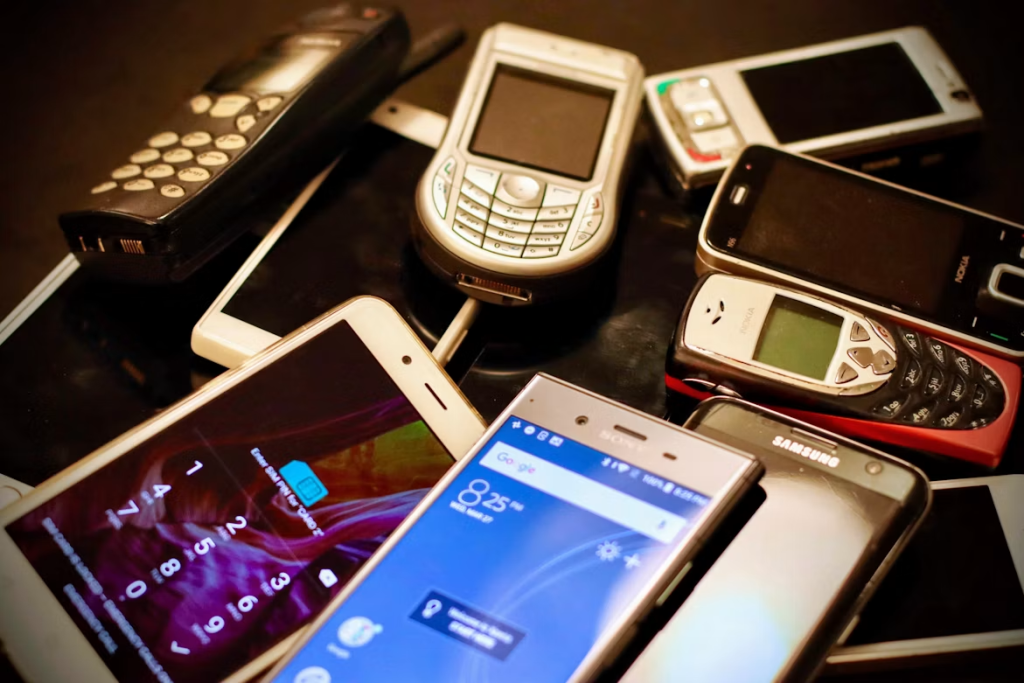
Cell Phones
Early mobile phones were hardly the pocket-sized necessities they are today. The devices themselves could cost thousands of dollars, and their high service costs helped turn carrying one into a very visible sign that someone had money or an important job.
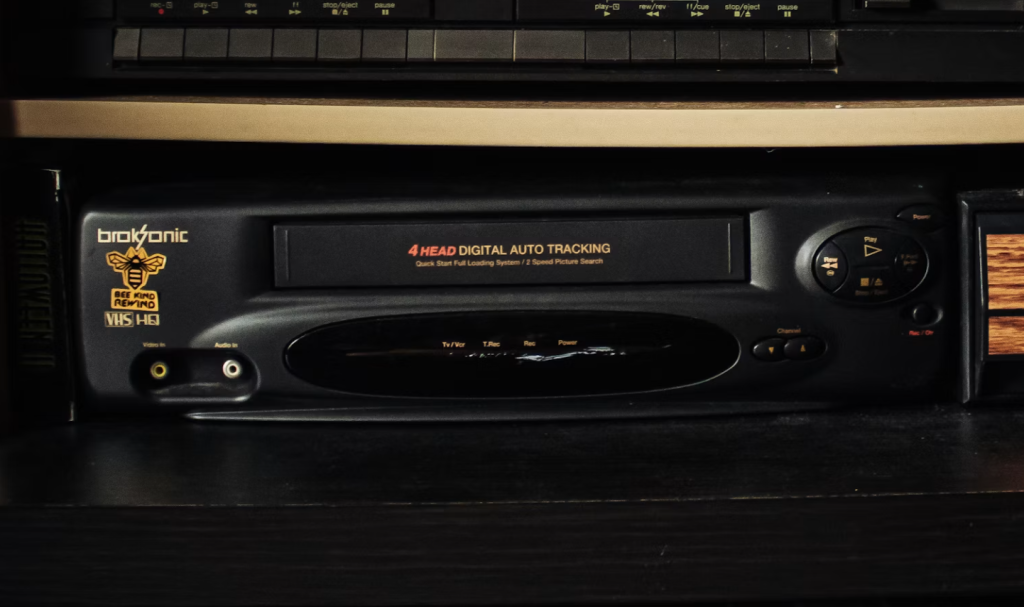
VCRs
A machine for watching movies whenever you wanted sounds laughably ordinary now, but early VCRs were major purchases. Families who owned one could record television and build movie collections while everyone else still had to watch whatever happened to be on.

Air Conditioning
Central air is expected in plenty of homes today, but cooling an entire house was once a serious luxury. As residential air conditioning expanded during the mid-20th century, a cool home in the middle of summer could be a pretty convincing display of comfort and wealth.
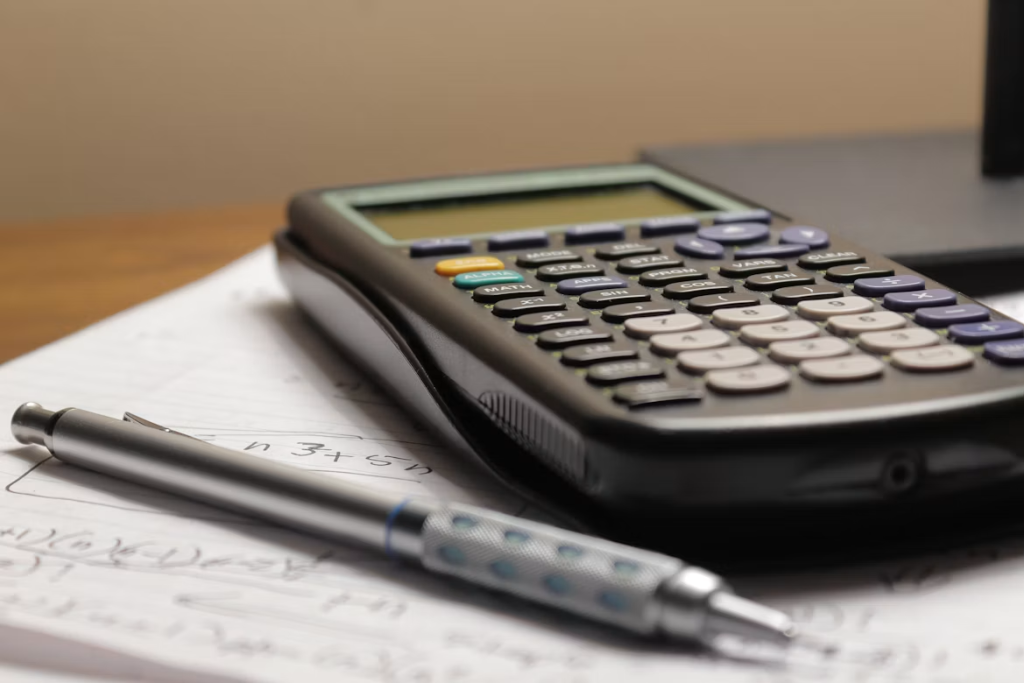
Pocket Calculators
There was a time when pulling out a calculator was considerably more impressive than doing arithmetic. Early electronic pocket calculators sold for hundreds of dollars, turning a tool now handed out to schoolchildren into a desirable piece of cutting-edge technology.

Ballpoint Pens
Few people would think twice about losing a ballpoint pen today, but the earliest commercially successful versions were luxury purchases. When Reynolds introduced its ballpoint in the United States in 1945, it sold for $12.50, making a simple pen surprisingly expensive for the time.
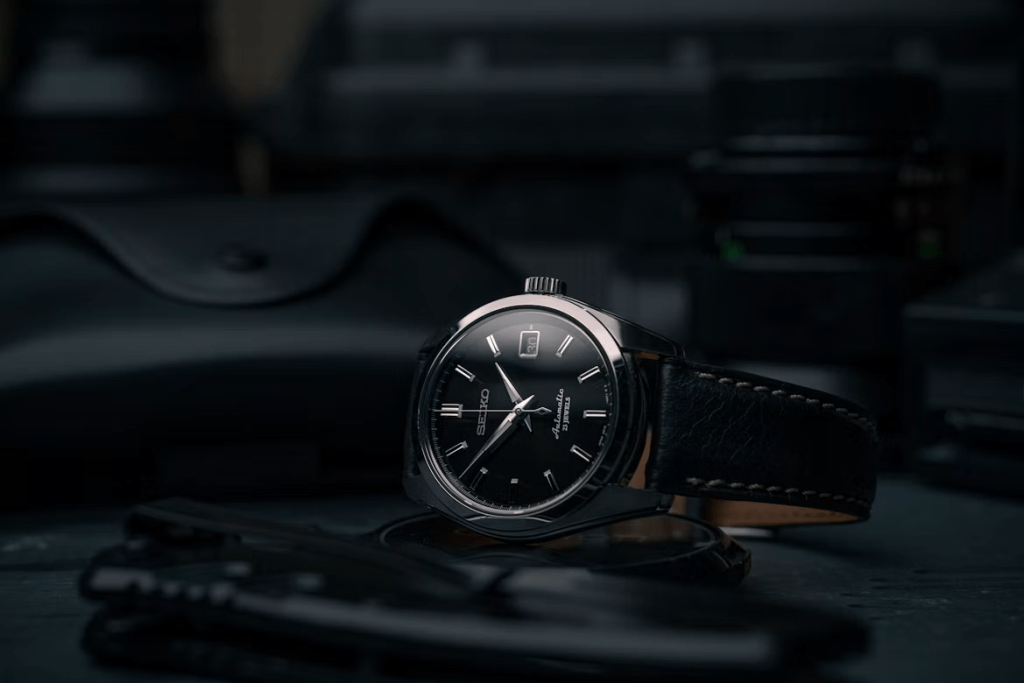
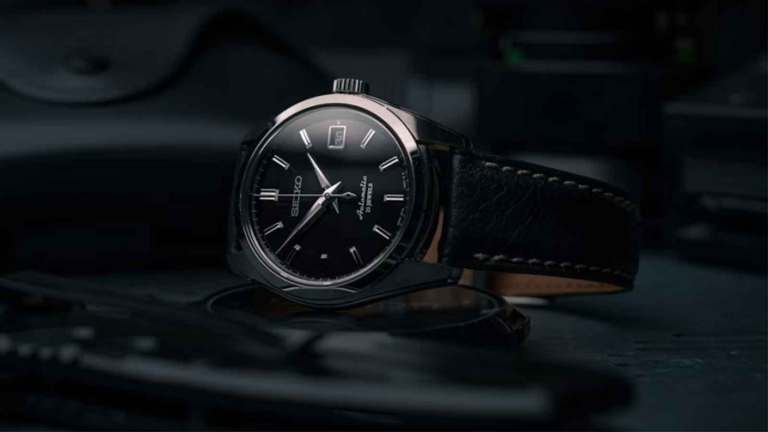
Wristwatches
Before phones put the exact time on every screen around us, a well-made wristwatch could say quite a bit about its owner. Watches became increasingly accessible during the 20th century, but particular materials, brands, and levels of craftsmanship made them an easy way to display wealth.
Cameras
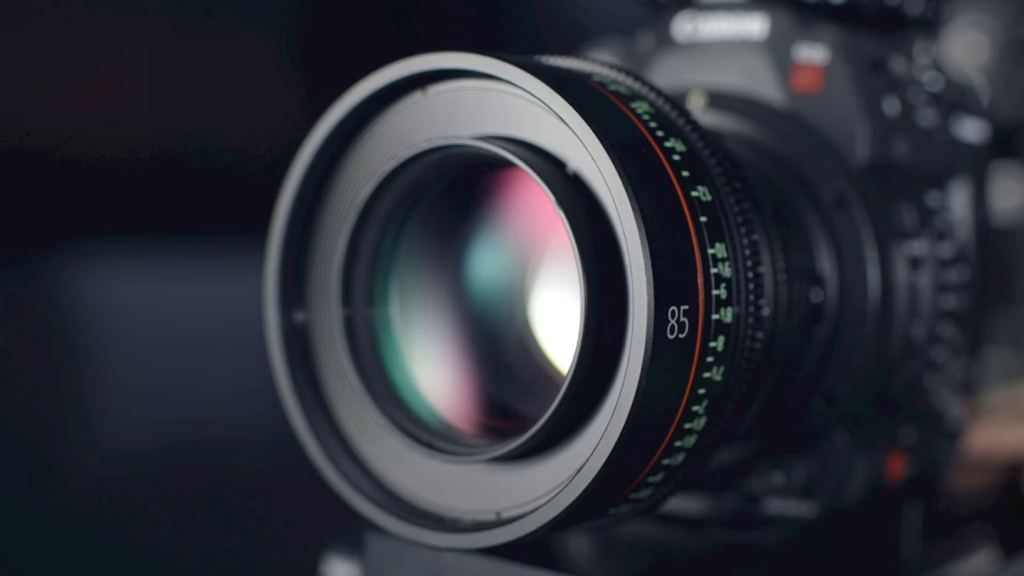
Taking hundreds of photographs now costs practically nothing once you own a phone. For much of photography’s history, however, owning a personal camera, buying film, and paying to develop photographs required enough money that documenting everyday life was itself something of a privilege.

Sunglasses
Sunglasses were not always the cheap accessory found on practically every store rack. Their association with Hollywood stars, pilots, and fashionable vacationers helped turn certain styles into symbols of glamour before mass production made them widely accessible.
Luggage
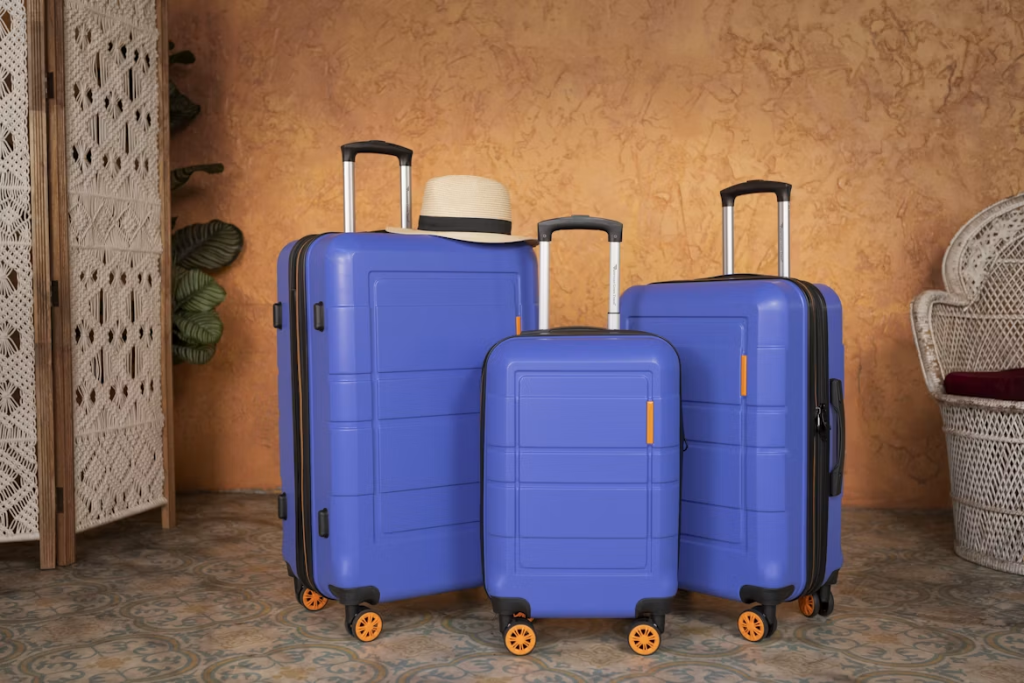
A matching set of sturdy luggage once said more than simply, “I’m going somewhere”. Leisure travel itself required money, so expensive trunks and suitcases became visible symbols of a lifestyle that included vacations, hotels, and long-distance trips.

Books
A packed bookshelf does not usually scream extravagant wealth today, but books were once labor-intensive objects copied and decorated by hand. Before printing dramatically reduced their cost, building a personal library required the kind of money available mainly to royalty, religious institutions, and wealthy elites.

Ice
Opening the freezer for a handful of ice cubes could hardly feel more ordinary now. Before mechanical refrigeration, however, ice had to be harvested, stored, and transported, and in warm climates access to it could be an impressive luxury reserved for people wealthy enough to keep the heat at bay.