15 Everyday Objects You Wouldn’t Even Recognize Back in the Day

We tend to think of everyday objects as if they’ve always looked more or less the way they do now. A vacuum cleaner is a vacuum cleaner, a refrigerator is a refrigerator, and a telephone is pretty difficult to mistake for anything else. Go back far enough, however, and things get considerably stranger. Before manufacturers figured out the designs we’re familiar with today, ordinary household products could be enormous, complicated, or just completely unrecognizable. Some required multiple people to operate, while others looked more like scientific equipment than something you’d keep around the house. From early washing machines to alarm clocks that could pass for torture devices, these familiar objects had some seriously weird ancestors.
Vacuum Cleaners Were Enormous
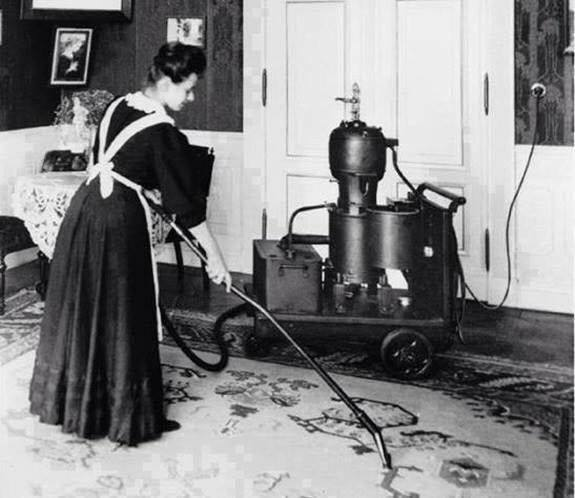
Early vacuum cleaners weren’t exactly something you could casually pull out of a closet. Some models were huge machines that remained outside while long hoses were brought through a home’s windows and doors to clean inside.
Refrigerators Were Basically Fancy Ice Boxes
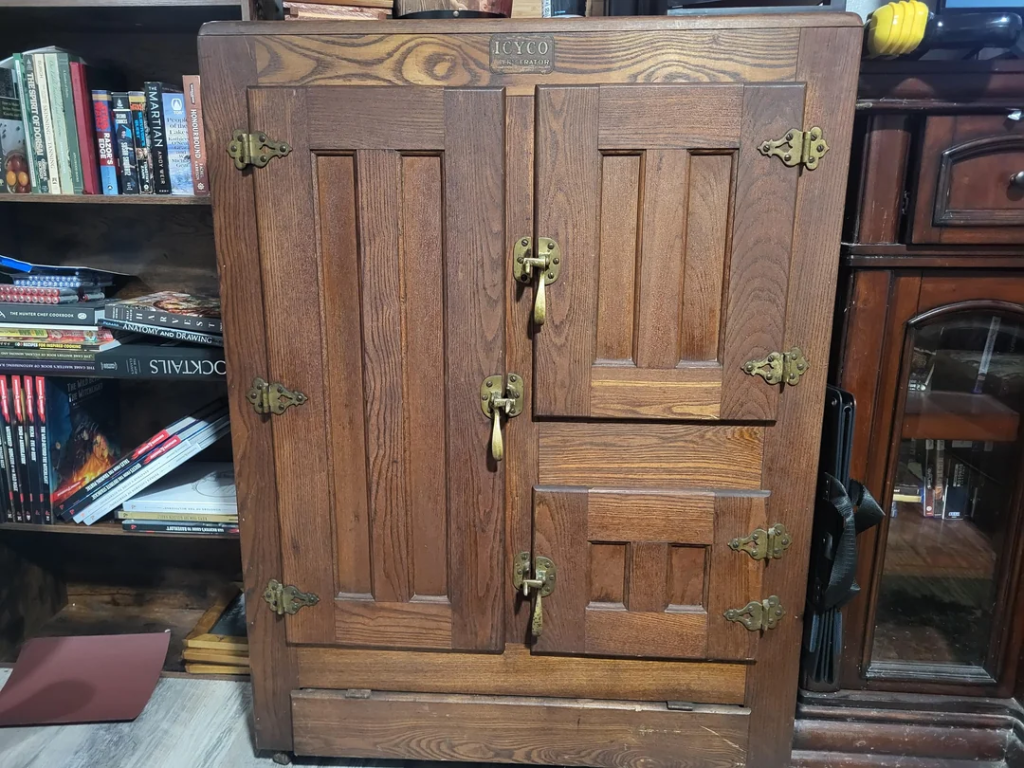
Before electric refrigerators became common, households used insulated cabinets called iceboxes. A large block of actual ice kept food cold, meaning the ancestor of today’s fridge looked much more like a wooden cupboard.
Washing Machines Required a Lot More Work
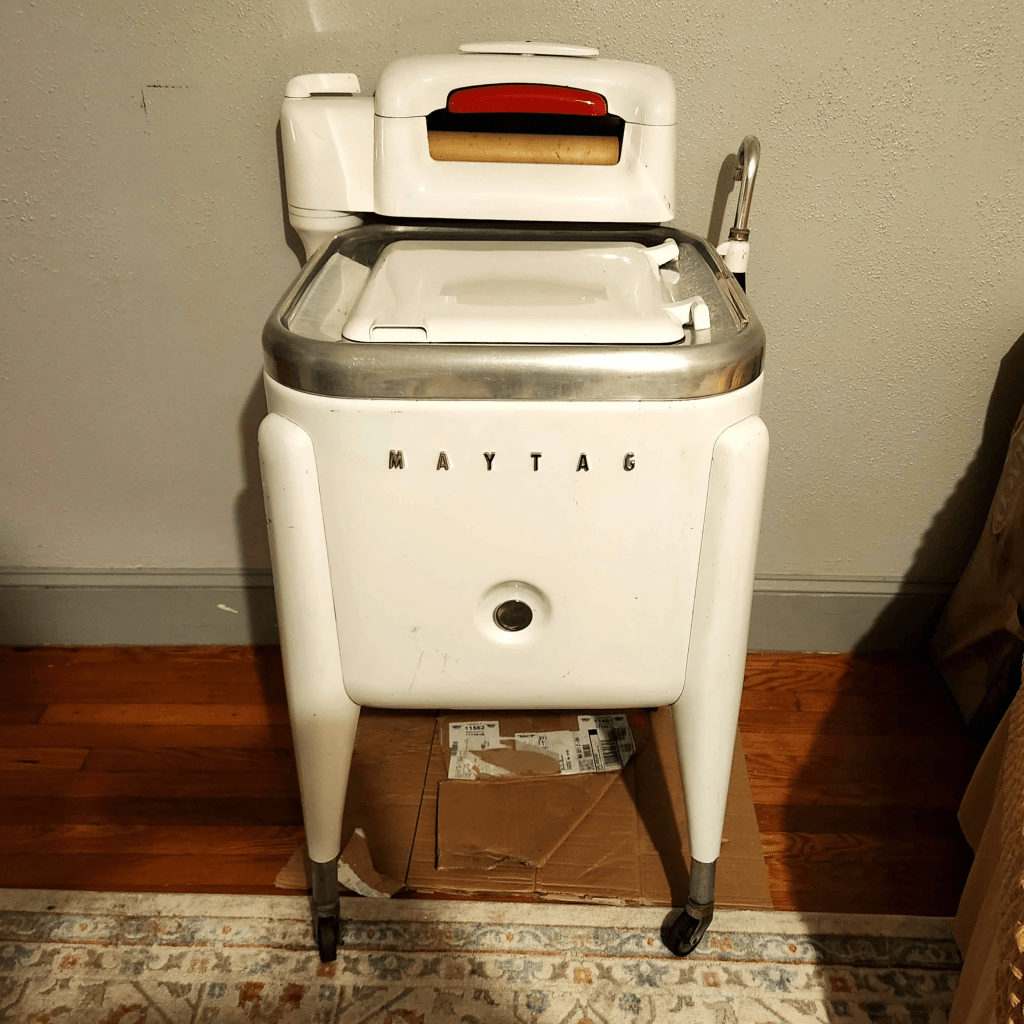
Early washing machines were a major improvement over washing everything entirely by hand, but “automatic” they were not. Many featured wooden tubs, hand-operated mechanisms, and wringers that look nothing like today’s sleek appliances.
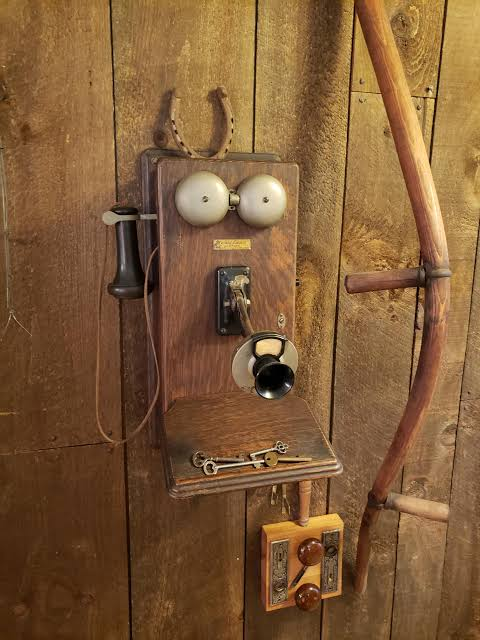
Telephones Had Almost No Resemblance to Smartphones
An early telephone could involve a separate receiver, mouthpiece, crank, and even a large wooden box mounted to the wall. Put one next to an iPhone and it’s difficult to believe both objects were designed for essentially the same purpose.
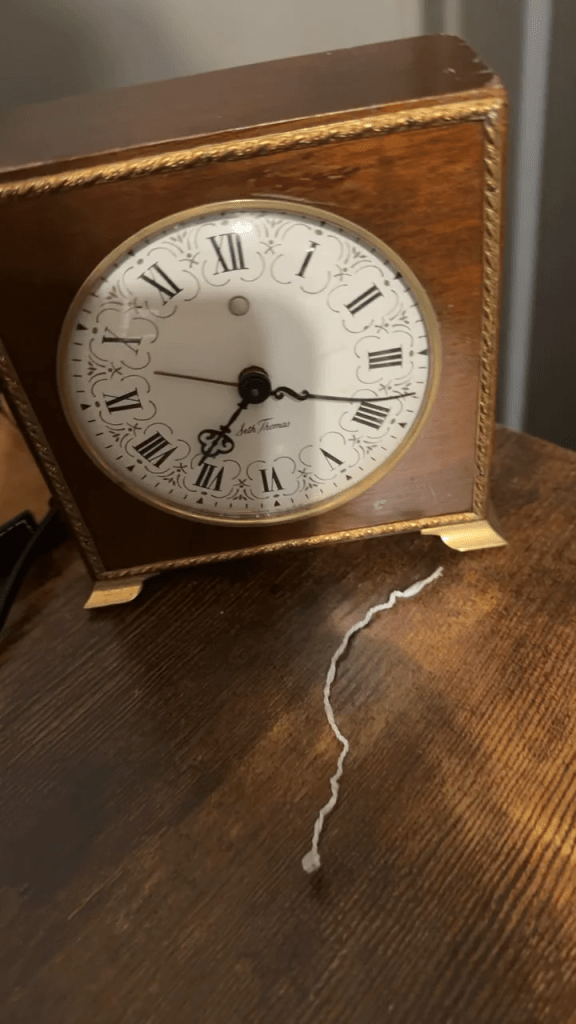
Alarm Clocks Could Look Like Tiny Machines
Mechanical alarm clocks existed in all kinds of strange configurations before the familiar bedside versions took over. Some early examples look more like complicated pieces of laboratory equipment than something designed to wake you up for work.
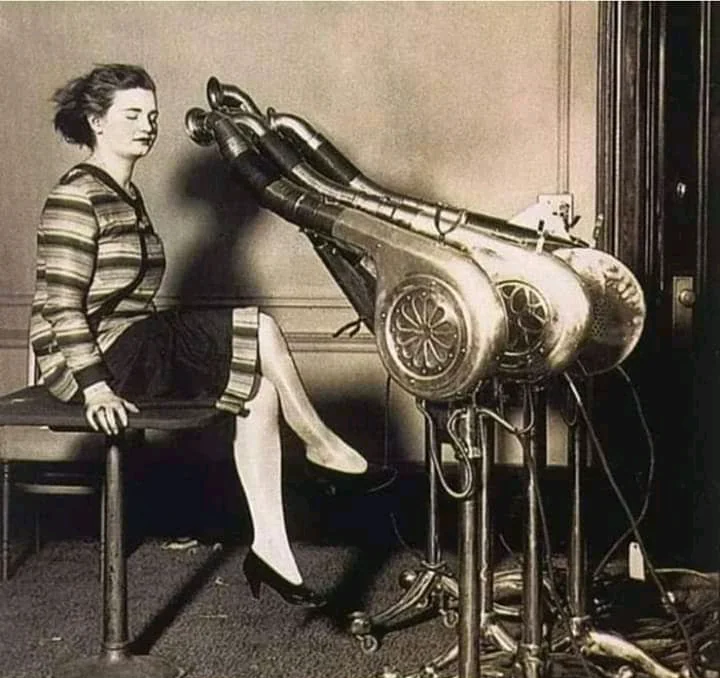
Hair Dryers Were Slightly Terrifying
Early electric hair dryers weren’t the compact handheld devices we’re used to. Salon versions could involve large metal hoods and tubes surrounding a person’s head, creating a setup that looks more medical than cosmetic.
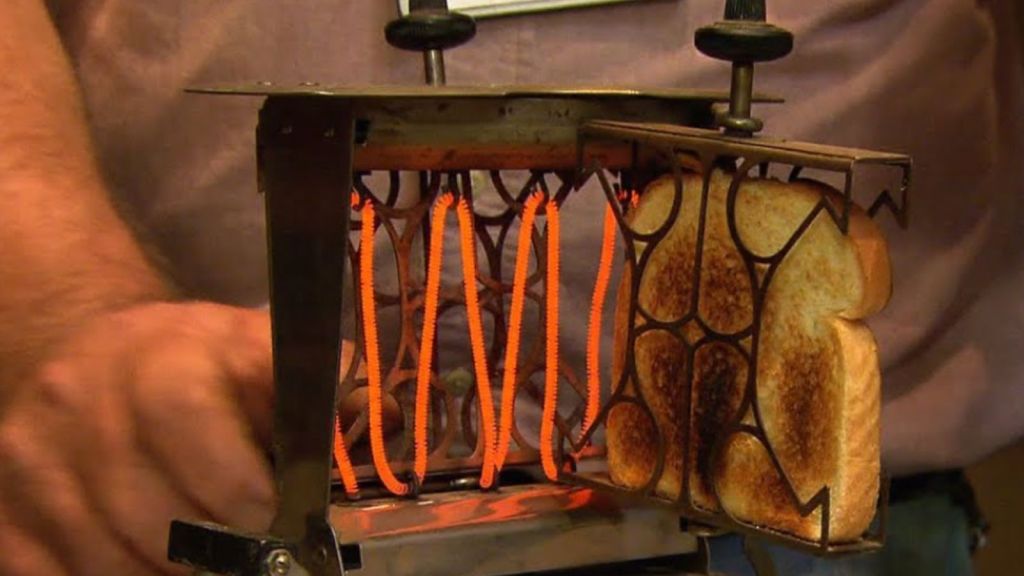
Toasters Didn’t Hide the Bread
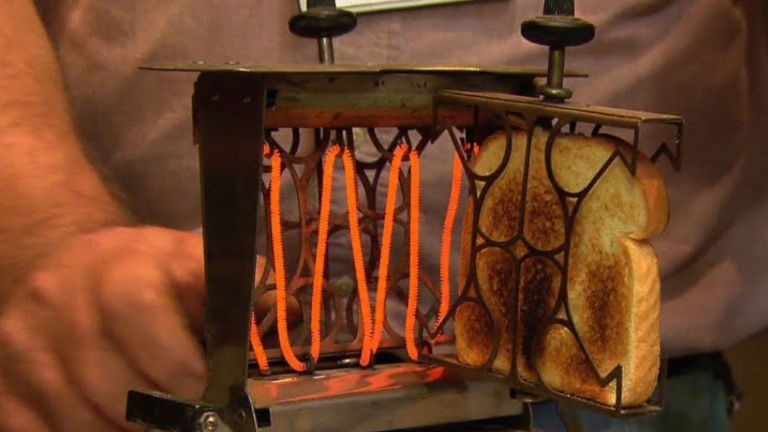
Some early electric toasters simply heated one side of a slice of bread at a time. Users placed bread against exposed heating elements and then manually flipped it over, a long way from pressing a button and waiting for toast to pop up.
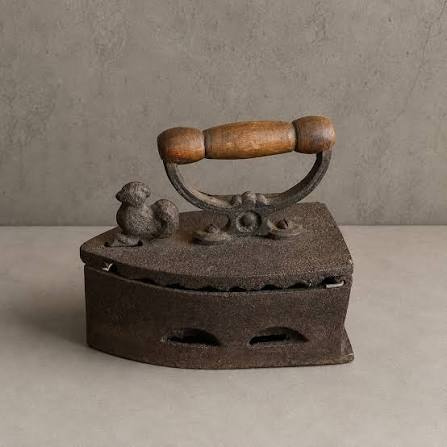
Irons Were Literally Heated Pieces of Metal
Before electric irons, people used heavy metal irons that were heated directly on a stove or filled with hot coals. The basic shape is somewhat familiar, but everything about actually using one feels very different.
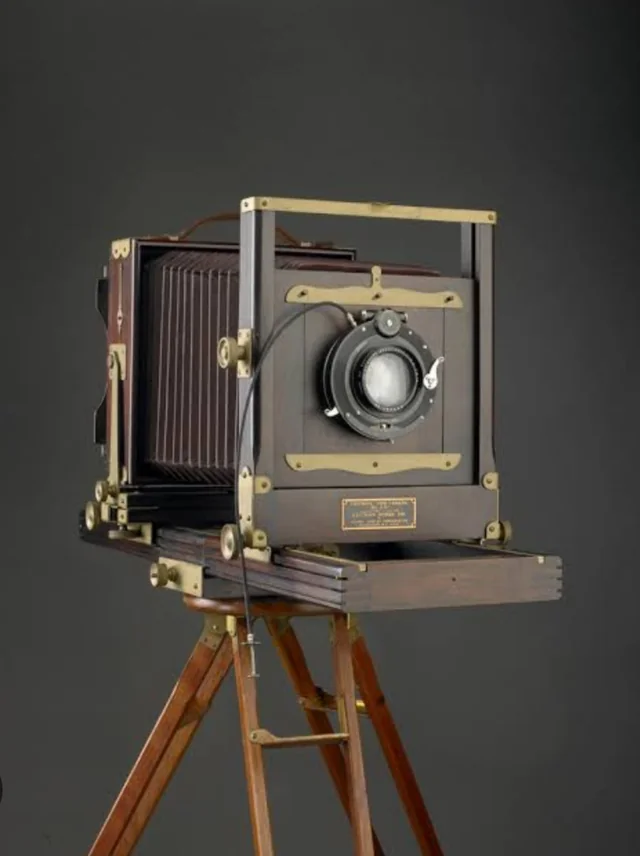
Cameras Looked Like Pieces of Furniture
Early cameras could be enormous wooden boxes mounted on equally substantial tripods. Add the photographer disappearing beneath a dark cloth, and taking a picture suddenly looked like operating a mysterious machine.
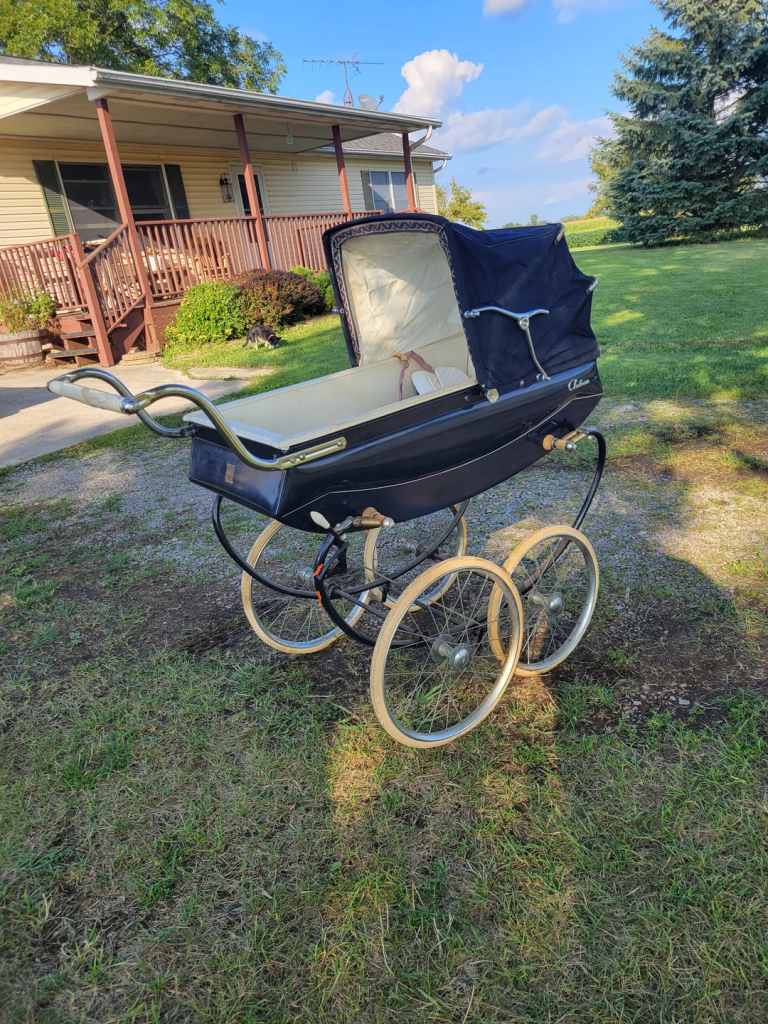
Baby Carriages Were Practically Tiny Carriages
Early baby carriages borrowed heavily from full-size horse-drawn transportation. With large wheels, elaborate frames, and substantial bodies, some vintage versions look closer to miniature vehicles than modern strollers.
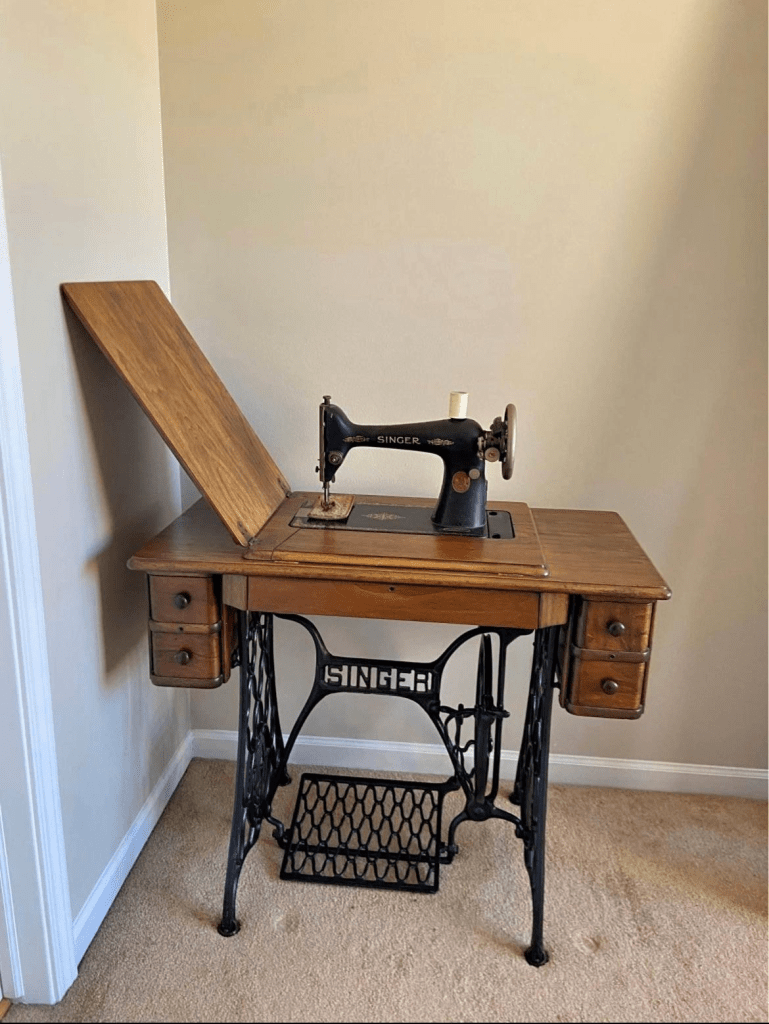
Sewing Machines Came With Their Own Furniture
Long before compact electric machines, home sewing machines were often built directly into large tables and operated using a foot-powered treadle. The machine was only one part of a surprisingly substantial piece of furniture.
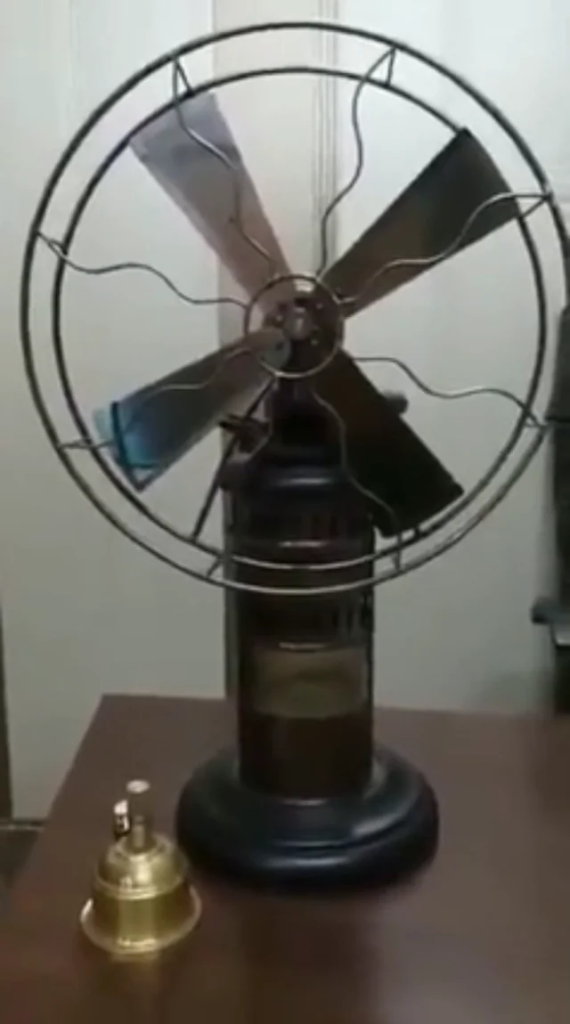
Fans Didn’t Always Have Protective Cages
Vintage electric fans can look familiar until you notice how exposed the blades are. Early designs often lacked the extensive protective guards we’d expect today, making them considerably more intimidating than a modern desk fan.
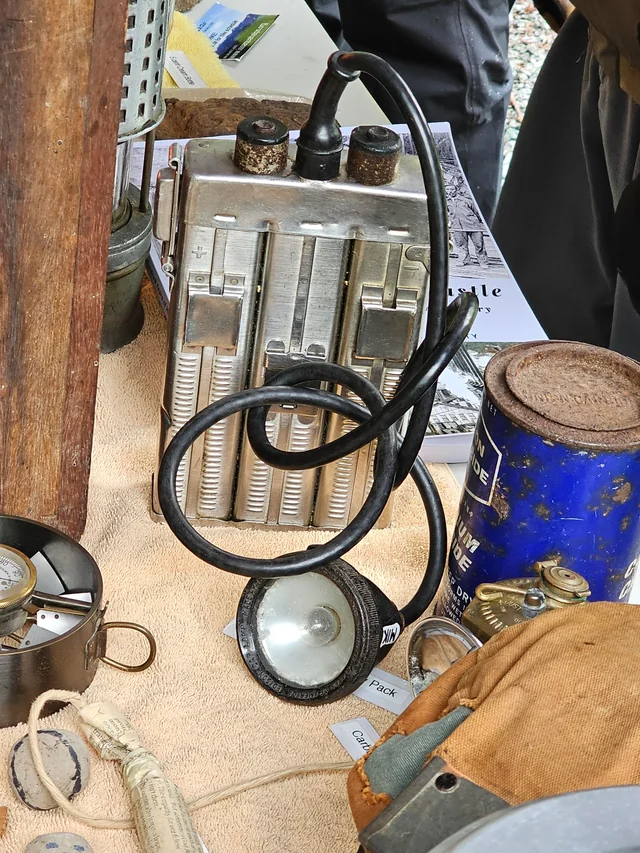
Flashlights Looked More Like Boxes
The earliest portable electric lights weren’t necessarily the neat cylinders we now call flashlights. Some designs used bulky battery cases and unusual shapes that make their purpose far from obvious at first glance.
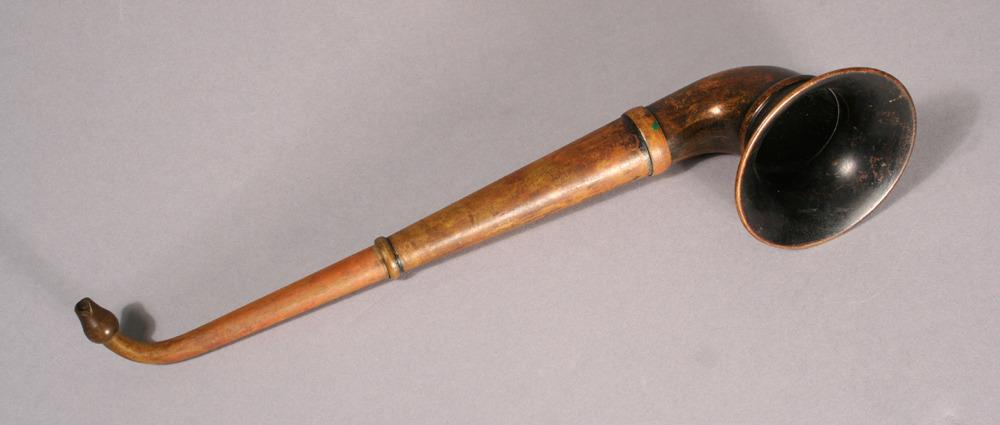
Hearing Aids Could Be Huge
Long before tiny electronic hearing aids, people used devices such as ear trumpets to amplify sound. Some were small enough to carry, while others were elaborate contraptions that barely resemble today’s discreet devices.
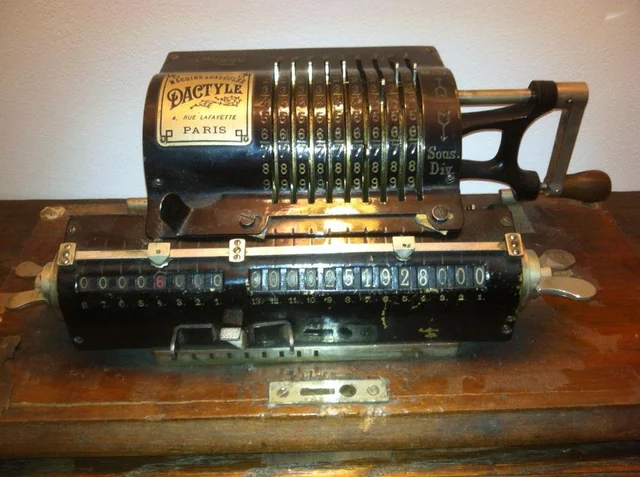
Calculators Were Full-Blown Machines
Before pocket calculators, mechanical calculating machines filled desks with buttons, levers, and gears. Without knowing what you’re looking at, some could easily be mistaken for an old cash register or typewriter.