15 Dark Facts Hollywood Doesn’t Want People to Remember

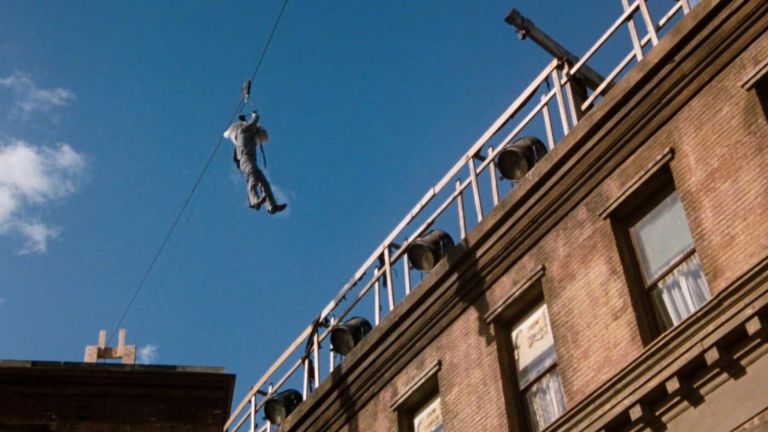
Hollywood has always projected glamour, success, and the idea that movies are pure escapism. Behind that polished image, however, the industry has a long history of difficult truths that rarely make it into press tours. From strict creative control systems that shaped what audiences were allowed to see, to working conditions that were far from safe by today’s standards, the history of cinema is full of decisions driven by profit, pressure, and power rather than artistry alone.
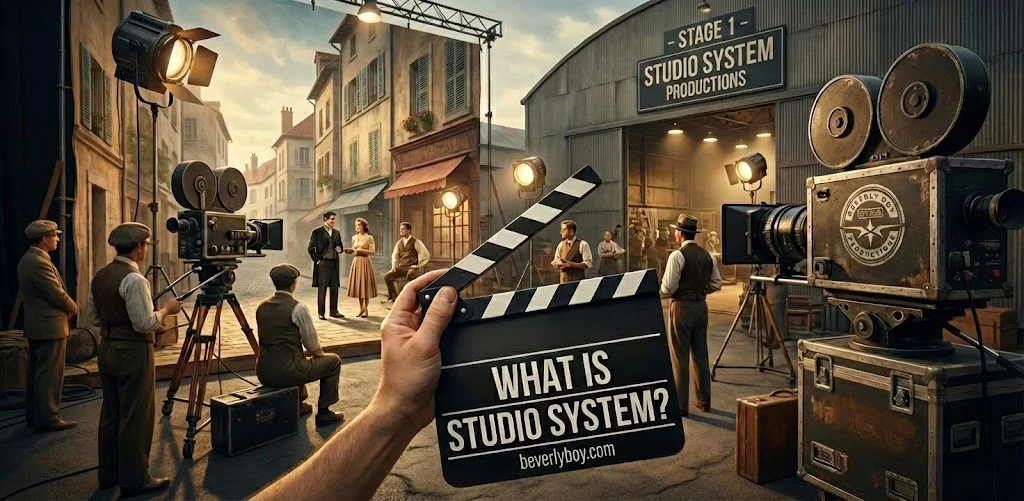
Studio System Control Over Actors
Major studios once controlled actors’ contracts, public images, and even career decisions in highly restrictive ways.
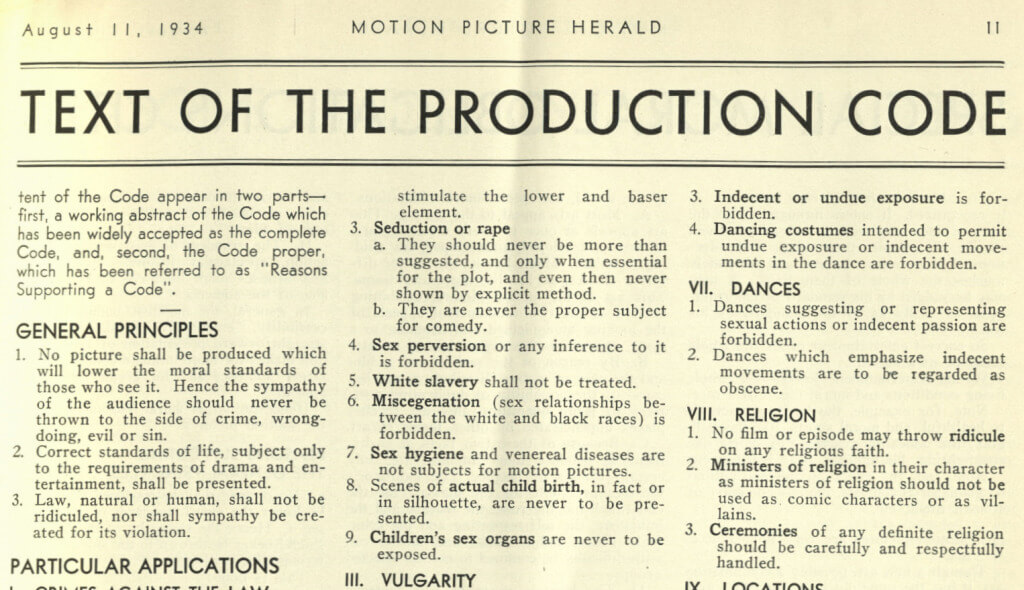
The Hays Code Restrictions
For decades, strict moral guidelines heavily controlled what filmmakers were allowed to show on screen.
The Hollywood Blacklist Era
During the mid 20th century, many actors and writers were effectively banned from working due to political accusations and industry pressure.

Typecasting of Minority Actors
Many actors were repeatedly cast in narrow roles that limited their opportunities for decades.
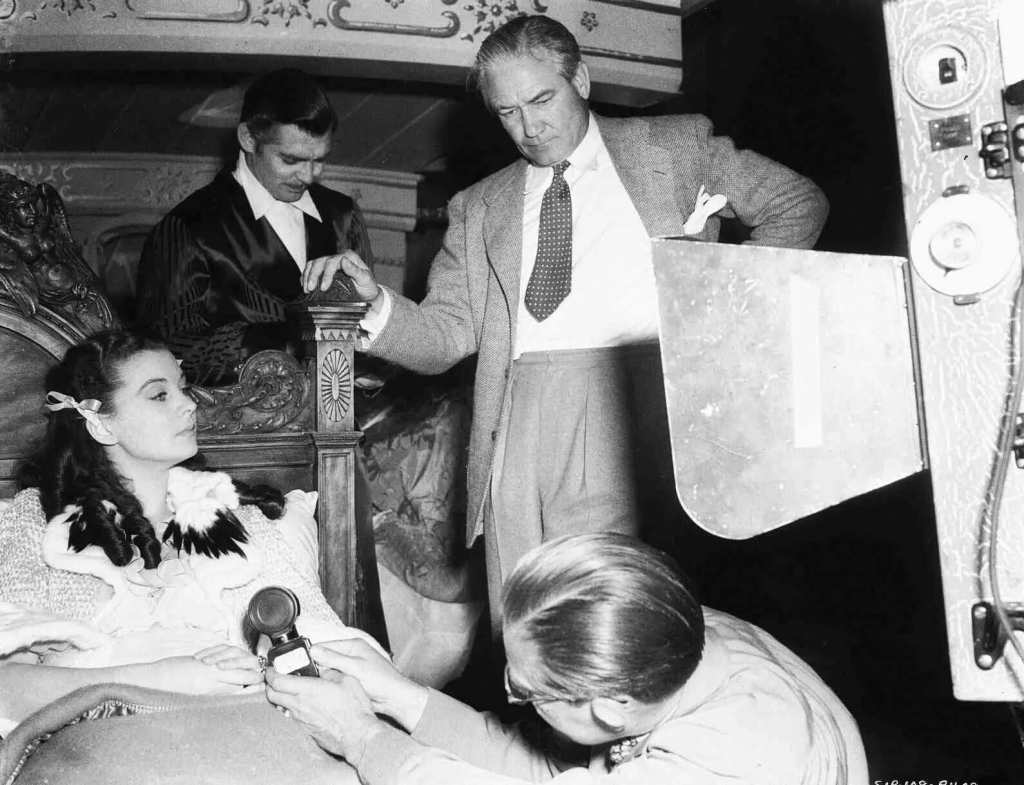
Uncredited Writers in Classic Films
Many screenwriters contributed to major films without receiving official credit due to studio practices at the time.

Uneven Recognition at Awards
Many influential contributors to classic cinema were overlooked during major award seasons.

Use of Real Locations Under Harsh Conditions
Some productions filmed in environments that would be considered unsafe or unethical by today’s standards.
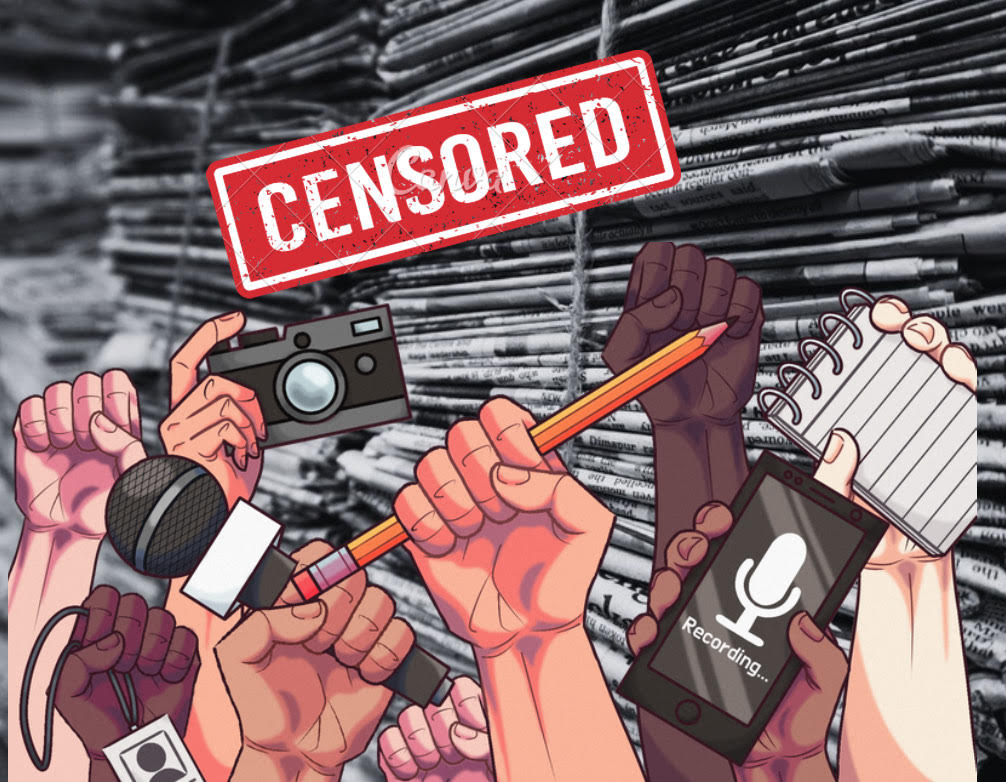
Censorship Shaped Entire Storylines
Major plot points in films were frequently altered to comply with moral and political guidelines.
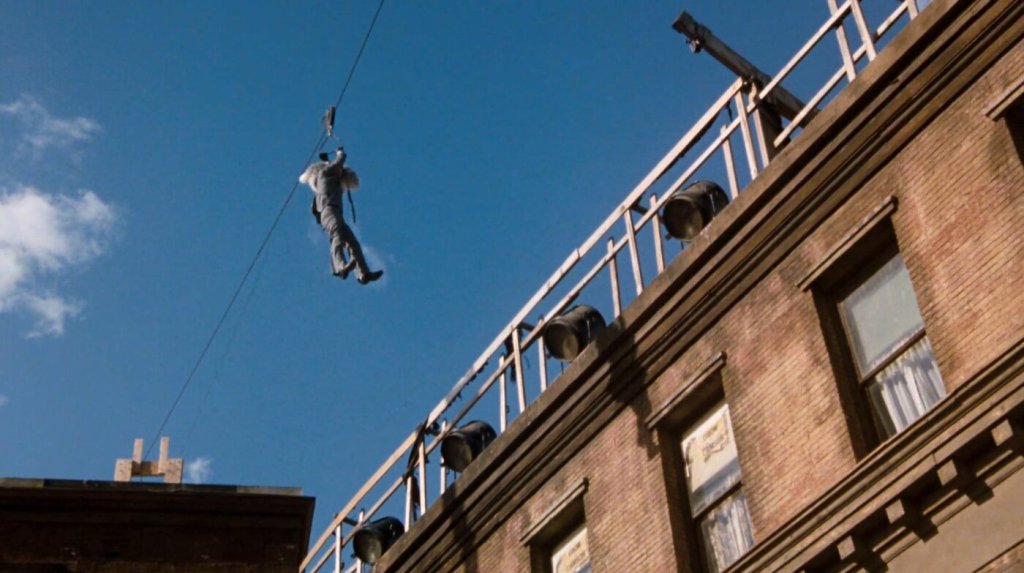
Dangerous Early Stunt Work
Before modern safety standards, stunt performers often worked under extremely risky conditions with limited protection.
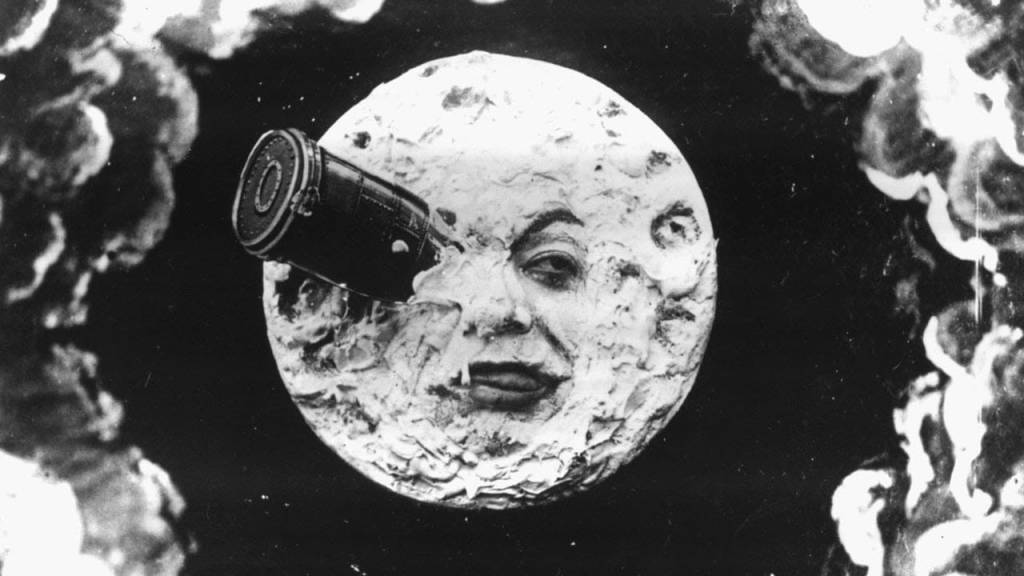
Early Special Effects Risks
Practical effects work in earlier decades sometimes involved materials and setups that posed real hazards.

Hidden Labor Issues Behind the Scenes
Crew members in early Hollywood often worked without the protections or recognition common today.
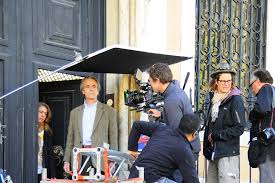
Limited Creative Control for Directors
Many classic films were heavily edited or shaped by studio executives rather than their directors.
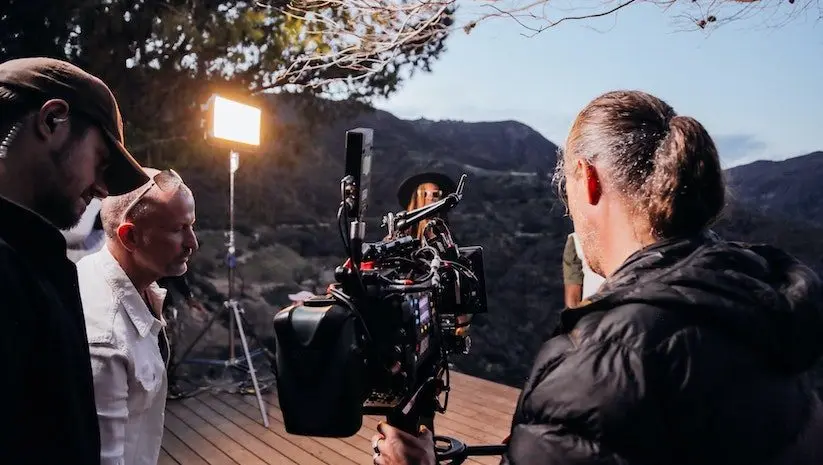
On Set Safety Standards Were Limited
Large productions in earlier eras often lacked the safety protocols expected in modern filmmaking.
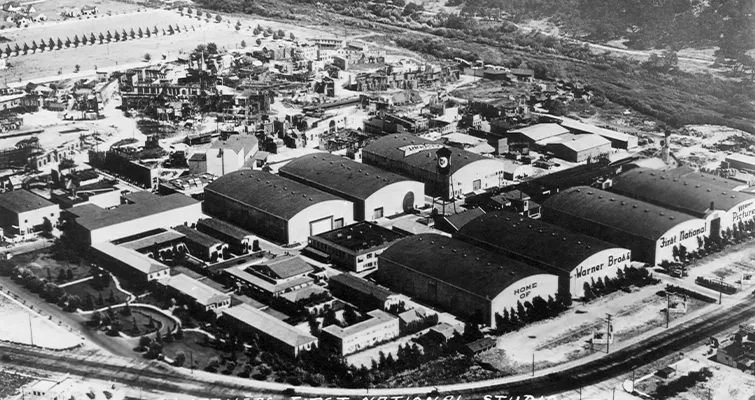
Pressure During Golden Age Productions
Actors were often expected to work long hours under intense studio supervision and strict scheduling.
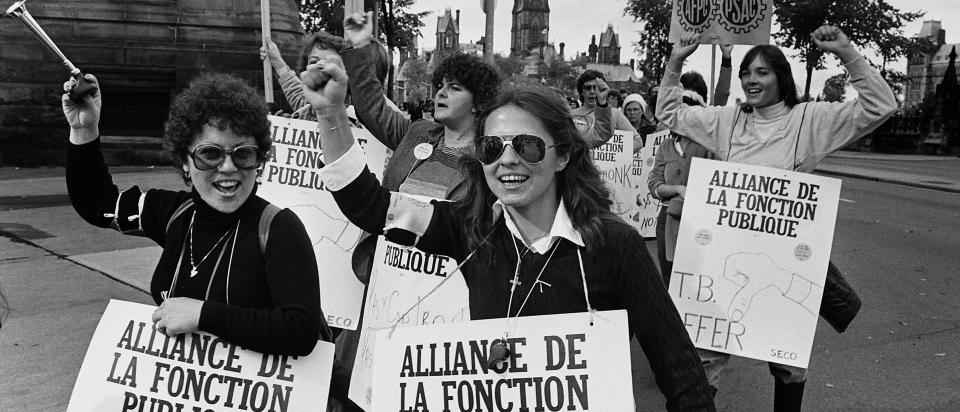
Lack of Pay Equity
Significant gaps in compensation have historically existed between different groups of actors and crew members.