15 Classic Movies it Feels Like You’re Not Allowed to Love Anymore

Humor, sensible themes and what we can talk about on screen changes drastically with the times, reflecting how we ourselves change and evolve as a society. Technology isn’t the only thing moving forward, after all, and part of adapting to the changing times is understanding that, while some movies of the past were enjoyable back then, they aren’t so much so right now.
You can still appreciate these movies, of course, with performances, filmmaking, and widely cultural impact; what matters is recognizing that parts have aged badly. These are classic movies that often make modern viewers feel that admitting how much they enjoy them requires an immediate disclaimer.
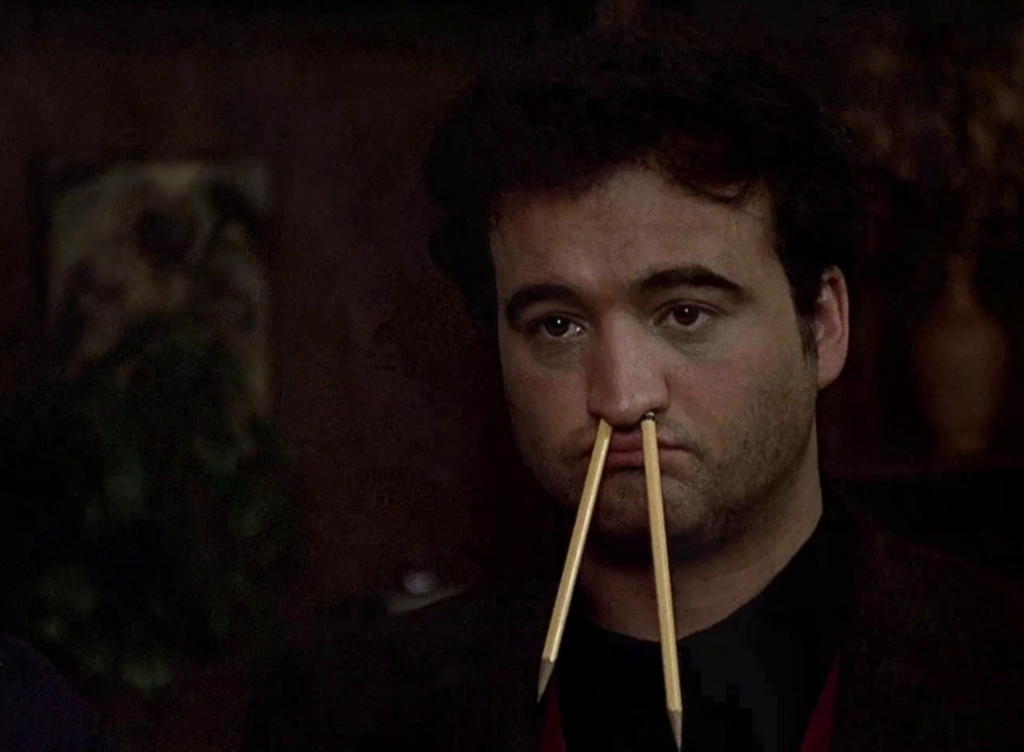
Animal House
Animal House remains one of the most influential college comedies ever made, but its treatment of women, voyeurism, and fraternity culture can make its outrageous humor considerably harder to enjoy through modern eyes.
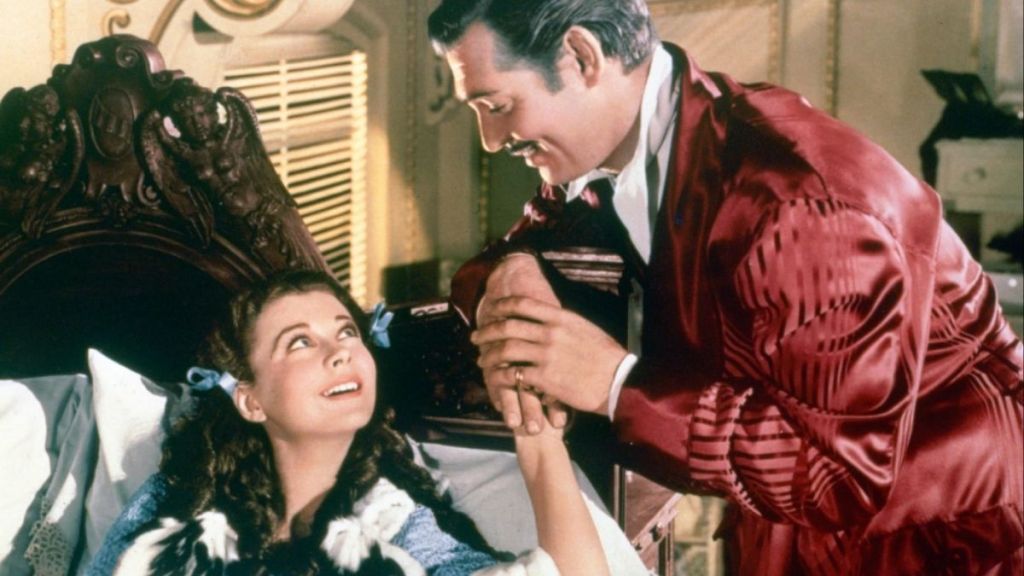
Gone With the Wind
Gone With the Wind is a landmark of Hollywood filmmaking, even though its romanticized vision of the Old South and depictions of slavery have generated decades of criticism. Modern presentations often add historical context rather than ignoring those problems.
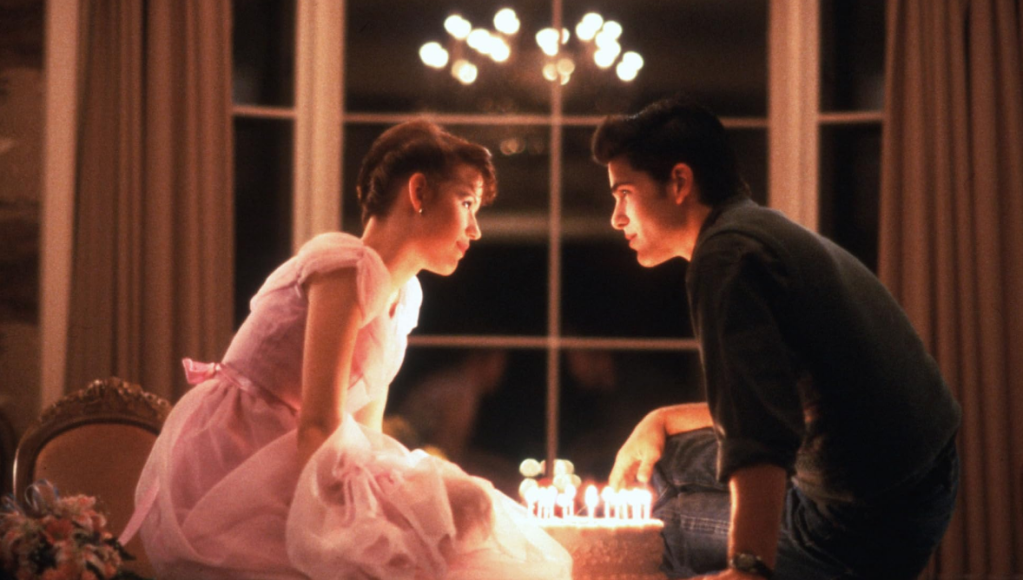
Sixteen Candles
Sixteen Candles is remembered as a defining teen comedy, yet Long Duk Dong’s portrayal relies heavily on racial stereotyping. Its subplot involving an intoxicated teenager being treated as an object also raises serious questions about consent.
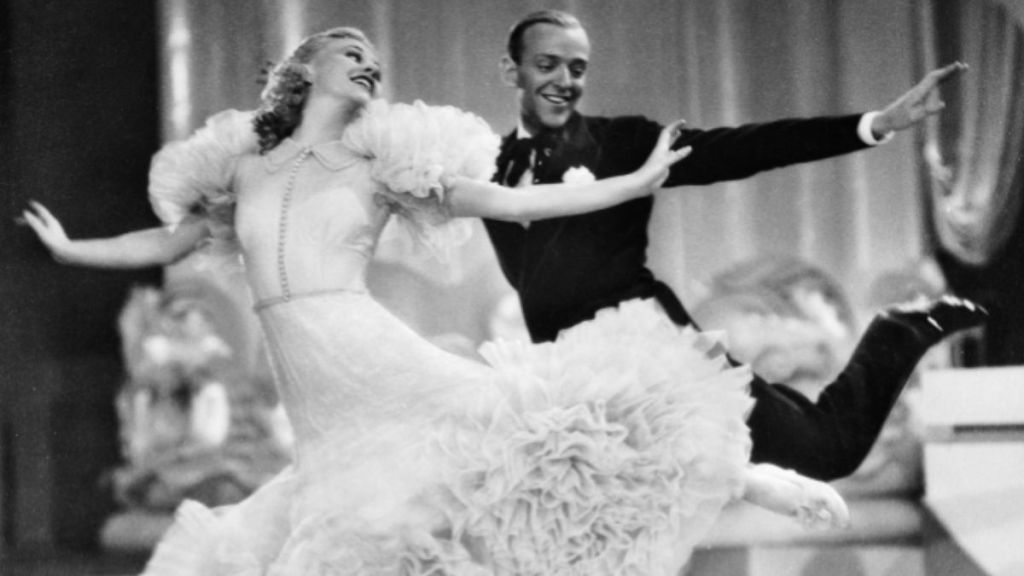
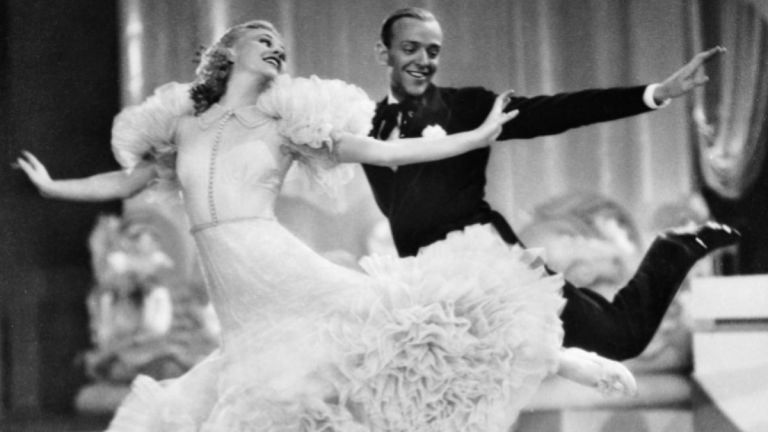
Swing Time
Swing Time is a beloved Fred Astaire and Ginger Rogers musical, albeit one where Astaire performs “Bojangles of Harlem” in blackface. The sequence is historically tied to minstrel traditions, making an otherwise celebrated musical much harder to embrace today.
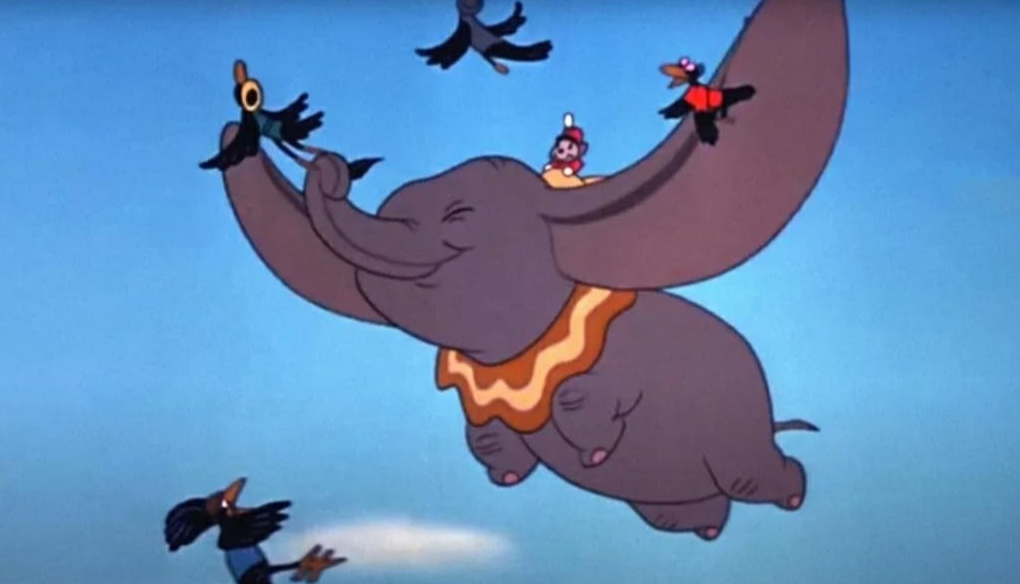
Dumbo
Dumbo remains an animation classic, with crow characters who have drawn longstanding criticism for racial caricature and stereotypes. Disney’s treatment of some problematic material from its older catalog has also prompted continuing discussion about historical context.
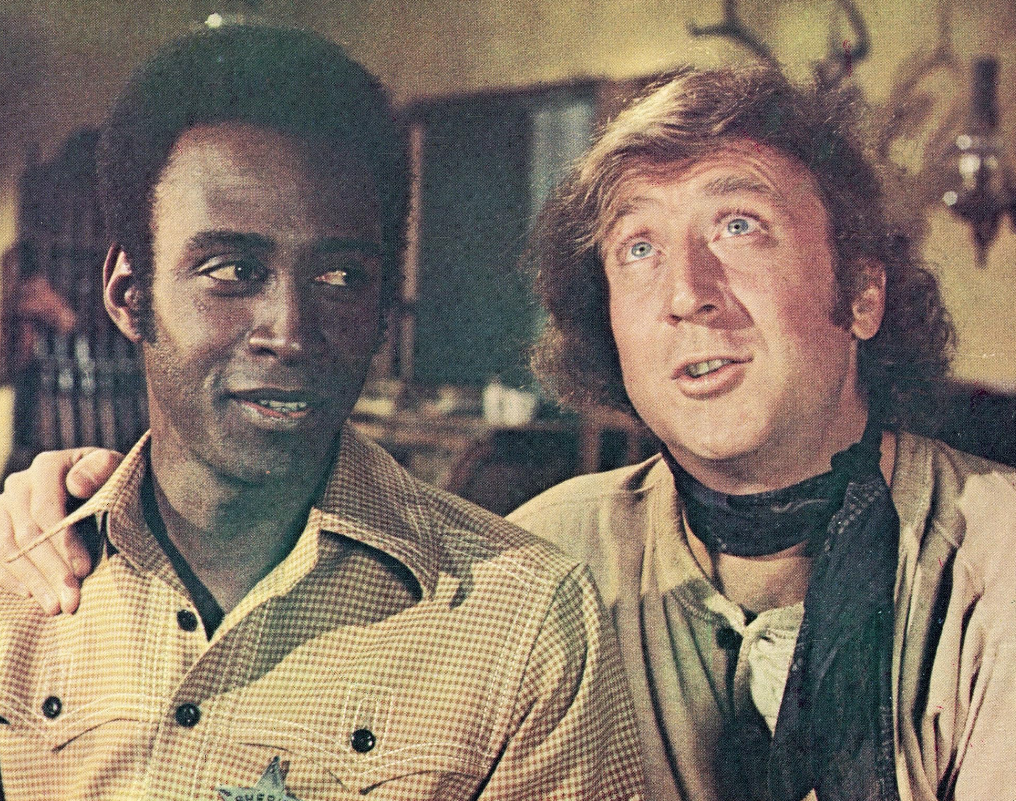
Blazing Saddles
Blazing Saddles was explicitly created as a satire of racism, yet its constant use of slurs and deliberately offensive humor can be difficult to separate from the targets it mocks. Context remains essential when revisiting Mel Brooks’ comedy.
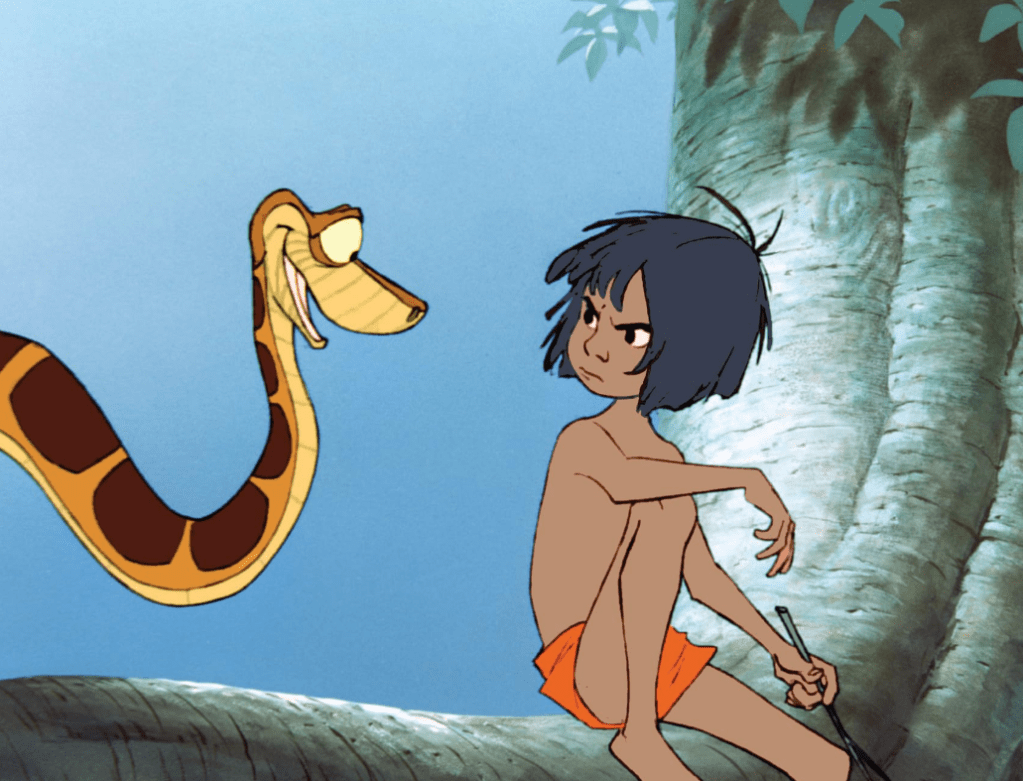
The Jungle Book
Disney’s 1967 animated classic is enormously popular, one criticized by King Louie’s portrayal has been criticized for racial coding and stereotypes. The controversy demonstrates how even beloved family entertainment can acquire uncomfortable baggage as cultural attitudes evolve.
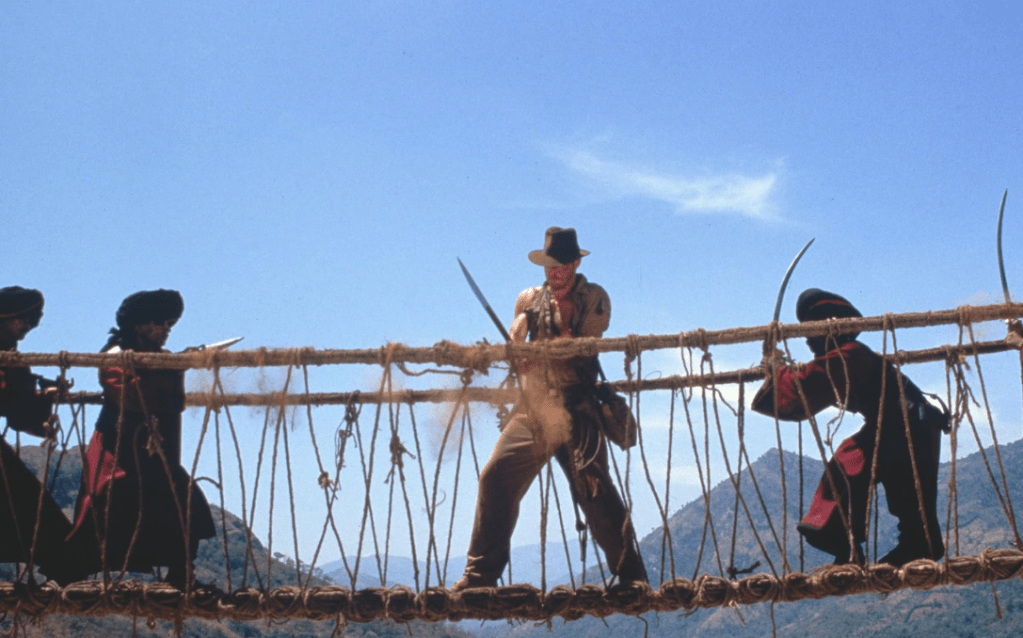
Indiana Jones and the Temple of Doom
Temple of Doom contains spectacular action and is still central to the Indiana Jones franchise, but its depiction of India relies on numerous outdated stereotypes. The film’s portrayal of Indian culture has become increasingly uncomfortable for modern audiences.
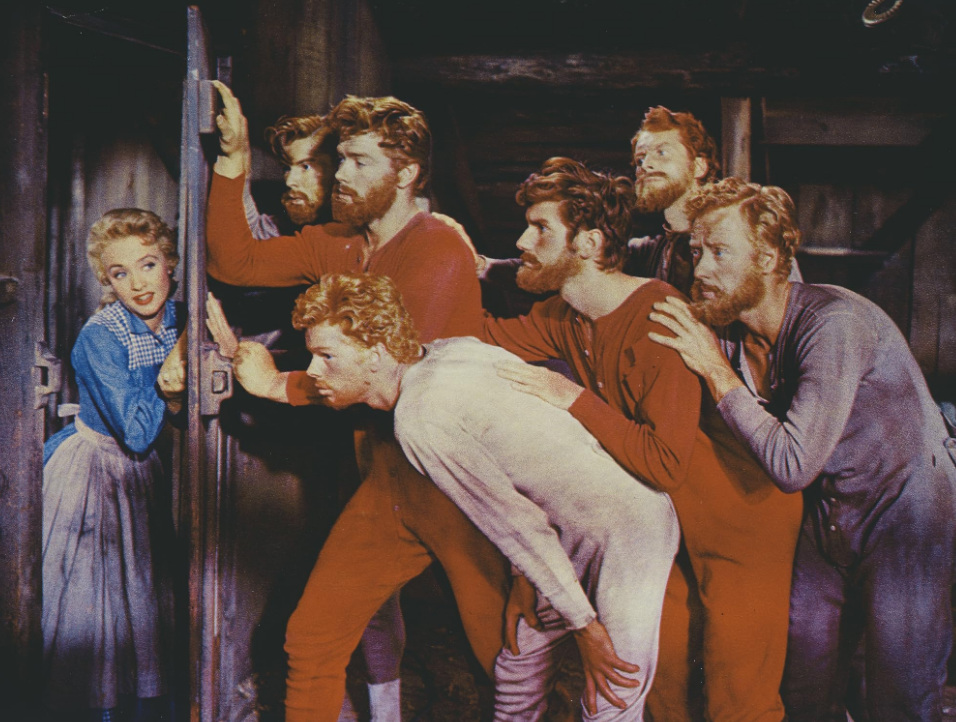
Seven Brides for Seven Brothers
Seven Brides for Seven Brothers features spectacular dancing and memorable songs, even though its central story treats the kidnapping of women as the basis for a cheerful romantic musical. Modern audiences understandably find that premise much harder to laugh at.
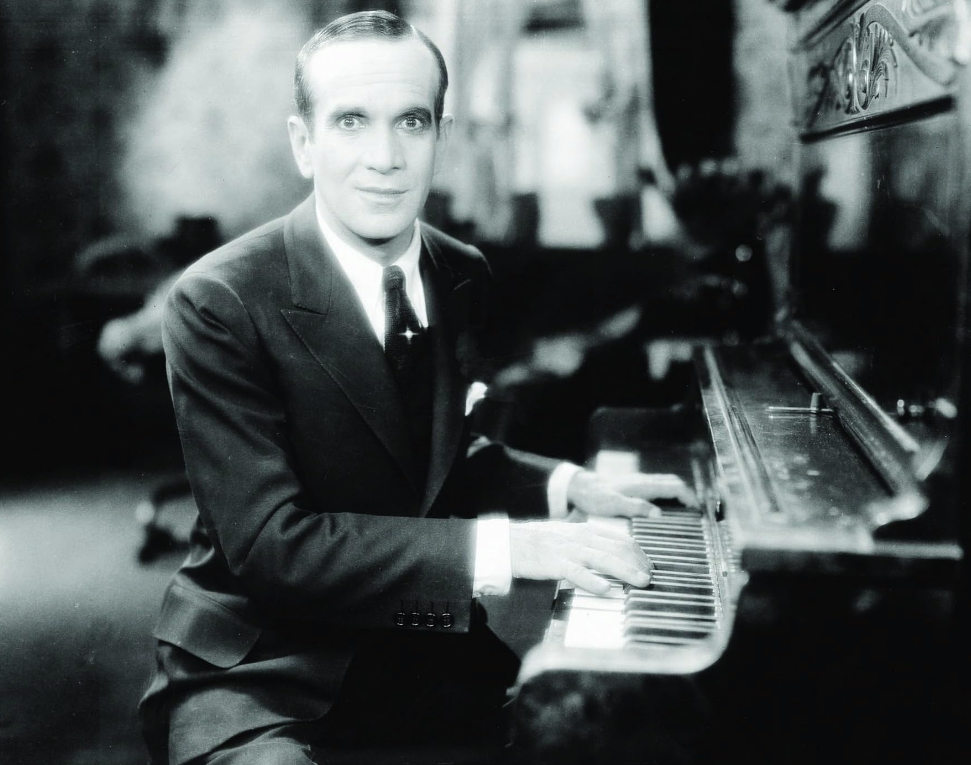
The Jazz Singer
The Jazz Singer is historically significant as the first feature-length talking picture. Al Jolson’s use of blackface makes it deeply uncomfortable today, though. Its technological importance cannot erase its reliance on a racist entertainment tradition.
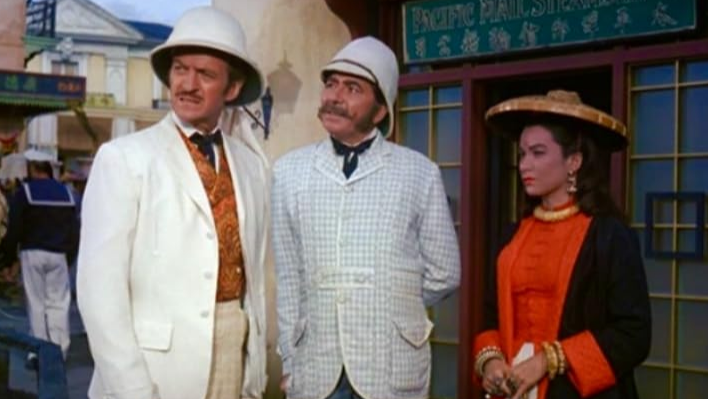
Around the World in 80 Days
The 1956 Best Picture winner was a spectacular Hollywood production, and its treatment of different cultures reflects a heavily Western perspective. What once seemed like globe-trotting adventure can now feel patronizing and culturally insensitive.
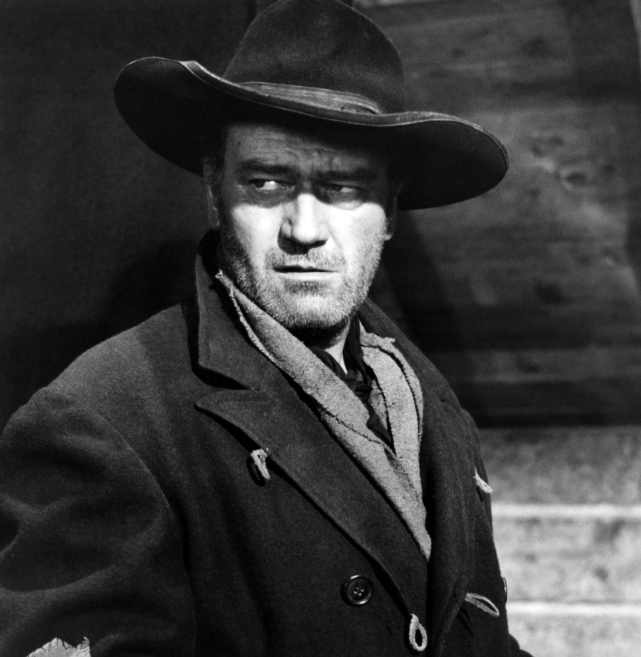
The Searchers
The Searchers is often celebrated as one of the greatest Westerns ever made, and sadly, its depiction of Indigenous people and extreme racial hostility creates complicated modern reactions. Even its defenders frequently acknowledge the film’s deeply troubling elements.
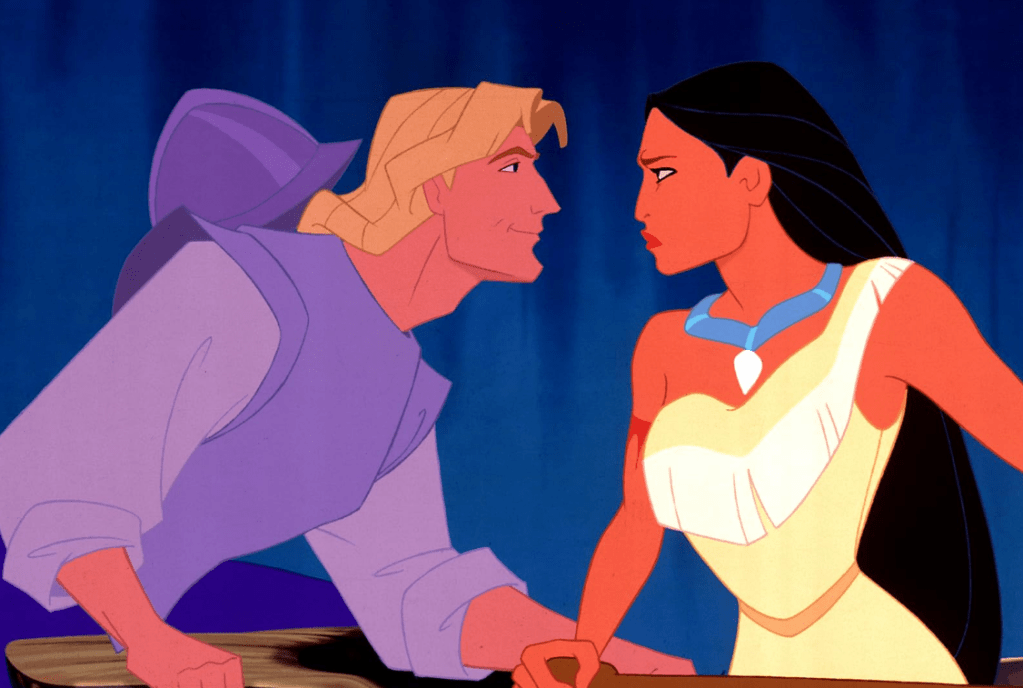
Pocahontas
Disney’s Pocahontas features beautiful animation and memorable music, yet its romanticized version of colonial history dramatically alters the real Pocahontas’s life. Modern criticism often focuses on its historical distortions and simplified treatment of colonization.
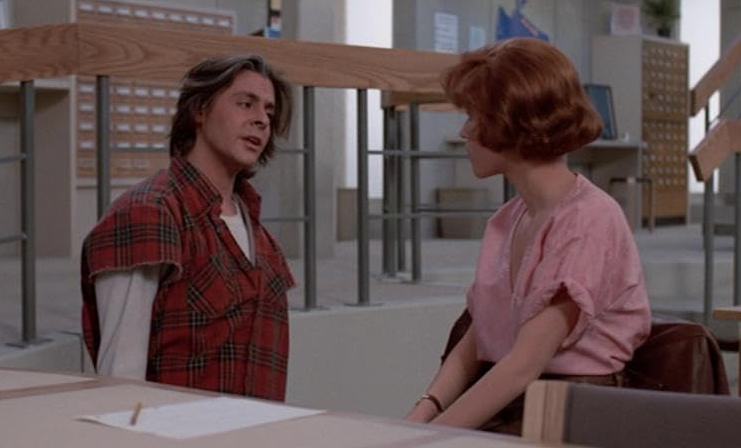
Breakfast Club
The Breakfast Club is still today an enormously influential teen movie, yet John Bender’s treatment of Claire includes behavior now recognizable as harassment. The film’s eventual romantic framing of their relationship can make its celebrated ending feel uncomfortable.
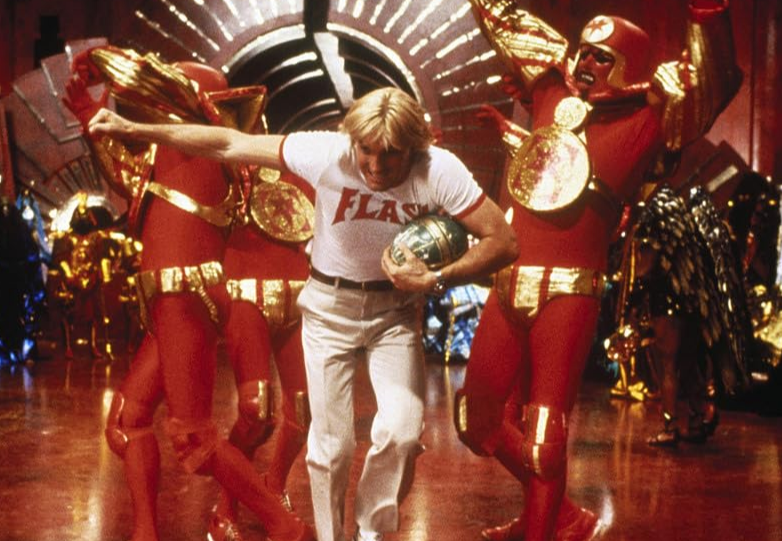
Flash Gordon
Flash Gordon has become a camp cult favorite, although its depiction of Ming the Merciless has attracted criticism for racial stereotyping. A later British re-release even carried a warning concerning discriminatory stereotypes.
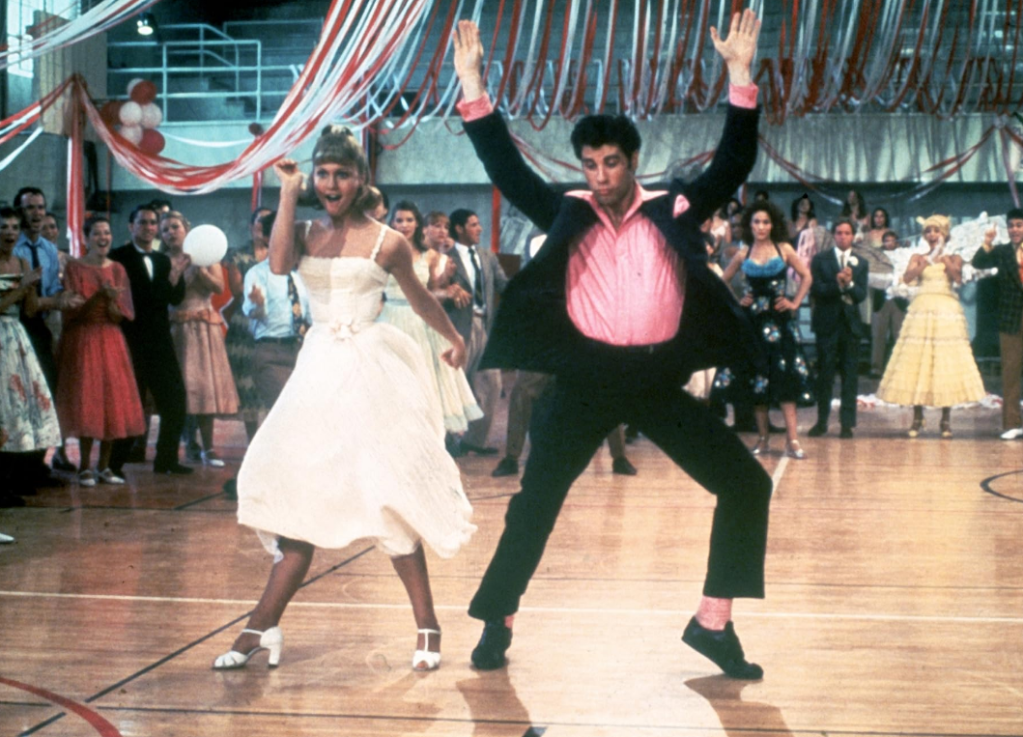
Grease
Grease is still remembered for its songs, performances, and nostalgic energy. Danny and Sandy’s relationship, however, contains moments modern audiences increasingly question. Its famous happy ending also suggests Sandy must radically change herself to win approval.
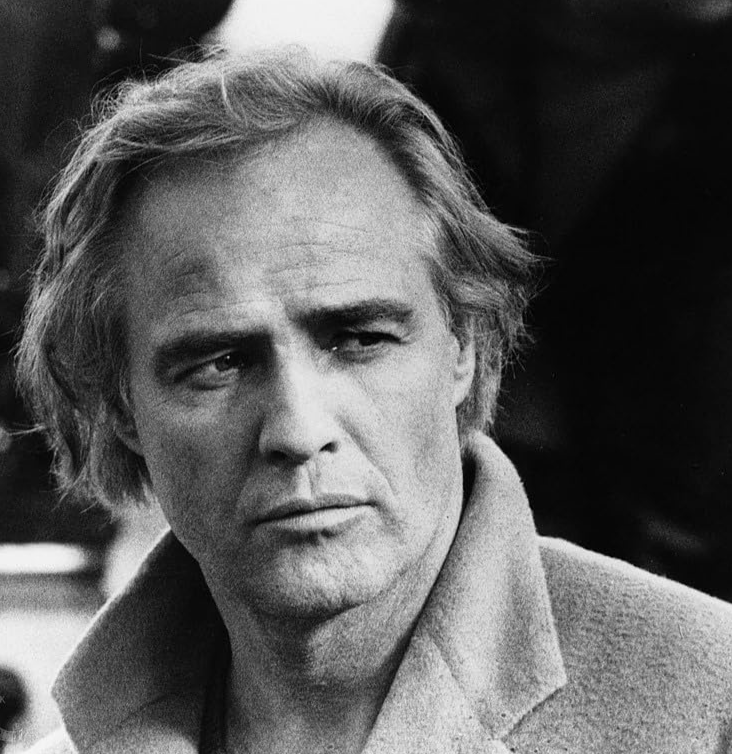
Last Tango in Paris
Last Tango in Paris was once celebrated as provocative prestige cinema, but later revelations about the filming of its infamous assault scene dramatically changed how many viewers regard Bernardo Bertolucci’s controversial film.
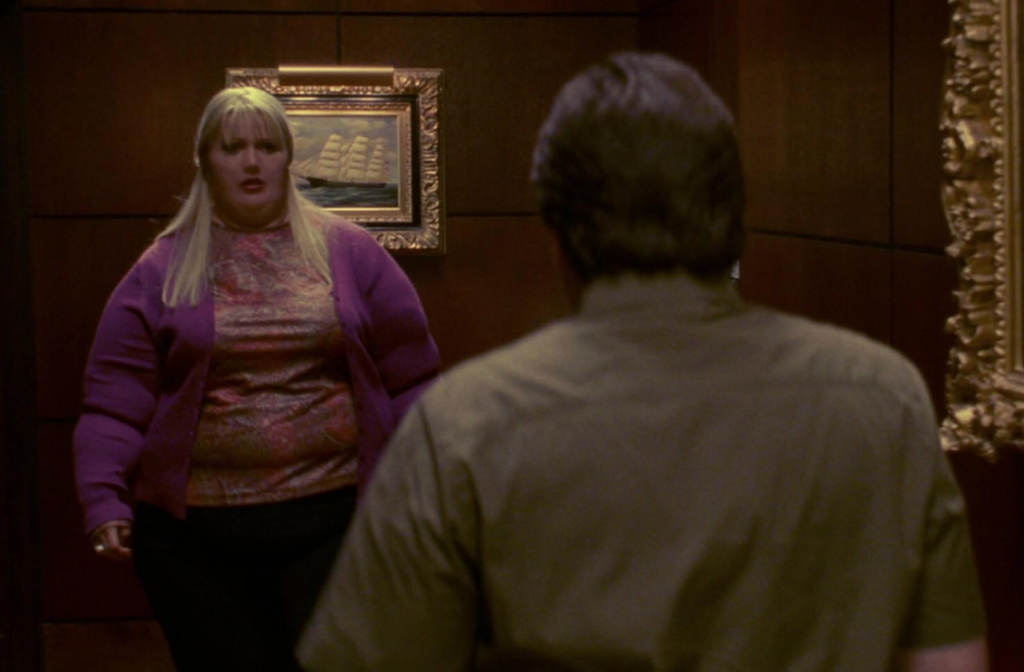
Shallow Hal
Shallow Hal attempts to deliver a message about looking beyond physical appearance, and yet its use of fat suits and repeated jokes at larger people’s expense undermines that lesson. Its supposedly positive message has aged particularly awkwardly.
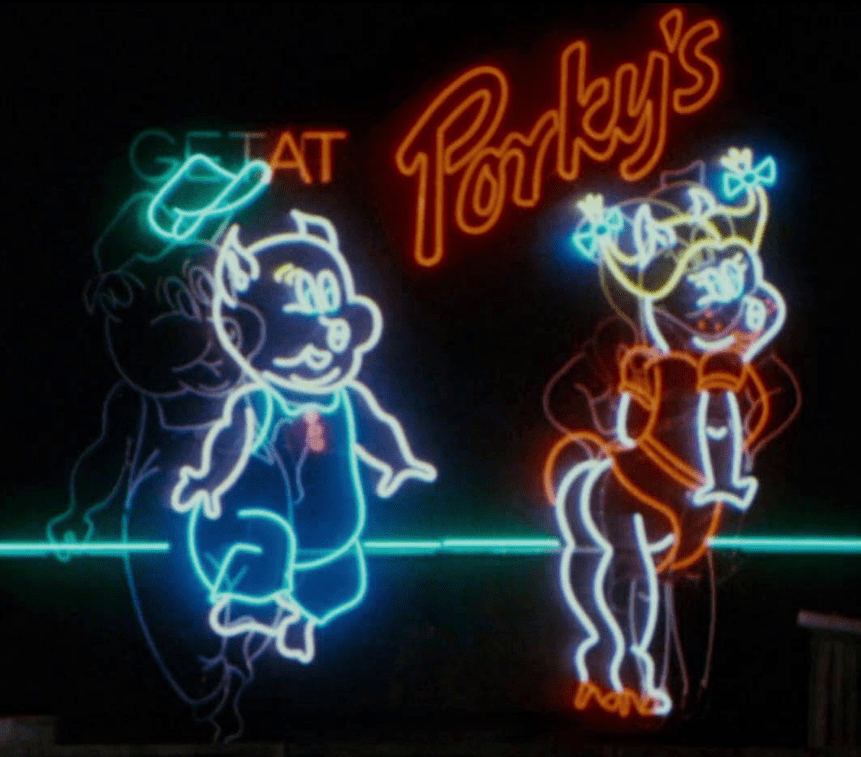
Porky’s
Porky’s was a massive comedy hit, but its humor revolves around teenagers spying on women and humiliating them for laughs. Like several comedies from its era, behavior that once passed as mischievous now looks disturbing.