15 Classic Films Modern Audiences Would Be too Dumb to Understand

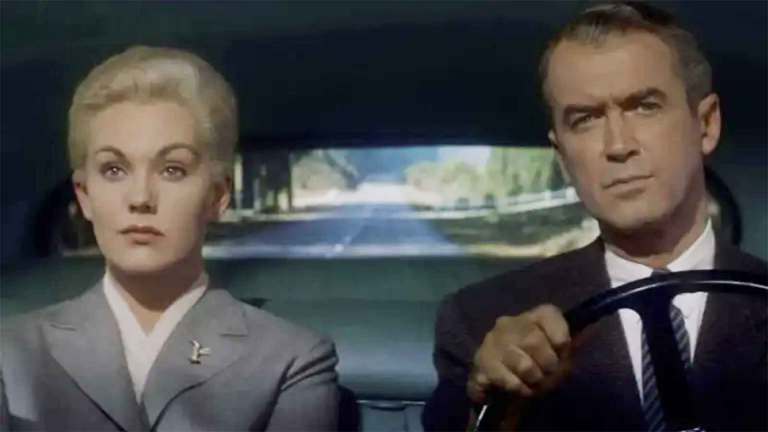
Imagine watching a movie where nobody explains the ending, the main character might be lying, and half the important details are buried in conversations you barely noticed. Plenty of classic films worked that way, and audiences have been arguing about them for decades. Some directors preferred long silences to exposition, while others made viewers piece together events from conflicting accounts or scenes shown out of order. There’s nothing wrong with enjoying a straightforward story, but these films aren’t particularly interested in providing one. You can watch them twice and come away with two completely different interpretations. Here are 15 classics that demand a little more attention than the average movie night.
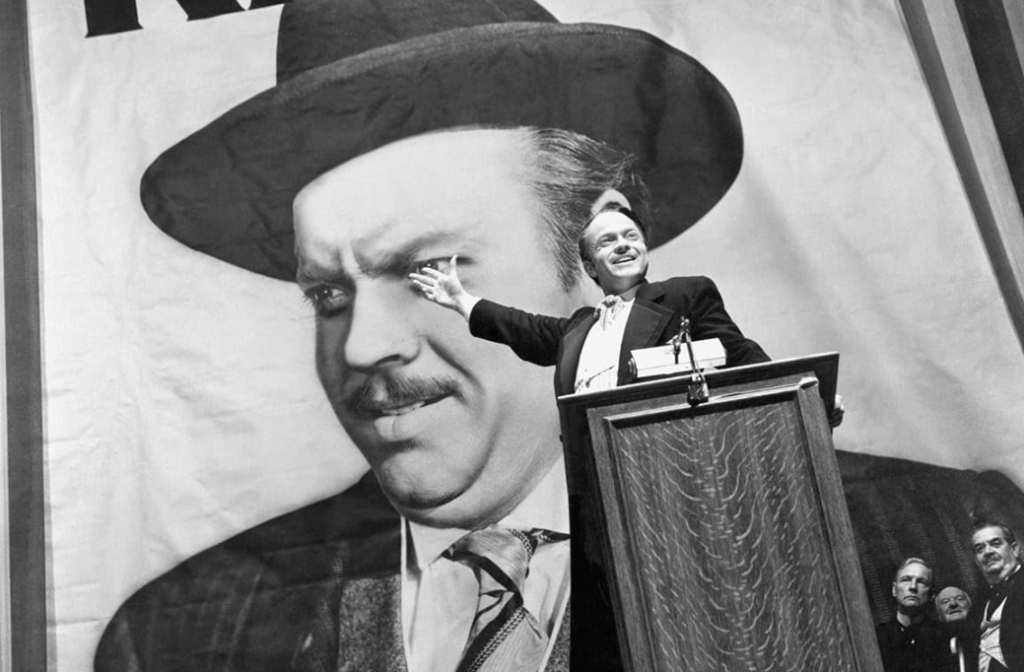
Citizen Kane (1941)
A reporter investigates the final word spoken by a wealthy newspaper publisher, hearing different versions of his life along the way. Even the famous ending leaves questions unanswered.
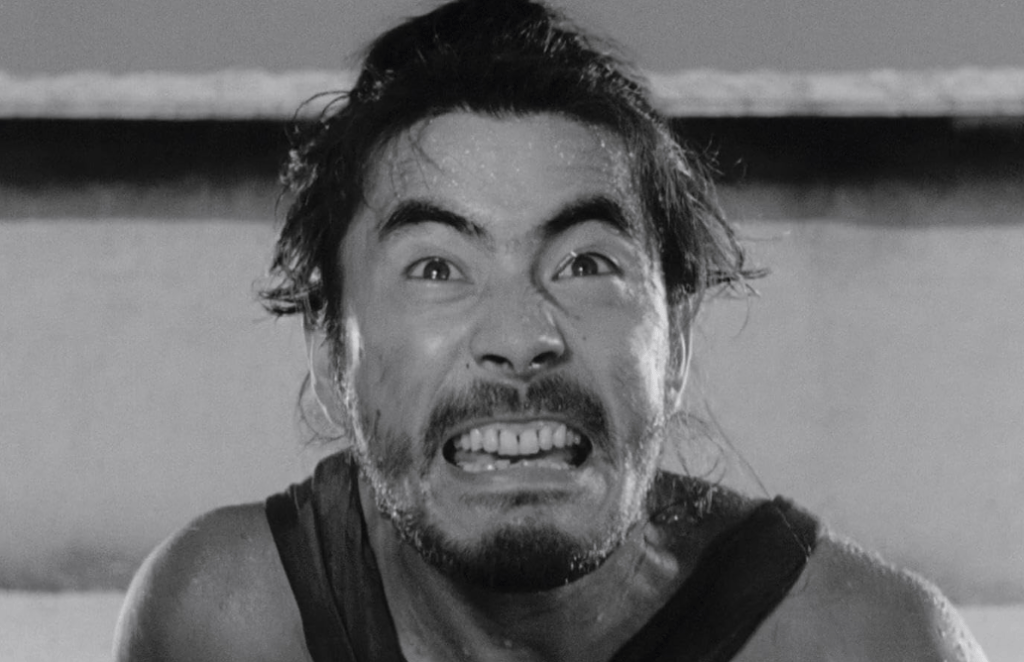
Rashomon (1950)
Four accounts of the same violent incident contradict each other, and Akira Kurosawa never hands viewers a convenient explanation of exactly what happened.
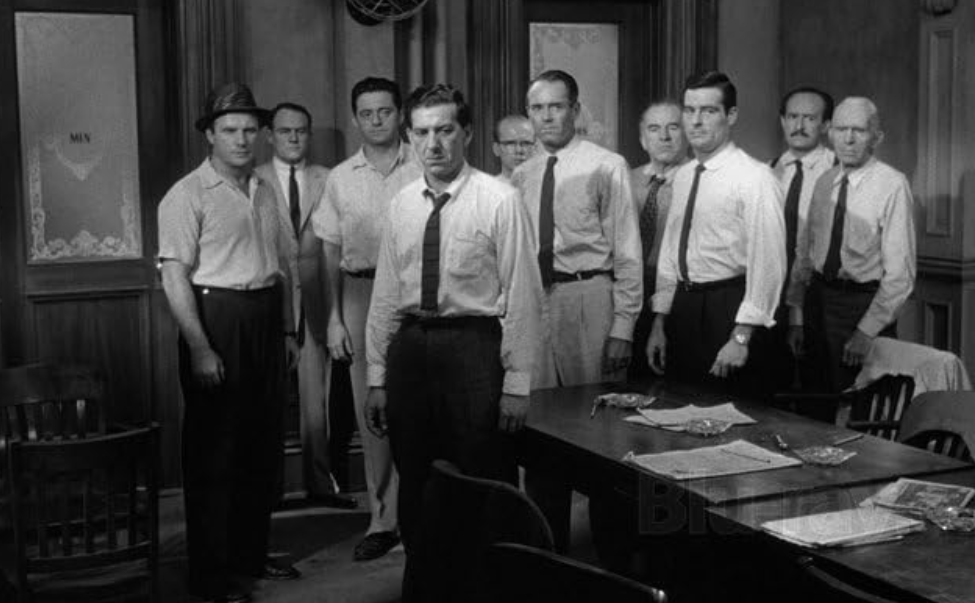
12 Angry Men (1957)
Twelve jurors spend nearly the entire film discussing a murder trial in one room. Following the changing arguments matters far more than waiting for an action scene.
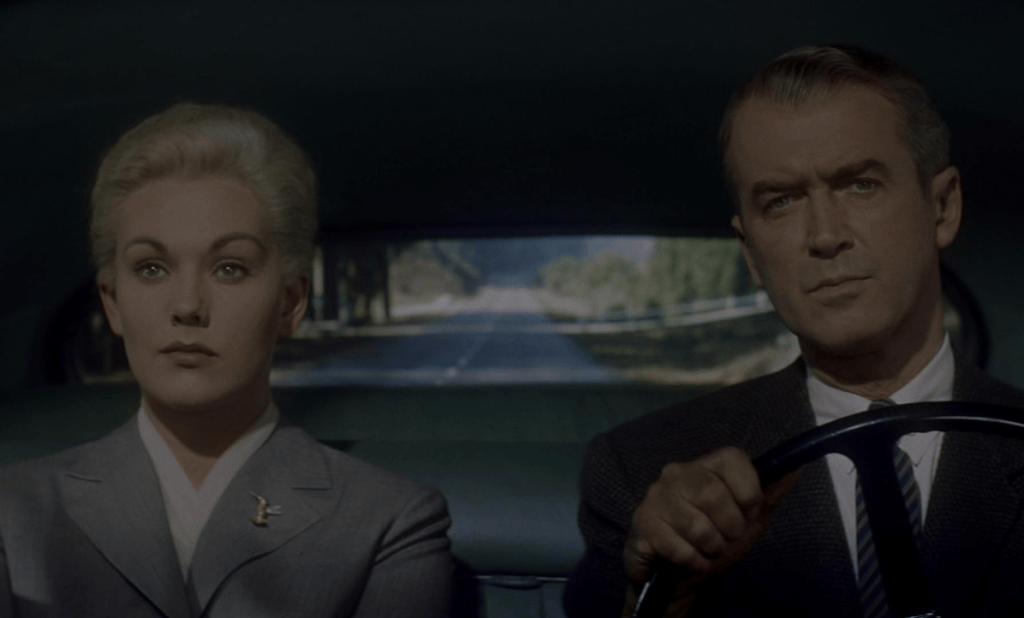
Vertigo (1958)
James Stewart plays a former detective whose obsession with a mysterious woman gradually becomes something much darker. Hitchcock reveals important information before his protagonist discovers it.
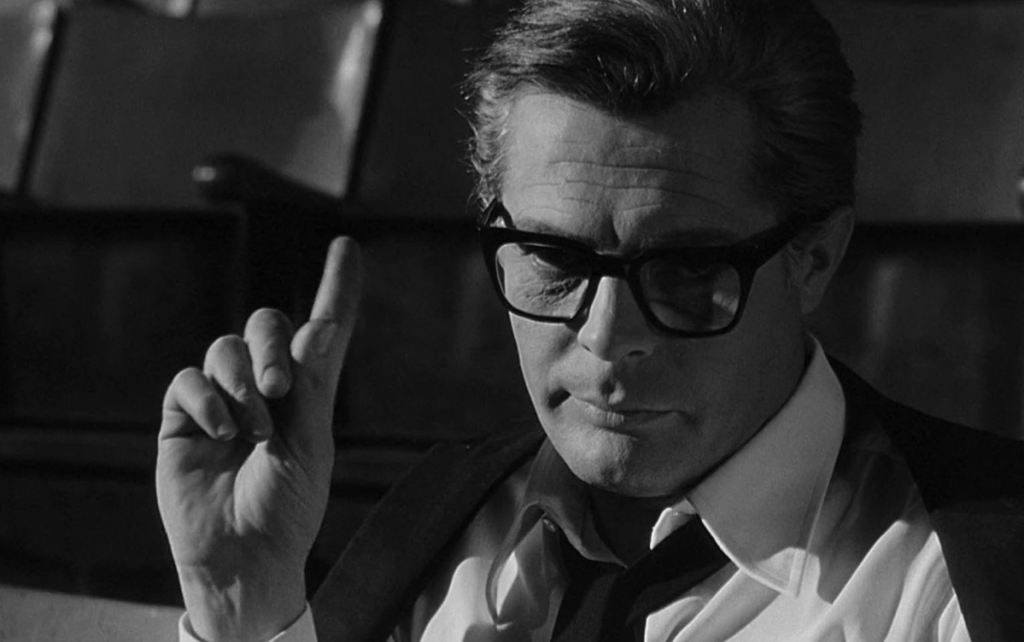
8½ (1963)
A film director struggles to complete his next project while memories, fantasies, and reality keep interrupting each other. Fellini rarely announces which one we’re watching.
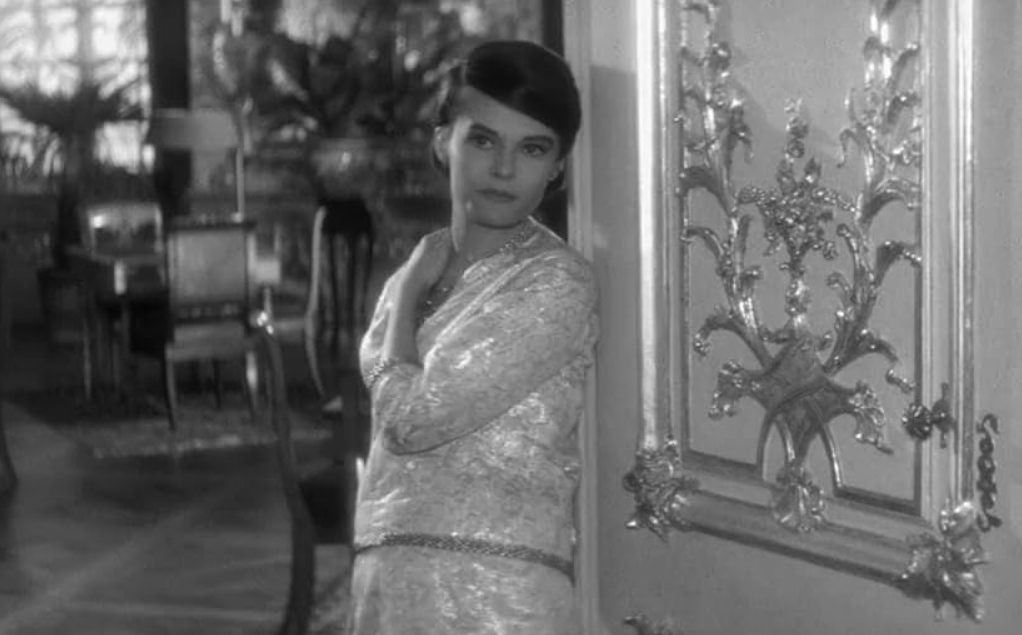
Last Year at Marienbad (1961)
A man insists he met a woman the previous year, but she doesn’t remember him. The film offers shifting memories and conversations without confirming whose version is true.
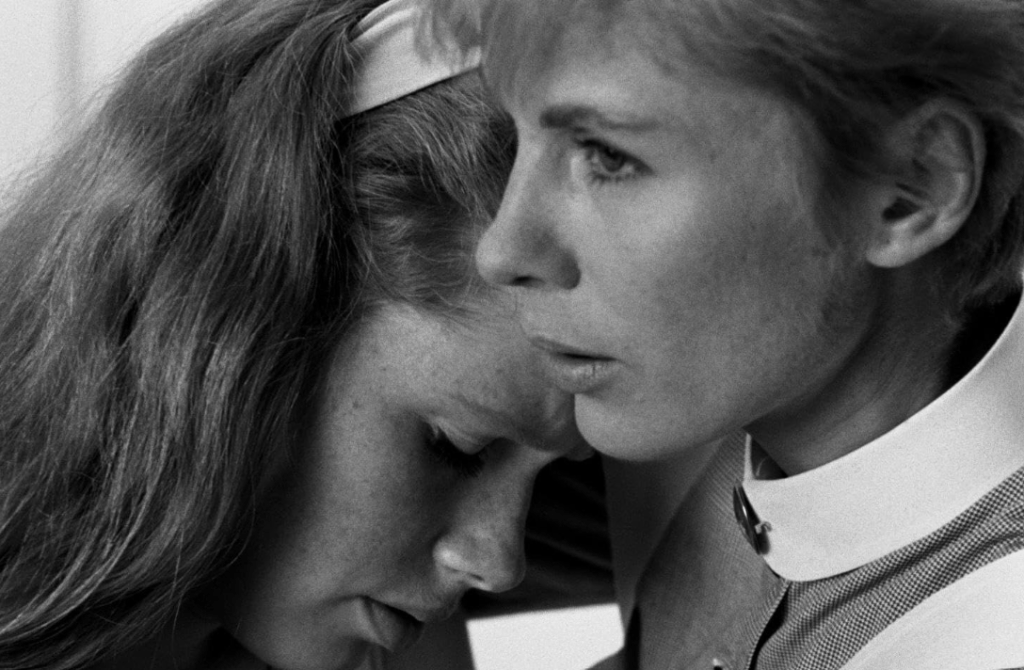
Persona (1966)
A nurse cares for an actress who has stopped speaking, and their relationship becomes increasingly unsettling. Bergman gradually blurs the boundaries between the two women’s identities.
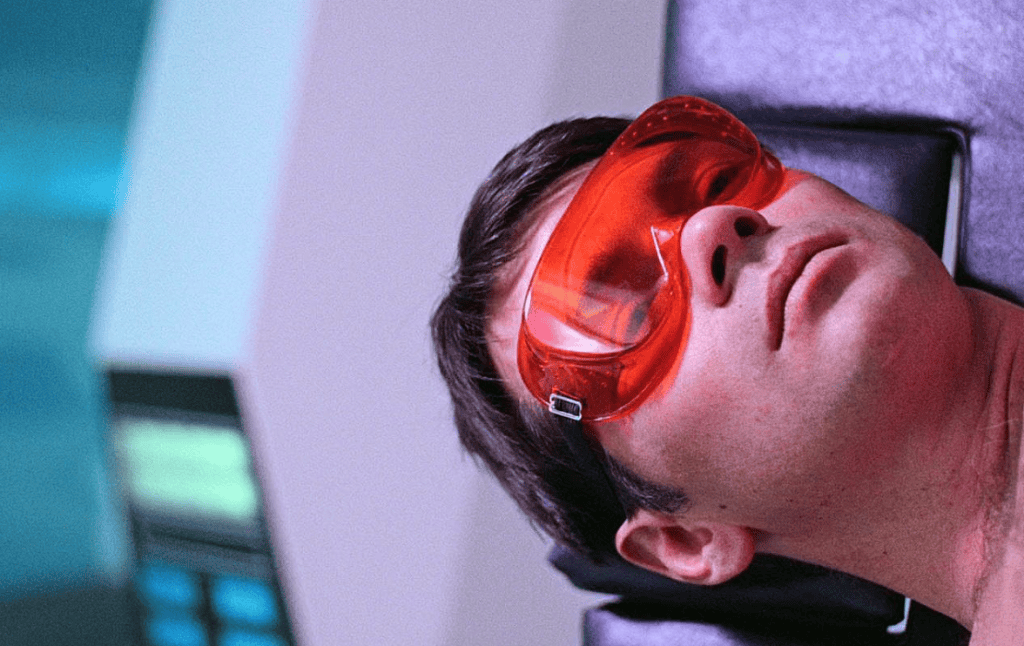
2001: A Space Odyssey (1968)
Stanley Kubrick takes viewers from prehistoric Earth to deep space, barely explaining the mysterious monoliths or the film’s extraordinary final sequence.
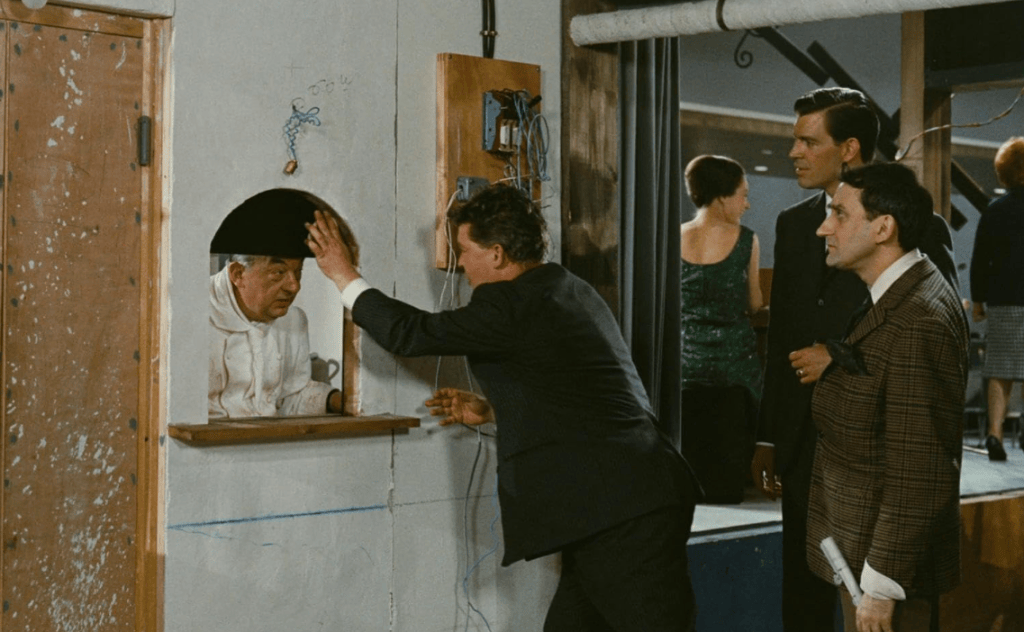
Playtime (1967)
Jacques Tati fills enormous modern buildings with tiny visual jokes happening simultaneously. Look at the wrong corner of the screen and you might miss the funniest moment.
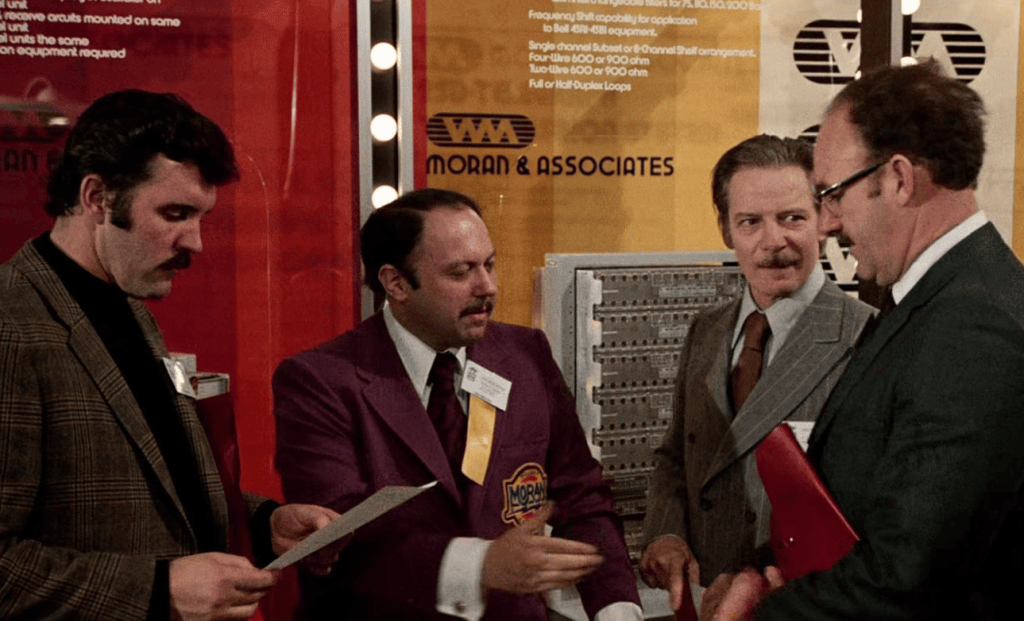
The Conversation (1974)
A surveillance expert becomes obsessed with a recording of two strangers talking. The meaning of one conversation changes as he listens again and begins questioning what he’s heard.
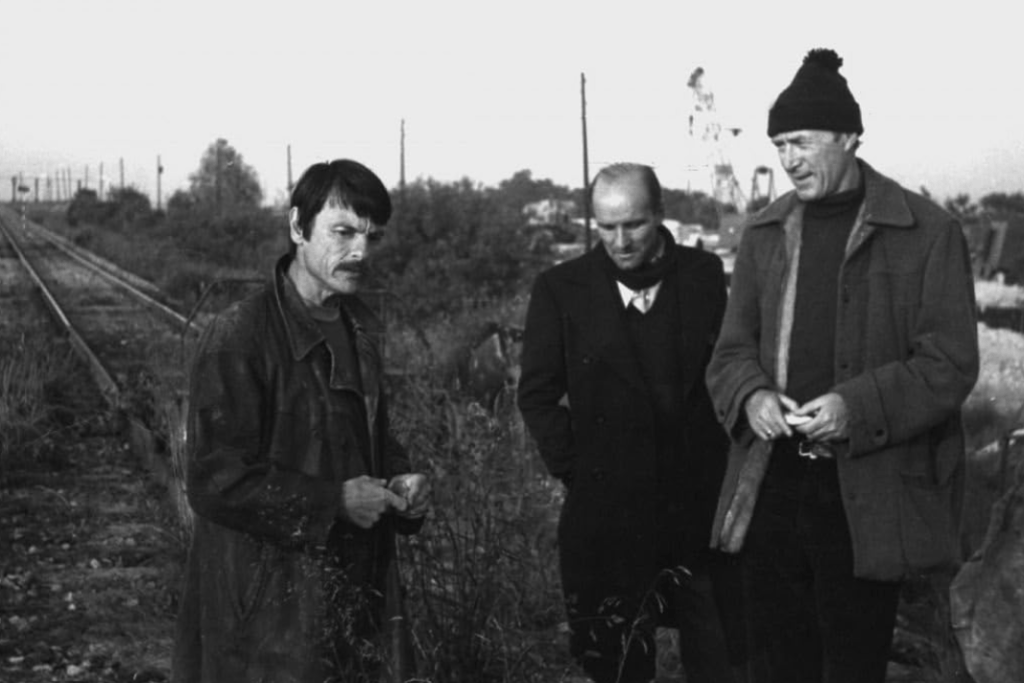
Stalker (1979)
Three men enter a mysterious forbidden area in search of a room that supposedly grants wishes. Much of their journey involves philosophical arguments rather than conventional science-fiction action.
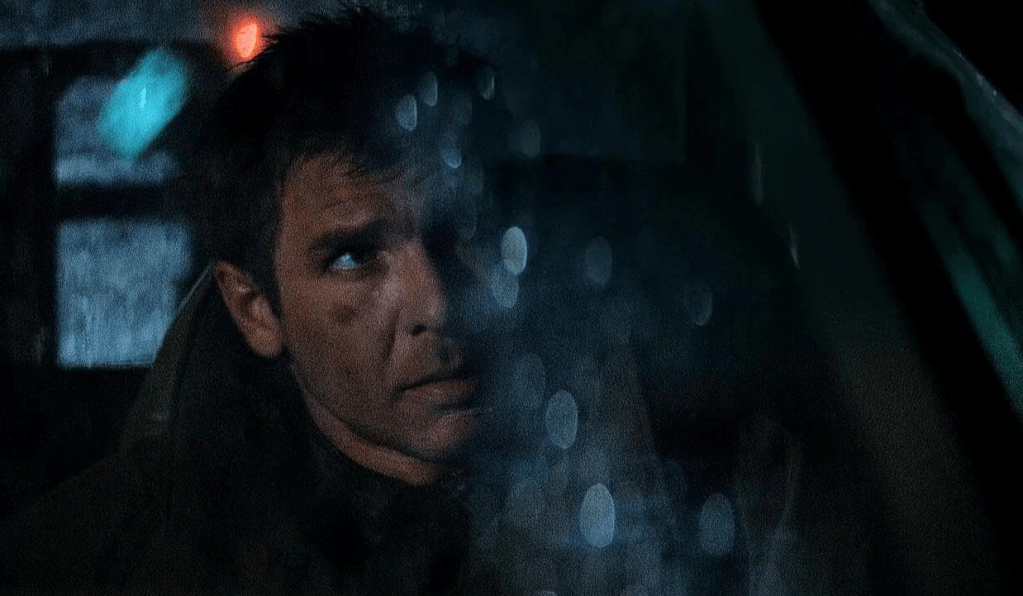
Blade Runner (1982)
Rick Deckard hunts artificial humans in a rain-soaked future Los Angeles, but the film complicates the difference between people and replicants, including questions about Deckard himself.
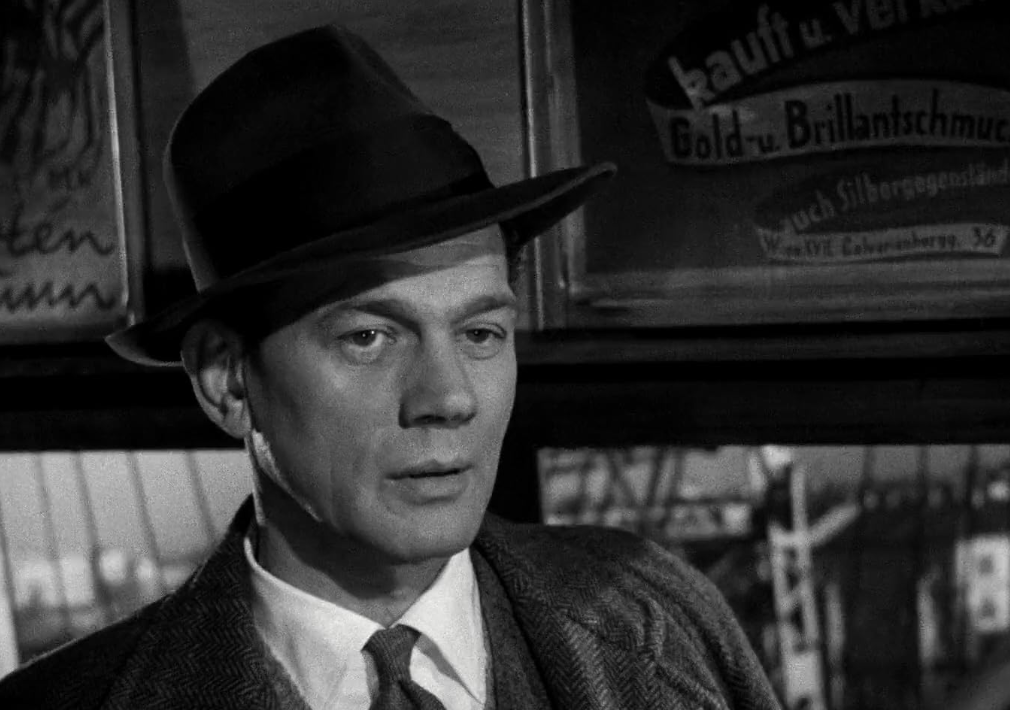
The Third Man (1949)
An American writer arrives in postwar Vienna looking for an old friend, only to discover that nearly everyone knows more than they’re willing to tell him.
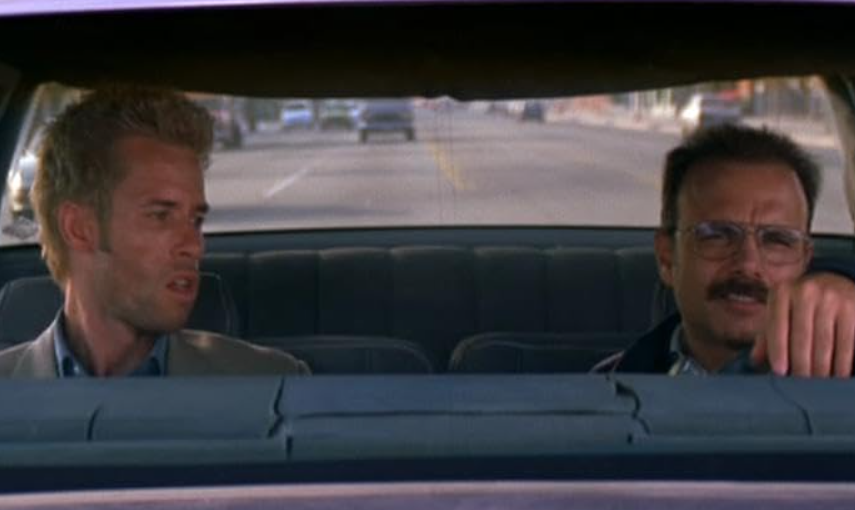
Memento (2000)
A man with short-term memory loss investigates his wife’s murder using photographs, notes, and tattoos. Much of the story unfolds backward, making every new scene change what we know.
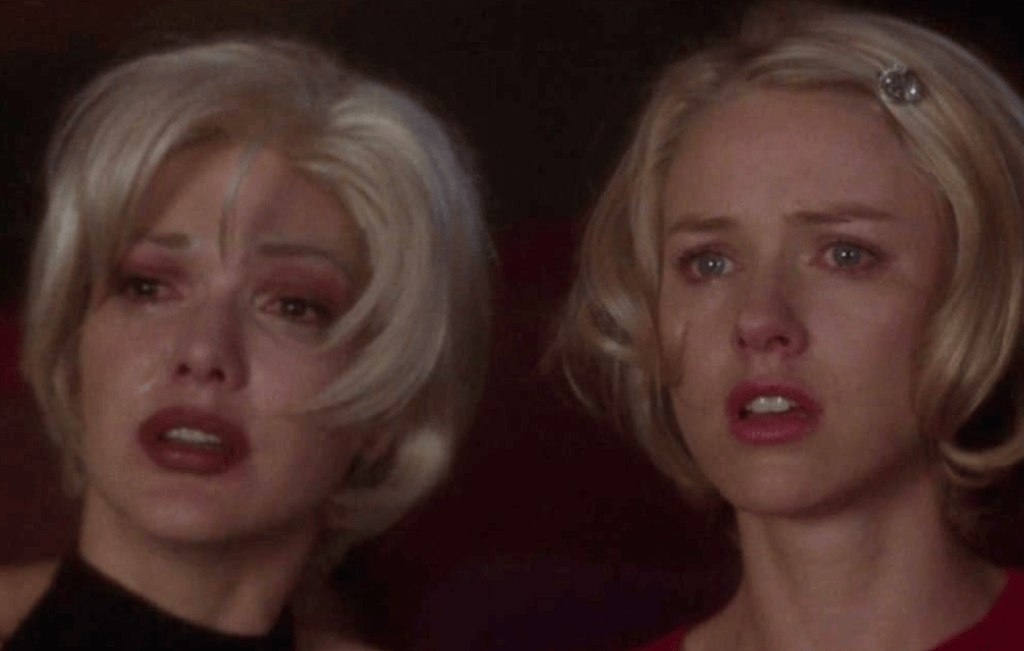
Mulholland Drive (2001)
An aspiring actress befriends a woman with amnesia in Hollywood, but their apparent mystery eventually slips into shifting identities, dreams, and scenes that resist any simple explanation.