15 Cinematic Tricks You’ll Notice the Next Time You See Them Used

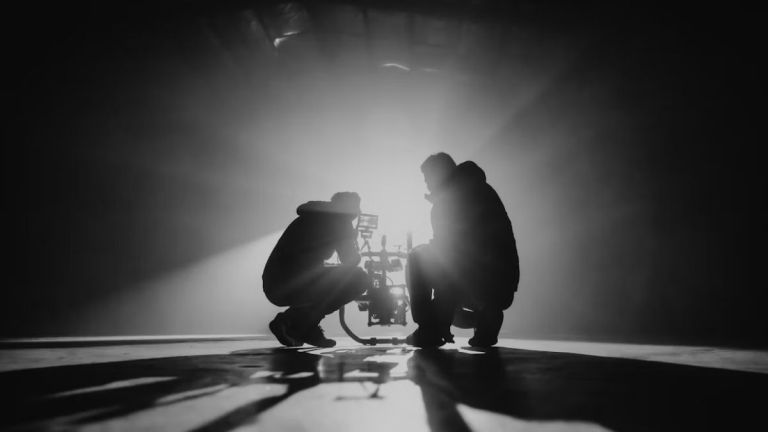
The term ‘movie magic’ has been used since the inception of cinema, although today it’s mostly used to describe CGI more than anything else. While what can be done with CGI is nothing less than impressive, it isn’t the only way to create magic, or rather, the illusion of something happening before your eyes.
What we’ve gathered today are the common tricks filmmakers use to create seamless transitions, alter terrain, and deliver the vision they had in their minds. Part of knowing the tricks sometimes ruins the magic, but with movies, it heightens the appreciation of the craft.
Hidden Cuts Using Dark Doorways and Shadows
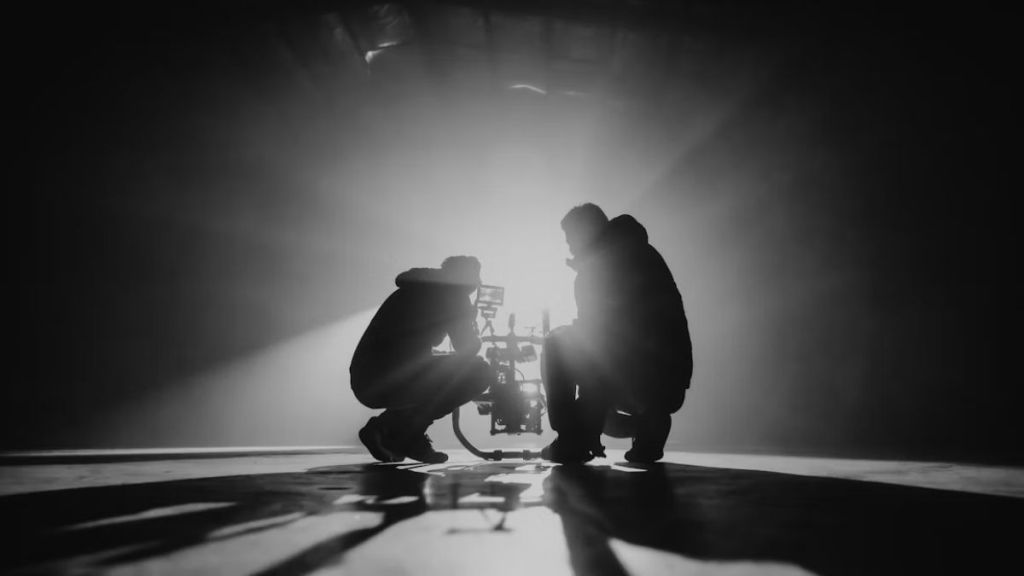
When a director wants a long, continuous shot, they often hide the edits in plain sight. If the camera sweeps past a dark pillar or passes through a shadowed doorway, they probably sneaked in a cut.
Whip Pans to Disguise Scene Transitions
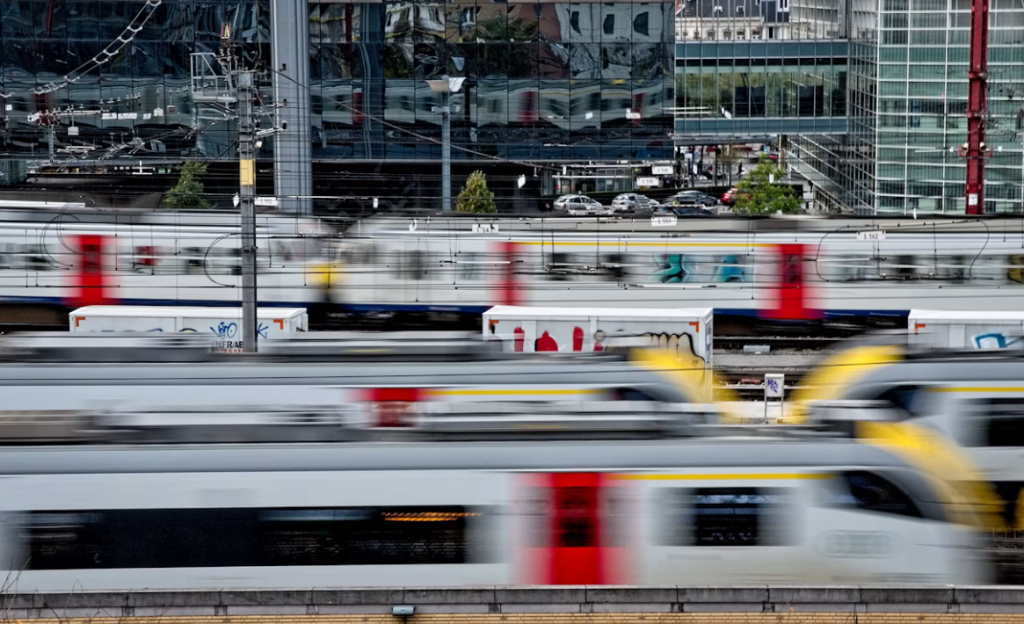
A whip pan moves the camera so fast it turns the frame into a blur of motion. Editors connect two of these blurry shots together to trick your brain into thinking it is a single continuous take.
Dolly Zooms to Create a Sense of Vertigo
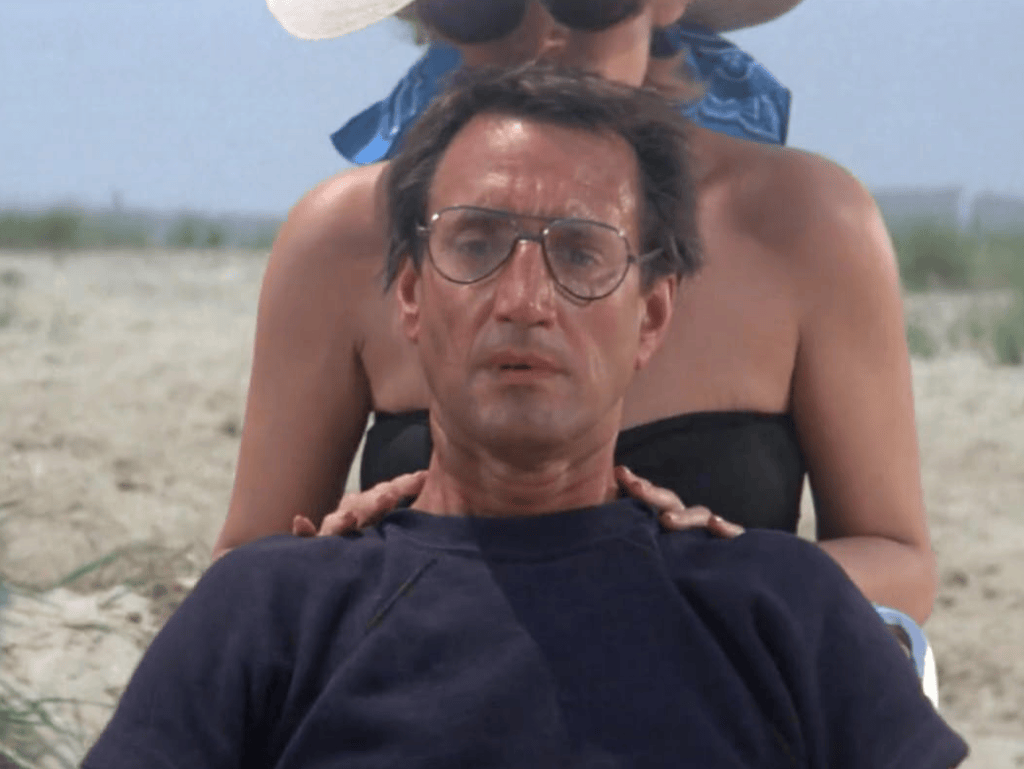
Also known as the Vertigo effect, this happens when the camera moves forward while zooming out, or vice versa. The subject stays the exact same size, but the background wildly distorts to make you feel completely disoriented.
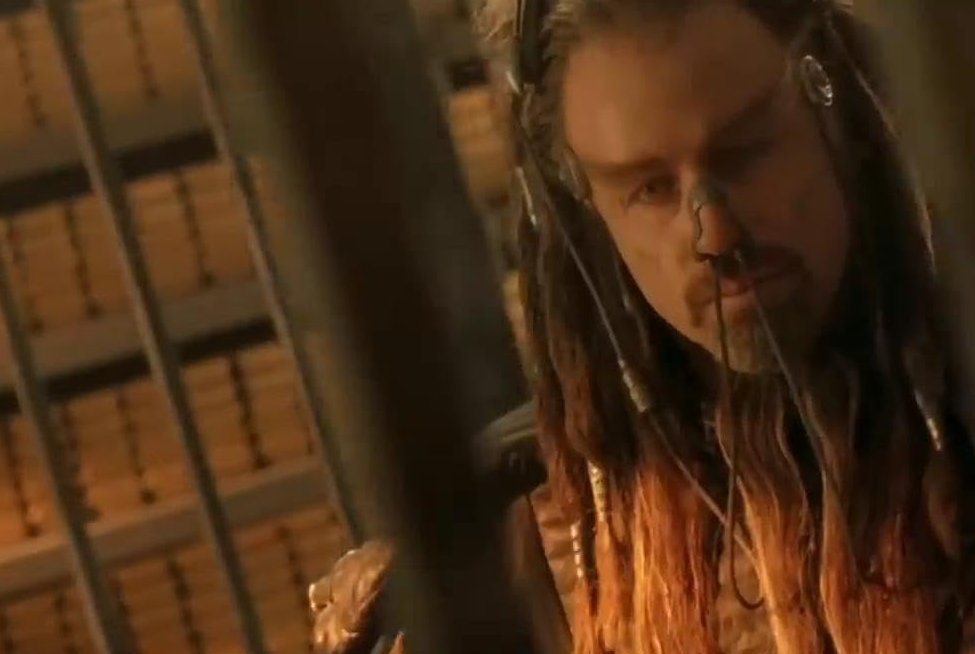
Dutch Angles to Make Audiences Feel Uneasy
Tilting the camera sideways against the horizon is a surefire way to make the audience feel weird. It visually translates psychological tension and disorientation right onto the screen, letting you know something is very wrong.
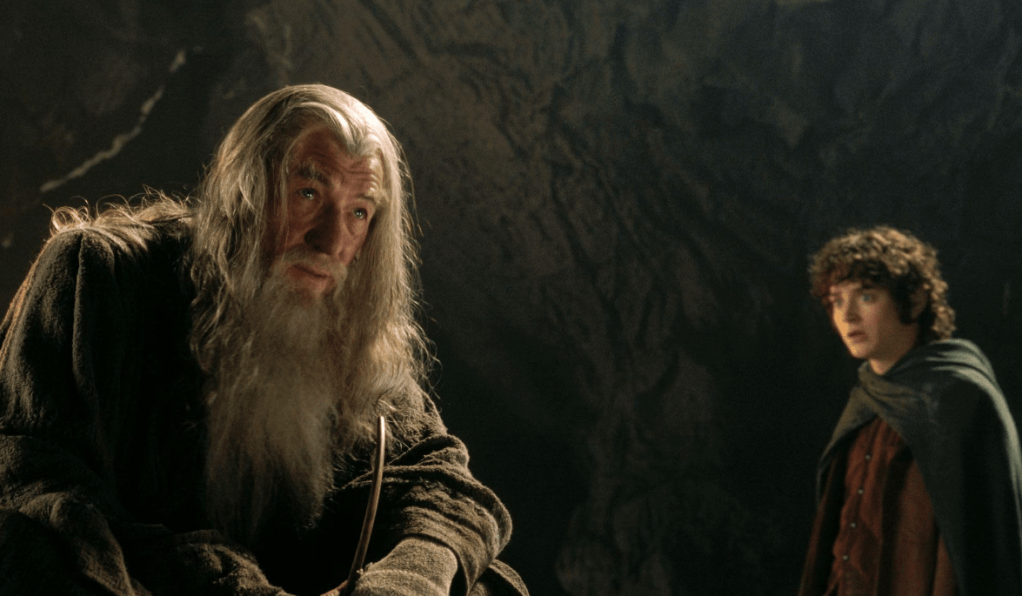
Forced Perspective to Change Character Sizes
You can make regular actors look tiny or huge just by playing with distance and angles. This optical illusion requires incredibly strategic camera placement to trick our eyes into believing the characters are vastly different sizes.
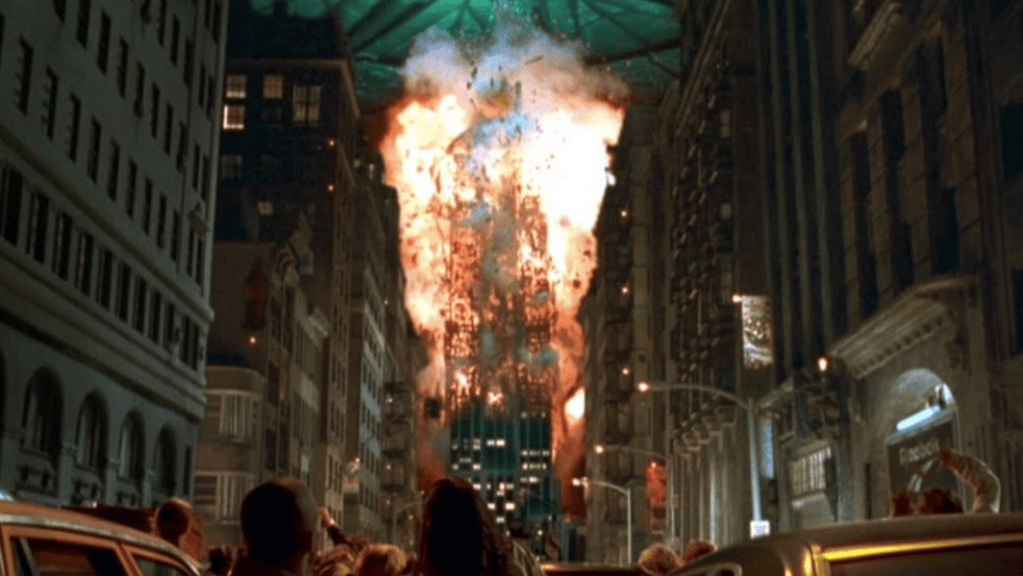
Miniature Models Used for Massive Explosions
Blowing up real buildings is pretty expensive, so filmmakers often rely on scale models. By combining practical miniature explosions with high-speed photography, they can create destruction on screen that looks totally convincing without the massive bill.
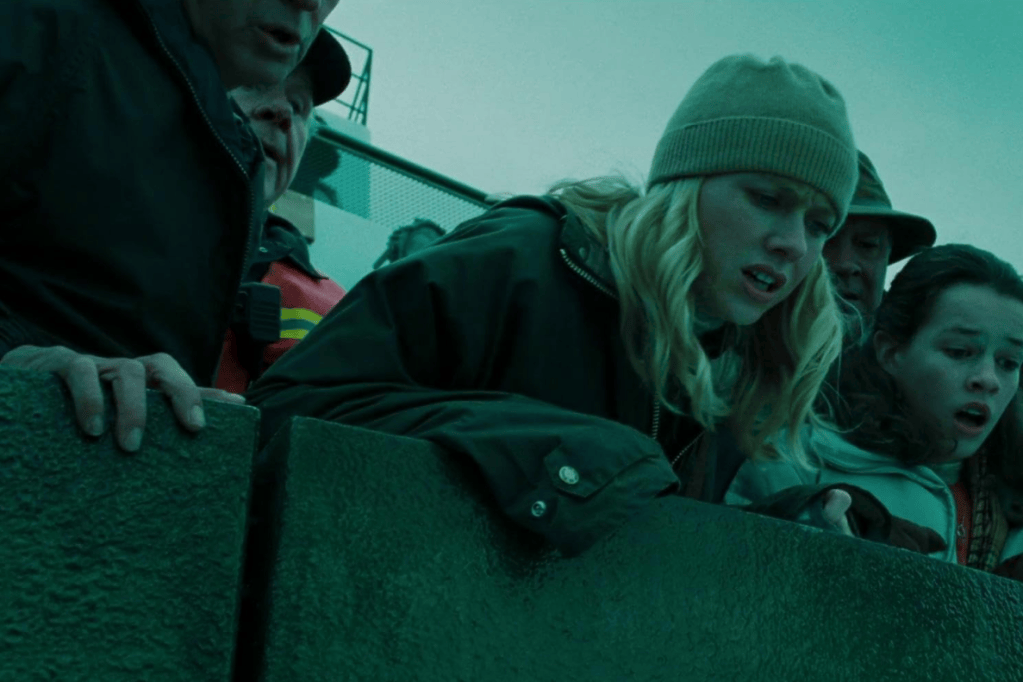
Shooting Day for Night with Blue Filters
Filming in the dark is a massive headache. Instead, crews often shoot in broad daylight and underexpose the footage, adding a heavy blue tint to trick audiences into thinking the scene is happening in the dead of night.
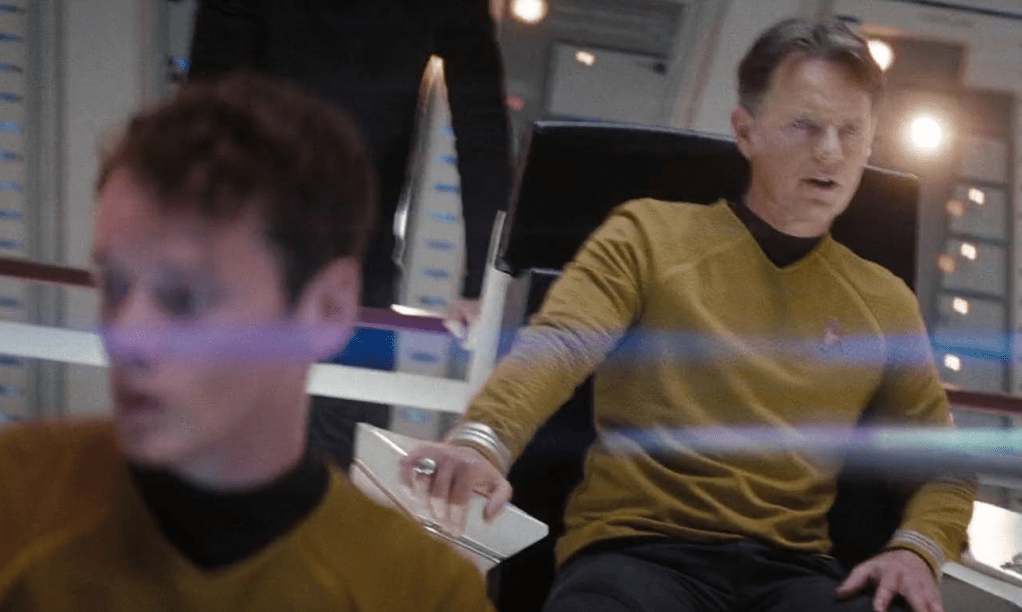
Intentional Lens Flares for Added Realism
That bright streak of light washing out the screen is not usually an accident. Filmmakers purposely point their cameras toward light sources to create lens flares, adding a gritty sense of realism or sudden dramatic flair.
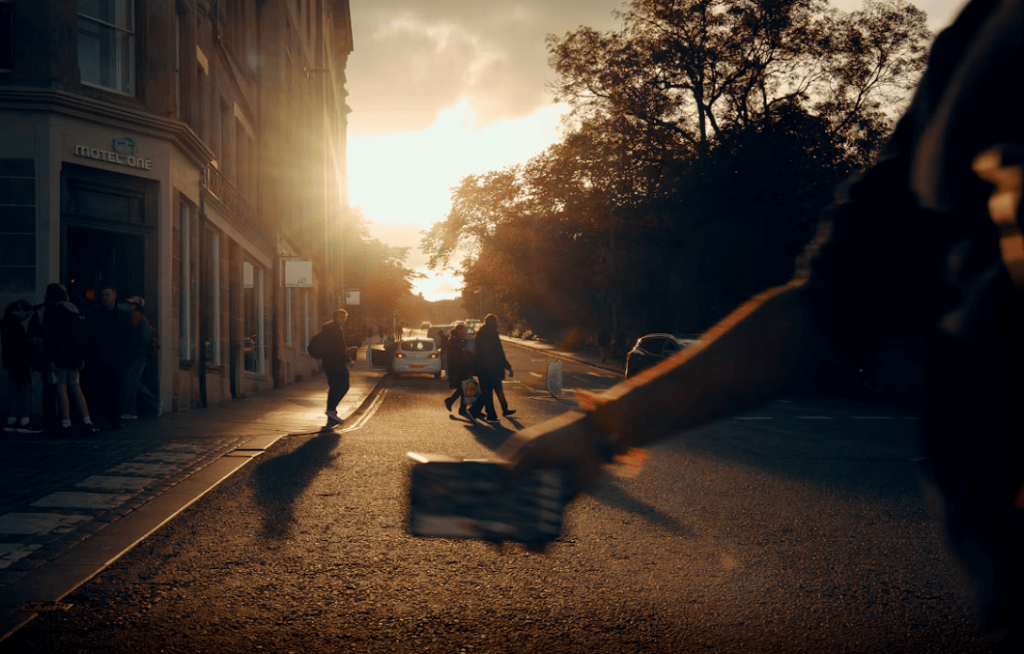
Match Cuts Linking Visually Similar Objects
A match cut gives you an incredibly smooth transition by linking two scenes with completely similar shapes or sounds. It bridges totally different locations or timelines while keeping the overall story feeling perfectly connected.
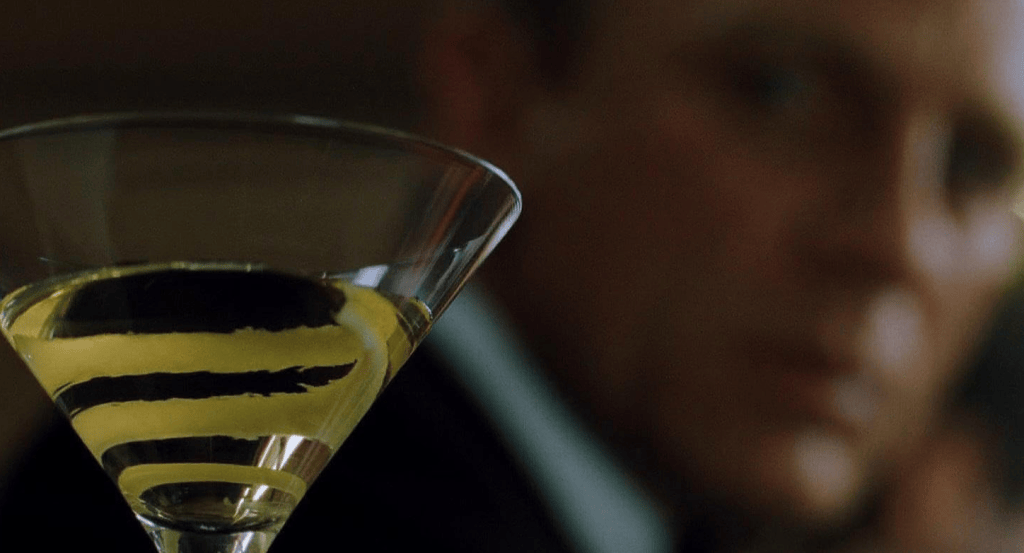
Rack Focus Shifting the Viewers Attention
Directors tell you exactly where to look without saying a word. By blurring the foreground and bringing the background into sharp focus within the same shot, they completely shift your attention to an entirely new detail.
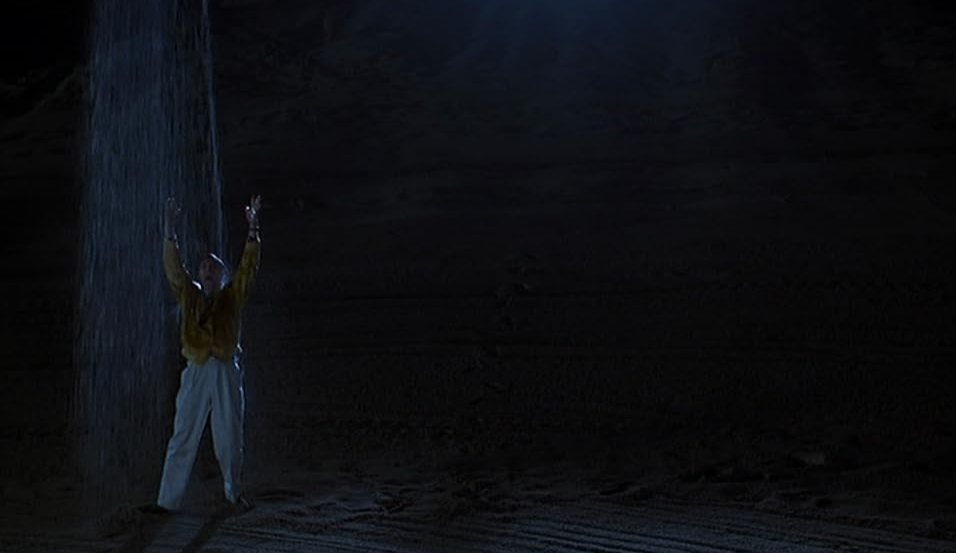
Practical Rain Machines Soaking the Actors
Natural weather is way too unpredictable for a tight filming schedule. Crews use massive overhead sprinklers to create their own downpours on demand, ensuring they get the perfect gloomy mood while the cast gets completely soaked.
Sound Bridges Connecting Two Separate Scenes
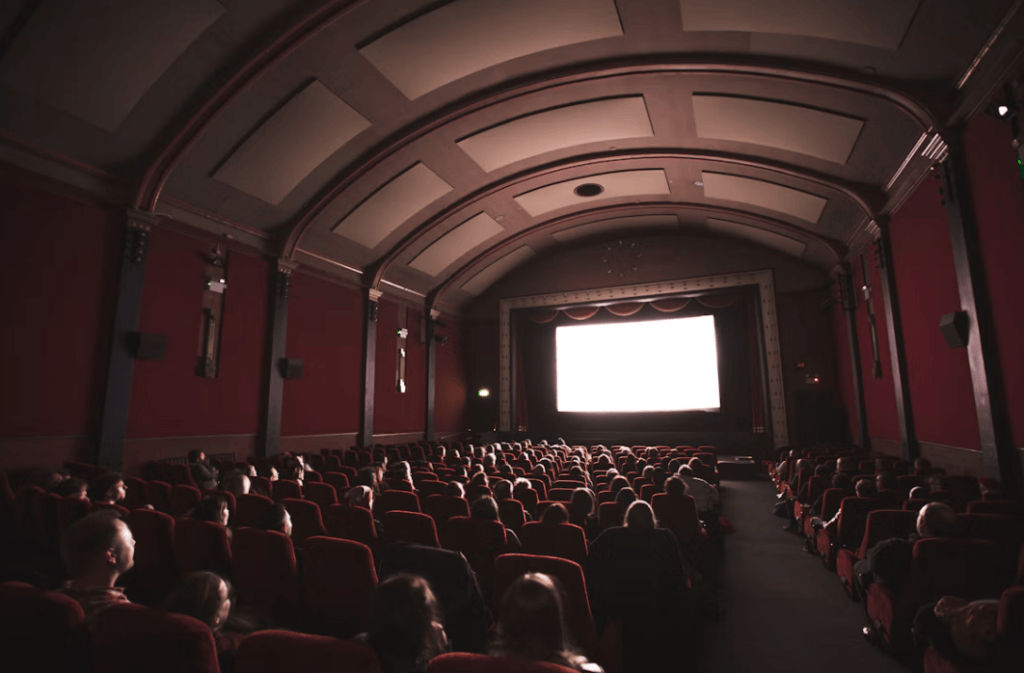
The ears transition before the eyes do. Hearing the audio from the next location while you are still looking at the current one creates a psychological bridge that pulls you smoothly right into the very next scene.
Wire Work Erased in Post Production
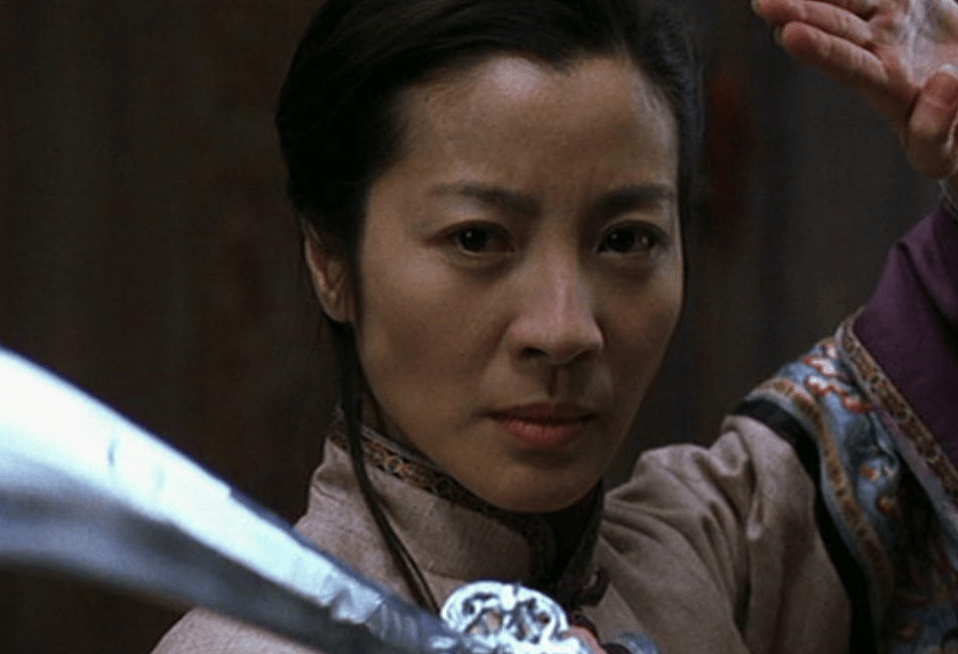
When you see someone leaping an impossible distance or hanging gracefully midair, they are usually strapped into heavy harnesses. The safety cables do all the heavy lifting on set before being meticulously scrubbed out by computer editors.
Low angle shots making characters look powerful
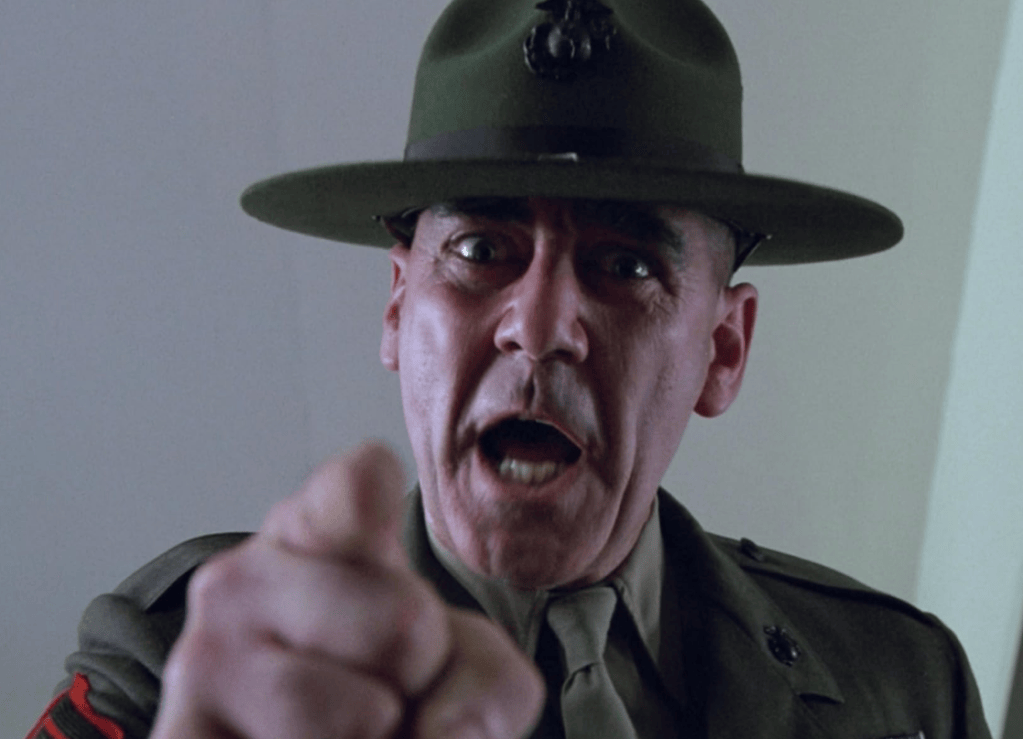
Putting the camera on the floor and pointing it upward changes the whole dynamic of a scene. The character suddenly towers over the audience, instantly appearing more dominant, intimidating, and firmly in control of the situation.
Subliminal frames flashing during intense scenes
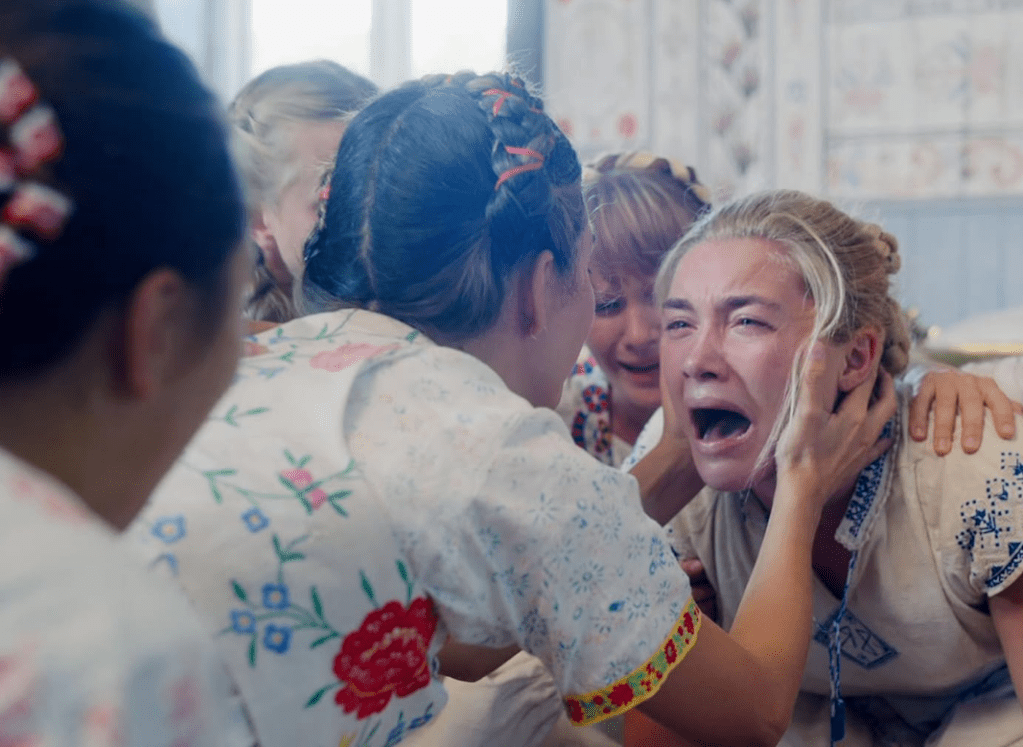
If you blink, you might completely miss it. Editors sometimes splice single, rapid-fire images into a sequence to mess with your subconscious, planting terrifying or unsettling ideas into your head without you even realizing what you saw.