15 70s Stars Being More Stylish Than You’re Allowed to Be Today

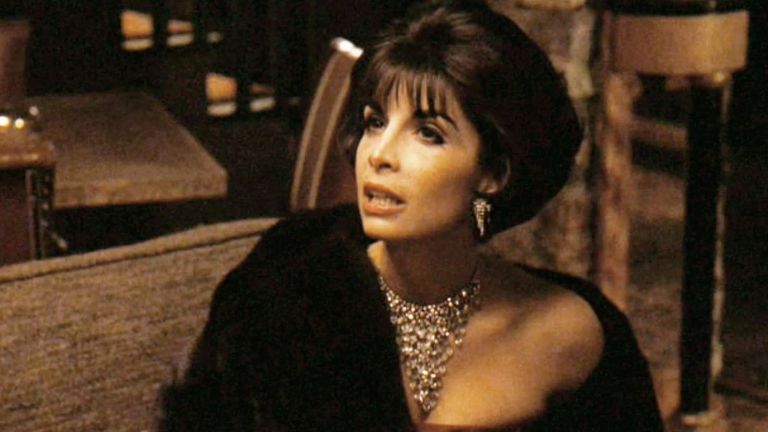
Films from the 1970s were shaped by a strong sense of visual identity, where actors often carried a distinct style that extended beyond their roles on screen. Many of these looks reflected broader fashion trends of the era. Looking back, these stars helped define how style and personality merged in cinema. Here are fifteen ’70s actors whose presence and aesthetic still stand out for how effortlessly styling they were during that decade.
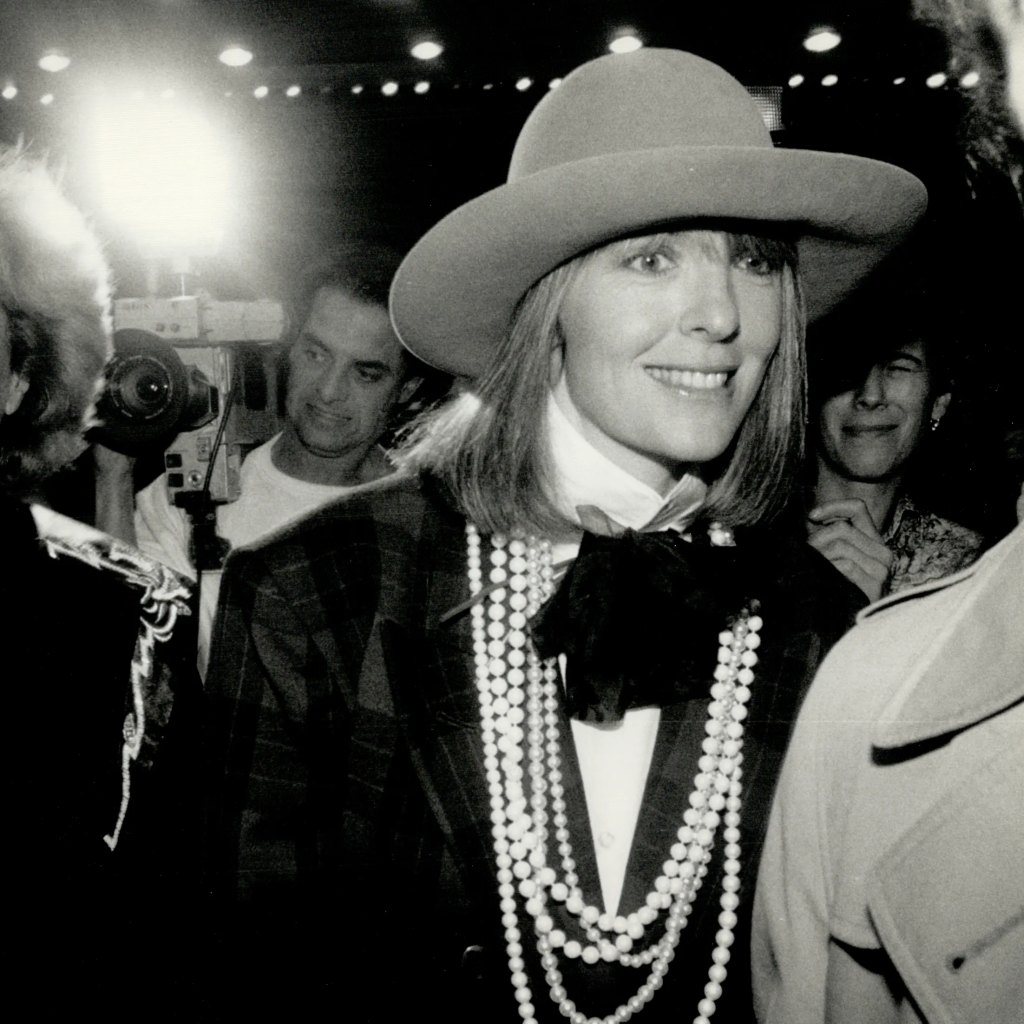
Diane Keaton
Her layered, androgynous fashion choices helped define a unique visual identity. The look stood out for breaking traditional expectations of the time.
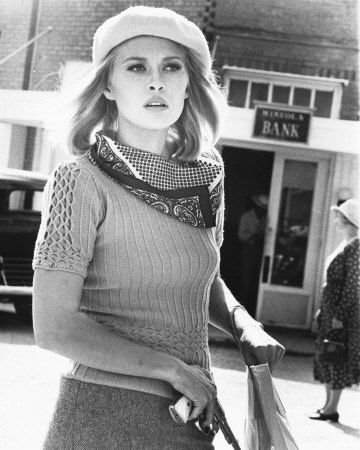
Faye Dunaway
Her sharp, structured wardrobe choices matched a strong and controlled screen presence. She became closely associated with polished cinematic elegance.
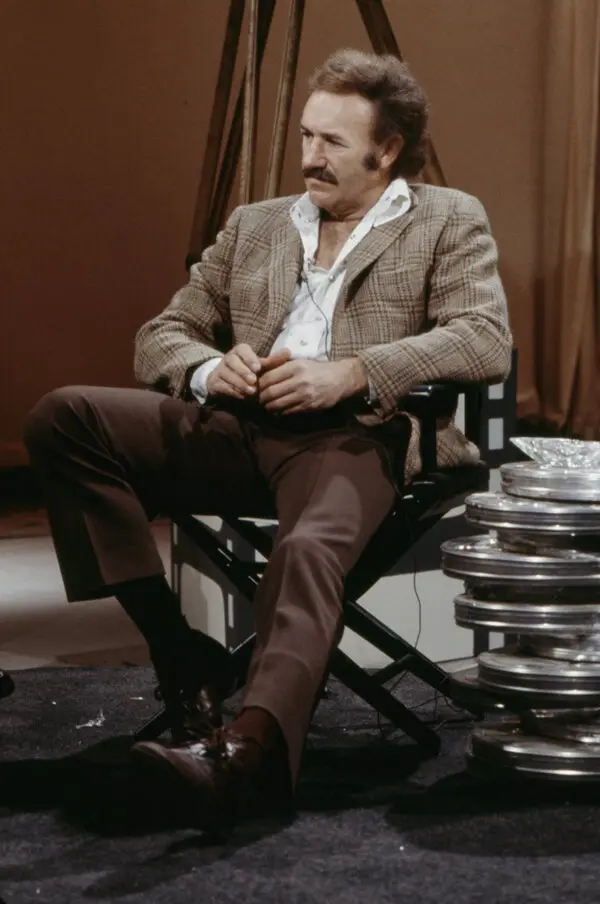
Gene Hackman
His utilitarian wardrobe choices reinforced grounded and realistic characters. The style felt practical and aligned with his acting approach.
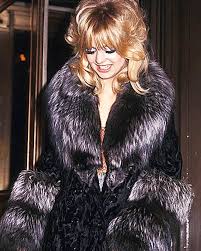
Goldie Hawn
Her bright, playful styling matched her energetic screen presence. It reflected a more expressive and colourful fashion sensibility.
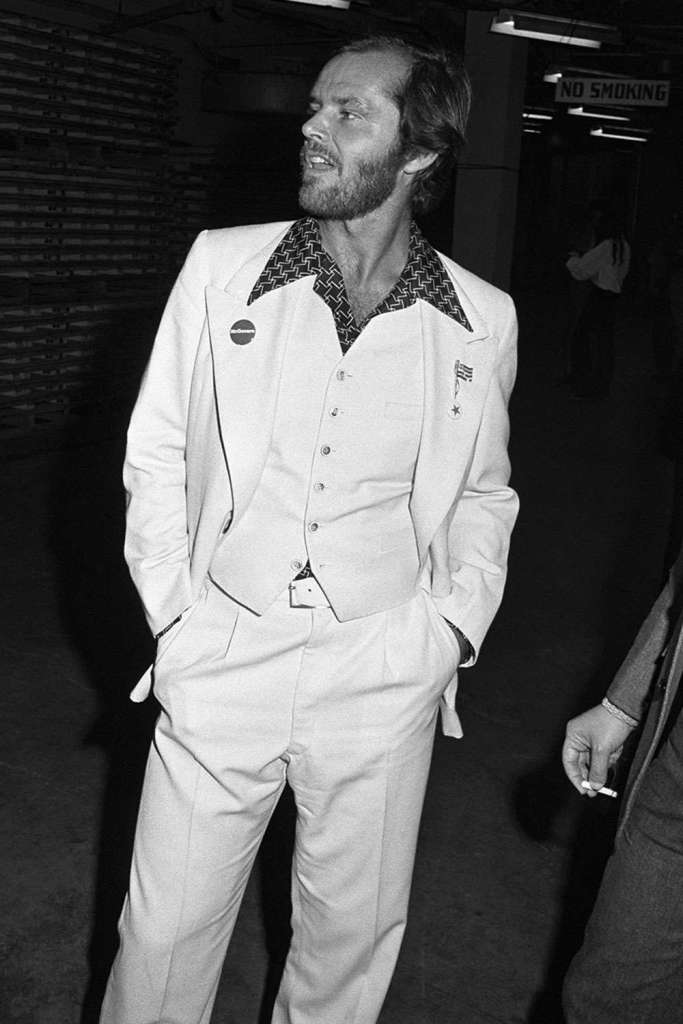
Jack Nicholson
His style leaned into loose tailoring and expressive accessories. The overall effect reinforced his unpredictable and charismatic screen persona.
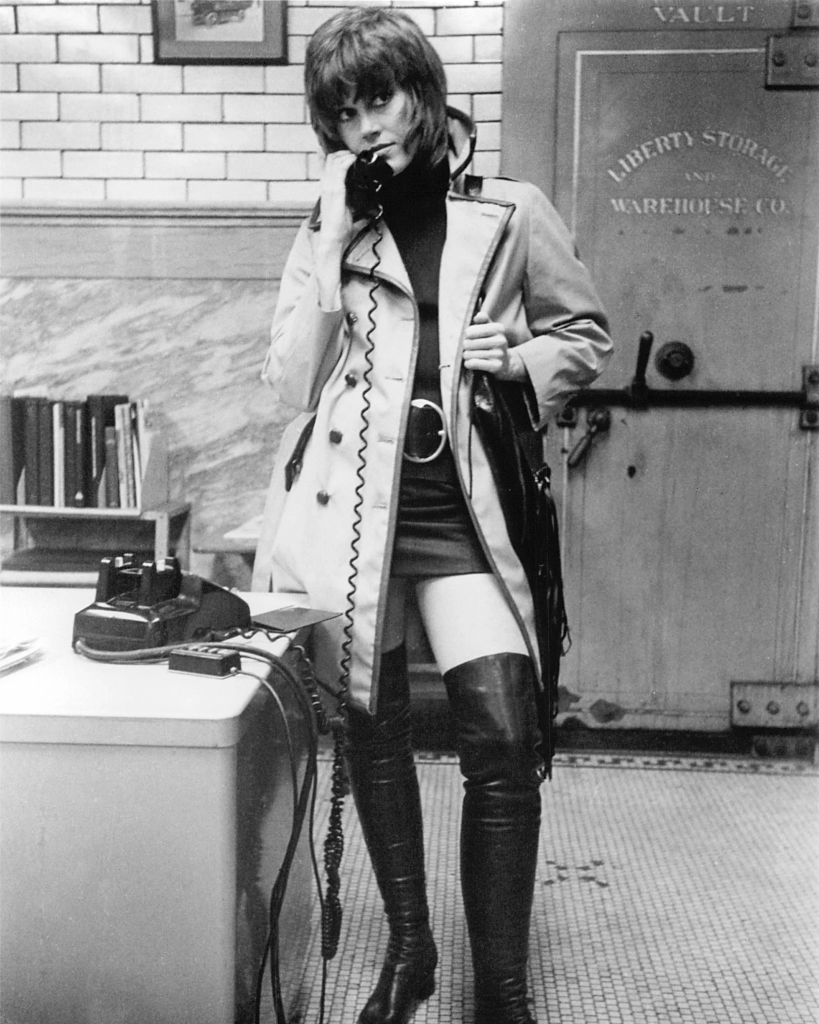
Jane Fonda
She embodied the intersection of fashion and cultural change, often reflecting evolving aesthetics of the decade. Her presence helped define a modern, confident visual identity.
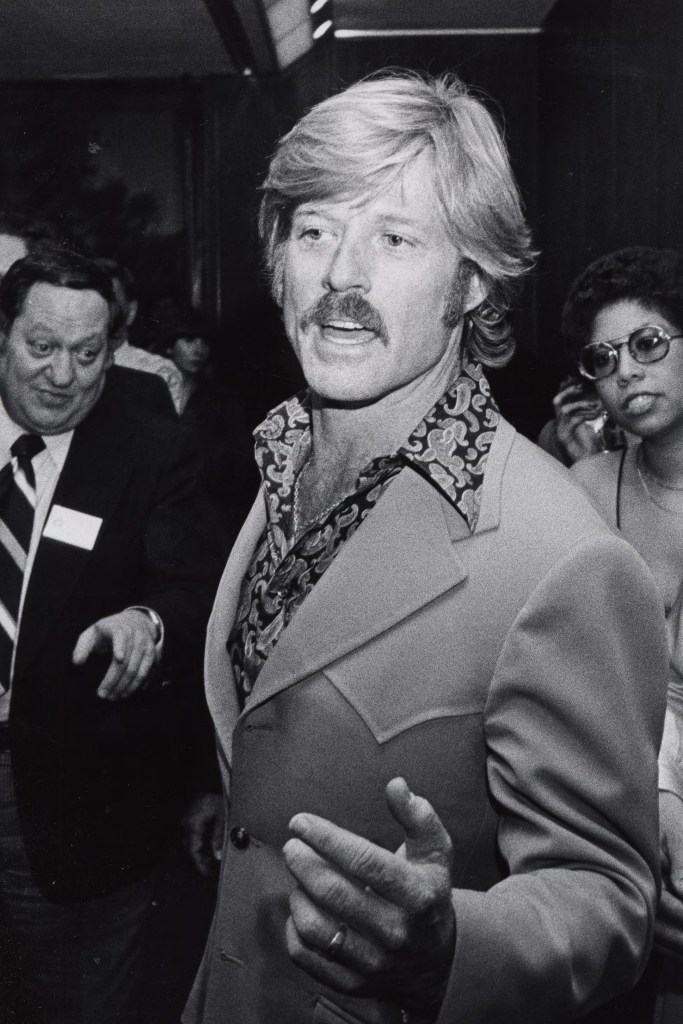
Robert Redford
His natural, effortless aesthetic defined a clean and understated version of 1970s leading man style. Whether on or off screen, his look felt aligned with a relaxed but refined cultural moment.
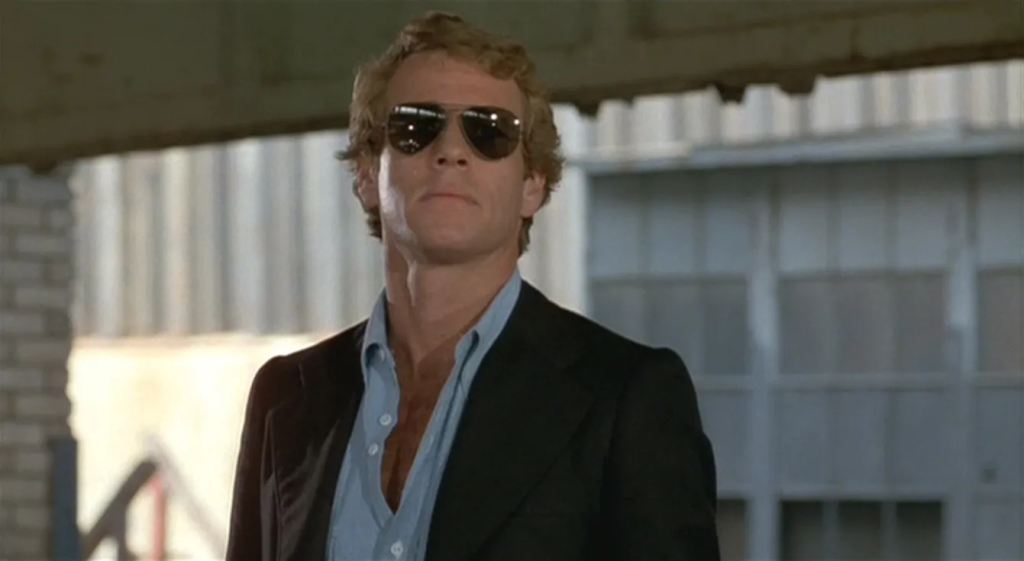
Ryan O’Neal
His clean, preppy inspired style reflected mainstream 1970s leading man fashion. It emphasized simplicity and accessibility.
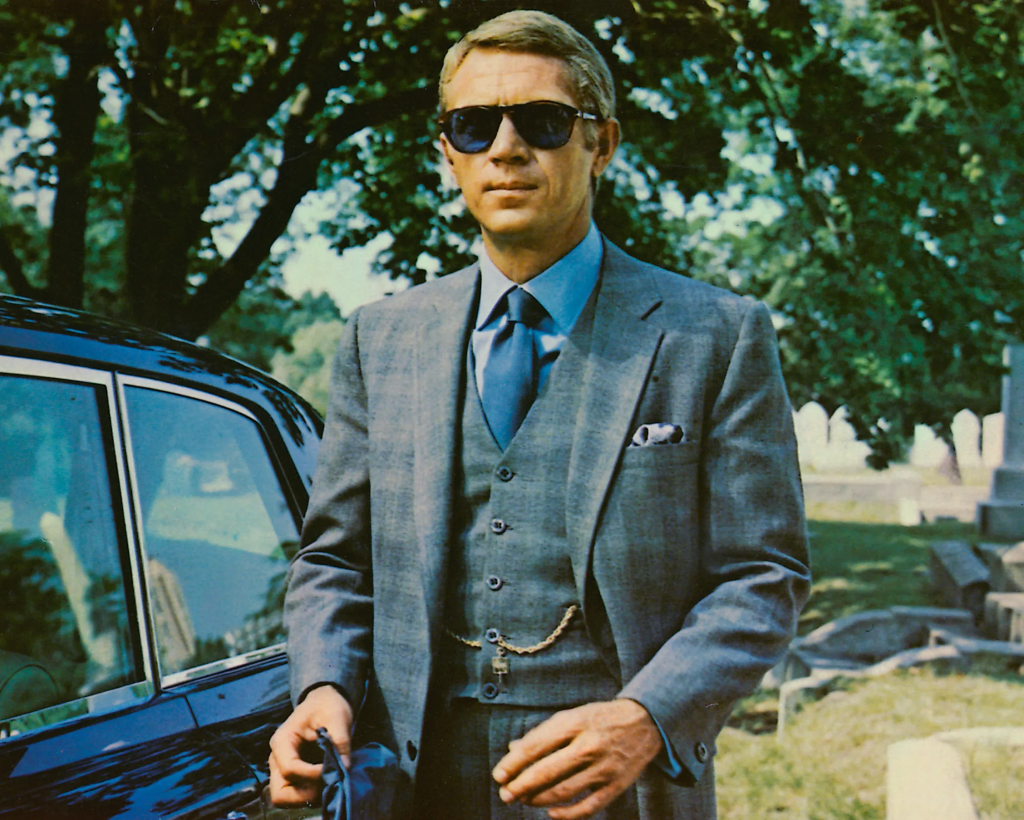
Steve McQueen
Known for minimalism in clothing and a strong personal attitude, his look relied on simplicity. It became a blueprint for understated masculine style in cinema.
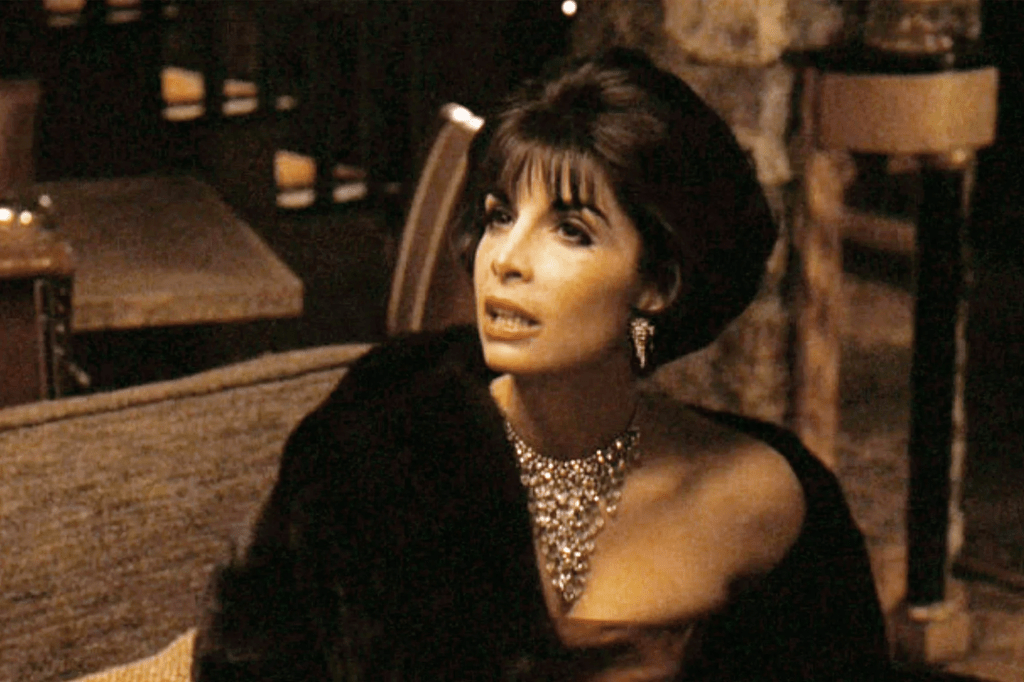
Talia Shire
Her understated, natural styling supported emotionally driven roles. The look emphasized realism over theatrical presentation.
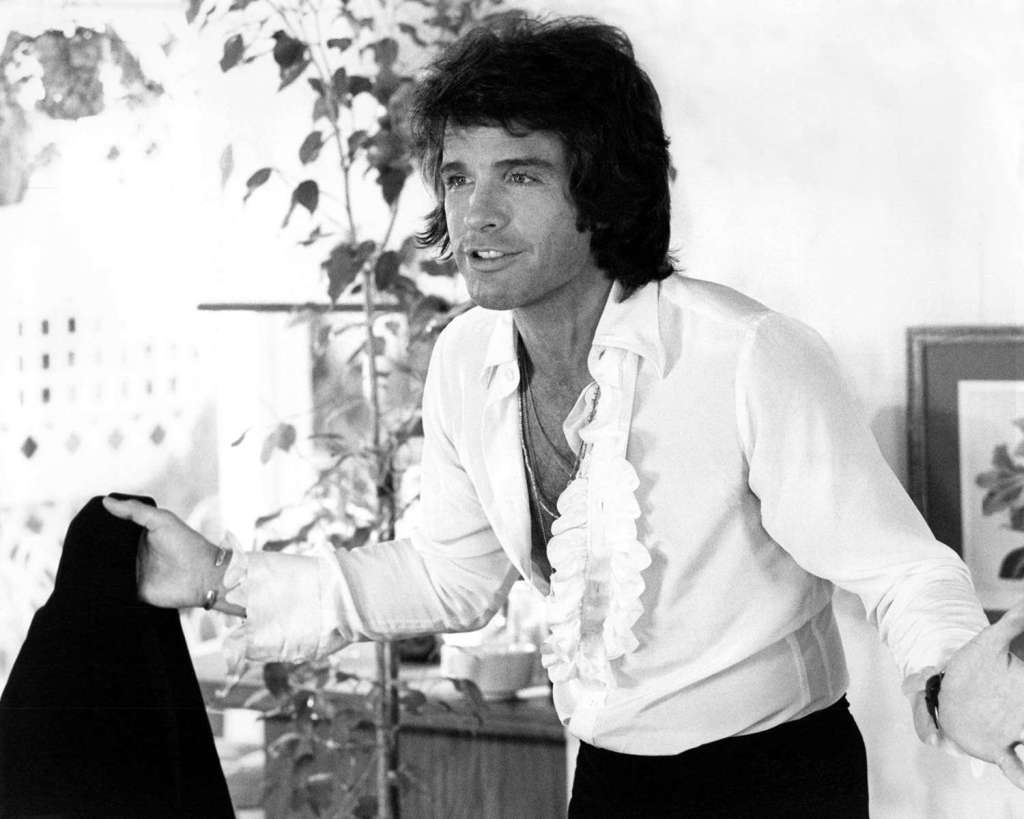
Warren Beatty
His style combined classic tailoring with a relaxed confidence. It reflected a transitional moment in Hollywood masculinity.
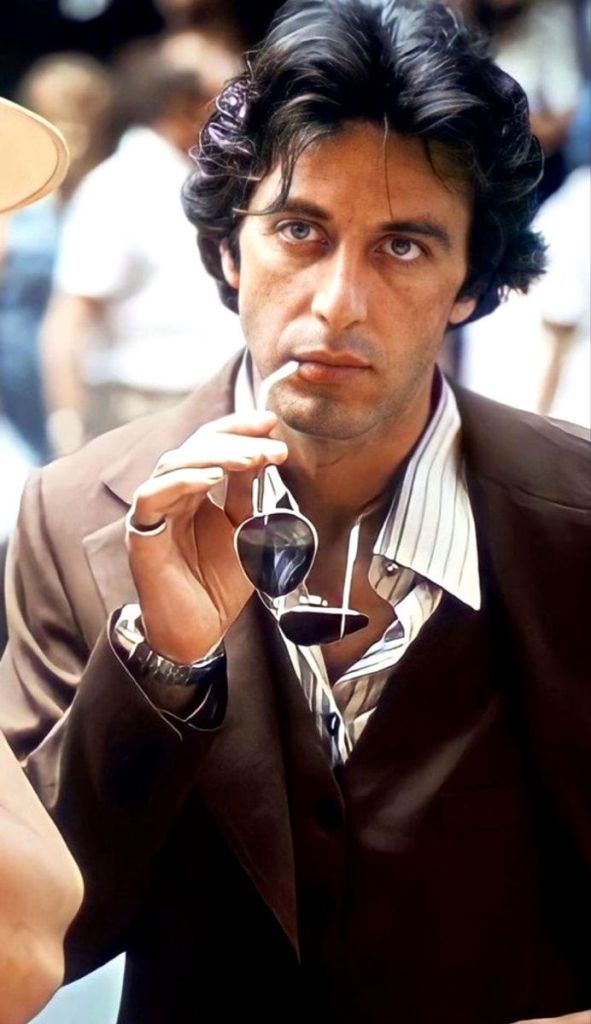
Al Pacino
His sharp features and intense presence are paired with tailored, era specific wardrobe choices. The combination created a style that felt both urban and highly expressive.
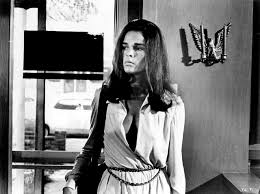
Ali MacGraw
Her soft, natural styling became closely associated with romantic drama aesthetics. The simplicity of her look helped define an era of understated glamour.
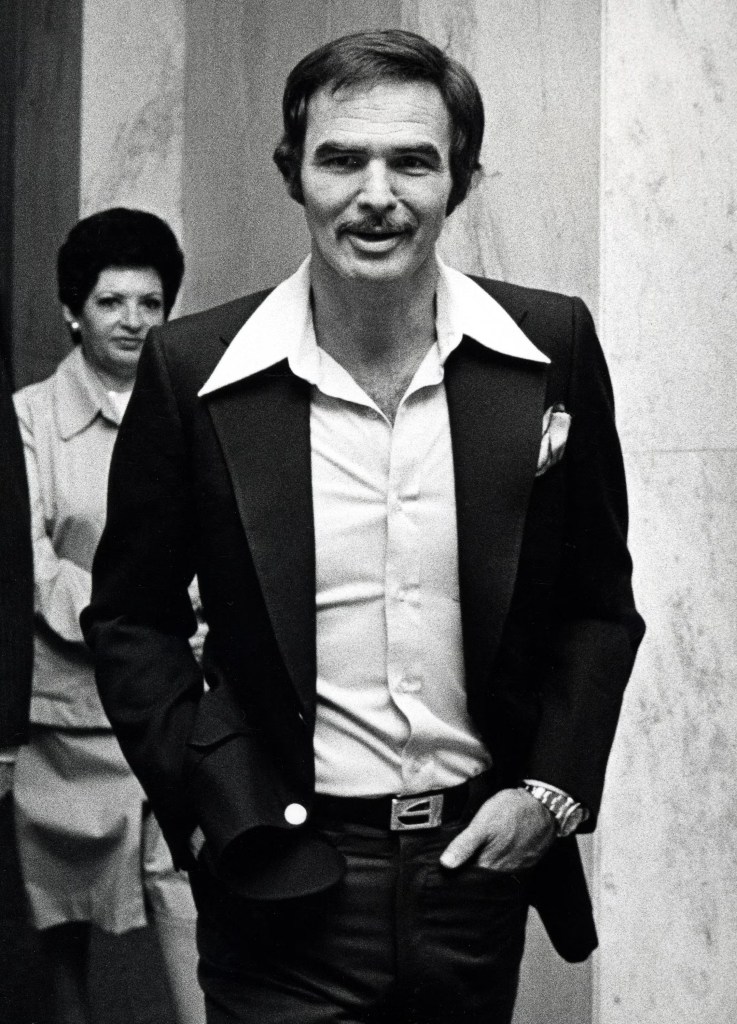
Burt Reynolds
His confident, rugged look combined casual fashion with strong charisma. He became a symbol of relaxed masculinity in the decade.
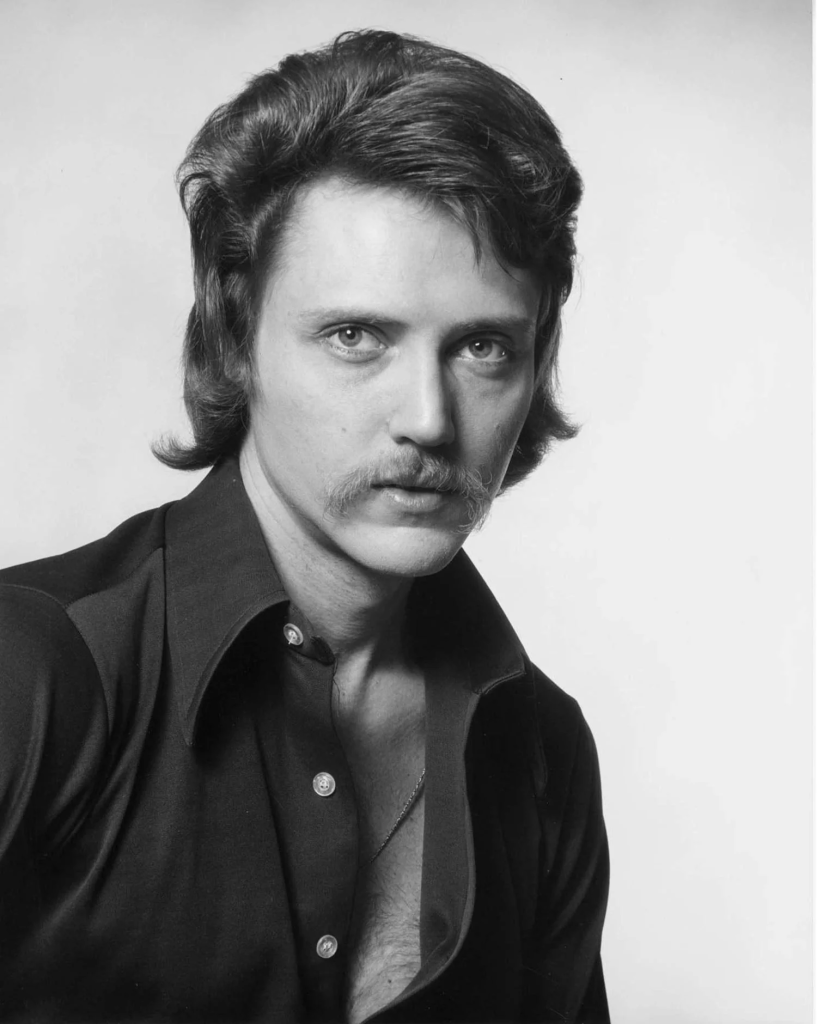
Christopher Walken
His distinctive styling and presence created a memorable screen image. The combination of wardrobe and demeanour gave him a singular identity.