14 of History’s Most Stressful Moments

Some moments in history have been so tense that a single decision could have changed the fate of millions of people. Leaders have faced impossible choices, soldiers have waited for orders that could send them into disaster, and ordinary people have watched events unfold without knowing whether they would survive the day. What makes these moments so fascinating is that nobody involved knew exactly how things would end. Looking back, we can see how close the world came to catastrophe, how quickly situations escalated, and how a few crucial decisions sometimes made all the difference.
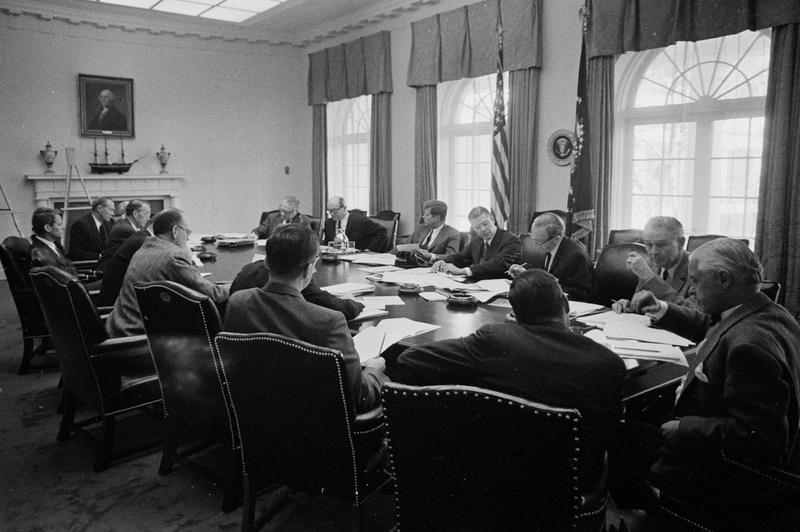
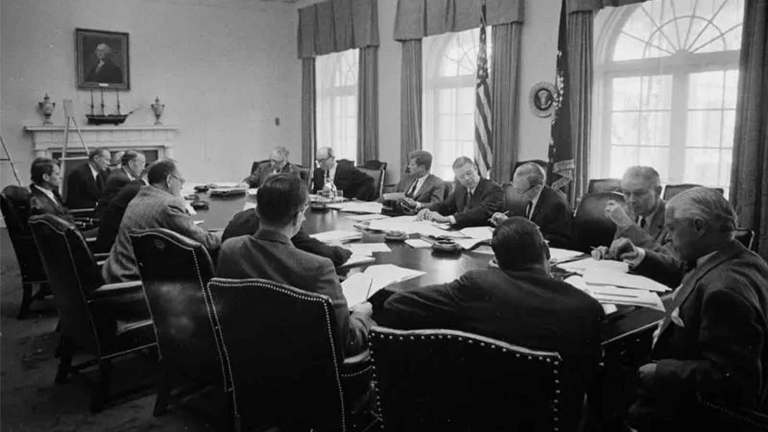
The Cuban Missile Crisis (1962)
The United States and the Soviet Union came dangerously close to nuclear war during a 13 day standoff over Soviet missiles in Cuba.
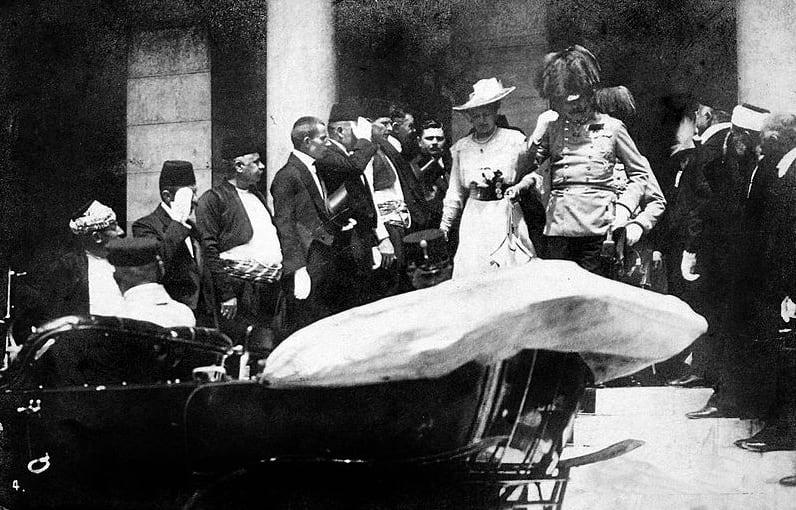
The Assassination That Sparked World War I (1914)
Archduke Franz Ferdinand was assassinated in Sarajevo, setting off a chain of events that led to a devastating global war.
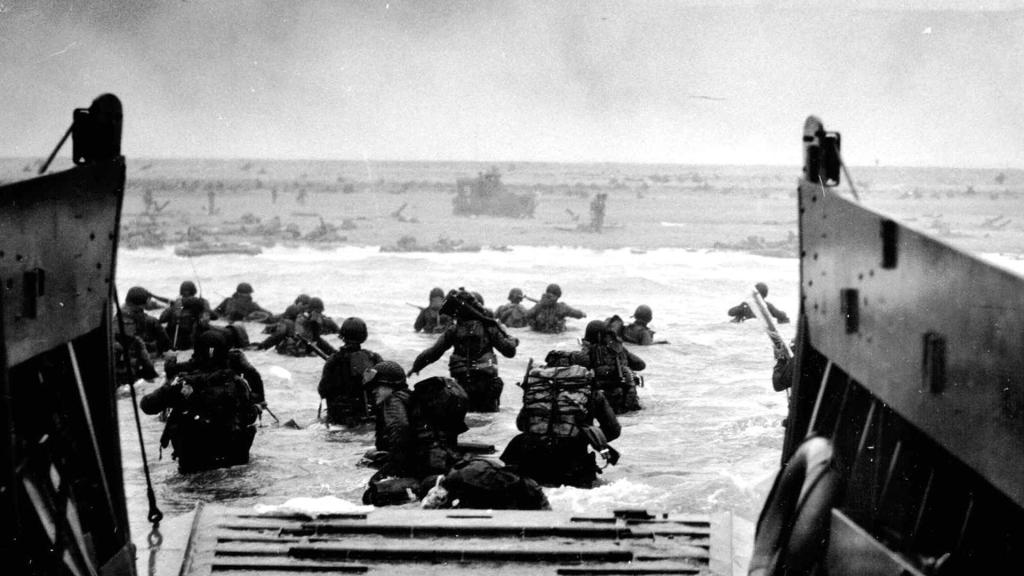
D-Day Landings (1944)
Allied troops stormed Nazi occupied Normandy under intense enemy fire in one of the most consequential military operations in history.
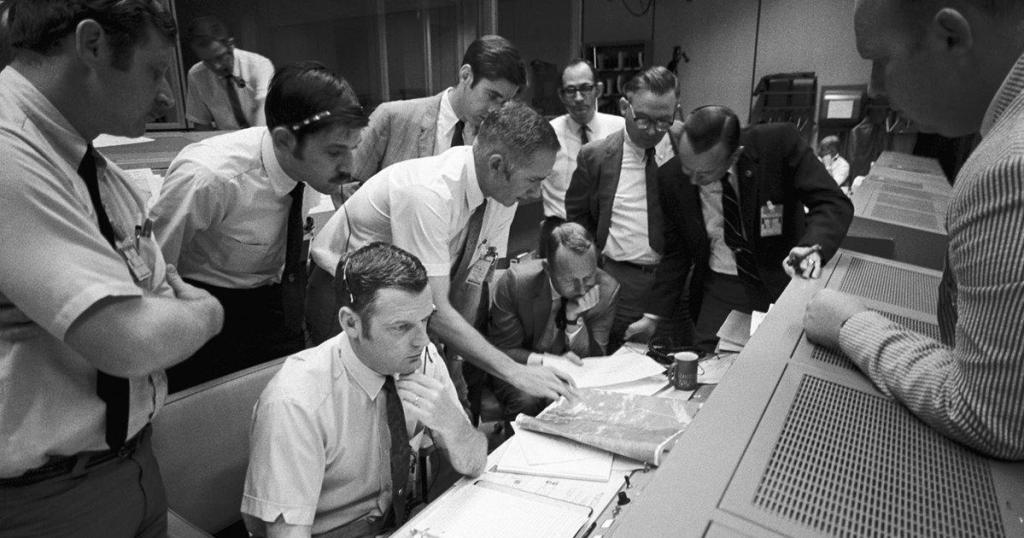
The Apollo 13 Emergency (1970)
An oxygen tank explosion crippled the spacecraft, forcing NASA engineers to race against time to bring three astronauts home alive.
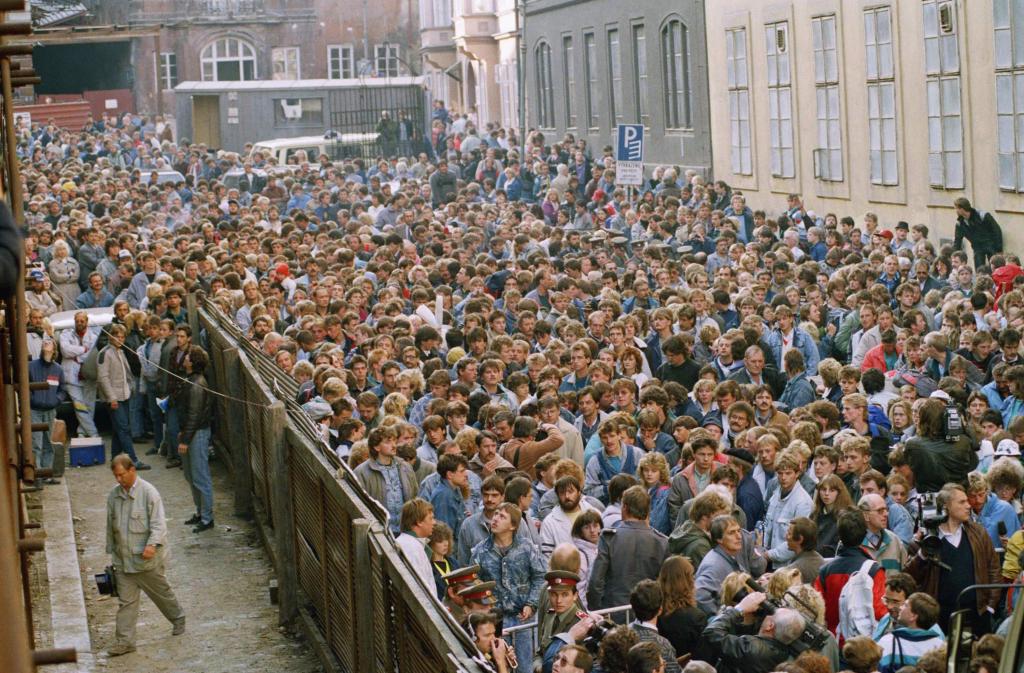
The Fall of the Berlin Wall (1989)
Confusion over a government announcement brought thousands to the border crossings, where guards eventually opened the gates separating East and West Berlin.
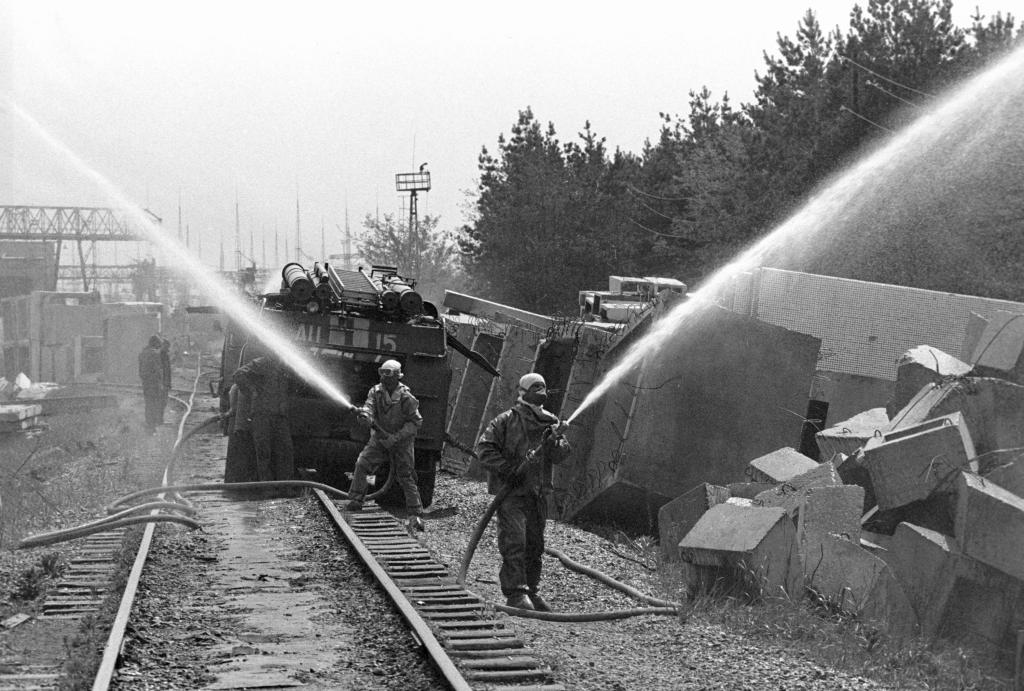
The Chernobyl Nuclear Disaster (1986)
A reactor explosion released radioactive material into the environment, while officials struggled to understand the scale of the catastrophe.
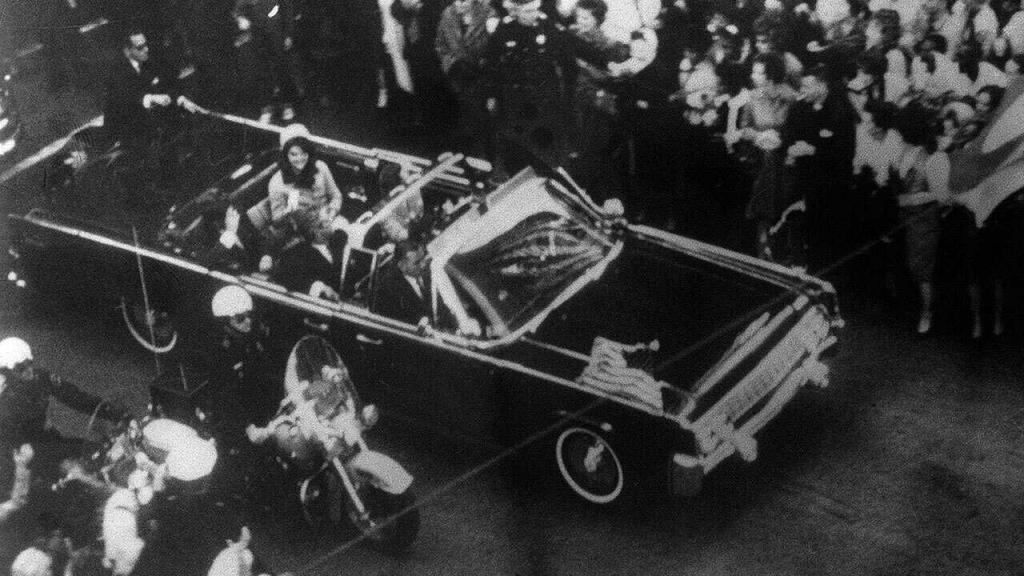
The Assassination of John F. Kennedy (1963)
The president was shot during a motorcade in Dallas, leaving the United States stunned and triggering a frantic investigation.
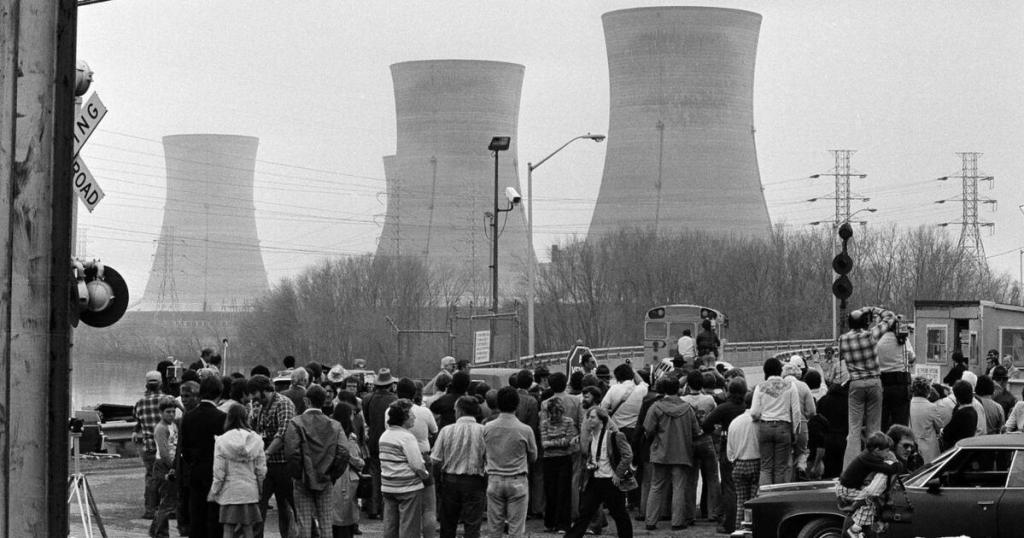
The Three Mile Island Accident (1979)
A partial reactor meltdown in Pennsylvania raised fears of a major nuclear disaster and prompted an emergency response.
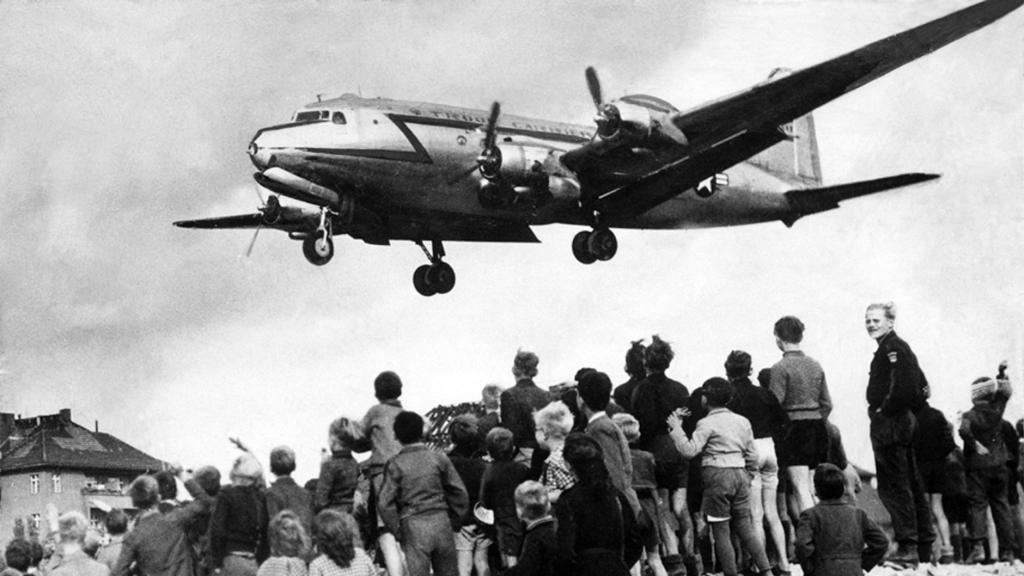
The Berlin Blockade (1948)
The Soviet Union blocked land access to West Berlin, forcing Western Allies to supply the isolated city by air and escalating Cold War tensions.
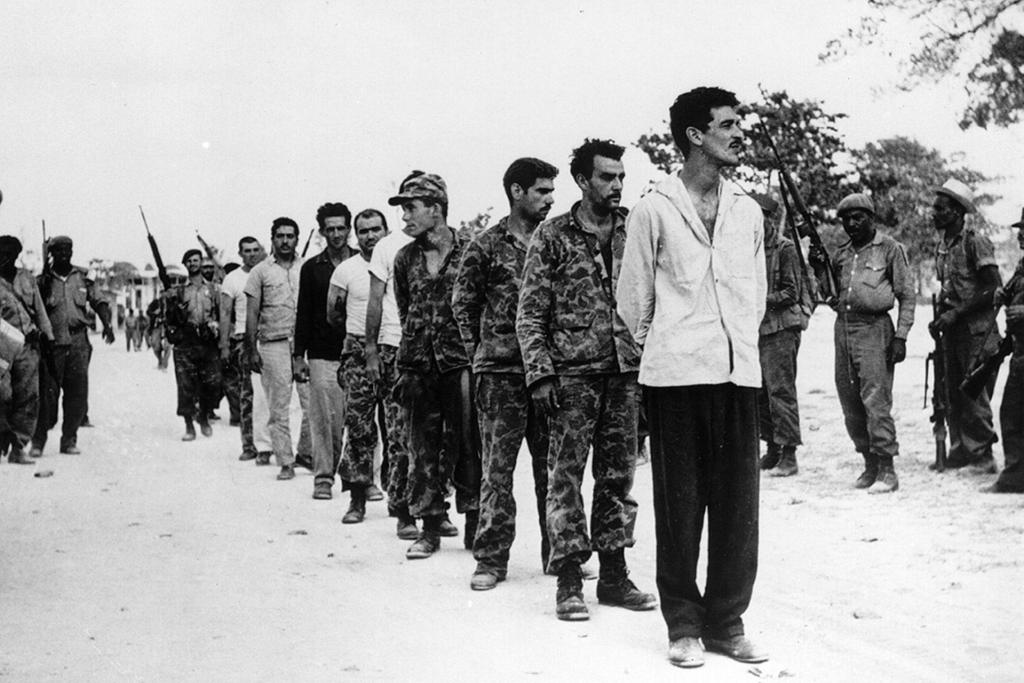
The Bay of Pigs Invasion (1961)
A failed CIA backed invasion of Cuba embarrassed the Kennedy administration and deepened the confrontation between Washington and Havana.
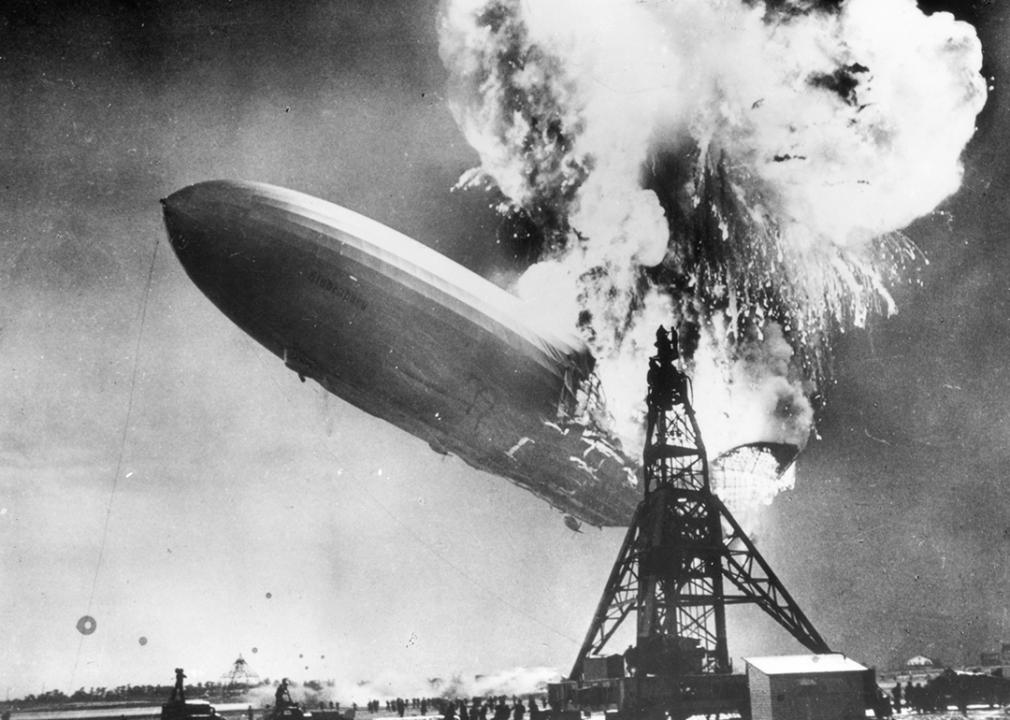
The Hindenburg Disaster (1937)
The German airship burst into flames while attempting to land in New Jersey, turning a routine arrival into a terrifying catastrophe.
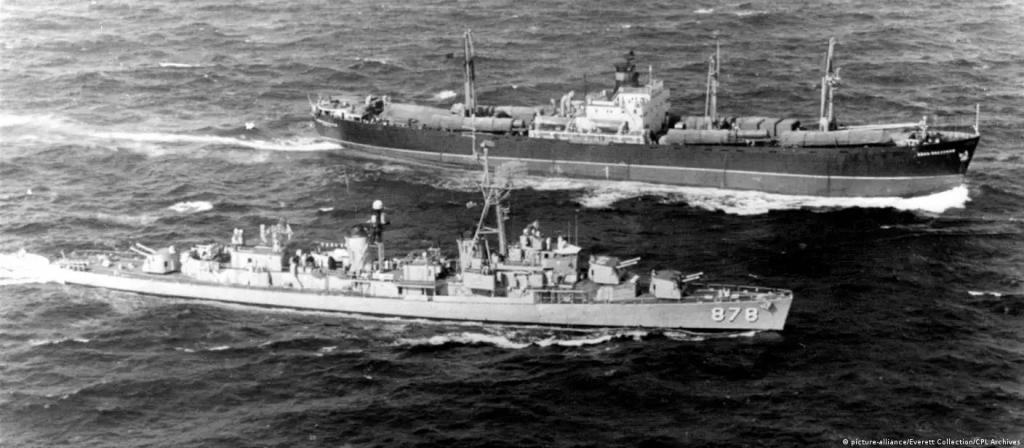
Soviet Ships Approach the Cuban Quarantine (1962)
During the missile crisis, Soviet vessels headed toward the American naval quarantine around Cuba, raising fears that a confrontation could trigger nuclear war.
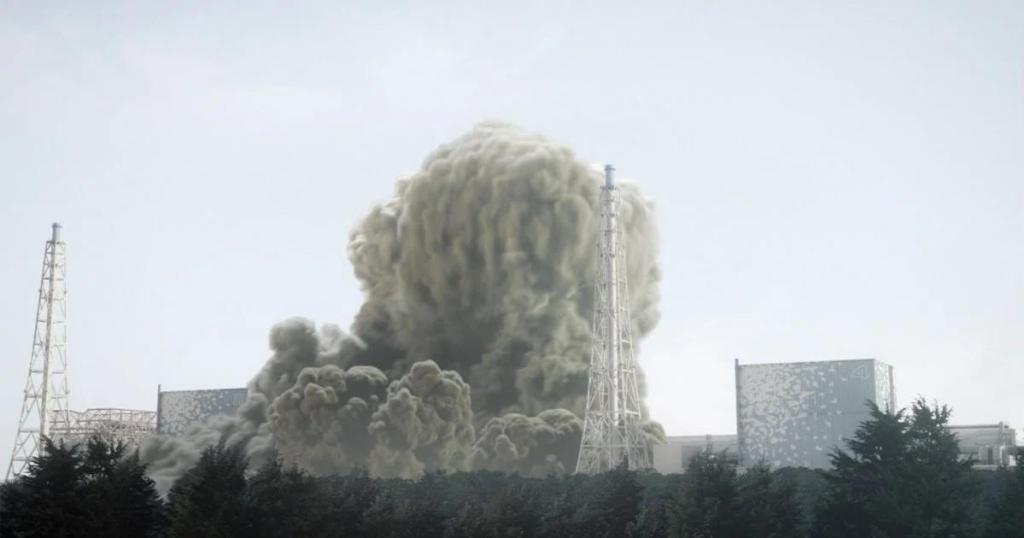
The Fukushima Nuclear Crisis (2011)
After a massive earthquake and tsunami struck Japan, cooling systems failed at the Fukushima Daiichi plant, causing reactor meltdowns and widespread evacuations.
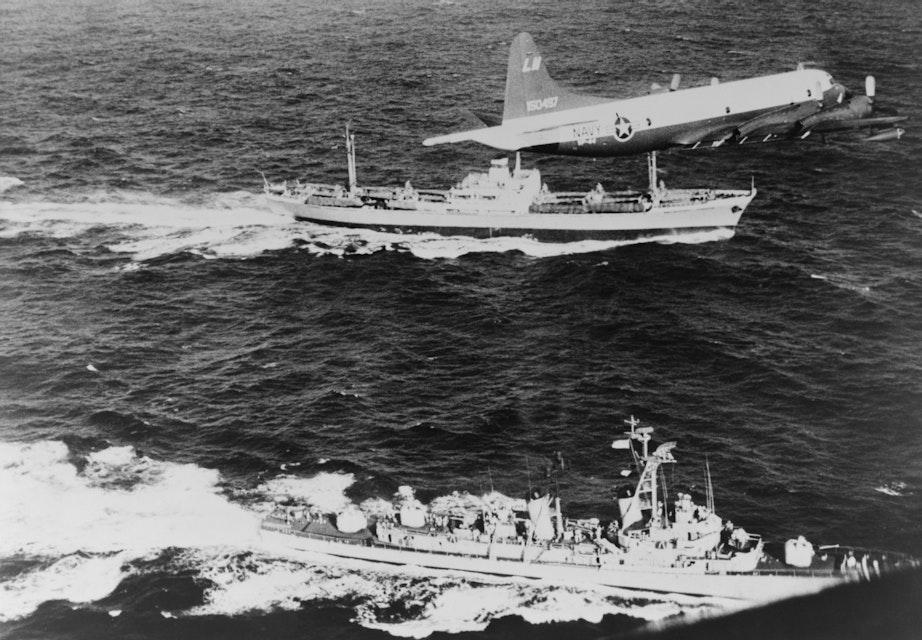
The World on the Brink of Nuclear War (1983)
During a period of extreme Cold War tension, Soviet early warning systems falsely indicated an incoming American missile attack. Soviet officer Stanislav Petrov judged the warning to be a false alarm, helping prevent a potentially catastrophic escalation.