13 Old Special Effects That Remain Groundbreaking Today

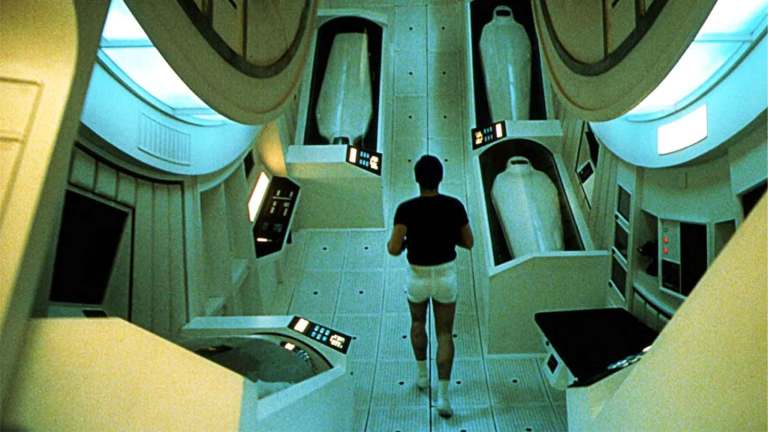
When you’re watching an old movie, you know what to expect from their special effects, and you set your expectations accordingly. They did what they could with what they had at the time, and they were able to set the foundation of what would become modern cinema.
This isn’t what we’re talking about here, since today we’re covering the movies that need no excuses. They look incredible just as they are, all these years later. If for some incredible reason you haven’t given these films a try, perhaps due to how old they are, maybe you should consider giving them a watch.
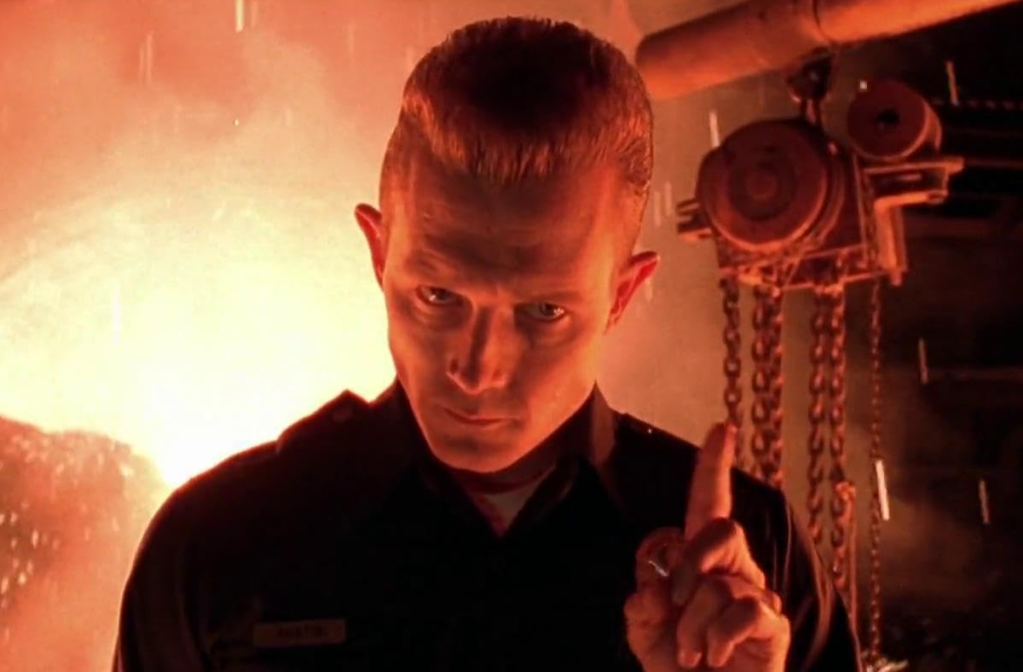
Terminator 2: Judgment Day
James Cameron refused to use cheap cutaway tricks when it came to the morphing T-1000. Decades later, those sleek liquid metal effects surrounding Robert Patrick still look far more convincing than most modern digital creations.
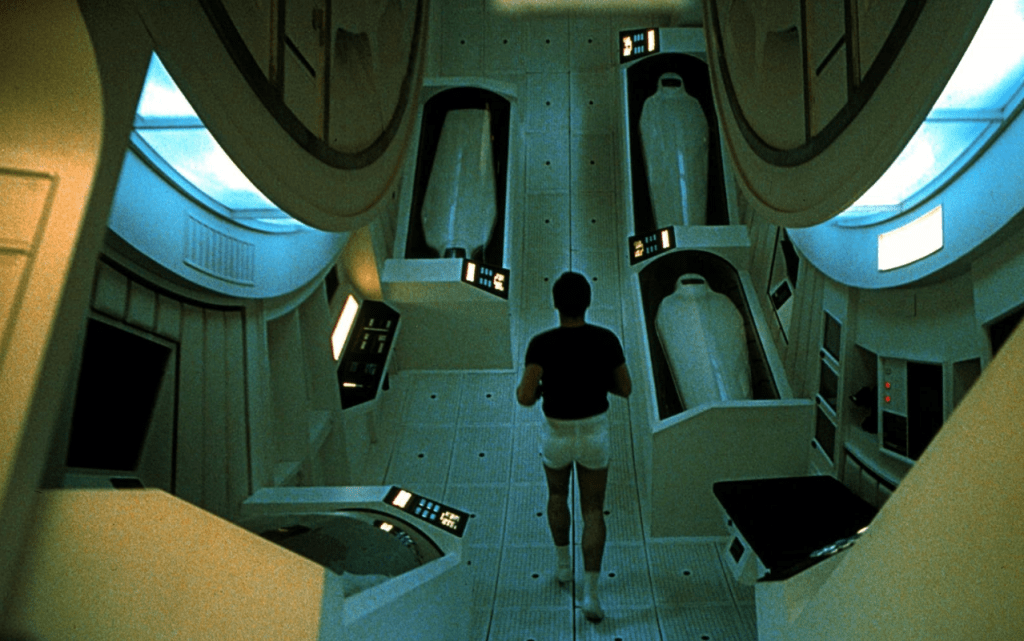
2001: A Space Odyssey
Stanley Kubrick relied on brilliant practical techniques instead of computers to capture weightlessness and space travel. His innovative physical filming methods set an entirely new standard, leaving audiences with visuals that easily rival modern space epics.
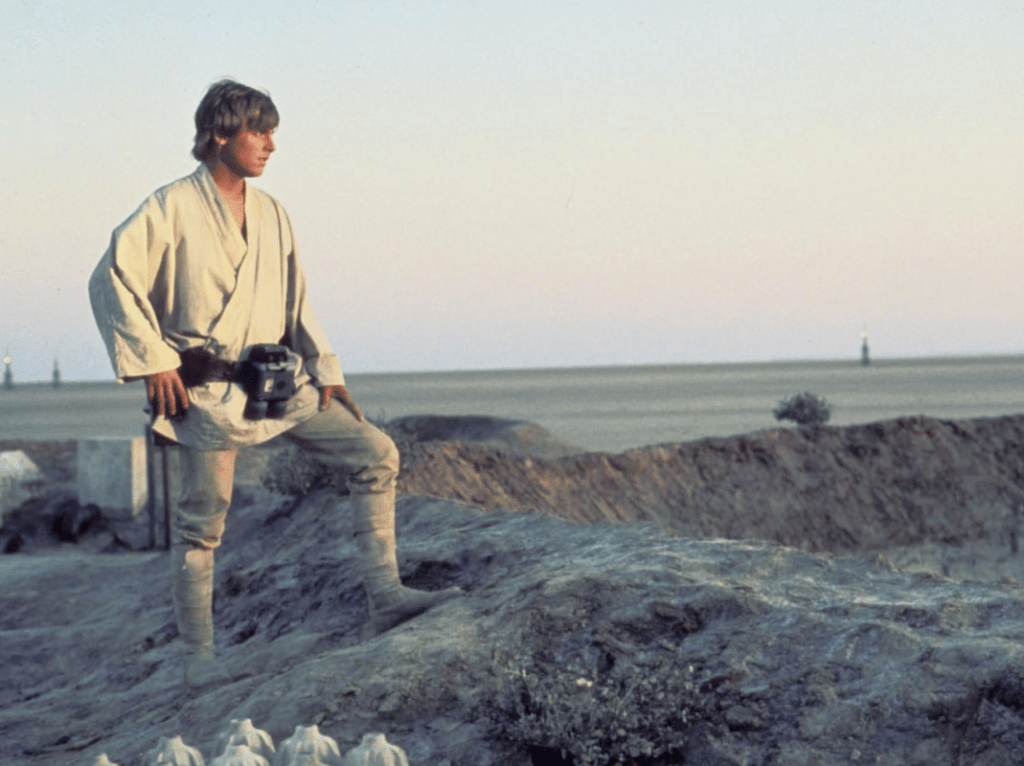
Star Wars: A New Hope
George Lucas changed cinema in 1977 with techniques that still hold their ground. The iconic Death Star trench run remains a masterclass in action, smoothly combining detailed miniature models and gorgeous matte paintings for maximum thrill.
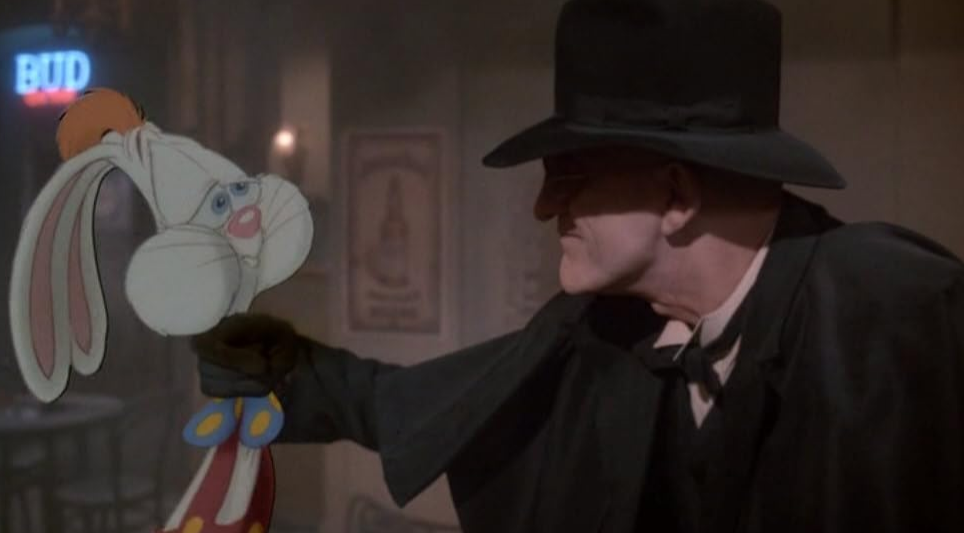
Who Framed Roger Rabbit
This 1988 classic revolutionized how live-action and animation could exist in the same frame. Using dynamic camera work and clever interactive lighting, the blending of humans and cartoons remains an astonishing achievement in cinema history.
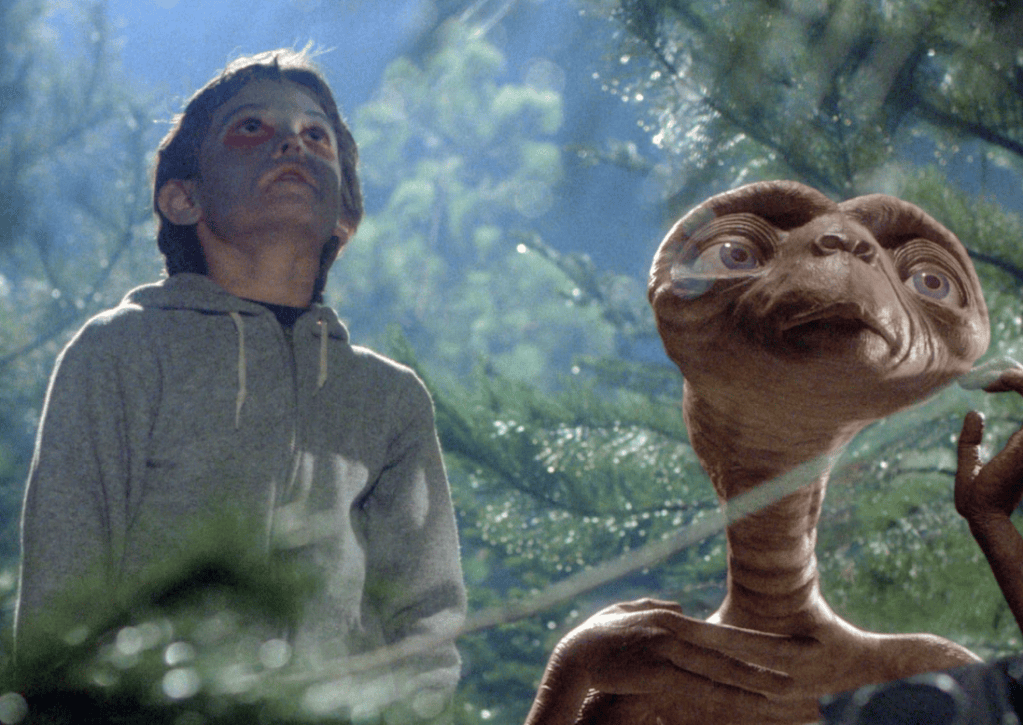
E.T. the Extra-Terrestrial
Bringing this alien to life required serious physical engineering rather than just drawing something on a computer screen. Carlo Rambaldi designed the complex animatronics that gave the creature such a deeply expressive and timeless emotional weight.
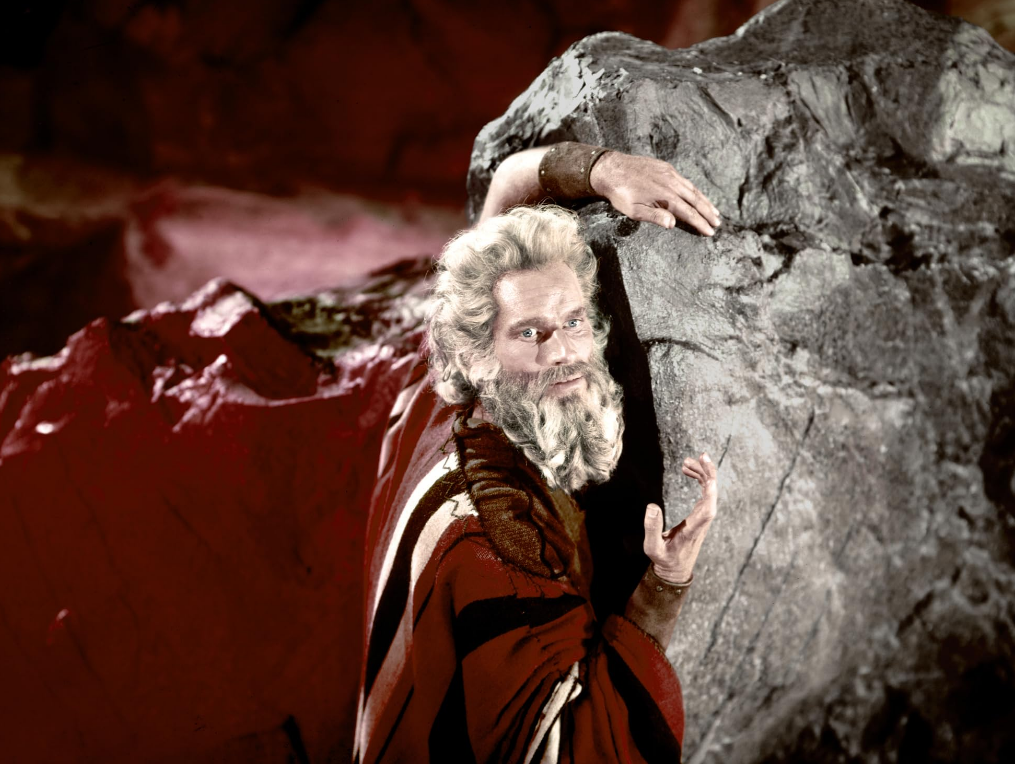
The Ten Commandments
Even modern visual effects artists remain stunned by the massive practical scale of this 1956 epic. The legendary sequence where Moses parts the Red Sea relied on clever physical engineering that still blows audiences away.
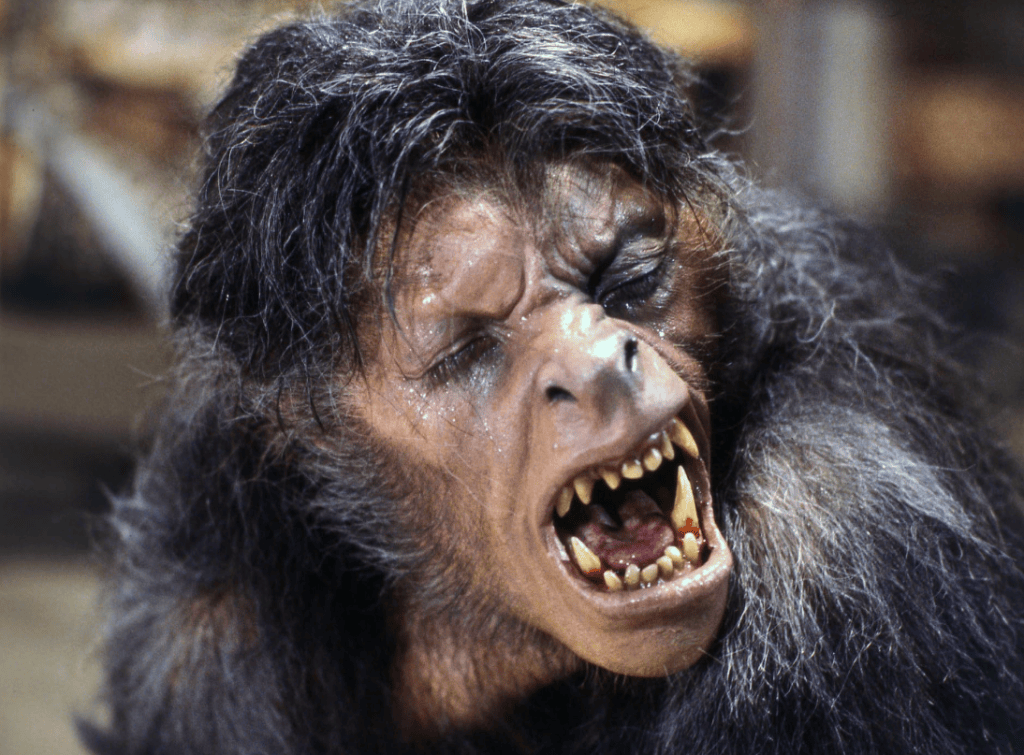
An American Werewolf in London
The physical transformation sequences here were so agonizingly detailed and convincing that they demanded industry recognition. Makeup artist Rick Baker actually won the very first Academy Award for Best Makeup thanks to his horrifying practical designs.
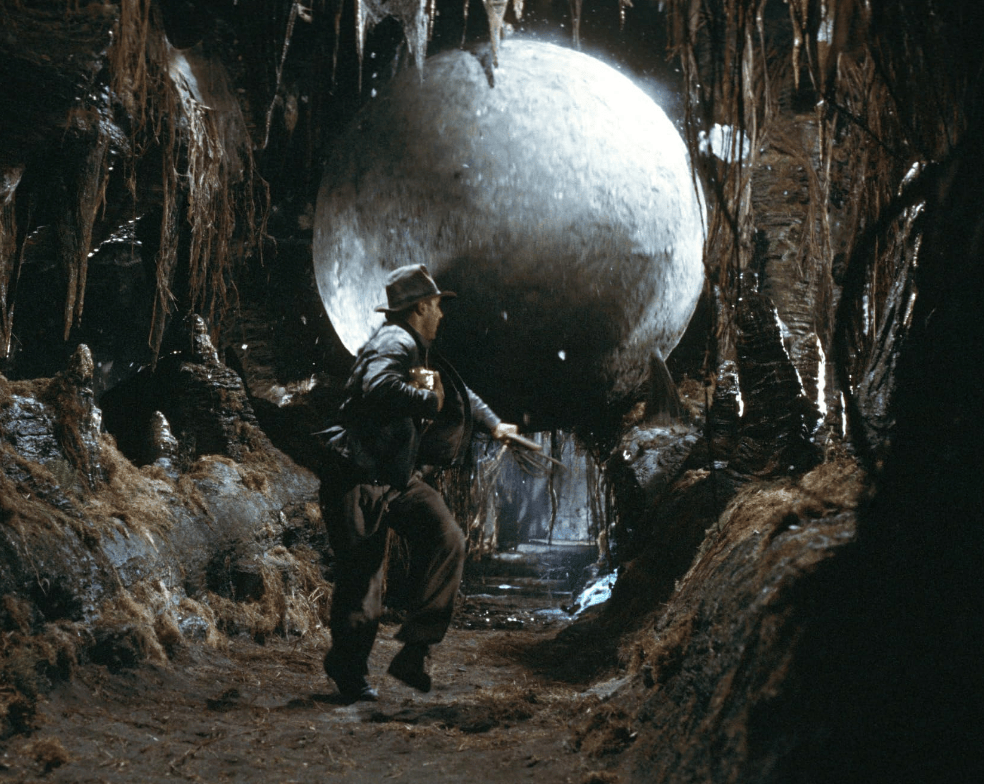
Raiders of the Lost Ark
Steven Spielberg delivered an absolute masterclass in practical stunts and physical effects with this 1981 adventure. By relying on real explosions, physical sets, and clever camera tricks, the massive action sequences feel incredibly grounded and heavy.
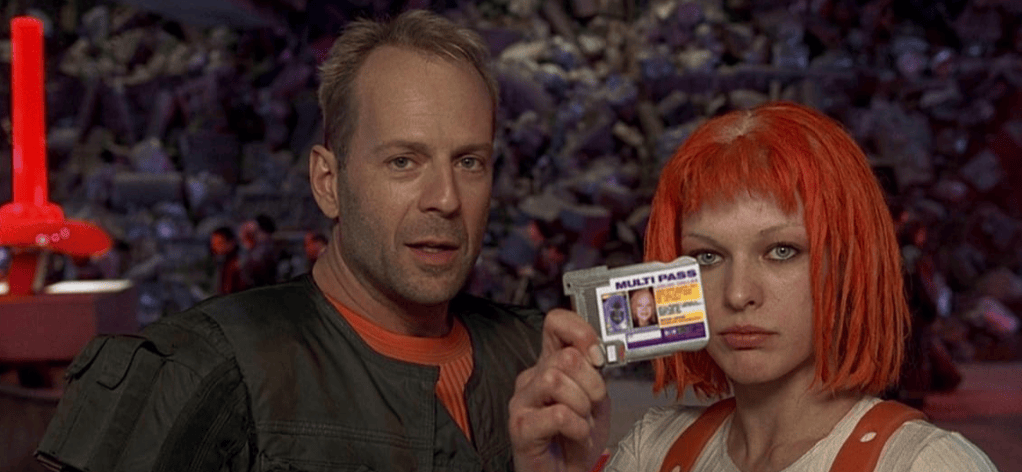
The Fifth Element
Directed by Luc Besson, this 1997 science fiction wild ride completely rejected boring visual styles. The physical creature suits and beautifully colorful city miniatures gave the entire futuristic setting a wildly energetic and tangible atmosphere.
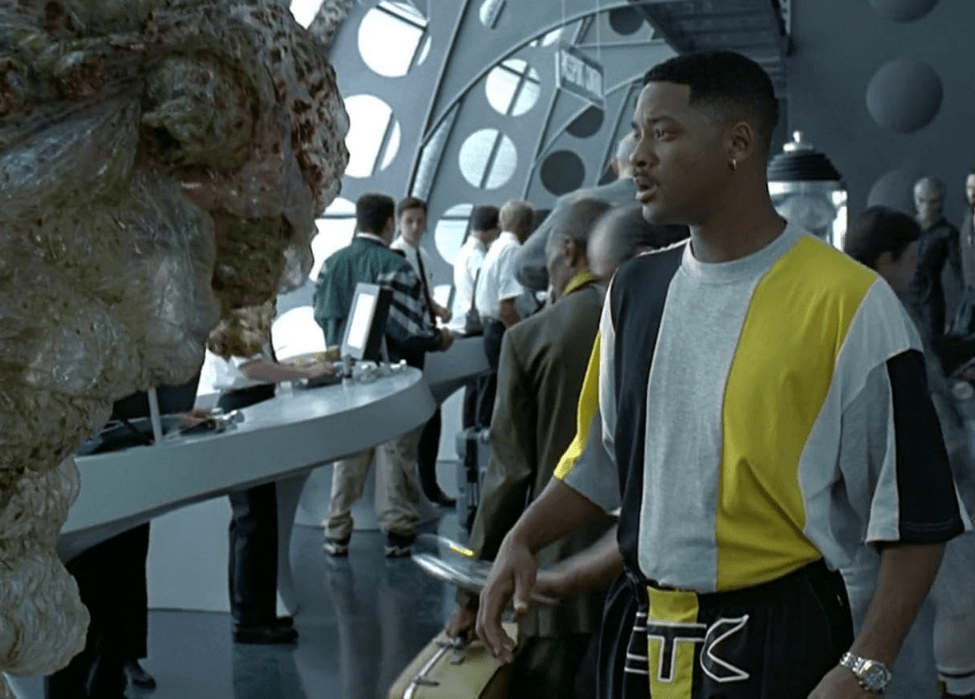
Men in Black
While the concept of mysterious agents dealing with aliens is a famous conspiracy theory, this 1997 comedy brought the creatures to life. The mix of slimy practical puppets and physical makeup effects keeps the aliens feeling hilariously real.
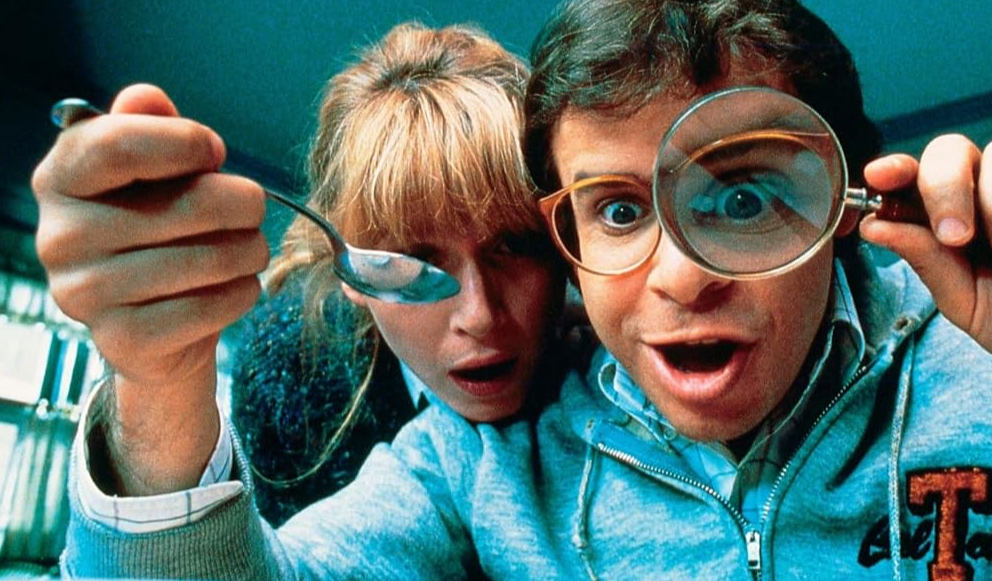
Honey, I Shrunk the Kids
Serving as the directorial debut for visual effects artist Joe Johnston, this family adventure went all in on scale. By building massive physical sets and giant robotic insects, the tiny perspective remains wonderfully convincing for viewers.

The NeverEnding Story
Wolfgang Petersen directed this 1984 fantasy using massive mechanical puppets and detailed models. The giant animatronic designs for creatures like Falkor and Gmork gave the magical world a physical weight that entirely digital creations often lack.
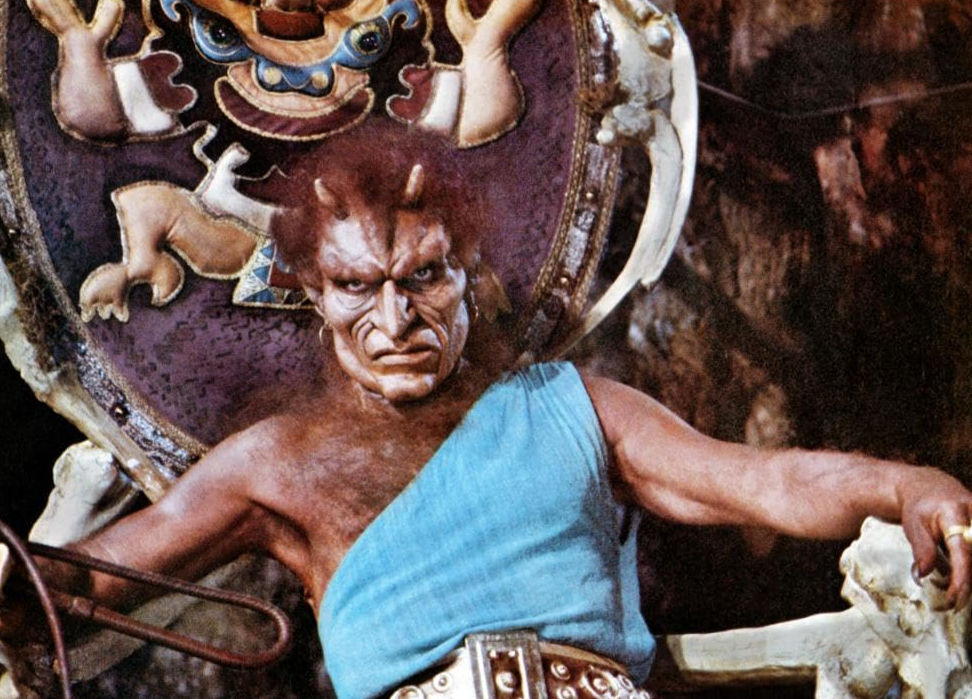
Clash of the Titans
Before the shiny 2010 remake tried to upgrade everything with massive computer graphics, the 1981 original relied on meticulous stop-motion animation. The jerky, unnatural movements of the mythological monsters actually made them feel far more terrifying.