12 Historical Facts That Are Unnerving in Their Own Way

History has a way of preserving details that people would probably rather forget. Behind famous discoveries, royal dynasties, scientific breakthroughs, and everyday customs, there are stories that sound almost impossible to believe today. Some are unsettling because of how casually people accepted them, while others reveal just how little was understood about the world at the time. The strangest part is that these aren’t urban legends or stories invented to scare anyone. They’re documented events, practices, and decisions that actually happened, sometimes leaving behind records that make you wonder what people were thinking when they considered them perfectly normal.
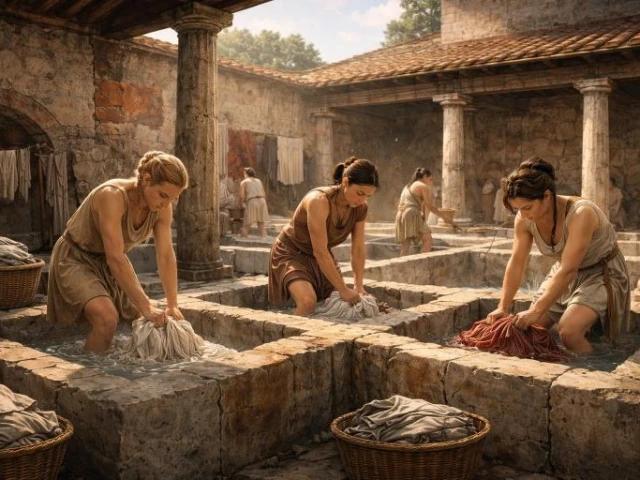
Ancient Romans Used Urine to Wash Their Clothes
Ancient Roman laundries collected human urine in public containers because its ammonia content helped remove grease and stains from clothing, and the emperor Vespasian even introduced a tax on its collection.
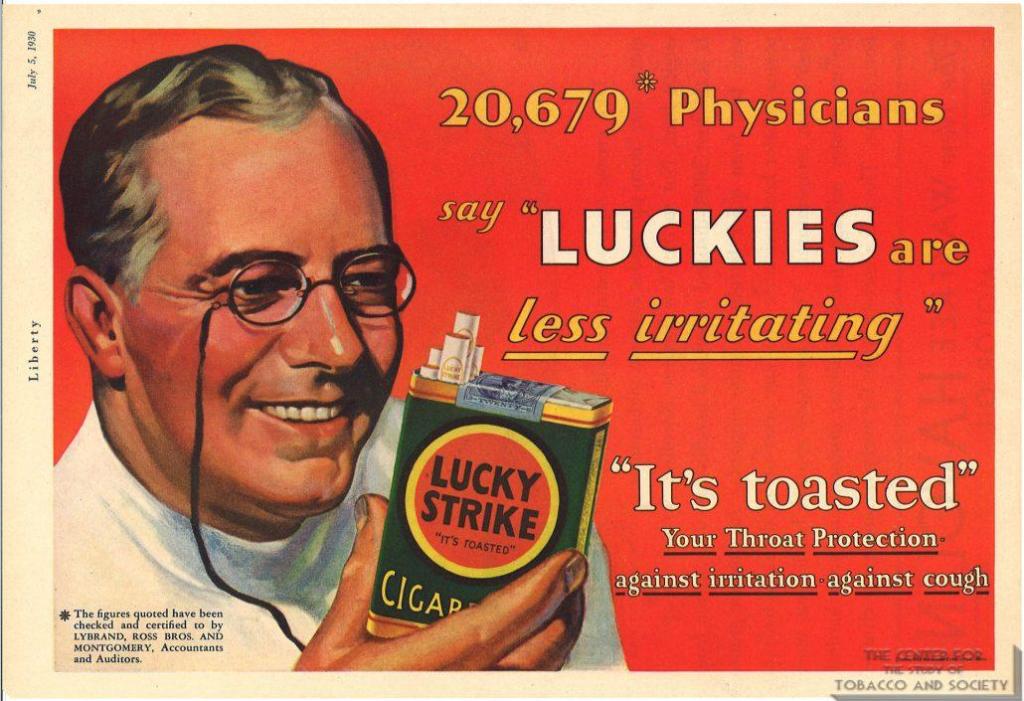
Doctors Once Prescribed Cigarettes
During the early 20th century, cigarette advertisements sometimes featured doctors endorsing particular brands, with companies using medical authority to promote smoking before its health risks became widely understood.
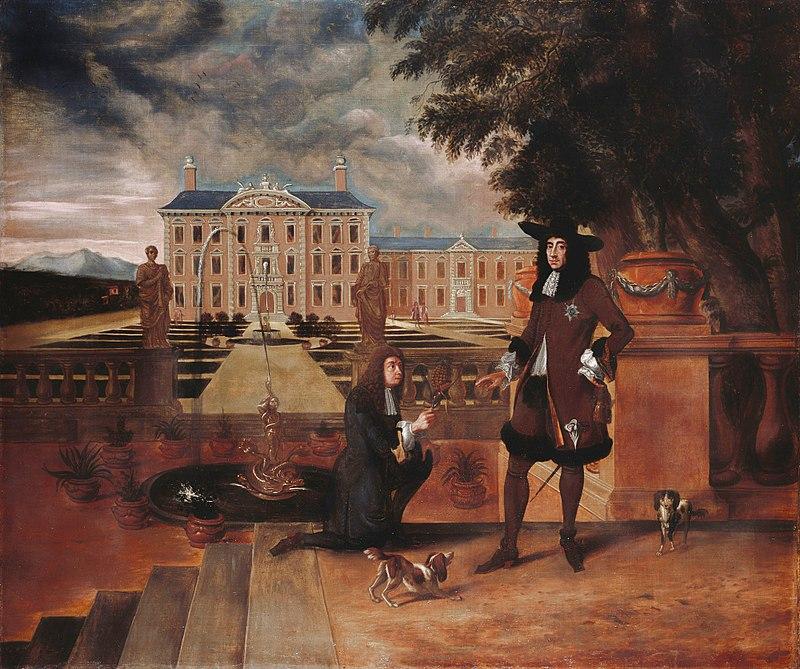
King Charles II Had a Laboratory in His Palace
King Charles II of England was fascinated by experimental science and alchemy, and his court supported investigations involving chemistry, anatomy, and other subjects that could look quite disturbing by modern standards.

Ancient Egyptians Used Crocodile Dung as Contraception
Ancient Egyptian medical texts describe contraceptive mixtures containing crocodile dung, which women inserted vaginally, although the actual effectiveness of these preparations remains uncertain.
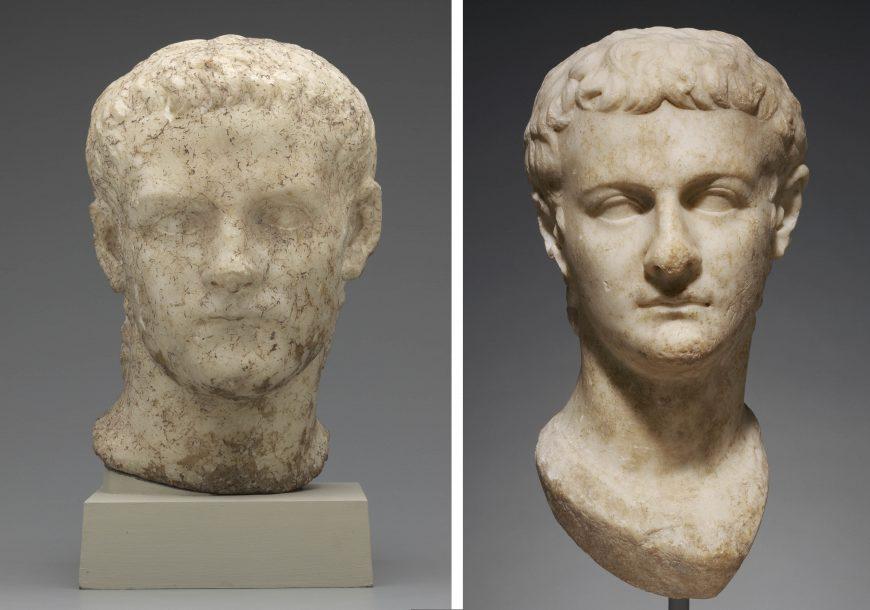
Some Ancient Roman Emperors Had Their Enemies’ Names Erased From History
The Romans practiced something known as damnatio memoriae, a form of posthumous condemnation in which a disgraced person’s name could be removed from inscriptions, monuments, and official records.
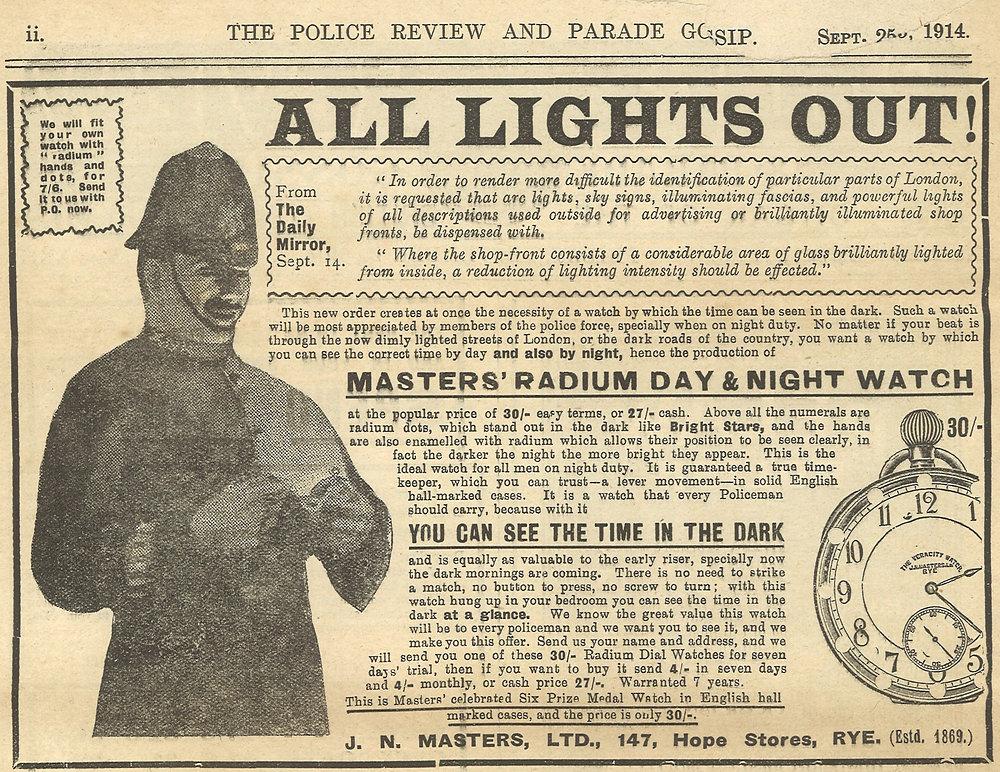
People Once Used Radium in Everyday Products
During the early 20th century, radium was marketed as a miraculous ingredient and appeared in products such as cosmetics, toothpaste, and luminous watch paint, despite its dangerous radioactive properties.
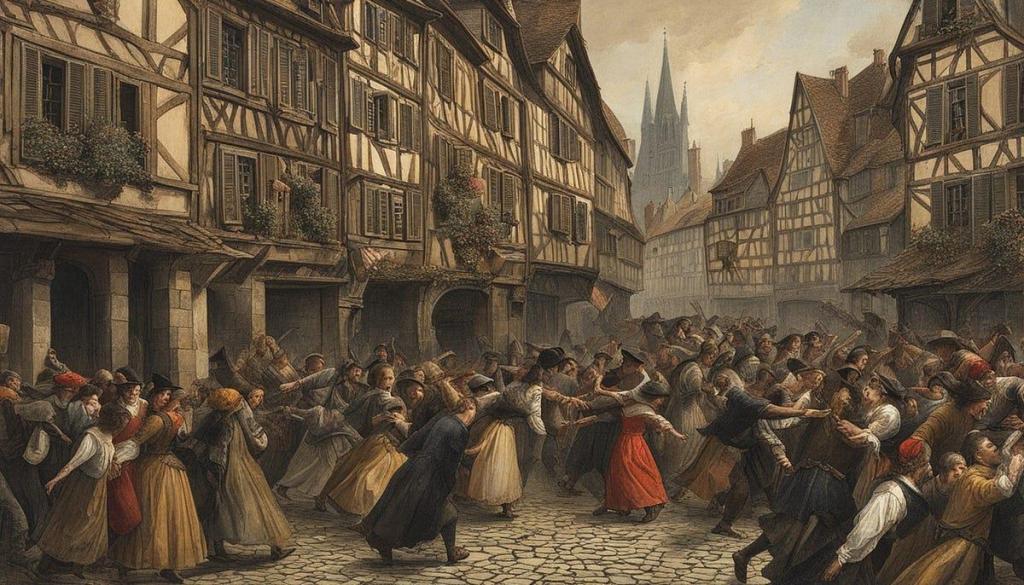
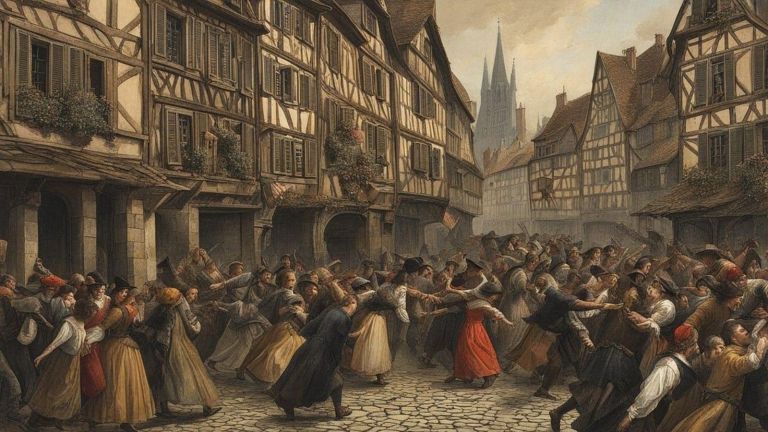
A Dancing Plague Once Swept Through Strasbourg
In 1518, dozens of people in Strasbourg reportedly began dancing uncontrollably in the streets, with some historical accounts claiming the episode continued for weeks and left several participants dead.

Ancient Roman Cemeteries Were Sometimes Located Along Busy Roads
Roman burial laws generally prohibited interments within the city, so wealthy families built elaborate tombs along major roads, meaning travelers could pass hundreds of graves during an ordinary journey.
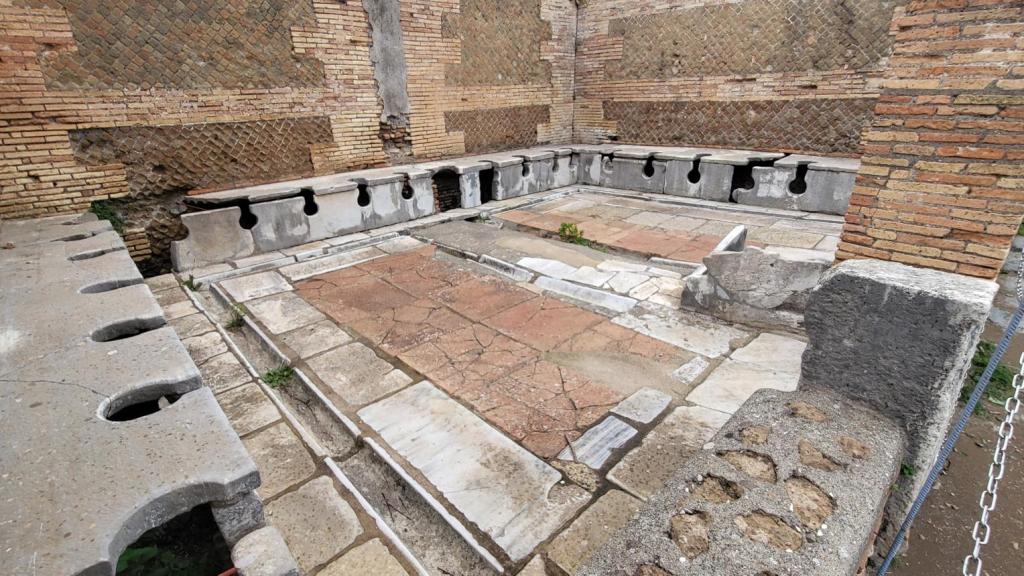
The First Public Toilets in Ancient Rome Were Completely Exposed
Ancient Roman public latrines often consisted of long stone benches with several openings, allowing multiple people to use the facilities simultaneously without the privacy modern bathrooms provide.
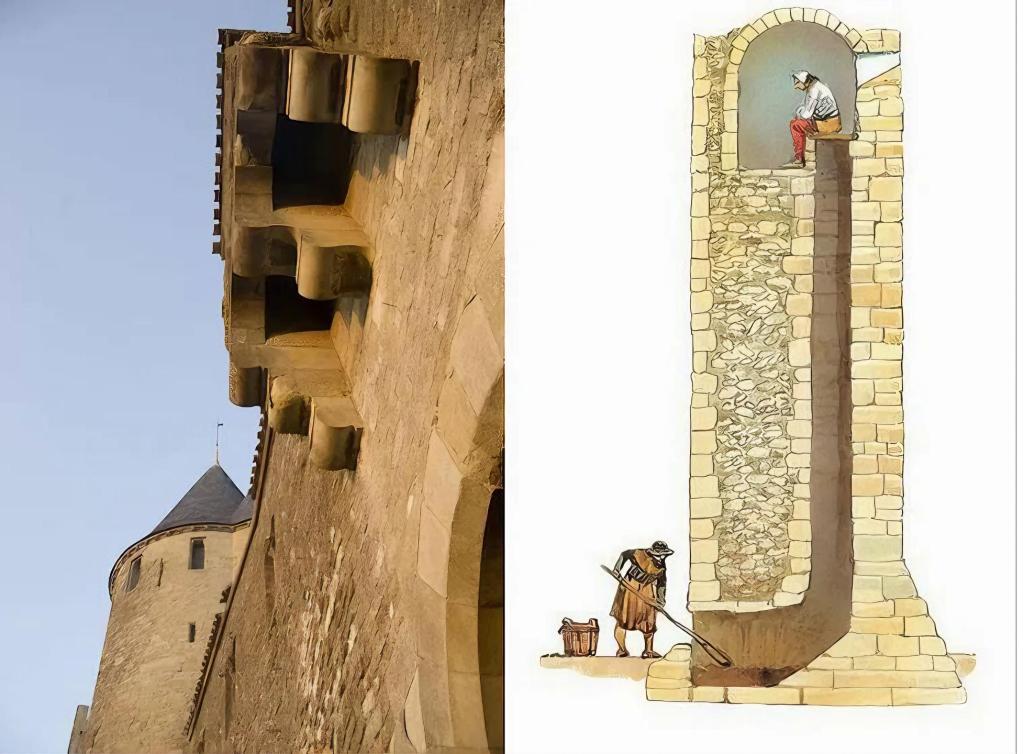
Some Medieval Castles Had Secret Toilet Chutes
Medieval castles frequently featured garderobes, small toilet rooms built into exterior walls, where waste dropped through openings directly into pits, courtyards, or surrounding areas.
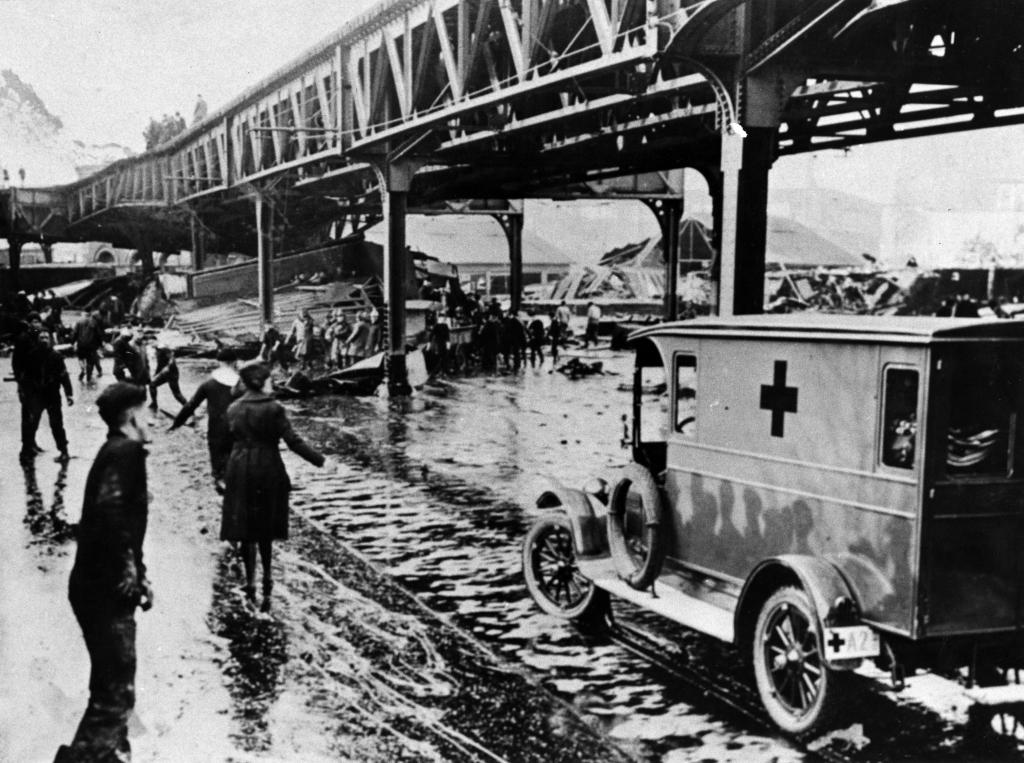
The Great Molasses Flood Buried Part of Boston
In 1919, a massive storage tank ruptured in Boston, sending a wave of molasses through the streets that destroyed buildings, damaged infrastructure, and killed 21 people.
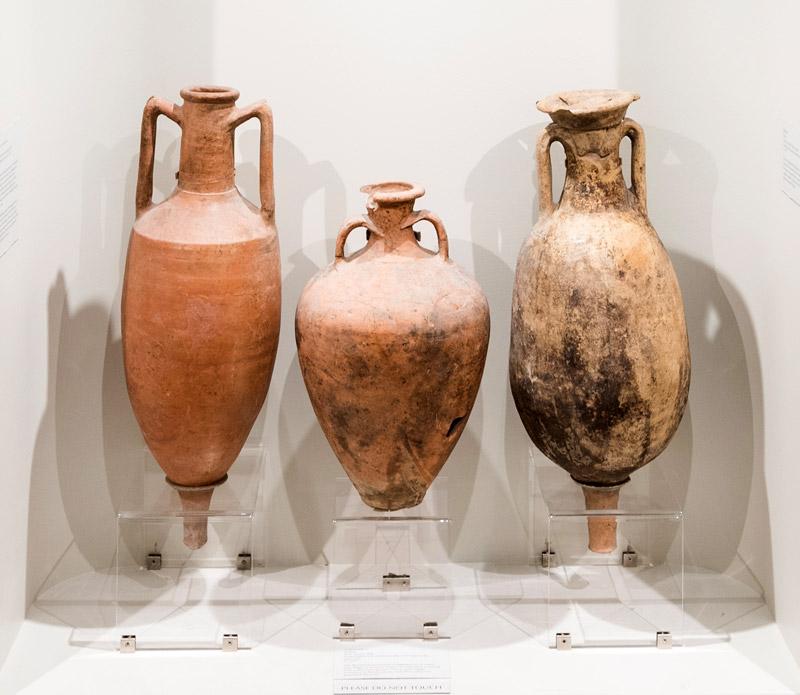
Ancient Greeks Sometimes Used Lead to Sweeten Their Wine
Ancient winemakers sometimes boiled grape juice in lead vessels to produce a sweet syrup called defrutum, which could contaminate food and drinks with toxic lead compounds.