10 Other Times That Oil Ruled the World

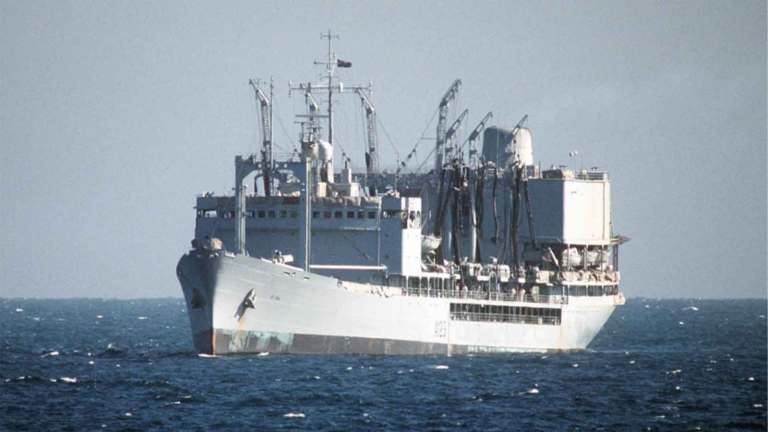
Oil is a constant force that fuels the world, powering many of our everyday machines and making the plastics we use and reuse daily. With the US-Iran conflict threatening oil supplies through the Strait of Hormuz and crude prices surging amid fears of further escalation, the world is getting another reminder of just how much power the resource holds.
This, however, is hardly the first time oil has shaped the course of history. Between political coups, international embargoes, and devastating environmental disasters, these are just a few occasions when oil ruled the world.
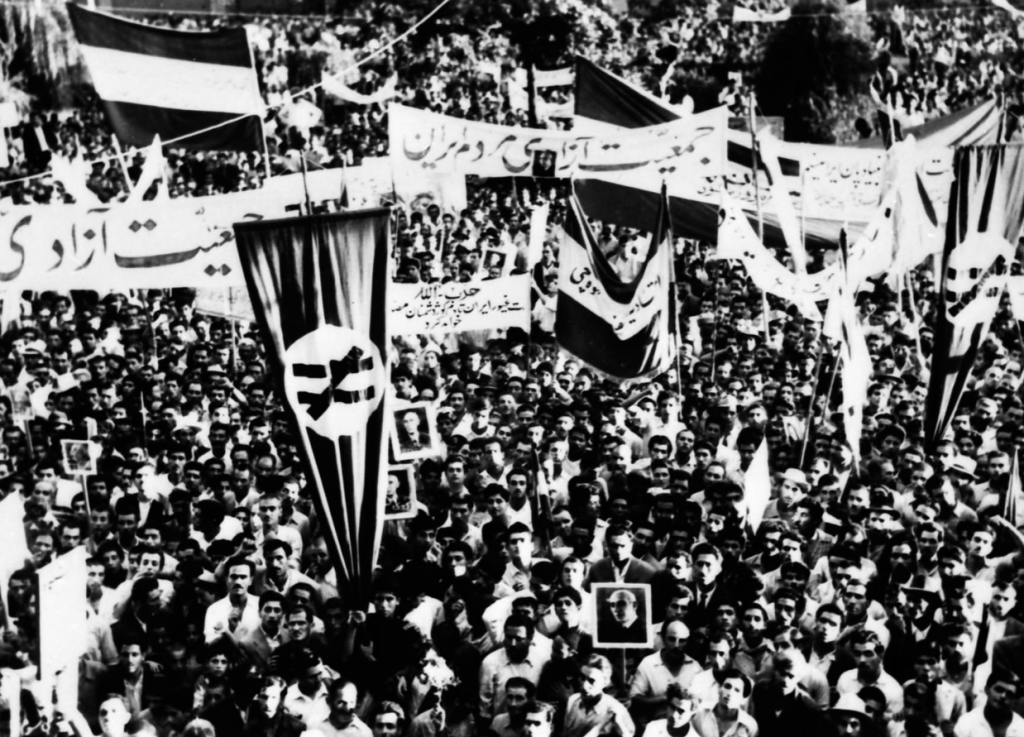
The 1953 Iranian Coup
When Prime Minister Mohammad Mossadegh nationalized Iran’s British-controlled oil industry in 1951, Britain responded with an oil blockade and economic pressure. In 1953, British and American intelligence helped overthrow him, restoring the Shah and reshaping Iran’s political future.
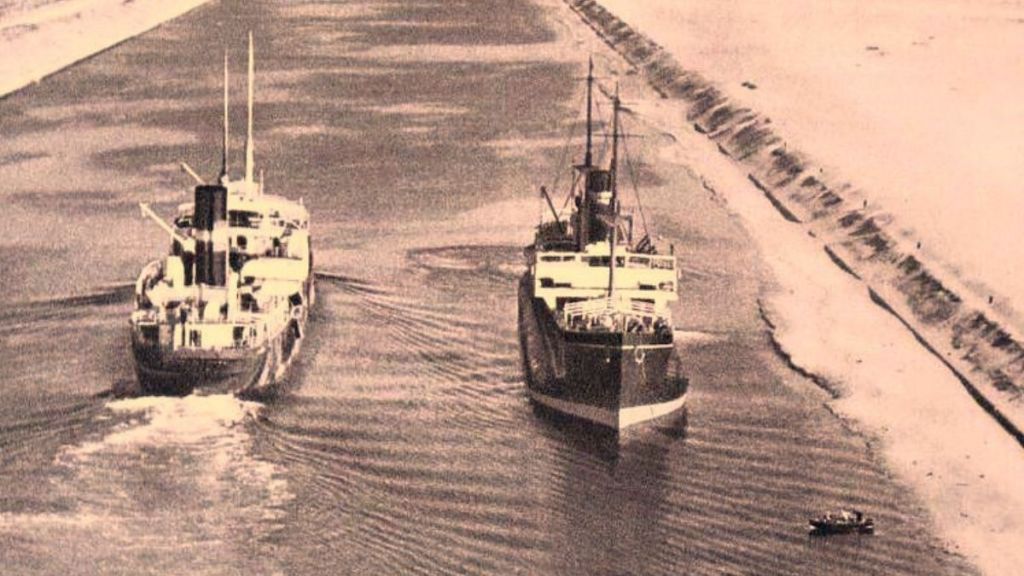
The Suez Crisis, 1956
Egyptian President Gamal Abdel Nasser nationalized the Suez Canal in 1956, threatening a vital route for Middle Eastern oil heading to Europe. Britain, France, and Israel invaded Egypt, but international pressure forced their withdrawal. The crisis exposed Europe’s dependence on oil transportation routes.
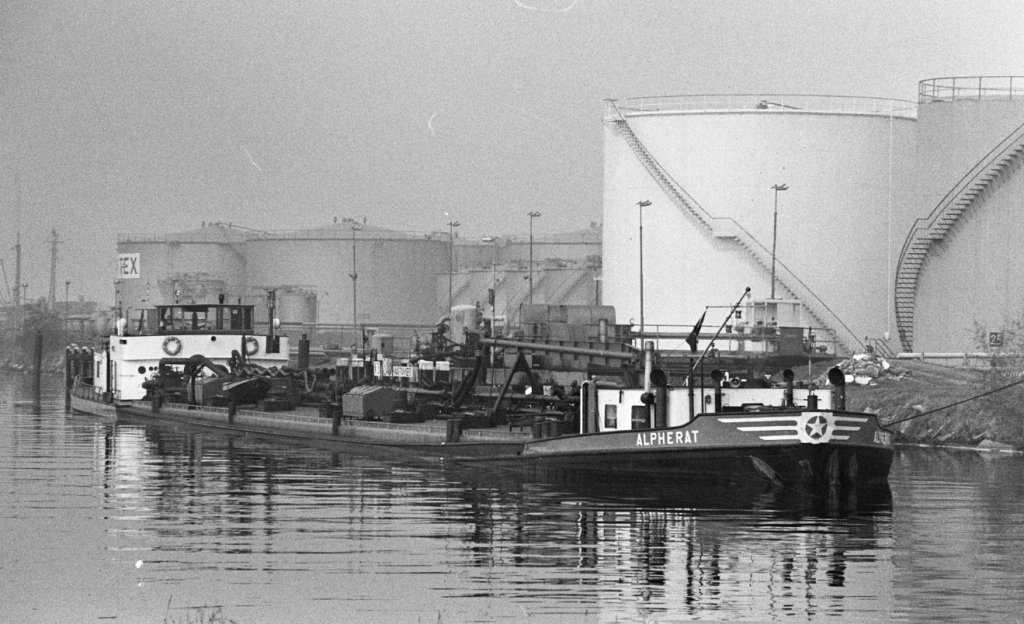
The 1973 Arab Oil Embargo
Following the Yom Kippur War, Arab oil-producing countries imposed an embargo against the United States and other nations supporting Israel. Oil prices nearly quadrupled, causing shortages, economic turmoil, and a dramatic shift in international influence toward oil-producing countries.
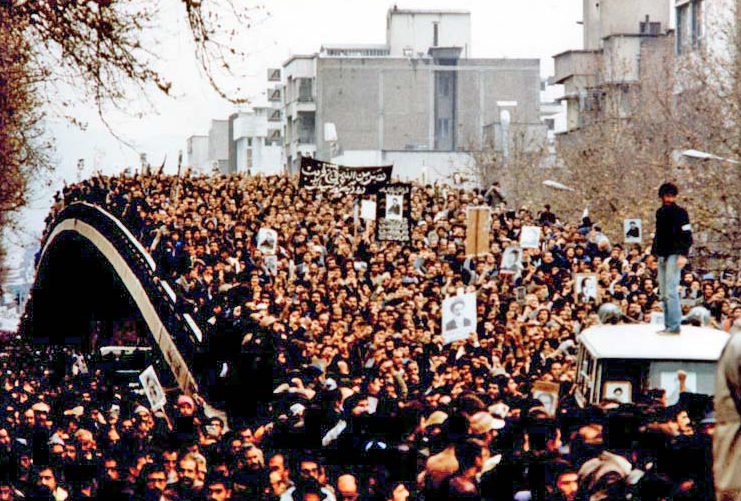
The Iranian Revolution, 1979
The Iranian Revolution brought down the Shah and disrupted one of the world’s largest oil-producing industries. Production collapsed during strikes and political upheaval, removing millions of barrels from global markets. The resulting price shock contributed to another international energy crisis.
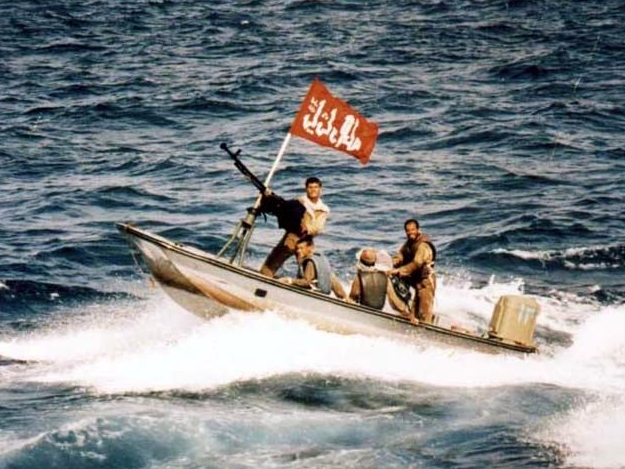
The Iran-Iraq Tanker War, 1980s
During the Iran-Iraq War, both countries increasingly attacked oil tankers and shipping infrastructure in the Persian Gulf. The resulting Tanker War threatened international oil supplies, drew foreign naval forces into the region, and made transporting petroleum through the Gulf extraordinarily dangerous.
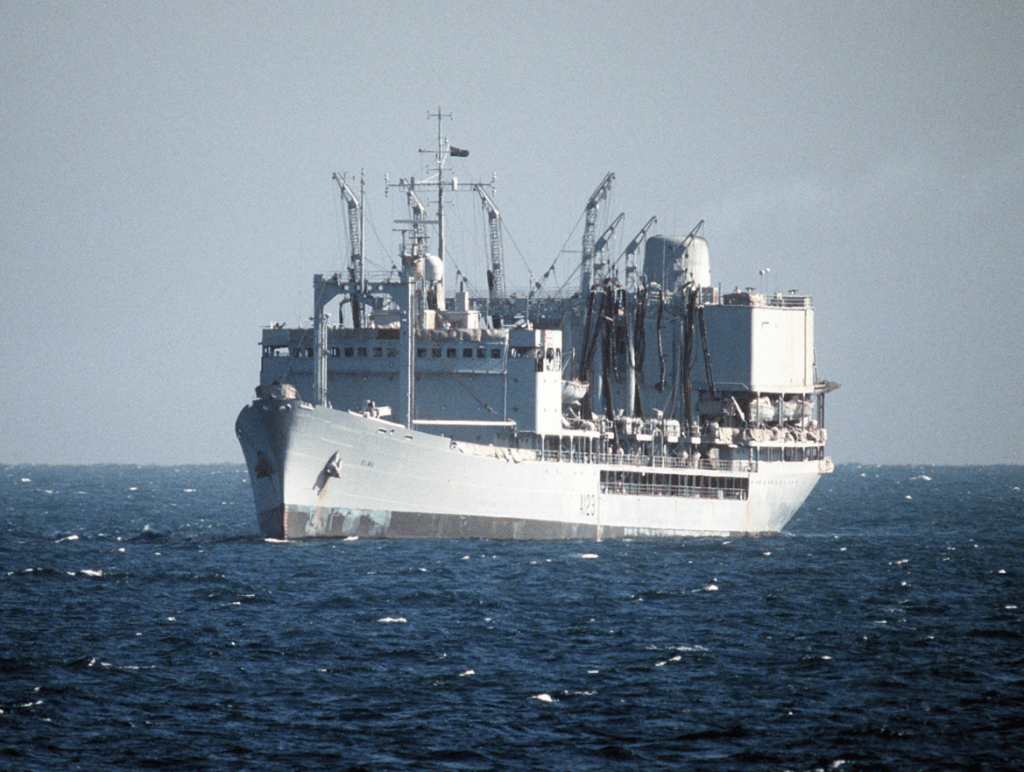
Iraq Invades Kuwait, 1990
Saddam Hussein’s invasion of Kuwait in August 1990 threatened two major oil producers and sent global markets into turmoil. Production from both countries virtually disappeared, while fears that Iraq might threaten Saudi Arabia helped precipitate the international military intervention known as the Gulf War.
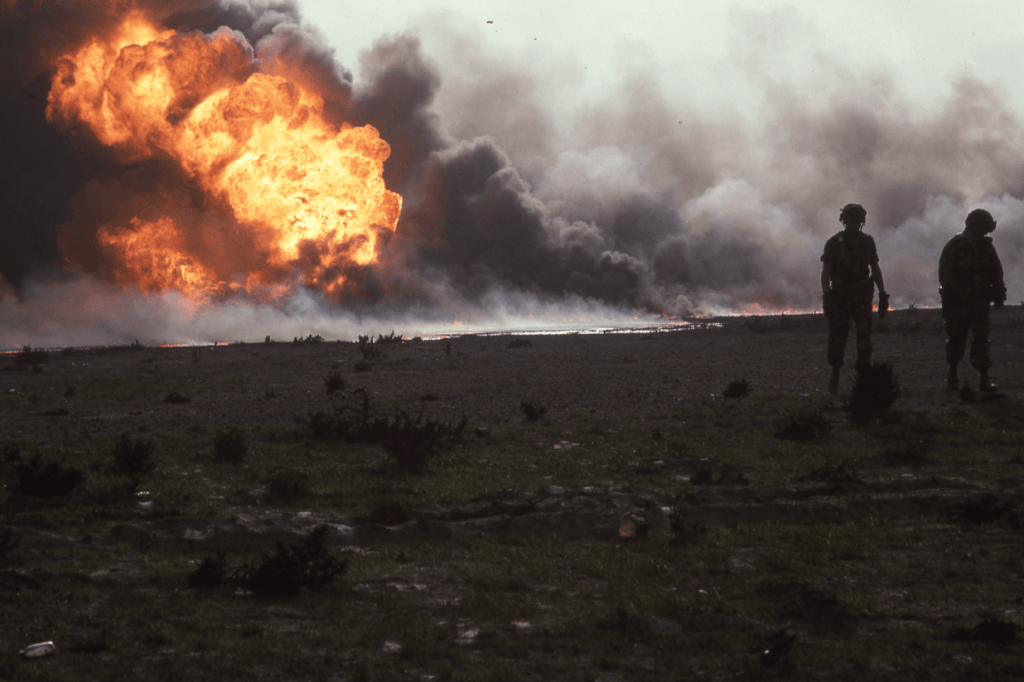
Kuwait’s Burning Oil Fields, 1991
As Iraqi forces retreated from Kuwait following the Gulf War, they set fire to more than 650 oil wells. The resulting infernos burned for ten months, creating enormous clouds of smoke and causing one of history’s most infamous environmental disasters.
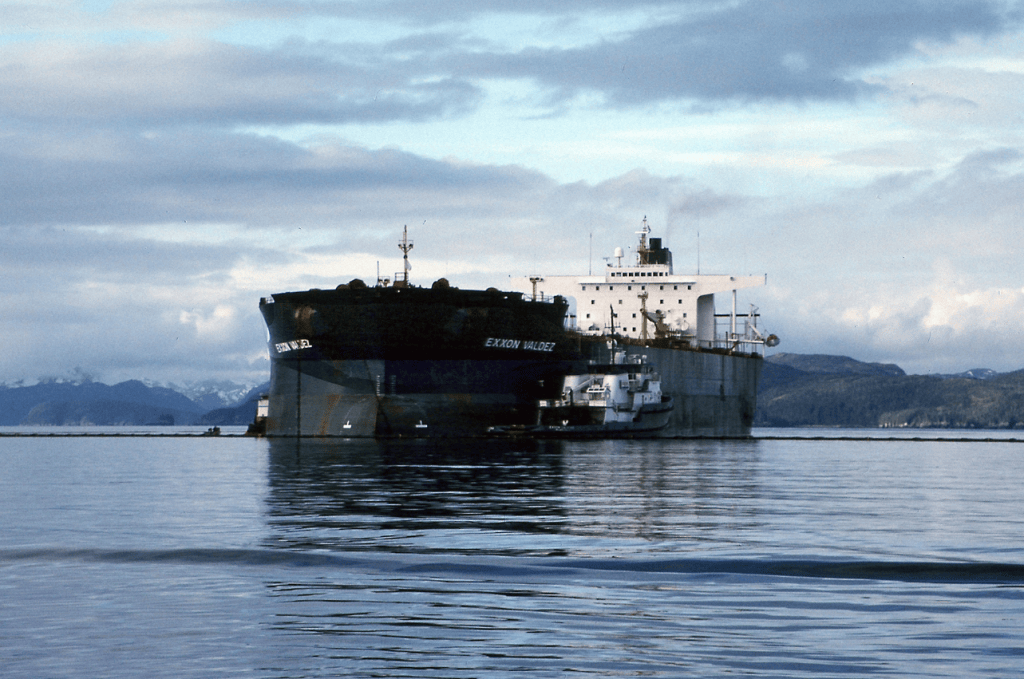
The Exxon Valdez Disaster, 1989
The Exxon Valdez tanker ran aground in Alaska’s Prince William Sound in March 1989, spilling approximately 11 million gallons of crude oil. The disaster devastated local wildlife and fisheries, exposed serious weaknesses in oil-spill preparedness, and helped inspire major environmental legislation.
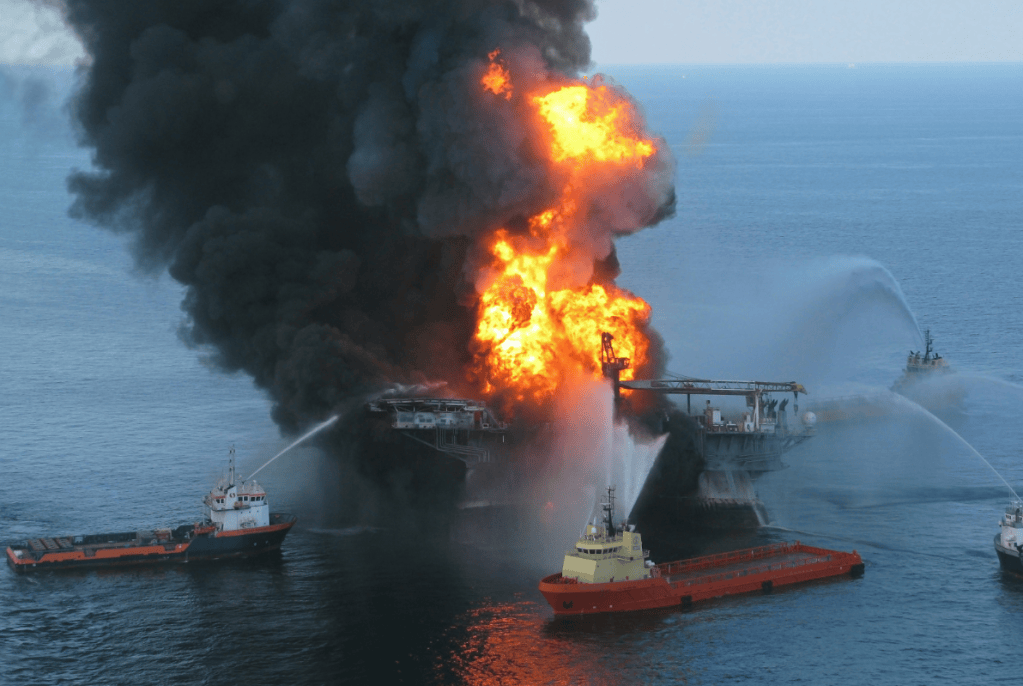
The Deepwater Horizon Disaster, 2010
An explosion aboard BP’s Deepwater Horizon drilling rig killed 11 workers and unleashed approximately 134 million gallons of oil into the Gulf of Mexico. The spill continued for 87 days, becoming the largest marine oil spill in American history.
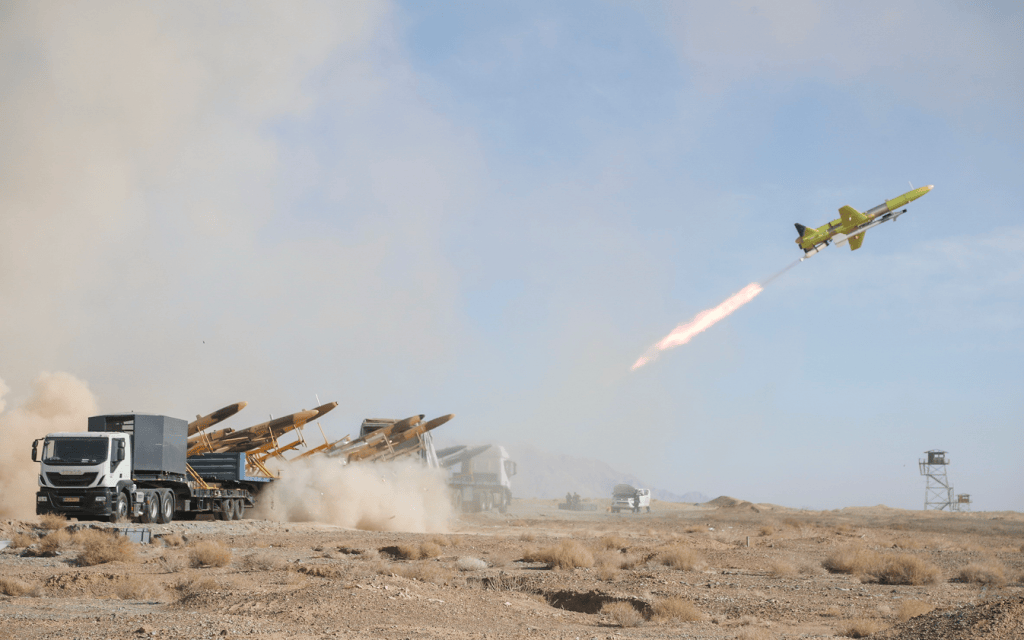
The Attack on Saudi Aramco, 2019
Drone and missile attacks on Saudi Arabia’s Abqaiq processing facility and Khurais oil field temporarily disrupted 5.7 million barrels of daily production. Roughly 5% of global supply disappeared overnight, triggering the largest single-day percentage increase in oil prices in over a decade.