10 Major Movies With Some Pretty Glaring Plot Holes

Some movies become massive cultural events the moment they hit theaters, driven by spectacle, bold ideas, or unforgettable characters. Yet even the most celebrated films often leave behind obvious questions. These inconsistencies do not always ruin the experience, but they do create lingering curiosity about backstory. This list focuses on major films that sparked ongoing discussion because parts of their plots simply do not hold together under close attention, even if the overall impact remains strong.
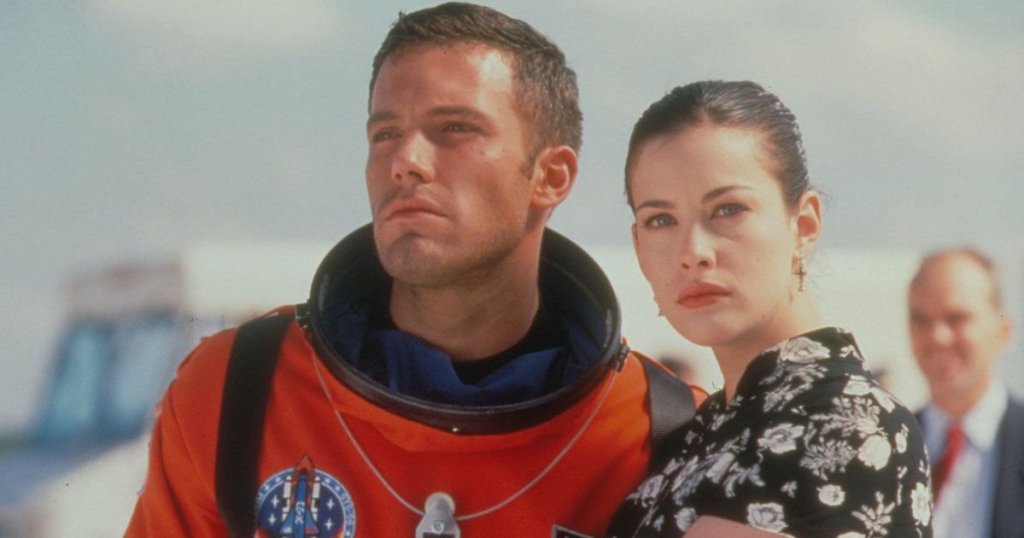
Armageddon (1998)
The mission logic and training choices stretch credibility at several points, especially regarding how quickly complex space operations are handled.

Avengers Endgame (2019)
Rules around time travel are applied inconsistently when characters navigate different historical points.
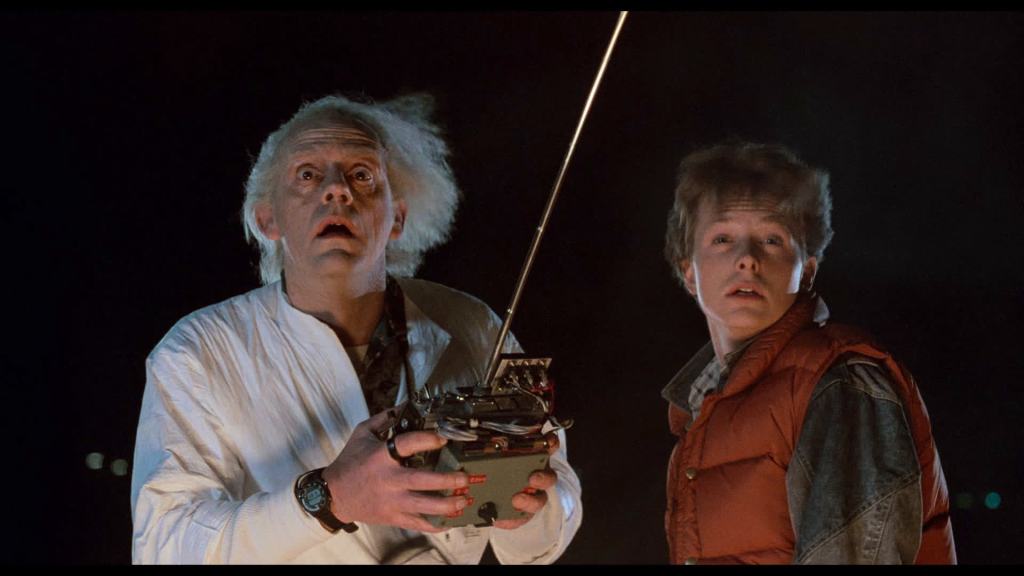
Back to the Future (1985)
Changes in the timeline create shifting consequences that are not always fully explained within the internal rules of the story.

Inception (2010)
Dream mechanics shift depending on narrative needs, leaving unclear boundaries around timing and shared perception rules.
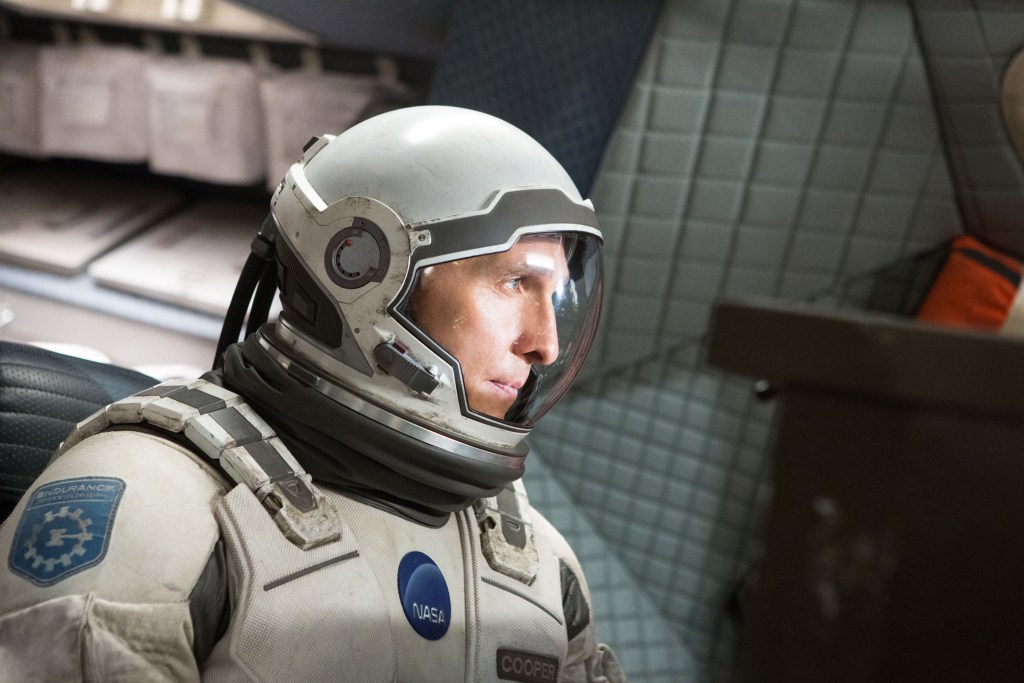
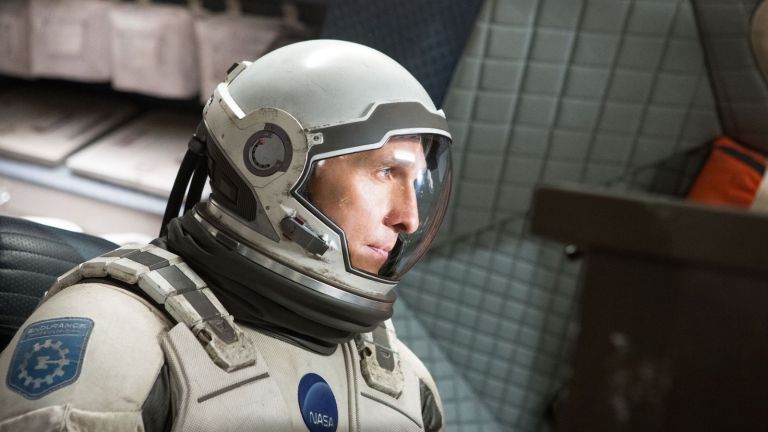
Interstellar (2014)
The interaction between physics concepts and emotional narrative choices creates contradictions in how certain survival outcomes are achieved.

Jurassic Park (1993)
The park’s systems are presented as highly controlled, yet multiple safety layers fail in ways that raise questions about how such a facility could ever operate reliably.

Star Wars Episode IV A New Hope (1977)
Key operational weaknesses in the Empire’s infrastructure create gaps in how such a powerful regime maintains control.

Terminator 2 Judgment Day (1991)
The timeline logic introduces outcomes that are difficult to reconcile when considering cause and effect across multiple visits.
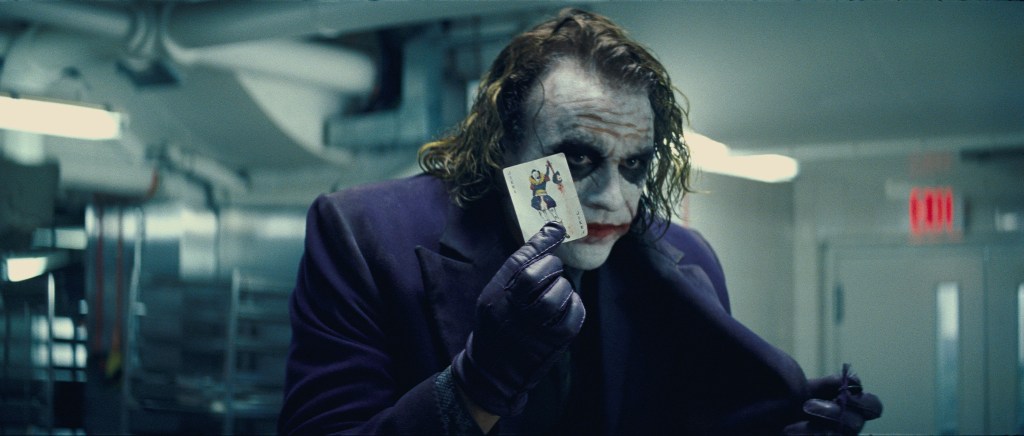
The Dark Knight (2008)
Several investigative and logistical elements rely on convenient timing that is not fully supported by the events shown.
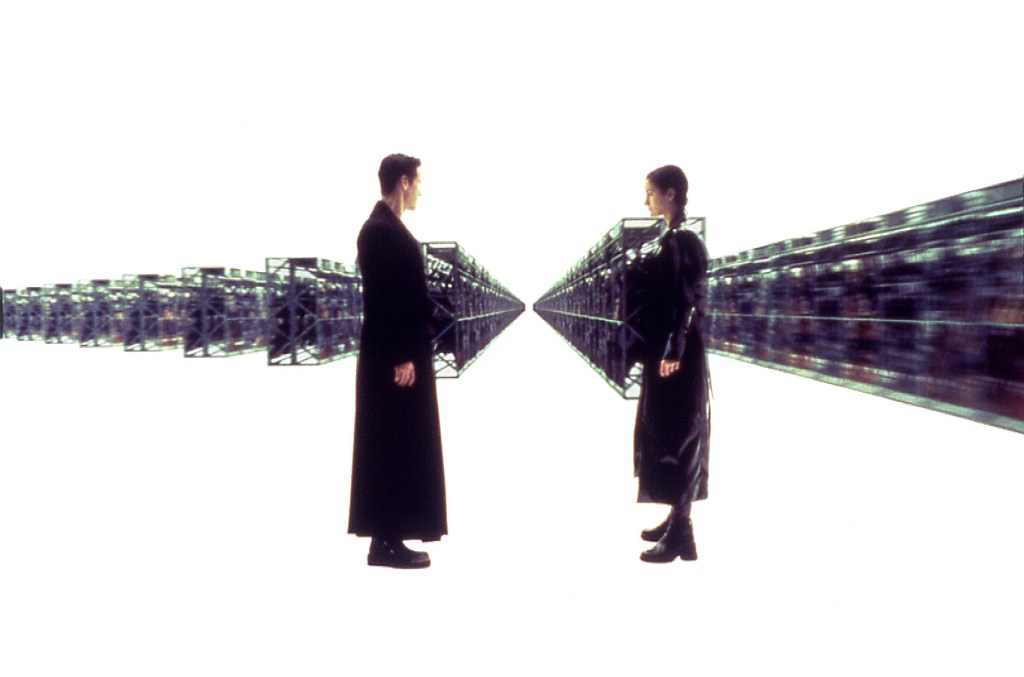
The Matrix (1999)
The relationship between the simulated world and human control systems introduces rules that are not always consistently applied.