10 American Presidents Who Tried Hard, But Were Bad at the Job

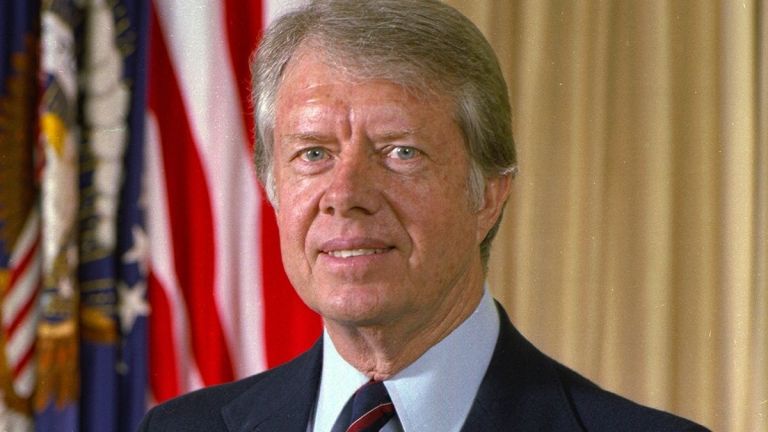
There’s likely not a job as coveted and as difficult as the President of the United States, something most of us can only dream about. Now, just because you have a shot at a seat in the White House, doesn’t immediately translate to doing a good job. Even if you mean to.
What we have here are just a few of the men that took that mantle of presidency, and completely blundered it. Of course, we don’t think we could’ve done any better, given the pressure of the role and their specific circumstances, but we do wish they did a better job themselves for the sake of the country.
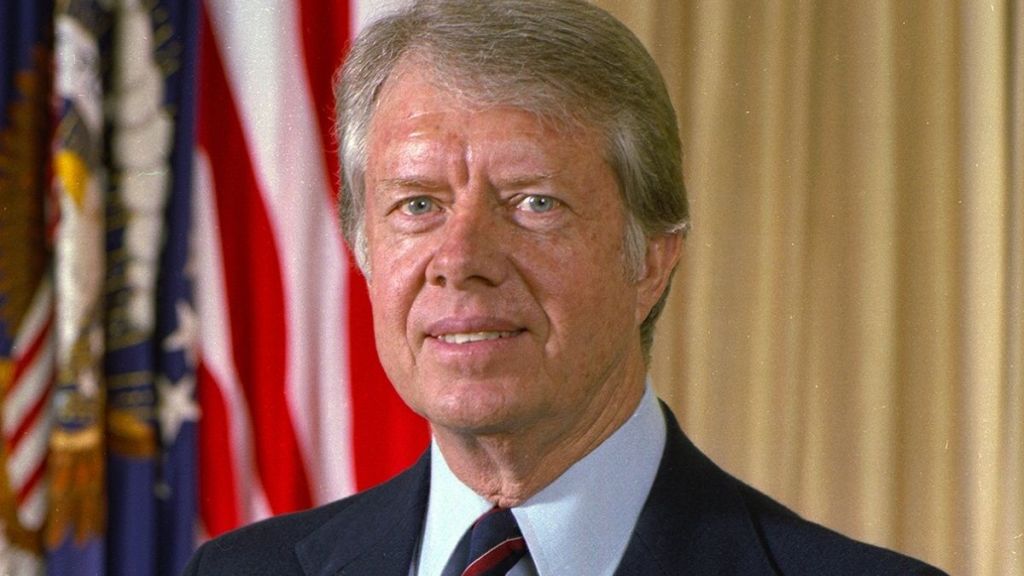
Jimmy Carter
Carter was famously hardworking and conscientious, and yet his presidency struggled under inflation, an energy crisis, the Iran hostage crisis, and worsening relations with Congress. Historians credit him with important accomplishments, yet his administration repeatedly struggled to turn effort into effective presidential leadership.
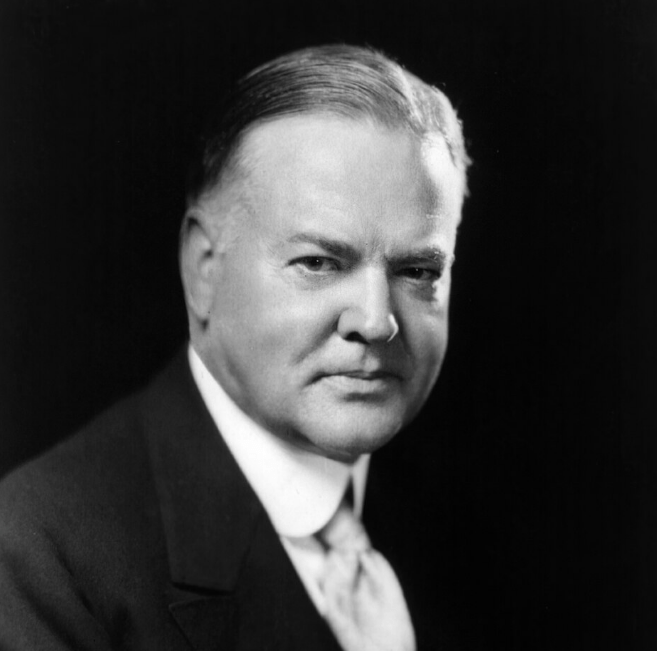
Herbert Hoover
Hoover wasn’t the do-nothing president popular memory sometimes portrays. He launched public works, encouraged private investment, created the Reconstruction Finance Corporation, and pursued multiple anti-Depression measures. Unfortunately, his cautious approach proved inadequate as unemployment exploded, leaving his presidency synonymous with the economic catastrophe.
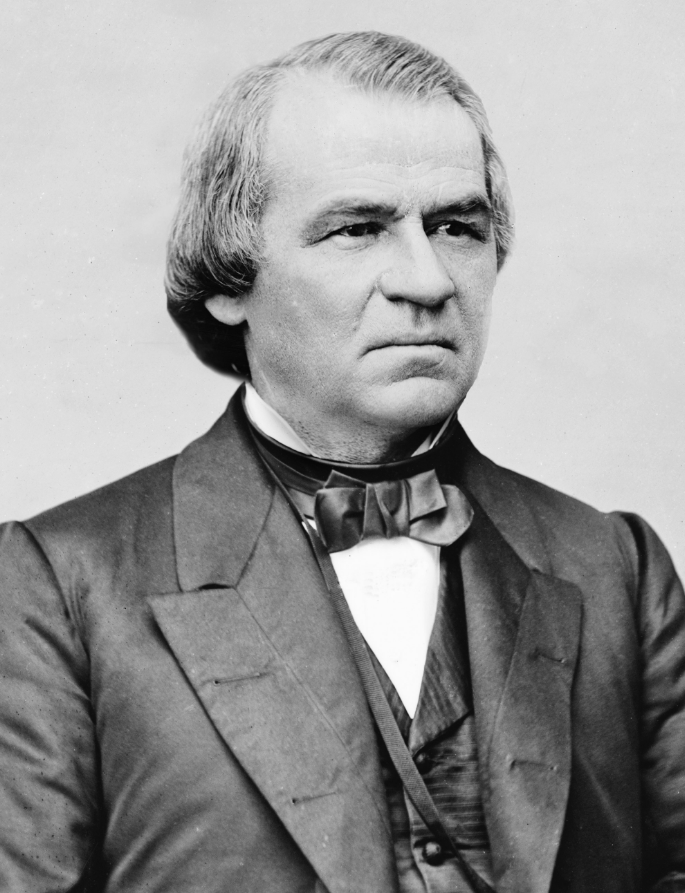
Andrew Johnson
Johnson immediately tried to impose his own Reconstruction program after Lincoln’s assassination, rapidly restoring former Confederate states under relatively lenient conditions. His determination only made matters worse, however, as he repeatedly clashed with Congress and resisted protections for formerly enslaved Americans, eventually becoming the first president impeached.
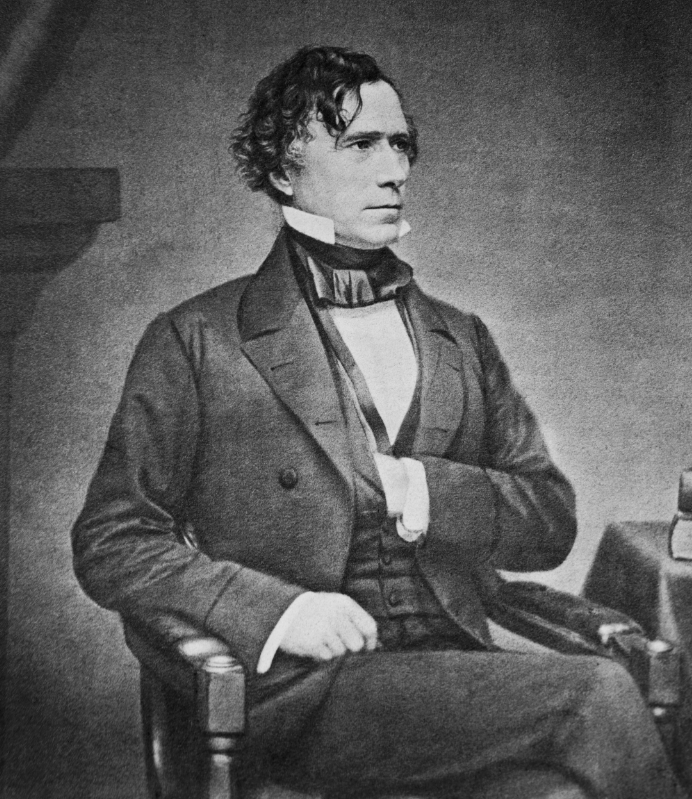
Franklin Pierce
Pierce entered office hoping to preserve national unity, while his handling of slavery accomplished almost the opposite. By encouraging the Kansas-Nebraska Act, he helped intensify sectional conflict, while violence in Kansas demonstrated how badly his administration had underestimated the country’s growing crisis.
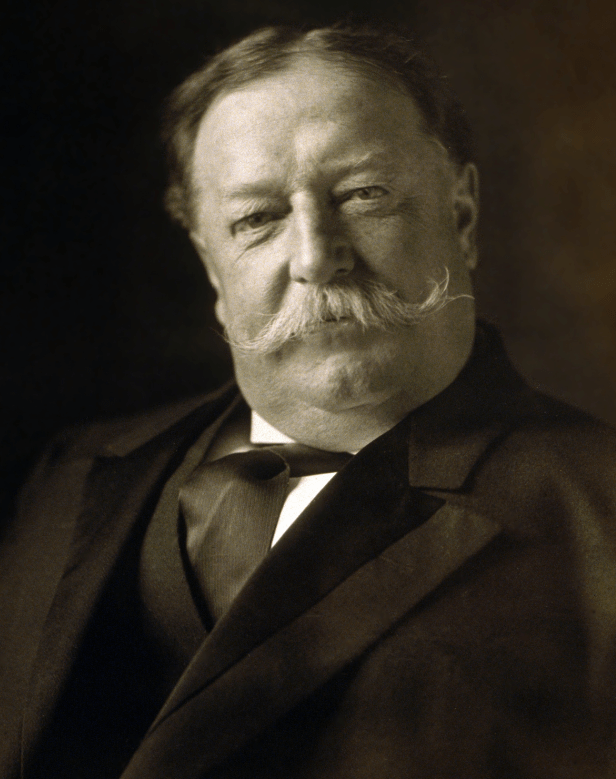
William Howard Taft
Taft was intelligent, experienced, conscientious, and genuinely wanted to continue Theodore Roosevelt’s reform agenda. Unfortunately, his cautious temperament made him an ineffective political leader. He struggled with Congress, alienated Roosevelt, and ultimately fractured the Republican Party, turning what should have been a successful succession into political disaster.
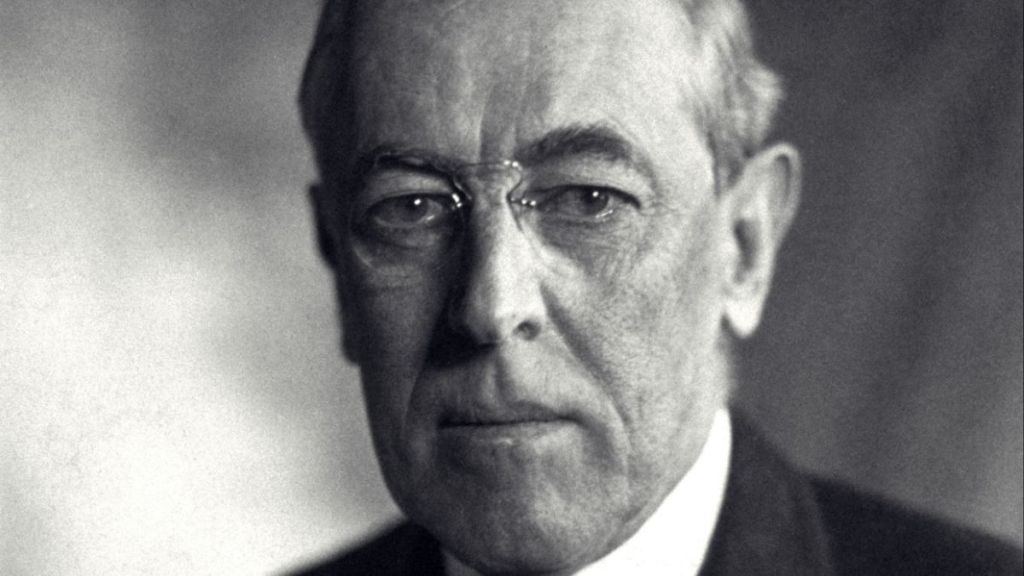
Woodrow Wilson
Wilson worked extraordinarily hard to establish a new international order after World War I, even traveling thousands of miles to sell Americans on the League of Nations. Yet his refusal to compromise with Senate Republicans helped doom his greatest foreign-policy ambition, while his administration’s racial policies remain deeply troubling.
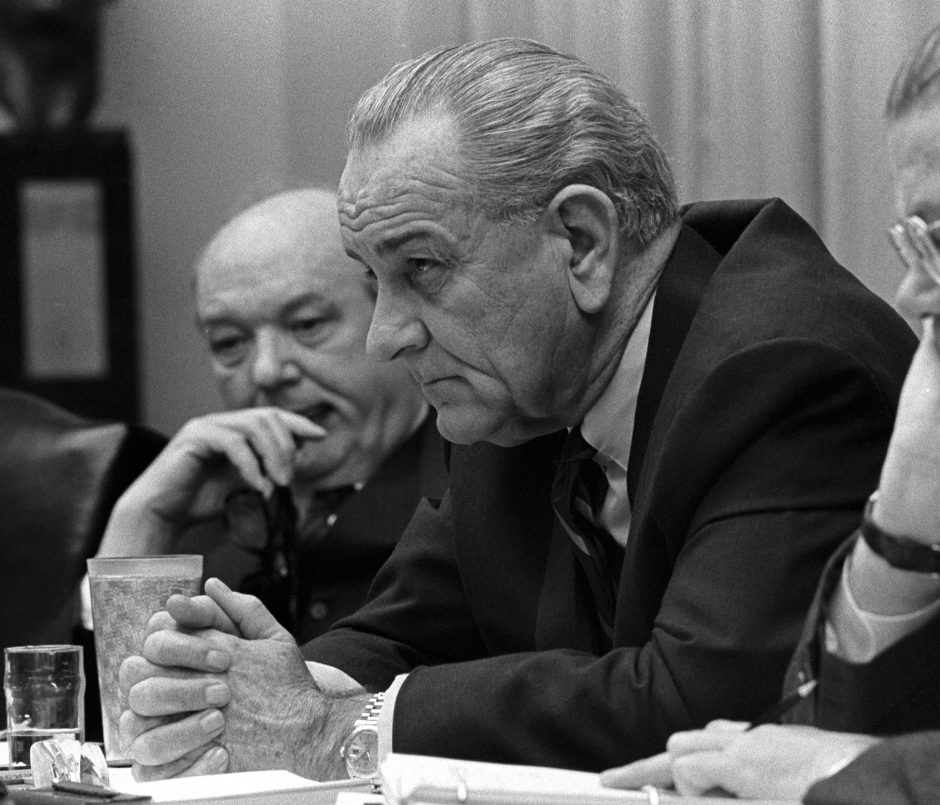
Lyndon B. Johnson
Johnson was one of America’s most effective legislative politicians, pushing through civil rights laws, Medicare, Medicaid, and his ambitious Great Society. His escalating commitment to Vietnam consumed his presidency, though, destroying his popularity, weakening his domestic agenda, and ultimately contributing to his decision not to seek reelection.
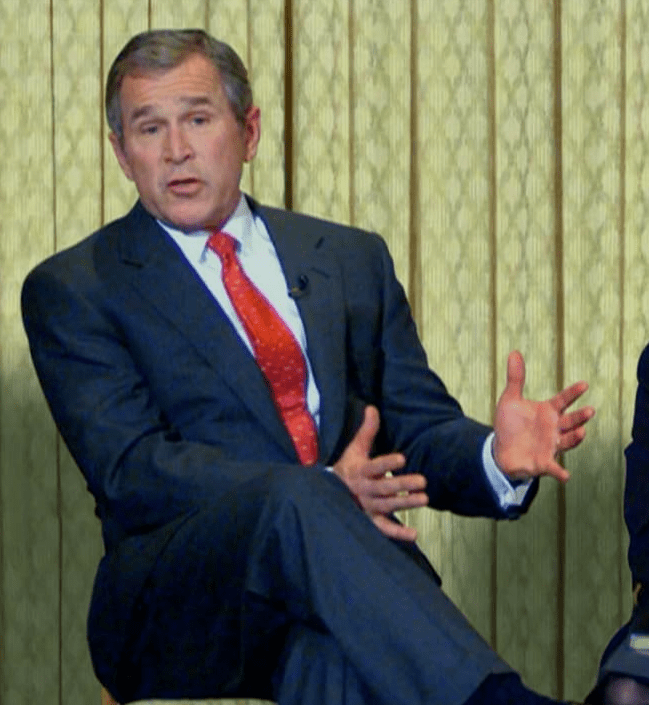
George W. Bush
Bush entered office with ambitious domestic goals, then found his presidency completely transformed by September 11. His administration responded aggressively, but the wars in Afghanistan and Iraq became extraordinarily costly and controversial. Hurricane Katrina and the 2008 financial crisis further damaged a presidency that ended with historically low approval.
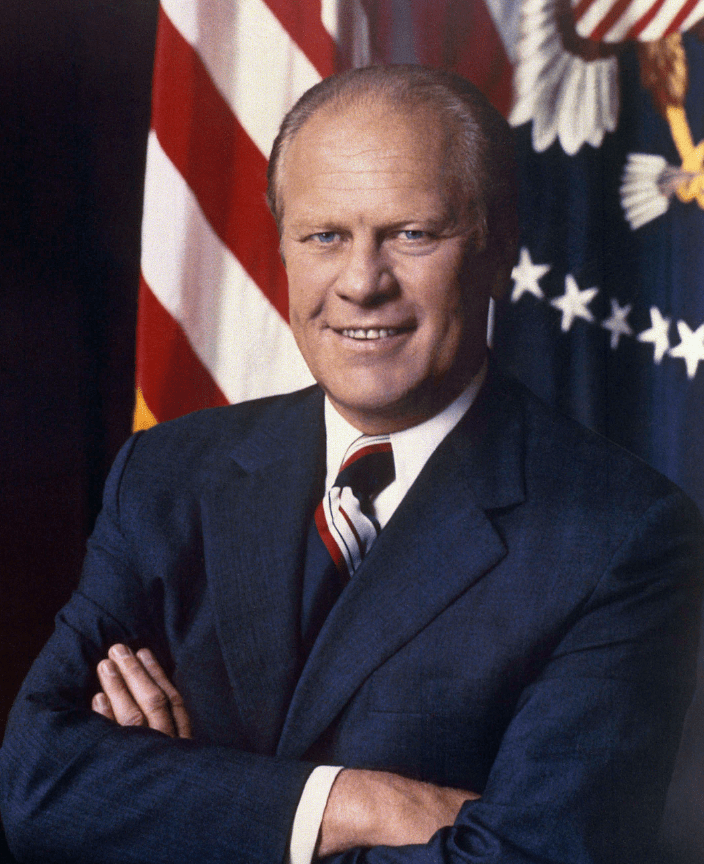
Gerald Ford
Ford inherited a presidency devastated by Watergate, a struggling economy, and the aftermath of Vietnam. He tried to restore public trust and stabilize the country, although his decision to pardon Nixon after only a month badly damaged his credibility and overshadowed the remainder of his already difficult presidency.
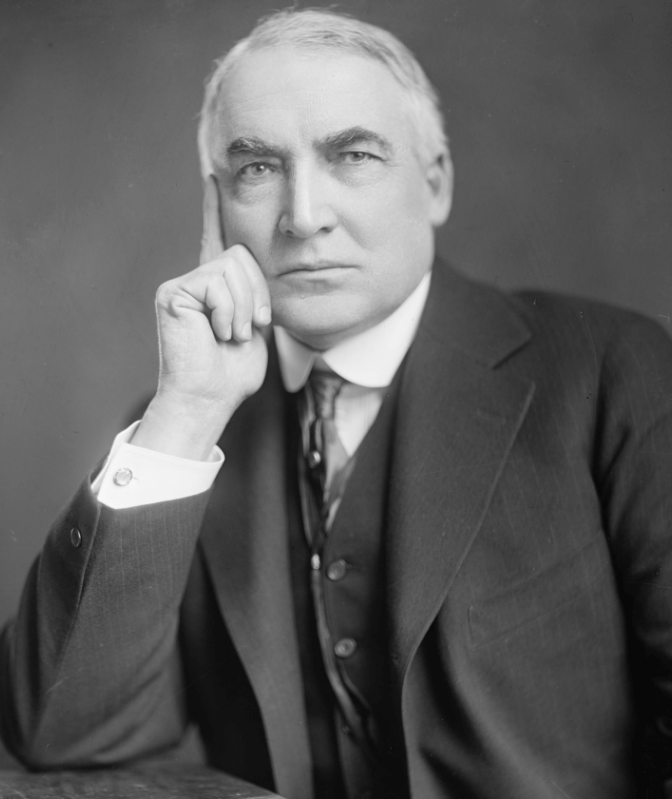
Warren G. Harding
Harding genuinely wanted to restore confidence after Wilson’s turbulent presidency and began an ambitious speaking tour to defend his administration. Unfortunately, his weak leadership and poor choice of associates allowed scandals to flourish around him, leaving behind a presidency remembered more for corruption and ineffectiveness than accomplishment.