New Documentary American Zoo Bridges Nostalgia and the Unbelievable
American Zoo tells a story of hidden fascist zoology disguised by a decades-old family-oriented attraction.

Den of Geek got an exclusive first look at a new documentary film, and it couldn’t be more intriguing. With a bizarre synopsis and cohesive surreal visual style, American Zoo might just be a sleeper hit of New York’s Tribeca Film Festival. Give it a look below:
American Zoo follows two families — the Lindemanns and the Hecks — and their ownership of the now-abandoned Catskill Game Farm, the first private zoo in America. Although that might sound more like We Bought a Zoo than a real-life Lynchian tale, it gets much more interesting. Both families behind Catskill Game Farm sought to bring primeval creatures back from extinction, motivated by Nazi-influenced ideologies about the natural world and man’s influence over it.
From director Tim Travers Hawkins, the filmmaker behind previous documentaries such as XY Chelsea and Capturing the Killer Nurse, American Zoo unarchives footage from previously unknown chapters of the Catskill zoo, bringing new light to the sinister activities happening yards away from families making memories together.
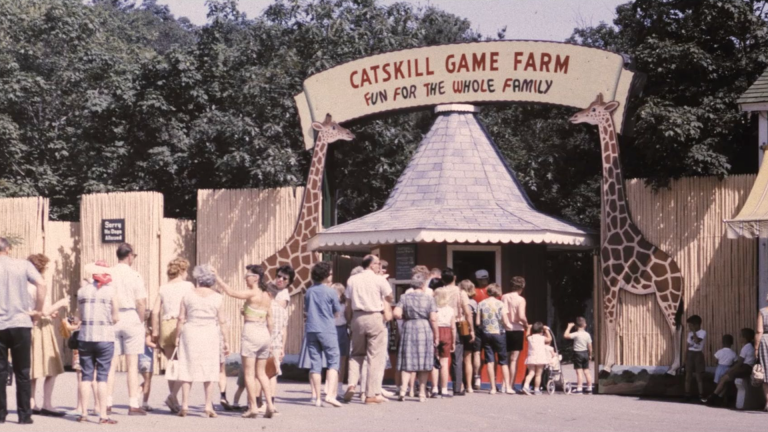
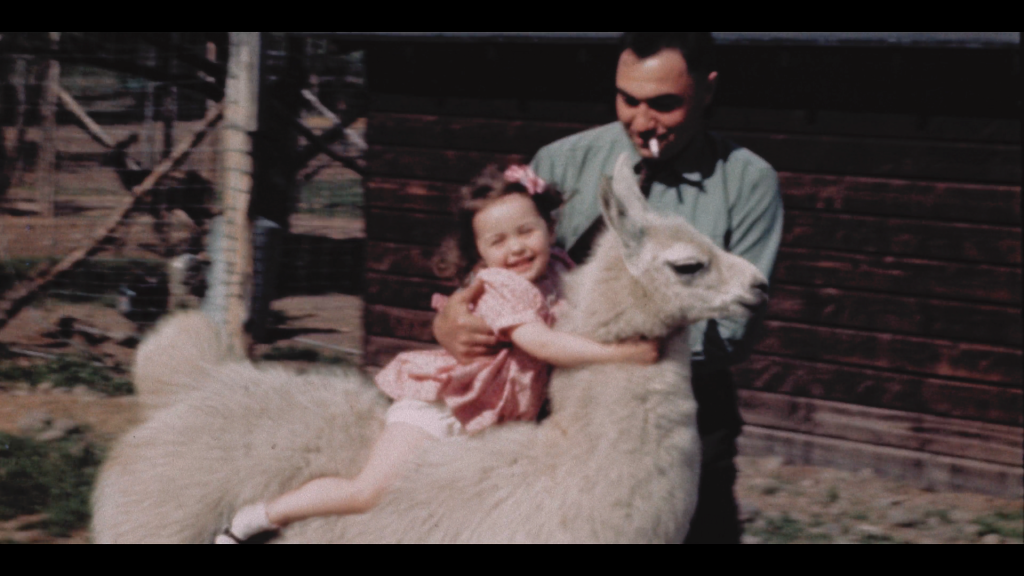
Press stills from the film show scenes of kids riding alpacas, well-dressed visitors posing with apes, and long lines waiting to cross under a sign proclaiming “Catskill Game Farm: Fun For the Whole Family” between two large wooden giraffe cutouts. All of these are old film frames and pictures, putting nostalgia for the road-side attractions you begged your parents to stop at on a 14-hour car ride to Florida at the forefront.
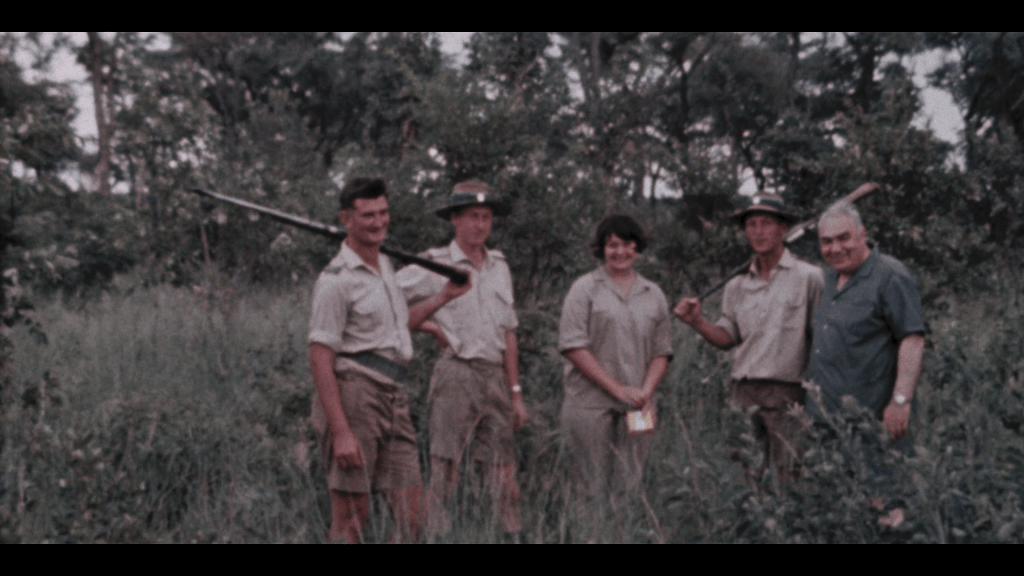
However, there’s also an eerie sense of dread that prompts a brief questioning of what is truly happening at Catskill, and who’s really running it. One still in particular shows a group of men and a woman posing for a picture seemingly on some sort of Safari, with two of the men holding huge hunting rifles. Another still shows a man in a bolo hat and button-up shirt and tie feeding a rhinoceros through thick steel bars while the animal stares blankly out from its dingy, ramshackle enclosure.
Each image mixes the sweet taste of Americana-influenced nostalgia with the unpleasant aftertaste of lingering discomfort with what you’re looking at and romanticizing. Hawkins has gone to great lengths to bridge the secret history with a strikingly familiar visual style, turning that bitter aftertaste of discomfort up to its max.
American Zoo is ultimately about more than just Catskill, though. It spans the entire globe, tracking down former zoo workers and descendants of the Lindemanns and Hecks who are willing to share their families’ absurd history, mapping the story of fascist zoology across multiple generations.
Catskill Game Farm was open for 73 years, welcoming millions of visitors who were unfamiliar with the actions of its owners over its lifetime. Hawkins goes to great lengths to not indict the unknowing visitors who formed early attachments to Catskill, while also not flinching in the face of disgusting conduct. The dreamlike quality of the stills of young families and children combined with their lurking uncanniness, an uncanniness only viewers of American Zoo can see, is evidence of that.