15 Video Game Boss Fights More Frustrating Than Fun

Boss fights are meant to be the ultimate test of everything a game has taught you. At their best, they feel challenging, rewarding, and satisfying to overcome, although not every fight reaches that goal. Some rely on cheap mechanics, awkward design choices, or sudden difficulty spikes that turn the experience into pure frustration.
Instead of feeling like a fair challenge, these encounters can feel tedious, confusing, or even broken. Bad design or just questionable decisions brought these fights into being, making them the boss fights that players remember not for the victory, but for how exhausting it was to get there.
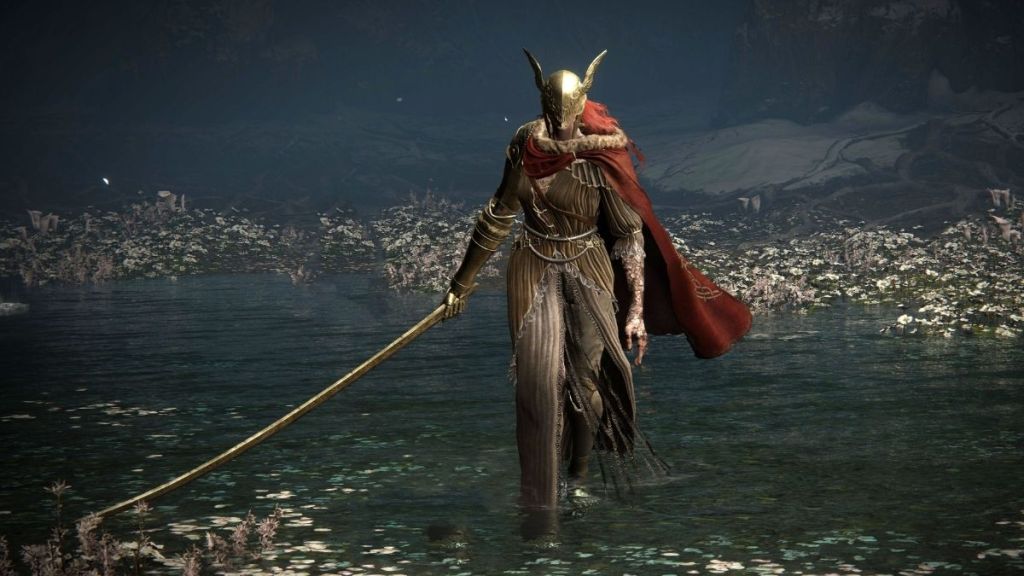
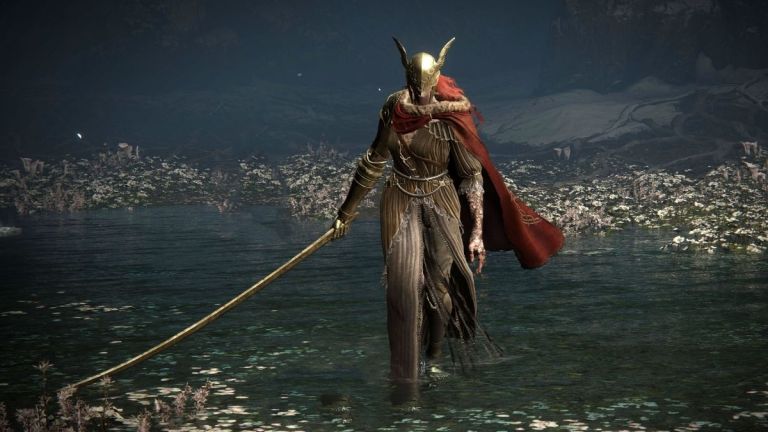
Malenia, Elden Ring
Her ability to heal with every hit, combined with extremely fast attacks, makes the fight feel punishing even for skilled players, often turning it into a test of patience rather than mastery.
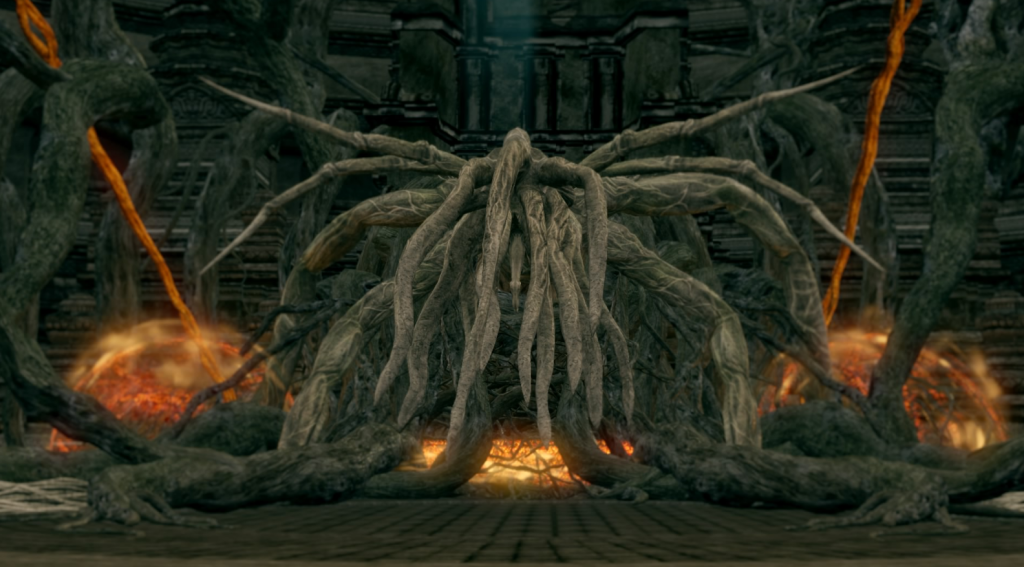
Bed of Chaos, Dark Souls
Less a fight and more a platforming puzzle filled with instant-death hazards, this encounter frustrates players with unpredictable mechanics and repeated resets rather than rewarding combat skill.
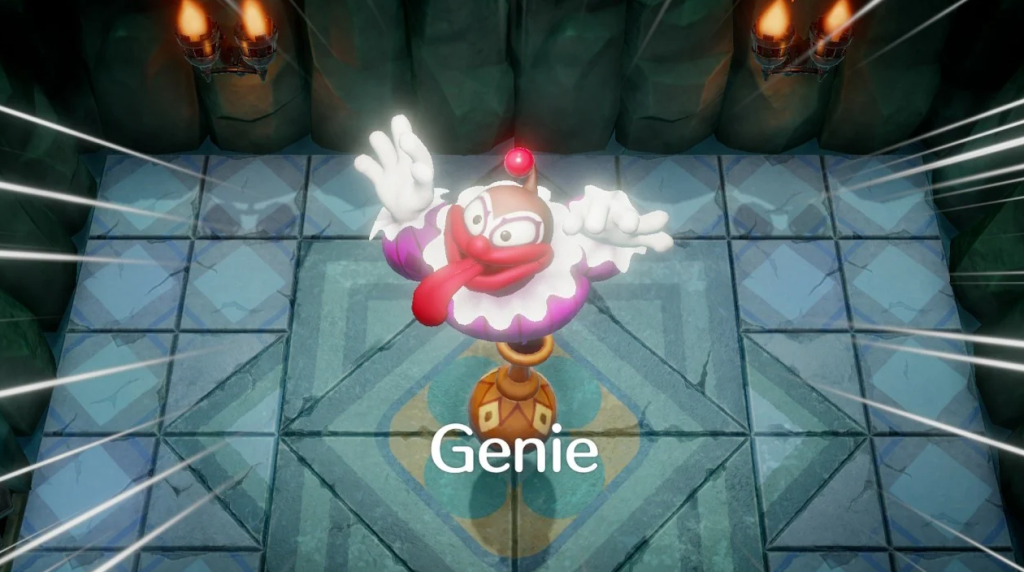
The Genie, The Legend of Zelda: Link’s Awakening
Constant taunting, slow text interruptions, and repetitive mechanics make this early boss more annoying than difficult, dragging out the fight unnecessarily.
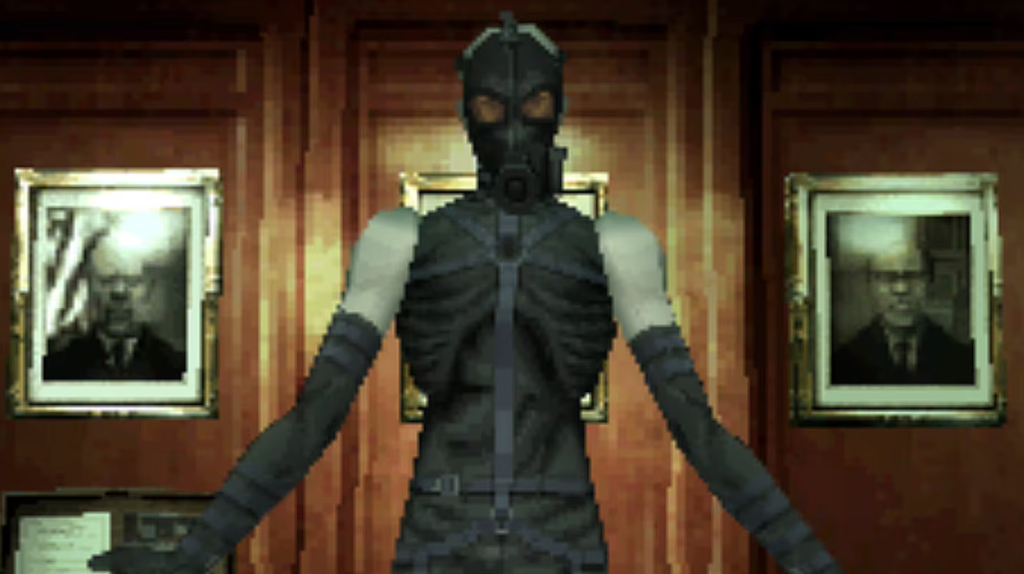
Psycho Mantis, Metal Gear Solid
Breaking the fourth wall by reading player inputs was innovative, but requiring players to switch controller ports made the fight confusing and frustrating without prior knowledge.
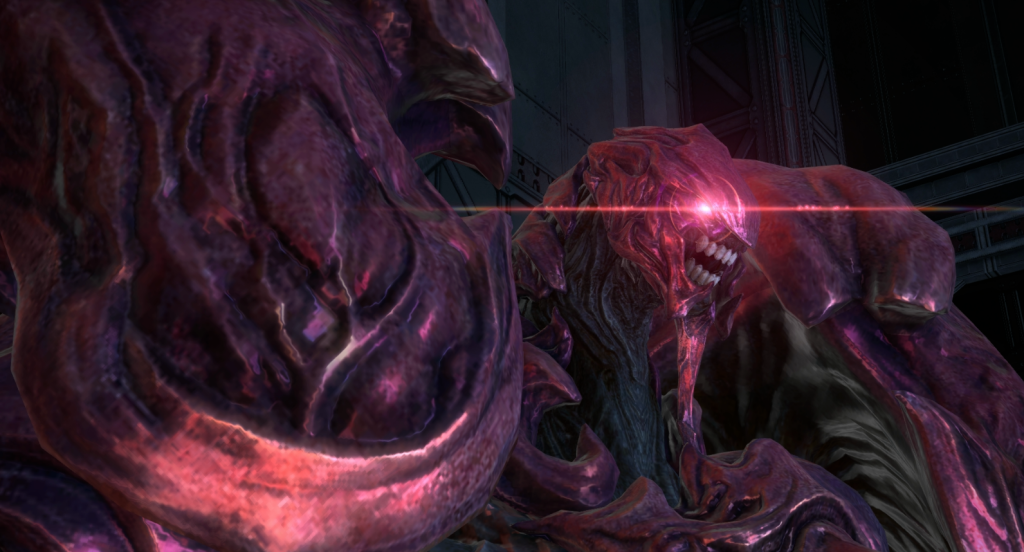
Ruby Weapon, Final Fantasy VII
A brutally punishing optional boss with devastating attacks and strict conditions, often requiring specific strategies that feel more like trial-and-error than skill-based gameplay.
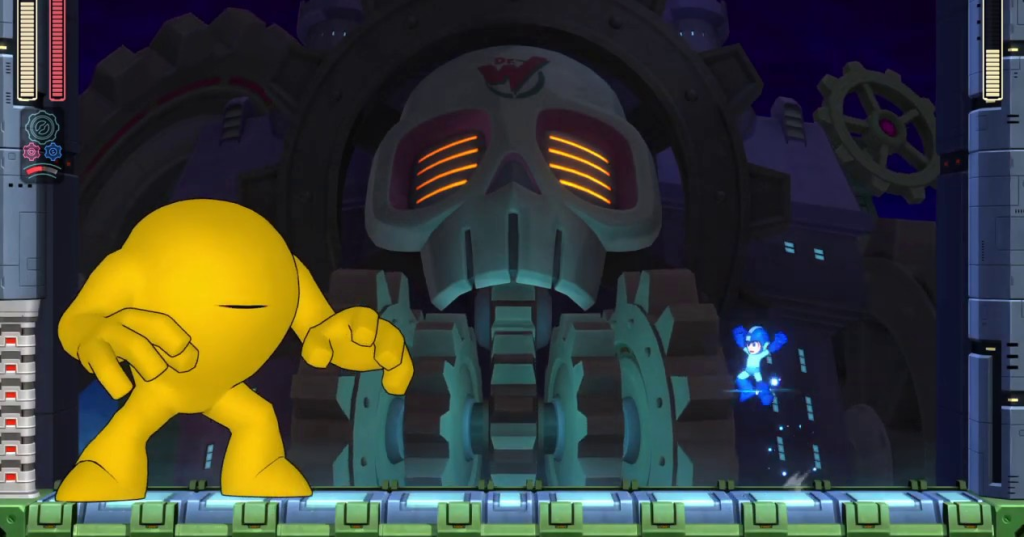
Yellow Devil, Mega Man
Its pattern requires near-perfect timing and memorization, punishing mistakes harshly and turning the fight into a rigid sequence rather than an engaging challenge.

Whitney’s Gym Battle, Pokémon
Beyond just Miltank, the entire gym fight becomes frustrating due to limited counters available early in the game, amplifying the sense of imbalance.
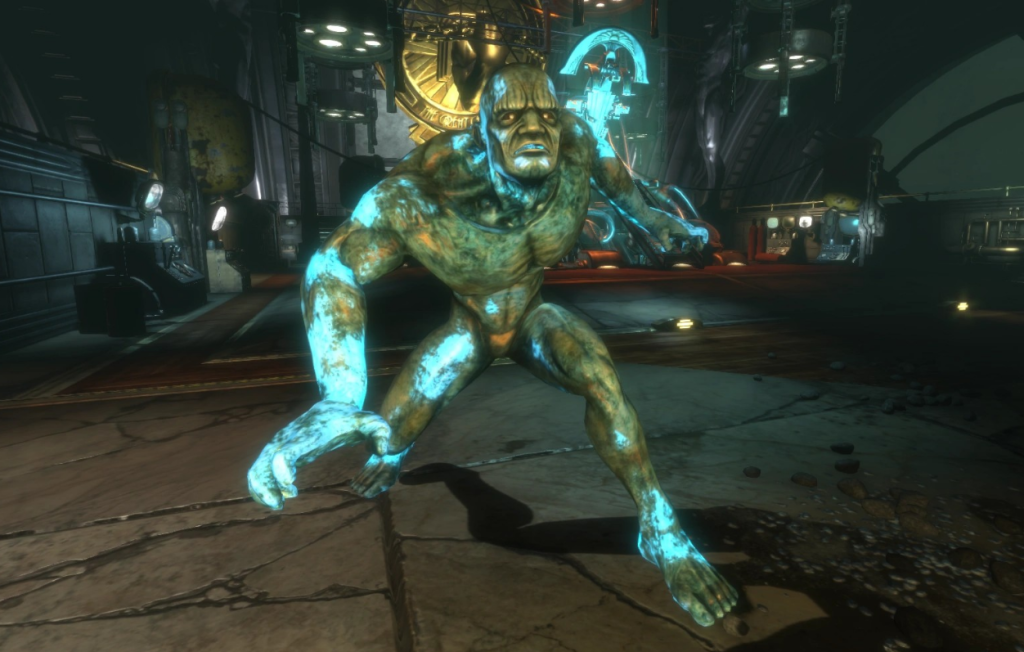
Atlas, BioShock
After a strong narrative buildup, the final fight turns into a simplistic and repetitive encounter, widely criticized for ignoring the game’s core mechanics.
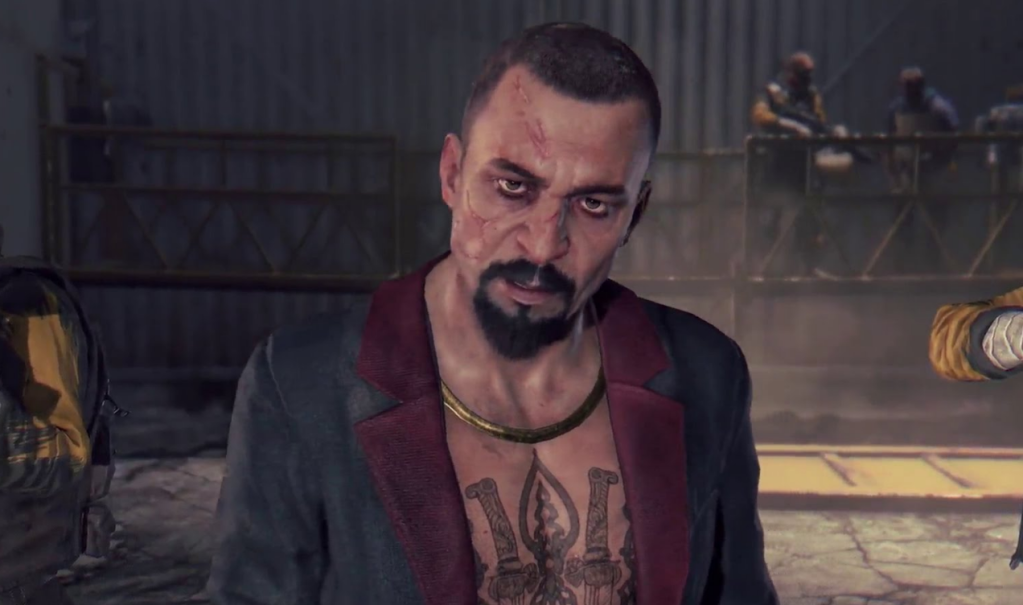
Rais, Dying Light
The climactic battle boils down to quick-time events, removing player agency and making the finale feel more like a cutscene than an actual boss fight.
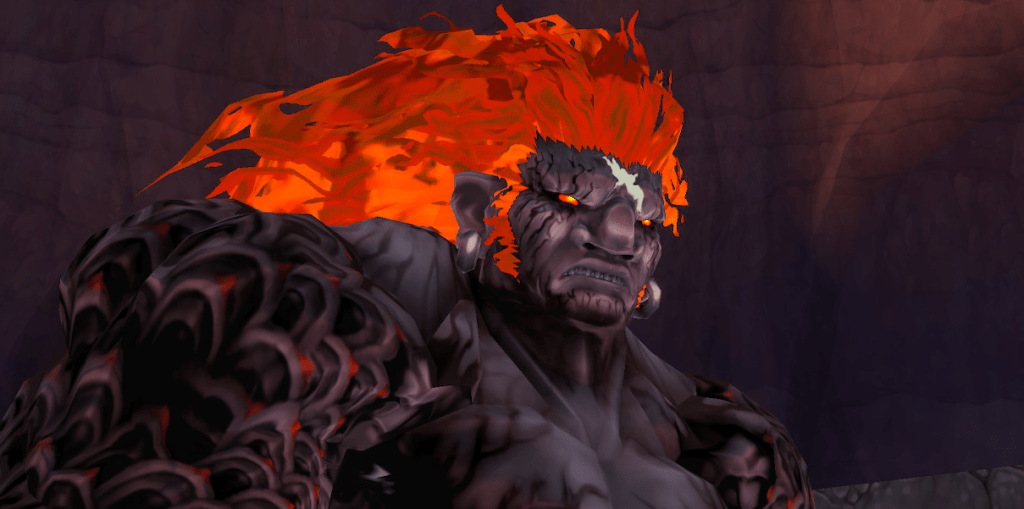
Demise, The Legend of Zelda: Skyward Sword
Despite heavy buildup, the fight can feel underwhelming or overly simple for some players, creating frustration from unmet expectations rather than difficulty.
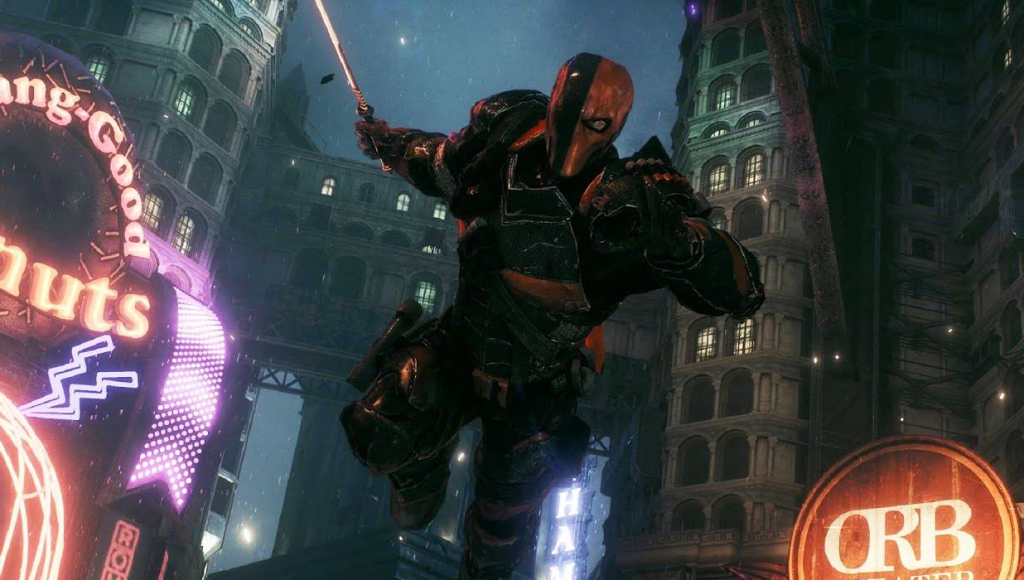
Deathstroke, Batman: Arkham Origins
A visually impressive fight that quickly becomes repetitive, relying heavily on counter mechanics that can feel more like memorization than dynamic combat.
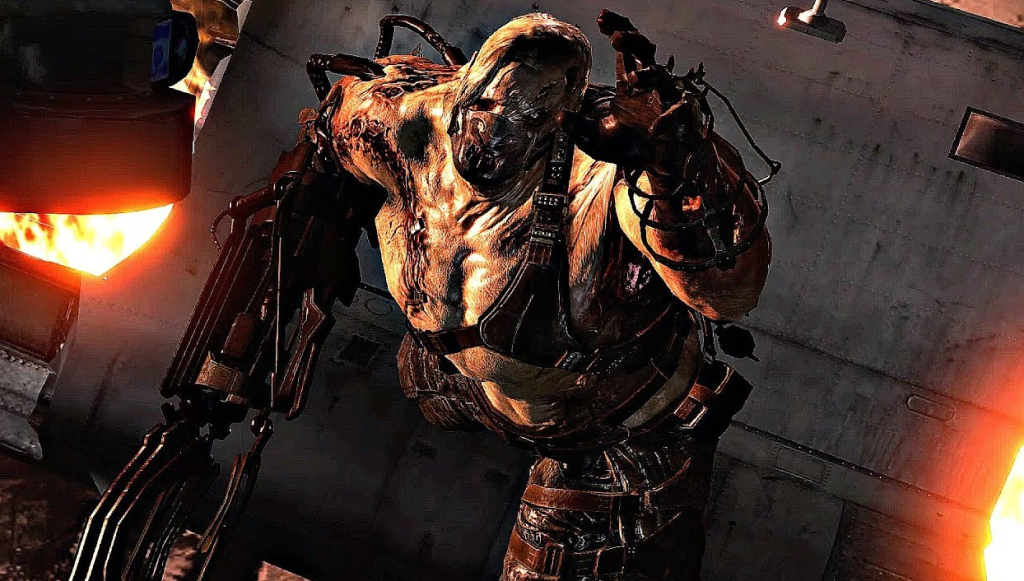
Ustanak, Resident Evil 6
Repeated encounters and scripted chase sequences make the character feel more like an interruption than a meaningful boss, breaking the pacing of the game.
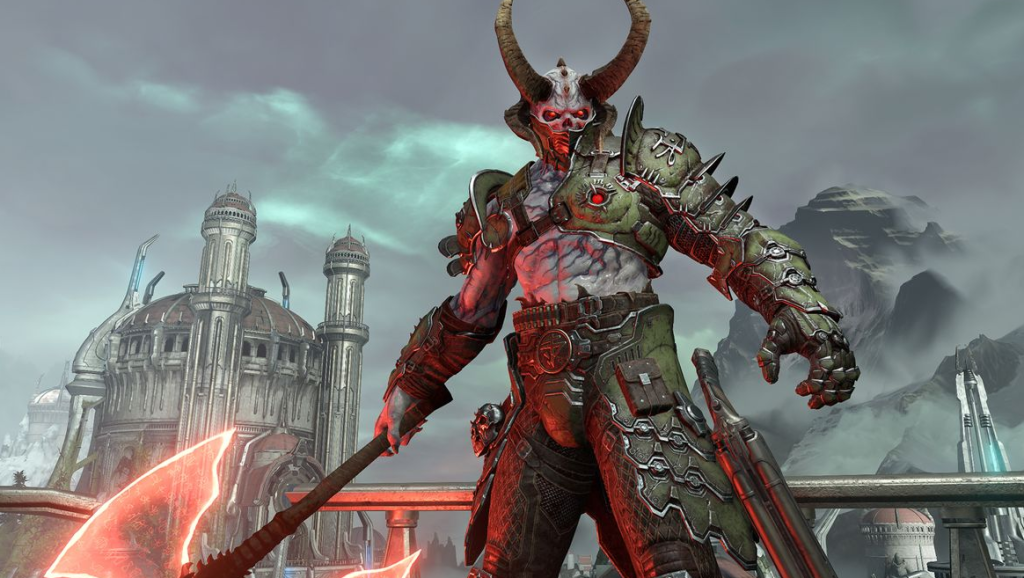
The Marauder, DOOM Eternal
Highly restrictive mechanics force players into a narrow strategy, punishing deviation and slowing down the game’s otherwise fast-paced combat flow.
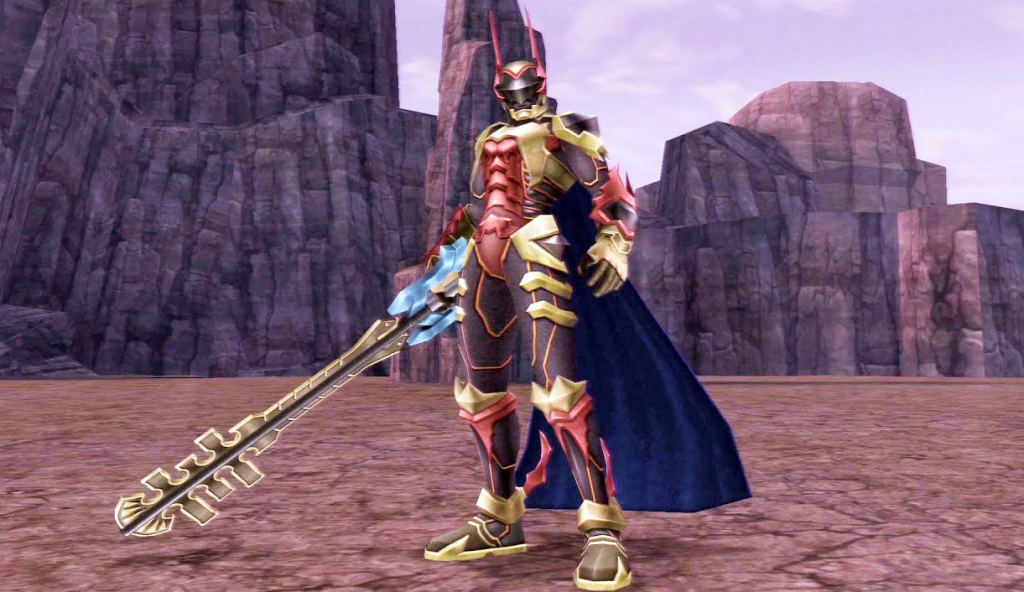
Lingering Will, Kingdom Hearts II Final Mix
An optional super boss with extremely aggressive patterns and minimal room for error, often requiring precise strategies that can feel punishing rather than enjoyable.
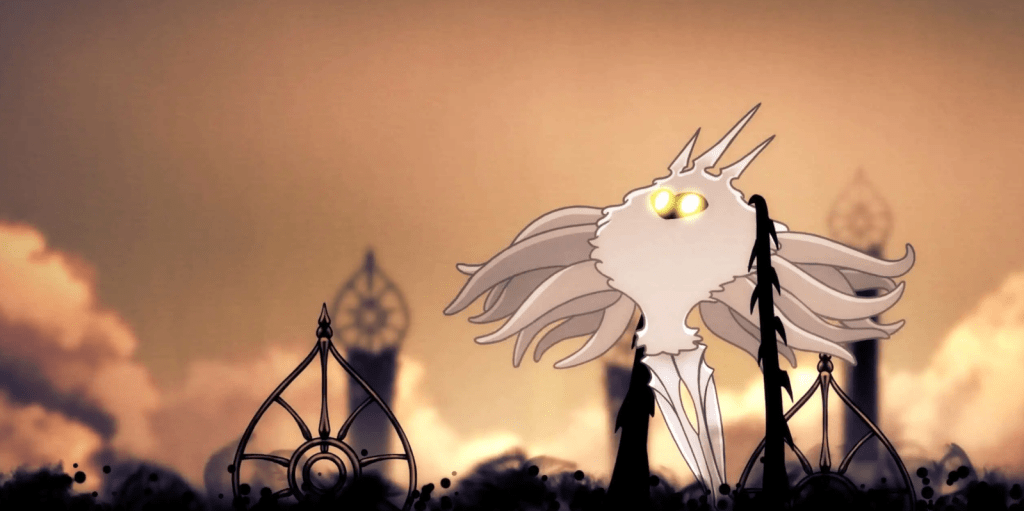
Absolute Radiance, Hollow Knight
A multi-phase fight with intense precision requirements and long attempts, where failure near the end forces players to restart entirely, making it feel more draining than satisfying.